2027 Minimum GPA Requirements for AI Bachelor's Degrees

Co-Founder and Chief Data Scientist
Prospective students often find themselves uncertain about the minimum GPA requirements for admission into AI bachelor's degree programs. This uncertainty can delay application preparation and lead to missed opportunities, especially for those transitioning from unrelated fields. GPA thresholds vary widely among institutions, complicating the selection process.
Understanding these requirements is crucial for targeted academic planning and improving admissions success. This article examines the typical 2027 minimum GPA expectations for AI bachelor's degrees across U.S. colleges and universities, providing clarity to help prospective students navigate application standards and align their educational goals effectively.
Key Things You Should Know
- Most U.S. universities require a minimum GPA of 3.0 for admission to AI bachelor's programs, reflecting competitive standards in STEM fields for 2026 enrollment.
- Some institutions accept a GPA as low as 2.7 if accompanied by strong standardized test scores or relevant extracurricular experience in AI or computing.
- Applicants with GPAs below 2.7 may pursue conditional admissions or bridging courses, highlighting a growing emphasis on skills over strict grade thresholds in AI education.
What are the minimum GPA requirements for AI bachelor's degree programs at accredited U.S. universities?
Minimum GPA requirements for AI bachelor's degree programs at accredited U.S. universities typically range between 3.0 and 3.7 on a 4.0 scale. Many competitive programs, especially at well-known research institutions, expect applicants to have at least a 3.5 GPA, reflecting the academic rigor associated with the field.
The average admitted GPA for STEM bachelor's programs has risen over recent years, indicating increased selectivity in technical disciplines, including artificial intelligence.
Applicants with GPAs below 3.0 may face challenges gaining admission unless they supplement their applications with exceptional achievements such as advanced coursework, research experience, or strong recommendation letters. State universities and less selective schools often require minimum GPAs closer to 3.0 or 3.2, providing alternative entry pathways.
For example, a public university might require a minimum 3.2 GPA, while a private research university could demand 3.7 or higher.
Admissions committees also consider performance in math and computer science courses heavily since foundational skills are critical. A student with a 3.4 overall GPA but a 3.8 GPA in relevant STEM courses may have a competitive edge.
Prospective students researching minimum GPA requirements for AI bachelor's programs in the U.S. should keep these factors in mind.
Transfer students typically need a minimum 3.0 GPA in completed college-level coursework. Professional experience in data science or machine learning can strengthen applications despite slightly lower GPAs.
For those exploring career paths, it helps to learn more about what job opportunities an AI degree can provide.
How do GPA requirements differ between top-ranked AI programs and regional universities?
GPA requirements for top-ranked AI bachelor's programs are notably higher than those at regional universities. According to U.S. News & World Report data, the median admitted GPA for students entering top-10 computer science programs usually stands at 3.9 or above.
In comparison, regional universities admit students with GPAs typically between 3.3 and 3.5, highlighting a clear 0.4 to 0.6 point difference that reflects the competitive nature of elite institutions.
Top-tier AI programs receive numerous applications from academically exceptional candidates, pushing admitted students to maintain nearly perfect GPAs, especially in STEM coursework. Institutions like Stanford and MIT emphasize consistent academic performance to ensure students can handle rigorous AI studies and research demands.
Regional universities often apply broader admissions criteria, aiming to serve diverse student populations. Their GPA differences between regional and national AI universities reflect a focus on practical skills, experience, and recommendations rather than solely on grades.
A GPA around 3.3 can still secure admission at many of these schools, which may offer more hands-on training and smaller class sizes.
Applicants should note that maintaining at least a 3.8 GPA is advisable when targeting highly selective programs. Prospective students interested in exploring alternative fields might also consider accredited mechanical engineering programs online, which can provide flexible pathways in tech education.
Careful evaluation of minimum GPA for top-ranked AI bachelor's programs can help students align their academic records with appropriate schools matching their career aspirations and backgrounds.
What prerequisite coursework and academic standards must students meet before applying to AI bachelor's degrees?
Applicants to AI bachelor's degree programs must fulfill prerequisite coursework and meet academic criteria before admission. According to the Association of American Universities (AAU), 87% of AI and computer science programs require calculus and discrete mathematics as foundational courses. These classes build critical problem-solving and analytical skills vital for advanced AI studies.
Students who complete them often achieve GPA scores about 0.3 points higher in major courses, reflecting their positive impact on academic success.
In addition to math prerequisites, many programs expect proficiency in introductory programming languages such as Python, Java, or C++. Coursework in linear algebra, statistics, or data structures may also be required. Minimum GPA requirements for admission to AI bachelor's programs typically range from 3.0 to 3.5 on a 4.0 scale, with some competitive programs setting higher standards to reflect the field's rigor.
Beyond specific courses and GPA, strong quantitative reasoning and analytical abilities are needed. This may include standardized tests like the SAT or ACT math sections, although some programs waive these if prerequisites and GPA are strong. Prospective students should check individual school policies as requirements vary.
For students from non-STEM backgrounds, bridge programs or community college courses are recommended to meet prerequisite coursework and academic criteria for AI bachelor's degree applicants. Those interested in accessible options may explore the cheapest online civil engineering degree as a related pathway to STEM fields.
Are GPA requirements the same for online and campus-based AI bachelor's degree programs?
Minimum GPA requirements for online AI bachelor programs tend to be slightly lower than those for campus-based degrees. The average admission GPA for online options is around 3.2, compared to about 3.5 for traditional campus programs.
This difference reflects accessibility goals and varied admissions policies aimed at broadening enrollment, especially for working professionals or nontraditional students.
Campus vs online AI bachelor's degree GPA criteria also impact how schools evaluate applicants. On-campus programs usually expect a consistent academic record above 3.5 to prepare students for demanding technical coursework.
Online programs may accept GPAs as low as 3.0, often balancing academic records with professional experience or prerequisite coursework to create a more flexible admissions process.
Applicants with GPAs below typical thresholds can improve their chances by completing foundational courses or targeting programs with holistic review policies. Some elite or research-focused institutions maintain higher GPA standards regardless of the delivery mode.
Students exploring options should also consider related fields, such as cybersecurity, for alternative pathways. For instance, online cybersecurity degree programs offer accessible opportunities that complement AI skills and career goals.
What is the typical cost and time commitment for completing an AI bachelor's degree in the United States?
Completing a bachelor's degree in artificial intelligence in the United States usually takes four years of full-time study, involving around 120 to 130 credit hours. The curriculum typically includes core subjects like computer science, machine learning, data structures, and specialized AI topics.
Some programs provide accelerated or part-time options that extend the duration but offer flexibility for working students.
Costs vary widely depending on the institution. Private universities charge an average total of $240,000 for a four-year AI degree, roughly $60,000 per year, while public universities are more affordable at about $104,000 total, or $26,000 annually. These amounts generally cover tuition, fees, and room and board.
Additional expenses such as textbooks, software licenses, and hardware for AI projects may add several thousand dollars over the degree period. Financial aid, scholarships, and in-state tuition benefits frequently reduce costs at public institutions.
Some curricula include cooperative education or internships that offer paid work experience, helping offset living expenses.
When selecting a program, prospective students should balance financial and time commitments with the quality of research opportunities and industry ties. While private institutions may carry higher costs, public universities with strong AI coursework present viable, budget-conscious alternatives.
- For detailed information on AI degree options, visit research.com/artificial-intelligence
Which professional certifications and industry credentials complement an AI bachelor's degree?
Professional certifications and industry credentials can greatly boost the value of an AI bachelor's degree. Cloud certifications such as AWS Certified Solutions Architect, Google Cloud Professional Data Engineer, and Microsoft Azure AI Fundamentals are highly sought after. According to LinkedIn's 2024 Jobs Report, AI bachelor's holders with these cloud credentials earn 23% higher starting salaries-$78,000 compared to $63,000 for those without certifications.
These certifications prove candidates' ability to manage AI workloads on major cloud platforms, a skill in high demand by employers.
Certifications in machine learning, like the TensorFlow Developer Certificate and IBM AI Engineering Professional Certificate, verify skills in creating and deploying AI models. Data science certifications such as Certified Data Scientist (CDS) and SAS Certified AI & Machine Learning Professional enhance expertise in data manipulation and algorithm development, vital for AI roles.
Cybersecurity qualifications like CompTIA Security+ and Certified Information Systems Security Professional (CISSP) are essential for AI specialists handling sensitive information in secure settings.
Programming and software development credentials, for example, Oracle Certified Professional Java Programmer or Microsoft Certified: Azure Developer Associate, reflect critical coding skills required for AI development. Project management certifications such as PMP also provide value by preparing graduates to lead complex AI initiatives.
Choosing certifications aligned with career objectives-especially those focused on cloud platforms and data-centric AI roles-maximizes employability and career growth.
What career roles and job titles are available to graduates with an AI bachelor's degree?
Graduates with a bachelor's degree in artificial intelligence have diverse career options across sectors such as technology, healthcare, finance, and automotive. According to the U.S. Bureau of Labor Statistics, some of the fastest-growing entry-level roles include machine learning engineer, AI research scientist, data scientist, and AI ethics specialist.
These positions show a combined expected growth rate of 28% through 2032, demonstrating strong industry demand.
Machine learning engineers develop algorithms that enable computers to learn from data, requiring skills in programming languages like Python and frameworks such as TensorFlow. AI research scientists innovate new AI models, often working in academic, corporate, or government research settings.
Data scientists apply AI techniques to analyze large datasets for insights that support decision-making in areas ranging from marketing to healthcare.
AI ethics specialists focus on addressing bias, transparency, and the societal impacts of AI, a vital role as organizations prioritize responsible AI use. Other roles include natural language processing engineer, robotics engineer, and computer vision specialist.
Practical experience through internships or projects in fields like autonomous vehicles or cybersecurity enhances employability.
Additional career paths involve AI product management and AI-focused software development, blending technical skills with strategic planning. Researching job descriptions and qualifications helps graduates target roles that match their expertise and aspirations.
What is the current job outlook and salary range for AI bachelor's degree holders?
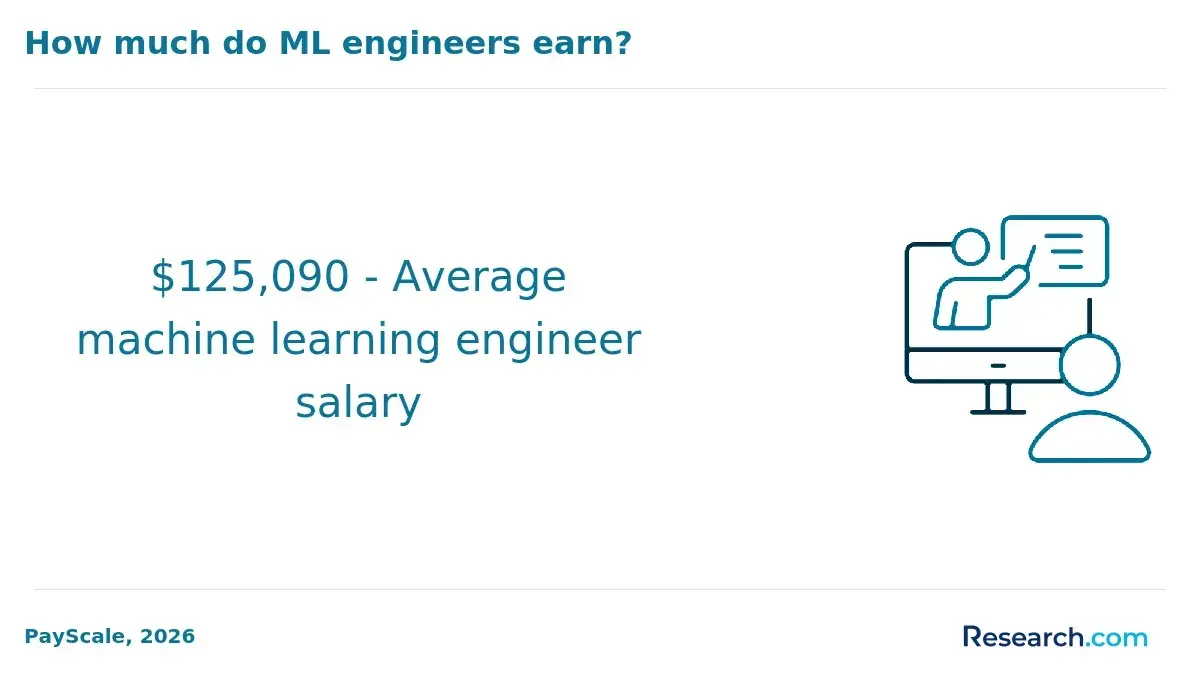
Job prospects for graduates holding a bachelor's degree in artificial intelligence continue to be highly favorable, fueled by strong industry adoption in technology, finance, healthcare, and manufacturing. Entry-level roles such as machine learning engineers, data scientists, and AI software developers typically offer a median starting salary of $72,000, according to Glassdoor's career outlook report.
These positions generally demand skills in programming languages like Python, knowledge of neural networks, and familiarity with data analytics tools.
Salary growth for AI degree holders is projected at 35% over five years, significantly outpacing the 15% average for all bachelor's degree fields. Professionals who specialize further-becoming AI research scientists or robotics engineers, for example-can anticipate salaries surpassing $120,000 with experience.
Keeping skills current in deep learning frameworks and natural language processing remains essential for maximizing career and earning potential.
Students and graduates should actively develop technical portfolios, seek internships, and participate in AI-related projects to remain competitive. Applied roles in fast-growing sectors like autonomous vehicles, cybersecurity, and personalized medicine offer promising opportunities. Additionally, job security is enhanced by AI's resistance to automation and outsourcing.
How should prospective students evaluate accreditation and program quality when choosing an AI bachelor's degree?
Accreditation is a vital factor for students choosing an AI bachelor's degree, ensuring quality education and better career outcomes. Programs accredited by recognized agencies like ABET adhere to rigorous academic and industry standards.
Data from ABET shows accredited computer science and AI programs boast a 94% employment rate within six months of graduation, compared to 78% for non-accredited programs. This significant 16% difference highlights the career advantages of attending accredited programs.
Prospective students should verify ABET or equivalent accreditation before enrolling. Programs lacking accreditation may offer inconsistent curricula or outdated material, which can hinder job readiness and employer perception.
Non-accredited AI degrees often miss crucial subjects like machine learning, neural networks, or data ethics, essential skills for today's job market.
Evaluating faculty expertise and research opportunities is also important. Programs with active AI researchers or industry partnerships typically provide richer learning environments and stronger networking connections.
Transparency about course content, including hands-on labs, programming languages such as Python, and capstone projects, further indicates a program's relevance to employer demands.
Careful consideration of these factors-accreditation status, faculty qualifications, curriculum transparency, and experiential learning-supports smarter decisions for students aiming to succeed in AI careers.
What admission factors beyond GPA do universities consider when evaluating AI bachelor's degree applicants?
Universities evaluate multiple factors beyond GPA when considering applicants for an Artificial Intelligence bachelor's degree. Standardized test scores, especially the SAT and ACT, remain influential, with about 73% of institutions factoring these results into their admission decisions.
A notable correlation shows that a 50-point increase in SAT math can reduce GPA requirements by 0.15 for borderline candidates, emphasizing the significance of quantitative skills in AI admissions.
Course rigor in high school is critical, particularly in math, computer science, and other STEM subjects. Advanced coursework such as calculus, statistics, and programming demonstrates readiness for the challenging AI curriculum.
Letters of recommendation from teachers who understand an applicant's analytical and work ethic qualities provide valuable insight beyond grades.
Extracurricular involvement in related areas-like coding contests, robotics clubs, or internships-reflects hands-on experience and passion for the field. Personal essays also play an important role, showcasing problem-solving abilities, commitment to AI, and awareness of ethical issues. These elements help distinguish candidates with comparable academic records.
Some programs request portfolios presenting programming projects or AI research, and proficiency in languages like Python or Java further strengthens applications by confirming technical skills. Together, these factors create a comprehensive profile that can offset marginal GPA deficiencies and enhance admission prospects for aspiring AI students.
Other Things You Should Know About Artificial Intelligence
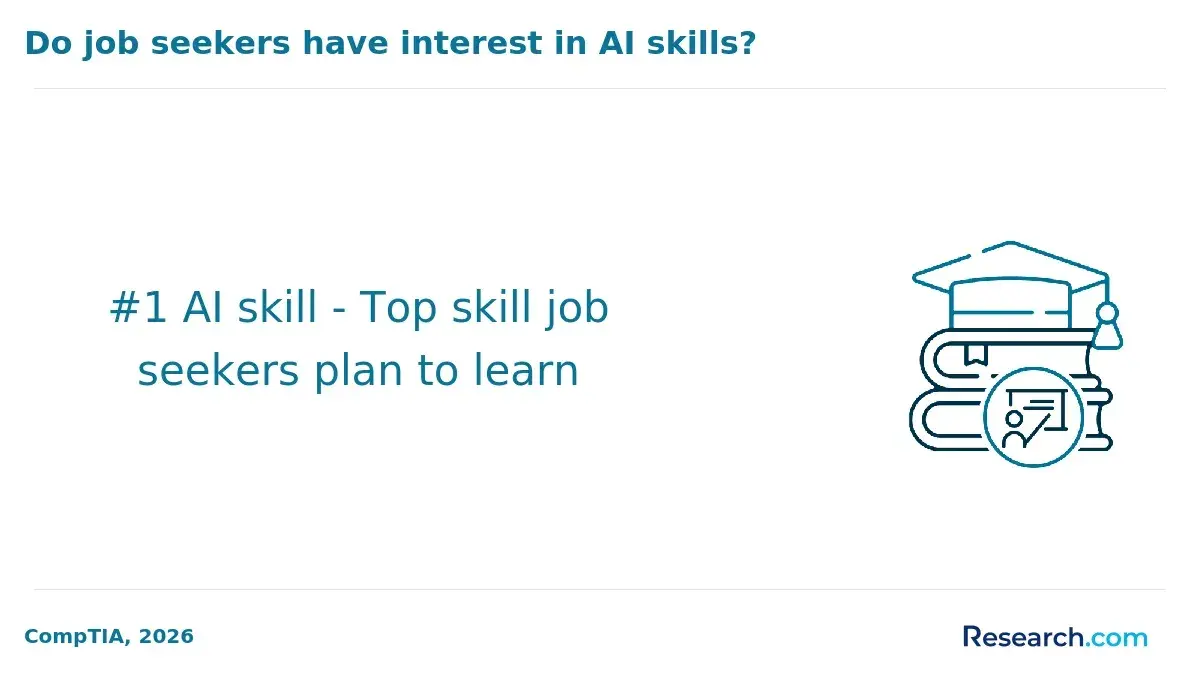
Strong analytical and problem-solving skills are essential for students pursuing an artificial intelligence degree. Proficiency in mathematics, particularly linear algebra, calculus, and statistics, forms the foundation. Programming skills in languages such as Python, Java, or C++ are also critical for implementing algorithms and working with data. Additionally, effective communication skills help in explaining complex AI concepts clearly.
Yes, many students enter artificial intelligence programs after starting in related STEM fields like computer science, mathematics, or engineering. However, catching up on AI-specific coursework and foundational classes is often required. Universities may ask for prerequisite courses in programming and mathematics before officially switching majors.
Work-study and internships provide practical experience and exposure to real-world AI applications. These opportunities allow students to apply theoretical knowledge in industries such as robotics, data science, and machine learning. Internships also help build professional networks and improve job prospects after graduation.
In 2027, universities with competitive AI bachelor’s degree programs may weigh GPA more heavily due to rigorous coursework expectations. Applicants with lower GPAs might consider strong letters of recommendation or exploring related fields like AI and financial technology master’s to broaden career prospects.
References
- How AI Rethinks Grades and Bias in Admissions: From GPA to GPT (Grade Point Trajectory) on HigherEdPods https://higheredpods.com/episode/d77b9f80-1fc1-4e58-a59e-4aced7b6f8fc
- 23 Top AI Certifications to Know | Built In https://builtin.com/articles/ai-certification
- Artificial Intelligence admission requirements in detail https://www.srh-university.de/en/master/bls/information-technology-artificial-intelligence/artificial-intelligence-admission-requirements-in-detail/
- AI-Assisted Admissions: Evaluating Skills Beyond Test Scores https://www.eklavvya.com/blog/ai-assisted-admissions/
- Online vs On-Campus Artificial Intelligence Degrees: Which Is Better? https://hakia.com/degrees/artificial-intelligence/online-vs-campus/
- 10 generative AI certifications to grow your skills https://www.cio.com/article/2128415/generative-ai-certifications-and-certificate-programs.html
- What Are the Career Paths After a Bachelor of Science in AI https://tetr.com/blog/what-are-the-career-paths-after-a-bachelor-of-science-in-ai
- AI Careers - Top AI Jobs with Education Requirements and Pay https://aidegreeprograms.org/ai-careers/
- Minimum GPA for MS in US Universities: Requirements, Myths, and Real Facts https://www.europeanbusinessreview.com/minimum-gpa-for-ms-in-us-universities-requirements-myths-and-real-facts/
- How to choose a bachelor's in artificial intelligence | edX https://www.edx.org/resources/how-to-choose-a-bachelors-in-artificial-intelligence