2027 Best AI Bachelor's Degrees for Edge AI Careers

Co-Founder and Chief Data Scientist
Many aspiring professionals face difficulty finding bachelor's programs that combine foundational computing skills with specialized knowledge for edge AI careers. Traditional degrees often lack practical focus on deploying AI models on resource-constrained devices, leaving graduates underprepared for this evolving field. Meanwhile, changing careers or enhancing credentials demands flexible, accredited programs that emphasize emerging technologies without requiring extensive prior AI experience.
This article examines top bachelor's degrees tailored to equip students with relevant skills in edge AI development, deployment, and optimization. It aims to guide readers toward educational paths that align with industry needs and career transitions in Artificial Intelligence.
Key Things You Should Know
- Edge AI careers require specialized bachelor's degrees combining AI fundamentals with hardware, embedded systems, and real-time data processing, reflecting a 25% growth in demand by 2028.
- Top programs in 2027 emphasize interdisciplinary skills, blending machine learning, IoT, and cybersecurity to prepare students for practical Edge AI applications.
- Graduates from leading U.S. AI bachelor's programs report 15% higher starting salaries in edge computing roles compared to traditional AI positions, driven by industry investment shifts.
What is an edge AI career, and what does an AI bachelor's degree cover?
An edge AI career opportunities and growth are driven by the need for intelligent systems that operate on devices near the data source rather than relying on centralized cloud servers. This method offers advantages such as reduced latency, enhanced privacy, and lower bandwidth costs, making it essential for IoT devices, autonomous vehicles, smart cameras, and industrial automation. Professionals in this field develop AI models optimized for resource-constrained hardware.
A bachelor's degree curriculum in artificial intelligence covers foundational topics like machine learning, data structures, algorithms, computer vision, natural language processing, robotics, and embedded systems. Students commonly learn programming languages such as Python and C++ and acquire skills for deploying AI on edge devices.
Hands-on experience with hardware integration, sensor data analysis, and model optimization for low power use is emphasized. Electives often include cybersecurity, cloud computing, and distributed systems to support hybrid edge-cloud AI architectures. Strong mathematical foundations in linear algebra, calculus, and statistics underpin the design and evaluation of algorithms.
Graduates are well-equipped to address challenges like balancing model accuracy with device constraints and ensuring real-time decision-making in autonomous systems. With IDC forecasting global edge spending to rise from $228 billion to $378 billion by 2028, the demand for skills in deploying AI and analytics on-device continues to grow rapidly.
Prospective students should seek bachelor's programs with courses or projects focused on edge computing and embedded AI to align their studies with market trends. For more details on career paths, see what can you do with an applied artificial intelligence degree.
Which bachelor's degrees best prepare you for edge AI roles?
Bachelor's degrees in computer engineering and electrical engineering are highly suited to preparing students for edge AI careers. These programs emphasize embedded systems, hardware-software integration, and real-time processing-skills essential for deploying artificial intelligence on resource-constrained devices at the network edge. Lightcast (2024) identifies "Embedded Systems" as a critical specialized skill demanded in edge-relevant job postings, confirming that strong embedded systems curricula align well with labor market needs.
Computer engineering degrees often include courses in microcontrollers, IoT architectures, signal processing, and low-level programming, enabling graduates to optimize AI models for edge devices such as wearables, sensors, and autonomous robots. Electrical engineering programs with an embedded systems focus cover digital circuit design, communication protocols, and control systems to support robust edge AI implementations. Prospective students seeking top undergraduate programs for edge artificial intelligence roles should consider these focused offerings.
Computer science degrees concentrating on embedded systems or IoT can also be effective, particularly when combined with hands-on experience in hardware interfacing and real-time systems programming. These graduates blend software proficiency with essential hardware awareness to tackle edge AI challenges effectively.
Students should prioritize programs that offer internships or co-ops involving IoT, robotics, or embedded design projects. Skills in languages like C, C++, and Python, alongside tools such as RTOS, FPGA programming, and cloud-edge platforms, improve job readiness. Understanding embedded AI applications-from smart manufacturing to autonomous vehicles-and choosing degrees balancing theory with practical projects addressing power, latency, and security enhances employability.
Those interested in further mechanical engineering education might explore the cheapest online master's mechanical engineering options to complement their AI skill set.
What should you look for in accredited AI and computer science programs?
Look for accredited AI and computer science programs with hands-on edge AI training that integrate strong foundations in both technical skills and governance frameworks. Core curricula should cover machine learning, neural networks, data structures, and software development, alongside AI ethics, risk management, and governance to meet real-world demands. Emphasizing frameworks like NIST's AI RMF 1.0, which advises organizations to "map, measure, manage, and govern" AI risks across its lifecycle, sharpens students' skills for compliance and procurement in evolving markets.
Top computer science degrees emphasizing edge AI technology integration often include practical coursework on risk frameworks aligned with standards such as NIST, essential for developing safe and reliable edge AI systems. Programs offering project-based learning, internships, or industry partnerships enhance applied skills.
Curricula addressing hardware-software co-design, embedded systems, IoT, and real-time data processing reflect the resource constraints vital to edge AI. Investigate faculty expertise and research opportunities in areas like edge AI, computer vision, natural language processing, and security to ensure alignment with your career goals.
Accreditation by recognized bodies such as ABET guarantees quality and industry standards, while strong job placement rates indicate effective career preparation. Additionally, some programs provide clear certification paths in AI risk management or governance, bolstering credentials in competitive job markets. For more options, explore ai degrees online.
What core courses and labs matter most for edge AI readiness?
Core courses for edge AI development emphasize model optimization, embedded systems, and real-time data processing. Essential classes focus on machine learning algorithms tailored for resource-limited devices, signal processing, and hardware-aware programming. Hands-on labs for edge AI skills help translate theory into practice, covering model quantization, pruning, and compression to reduce memory and computational demand.
Understanding microcontroller architectures and low-power design is crucial, as these influence hardware constraints in deployment. Lab experiences involving benchmarking model performance and energy efficiency on edge devices align with insights from MLPerf Tiny, demonstrating significant variation across tasks like keyword spotting and vision.
Additional labs train students in sensor integration and real-time inference pipelines, preparing them to manage noisy input data and optimize sensor-to-action loops without cloud dependency. Coursework in systems programming and operating systems enables customization of runtime environments for better resource management. Software-hardware co-design projects further develop skills in synchronization, power management, and interrupt handling unique to edge AI.
Prospective professionals in this field require solid knowledge of:
- Model optimization techniques (quantization, pruning, distillation)
- Embedded systems programming (C/C++, RTOS)
- Sensor and signal processing for real-time data
- Benchmarking performance and energy consumption on edge platforms
Labs simulating deployment scenarios illustrate trade-offs in accuracy, speed, and power efficiency-vital skills in today's competitive edge AI job market. Those seeking to deepen expertise may consider programs such as an online masters in data science, which can provide comprehensive training relevant to these advanced topics.
How do online AI bachelor's programs compare with on-campus options?
Online AI bachelor's programs now offer curriculum quality comparable to on-campus degrees, especially at major universities recognized for computing fields. According to NCES (2024), millions are enrolled in undergraduate distance education, highlighting broad adoption and sustained delivery of online degrees. These programs often feature the same faculty, course materials, and project expectations regardless of format.
Benefits of online AI education include greater flexibility and accessibility, enabling working professionals and diverse learners to balance studies with personal commitments. Many incorporate asynchronous lectures, allowing students to progress without geographic or time constraints.
Challenges remain, such as less face-to-face interaction and limited access to physical AI labs or research groups. However, virtual labs and remote collaboration tools are increasingly common, helping close the gap. Prospective students should confirm opportunities for hands-on projects and internship support within online offerings.
On-campus programs provide immersive networking, one-on-one mentorship, and access to AI research centers that benefit those seeking cutting-edge research or industry connections. Campus recruitment fairs and AI-specific events often offer unique advantages.
Choosing between online and on-campus options depends on learning style, availability, and career goals. Those prioritizing practical AI experience and direct collaboration may prefer on-campus study. Meanwhile, online education offers robust AI training with flexibility to suit remote learners.
What admissions requirements and prerequisites do AI bachelor's programs require?
AI bachelor's programs typically require a solid background in math and programming. While most schools expect at least precalculus knowledge, top programs often insist on calculus completion. The College Board/AP Program data highlight that AP Calculus and AP Computer Science A remain among the most taken STEM exams, reflecting a widespread readiness in calculus and programming among applicants.
Admissions commonly ask for:
- High school math coursework up to calculus, essential for grasping algorithms and AI model development.
- Programming proficiency shown through AP Computer Science A or experience in languages like Python, Java, or C++.
- Strong academic records in science and math, generally requiring a GPA around 3.0, with more selective programs demanding 3.5 or higher.
- Standardized test scores, such as SAT or ACT math sections, if applicable.
- Relevant extracurricular activities in computing or robotics to demonstrate practical skills.
Additional criteria may include letters of recommendation emphasizing quantitative skills, personal statements reflecting analytical thinking, and prerequisites like linear algebra or introductory AI coursework, especially for transfer students or working professionals. Meeting these standards prepares candidates for specialized fields focusing on embedded systems and real-time data processing in edge AI careers.
How long do AI bachelor's programs take, and what do they cost?
AI bachelor's degrees usually span four years of full-time study, comparable to most U.S. undergraduate programs. Some universities allow students to accelerate their studies to three years by taking heavier course loads or enrolling in summer sessions. Part-time and online options offer flexibility but may extend the overall time to complete the degree. Core coursework covers areas like computer science, math, and data structures, advancing into specialized fields such as machine learning and robotics.
Tuition costs vary significantly. Public in-state tuition averages about $10,940 annually, totaling roughly $43,760 for four years according to College Board's Trends in College Pricing. Private institutions often charge over $40,000 per year, which can exceed $160,000 over the program's duration. Additional expenses include textbooks, technology fees, and living costs, so financial planning is essential.
Many schools provide scholarships and cooperative education programs offering paid work placements, helping to reduce net costs. Prospective students should confirm whether AI-specific courses or labs require extra fees due to specialized equipment. Consulting university financial services can clarify these details and support effective budgeting.
- Four years for full-time AI bachelor's degrees, with accelerated options
- Average in-state public tuition about $10,940 per year (College Board)
- Private university tuition often exceeds $40,000 annually
- Additional costs include books, tech fees, and living expenses
- Scholarships and co-op programs may offset expenses
Which schools offer strong AI programs with embedded and hardware coursework?
Several leading U.S. universities excel in ai programs that integrate hardware and embedded systems, offering strong preparation for careers focused on edge AI. Institutions with prominent computer science departments and high engineering research funding deliver robust interdisciplinary opportunities. The NSF Higher Education R&D Survey (HERD) FY2023 highlights that these schools invest hundreds of millions annually in research, underpinning faculty expertise and lab resources crucial for AI hardware innovation.
The Massachusetts Institute of Technology (MIT) stands out for its combined programs in AI, computer engineering, and embedded systems. MIT's Computer Science and Artificial Intelligence Laboratory (CSAIL) along with their Electrical Engineering and Computer Science departments provide practical labs in chip design, embedded AI architectures, and system-on-chip (SoC) development. Stanford University emphasizes AI together with custom hardware courses like AI accelerator design and robotics, focusing on deploying AI models on edge devices.
Carnegie Mellon University offers a bachelor's degree that blends AI with embedded systems through its Electrical and Computer Engineering department, covering FPGA programming, microcontroller AI applications, and real-time systems. The University of California, Berkeley connects AI coursework with hardware research centers such as the Berkeley Wireless Research Center, focusing on embedded AI for IoT and sensor networks.
Students should seek programs including digital logic design, embedded system programming, and AI model optimization on hardware. Practical research or internships in labs collaborating with industry hardware partners enhance readiness for edge AI roles.
What jobs can you get in edge AI with a bachelor's degree?
Graduates holding a bachelor's degree in fields related to edge AI can pursue roles focused on software development and embedded systems engineering. The U.S. Bureau of Labor Statistics projects that software developer employment will grow much faster than average, highlighting strong opportunities for candidates qualified in edge AI.
Key positions include embedded software engineer, edge AI developer, machine learning engineer, and systems integrator. These roles involve creating AI models optimized for low-power devices such as IoT sensors, mobile gadgets, and autonomous drones. Graduates often program edge devices for real-time data processing and decision-making without cloud dependency.
Responsibilities often entail:
- Optimizing neural network architectures for hardware limitations
- Deploying AI inference on microcontrollers
- Integrating AI within consumer electronics or industrial machinery
- Handling data acquisition and preprocessing at the edge to maximize bandwidth efficiency
Success in edge AI careers requires proficiency in programming languages like Python and C++ and knowledge of AI frameworks compatible with edge hardware. Experience with embedded Linux, real-time operating systems, and AI accelerators or low-power chips is highly valued. Internships or projects demonstrating practical edge AI applications enhance job prospects significantly.
Additional roles include AI software tester or quality assurance engineer, focusing on validating AI-powered edge devices' reliability and safety with attention to hardware constraints and model limitations.
What are salary expectations and job outlook for edge AI graduates?
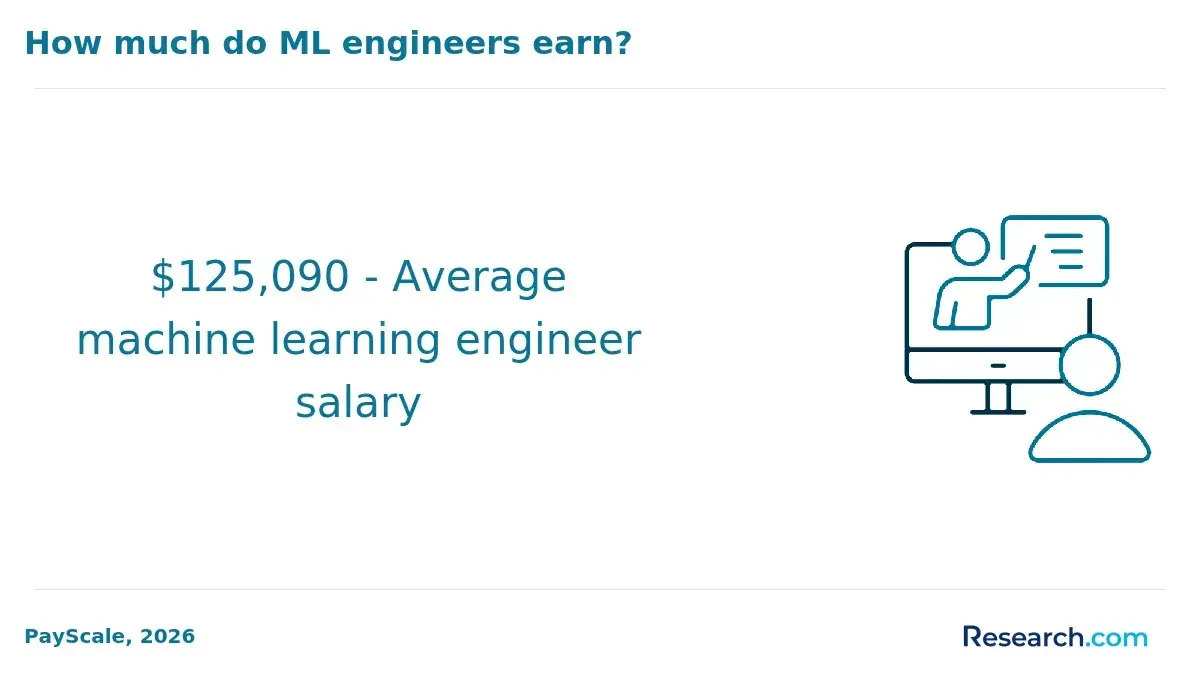
Edge AI graduates have strong salary prospects supported by technical skills in machine learning, embedded systems, and real-time data processing. The median annual wage for software developers, a closely related role, is about $120,000 according to the U.S. Bureau of Labor Statistics Occupational Employment and Wage Statistics (May 2024). This median salary sets a benchmark for many edge AI positions requiring a bachelor's degree.
Job growth in this field is notably healthy; software development roles are projected to increase by 22% from 2022 to 2032, highlighting rapid demand fueled by advancements in autonomous vehicles, smart cameras, and wearable health tech.
Common job titles for edge AI graduates include:
- Embedded systems engineer
- Machine learning engineer
- IoT developer
- Edge computing software engineer
Salaries vary by location and industry. Graduates working in tech hubs like Silicon Valley or Seattle often receive 10-20% higher pay than the national median. Industries such as automotive and healthcare, where edge AI drives innovation, tend to offer premium compensation packages.
To enhance career longevity, staying current with emerging edge AI frameworks and hardware optimizations is crucial. Combining expertise in edge AI with cybersecurity or cloud integration can also boost job opportunities and earning potential.
Other Things You Should Know About Artificial Intelligence
Interdisciplinary skills are valuable because artificial intelligence integrates concepts from computer science, neuroscience, cognitive science, and engineering. Understanding domains like ethics, psychology, and robotics can provide broader perspectives and help AI graduates design more effective and socially responsible technologies. Many programs encourage interdisciplinary projects that mirror real-world AI challenges.
Yes, internships and research experiences are essential for applying theoretical knowledge to real-world problems. They provide hands-on experience, improve technical skills, and can lead to professional networking opportunities. Many degree programs include or recommend internships with tech companies, startups, or research labs focused on AI development.
Students should follow developments in edge computing hardware, such as low-power AI chips and neuromorphic processors. Advances in federated learning and AI model optimization for resource-limited devices are also key trends. Staying current with AI ethics, privacy, and security issues related to edge AI deployment is increasingly important for future professionals.
While several universities offer AI bachelor's degrees, schools like Carnegie Mellon University and Stanford University have highly specialized programs emphasizing Edge AI. Prospective students should also explore beginner-friendly artificial intelligence master’s programs for expanding their learning pathways.
References
- Artificial Intelligence - Vistula University https://vistula.edu.pl/en/major/artificial-intelligence
- What is the Best Degree for an AI Career? | SNHU https://www.snhu.edu/about-us/newsroom/stem/best-degree-for-an-artificial-intelligence-career
- Choose Your Track https://www.scu.edu/engineering/graduate/ms-ai/
- AI-Native Grads Edge Ahead In Tight Job Market https://theaussiecorporate.com/blogs/pickandscrollnews/ai-native-grads-edge-ahead-in-tight-job-market
- How to Get into a BSc in AI Program | Admission Guide 2025 https://futurense.com/blog/bsc-ai-program
- Skills for AI Readiness https://www.centranum.com/resources/capability-and-competency/skills-for-ai-readiness/
- What Are the Career Paths After a Bachelor of Science in AI https://tetr.com/blog/what-are-the-career-paths-after-a-bachelor-of-science-in-ai
- 16 Artificial Intelligence Career Paths https://www.calmu.edu/news/artificial-intelligence-career-paths
- Which College Majors are Most and Least Vulnerable to AI? https://www.ivyscholars.com/which-college-majors-are-most-and-least-vulnerable-to-ai/
- Majors That Will Remain Employable After AI Disruption (Next 10 Years) https://goelite.com/blogs/majors-in-ai-age