2027 AI Associate Degrees With Real-World Case Studies

Co-Founder and Chief Data Scientist
Professionals with undergraduate degrees in unrelated fields often face uncertainty when seeking to enter the artificial intelligence sector. The rapid evolution of technology demands practical skills that traditional education paths may not offer, causing gaps between theoretical knowledge and industry requirements. Many struggle to find flexible, accredited programs that combine foundational learning with relevant real-world applications.
This article explores associate degrees in artificial intelligence designed to bridge this gap effectively. It highlights case studies demonstrating how these programs equip students with applicable expertise, enabling career transitions into the AI industry with confidence and competence.
Key Things You Should Know
- Associate degrees in artificial intelligence now integrate real-world case studies, enhancing practical skills and job readiness in fields like data analysis and machine learning.
- Enrollment in AI-related associate programs grew by 18% from 2024 to 2025, reflecting increased demand for AI competencies in the U.S. workforce.
- Graduates report a 22% higher employment rate within six months, benefiting from hands-on experience and exposure to industry-relevant AI tools and challenges.
What is an AI associate degree, and what careers does it prepare you for?
An AI associate degree provides a two-year foundation in essential technologies such as machine learning basics, data analytics, and programming languages like Python. This credential prepares graduates for entry-level jobs in artificial intelligence and machine learning, focusing on practical AI system implementation without the requirement of a bachelor's degree.
Career opportunities for those with an AI associate degree include:
- AI technician roles, supporting machine learning model training and maintaining AI software
- Data analyst positions that organize and interpret datasets for AI projects
- Junior software developer jobs coding and testing AI algorithms under guidance
- Automation specialist careers enhancing AI-driven processes in manufacturing, logistics, and beyond
This degree's hands-on approach equips graduates to work across sectors like healthcare technology, finance, customer service automation, and retail analytics, meeting employer demand for applied AI skills rather than advanced theory.
Demand is growing rapidly, with U.S. employers posting about 14% more AI job listings recently (Lightcast, "AI Jobs Report 2025"). This rise reflects the expanding use of AI in various industries, where mid-level and support roles play vital parts in development and deployment.
Those pursuing an associate degree are advised to gain experience through internships and real-world projects, enhancing their readiness for potential advancement into bachelor's programs or specialized certifications. Prospective students might also explore a computer science degree online to complement their AI skills.
Which accredited colleges offer reputable AI associate degrees in the United States?
Several accredited colleges offering AI associate degrees in the United States provide accessible pathways for students seeking practical technical skills. Public two-year community colleges play a key role; 43% of U.S. undergraduates attend these institutions, reflecting their commitment to workforce-relevant programs. These degrees combine programming languages like Python with frameworks such as TensorFlow and emphasize project-based learning to build real-world AI problem-solving skills.
Top reputable US colleges for AI associate degree programs include Miami Dade College in Florida, offering an Associate in Science in Artificial Intelligence & Data Science with hands-on projects. De Anza College in California focuses on an Associate of Science in Computer Science specializing in AI fundamentals such as robotics and programming. Lane Community College in Oregon provides a Computer Information Systems degree with a strong AI pathway that links algorithms to business applications.
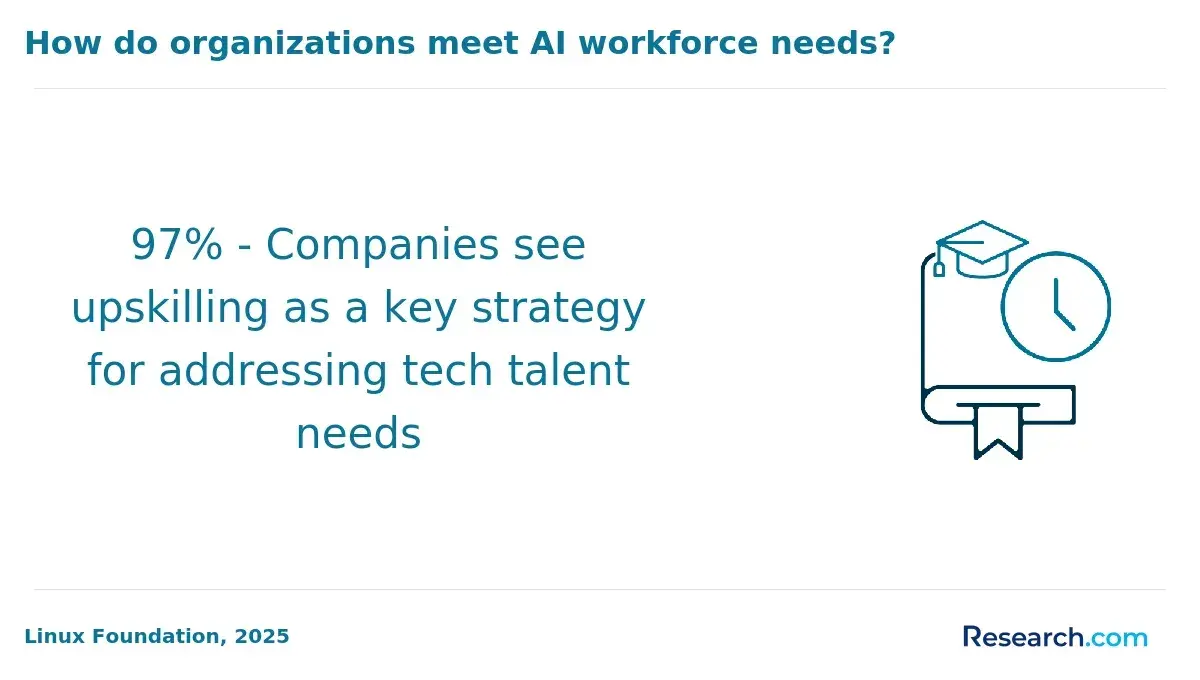
Students should verify regional accreditation and seek curricula covering algorithm development, ethical AI considerations, and case study analysis. Many colleges have articulation agreements for transfers into four-year bachelor's programs, allowing flexible education options. Graduates with associate degrees in AI increasingly meet employer demand for demonstrable skills.
For those interested in related fields, exploring an online mechanical engineer degree may also provide valuable STEM opportunities.
How do AI associate degrees compare with certificates and bootcamps?
AI associate degrees offer a more comprehensive curriculum than certificates and bootcamps, typically spanning two years with foundational courses in mathematics, programming, and ethics, combined with hands-on applications. Certificates and bootcamps, often lasting just a few months, focus narrowly on specialized skills like machine learning frameworks or data pipelines, appealing to those seeking rapid upskilling. This difference highlights the benefits of AI associate degrees when compared with shorter programs in terms of depth and breadth of knowledge.
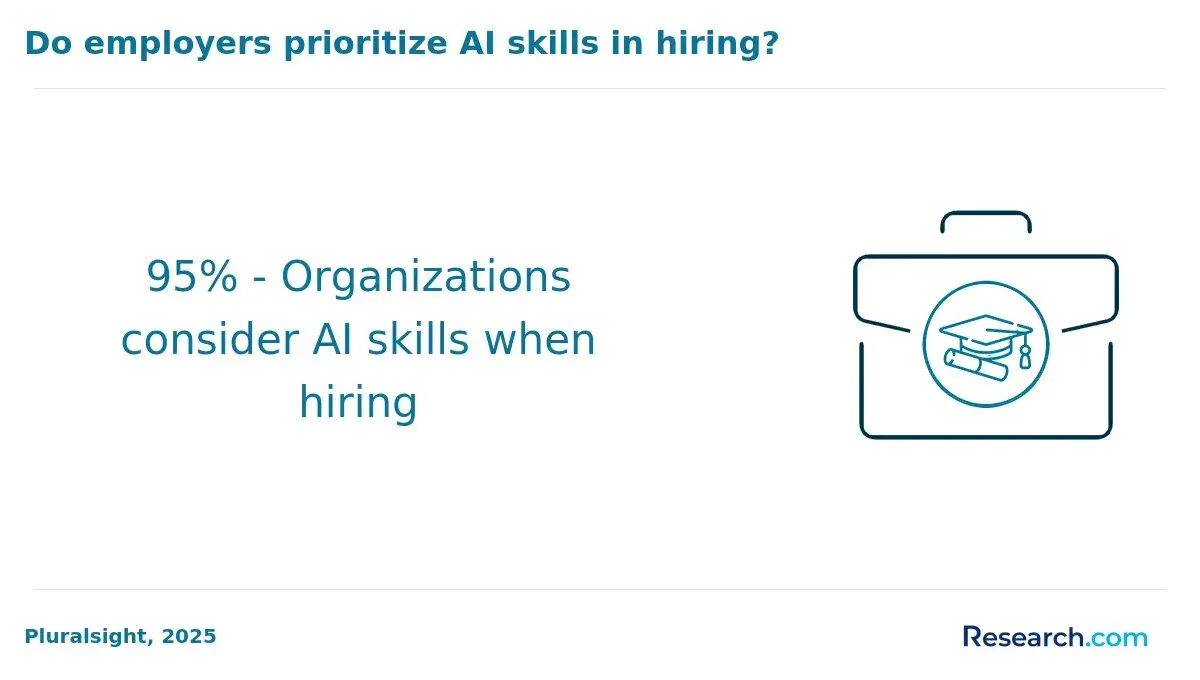
Employers increasingly consider both credentials valuable, emphasizing skills-based hiring. About 45% of U.S. employers value certifications alongside degrees, reflecting a shift in hiring practices. Entry-level roles such as AI data annotation or software testing may accept bootcamp graduates, while jobs requiring system design or AI ethics oversight prefer associate degree holders. Comparing AI associate degrees and bootcamp outcomes reveals practical exposure differences; associate degrees integrate internships and diverse projects, while bootcamps emphasize portfolio-building on focused projects.
Costs and time commitments vary: certificates and bootcamps tend to be less costly with flexible schedules, suitable for working professionals aiming for quick skill acquisition. Associate degrees demand more time and investment but provide recognized credentials and options for transfer to four-year programs. Students should weigh these factors based on career goals and learning style.
For a related field, consider exploring a game art degree online as an alternative path with growth potential.
What courses and hands-on projects are typical in AI associate programs?
AI associate degree coursework covers foundational skills in programming, data science, and machine learning, emphasizing practical projects alongside theory. Core classes include Python for AI, statistics, linear algebra, algorithms, natural language processing (NLP), computer vision, and ethics in AI. This approach ensures graduates develop hands-on case studies for AI associate programs that reflect real-world challenges.
Practical projects often involve building predictive models with real datasets, creating chatbots, or developing image recognition software. Since only 35% of organizations worldwide have the data needed for generative-AI goals, a focus on data preparation and engineering is critical. This includes data cleaning, feature extraction, and database management to bridge these gaps.
Example projects might include:
- Preparing unstructured data or designing pipelines for large-scale datasets.
- Developing and evaluating machine learning classifiers
- Deploying AI models in controlled, simulated business environments
- Collaborating on group projects to design complete AI applications
Programs also teach software engineering principles such as version control and debugging, preparing students for team-based work. Specializations like reinforcement learning or AI for robotics may be offered in advanced courses. For those interested in continuing education, resources to pursue a master data science online can complement AI associate degree coursework and practical projects, enhancing career opportunities in AI fields.
What real-world AI case studies do students complete in associate programs?
Associate degree programs in artificial intelligence integrate real-world case studies to develop practical skills in emerging AI applications. Students commonly work on projects like customer support automation, creating chatbots and virtual assistants that handle service inquiries. This aligns with findings from McKinsey's The State of AI 2024, showing 65% of organizations employing generative AI in various business functions.
Content workflow automation is another focus, where students use natural language processing (NLP) models for tasks such as content generation, summarization, and sentiment analysis. These hands-on experiences demonstrate AI's role in streamlining marketing and media production.
Data analysis assignments cover predictive modeling and machine learning on real datasets, preparing students to solve challenges like demand forecasting, fraud detection, and customer segmentation-key issues in industries embracing AI.
Computer vision case studies involve image classification and object detection, using convolutional neural networks (CNNs) with annotated image data. These skills apply to fields like healthcare and manufacturing.
Ethical AI use and bias detection are also critical parts of the curriculum, helping students recognize and address risks in AI deployments. Engaging with these diverse case studies equips associate degree students for workforce demands in AI.
What are the admission prerequisites for an AI associate degree program?
Admission requirements for an artificial intelligence associate degree program typically include a high school diploma or equivalent, like a GED. Foundational math skills, especially in algebra and basic statistics, are crucial since they support coursework in machine learning and data analysis. Many schools require placement tests or accept standardized scores such as the SAT or ACT to evaluate these skills. Given that nearly half of U.S. adults have low numeracy skills according to OECD data, remedial math courses are commonly offered to help students meet program demands.
Basic computer literacy and programming knowledge also play an important role. Some programs recommend or require introductory courses in coding languages like Python or Java to ensure students can manage technical assignments. Those without a STEM background may need to complete bridge or preparatory classes aimed at developing quantitative and computing abilities.
Flexibility in scheduling is often available through evening, online, or hybrid formats, accommodating working professionals. Prospective students should carefully review specific admissions criteria and consider resources such as boot camps or math refresher workshops commonly provided by colleges.
How long do AI associate degrees take, and what do they cost?
AI associate degrees generally require about two years of full-time study at public community colleges. Many programs offer part-time, accelerated, or flexible pacing options to accommodate varying student needs. Transfer credits from prior coursework or certifications can often reduce the time needed to graduate.
Tuition and fees vary by institution and state, but the average in-district tuition for U.S. public two-year colleges is around $4,050. This figure does not include additional costs like textbooks, software licenses, or special technology fees associated with AI coursework. Some programs may have higher fees due to lab access or specialized equipment.
Hands-on experience is a crucial component in these programs. Many schools collaborate with local businesses to provide real-world projects and internships, which enhance job readiness in fields like machine learning, data analysis, and robotics support. Prospective students are encouraged to evaluate program quality and the integration of practical opportunities.
Financial aid and flexible payment plans help manage costs for eligible students. Residency status can significantly impact tuition rates, so verifying eligibility for in-district rates is essential. Comparing program duration, cost, and experiential learning opportunities helps students select the best fit for their AI career goals.
What online AI associate degree options exist, and how do they work?
Online ai associate degree programs deliver most or all coursework through virtual platforms, allowing flexible study without the need to attend campus physically. These programs typically combine core computer science classes with specialized subjects such as machine learning, data analytics, and programming languages like Python or R. Curriculum often includes video lectures, interactive assignments, virtual labs, and modular lessons designed to provide hands-on experience remotely.
Many programs support asynchronous learning, enabling students to progress at their own pace-ideal for working professionals or those balancing other commitments. Some require synchronous sessions via video conferencing for discussions, exams, or group projects. For example, Miami Dade College offers an online Associate in Science in Information Technology featuring ai case studies with real-world datasets.
Applied learning is emphasized through case studies in industries such as healthcare diagnostics, autonomous vehicles, and financial forecasting. Students develop practical skills by analyzing real data to build predictive models, bridging theory and practice commonly missed in online learning environments. Support services like virtual tutoring, career advising, and tech help desks improve engagement and retention.
Potential students should verify program accreditation, faculty expertise, and curriculum alignment with career goals. It's also important to ask about internships and software access before enrolling. In fall 2023, 28% of U.S. undergraduates took all courses online, highlighting the growing acceptance and quality of fully online degree programs (NCES, Digest of Education Statistics 2024).
Which entry-level jobs can graduates get, and what are typical responsibilities?
Graduates holding an AI associate degree often enter the workforce in roles such as IT support specialist, data technician, junior machine learning assistant, or automation technician. These positions emphasize hands-on experience with AI software, data management, and foundational model deployment. For instance, IT support specialists have a significant number of job openings, with approximately 74,800 annual vacancies in the U.S., reflecting robust demand in AI-related fields (U.S. Bureau of Labor Statistics, Occupational Outlook Handbook).
Typical responsibilities include:
- Configuring and maintaining AI hardware and software environments
- Assisting in data collection, cleaning, and preprocessing for model training
- Supporting deployment and monitoring of machine learning models under guidance
- Automating routine IT tasks through scripting or AI tools
- Troubleshooting system failures and integrating AI with existing IT infrastructure
For example, IT support specialists might automate ticket handling using AI chatbots while securely managing data flows for training datasets. Entry-level roles require skills in Python scripting, familiarity with cloud AI services, and basic algorithm knowledge. These foundational experiences are valuable stepping stones toward roles like data analyst or AI developer.
Job seekers should highlight project-based AI frameworks experience and internships involving real data workflows on their resumes. Employers prioritize practical expertise in data pipeline management, workflow automation, and AI infrastructure support. Continuous learning of emerging AI tools distinguishes candidates in this competitive market.
What salaries and job outlook can AI associate degree graduates expect?
Graduates with an associate degree in artificial intelligence often start with salaries between $50,000 and $70,000 annually, depending on their role and location. Common entry-level positions include AI technicians, data analysts, and machine learning assistants. With more experience and additional certifications, these salaries can increase to $80,000 or more. According to the U.S. Bureau of Labor Statistics, related careers in data science offer a median pay of $112,590, illustrating the potential for growth when advancing into specialized fields.
The job outlook remains particularly strong, highlighted by a 35% projected growth rate for data scientists from 2022 to 2032, far exceeding average occupation growth. This demand is driven by increasing reliance on AI and data management across industries such as technology, finance, healthcare, and manufacturing. Graduates equipped with skills in Python, SQL, and cloud platforms, especially those with hands-on experience or internships, improve their employment prospects.
For career development, consider:
- Starting in support or technician roles with direct AI application exposure
- Obtaining certifications in machine learning or data engineering
- Advancing into higher-paying positions through practical projects or employer training programs
Other Things You Should Know About Artificial Intelligence
Programming languages such as Python, Java, and R are widely used in artificial intelligence due to their robust libraries and frameworks. Python, in particular, is favored for its simplicity and extensive machine learning ecosystems like TensorFlow and PyTorch. Understanding these languages helps students implement algorithms, process data, and develop AI models effectively.
AI associate degrees in 2027 emphasize evolving technologies, integrating real-world case studies into the curriculum. The focus on hands-on experience with current AI tools and problem-solving prepares students for dynamic roles by aligning education with industry demands, thus ensuring readiness for future career opportunities in AI.
Artificial intelligence programs often include ethics to address issues such as bias, privacy, and the societal impact of AI technologies. Students learn about responsible AI use, transparency in algorithms, and how to mitigate unintended consequences. These considerations ensure AI solutions align with legal standards and social values.
Yes, internships and practical experiences are essential components of AI associate degrees as they provide hands-on exposure to real-world AI applications. These opportunities allow students to apply theoretical knowledge, develop problem-solving skills, and build professional networks. Employers often value this experience when hiring graduates.
References
- 16 Artificial Intelligence Career Paths https://www.calmu.edu/news/artificial-intelligence-career-paths
- Best Jobs for College Students With No Experience 2026 https://www.theforage.com/blog/careers/best-entry-level-jobs-college-graduatesutm_source_platformforageutm_mediumblogutm_campaignblog-post-6utm_contentblog-post-6utm_termurl
- Google AI Professional Certificate - Grow with Google https://grow.google/ai-professional-control/
- Top College Degrees That Will Land You the Highest-Paying AI Jobs in 2026 https://www.investopedia.com/top-college-degrees-that-will-land-you-the-highest-paying-ai-careers-in-2026-11923863
- Top Artificial Intelligence Courses: Fees and Duration https://collegevidya.com/blog/artificial-intelligence-course-fees-structure-duration/
- AI Certificate vs. Degree: Which One Is Right for You - IABAC https://iabac.org/blog/ai-certificate-vs-degree-which-one-is-right-for-you
- 11 Online AI Courses That Can Help You Stay Ahead | The Muse https://www.themuse.com/advice/ai-courses
- AI Careers: Roles, Salaries, and Certifications to Get You Hired - ONLC https://www.onlc.com/blog/ai-careers-roles-salaries-certifications/
- 6 Real-World Applications of AI | University of Bridgeport https://www.bridgeport.edu/news/applications-of-ai-curriculum/
- Case Gen AI - Real-world Generative AI case studies in business https://casegenai.com/