2027 AI Bachelor's Degrees With Strong Employer Partnerships

Co-Founder and Chief Data Scientist
Many professionals with unrelated undergraduate degrees face challenges entering the artificial intelligence field due to limited program options and weak industry connections. This gap often slows career transitions and reduces job prospects. Strong employer partnerships in bachelor's programs can bridge this divide by providing hands-on experience and direct recruitment channels.
Such connections enhance skill relevance and increase hiring potential. This article examines bachelor's degree programs that combine accredited curriculum with robust employer collaborations, offering actionable insights for prospective students seeking a flexible and effective path into artificial intelligence careers.
Key Things You Should Know
- In 2026, over 60% of AI bachelor's programs in the U.S. maintain formal employer partnerships, enhancing student access to internships and real-world projects.
- These collaborations often lead to a 25% higher job placement rate within six months of graduation compared to programs without strong employer ties.
- Leading universities update curricula annually with input from industry partners to ensure graduates meet evolving AI workforce demands and skill requirements.
What are AI bachelor's degrees with strong employer partnerships?
AI bachelor's degrees with strong employer partnerships blend academic learning with hands-on work experience to improve job readiness. Bachelor's programs in AI with corporate collaborations often include internships, co-op placements, or project-based assignments facilitated by industry partners like technology firms, healthcare providers, and manufacturers. These collaborations expose students to real-world challenges and mentorship opportunities.
Many programs require students to complete paid internships lasting one or two semesters or participate in employer-led capstone projects. This approach aligns curriculum with workforce needs, emphasizing current tools such as machine learning frameworks, data analytics, and automation platforms. Students also benefit from exclusive career fairs, networking events, and direct hiring pipelines.
Data shows that practical work experience significantly impacts hiring; for example, 72% of employers favor candidates with internships or co-ops, and 80% rely on internship programs to recruit entry-level AI talent. Prospective students should look for programs reporting internship and job placement rates linked to employer cooperation.
Those seeking a fastest computer science degree option with practical experience may find that programs emphasizing employer partnerships offer valuable career advantages.
Which accredited U.S. colleges offer AI bachelor's programs tied to employers?
Several accredited U.S. colleges offer bachelor's degrees in artificial intelligence with robust employer partnerships that enhance career readiness. For instance, Northeastern University's BS in Artificial Intelligence integrates co-op programs with industry leaders such as IBM, Amazon, and Microsoft. These partnerships provide paid work experiences, valuable networking, and direct employment pipelines.
Similarly, the University of Pennsylvania's AI program connects students with research labs and tech firms like Google and Accenture through internships and collaborative projects. Such connections are key for students seeking accredited U.S. colleges with artificial intelligence bachelor's programs and employer partnerships.
The Georgia Institute of Technology offers a bachelor's degree in Computer Science with an AI specialization, partnering with employers like Lockheed Martin and AT&T for internships and capstone projects. Carnegie Mellon University, renowned for AI research, ties its undergraduate AI curriculum with companies including Intel and Bosch through sponsored projects and mentorships.
These programs address common student needs such as practical experience, job placement support, and exposure to real-world AI applications. Students gain both theoretical knowledge and applied skills, narrowing the gap between education and employment. Currently, more than 130 bachelor's programs explicitly titled "Artificial Intelligence" are available across the U.S., per College Factual's 2024/2025 listings.
Prospective students are encouraged to evaluate programs based on employer networks, internships, and post-graduation placement rates. Those interested in a STEM field related to mechanical engineering may also explore options by consulting mechanical engineering online degrees as a comparative resource.
How do employer partnerships improve internships, projects, and job placement in AI programs?
Employer partnerships significantly enhance AI internship opportunities by aligning academic programs with industry needs. These collaborations create internships that act as formal evaluation periods, with employers reporting a 56% conversion rate of interns to full-time employees. Programs that partner closely with employers design internships around specific company challenges.
Collaborations between AI programs and industry leaders for job placement open doors to proprietary data sets and real-world AI problems, which lift student projects beyond theoretical exercises. Faculty often co-mentor students alongside industry professionals, enhancing technical and project management skills vital for career readiness.
Job placement improves through direct recruitment channels established by involved companies, including on-campus interviews and career fairs. Employer partnerships offer tailored resume reviews, interview coaching, and networking events focused on AI careers. Participation in employer-driven hackathons, workshops, or capstone projects increases student visibility and can lead to faster job offers.
Students looking for optimal career outcomes should prioritize programs with demonstrated employer collaborations and strong internship-to-hire conversion rates. Engaging actively with industry partners during study greatly improves employment prospects in the AI field. Prospective students may find valuable options by exploring online AI degree programs.
What's the difference between AI, computer science, and data science bachelor's degrees?
Artificial intelligence (AI), computer science, and data science bachelor's degrees differ mainly in focus, skills, and career paths. AI bachelor's degrees versus computer science degrees explained shows that AI programs center on creating systems capable of human-like intelligence. Students learn machine learning, neural networks, natural language processing, and robotics, with job growth nearing 40% annually.
Computer science offers a broader computing foundation, covering algorithms, programming languages, software development, and computer architecture. While it may touch on AI, it mainly prepares graduates for diverse roles such as software engineering, cybersecurity, or systems design. To work in AI-related fields, further specialization is often needed.
Data science differs by emphasizing statistics, data analysis, and data-driven decision-making. Core coursework includes probability, data mining, visualization, and programming with languages like Python or R. Unlike AI, which builds autonomous systems, data science focuses on interpreting complex datasets to inform decisions.
Understanding the differences between artificial intelligence and data science programs aids students in choosing the right path.
- If you want to create intelligent systems that simulate cognition, AI is best.
- For foundational computing skills applicable across industries, choose computer science.
- To analyze data and inform business decisions, data science fits well.
Students pursuing AI degrees often engage in hands-on projects with emerging technologies. Computer science programs build broad problem-solving abilities useful across tech careers. Data science prioritizes statistical rigor and real-world data challenges. For those interested, consider exploring an online cybersecurity degree as a complementary or alternative pathway within the tech field.
What courses and skills are taught in an AI bachelor's curriculum?
Bachelor's degrees in artificial intelligence develop strong technical abilities through courses in programming fundamentals (Python or Java), data structures, and algorithms essential for AI system comprehension. Students then progress to specialized subjects like machine learning, deep learning, natural language processing, computer vision, and robotics.
Mathematics plays a crucial role, with courses in linear algebra, calculus, probability, and statistics supporting theoretical knowledge and model creation. Practical expertise includes data management skills such as databases, data engineering, and data visualization, enabling students to work effectively with real-world data.
Hands-on experience with tools and frameworks like TensorFlow, PyTorch, and Scikit-learn is common, equipping learners to design and deploy AI models successfully. Many programs also emphasize ethics and social responsibility, covering bias, fairness, and privacy issues to promote accountable AI development.
- Electives may cover reinforcement learning, AI applications in healthcare, and autonomous systems
- Soft skills like teamwork, project management, and communication are developed through capstone projects or internships
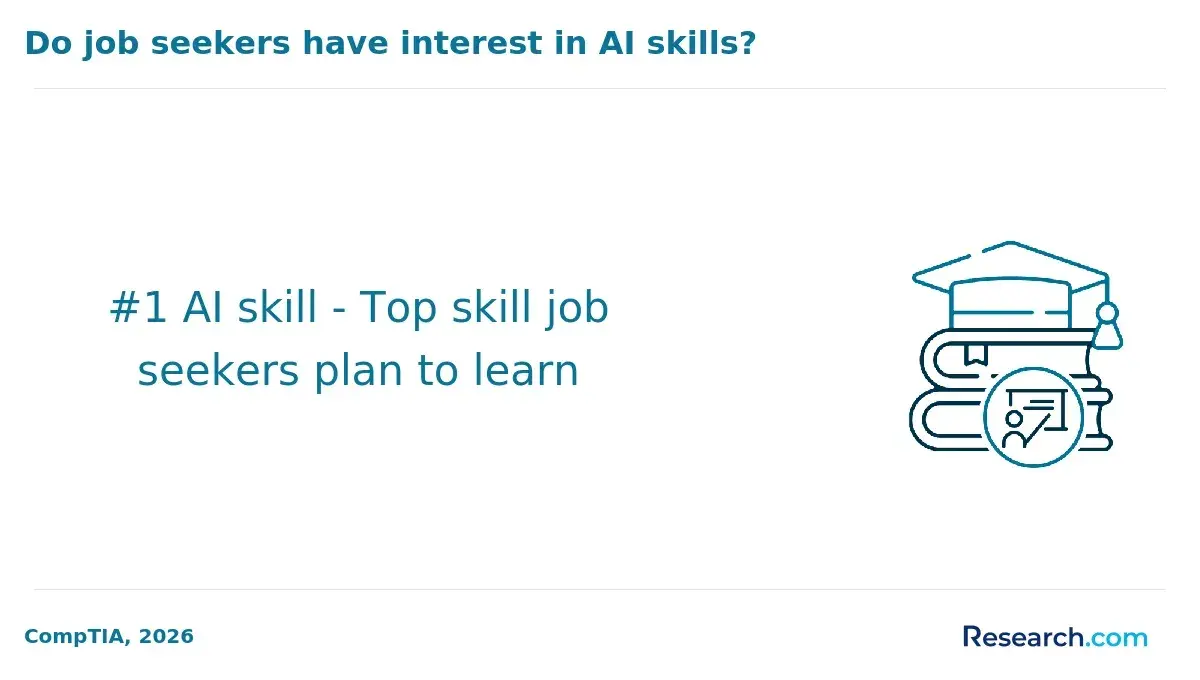
This blend of technical and professional training meets employer expectations. According to the Microsoft & LinkedIn Work Trend Index, 66% of industry leaders hesitate to hire candidates without AI skills, highlighting the importance of AI/ML tooling proficiency and applied model knowledge.
Can you earn an AI bachelor's degree online with meaningful employer partnerships?
You can earn an AI bachelor's degree entirely online through many accredited universities that emphasize employer partnerships. These programs are designed to include real-world experience via employer-driven projects, internships, and collaborations with industry professionals. This approach reflects the growing demand for practical skills and strengthens students' career readiness.
In the U.S., over half of undergraduates have taken online courses, making remote learning mainstream. This widespread acceptance supports strong linkages between programs and employers, enabling opportunities such as virtual internships and project-based learning aligned with current industry challenges.
Look for programs that highlight employer collaboration through features like:
- Industry-sponsored capstone projects
- Guaranteed or facilitated internship placements
- Networking events with potential employers integrated into academics
- Professional certifications aligned with employer standards
Such partnerships offer hands-on experience and valuable professional connections. Confirm how these experiences count toward your degree to maximize your career advantage. Ultimately, an online AI bachelor's degree combined with structured employer involvement provides the flexibility and practical exposure essential for success in today's competitive job market.
What admission requirements and prerequisites do AI bachelor's programs typically require?
Admission to AI bachelor's programs in the U.S. typically demands strong academic preparation, especially in math and science. Most schools require a minimum high school GPA of 3.0 on a 4.0 scale, with more competitive programs expecting 3.5 or higher. Core prerequisites usually include algebra, geometry, calculus, statistics, and computer science or programming fundamentals.
Standardized test scores, while increasingly optional due to widespread test-optional policies, can still boost admission chances when submitted-particularly strong math scores on the SAT or ACT. Acceptance rates vary, but they highlight how important GPA and math readiness are for AI-focused degrees.
Applicants should prepare compelling personal statements that showcase problem-solving abilities and a passion for AI. Letters of recommendation emphasizing academic potential and teamwork are often required. Participation in coding clubs, robotics, or technology internships strengthens applications.
Transfer students may need college-level prerequisites. International applicants generally must prove English proficiency through TOEFL or IELTS exams. Nontraditional students should emphasize any quantitative coursework completed to meet admissions standards.
How much do AI bachelor's programs cost, and what financial aid is available?
AI bachelor's degree costs vary based on the institution type. At public four-year colleges, the average in-state tuition and fees are about $11,600, while private nonprofit four-year schools charge roughly $43,400 annually. These estimates help gauge expenses for AI programs within these schools.
Public universities often provide more affordable AI program options for in-state students. However, out-of-state tuition at these schools can approach private university rates. Prospective students should carefully confirm residency rules before enrolling.
Various financial aid sources can significantly reduce overall costs, including:
- Federal Pell Grants: providing up to $7,395 annually based on financial need.
- State Scholarships and Grants: target STEM fields such as AI, with amounts varying by state.
- Institutional Scholarships: sometimes linked to employer or tech company partnerships promoting AI talent.
- Federal Student Loans: feature competitive interest rates and flexible repayment plans.
- Work-Study Programs: combine income opportunities with relevant AI experience.
Employer collaborations often offer scholarships, internships, or tuition reimbursement, lowering expenses while enhancing career prospects. Students should also include fees, books, and living costs when planning budgets. Using net price calculators on university websites allows personalized cost estimates, factoring in available aid options.
What jobs can you get with an AI bachelor's degree, and what employers hire?
Graduates with a bachelor's degree in artificial intelligence can enter a range of technical careers, including machine learning engineer, data scientist, AI software developer, and computer vision specialist. These roles involve designing algorithms, building predictive models, and creating AI-driven applications. Adjacent fields such as robotics engineering and natural language processing also value AI expertise.
Top employers like Google, Microsoft, Amazon, and IBM actively recruit AI graduates, often via university partnerships providing internships and job placement. Financial firms such as JPMorgan Chase and Goldman Sachs hire AI professionals for algorithmic trading and fraud detection. The healthcare sector uses AI talent to advance medical imaging and personalized medicine.
Success in AI roles typically requires programming skills in Python and R, familiarity with machine learning frameworks like TensorFlow and PyTorch, and strong data management capabilities. Employers also seek candidates with proven problem-solving abilities and hands-on experience gained through projects or internships. Networking at university career fairs and industry events enhances hiring prospects significantly.
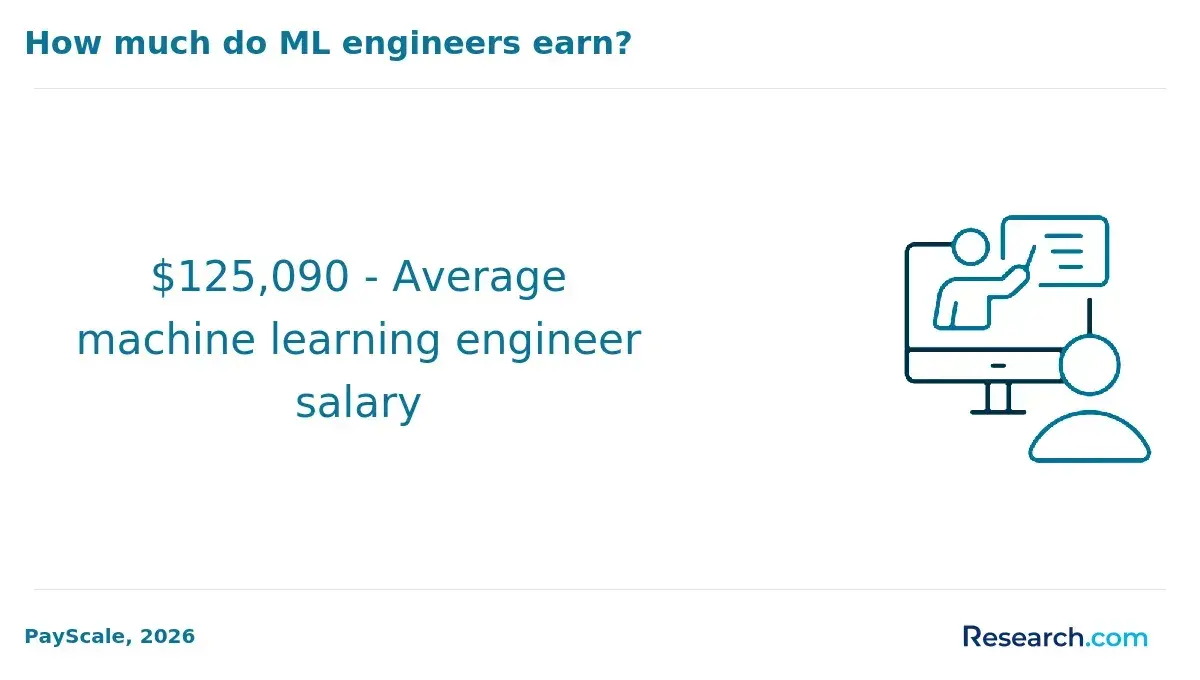
The U.S. Bureau of Labor Statistics reports a median annual salary of approximately $145,000 for computer and information research scientists, a common career path for AI graduates. This highlights the high earning potential within the field.
Do AI bachelor's graduates need certifications, security clearance, or licenses for roles?
Graduates with a bachelor's degree in artificial intelligence often encounter different requirements for certifications, security clearances, or licenses depending on their intended career paths. Many private sector AI roles do not require formal certifications beyond the degree itself.
However, professional credentials like Certified Artificial Intelligence Practitioner (CAIP) or certifications from Microsoft Azure and Google Cloud can boost employability and demonstrate technical expertise. Security clearances are essential mainly for AI positions related to defense, intelligence, or federal agencies.
Over 1.2 million people hold active U.S. security clearances, which are required to access classified AI systems or data. Obtaining clearance involves a thorough background check and employer sponsorship. Students aiming for these sectors should consider internships or jobs with defense contractors early to help secure clearance sponsorship.
Traditional professional licenses are typically unnecessary for AI careers. Yet, in specialized areas such as autonomous vehicles, regulatory certifications or compliance with safety standards may effectively serve as licenses. Graduates should carefully evaluate their career goals and pursue relevant certifications or clearances while building hands-on experience to stay competitive in the AI job market.
Other Things You Should Know About Artificial Intelligence
AI bachelor's programs frequently update their curricula by collaborating closely with industry partners and advisory boards of professionals. This ensures that courses cover the latest algorithms, tools, and ethical standards in AI technology. Additionally, many programs incorporate hands-on projects with companies to give students exposure to real-world challenges and innovations.
Yes, many AI bachelor's degrees include dedicated coursework on ethics, privacy, and the social impact of AI technologies. Students learn about responsible AI development, bias mitigation, and compliance with legal frameworks. Addressing these ethical issues is increasingly important as AI becomes integrated into everyday life and critical decisions.
Soft skills such as communication, teamwork, and critical thinking are emphasized alongside technical knowledge in AI bachelor's programs. Because AI solutions often require collaboration across diverse professional teams, these interpersonal skills improve project success and employability. Programs often include group projects and presentations to develop these competencies.
Employer partnerships in 2027 facilitate AI bachelor's graduates' entry into the workforce by offering internships, mentorships, and direct recruitment channels. Companies can tailor hiring practices based on program exposure. Those interested in further specialization can consider fields like the online healthcare AI master’s degree.
References
- International Bachelor of Science in AI https://psl.eu/en/education/international-bachelor-science-ai
- Number of Universities Offering AI Programs in the US - Programs.com https://programs.com/resources/universities-offering-ai-programs/
- Artificial Intelligence Course Eligibility: Requirements & Prerequisites https://www.mygreatlearning.com/artificial-intelligence/courses/eligibility
- Degrees That Transfer to Emerging AI Careers https://www.careergroupcompanies.com/blog/degrees-that-transfer-to-emerging-ai-careers
- The Rise of AI Majors at Top Colleges - Top Tier Admissions https://toptieradmissions.com/the-rise-of-ai-majors-at-top-colleges/
- Bachelor in Artificial Intelligence and Machine Learning | EIT Deep Tech Talent Initiative https://www.eitdeeptechtalent.eu/courses/bachelor-in-artificial-intelligence-and-machine-learning/
- Best Online AI Degrees: 2025 Rankings & Program Directory - MastersInAI.org https://www.mastersinai.org/degrees/online-artificial-intelligence-degrees/
- Best AI Bachelor's Degrees - AIDegreeProgams.org https://aidegreeprograms.org/rankings/best-ai-bachelor-degrees/
- The most future-proof IT degree programs that won’t be replaced by AI. https://itcompare.pl/en-us/articles/68/the-most-futureproof-it-degree-programs-that-won-t-be-replaced-by-ai