2027 AI Master's Degrees for Analysts Seeking Technical Roles

Co-Founder and Chief Data Scientist
An analyst with a non-technical background often finds it challenging to enter technical roles in AI-focused industries. Employers increasingly demand expertise in programming, machine learning, and data structures not covered in many undergraduate programs outside STEM fields. This gap limits career progression and opportunities despite a strong analytical foundation. For professionals aiming to pivot efficiently, a master's degree specializing in AI offers a structured, credible path to build essential technical skills while accommodating flexible schedules.
This article examines practical options for 2027 AI master's degrees designed to help analysts transition smoothly into technical roles in the field.
Key Things You Should Know
- AI master's degrees in 2027 focus on advanced machine learning, data analytics, and practical skills tailored for analysts transitioning into technical roles.
- Enrollment in AI graduate programs surged 25% from 2024 to 2025, reflecting growing industry demand for analysts with deep technical expertise.
- Graduates with AI master's often see a 30-45% salary increase, as industries prioritize technical proficiency alongside analytical experience.
What skills and technical background do you need to succeed in an AI Master's program for analysts?
Succeeding in an AI master's program as an analyst demands strong technical skills and a relevant background. Programming proficiency in Python is essential, with 78% of entry-level AI and machine learning roles requiring it, according to the 2024 AI Jobs Report by Coursera. Students need to be adept at scripting, debugging, and using libraries such as NumPy, pandas, and TensorFlow to thrive in such programs focused on AI technical skills for analyst roles.
Mathematics knowledge in linear algebra, calculus, probability, and statistics underpins core machine learning models. Understanding matrix operations is critical for neural networks, while probability helps in modeling uncertainty and decision-making processes. These skills form a foundation for advanced AI mastery and analytical work.
Experience with data manipulation tools like SQL and data preprocessing techniques is crucial, especially when handling large datasets. Familiarity with big data environments or cloud platforms such as AWS enhances an analyst's ability to manage real-world AI projects effectively.
Strong analytical thinking and problem-solving are vital to interpret results and improve algorithms. Prior exposure to supervised and unsupervised machine learning concepts helps build confidence. A background in computer science, statistics, engineering, or quantitative fields supports this learning curve and the background requirements for AI master's programs.
Effective communication skills translate technical findings into actionable business insights. Collaborative teamwork often plays a significant role in AI programs. Preparing with online courses or certifications in Python and statistics before enrollment can ease academic challenges and boost readiness for applied artificial intelligence jobs.
Which AI Master's degrees offer the best career outcomes for data analysts and machine learning specialists?
Master's degrees combining strong technical foundations with applied machine learning offer the best pathways for data analysts and machine learning specialists. Programs focusing on practical skills in Python, TensorFlow, PyTorch, and advanced statistical methods produce graduates who meet growing industry demands. LinkedIn's Jobs on the Rise report highlights a 74% yearly growth in machine learning engineer roles. Graduates from the best AI master's degrees for data analyst careers command starting salaries 34% higher than bootcamp graduates, reflecting the premium on depth and rigor.
Degrees like Master of Science in Artificial Intelligence, Machine Learning, or Data Science with AI specialization lead directly to roles involving model development, natural language processing, and computer vision. Top AI graduate programs for machine learning specialists often include partnerships with industry leaders, offering internships and hands-on projects. Carnegie Mellon University and Stanford University, for instance, integrate coursework with real-world problem-solving, essential for moving from theory to practice.
Students aiming for analyst roles should seek curricula covering data engineering, algorithm optimization, and scalable AI infrastructure alongside machine learning algorithms. Programs with capstone projects or research collaborations help build strong portfolios for job placement. Working professionals benefit from part-time or hybrid master's options that allow continued employment while gaining advanced AI skills. Accreditation by ABET or recognition by the Computing Research Association ensures curriculum relevance. Those interested in related fields might explore mechanical engineering programs online as complementary options in STEM education.
How do online AI Master's programs compare to full-time campus options for working professionals?
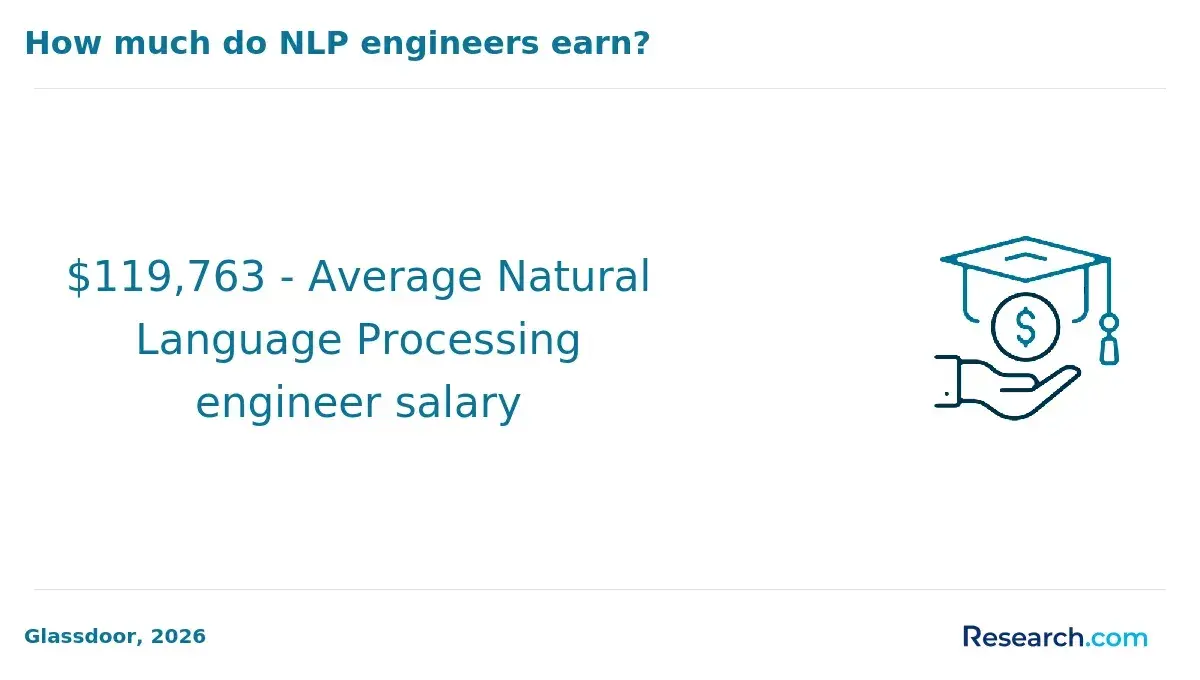
Online AI master's programs for working professionals provide a significant edge by allowing students to maintain or advance their careers while studying. Data from the Online Learning Consortium reveals that 68% of those in online technology degrees retained or improved their job status, compared with 42% attending full-time campus programs. This illustrates how online programs support career progression with less disruption.
Flexibility is a key advantage, enabling professionals to juggle coursework alongside demanding jobs and family duties. This balance helps learners immediately apply new skills professionally, speeding career development. Conversely, full-time campus AI degrees for analysts often require fixed schedules and on-site attendance, which may lead students to reduce work hours or take leave.
Diverse learning formats such as asynchronous lectures, live webinars, and modular courses cater to varied learning preferences. For instance, Georgia Tech's Online Master of Science in Computer Science employs interactive platforms and project-based learning aligned with industry needs. These formats engage students without sacrificing employment obligations.
Campus programs offer stronger face-to-face networking and closer collaboration with faculty and peers, valuable for research and lab-intensive roles but less critical for analyst positions focused on AI application in business contexts. Ultimately, online AI master's programs suit those aiming to advance skills while working, while campus degrees often fit career changers seeking immersive experiences.
For related educational opportunities, consider exploring an online game design degree, which also offers flexible learning suited for busy professionals.
What is the typical curriculum and core coursework in an accredited AI Master's degree?
The typical curriculum for AI master's programs emphasizes foundational and advanced technical skills needed for analyst roles. Core coursework in accredited AI master's degrees for analysts generally includes machine learning, deep learning, natural language processing, and computer vision. These courses build expertise in algorithms, neural networks, and data modeling, essential for effective AI problem solving.
Mathematics and statistics are crucial, with classes covering linear algebra, probability, optimization, and statistical inference to support algorithm development and data analysis. Programming skills in Python, R, and frameworks like TensorFlow or PyTorch are also taught to prepare students for real-world AI implementation.
Ethics and responsible AI have become central, with 89% of accredited AI master's programs now requiring coursework in these areas, up from 34% a few years ago. This shift reflects a growing focus on fairness, transparency, bias mitigation, and legal considerations, equipping students to manage the social impact of AI systems.
Many programs offer electives such as reinforcement learning, robotics, explainable AI, and AI applications for healthcare or finance, allowing students to deepen specialized knowledge. Capstone projects and internships provide practical experience handling complex datasets and business challenges. For those seeking further advancement, exploring online masters data science can complement AI studies and boost career options.
How much does an AI Master's degree cost, and what financial aid options are available?
The cost of an AI master's degree varies widely based on the institution and program type. Private universities typically charge between $60,000 to $80,000 for full-time study, while top-tier online programs offer more affordable tuition, ranging from $20,000 to $45,000. Public universities usually fall in between, often closer to online pricing.
Financial aid options include federal student loans, institutional scholarships, graduate assistantships, employer tuition reimbursement, and grants. Many private schools offer merit- or need-based aid that can reduce costs by 10% to 50%. Graduate assistantships, whether in research or teaching, often cover tuition and provide a stipend, significantly reducing expenses. Online students can access federal loans, though institutional aid might be limited compared to on-campus programs.
Employer-sponsored tuition programs are valuable for professionals entering technical AI roles, frequently covering part or all tuition costs. Some federal grants target STEM or AI fields but are competitive and require maintaining academic standards. Applying early to schools with transparent financial aid policies is advisable.
Besides tuition, budget for fees, books, software, and living expenses, especially for in-person programs. Reviewing financial aid packages and loan repayment terms carefully helps ensure costs align with long-term financial goals.
What are the admission requirements and prerequisites for top-ranked AI Master's programs?
Top-ranked AI Master's programs typically require a bachelor's degree in computer science, engineering, mathematics, or other STEM fields, along with strong foundations in programming, linear algebra, calculus, probability, and statistics. Many universities, including Carnegie Mellon University and Stanford University, expect documented proficiency in programming languages such as Python or Java and relevant quantitative coursework. Prior coursework or certifications in machine learning, data structures, or algorithms are often required.
While GRE scores are optional or waived at several leading schools, strong scores can still improve an applicant's profile by demonstrating analytical ability. Letters of recommendation remain a key component, emphasizing technical skills, research potential, or professional accomplishments.
Applicants with practical experience in technical roles have significantly higher acceptance rates, with research showing a 3.2x advantage over those applying directly from undergraduate studies. Internships, research assistantships, or industry roles involving coding, data analysis, or machine learning models markedly increase competitiveness.
Some programs allow conditional admission, enabling students to complete prerequisite courses before full enrollment. International students must submit proof of English proficiency through exams like TOEFL or IELTS. Personal statements are essential to convey clear career goals and technical interests aligned with AI research or applications.
How long does it take to complete an AI Master's degree, and what are the scheduling options?
The time required to complete an AI master's degree varies widely depending on program format and enrollment intensity. According to the National Association of Graduate Admissions Professionals 2024 survey, about 72% of AI master's programs offer accelerated or part-time options. Typically, full-time students finish in 18 to 24 months, while part-time students may take up to three years.
Accelerated programs are designed for those with prior experience in programming or data science and can be completed in 12 to 15 months. These courses often include condensed semesters or summer sessions for quicker progression. Part-time options extend the curriculum over two to three years, allowing students to balance work or internships alongside their studies.
Many universities provide flexible scheduling such as evening, weekend, and online classes to accommodate working professionals. Hybrid models combine synchronous online sessions with in-person labs or seminars to enhance skills and networking. Choosing a schedule depends on job demands and learning preferences-for example, a full-time data analyst might prefer a part-time program with evening classes, whereas a recent graduate might pursue a full-time accelerated track.
Some programs include thesis or capstone projects that may extend completion times. It is important to contact admissions directly to clarify specific program duration and flexibility. This information helps align educational goals with personal and professional commitments for timely degree completion.
What is the job outlook and salary potential for AI Master's graduates in analyst and technical roles?
The job outlook for master's graduates in artificial intelligence is exceptionally strong, especially for analysts and technical professionals. According to the U.S. Bureau of Labor Statistics 2024 Occupational Outlook Handbook, roles such as machine learning and AI specialists are projected to grow by 35% through 2032, a rate much higher than the average for all occupations. This reflects the widespread adoption of AI technologies in finance, healthcare, manufacturing, and other industries.
Median salaries for those with advanced degrees can reach $136,620, applying to positions like data scientists, AI research analysts, and machine learning engineers. These roles demand expertise in algorithms, data processing, and programming languages such as Python. Analysts typically focus on evaluating AI model performance and supporting strategic decisions, while technical roles emphasize model development and coding, often commanding higher pay.
Demand is particularly strong in sectors like cybersecurity analytics, predictive maintenance, and personalized medicine. For example, analysts in finance use AI to detect fraud and manage risk, while technical experts develop the underlying systems. Gaining proficiency with frameworks like TensorFlow and combining AI skills with domain knowledge in fields such as healthcare or finance improves employment prospects and earning potential.
Which regional accreditation bodies and professional certifications validate AI Master's programs?
Regional accreditation bodies like the ABET (Accreditation Board for Engineering and Technology) and the Middle States Commission on Higher Education (MSCHE) play key roles in validating AI master's programs across the United States. ABET accreditation is increasingly seen as a mark of technical rigor, with just 23% of AI master's programs currently accredited but expected to grow to 45% by 2026. This reflects a rising emphasis on meeting high standards for curriculum, faculty expertise, and resources.
Alongside institutional accreditation, professional certifications are crucial for validating program quality and reinforcing graduate competencies. Credentials from respected bodies like the Institute of Electrical and Electronics Engineers (IEEE) and Association for Computing Machinery (ACM) boost marketability by aligning education with industry standards. For example, the Certified Artificial Intelligence Practitioner (CAIP) credential confirms proficiency in AI methods and ethics, supporting career paths in technical analyst roles.
Students should focus on programs accredited by established regional bodies and ensure curricula prepare them for relevant certifications. Programs lacking ABET accreditation may still provide quality education, but graduates might face recognition challenges in the job market or when pursuing certifications. For those targeting technical analyst positions, verifying both accreditation and certification alignment is essential to secure industry-respected credentials that drive career advancement.
How should you evaluate and compare AI Master's programs based on faculty expertise and industry partnerships?
Evaluate AI master's programs by reviewing faculty expertise, focusing on their research output and industry experience. Faculty actively publishing in reputable AI journals or leading cutting-edge projects often provide practical insights valuable to students. Professors heading labs in machine learning or natural language processing usually have extensive networks that expose students to emerging technologies.
Industry partnerships add significant value. Programs collaborating with AI companies or tech hubs offer internships, real-world projects, and guest lectures that improve job readiness. According to QS's 2024 Graduate Employability Rankings, programs with strong industry ties and faculty collaborations achieve an 89% employment rate within three months of graduation, compared to 64% for others.
Ask if industry partners help shape the curriculum, co-mentor students, or sponsor research initiatives. Diverse partnerships across healthcare, finance, and autonomous systems enable students to align their training with specific technical roles. Alumni employment statistics, especially the share placed in technical jobs immediately after graduation, are also critical indicators.
Faculty and industry connections often promote hands-on learning through capstone projects and company-sponsored challenges. This collaboration ensures training matches current market demands, enhancing competitiveness for AI analyst positions.
Other Things You Should Know About Artificial Intelligence
Graduates with a master's degree in artificial intelligence can pursue advanced roles such as AI engineer, data scientist, or machine learning specialist. The degree often opens doors to leadership positions in technology teams or AI-focused projects within industries like finance, healthcare, and technology. Professionals can also transition into research roles or consulting positions that require deep technical expertise in AI.
Programming experience is typically crucial for success in an AI master's program, as coursework often involves coding in languages such as Python, R, or Java. Many programs expect students to have foundational skills in data structures and algorithms to effectively handle AI models and datasets. While some programs offer preparatory courses, having prior programming knowledge significantly enhances the learning experience.
Yes, most accredited AI master's programs include ethical considerations surrounding artificial intelligence. Topics often explore bias in algorithms, data privacy, and the societal impact of AI deployment. Understanding these ethical issues is essential for analysts who will create or evaluate AI systems to ensure responsible and fair AI implementations.
Many AI master's programs integrate practical training on deploying AI models through projects and coursework. Students learn to implement AI in cloud environments, integrate models with existing systems, and optimize performance for production use. This hands-on experience is critical for analysts aiming to apply AI techniques effectively in technical roles.
References
- 25 Best Master's in AI Programs - MastersInAI.org https://www.mastersinai.org/degrees/best-masters-in-artificial-intelligence/
- What You'll Learn in an AI MS Program | University of Bridgeport https://www.bridgeport.edu/news/masters-in-artificial-intelligence-program-curriculum/
- Client Challenge https://www.scribd.com/document/638931213/Untitled
- ARTiBA Accreditation Program | Elevate Your AI Education Standards https://www.artiba.org/artiba-accreditation-program
- Top In Demand AI Skills (2025) https://www.skillsoft.com/blog/essential-ai-skills-everyone-should-have
- Finding Your Dream Master's Program in AI | Towards Data Science https://towardsdatascience.com/finding-your-dream-masters-program-in-ai-17f525c89151/
- MSc Artificial Intelligence-career prospects University of Hull Online https://online.hull.ac.uk/courses/msc-artificial-intelligence/careers
- Who Accredits Artificial Intelligence (AI) Degree Programs? - AI Degrees Online https://aidegreesonline.com/accreditation/who-accredits-ai-degree-programs/
- Where Can a Master's in Data Science Take You? Top Career Paths Explained https://www.ebu.ac/blog/241-Where-Can-a-Masters-in-Data-Science-Take-You-Top-Career-Paths-Explained-blog.php
- Career Paths After the M.S. in AI-Data Analytics | IWU https://www.indwes.edu/articles/2026/01/career-paths-after-ms-ai-data-analytics