2027 AI Bachelor's Degree Programs That Include Agile Project Work

Co-Founder and Chief Data Scientist
Many aspiring professionals face difficulty transitioning into artificial intelligence careers without practical project experience. Traditional degree programs often lack hands-on agile project work, leaving graduates unprepared for industry demands. This gap creates challenges in applying theoretical knowledge to real-world problem-solving within dynamic team environments.
Understanding which bachelor's programs integrate agile methodologies alongside core AI coursework is crucial for career changers seeking flexible, accredited options. This article examines top AI bachelor's degree programs that include agile project work, helping readers identify suitable paths to build relevant skills and improve employability in this competitive field.
Key Things You Should Know
- In 2026, over 40% of AI bachelor's degree programs in the U.S. incorporate agile project work to enhance real-world software development and teamwork skills.
- Agile methodologies in these curricula improve adaptability and project management, aligning graduates with industry demands emphasizing iterative development and collaboration.
- Institutions report a 25% higher job placement rate for students trained in agile alongside AI fundamentals compared to traditional programs.
What are AI bachelor's programs that include agile-based project work?
Several ai bachelor's degree programs with agile project experience include agile-based project learning as a key element to prepare students for industry demands. Institutions like Arizona State University, Northeastern University, and Rochester Institute of Technology integrate iterative development cycles, team collaboration, and continuous feedback using Scrum or Kanban frameworks. These projects engage students with real-world datasets, helping them develop functional and deployable AI applications.
Such agile-based project learning in ai undergraduate programs addresses the need for graduates skilled in secure and adaptable system design. Northeastern's program, for example, features semester-long team projects managed through agile sprints, emphasizing risk assessment and rapid prototyping. This method aligns with findings from the ISC2 2024 Cybersecurity Workforce Study, which notes that 90% of organizations faced cyberattacks recently, stressing the importance of embedding security awareness early in AI education.
Iterative project cycles allow students to continuously implement security measures, adapt to emerging threats, and deliver working prototypes rather than static models. These practices are critical for careers in AI-driven cybersecurity, autonomous systems, and software development.
Students considering AI programs should evaluate if curricula include agile training, version control tools, and team projects to mirror workplace collaboration. These components enhance job readiness for roles that combine AI expertise with agile project management. More details about career paths can be found at what can you do with an applied artificial intelligence degree?
How do you verify accreditation for AI bachelor's programs with agile projects?
To verify accreditation for AI bachelor programs with agile projects, begin by checking the institution's status in the U.S. Department of Education's College Scorecard database. This tool confirms whether a school qualifies for federal financial aid and serves as a reliable indicator of institutional recognition and accreditation. Without this foundational verification, claims about program-level agile projects lack validity.
The accreditation process for AI degrees involving agile project work requires confirming that the institution is accredited by a U.S. Department of Education-recognized agency. Regional accreditors like the Higher Learning Commission or Middle States Commission on Higher Education typically hold the highest credibility. National accreditors might be acceptable depending on the program's objectives but should always be cross-checked through the College Scorecard.
For programs featuring agile project components, it's important to carefully review curriculum details and course descriptions on official school websites or academic catalogs. Agile methodologies should be integrated into capstone projects, group assignments, or internships. Direct contact with academic advisors or faculty can provide clarity on how agile practices are embedded and assessed.
Students should also look for practical experience opportunities, such as collaborations with industry partners or the use of agile tools like Jira or Scrum boards. Programs linked to recognized agile certifications or partnerships with professional organizations offer additional assurance.
Prospective students interested in technology fields can also explore online mechanical engineering degrees as an alternative pathway with hands-on project experience.
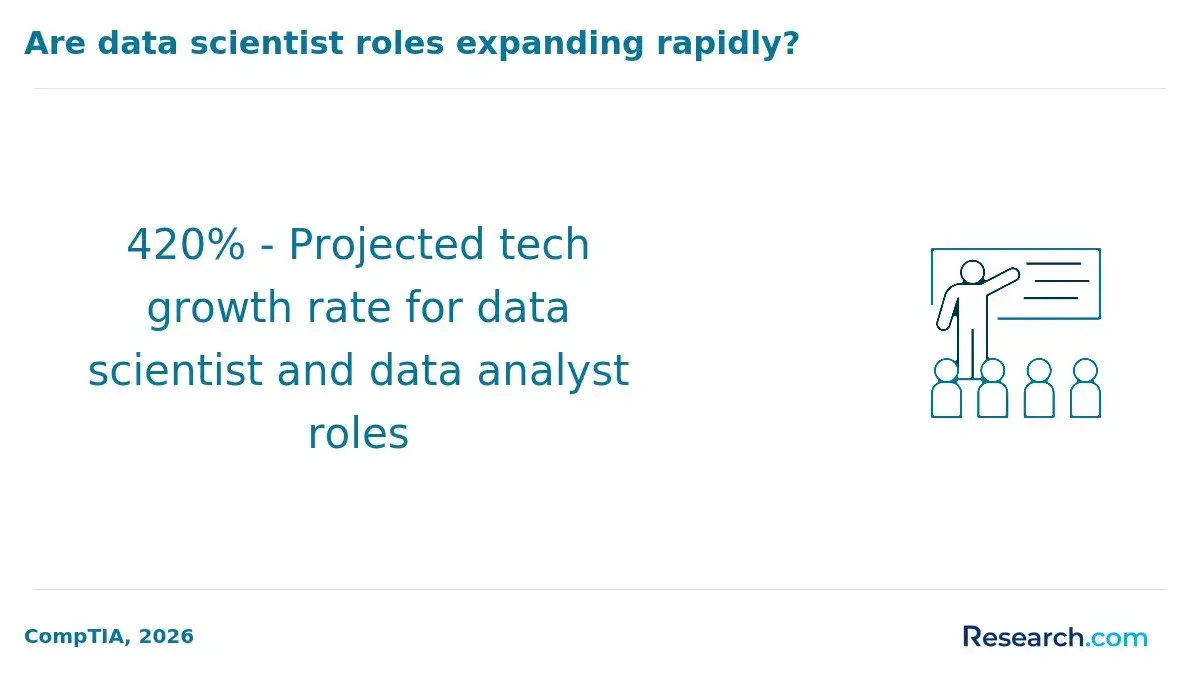
Are agile-focused AI bachelor's programs offered online, on campus, or hybrid?
Agile-focused AI bachelor programs are offered in online, campus, and hybrid formats to accommodate diverse student preferences and needs. The National Center for Education Statistics reports that over half of undergraduates in Fall 2023 took at least one distance education course, highlighting the growing role of online and hybrid models in integrating agile project management into AI education.
Fully online agile project management AI bachelor programs use virtual collaboration tools and project management software to replicate real-world agile environments. These programs provide flexibility for working professionals and students who need a schedule accommodating remote study without sacrificing hands-on agile practice.
Campus and hybrid AI bachelor's degrees with agile training emphasize in-person group projects, workshops, and direct mentoring. Campus-based programs benefit students who thrive on face-to-face collaboration and feedback, sometimes including partnerships with local tech companies for live project experience. Hybrid options blend online coursework with on-campus agile sprints and team retrospectives, balancing remote flexibility with essential personal engagement for agile teamwork.
Students should evaluate options based on their learning environment preferences, technology access, industry partnerships for agile projects, support for collaborative tools, and opportunities for real-time peer interaction.
Those concerned about costs related to online programs may find valuable insights on the online engineering degree cost at research.com, helping to plan for affordable education paths while gaining crucial agile skills.
What courses and agile project components are typical in these AI programs?
Typical ai bachelor's degree programs with agile methodology combine foundational courses in machine learning, data structures, and algorithms with practical project work designed for real-world use. Core courses often include Python programming, statistics, linear algebra, and AI ethics, emphasizing hands-on development. Agile methodologies are woven into the curriculum through sprint-based group projects that involve planning, developing, testing, and iterating ai models within 2- to 4-week cycles.
These programs usually require capstone or internship projects done with industry partners or research labs. Such projects simulate agile workflows using user stories, backlogs, and sprint reviews, reflecting professional software development environments.
For instance, students may create predictive models using Python-centric ML stacks like TensorFlow or PyTorch combined with web or API integration via JavaScript frameworks. This aligns with findings from the 2025 Stack Overflow Developer Survey, which highlights JavaScript and Python as leading programming languages, blending ai fundamentals and agile project management effectively.
Students gain experience in iterative problem-solving by participating in continuous feedback sessions, stand-up meetings, and role rotations within teams to learn Scrum or Kanban processes. This prepares graduates to handle challenges such as scope management, adapting to changes, and interdisciplinary collaboration. Programs also emphasize version control with Git and backlog tools like JIRA or Trello, further enhancing agile skill sets.
- Core AI courses: machine learning, data science, ethical AI, Python programming
- Agile components: sprint planning, daily stand-ups, sprint reviews and retrospectives
- Project work: Python and JavaScript integration, use of TensorFlow, PyTorch
- Tools and practices: Git, JIRA/Trello, Scrum/Kanban frameworks
For those interested in related fields, exploring cyber security schools online can be a valuable option alongside these ai programs.
What are the admission prerequisites for AI bachelor's programs with project work?
Admission to bachelor's programs in artificial intelligence that emphasize agile project work typically requires a solid foundation in mathematics and computing. Applicants generally need a high school diploma or equivalent with proficiency in algebra, geometry, and basic programming. Some programs expect completion of calculus and statistics or offer bridging courses for students who need them.
Standardized test scores, such as the ACT or SAT, are often required to demonstrate math and critical thinking skills. According to ACT's 2024 report, only about 25% of high school graduates met all College Readiness Benchmarks, underlining why many programs emphasize math preparedness. Letters of recommendation highlighting analytical skills and teamwork are also common, reflecting the collaborative nature of agile methodologies.
Additional admission criteria usually include programming experience in languages like Python or Java, evaluated through placement tests or prior coursework. Personal statements explaining interest in artificial intelligence and project-based learning help assess motivation and problem-solving ability. Interviews or group assessments may be used to evaluate communication and adaptability, essential for agile teamwork.
Transfer students and working professionals can sometimes substitute formal prerequisites with relevant work or project experience in technology fields. Requirements vary widely across institutions, so reviewing specific admissions criteria and available remedial options is essential for prospective students.
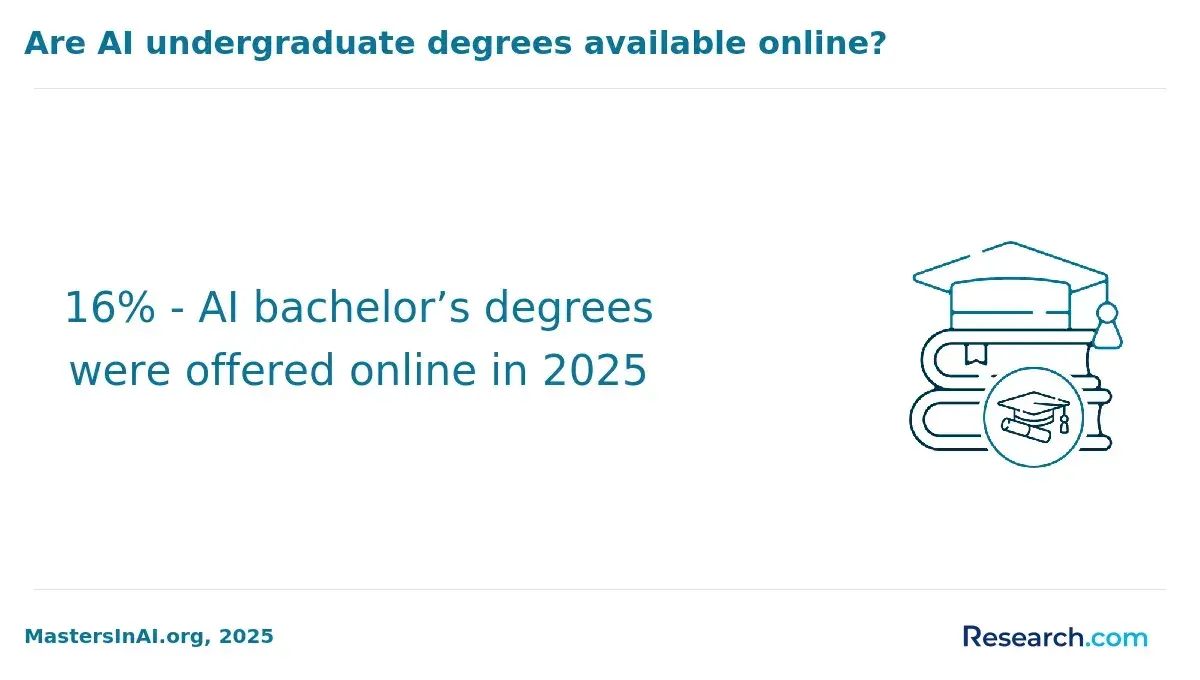
How long do these programs take, and what do they cost?
Most bachelor's degree programs in artificial intelligence that integrate agile project work typically require four years of full-time study, matching the usual undergraduate timeframe in the U.S. These curricula combine core computer science, AI theory, and practical agile methodologies to build strong project management and adaptive teamwork skills. Accelerated options are sometimes available, allowing completion in three years through heavier course loads or summer classes, ideal for students eager to enter the workforce sooner.
According to the College Board's Trends in College Pricing 2024, average in-state tuition and fees at public four-year universities are about $11,260 annually. Private institutions offering specialized AI and agile-focused programs may charge significantly more, between $30,000 and $60,000 per year. Additional expenses such as textbooks, technology fees, and living costs should also be considered.
For working professionals, part-time or online AI bachelor's programs with agile project content extend the timeline up to six years but offer greater flexibility and often lower per-term costs, making it possible to maintain employment while studying.
What tools, platforms, and teamwork practices are used in agile AI projects?
Agile AI projects require a combination of specialized tools and teamwork practices to enable fast adaptation and iterative development. Project management software such as Jira and Trello help with sprint planning, backlog prioritization, and real-time task tracking, making workflows transparent and manageable. Communication platforms like Slack and Microsoft Teams keep cross-functional teams connected, encouraging quicker issue resolution and alignment.
Version control tools, especially Git with platforms like GitHub or GitLab, allow multiple contributors to collaborate efficiently on models and algorithms while preserving the ability to track changes and roll back when needed. Continuous integration and deployment (CI/CD) pipelines automate testing and deployment processes, speeding up release cycles without sacrificing quality.
AI-focused tools like TensorBoard and Weights & Biases provide essential experiment tracking, model versioning, and performance monitoring features tailored to the iterative nature of AI development. Agile teams also use Kanban boards to monitor work capacity and minimize bottlenecks.
Regular teamwork ceremonies-daily stand-ups, sprint retrospectives, and planning meetings-are critical for synchronized updates and continuous process improvement. Collaboration among data scientists, engineers, and product owners ensures ethical AI practices and functional deliverables. According to Atlassian's 2024 State of Teams report, high-performing teams are 37% more likely to integrate AI tools into their workflows, highlighting the impact of AI-assisted tools on productivity and decision-making.
What AI careers can you pursue after an agile project-based bachelor's degree?
Graduates with a bachelor's degree in Artificial Intelligence and agile project experience are well-positioned for careers that blend practical development with collaborative teamwork. Roles such as data scientist, AI product manager, and machine learning engineer are common paths. Data scientists focus on designing models, analyzing data, and delivering insights iteratively, using agile methods to meet changing business needs. AI product managers oversee system development, coordinate cross-functional teams, and manage product backlogs for timely releases and user-driven features.
Machine learning engineers apply coding and deployment skills, enhancing algorithms through sprint cycles and rapid feedback loops. Business intelligence analysts with agile skills can quickly adapt dashboards and reports to shifting stakeholder priorities.
According to Lightcast's 2024 workforce analytics, AI job postings are growing rapidly, reflecting strong demand for skills in data science, analytics, and AI product roles. Employers value candidates who can manage AI projects incrementally, emphasizing adaptability and teamwork gained through agile projects.
Highlighting experience with agile ceremonies, sprint planning, and continuous integration tools like Jira or Trello enhances employability. These skills help graduates handle challenges such as ethical design, feature prioritization with limited data, and stakeholder management amid fast technological change.
What salaries can graduates expect in AI roles after a bachelor's degree?
Graduates holding a bachelor's degree in artificial intelligence can expect starting salaries that reflect both strong technical skills and high market demand. According to the U.S. Bureau of Labor Statistics, the median annual salary for data scientists is $108,020, serving as a solid benchmark for entry-level roles like machine learning engineers, AI developers, and data analysts.
Entry-level salaries typically range from $85,000 to $115,000 and vary by industry and location. For instance, tech hubs such as Silicon Valley and New York City frequently offer salaries toward the higher end due to cost of living and competition. Emerging sectors like healthcare AI and autonomous systems also provide competitive pay.
Hands-on experience with agile project methodologies during bachelor's programs is highly valuable. Agile skills are common in AI development and often lead to salary increases of 10% to 20% within two to three years, helping candidates stand out in a competitive job market.
Related fields such as data engineering or business intelligence also offer salaries that meet or exceed data scientist levels. Continuous certification and skills development in AI areas further enhance earning potential.
When negotiating, candidates can confidently use the $108,020 median salary and highlight their agile experience and technical expertise to justify compensation at or above this figure.
Which certifications align with agile AI degrees for entry-level jobs?
Certifications aligned with agile AI bachelor's degrees enhance entry-level job prospects by combining foundational agile methodologies with emerging AI skills. The Certified ScrumMaster (CSM) certifies knowledge of agile frameworks commonly used in AI development for iterative project delivery. The agile Certified Practitioner (PMI-ACP) expands this expertise to managing AI projects across diverse teams and cycles.
For AI-specific certifications, the TensorFlow Developer Certificate and Microsoft Certified: Azure AI Fundamentals validate practical skills with AI tools and cloud services. Pairing these with agile credentials demonstrates both process mastery and technical capability, strengthening resumes for competitive roles.
Additional valuable certifications include:
- Certified SAFe® Agilist, supporting scaled agile practices in enterprise AI projects
- Google Professional Machine Learning Engineer, confirming advanced AI implementation skills
- Project Management Professional (PMP), offering comprehensive project control expertise
According to Pearson VUE's Value of IT Certification report, 31% of certified candidates received salary increases post-certification. Selecting certifications aligned with career goals-whether team leadership, AI development, or project management-can boost readiness and marketability in the evolving AI workforce.
Other Things You Should Know About Artificial Intelligence
Agile project work in AI bachelor's programs helps students develop strong collaboration, adaptability, and iterative problem-solving skills. They learn to manage changing requirements, communicate effectively in teams, and deliver working software incrementally. These skills mirror real-world industry practices, enhancing their readiness for dynamic AI project environments.
Agile methodology creates a flexible and interactive learning environment that promotes continuous feedback and improvement. In AI education, this approach allows students to apply theoretical concepts in practical, evolving projects. It encourages experimentation and early detection of issues, which deepens understanding and improves project outcomes.
Students often encounter challenges such as balancing the complexity of AI concepts with the fast-paced iterations of agile cycles. Time management can be difficult when coordinating team efforts and meeting deliverables. Additionally, adapting to collaborative tools and agile roles requires developing interpersonal and organizational skills alongside technical knowledge.
In 2027, AI bachelor's programs typically incorporate agile project work through collaborative courses and labs, where students apply AI concepts in iterative projects. This approach fosters team-based problem-solving and real-world skills. For further advanced study options, consider an online master’s in AI without computer science degree.
References
- 12 AI Tools for Scrum Masters https://www.scrum.org/resources/blog/12-ai-tools-scrum-masters
- How long does it take to get a bachelor's degree? | edX https://www.edx.org/resources/how-long-does-it-take-to-get-a-bachelors-degree
- Online Bachelor’s Degree: Artificial Intelligence https://www.umgc.edu/online-degrees/bachelors/artificial-intelligence-ai
- 10 Best AI/ML Certifications to Get Hired in 2026 https://www.aistaffingninja.com/blog/top-ai-ml-certifications-to-career-boost/
- Agile Project Management Tools Guide for Teams | Mural https://www.mural.co/blog/agile-project-management-tools
- AI Project Management in Agile: Concepts, Benefits, and Implementation | Zenhub Blog https://www.zenhub.com/blog-posts/ai-project-management-agile-guide
- 9 Best Agile Project Management Tools | Atlassian https://www.atlassian.com/agile/project-management/tools
- Verify Credentials https://www.icagile.com/verify-credentials
- Best AI Certifications to Boost Your Career in 2026 – Dataquest https://www.dataquest.io/blog/best-ai-certifications/
- AI Careers - Top AI Jobs with Education Requirements and Pay https://aidegreeprograms.org/ai-careers/