
2027 How to Become a Medical Sonographer – Salary & Requirements

Co-Founder and Chief Data Scientist
Becoming a diagnostic medical sonographer is a practical healthcare career path for people who want direct patient contact, technical imaging work, and a shorter route into allied health than many physician or advanced nursing careers require. Sonographers operate ultrasound equipment, capture diagnostic images, communicate with patients during exams, and work with physicians who use those images to diagnose and monitor medical conditions.
This guide explains how to become a diagnostic medical sonographer in 2026, including education options, program costs, accreditation, certification, salary expectations, job outlook, specializations, and ways to choose a program wisely. It is designed for high school students, career changers, current healthcare workers, and anyone comparing sonography with other healthcare paths.
How to Become a Medical Sonographer Table of Contents
- What is a medical sonographer degree?
- Cost of Medical Sonographer Degree
- 2027 Best Bachelor’s Degree in Medical Sonography
- Medical Sonographer Degree Jobs
- Types of Degrees in Medical Sonographer
- Medical Sonographer Degree Requirements
- Navigating the Licensing and Certification Process for Medical Sonographers
- How can I finance my medical sonography education?
- Why Should Medical Sonographers Invest in Continuing Education?
- What to Look for in a Medical Sonographer Program
- Can Professional Organizations Boost Your Sonography Career?
- How can medical sonographers advance their careers in specialized fields?
- Emerging Trends in Medical Sonography
- Can a Short-Term Medical Assistant Program Build Essential Clinical Skills?
- How to Accelerate Your Path to Becoming a Medical Sonographer
- Can Leadership and Management Skills Propel Your Sonography Career Forward?
- Can Supplemental Healthcare Training Enhance Your Sonography Career?
- Can Online Learning Enhance Your Medical Sonography Career?
- Can a Master’s in Healthcare Administration Complement Your Sonography Expertise?
Quick Answer: How Do You Become a Diagnostic Medical Sonographer?
To become a diagnostic medical sonographer, you typically complete an accredited sonography certificate, associate degree, or bachelor’s degree; finish required clinical training; pass a professional certification exam such as one offered by the American Registry for Diagnostic Medical Sonography; and meet any state licensing rules that apply where you plan to work. Many students start with an associate degree because it can prepare them for entry-level employment, while bachelor’s degrees may support broader specialization, leadership, or teaching goals.
| Step | What to Do | Why It Matters |
| 1 | Choose an accredited sonography program | Accreditation can affect certification eligibility, clinical placement quality, and employer acceptance. |
| 2 | Complete classroom, lab, and clinical requirements | Sonography requires both technical imaging skills and supervised patient-care experience. |
| 3 | Select a specialty area | Common tracks include general, cardiac, vascular, obstetric and gynecologic, abdominal, and pediatric sonography. |
| 4 | Pass certification exams | Certification is often expected by employers and may be required for certain roles or states. |
| 5 | Apply for entry-level positions | Hospitals, diagnostic imaging centers, outpatient clinics, and specialty practices commonly hire sonographers. |
| 6 | Maintain credentials and keep learning | Continuing education helps sonographers stay current with equipment, safety standards, and specialty practice. |
What is a medical sonographer degree?
A medical sonographer degree is a healthcare education program that trains students to use ultrasound technology to produce images of organs, tissues, blood vessels, fetal development, and other internal structures. These images help physicians evaluate symptoms, monitor conditions, guide treatment decisions, and sometimes perform procedures.
Students usually study anatomy, physiology, medical terminology, patient care, sonographic physics, ultrasound instrumentation, pathology, and image evaluation. The science-heavy coursework matters because sonographers must understand both the human body and how sound waves behave in different types of tissue.
The role is not limited to operating equipment. Sonographers prepare patients, explain exams, position patients safely, adjust imaging settings, document findings, recognize image quality problems, and communicate with physicians and other healthcare professionals. The job combines technical precision with strong interpersonal skills.
Accreditation should be one of the first things you check before applying. As with the best online nursing programs, program quality and recognized accreditation can affect exam eligibility, clinical training, and employer confidence.
What can you do with a medical sonography degree?
A medical sonography degree can lead to roles in diagnostic imaging, cardiovascular imaging, vascular testing, obstetric and gynecologic imaging, abdominal imaging, pediatric imaging, clinical education, and research support. This specialty industry had 148,400 jobs in 2024 and is looking at 14,800 more to open until 2034; that’s a 10% job outlook (BLS, 2025).
Sonographers work in hospitals, outpatient centers, physician offices, diagnostic laboratories, specialty clinics, and mobile imaging settings. According to Zippia, most of them work in private healthcare, which means many graduates should compare both hospital-based and private-sector opportunities.
- Diagnostic medical sonographer: Performs ultrasound exams and produces images that support physician diagnosis and treatment planning.
- Specialized sonographer: Focuses on a defined area such as abdominal, vascular, musculoskeletal, obstetric and gynecologic, cardiac, or pediatric sonography.
- Clinical instructor: Trains students or new staff in scanning technique, patient care, safety standards, and image evaluation.
- Research and development contributor: Supports imaging studies, technology testing, protocol improvement, or clinical research projects.
Cost of Medical Sonography Degree
Cost is one of the biggest decision points when comparing sonography programs. In 2024, Data USA reported that 18,175 diagnostic medical sonography degrees were awarded (Data USA, 2024). There are currently 317 colleges providing diagnostic medical sonography/sonographer and ultrasound technician programs at the undergraduate and graduate levels.
Demand for trained sonographers is often compared with demand for other healthcare professionals, including graduates of nursing degree schools. Still, students should avoid choosing a program based only on job outlook. Total cost, clinical placement quality, accreditation, completion rates, certification exam preparation, and local employer reputation should all be part of the decision.
How much does it cost to get a medical sonography degree?
Tuition for a medical sonography bachelor’s degree is $8,890 for in-state students and $27,763 for out-of-state students. Students should also plan for books, supplies, uniforms, immunizations, background checks, insurance, transportation to clinical sites, and technology fees. Medical sonography programs have additional expenses, including books and supplies, with an average cost of $2,732.
| Program Type | In-State | Out-of-State |
| Vocational Programs | $39,619 | $39,619 |
| Bachelor's Degree | $8,890 | $27,763 |
| Master’s Degree | $16,436 | $32,067 |
Is a degree in medical sonography worth it?
A medical sonography degree can be worth it for students who want a patient-facing imaging career, can handle rigorous science coursework, and choose an accredited program with strong clinical training. The return on investment depends on tuition, financial aid, completion time, certification success, geographic location, and local hiring demand.
The average salary is $84,410 annually (BLS, 2024). Students comparing allied health careers may also want to review related paths such as surgical tech salary to understand differences in training, work environment, income, and advancement options.
| Sonography May Be a Good Fit If... | You May Want Another Path If... |
| You enjoy technology, anatomy, and hands-on clinical work. | You prefer a desk-based healthcare administration role with limited patient contact. |
| You can manage close patient interaction and physical positioning tasks. | You are uncomfortable standing for long periods or performing repetitive scanning movements. |
| You want a healthcare role that may be entered through several education levels. | You want a career where fully online training replaces clinical experience. |
| You are willing to pursue certification and continuing education. | You do not want to maintain professional credentials after graduation. |
2027 Best Bachelor’s Degree in Medical Sonography
Choosing a sonography school should not start and end with a ranking. A strong program should match your specialty goals, budget, schedule, clinical placement needs, and certification plans. Research.com review experts pulled data from the most current public datasets from credible sources to develop the 2024 rankings of schools students may want to consider. Academic rankings, enrollment rate, cost, online dependability, and other important metrics served as indicators for the programs.
Use the following school profiles as a starting point. Before applying, confirm current tuition, admission requirements, accreditation status, clinical site availability, certification exam outcomes, and whether the program meets requirements in the state where you plan to work.
Grand Valley State University
The Department of Diagnostic & Treatment Sciences at Grand Valley State University offers tracks for students interested in general diagnostic medical sonography or cardiovascular sonography. The diagnostic medical sonography option emphasizes abdominal and obstetric-gynecologic imaging, while the cardiovascular option includes echocardiography and vascular sonography. Students learn in small classes, use modern equipment, and complete clinical experiences designed to prepare them for national board exams.
- Program Length: 4 years
- Tracks/Concentrations: Cardiovascular Sonography, Diagnostic Medical Sonography
- Cost: $13,130 (in-state), $18,542 (out-of-state)
- Required Credits to Graduate: Varies by track
- Accreditation: Commission on Accreditation of Allied Health Education Program (CAAHEP)
Concordia University Wisconsin
Concordia University Wisconsin offers bachelor’s-level diagnostic medical sonography pathways in General/Vascular and Cardiac/Vascular. Students complete prerequisite and foundational coursework before applying to the professional sonography sequence and selecting a concentration. The program includes an ultrasound lab, small classes, and clinical rotations. Concordia graduates 100% of its programs, and they find jobs within a year.
- Program Length: 4 years
- Tracks/Concentrations: General/Vascular, Cardiac/Vascular
- Cost: $1,041 (traditional undergraduate program)
- Required Credits to Graduate: 120-143
- Accreditation: Commission on Accreditation of Allied Health Education Programs (CAAHEP).
Oregon Institute of Technology
The Oregon Institute of Technology offers a bachelor’s degree in diagnostic medical sonography and a bachelor’s degree in echocardiography. The diagnostic medical sonography program includes areas such as brain and breast imaging, while echocardiography focuses on ultrasound imaging of the heart. Students train with advanced technology in Klamath Falls and complete a full-time senior clinical externship. Working professionals can finish online.
- Program Length: 4 years
- Tracks/concentrations: Diagnostic Medical Sonography, Echocardiography
- Cost: $222.27 (resident); $707.49 (non-resident)
- Required Credits to Graduate: 192 Credit Hours
- Accreditation: CAAHEP and ARDMS (American Registry of Diagnostic Medical Sonographers)
Seattle University
Seattle University offers a diagnostic ultrasound bachelor’s degree with cardiac, general (abdomen/OB-GYN), and vascular tracks. The program includes math, biology, physics, chemistry, and other foundational coursework during the early years, followed by advanced track-specific study in the third and fourth years. Students gain experience at partner clinical sites in inpatient and outpatient hospital settings. The university also accepts transfer students and offers a post-baccalaureate certificate in diagnostic ultrasound for students who already hold a science bachelor’s degree.
- Program Length: 4 years
- Tracks/concentrations: Cardiac, General (Abdomen/OB-GYN), Vascular
- Cost: $17,745 per quarter (full-time); $1,183 per credit (part-time)
- Required Credits to Graduate: 181 credits
- Accreditation: CAAHEP and ARDMS
St. Catherine University
St. Catherine University provides bachelor’s options in general sonography and echocardiography. Students begin with liberal arts and science coursework before advancing into major courses, lab work, and clinical practice. The program is designed to prepare graduates for national registry examinations. St. Catherine University’s Guaranteed Admission Program (GAP) admits high school students early.
- Program Length: 4 years
- Tracks/Concentrations: General Sonography and Echocardiography
- Cost: $24,432 (per semester); $1,527 (per credit)
- Required Credits to Graduate: 120
- Accreditation: CAAHEP
Medical Sonographer Degree Jobs
A sonography degree can prepare graduates for several imaging roles, but job titles and responsibilities depend on education level, specialty training, certification, clinical experience, and employer setting. Over 4 million people work in diagnostic medical sonography and ultrasound technology, with 82.4 thousand being medical sonographers (Data USA, 2020b, 2020a).
Is medical sonography in high demand?
Yes. Medical sonography continues to be a high-demand allied health field, especially as healthcare systems rely on noninvasive imaging for diagnosis and monitoring. Reports of sonographer shortages have appeared for years, and recent workforce assessments continue to identify staffing pressure across diagnostic services (Bureau of Labor Statistics, 2024).
The shortage is part of a broader healthcare labor challenge. The Association of American Medical Colleges predicts a deficit of up to 86,000 physicians by 2036 and a requirement of 275,000 additional nurses by 2030 to fulfill increasing demands. If current workforce trends persist, more than 6.5 million healthcare professionals will leave their jobs permanently by 2026, while only 1.9 million will join the workforce, leading to a national shortage of over 4 million workers.
Several forces contribute to this pressure, including an aging population, higher use of medical technology, healthcare worker burnout, and faculty shortages at nursing and medical schools (AHA, 2024). Consequently, the BLS (2026) predicts that diagnostic medical sonographers will experience a 13% growth rate from 2024 to 2034.
What jobs can you get with a medical sonography degree?
| Job Title | Primary Focus | Typical Work Settings |
| Diagnostic Medical Sonographer | Captures ultrasound images of internal structures to support diagnosis and treatment planning. | Hospitals, imaging centers, outpatient clinics |
| Cardiovascular Technologist | Performs echocardiograms and vascular imaging to evaluate heart and blood vessel conditions. | Cardiology clinics, hospitals, vascular labs |
| Obstetric and Gynecologic Sonographer | Images the female reproductive system and monitors fetal development during pregnancy. | OB-GYN practices, hospitals, maternal-fetal medicine clinics |
| Abdominal Sonographer | Images organs such as the liver, kidneys, pancreas, gallbladder, and spleen. | Hospitals, diagnostic labs, outpatient imaging centers |
| Pediatric Sonographer | Performs ultrasound exams for newborns, children, and adolescents. | Children’s hospitals, pediatric clinics, specialty practices |
What kind of salary can I earn with a medical sonography degree?
Sonography salaries vary by location, specialty, employer, certification, shift, and years of experience. According to various sources, the average salary for sonographers in the United States ranges from $58,000 to $125,000 annually. Salary estimates should be treated as ranges rather than guarantees because local labor markets can differ significantly.
As of 2024, the median annual pay for these professions was $89,340, with an estimated hourly wage of $42.95 (BLS, 2024). The BLS reports highest-paying states for sonographers are California ($114,480), Washington ($111,304), and New York ($107,514).
Types of Degrees in Medical Sonographer
There is more than one educational route into sonography. Some students enter through an associate degree, while others choose a bachelor’s degree, postsecondary certificate, or advanced graduate study. The right choice depends on your prior education, career goals, budget, timeline, and preferred specialty.
As mentioned earlier, 317 colleges offer diagnostic medical sonography/sonographer and ultrasound technician programs. Of those, 282 colleges provide certificates or associate’s degree programs for diagnostic medical sonography/sonographer and ultrasound technicians. Additionally, 48 colleges offer vocational programs in this field.
Another five graduate schools provide advanced education in diagnostic medical sonography/sonographer and ultrasound. A certificate can also be a valuable option for students who already have healthcare experience or a related degree, similar to how medical certificate programs online can help workers add job-specific credentials.
What kinds of medical sonography degrees are there?
| Credential | Average Time to Complete | Best For | Possible Roles |
| Associate Degree in Medical Sonography | 2 years | Students seeking a common entry route into sonography with classroom, lab, and clinical training. | Diagnostic medical sonographer, obstetric and gynecologic sonographer, abdominal sonographer, vascular sonographer |
| Bachelor’s Degree in Medical Sonography | 4 years | Students who want broader academic preparation, specialty options, research exposure, or leadership potential. | Lead sonographer, clinical instructor, research sonographer, sonography department manager |
| Master’s Degree in Medical Sonography | 1-2 years beyond the bachelor’s degree | Practicing sonographers pursuing advanced clinical practice, education, research, or leadership roles. | Sonography program director, sonographic researcher, advanced practice sonographer, sonography consultant |
| Doctoral Degree in Medical Sonography | 3-5 years beyond the master’s degree | Professionals aiming for research leadership, academic roles, policy work, or advanced clinical leadership. | Clinical director, research director, educator, consultant |
| Certificate in Medical Sonography | Varies, typically 12-24 months | Students with prior healthcare education or diagnostic imaging experience who want focused sonography training. | Diagnostic medical sonographer, cardiovascular sonographer, obstetric and gynecologic sonographer, musculoskeletal sonographer |
Associate Degree in Medical Sonography
An associate degree usually covers foundational imaging skills, anatomy and physiology, patient care, medical terminology, sonographic physics, abdominal sonography, obstetric and gynecologic sonography, and vascular sonography. Programs are commonly offered through community colleges, technical schools, and vocational institutions and combine lectures, labs, and clinical rotations.
Bachelor’s Degree in Medical Sonography
A bachelor’s degree generally adds advanced imaging techniques, sonographic instrumentation, research methods, cross-sectional anatomy, pathophysiology, and healthcare management. This route may be useful for students who want broader career flexibility, specialty depth, or future leadership roles.
Master’s Degree in Medical Sonography
A master’s degree is typically designed for professionals who already have a bachelor’s degree and want advanced preparation in evidence-based practice, clinical decision-making, sonographic education, mentoring, research, or healthcare policy. Some programs may offer online or part-time formats for working professionals.
Doctoral Degree in Medical Sonography
Doctoral study is uncommon and usually aimed at professionals pursuing high-level research, academic leadership, advanced clinical practice, or policy work. Students may study research methods, healthcare leadership, curriculum development, advanced clinical practice, and health policy analysis.
Certificate in Medical Sonography
Certificate programs are usually shorter and more focused than degrees. They may be appropriate for people who already hold a related healthcare degree or have significant diagnostic imaging experience. Certificate tracks can include diagnostic, cardiovascular, obstetrics and gynecology, or musculoskeletal sonography, and they generally include clinical training.
Medical Sonographer Degree Requirements
Admission standards vary by school, but sonography programs are often competitive because they require clinical placements and specialized lab resources. Students comparing healthcare paths, including the physical therapist career path, should expect science prerequisites, academic screening, and professional conduct requirements.
Admission Requirements
- Proof of graduation: Applicants usually need a high school diploma, GED transcript, or equivalent completion documentation from an accredited institution.
- Official transcripts: Schools often review GPA and previous coursework to evaluate academic readiness.
- Prerequisite coursework: Common prerequisites include biology, anatomy, physiology, physics, mathematics, and sometimes medical terminology.
- SAT or ACT scores: Some institutions require standardized test scores, though requirements vary by program and school policy.
- Program-specific materials: Applications may require recommendations, an essay, an interview, healthcare observation hours, background checks, drug screening, immunization records, CPR certification, or technical standards documentation.
Skill Requirements
Sonographers need a blend of scientific knowledge, technical control, professional judgment, and patient-centered communication. Students considering other people-focused healthcare paths, such as holistic nutrition careers, should understand that sonography involves frequent direct communication with patients who may be anxious, uncomfortable, or medically fragile.
| Skill Category | Examples | Why It Matters |
| Hard Skills | Anatomy, physiology, pathology, sonographic physics, image evaluation | Sonographers must recognize normal and abnormal structures and capture clinically useful images. |
| Technical Skills | Equipment operation, transducer manipulation, image optimization, software use, hand-eye coordination | High-quality imaging depends on precise scanning technique and equipment control. |
| Soft Skills | Communication, empathy, professionalism, attention to detail, teamwork | Poor communication is responsible for nearly 80% of serious adverse events in healthcare, making clear patient and provider communication essential. |
| Physical Abilities | Standing, positioning patients, repetitive scanning, fine motor control | The work can be physically demanding and requires safe ergonomics to reduce injury risk. |
Navigating the Licensing and Certification Process for Medical Sonographers
Education alone is not always enough to work as a sonographer. Many employers expect certification, and some states may require licensure. Because rules can vary, students should check requirements before enrolling rather than waiting until graduation.
- Complete an accredited program: Look for programs accredited by the Commission on Accreditation of Allied Health Education Programs (CAAHEP) or reviewed through the Joint Review Committee on Education in Diagnostic Medical Sonography. Accreditation can affect eligibility for certification exams and employer acceptance.
- Prepare for certification exams: Graduates often pursue credentials through organizations such as the American Registry for Diagnostic Medical Sonography (ARDMS). Exams may focus on abdominal, obstetric, vascular, cardiac, or other specialty areas.
- Check state licensure rules: Some states require sonographers to obtain a license, complete additional steps, or meet continuing education requirements. Always confirm requirements in the state where you plan to practice.
- Add specialty credentials strategically: Certifications in cardiac, vascular, breast, fetal echocardiography, or other specialties may improve competitiveness for certain roles.
- Compare long-term career options: If your main goal is a high-earning healthcare role, compare sonography with other jobs in the medical field that pay well before committing to one path.
How can I finance my medical sonography education?
Students can finance sonography education through federal financial aid, state grants, institutional scholarships, private scholarships, work-study, employer tuition assistance, payment plans, and transfer credits that reduce the number of courses needed. Start by completing the FAFSA if you are eligible, then ask each school for a complete cost-of-attendance estimate rather than looking only at tuition.
Online and hybrid options may reduce commuting or housing costs, but sonography cannot be completed entirely through online coursework because clinical training is required. Students comparing flexible options can review sonography programs online, but they should verify clinical site placement support, accreditation, and certification exam preparation before enrolling.
| Cost Factor | Question to Ask |
| Tuition and fees | What is the total cost for the full program, not just one semester? |
| Clinical travel | How far are clinical sites, and will I need reliable transportation? |
| Supplies | Are uniforms, books, lab fees, immunizations, and background checks included in the estimate? |
| Lost work time | Can I keep working while completing clinical rotations? |
| Certification exams | Are exam fees included, or do students pay separately? |
| Transfer credits | Will previous college credits reduce my time and cost? |
Why Should Medical Sonographers Invest in Continuing Education?
Continuing education helps sonographers maintain credentials, sharpen scanning skills, keep up with new ultrasound technology, and expand into specialty areas. It can also support advancement into lead sonographer, clinical educator, quality assurance, department management, or program leadership roles.
Professional development may include workshops, conferences, accredited online courses, employer training, specialty exam preparation, and interdisciplinary learning. Some professionals also review programs from the best colleges for registered nurses to better understand related healthcare education pathways and collaborative practice.
What to Look for in a Medical Sonographer Program
The best sonography program for you is the one that meets certification requirements, provides strong clinical training, fits your budget, and aligns with the specialty you want to pursue. Do not rely only on a school’s reputation or a headline tuition figure.
- Accreditation: Confirm CAAHEP accreditation or relevant programmatic recognition before enrolling.
- Clinical placement support: Ask whether the school assigns clinical sites or expects students to find their own.
- Specialization options: Compare tracks such as general, cardiac, vascular, obstetric and gynecologic, abdominal, musculoskeletal, and pediatric sonography.
- Certification exam preparation: Request recent exam pass rates and ask how the curriculum prepares students for registry exams.
- Faculty qualifications: Look for instructors with current clinical experience, relevant credentials, and specialty expertise.
- Lab quality: Ask what ultrasound equipment students use and how much hands-on scanning practice is built into the program.
- Class size: Smaller cohorts may offer more scanning time, feedback, and faculty access.
- Total cost: Include fees, supplies, clinical travel, certification exams, and lost income from reduced work hours.
- Graduate outcomes: Ask about completion rates, job placement, employer partnerships, and alumni support.
- Schedule fit: Confirm whether labs and clinical rotations are available during days, evenings, weekends, or only standard business hours.
Common Mistakes to Avoid When Choosing a Sonography Program
| Mistake | Why It Can Hurt You | Better Approach |
| Choosing a program without checking accreditation | You may face problems with certification eligibility or employer acceptance. | Verify accreditation directly with the accrediting body and the school. |
| Looking only at tuition | Fees, supplies, transportation, and clinical costs can change the real price. | Compare full cost of attendance across programs. |
| Assuming online means fully remote | Sonography requires in-person labs and clinical experience. | Ask exactly where clinical training happens and who arranges it. |
| Ignoring specialty fit | A program may not train you for the sonography area you want. | Match program tracks with your career goal before applying. |
| Skipping licensure research | State rules may affect your ability to work after graduation. | Check requirements in your target state before enrollment. |
| Trusting salary averages as guarantees | Pay varies by employer, region, shift, certification, and experience. | Review local job postings and speak with employers or alumni. |
Can Professional Organizations Boost Your Sonography Career?
Professional organizations can help sonographers build networks, access continuing education, learn about specialty credentials, follow research updates, and find mentorship. They can also help students understand employer expectations and prepare for certification exams or specialty transitions.
Membership is most valuable when you use it actively. Attend webinars, ask about mentorship, review practice guidelines, participate in conferences when possible, and track credentialing updates. Professionals planning long-term education investments may also compare other healthcare training costs, such as online pharmacy school cost, to make informed choices about future credentials.
How can medical sonographers advance their careers in specialized fields?
Sonographers can advance by gaining experience, earning specialty credentials, moving into higher-complexity clinical areas, teaching students, managing imaging teams, or participating in research and quality improvement. Advancement is usually easier when clinical experience is paired with targeted certification and documented competency.
- Pursue advanced certifications: Credentials in vascular, breast, cardiac, fetal echocardiography, or other specialty areas can show employers that you have focused expertise.
- Seek specialty department experience: Experience in cardiovascular, maternal-fetal medicine, vascular labs, pediatrics, or musculoskeletal imaging can help build a niche career.
- Complete continuing education: New imaging techniques, equipment updates, and safety standards make ongoing learning important.
- Build a professional network: Organizations such as the Society of Diagnostic Medical Sonography and conferences can connect you with mentors, job leads, and advanced training.
- Move into education or leadership: Experienced sonographers may become clinical instructors, lead sonographers, department supervisors, program directors, or quality assurance specialists.
Emerging Trends in Medical Sonography
Sonography is changing as imaging technology improves, healthcare delivery expands beyond hospitals, and employers place greater emphasis on efficiency, accuracy, and patient experience. Students should choose programs that teach strong fundamentals while also exposing them to current equipment and clinical workflows.
- Advanced ultrasound imaging: 3D and 4D imaging continue to support more detailed visualization in selected clinical areas, while portable ultrasound expands where exams can be performed.
- Artificial intelligence support: AI-powered tools may assist with workflow, image optimization, measurements, and identifying areas of concern. These tools do not replace the need for trained sonographers who understand anatomy, scanning technique, and clinical context.
- Growth in specialty imaging: Areas such as musculoskeletal sonography, neurosonography, vascular imaging, and fetal echocardiography may require additional training and certification.
- Remote review and telemedicine integration: Ultrasound data may be shared with physicians or specialists for remote interpretation, which can be especially useful in rural or underserved settings.
- Greater emphasis on patient communication: Sonographers increasingly need to explain procedures clearly, reduce patient anxiety, and maintain professionalism during sensitive exams.
Students who are still comparing healthcare careers may also explore flexible programs such as online ADN programs for non nurses to understand how nursing and sonography differ in training, licensure, work environment, and advancement.
Can a Short-Term Medical Assistant Program Build Essential Clinical Skills?
A short medical assistant program can help some students build basic clinical confidence before entering sonography, especially if they have no healthcare background. Training in patient communication, vital signs, clinical workflow, documentation, and basic office procedures may make the transition into diagnostic imaging less intimidating.
However, a medical assistant program is not a substitute for accredited sonography education. It can be a stepping stone, not the main credential. Students who want a quick healthcare entry point may compare options such as a 6 week medical assistant program online, then decide whether additional sonography training is worth the time and cost.
How to Accelerate Your Path to Becoming a Medical Sonographer
Students who already have college credits, healthcare experience, or a related degree may be able to shorten the time it takes to become a sonographer. Accelerated pathways can help, but speed should never come at the expense of accreditation, clinical quality, or certification preparation.
Key Benefits of Accelerated Sonography Programs
- Shorter timeline: Accelerated programs can reduce the time it takes to become a certified sonographer by 1-2 years, depending on the program and your prior education.
- Focused coursework: These programs may concentrate on core sonography content instead of a broad set of general education requirements.
- Flexible delivery: Some accelerated sonography programs use online coursework for theory classes while still requiring in-person labs and clinical rotations.
- Earlier workforce entry: A shorter program may help qualified students start applying for jobs sooner.
- Potential cost savings: Finishing faster may reduce some tuition, housing, commuting, or opportunity costs.
Questions to Ask Before Choosing an Accelerated Program
- Is the program accredited for diagnostic medical sonography?
- How many in-person lab and clinical hours are required?
- Who arranges clinical placements?
- Are graduates eligible for certification exams?
- What prerequisites must I complete before starting?
- Can I work while enrolled, or are clinical schedules full time?
- What support is available if I struggle with scanning skills?
Can Leadership and Management Skills Propel Your Sonography Career Forward?
Leadership and management training can help experienced sonographers move from direct scanning roles into supervision, quality improvement, operations, education, or department administration. These roles often require communication, budgeting, scheduling, compliance, staff development, and performance improvement skills in addition to clinical credibility.
Sonographers interested in administrative advancement may explore healthcare administration coursework or degree options. For example, a fastest online healthcare administration degree may help professionals add management knowledge that complements imaging expertise.
Can Supplemental Healthcare Training Enhance Your Sonography Career?
Supplemental healthcare training can make sonographers more versatile, especially if they want to understand billing, coding, compliance, patient records, scheduling, quality assurance, or healthcare operations. These skills may be particularly useful for lead sonographers, department coordinators, educators, or professionals moving toward administration.
For example, training through a medical billing and coding online school can help imaging professionals better understand documentation, reimbursement, and administrative workflows. It should be viewed as an add-on skill set, not as a replacement for clinical sonography credentials.
Can Online Learning Enhance Your Medical Sonography Career?
Online learning can be useful for prerequisite courses, didactic sonography content, continuing education, healthcare administration, certification preparation, and specialty knowledge. It is especially helpful for working adults who need schedule flexibility.
Still, sonography is not a fully online profession to train for. Students need hands-on scanning practice, supervised labs, and clinical rotations with real patients. When reviewing online healthcare programs, confirm which parts are online, which parts are in person, and whether clinical placement is guaranteed or student-arranged.
Can a Master’s in Healthcare Administration Complement Your Sonography Expertise?
A master’s in healthcare administration can be useful for sonographers who want to move into management, operations, quality improvement, compliance, or healthcare leadership. This path is most relevant after gaining clinical experience because leadership roles often require both practical imaging knowledge and administrative competence.
Professionals considering this route can compare jobs you can get with a masters in healthcare administration with sonography leadership roles to decide whether graduate study aligns with their goals.
How to Choose Your Best Path Into Diagnostic Medical Sonography
The best route depends on where you are starting. A high school graduate may choose an associate or bachelor’s program. A healthcare worker may consider a certificate if eligible. A current sonographer may pursue specialty certification, a bachelor’s completion program, or graduate study. A future administrator may combine clinical experience with healthcare management education.
| Your Situation | Path to Consider | Decision Tip |
| High school student | Associate or bachelor’s degree | Prioritize accredited programs with strong clinical placement. |
| Career changer without healthcare experience | Associate degree or bachelor’s degree | Make sure prerequisites and clinical schedules fit your life. |
| Current healthcare worker | Certificate or degree completion pathway | Ask whether your previous education qualifies you for a shorter program. |
| Current sonographer | Specialty certification, bachelor’s completion, or continuing education | Choose credentials that match local employer demand. |
| Future department leader | Bachelor’s or master’s study in healthcare administration or education | Build leadership experience before investing in graduate school. |
Some students also explore adjacent healthcare fields. Related graduate options, such as online speech pathology master’s programs, serve different career goals but may appeal to students interested in diagnostics, rehabilitation, and patient communication. Public health leadership pathways, including an online doctorate public health, are better suited for professionals interested in population health, research, policy, or healthcare systems rather than direct ultrasound imaging.
Key Insights
- Accreditation is the first filter. Before comparing price or format, confirm that the sonography program meets recognized accreditation standards and supports certification eligibility.
- Clinical training is nonnegotiable. Online coursework can add flexibility, but sonography requires in-person scanning practice and supervised patient-care experience.
- Demand is strong, but outcomes are not automatic. The field has a projected 13% growth rate from 2024 to 2034, but employment depends on certification, specialty, location, clinical competence, and employer needs.
- Salary varies by market and specialty. The average annual salary for sonographers is $75,380, with higher earnings potential in states like California, Rhode Island, and Connecticut; other salary estimates differ by source, location, and role.
- There are multiple entry points. Certificates, associate degrees, bachelor’s degrees, master’s degrees, and doctoral study serve different goals, from entry-level practice to education, research, and leadership.
- Specialization can improve career flexibility. Cardiac, vascular, abdominal, obstetric and gynecologic, pediatric, breast, musculoskeletal, and fetal echocardiography pathways can open different work settings.
- Program choice affects ROI. Compare total cost, clinical placement, certification exam preparation, completion rates, and graduate outcomes before enrolling.
- Technology is changing the work. AI tools, portable ultrasound, remote consultation, and advanced imaging are reshaping workflows, but trained sonographers remain essential for patient care and image acquisition.
References:
- American Hospital Association. (2024). Workforce Shortage Fact Sheet. Retrieved from https://www.aha.org/facts-sheets/workforce-shortage-fact-sheet
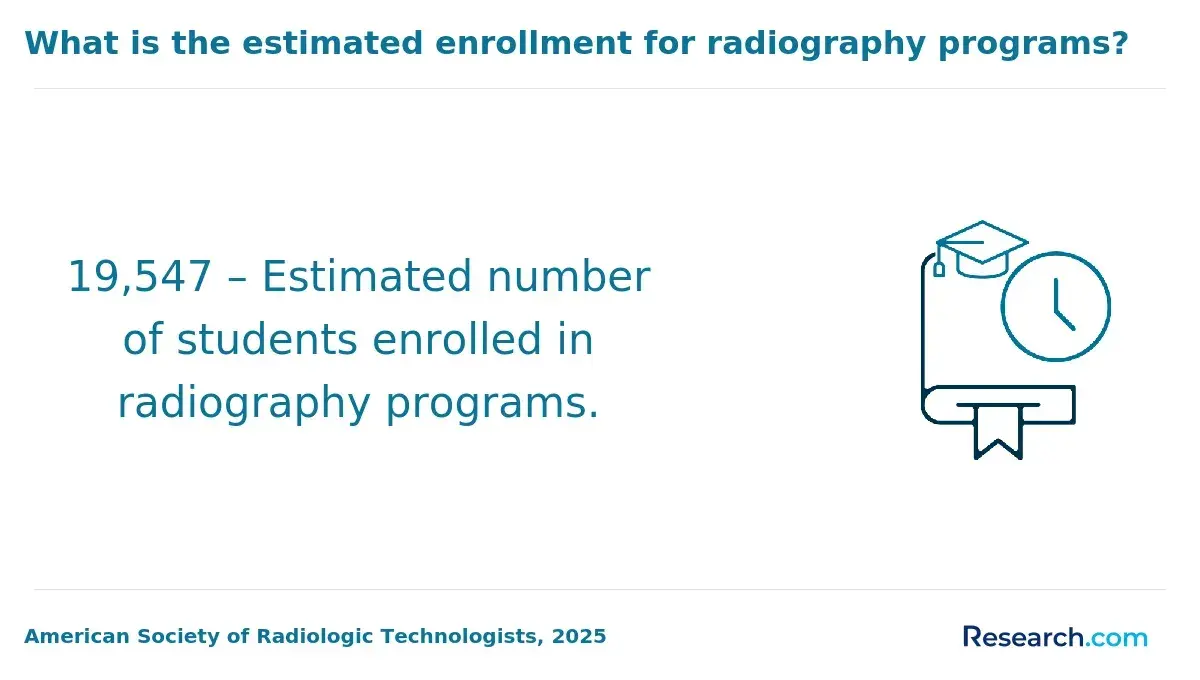
- ASRT. (2025). ASRT 2025 Enrollment Survey Data. https://www.asrt.org/main/news-publications/news/article/2025/12/22/asrt-2025-enrollment-survey-data
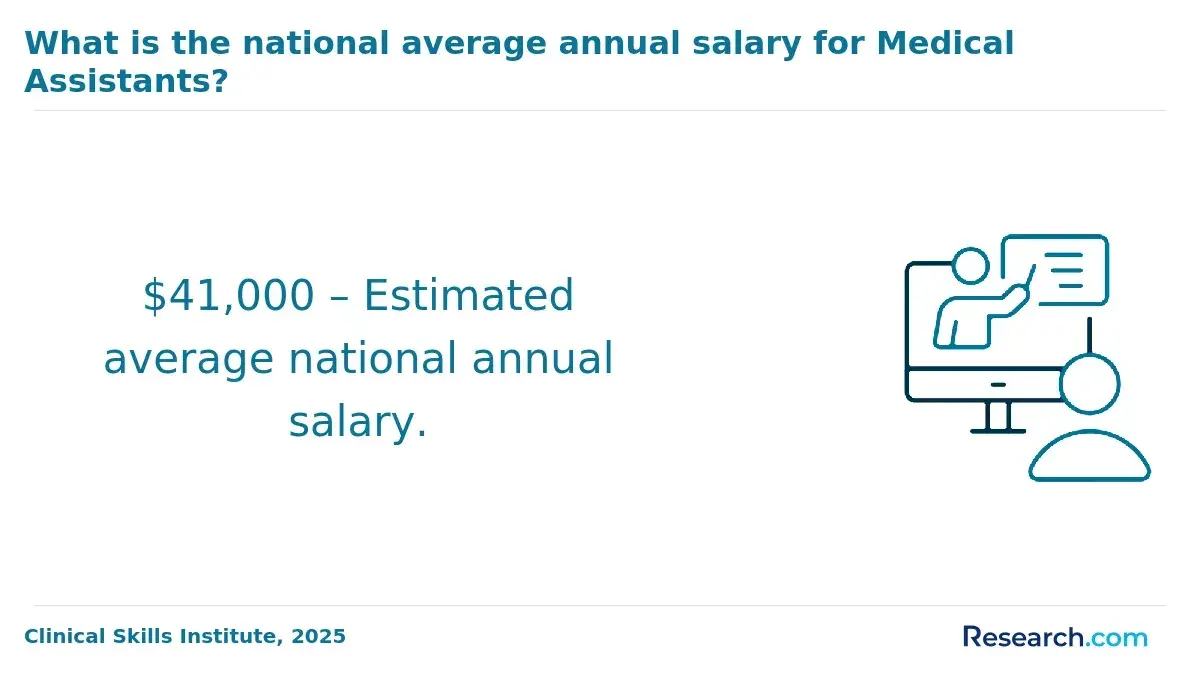
- Clinical Skills Institute. (2025). How Much Do Medical Assistants Earn in 2025? https://www.clinicalskillsinstitute.com/post/how-much-do-medical-assistants-earn-in-2025-salary-guide-by-state
- Data USA. (2024). Diagnostic Medical Sonography & Ultrasound Technician. https://datausa.io/profile/cip/diagnostic-medical-sonography-ultrasound-technician
- DiscoverySAS. (2024). 10 Best Sonography Programs in 2024. Retrieved from https://discoverysas.com/best-sonography-programs/
- Malik, M. U., Dar, M., Masood, U., Marium, S., Aftab, M. A., & Butt, A. R. (2024). Navigating the Labyrinth of Medical Errors: A Comprehensive Review. Cureus, 16(1). https://www.ncbi.nlm.nih.gov/pmc/articles/PMC10842217/
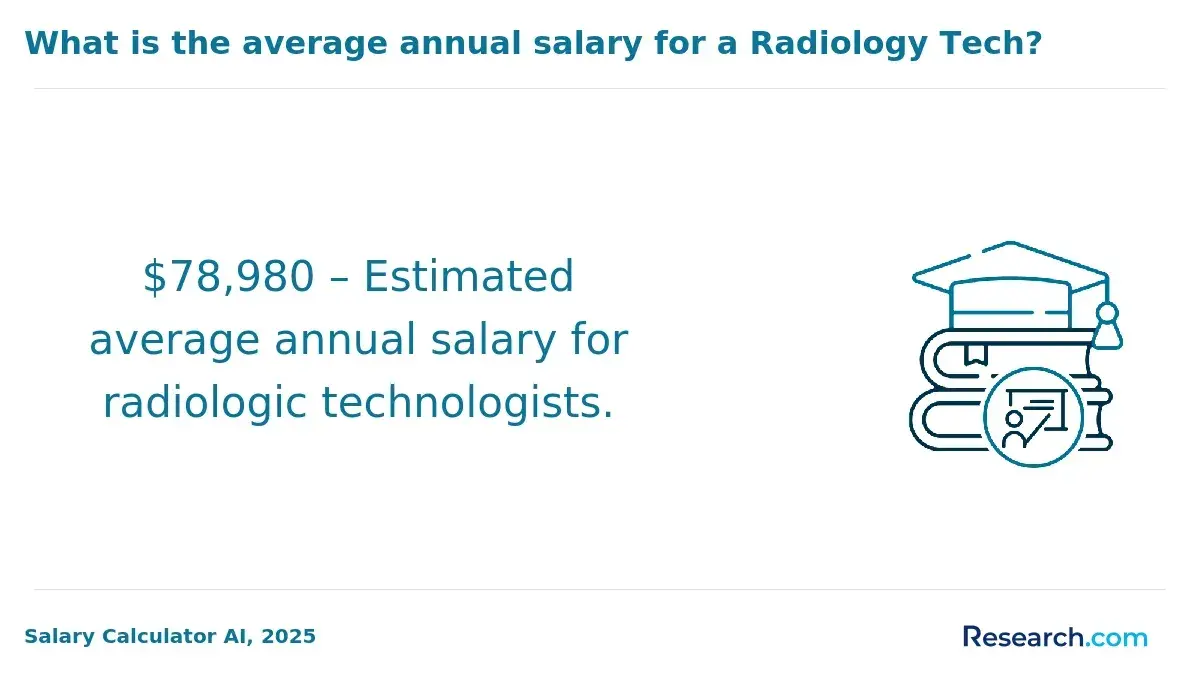
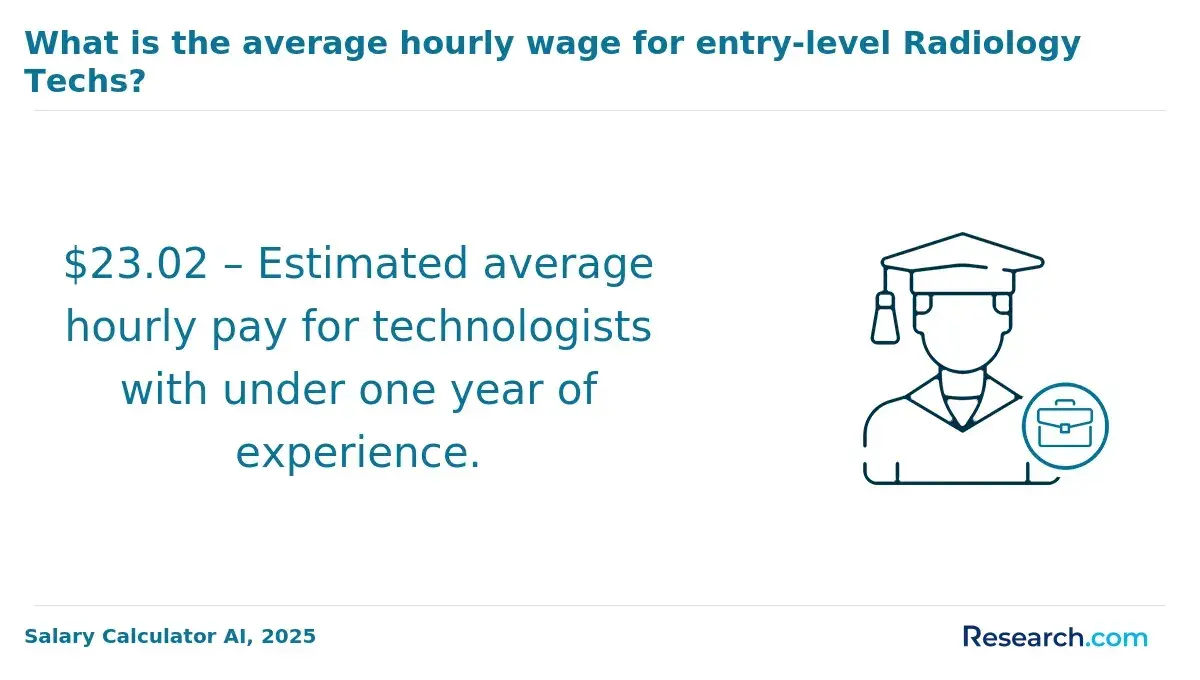
- Salary Calculator AI. (2025). Radiology Tech Salary Guide. https://salary-calculator.ai/blog/radiology-tech-salary-guide
- U.S. Bureau of Labor Statistics. (2025). Employment Projections 2024-2034. https://www.bls.gov/emp/
- U.S. Bureau of Labor Statistics. (2025). Occupational Outlook Handbook: Diagnostic Medical Sonographers and Cardiovascular Technologists and Technicians. https://www.bls.gov/ooh/healthcare/diagnostic-medical-sonographers.htm
- U.S. Bureau of Labor Statistics. (2025). Occupational Outlook Handbook: Healthcare. https://www.bls.gov/ooh/healthcare/
Other Things You Should Know About Becoming a Medical Sonographer
When selecting a medical sonographer program in 2027, ensure the program is accredited by the Commission on Accreditation of Allied Health Education Programs (CAAHEP). Look for comprehensive curriculum covering anatomy, physiology, and sonography principles. Evaluate faculty expertise, clinical placement opportunities, and the program's success in job placement post-graduation.
Most accredited medical sonography programs require about 1,000 to 1,200 supervised clinical hours before graduation. These rotations take place in hospitals or outpatient imaging centers and are usually completed alongside didactic coursework to meet ARDMS exam and employer expectations.
To practice in 2027, medical sonographers should obtain the Registered Diagnostic Medical Sonographer (RDMS) certification through the American Registry for Diagnostic Medical Sonography (ARDMS). Certification ensures compliance with industry standards and enhances job prospects. Additional specialized certifications may be recommended based on career goals.
To become a diagnostic medical sonographer in 2027, one typically needs an Associate’s degree from an accredited program, clinical training, and certification through organizations like the ARDMS. Requirements may vary slightly by state, so check local regulations for specifics.
In 2027, prerequisites for enrolling in a medical sonographer program typically include a high school diploma or equivalent, coursework in anatomy, physiology, and physics, and sometimes hands-on experience in a healthcare setting. Some programs may require CPR certification or a background in patient care.
The job outlook for medical sonographers in 2027 is positive, with the U.S. Bureau of Labor Statistics projecting a 10% growth rate from 2026 to 2036. This growth is fueled by increasing demand for diagnostic imaging as the population ages.


