
2027 Best 50 Schools for Registered Nurses By State

Co-Founder and Chief Data Scientist
Choosing a nursing school is not just a question of which program has the best name recognition. For future registered nurses, the state where you study can affect clinical placements, tuition, licensure preparation, employer connections, and the types of patients and healthcare systems you train in. That matters even more as nursing programs expand online and hybrid options, hospitals compete for qualified nurses, and states continue to manage different workforce needs.
This guide is designed for students comparing registered nursing programs by state, licensed practical nurses considering an RN pathway, paramedics exploring a bridge program, and working RNs deciding whether to pursue a BSN, MSN, NP, or DNP credential. You will find a state-by-state list of nursing schools, practical guidance on accreditation and licensure, salary and job outlook context, cost and financial aid considerations, online learning options, and decision questions to help you choose a program that fits your goals.
Quick answer: How should you choose a nursing school by state?
The best nursing school by state is usually the one that combines approved accreditation, strong NCLEX preparation, reliable clinical placements, reasonable total cost, and alignment with the state where you want to work. A well-known school can help, but it should not outweigh practical factors such as licensure eligibility, clinical site access, in-state tuition, transfer credit rules, and graduate outcomes.
| Decision factor | Why it matters for nursing students | What to verify before applying |
| Accreditation and approval | Accreditation can affect licensure, transfer credits, graduate school admission, and employer confidence. | Confirm program accreditation and state board approval, not just institutional accreditation. |
| NCLEX preparation | The NCLEX-RN is required for RN licensure, and pass rates help show how well a program prepares students. | Review recent pass rates and ask whether the school publishes multi-year trends. |
| Clinical placements | Nursing cannot be completed entirely through theory; supervised clinical experience is essential. | Ask where clinicals are located, who arranges them, and whether placements are guaranteed. |
| Total cost | Tuition is only one part of the expense; fees, equipment, travel, testing, and lost work hours can add up. | Compare the full cost of attendance, including in-state and out-of-state rates. |
| State licensure fit | Nursing requirements vary by state, especially around continuing education and scope of practice. | Check that the program meets the requirements of the state where you plan to practice. |
Why compare nursing programs by state?
State-based comparison is useful because nursing education is closely tied to local healthcare systems. A student who wants to work in Alaska, rural Iowa, Southern California, or New York City may encounter different patient populations, clinical settings, employer networks, and public health priorities. The right state choice can also affect affordability if you qualify for in-state tuition or state-specific grants.
- Local healthcare exposure: Studying in your target state can help you understand regional healthcare policies, patient needs, clinical workflows, and common care settings.
- Cost advantages: Public universities often charge lower rates to in-state students, and some states offer scholarship or grant programs for residents entering high-demand healthcare fields.
- Employer connections: Clinical rotations, faculty networks, and local hospital partnerships can make it easier to learn about entry-level RN openings before graduation.
- Hands-on training access: Many programs rely on nearby hospitals, long-term care facilities, public health agencies, and community clinics for supervised clinical experience.
- Licensure alignment: A program in the state where you plan to work may be better positioned to prepare you for that state board’s expectations, background checks, clinical hour policies, and renewal rules.
Nursing continues to attract students because the occupation combines direct patient care, career mobility, and relatively broad employment demand. According to the U.S. Bureau of Labor Statistics, registered nurses rank 9th on the list of occupations with significant job growth and are expected to add an estimated 197,000 additional jobs by 2031. Nursing graduates also report strong early employment outcomes, with 82% securing jobs within six months after graduation. The American Association of Colleges of Nursing has reported that 75.7% of employers seek a bachelor's degree in nursing among new hires.
What can I expect from nursing requirements by state?
State nursing requirements are the education, examination, background, and renewal rules that determine whether you can become and remain licensed as a registered nurse. All states use the NCLEX-RN for RN licensure, but individual state boards may differ in application steps, continuing education requirements, scope of practice rules, and whether additional documentation is required.
| Requirement area | What it usually includes | Why students should check it early |
| Education pathway | Completion of an approved nursing diploma, ADN, BSN, or bridge program, depending on the state and employer expectations. | Not every pathway offers the same transfer, graduate school, or job-market flexibility. |
| Licensure exam | The NCLEX-RN is used nationally for registered nurse licensure. | Programs with weak NCLEX preparation can delay licensure and employment. |
| Background checks | Many states require criminal background checks or fingerprinting as part of licensure. | Students should understand eligibility issues before investing in a program. |
| Continuing education | Some states require a specific number of continuing education hours for renewal. | Renewal rules affect long-term career planning after graduation. |
| Scope of practice | State boards define what RNs can do under their license. | Scope rules matter if you plan to move, specialize, or pursue advanced practice later. |
| Specialty certification | Some roles may require additional credentials beyond RN licensure. | Specialty goals may influence which school, clinical setting, or advanced degree you choose. |
How much can I make as a registered nurse by state?
Registered nurse pay varies by location, employer type, experience, education, specialty, and shift structure. The highest-paying states often have higher living costs, so students should compare salary with housing, commuting, taxes, and local job availability rather than looking at wage figures alone.
According to the latest Bureau of Labor Statistics data cited for this guide, the five states with the highest median salaries for registered nurses are:
- California, with an annual median wage of $113,240
- Hawaii, with an approximate yearly median wage of $104,060
- Massachusetts, where RNs earn a median annual salary of $96,250
- Oregon, with an annual median wage of $96,230
- Alaska, where the median salary stands at $95,270 per year
The U.S. average salary for registered nurses in 2024 stood at $94,480. The top-paying industry for registered nurses in 2024 was hospital-inpatient care, with an average annual wage of $100,000. Nurses who continue into advanced education may also see different earning opportunities; DNP-certified registered nurses garner an average salary of $102,000 per year. These figures should be treated as benchmarks, not guaranteed outcomes.
Which U.S. states are best for registered nurses?
The best state for an RN depends on the mix of pay, cost of living, licensing portability, hospital systems, specialty demand, and lifestyle. A high wage can be attractive, but it may not produce the best financial result if rent, transportation, or taxes are high. Students should also consider whether they want urban trauma care, rural health, public health, pediatrics, academic medical centers, or long-term care.
- California: California offers some of the highest RN salaries, with a median annual wage of around $102,700 according to the Bureau of Labor Statistics, but major metro areas can also be expensive.
- Minnesota: Minnesota combines respected healthcare systems, a strong quality-of-life reputation, and a median annual wage of about $75,300 for nurses.
- New York: New York offers large hospital networks and strong employment opportunities, especially around New York City. Nurses in the state can expect a median annual wage of around $83,000.
- Texas: Texas has a growing healthcare sector, major nursing schools such as the University of Texas at Austin, and an average annual nursing salary of approximately $70,000, with a lower cost of living than many high-wage states.
- Washington: Washington has a strong healthcare environment, programs such as the University of Washington, and a median annual wage of around $82,500, with cost advantages outside major city centers.
Before relocating for nursing school or work, compare state board requirements, hospital hiring patterns, union presence where applicable, cost of living, and whether your preferred specialty is widely available in that state.
- Best Schools for Registered Nurses By State for 2027
- How do nursing schools accommodate students who prefer online or hybrid learning formats?
- What are the key factors to consider when evaluating nursing school accreditation?
- What are the common core courses in a registered nursing program?
- What are the typical admission requirements for nursing schools?
- What role do standardized tests, such as the NCLEX, play in the admission process?
- What is the average cost of tuition and associated fees for top nursing programs?
- What types of financial aid are available for nursing students?
- What advantages do online BSN programs offer compared to traditional formats?
- What are the career advancement opportunities after completing a nursing program?
- Are accelerated LPN to RN programs a viable pathway for career advancement?
- What is the job placement rate for graduates from the nursing program?
- Can pursuing a DNP degree further advance your nursing career?
- Are there affordable online programs for aspiring LPNs?
- How do nursing schools support students' transition from classroom learning to clinical practice?
- How do nursing schools support student well-being and mental health?
- What are the future trends in nursing programs by state?
- How can a paramedic to RN bridge enhance your nursing career?
- What are the advantages of pursuing a nurse practitioner program?
- How hard is the RN to BSN program? A realistic look at the challenges and benefits
Best Schools for Registered Nurses By State for 2027
How do we rank schools?
A nursing degree requires a major investment of time, money, and clinical effort, so this list is built to help students compare programs with clearer context. The ranking process uses established data sources, including the IPEDS database, Peterson's database, College Scorecard database, and the National Center for Education Statistics. To understand the broader evaluation process, review Research.com's methodology page.
Use this list as a starting point, not as the only basis for enrollment. Always confirm current tuition, fees, admissions requirements, clinical placement policies, state board approval, and accreditation directly with the school before applying.
| State and school | NCLEX pass rate | Cost information | Accreditation | Program highlights |
| Alabama – University of Alabama at Birmingham (UAB) | 97.81% | $434 (in-state); $1,045 (out-of-state) per credit | Commission on Collegiate Nursing Education (CCNE); Council on Accreditation of Nurse Anesthesia Educational Programs (COA); Accreditation Commission for Midwifery Education (ACME) | UAB emphasizes evidence-based practice, clinical depth, and research-informed nursing education through healthcare partnerships in Birmingham. |
| Alaska – University of Alaska Anchorage (UAA) | 93% | $234 lower division in-state, $800 lower division out-of-state; $282 upper division in-state, $848 upper division out-of-state per credit | Accreditation Commission for Education in Nursing (ACEN); Commission on Collegiate Nursing Education (CCNE) | UAA is especially relevant for students interested in rural health, remote community care, and culturally responsive practice in Alaska. |
| Arizona – Arizona College of Nursing – Tempe | 92.43% | $817 per credit | Commission on Collegiate Nursing Education (CCNE) | The Tempe program focuses on clinical readiness, patient-centered care, research exposure, community service, and professional development. |
| Arkansas – Southern Arkansas University | 100% | $974 (in-state); $1,517 (out-of-state) per credit | Accreditation Commission for Education in Nursing (ACEN) | Southern Arkansas University combines classroom learning, simulation, clinical rotations, and NCLEX-focused preparation. |
| California – California State University, Long Beach (CSULB) | 97.20% | $7,008 (in-state); $10,296 (out-of-state) | Commission on Collegiate Nursing Education (CCNE) | CSULB serves both students entering nursing for the first time and ADN-prepared students pursuing a professional BSN. |
| Colorado – University of Colorado Anschutz Medical Campus (CU Anschutz) | 97.01% | $558 (in-state); $980 (out-of-state) per credit | Commission on Collegiate Nursing Education (CCNE) | CU Anschutz offers a clinically intensive nursing education with evidence-based practice, patient-centered care, mentorship, and access to medical campus resources. |
| Connecticut – Sacred Heart University | 95% (B.S.); 100% (accelerated) | $24,080 per semester | Commission on Collegiate Nursing Education (CCNE) | Sacred Heart blends nursing theory, clinical experience, evidence-based practice, and specialized training options. |
| Delaware – Margaret H. Rollins School of Nursing | 96.67% | $3,200 | Accreditation Commission for Education in Nursing (ACEN) | Based within Beebe Healthcare, the program prepares students for practical RN responsibilities through clinical learning and ethics-focused patient care. |
| Florida – University of Tampa | 95% (five-year average) | $31,162 per year | Accreditation Commission for Education in Nursing (ACEN) | The University of Tampa combines nursing theory, simulation labs, clinical rotations, faculty mentorship, and preparation for NCLEX-RN success. |
| Georgia – Georgia College and State University (GCSU) | 88.99% | $2,222 (in-state); $7,918 (out-of-state) flat rate | Commission on Collegiate Nursing Education (CCNE) | GCSU emphasizes critical thinking, cultural competence, hands-on clinical practice, and service to individuals and communities. |
| Hawaii – University of Hawaii at Manoa | 91% (undergraduate); 93% (graduate entry program) | $471 (in-state); $1,389 (out-of-state) per credit | Commission on Collegiate Nursing Education (CCNE) | The program focuses on cultural competence, community engagement, and healthcare needs across Hawaii’s diverse population. |
| Idaho – Brigham Young University – Idaho | 93.13% | $194 (congregation member); $388(non-member) per credit | Commission on Collegiate Nursing Education (CCNE) | BYU-Idaho prepares students through nursing theory, clinical skill development, lab experience, supervised rotations, and close faculty mentoring. |
| Illinois – Illinois State University's Mennonite College of Nursing | 95% | $359.47 (in-state); $620.00 (out-of-state) per credit | Commission on Collegiate Nursing Education (CCNE) | MCN has prepared nurses for over 100 years and integrates leadership development, peer mentorship, and professional nursing formation. |
| Indiana – Indiana University School of Nursing | 91.5% | $299.05 (in-state); $1,046.99 (out-of-state) per credit | Commission on Collegiate Nursing Education (CCNE) | Indiana University offers traditional, honors, second-degree accelerated, and RSN to BSN options with simulation and interprofessional education. |
| Iowa – University of Iowa | 88% | $13,876 (in-state); $35,989 (out-of-state) tuition cost | Commission on Collegiate Nursing Education (CCNE) | The University of Iowa integrates theory, research, clinical practice, simulation, leadership development, and attention to rural healthcare needs. |
| Kansas – Bethel College | 100% | $33,762 tuition cost | Commission on Collegiate Nursing Education (CCNE) | Bethel College offers a faith-based, patient-focused nursing curriculum with internships and undergraduate research in safety, informatics, evidence-based practice, and quality improvement. |
| Kentucky – University of Kentucky | 97.3% | $526.50 (in-state); $1,335 (out-of-state) per credit | Commission on Collegiate Nursing Education (CCNE) | The University of Kentucky offers rigorous BSN preparation through lab work, supervised clinical settings, and a low student-faculty ratio. |
| Louisiana – Northwestern State University (NSU) | 96.36% | $655 per credit (Natchitoches campus) | Accreditation Commission for Education in Nursing (ACEN) | NSU connects theory and practice through patient-centered care, clinical rotations, mentoring, and NCLEX-RN preparation. |
| Maine – University of Southern Maine | 78.95% | $297 (in-state); $875 (out-of-state) per credit | Commission on Collegiate Nursing Education (CCNE) | The University of Southern Maine offers a traditional BSN with faculty active in research and policy, plus simulation-based preparation for clinical care. |
| Maryland – Salisbury University | 89.02% | $10,638 (in-state); $21,332 (out-of-state) tuition cost | Commission on Collegiate Nursing Education (CCNE) | Salisbury offers traditional and second-degree BSN pathways with supervised labs, small classes, and clinical exposure in mental health and trauma settings. |
| Massachusetts – University of Massachusetts Amherst (UMass Amherst) | 90% | $691.25 (in-state); $1,605.25 (out-of-state) per credit | Commission on Collegiate Nursing Education (CCNE) | UMass Amherst is known for evidence-based practice, critical thinking, cultural competence, and competitive admission due to limited seats. |
| Michigan – University of Michigan-Ann Arbor | 98.06% | $1,066 (in-state); $2,768 (out-of-state) per credit | Commission on Collegiate Nursing Education (CCNE) | Michigan combines academic rigor, simulation labs, interdisciplinary learning, research access, and faculty expertise. |
| Minnesota – University of Minnesota | 85.07% | $16,598 (in-state); $36,512 (out-of-state) per year | Commission on Collegiate Nursing Education (CCNE) | The University of Minnesota encourages innovation, interprofessional education, health promotion, disease prevention, and clinical immersion. |
| Mississippi – University of Mississippi Medical Center (UMMC) | 98.93% | $415 (in-state); $1,217 (out-of-state) per credit | Commission on Collegiate Nursing Education (CCNE) | UMMC offers a rigorous traditional BSN with advanced practice exposure, specialized tracks, and preparation to meet community health needs. |
| Missouri – University of Missouri-Kansas City (UMKC) | 98.31% | $534 (in-state); $1,134 (out-of-state) per credit | Commission on Collegiate Nursing Education (CCNE) | UMKC provides simulation labs, clinical partnerships, and a pre-licensure BSN designed to prepare graduates for RN licensure. |
| Montana – Montana State University (MSU) | 81.91% | $4,041 (in-state); $15,700 (out-of-state) per semester | Commission on Collegiate Nursing Education (CCNE) | MSU emphasizes interdisciplinary collaboration, patient care beginning in the third year, rural community health, and a broad liberal education. |
| Nebraska – University of Nebraska Medical Center | 89.43% | $391 (in-state); $1,053 (out-of-state) per credit | Commission on Collegiate Nursing Education (CCNE) | UNMC offers simulation labs, healthcare technology, clinical rotations, accelerated BSN options, and RN to BSN programs. |
| Nevada – Arizona College in Las Vegas | 84.89% | $18,700 (estimated) per credit | Accrediting Bureau of Health Education Schools (ABHES) | The accelerated 3-year program uses classrooms, simulation labs, clinical settings, human patient laboratories, and professional skills training. |
| New Hampshire – St. Anselm College | 96.55% | $22,680 per year | Accreditation Commission for Education in Nursing (ACEN) | St. Anselm’s nursing program is grounded in Benedictine values and pairs liberal arts foundations with clinical experiences, preceptorships, and simulation labs. |
| New Jersey – Rutgers University | 87.04% | $502 (in-state, Newark Campus); $887 (out-of-state, Newark campus) per credit | Accreditation Commission for Education in Nursing (ACEN) | Rutgers combines rigorous coursework, clinical rotations in major healthcare institutions, faculty depth, and research opportunities. |
| New Mexico – University of New Mexico (UNM) | 78.48% | $520.10 (in-state); $1,246.14 (out-of-state) per credit | Accreditation Commission for Education in Nursing (ACEN) | UNM offers hands-on faculty-guided learning, a Simulation Center, dual degree and accelerated options, and Albuquerque and Rio Rancho campus access. |
| New York – Stony Brook University Health Science Center | 91.3% | $295 (in-state); $1,119 (out-of-state) per credit | Commission on Collegiate Nursing Education (CCNE) | Stony Brook’s program is accredited by CCNE, approved by the New York State Education Department, and designed around patient-centered NCLEX-RN preparation. |
| North Carolina – University of North Carolina at Chapel Hill (UNC) | 98.91% | $32,255 (in-state); $91,120 (out-of-state) total cost | Commission on Collegiate Nursing Education (CCNE) | UNC offers strong clinical partnerships, evidence-based practice, teamwork, attention to healthcare inequities, and a scholars program in nursing innovation. |
| North Dakota – University of North Dakota | 92% | $450.34 (in-state); $504.38 (Minnesota residents); $675.51 (out-of-state) per credit | Commission on Collegiate Nursing Education (CCNE) | UND’s program takes around 4 years and requires 121 credit hours, with emphasis on rural and diverse populations in the Grand Forks region. |
| Ohio – Ohio State University | 85.53% | $12,485 (in-state); $36,722 (out-of-state) per year | Commission on Collegiate Nursing Education (CCNE) | Ohio State integrates general education, nursing theory, and clinical practice in a broad BSN curriculum. |
| Oklahoma – University of Oklahoma | 83.82% (Oklahoma City campus) | $174 (in-state); $732.85 (out-of-state) per credit | Commission on Collegiate Nursing Education (CCNE) | The University of Oklahoma offers clinical experience in healthcare and community settings, faculty mentorship, interprofessional collaboration, and health disparities training. |
| Oregon – Oregon Health & Science University | 93% (Portland campus) | $426 (in-state; Portland campus); $781 (out-of-state; Portland campus) per credit | Commission on Collegiate Nursing Education (CCNE) | OHSU prepares students for hospitals, transitional care clinics, outpatient clinics, and research laboratories through critical thinking and leadership-focused coursework. |
| Pennsylvania – University of Pennsylvania | 89% | $58,620 per year | Commission on Collegiate Nursing Education (CCNE) | Penn Nursing offers community engagement, team-based clinical practice, mentorship, and minors in Global Health, Health Communications, History, Health, & Humanities, Nursing & Health Services Management, and Nutrition. |
| Rhode Island – Rhode Island College | 82% | $4,740 (in-state); $12,507 (out-of-state) per semester | Commission on Collegiate Nursing Education (CCNE) | Rhode Island College offers full-time and part-time study with liberal education, critical thinking, patient care technology, and interprofessional collaboration. |
| South Carolina – Medical University of South Carolina (MUSC) | 99% | $686 (in-state); $1,398 (out-of-state) per credit | Commission on Collegiate Nursing Education (CCNE) | MUSC’s accelerated BSN integrates theory, research, clinical practice, simulation, leadership development, and healthcare partnerships. |
| South Dakota – South Dakota State University | 90% | $686 (in-state); $1,398 (out-of-state) per credit | Commission on Collegiate Nursing Education (CCNE) | SDSU prepares students through faculty mentoring, clinical practice in healthcare and rural settings, and attention to rural population health. |
| Tennessee – University of Tennessee at Chattanooga | 87% | $668 (in-state); $774 (out-of-state) per credit | Commission on Collegiate Nursing Education (CCNE) | UTC offers a traditional 4-year BSN with small classes, small clinical groups, nearby hospital experiences, nursing homes, mental health settings, and graduate-study preparation. |
| Texas – University of Texas at Austin | 98% | $15,967 (in-state); $32,764 (out-of-state) per semester | Commission on Collegiate Nursing Education (CCNE) | UT Austin combines a demanding BSN curriculum, experienced faculty, simulation labs, clinical partnerships, innovation, and preparation for Texas healthcare needs. |
| Utah – University of Utah | 80% | $256 (in-state); $41,280 (out-of-state) per credit | Commission on Collegiate Nursing Education (CCNE) | The University of Utah emphasizes evidence-based practice, interdisciplinary cooperation, clinical exposure, faculty advising, and healthcare inequities. |
| Vermont – University of Vermont | 89.52% | $16,280 (in-state); $880 (out-of-state) per year | Commission on Collegiate Nursing Education (CCNE) | UVM combines theory, research, clinical practice, evidence-based care, population health, faculty mentorship, and travel study through a Public Health immersion in Belize, Uganda, and the Netherlands. |
| Virginia – University of Virginia | 87% | $19,868 (in-state); $56,798 (out-of-state) per year | Commission on Collegiate Nursing Education (CCNE) | UVA offers a selective BSN with innovation, leadership, healthcare outcomes, inpatient clinical supervision, faculty mentorship, and undergraduate research expectations. |
| Washington – University of Washington | 79% | $4,081 (in-state); $13,580 (out-of-state) per quarter | Commission on Collegiate Nursing Education (CCNE) | UW’s full-time two-year BSN is a professional program entered after 60 prerequisite college-level credits, with Seattle campus simulation and clinical partnerships such as Seattle Children's Hospital. |
| West Virginia – West Virginia University | 98% (Morgantown campus); 86% (Beckley campus); 89% (Keyser campus) | $511 (in-state); $1,227 (out-of-state) per credit | Commission on Collegiate Nursing Education (CCNE) | WVU’s BSN is built around Critical Thinking, Nursing Interventions, Professional Role, Caring, and Communication, with coursework in social sciences, humanities, and nursing sciences. |
| Wisconsin – University of Wisconsin-Madison | 94.31% | $11,216 (in-state); $40,612 (out-of-state) per year | Commission on Collegiate Nursing Education (CCNE) | UW-Madison admits students into the traditional BSN after two years of pre-nursing prerequisites and emphasizes leadership, healthcare systems, person- and community-centered care, and simulation. |
| Wyoming – University of Wyoming | 79% | $2,490 (in-state); $10,380 (out-of-state) per semester | Commission on Collegiate Nursing Education (CCNE) | The Basic BSN admits only up to 48 students into the major each year and includes simulation, close mentoring, and a senior capstone practicum that may involve travel to Wyoming communities. |
What graduates say about earning a nursing degree
-
: "
"Nursing school was demanding, but the outcome made the effort worthwhile. The program format gave me room to manage school and personal responsibilities, and I was able to move into employment shortly after finishing." – Lisa
"
-
: "
"My program gave me both clinical exposure and the theory behind patient care. That combination helped me feel more prepared when I entered real healthcare settings." – Mark
"
-
: "
"The coursework strengthened my clinical confidence and deepened my commitment to patient care. Even with online components, I felt supported through faculty guidance, practical assignments, and preparation for the NCLEX." – Rebecca
"
Key findings
- Median age for nurses is 50; 9% are male, reflecting increased gender diversity.
- 88% of first-time test-takers from U.S. nursing bachelor's programs passed the NCLEX-RN.
- The typical cost of a nursing degree in the United States varies between $40,000 and $100,000.
- Anticipating a 15.5% growth in diverse nursing roles, the U.S. nursing sector has a promising future.
- Specifically, Nurse Practitioners (NPs) expect a 45.7% rise in employment by 2031, creating around 112,700 new positions.
How do nursing schools accommodate students who prefer online or hybrid learning formats?
Nursing schools increasingly use online and hybrid formats, but students should understand the limits. Lecture-based courses may be offered online, while skills labs, simulations, exams, and clinical rotations often require in-person attendance. Before enrolling, ask whether the school arranges clinical placements near you or expects you to find approved sites yourself.
| Format | Best for | What to watch for |
| Fully online nursing coursework | Students who need flexible lecture access and can complete required clinical experiences separately. | Around 1,614 institutions offer fully online nursing programs, but licensure-track nursing still requires approved hands-on clinical practice. |
| Hybrid programs | Students who want online coursework with scheduled campus or clinical sessions. | Travel days, lab intensives, and clinical availability may affect work schedules. |
| Online graduate nursing options | RNs pursuing advanced study such as MSN or DNP credentials. | Duke University provides online and distance learning options for MSN and DNP students. |
| Online specialty tracks | Nurses exploring advanced roles such as nurse anesthesia or nurse practitioner pathways. | Compare scope, clinical requirements, and role differences, including physician's assistant vs nurse practitioner career paths. |
| Online certificates | Licensed nurses adding a focused credential after a degree. | Johns Hopkins University offers an online Nurse Educator Certificate and a Psychiatric Mental Health Nurse Practitioner Certificate. |
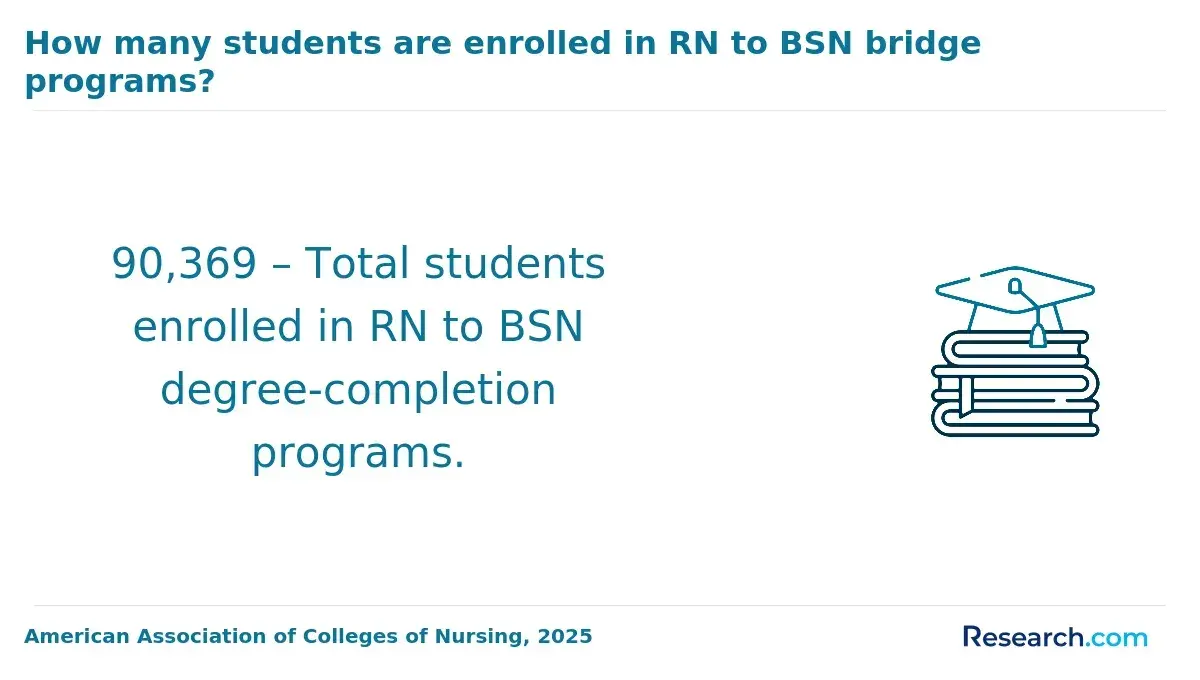
What are the key factors to consider when evaluating nursing school accreditation?
Accreditation is one of the most important checks in nursing school selection. It can influence whether you can sit for licensure, transfer credits, qualify for graduate programs, access some financial aid options, and meet employer expectations. Students should verify both institutional accreditation and program-level nursing accreditation.
- Accrediting body: Common nursing accreditors include the Accreditation Commission for Education in Nursing (ACEN) and the Commission on Collegiate Nursing Education.
- Program-level accreditation: Do not assume that a college’s general accreditation automatically covers its nursing program. Confirm the exact nursing degree or track.
- State board approval: Accreditation and state approval are related but not identical. A program should meet the standards of the state board where you plan to seek licensure.
- NCLEX pass rates: Pass rates help show how well students are prepared for the licensing exam, but students should also ask about attrition, remediation, and first-time pass trends.
- Reputation and clinical access: A respected name helps only if the program also provides strong instruction, adequate faculty support, and reliable clinical placements.
What are the common core courses in a registered nursing program?
Registered nursing programs typically combine science prerequisites, general education, nursing theory, skills labs, clinical rotations, and professional practice courses. The exact course sequence depends on whether you are in a diploma, ADN, BSN, accelerated BSN, LPN to RN, paramedic to RN, or RN to BSN pathway.
| Course area | What students learn | Why it matters in practice |
| Human Anatomy & Physiology | Body systems, structure, and function. | Nurses use this knowledge to understand symptoms, treatments, assessment findings, and patient changes. |
| Biology | Foundational life science concepts. | Biology supports understanding of disease processes, infection, healing, and patient response. |
| Chemistry | Basic chemical principles and reactions. | Chemistry helps with medication administration, lab interpretation, and body system interactions. |
| Human Growth and Development | Physical, psychological, and social development across the lifespan. | Nurses care for patients at different ages and must adapt communication, assessment, and care plans. |
| General Education Coursework | Humanities, social sciences, communication, and related subjects. | These courses support patient education, cultural awareness, documentation, ethics, and teamwork. |
What are the typical admission requirements for nursing schools?
Nursing admission can be competitive because programs must balance classroom seats, faculty capacity, and clinical placement availability. Meeting minimum requirements may make you eligible to apply, but it does not always guarantee admission.
- A high school diploma or equivalent
- Graduate Record Examination (GRE) scores, where needed
- Courses in Biology, Chemistry, Human Anatomy & Physiology, and Human Growth and Development
- General Education coursework
- A personal essay or statement of purpose explaining your career goals
- Letters of recommendation
Strong applicants often show academic readiness, emotional maturity, communication ability, empathy, and commitment to patient care. Nursing also remains open to adults entering or changing careers. The average age of registered nurses is 50, and approximately 9% of RNs are men, reflecting a field that includes students from different life stages and backgrounds.
What role do standardized tests, such as the NCLEX, play in the admission process?
The NCLEX-RN is not typically an admissions test for beginning nursing students; it is the national licensing exam taken after completing an approved RN program. However, NCLEX outcomes matter when evaluating schools because they show how well a program prepares graduates for licensure. Some schools may use other standardized entrance or progression exams, but the NCLEX itself is most important at the point of graduation and licensure.
- Program quality signal: NCLEX pass rates can indicate whether students are leaving the program ready for entry-level RN practice.
- Licensure gatekeeper: Graduates must pass the NCLEX-RN to become licensed registered nurses.
- Benchmark for comparison: The NCLEX-RN pass rate in 2024 was 91.2% for first-time test-takers of U.S.-educated nursing bachelor's degree or equivalent programs.
- Student support indicator: Ask how schools help students who struggle, including remediation, tutoring, test preparation, and clinical skill support.
What is the average cost of tuition and associated fees for top nursing programs?
The cost of a nursing degree in the U.S. can range from $40,000 to $100,000. A Bachelor of Science in Nursing (BSN) at a public institution can range from $20,000 to $40,000 for in-state students, while out-of-state students may pay between $75,000 and $125,000. Private institutions can charge between $30,000 and $60,000 per year.
Tuition alone does not show the real price of nursing school. Students should also account for uniforms, background checks, immunizations, simulation fees, lab fees, books, clinical travel, exam fees, parking, technology, and reduced work hours during clinical semesters.
| Cost category | Why it can change your total price | Question to ask |
| In-state vs. out-of-state tuition | Public institutions may charge substantially different rates based on residency. | Can I qualify for in-state tuition, reciprocity, or a residency exception? |
| Clinical travel | Clinical sites may require commuting, parking, public transportation, or temporary schedule changes. | Where are clinical placements, and how far do students typically travel? |
| Fees and supplies | Nursing programs often require uniforms, equipment, testing platforms, and background checks. | What costs are not included in published tuition? |
| Program length | Accelerated programs may reduce calendar time but can limit your ability to work. | How many months or semesters will I realistically need to finish? |
| Transfer credits | Accepted credits can lower both time and cost. | Which prerequisites and prior credits will count toward the nursing degree? |
Beyond the cost, the ROI for a nursing degree looks good, as shown in this chart:
What types of financial aid are available for nursing students?
Nursing students should build a financial aid plan before committing to a school. The goal is to reduce borrowing where possible and avoid choosing a program based only on sticker price.
- Scholarships: Scholarships may be based on grades, service, background, location, specialty interest, or nursing workforce needs. They do not need to be repaid.
- Grants: Grants are usually need-based and may require the Free Application for Federal Student Aid (FAFSA). Like scholarships, they do not require repayment.
- Work-study programs: Work-study can help students earn income while enrolled, although nursing clinical schedules may limit availability.
- Loans: Federal and private loans can fill funding gaps, but they must be repaid with interest, so students should compare repayment obligations with expected earnings.
- Tuition reimbursement: Some hospitals and healthcare employers help employees pay for advanced nursing education, often with service or employment conditions.
What advantages do online BSN programs offer compared to traditional formats?
Online BSN programs can make a bachelor’s degree more accessible for working adults, parents, rural students, and licensed nurses who cannot relocate. The best online BSN options combine flexible coursework with clear clinical requirements, responsive faculty, and transparent licensure guidance.
| Online BSN advantage | When it helps most | What to confirm |
| Flexible scheduling | Useful for working RNs, caregivers, and students balancing shifts. | Are courses asynchronous, synchronous, or a mix? |
| Lower commuting costs | Helpful when campus travel would add time and expense. | Are there required campus intensives or lab days? |
| Digital learning tools | Virtual simulations and interactive platforms can reinforce clinical decision-making. | How does the program evaluate hands-on competency? |
| Career continuation | RNs may be able to keep working while completing BSN coursework. | How many hours per week do students typically spend on assignments? |
What are the career advancement opportunities after completing a nursing program?
Nursing offers multiple advancement routes after initial RN preparation. Some nurses move into specialty clinical roles, others pursue leadership, public health, education, advanced practice, informatics, or graduate study. The right next step depends on whether you want broader bedside expertise, more autonomy, administrative responsibility, or a specialized patient population.
- Specialty certification: Certifications can strengthen your qualifications in areas such as critical care, emergency nursing, pediatrics, oncology, or perioperative nursing.
- BSN completion: ADN-prepared RNs often pursue BSN completion to meet employer preferences or prepare for graduate study.
- Graduate study: MSN, NP, and DNP pathways can lead to advanced clinical, leadership, policy, and education roles.
- Bridge programs: Options such as ADN to nurse practitioner programs can help nurses move from entry-level preparation into advanced practice pathways.
Are accelerated LPN to RN programs a viable pathway for career advancement?
Accelerated LPN to RN programs can be a practical option for licensed practical nurses who already have clinical experience and want to expand their scope of practice. These programs build on existing patient care skills while adding RN-level coursework, clinical judgment, leadership concepts, and preparation for registered nurse licensure.
The main advantage is efficiency. The main risk is intensity. Students should confirm admissions requirements, clinical schedules, NCLEX preparation, credit transfer, and whether the program meets state board requirements. To compare fast-track options, review accelerated LPN to RN programs.
What is the job placement rate for graduates from the nursing program?
Job placement rates vary by school, region, employer partnerships, student performance, and local labor demand. When a school advertises a placement rate, ask how it is calculated: whether it includes only graduates who responded to surveys, whether jobs must be nursing-related, and how soon after graduation employment is measured.
With a projected job growth of 15.5% across various nursing occupations, the U.S. nursing field has positive long-term indicators. Nurse Practitioners (NPs) anticipate a 35% employment increase from 2024 to 2034, resulting in approximately 32,700 additional jobs annually. Registered Nurses (RNs) show a 5% employment rise, generating 189,100 jobs yearly by 2034. Nurse Midwives (CNM) and Nurse Anesthetists can potentially experience a job growth rate of 35% combined with APRNs.
California has the highest employment level for registered nurses, employing 307,060 RNs.
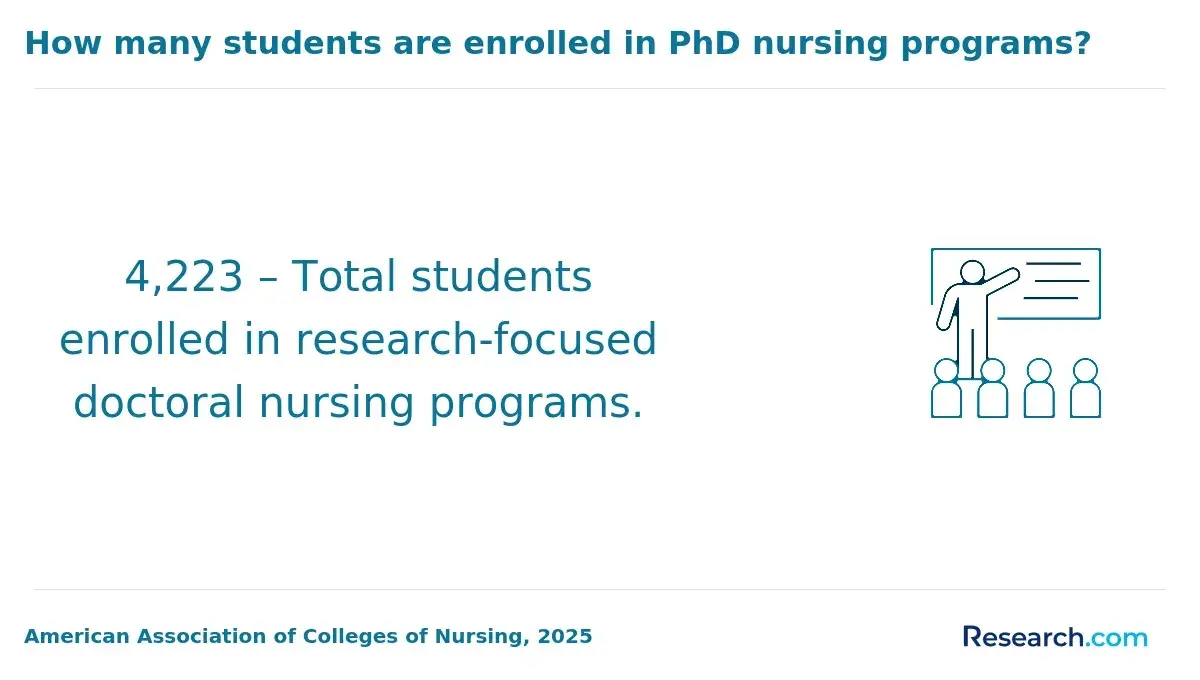
Can pursuing a DNP degree further advance your nursing career?
A Doctor of Nursing Practice can support advancement for nurses who want senior clinical leadership, systems improvement, policy influence, quality improvement, or advanced practice expertise. A DNP is not necessary for every nurse, but it can be a strategic option for those who want to lead care redesign, guide evidence-based initiatives, or qualify for higher-level practice and administrative roles.
Students should compare program cost, clinical requirements, practicum expectations, faculty expertise, and employer tuition support before enrolling. If affordability is a priority, compare online DNP programs cheap while checking accreditation and state authorization carefully.
Are there affordable online programs for aspiring LPNs?
Affordable online LPN options can reduce scheduling and commuting barriers, but students should be cautious. LPN programs must include in-person clinical experiences to meet licensure expectations. A program that appears fully online may still require campus labs, local clinical placements, or scheduled skills assessments.
When comparing options, verify state board approval, clinical placement arrangements, NCLEX-PN preparation, transfer policies, and total fees. Students seeking budget-conscious pathways can start with the most affordable online licensed practical nurse program guide.
How do nursing schools support students' transition from classroom learning to clinical practice?
The move from classroom learning to direct patient care is one of the most important stages in nursing education. Strong programs do not send students into clinical settings unprepared; they use simulations, skills checks, faculty supervision, mentorship, and debriefing to help students develop competence and confidence.
- Simulation labs: Students practice assessment, medication scenarios, emergencies, and communication skills in controlled environments before working with patients.
- Mentorship: Faculty, clinical instructors, and experienced nurses help students understand expectations, reduce anxiety, and improve bedside judgment.
- Gradual clinical immersion: Many programs move from observation to basic patient care and then to more complex clinical responsibilities.
- Interdisciplinary learning: Nursing students may train alongside pharmacy, medicine, physical therapy, or other health professions students to practice teamwork.
- Debriefing and reflection: After simulations or clinical shifts, students review decisions, challenges, communication, and emotional responses.
- Skills checkpoints: Programs may require students to demonstrate competence in tasks such as IV insertion, wound care, assessment, or medication safety before progressing.
How do nursing schools support student well-being and mental health?
Nursing school can be stressful because students must manage academic pressure, clinical performance, emotional exposure, exams, and often work or family responsibilities. Programs that take student well-being seriously offer more than general encouragement; they provide concrete support systems.
- Counseling services for stress, anxiety, burnout, and personal challenges
- Stress management workshops and resilience training
- Peer support groups and cohort-based learning communities
- Faculty advising that helps students plan course loads realistically
- Wellness content that teaches coping strategies for long-term nursing practice
Students considering advanced practice should also balance ambition with workload and well-being. For example, those comparing nurse practitioner pathways may find it helpful to review What is the easiest NP program? while remembering that “easiest” should never replace accreditation, clinical quality, and licensure fit.
What are the future trends in nursing programs by state?
Nursing education is changing in response to workforce needs, technology, student demand for flexibility, and evolving patient care models. These trends should influence how you compare programs across states.
- More online and hybrid options: Schools are expanding flexible formats for working students, especially at the BSN completion, MSN, NP, and DNP levels. Students comparing advanced practice costs may also review the cheapest online nurse practitioner programs.
- Growth in specialization tracks: Programs are adding concentrations in leadership, informatics, gerontology, population health, and advanced clinical practice to match employer needs.
- Simulation-based training: High-fidelity mannequins, virtual cases, and structured clinical scenarios help students prepare for high-risk situations before direct patient care.
- State-specific continuing education: States may update renewal rules or require content tied to public health, mental health, aging, or other regional concerns.
- Stronger healthcare partnerships: Schools are working more closely with hospitals, clinics, and community organizations to secure clinical placements and improve job readiness.
How can a paramedic to RN bridge enhance your nursing career?
A paramedic to RN bridge can help experienced emergency medical professionals move into broader nursing practice. Paramedics often bring strong assessment, triage, emergency response, and patient stabilization skills. RN education adds deeper coursework in comprehensive patient management, care planning, pharmacology, health policy, evidence-based practice, and longer-term care coordination.
This pathway can be especially useful for paramedics who want hospital-based roles, specialty care, leadership opportunities, or future graduate nursing options. To evaluate available routes, compare paramedic to RN bridge programs and confirm clinical requirements, transfer credit, and state licensure alignment.
What are the advantages of pursuing a nurse practitioner program?
Nurse practitioner programs prepare RNs for advanced clinical practice, including expanded assessment, diagnosis, pharmacology, patient management, and specialty-focused care. NP education may be a strong fit for nurses who want more autonomy, deeper clinical responsibility, and the ability to serve patients in primary or specialized care settings.
NP programs can be demanding, especially because they require advanced coursework and supervised clinical experiences. Students should compare specialty tracks, state scope of practice, preceptor support, board certification preparation, and total cost. If affordability is central to your decision, review the most affordable online nurse practitioner programs.
How hard is the RN to BSN program? A realistic look at the challenges and benefits
Many RNs ask how hard is the RN to BSN program because they are already balancing shifts, family life, and professional responsibilities. The answer depends on your schedule, writing ability, comfort with online learning, and how long it has been since you were last in school.
1. Academic rigor vs. practical experience
RN to BSN programs usually move beyond task-based clinical training into leadership, public health, research, evidence-based practice, healthcare policy, informatics, and population health. These subjects can feel different from earlier RN coursework because they require analysis, writing, and systems-level thinking.
Working RNs do have an advantage: clinical experience. Real patient care often helps students connect theory with practice, especially when assignments ask them to examine safety, communication, quality improvement, or leadership situations they have already encountered on the job.
2. Balancing work, life, and study
The hardest part for many RNs is time management. Flexible online formats can help, especially when courses are asynchronous, but students still need a consistent schedule for readings, discussions, papers, projects, and exams. Many programs are designed for working nurses, but that does not mean they are effortless.
Students should expect to dedicate around 10 to 20 hours per week for studying, depending on the program's intensity and the individual’s schedule. A realistic weekly plan is often the difference between steady progress and burnout.
3. Support and resources available
Good RN to BSN programs provide academic advising, writing support, library access, tutoring, faculty feedback, peer discussions, and technology assistance. These services matter because many students are returning to school after years in clinical practice.
Before enrolling, ask whether the program assigns a dedicated advisor, how quickly faculty respond, whether tutoring is included, and what support is available for research papers and evidence-based practice assignments.
4. Financial considerations
RN to BSN cost varies by school, residency status, transfer credit, program length, and employer reimbursement. Some nurses find the degree worthwhile because it can expand eligibility for leadership roles, specialty units, graduate education, or employers that prefer or require a BSN.
As previously mentioned, RNs with a BSN in the U.S. earn an average of $102,263 annually. Students should still avoid assuming salary gains are automatic. Compare total cost, tuition reimbursement, local employer expectations, and your long-term plan before committing.
Common mistakes to avoid when choosing a nursing school
| Mistake | Why it can hurt you | Better approach |
| Choosing only by ranking | A highly ranked school may not fit your budget, location, schedule, or licensure plan. | Use rankings as a shortlist, then verify accreditation, cost, clinical placement, and outcomes. |
| Ignoring program accreditation | Weak or missing accreditation can affect licensure, transfer, graduate study, and employment. | Confirm both institutional and nursing program accreditation before applying. |
| Looking only at tuition | Fees, travel, supplies, exams, and lost work time can change affordability. | Request the full cost of attendance and estimate clinical-related expenses. |
| Assuming online means fully remote | Licensure-track nursing requires hands-on clinical experiences. | Ask where and how labs, simulations, and clinical rotations are completed. |
| Overlooking NCLEX support | Graduation alone does not make you an RN; passing the NCLEX-RN is required. | Review pass rates, test-prep resources, and remediation policies. |
| Not checking state licensure fit | A program may not meet requirements in every state. | Contact the state board and program advisor before enrolling, especially for online or out-of-state programs. |
Questions to ask before enrolling in a nursing program
- Is the nursing program accredited by ACEN, CCNE, or another appropriate nursing accreditor?
- Is the program approved by the state board of nursing where I plan to seek licensure?
- What are the most recent NCLEX-RN pass rates, and how have they changed over several years?
- Where do students complete clinical rotations, and who arranges those placements?
- What is the total cost, including fees, supplies, background checks, testing, and travel?
- How many students are admitted, retained, and graduated each year?
- What support is available for students who struggle academically or clinically?
- Does the program offer online, hybrid, part-time, accelerated, bridge, or transfer pathways?
- Will my previous credits, LPN experience, paramedic experience, or RN license reduce time to completion?
- What percentage of graduates find nursing-related employment, and how is that rate calculated?
Key Insights
- The best nursing school by state is not always the most famous one; it is the program that matches your licensure goals, clinical needs, budget, schedule, and career plan.
- Accreditation, state board approval, NCLEX-RN preparation, and clinical placement quality should be verified before you compare amenities or rankings.
- Salary varies widely by state, but high pay should be weighed against cost of living, specialty availability, and local employer demand.
- Online and hybrid nursing education can be valuable, especially for working adults, but licensure-track programs still require supervised hands-on clinical experience.
- Bridge pathways such as LPN to RN, paramedic to RN, RN to BSN, ADN to MSN, NP, and DNP programs can support advancement when they align with your long-term scope-of-practice goals.
- The smartest nursing school decision comes from comparing total cost, graduate outcomes, support services, clinical access, and licensure fit—not from relying on a single ranking or advertised tuition number.
References:
- AACN. (2025). 2024-2025 Enrollment and Graduations in Baccalaureate and Graduate Programs. https://www.aacnnursing.org
- Carson-Newman. (2025). By the Numbers: Nursing Statistics 2025. https://onlinenursing.cn.edu/news/nursing-by-the-numbers
- NCSBN. (2025). 2024 National Nursing Workforce Study. https://www.ncsbn.org/workforce
- NurseJournal. (2025). The Top 20 Highest-Paying Nursing Specialties. https://nursejournal.org/articles/best-nursing-specialities-for-the-future/
- U.S. Bureau of Labor Statistics. (2025). Occupational Outlook Handbook: Registered Nurses. https://www.bls.gov/ooh/healthcare/registered-nurses.htm
Other Things You Should Know About Being a Registered Nurse
CCNE accreditation signals that an RN program meets national nursing education standards. It is especially important for transfer credit, graduate study, and employer review. State boards of nursing still decide licensure eligibility, but graduation from an accredited program helps support NCLEX-RN approval.
The 2027 best schools for registered nurses are ranked based on criteria such as NCLEX-RN pass rates, student-to-faculty ratios, clinical placement quality, faculty credentials, and program accreditation by bodies like the Commission on Collegiate Nursing Education (CCNE).
The prerequisites for enrolling in the top nursing schools in 2027 typically include a high school diploma or GED, prerequisite courses in biology and chemistry, a minimum GPA requirement, and sometimes standardized test scores like the TEAS. Some schools may also require a personal statement or interview.


