
2027 Best Nursing Schools in Wyoming – Accredited ADN, BSN, MSN Programs

Co-Founder and Chief Data Scientist
Choosing a nursing school in Wyoming is not only a question of which campus is closest. It is a career decision shaped by workforce shortages, rural healthcare needs, licensure rules, program cost, clinical access, and whether you want to become an LPN, RN, APRN, CRNA, nurse practitioner, nurse educator, or another type of nursing professional. Wyoming’s healthcare employers continue to compete for qualified nurses, and the Wyoming Department of Workforce Services has reported strong demand pressures across the healthcare workforce.
This guide is for prospective nursing students, working LPNs and RNs, career changers, and Wyoming residents comparing campus-based and online nursing options. You will learn how nursing pathways work in the state, what different credentials require, how long programs typically take, what costs to expect, which Wyoming schools offer nursing programs, and how to evaluate a program before enrolling. If you are still comparing credentials, start by reviewing what are the different nursing degrees so you understand how LPN, ADN, BSN, MSN, DNP, and Ph.D. pathways differ.
Quick answer: Nursing can be a strong career choice in Wyoming for students who want stable healthcare work, are prepared for demanding clinical responsibilities, and choose an accredited program that meets Wyoming State Board of Nursing requirements. The best nursing school for you depends on your target license, budget, location, clinical placement access, NCLEX outcomes, transfer options, and whether you need online flexibility.
Best Nursing Schools in Wyoming Table of Contents
- Is nursing a good job in Wyoming?
- What are the steps to becoming a nurse in Wyoming?
- Nursing Program Length in Wyoming
- Tuition and Costs of Nursing Programs in Wyoming
- Wyoming Schools Offering Nursing Programs for 2027
- What to Look For in Nursing Program in Wyoming
- How Do Wyoming Nursing Programs Support Long-Term Career Success?
- What Are the Benefits of Accelerated Nursing Programs in Wyoming?
- How Does Wyoming’s Nursing Licensure Process Compare to Other States?
- How Can Nursing Informatics Transform Nursing Careers in Wyoming?
- Is It Beneficial for Wyoming Nurses to Pursue Cross-Disciplinary Healthcare Certifications?
- What Are the Specific LPN Licensing Requirements in Wyoming?
- Flexible Online Learning Opportunities for Wyoming Nurses
- What Are the Benefits of Pursuing LPN Roles Through Online Programs in Wyoming?
- Can Nursing Professionals Benefit from Expanding into Healthcare Administration?
- What are the nurse midwife education requirements in Wyoming?
- Key Specializations for Nurses in Wyoming
- Career Pathways and Demand for Nurses in Wyoming
- How Can Nurses Transition into Advanced Practice Roles in Wyoming?
- What Are the Options for Online Nursing Education in Wyoming?
Is nursing a good job in Wyoming?
Nursing can be a worthwhile career in Wyoming, especially for students who want a licensed healthcare role with clear entry points and long-term advancement options. The state’s need for nurses is tied to familiar pressures: rural service areas, an aging population, staffing shortages, and competition among employers for experienced clinicians.
The labor market can work in a nurse’s favor. Reports of aggressive hiring, higher pay offers, and signing incentives show how difficult it can be for facilities to recruit and retain nursing staff. Some medical providers have argued that state pay practices amount to “poaching” because higher public-sector wages can price private healthcare facilities out. For students, this signals opportunity, but it also reveals a stressed system.
The trade-off is important. Shortages can create openings, overtime, and faster hiring, but they can also mean heavier workloads, burnout risk, and pressure on patient care teams. Rural nurses may also cover broader responsibilities than nurses in large metropolitan hospitals. Before entering the field, ask whether you are comfortable with shift work, emotionally demanding care, physical tasks, and ongoing licensure requirements.
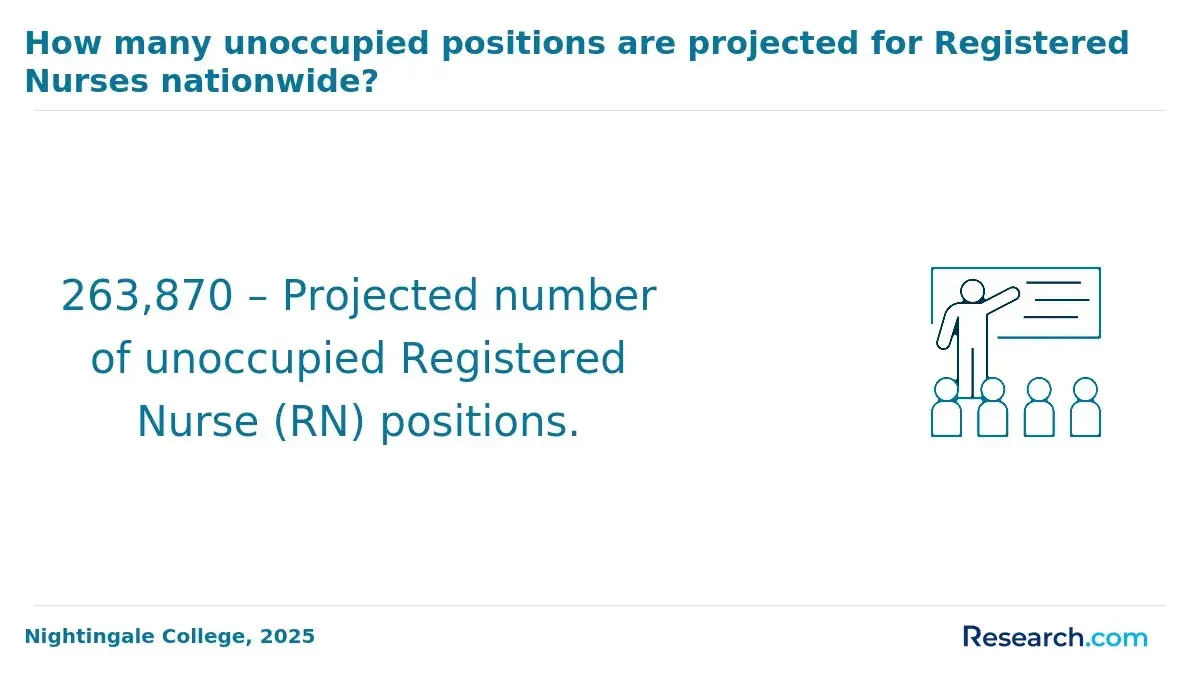
Wyoming’s nursing outlook shows continued need for registered nurses. From 2023 to 2025, the number of registered nurses (RNs) rose from 5,235 to 5,348. In 2025, the total projected openings for the year add up to 682.
What are the steps to becoming a nurse in Wyoming?
Wyoming nursing careers are regulated by the Wyoming State Board of Nursing. Your required education, exam, and license depend on the role you want. The most common pathways begin with practical nursing or registered nursing, then branch into graduate-level advanced practice roles.
| Pathway | Typical credential | Main requirement | Best for |
| Licensed Practical Nurse | LPN | State-approved practical nursing program and NCLEX-PN | Students who want a faster entry into bedside care under RN or provider supervision |
| Registered Nurse | ADN or BSN leading to RN licensure | Approved nursing program and NCLEX-RN | Students seeking broader clinical responsibility and stronger advancement options |
| Advanced Practice Registered Nurse | MSN or DNP | Graduate nursing degree, national certification, and Wyoming APRN licensure | RNs pursuing nurse practitioner, clinical nurse specialist, or similar advanced roles |
| Certified Registered Nurse Anesthetist | CRNA | Accredited nurse anesthesia program, certification, and APRN licensure | Nurses seeking advanced anesthesia practice |
Licensed Practical Nurse (LPN)
To become an LPN in Wyoming, you generally need to complete a practical nursing program approved for licensure preparation and then pass the NCLEX-PN. Practical nursing programs usually combine classroom learning, laboratory practice, and supervised clinical experience.
- Complete the required education: Enroll in a state-approved practical nursing program. These programs typically take around 12 to 18 months and include both theory and clinical preparation.
- Pass the licensure exam: After finishing the program, pass the NCLEX-PN and apply for LPN licensure through the Wyoming State Board of Nursing.
Registered Nurse (RN)
RNs have a wider clinical scope than LPNs and may qualify through an Associate Degree in Nursing or a Bachelor of Science in Nursing. An ADN can be a faster and often lower-cost route into RN practice, while a BSN may be preferred for leadership, public health, graduate school, and some hospital roles.
- Choose an education route: Complete either an Associate Degree in Nursing (ADN) or a Bachelor of Science in Nursing (BSN) from an eligible college or university.
- Pass the RN exam: After graduation, pass the NCLEX-RN and complete Wyoming Board of Nursing licensure requirements.
Advanced Practice Registered Nurse (APRN)
APRN roles require graduate education and specialty preparation. These paths are appropriate for RNs who want more autonomy, advanced assessment responsibilities, and specialization in areas such as family practice, pediatrics, geriatrics, or mental health.
- Earn a graduate nursing degree: Complete an MSN or DNP from an accredited institution with a defined specialty focus.
- Obtain national certification: Pass the required certification exam for your APRN population focus or specialty.
- Apply for Wyoming authorization: Submit the required materials to the WY Board of Nursing and keep current with continuing education and any practice requirements under Wyoming rules.
Certified Registered Nurse Anesthetist (CRNA)
CRNAs are advanced practice nurses trained to provide anesthesia-related care. This pathway requires significant nursing experience, graduate-level nurse anesthesia education, national certification, and state authorization.
- Complete accredited nurse anesthesia education: Attend a program accredited by the Council on Accreditation of Nurse Anesthesia Educational Programs (COA), typically resulting in a master’s or doctoral credential.
- Pass certification and meet state rules: Pass the National Certification Examination for Nurse Anesthetists (NBCRNA) and meet Wyoming APRN licensure requirements.
Because nursing regulations can change, students should verify requirements directly with the Wyoming State Board of Nursing before applying, transferring from another state, or enrolling in an online program.
Nursing Program Length in Wyoming
The time needed to become a nurse in Wyoming depends on the credential. Shorter programs can move students into the workforce sooner, while longer degrees may support broader career mobility, graduate study, and advanced practice.
| Program type | Typical length | Primary outcome |
| Licensed Practical Nurse (LPN) | 12 to 18 months | Eligibility for practical nursing licensure |
| Associate Degree in Nursing (ADN) | Two to three years | RN licensure preparation |
| Bachelor of Science in Nursing (BSN) | Around four years | RN licensure preparation with broader baccalaureate training |
| Master of Science in Nursing (MSN) | Generally two years | Advanced nursing specialization or leadership preparation |
| Doctor of Nursing Practice (DNP) | Three to four years | Advanced clinical practice and leadership preparation |
| Doctor of Philosophy in Nursing (Ph.D.) | Four to five years | Research, scholarship, and academic preparation |
- Licensed Practical Nurse (LPN): Practical nursing programs usually last 12 to 18 months and focus on foundational nursing care, safety, medication concepts, and supervised clinical practice.
- Associate Degree in Nursing (ADN): ADN programs commonly take two to three years and prepare students for RN licensure and entry-level registered nursing practice.
- Bachelor of Science in Nursing (BSN): BSN programs usually take around four years and add broader coursework in leadership, public health, evidence-based practice, and care coordination. Students comparing BSN pathways can review broader major of nursing options.
- Master of Science in Nursing (MSN): Online master nursing programs generally require two years and are often designed for working RNs pursuing advanced clinical, education, or leadership roles.
- Doctor of Nursing Practice (DNP): DNP programs usually span three to four years and emphasize advanced practice, systems leadership, clinical decision-making, and quality improvement.
- Doctor of Philosophy in Nursing (Ph.D.): A Ph.D. in Nursing often takes four to five years and is usually intended for nurses focused on research, policy, teaching, and scholarly work.
Tuition and Costs of Nursing Programs in Wyoming
Nursing school costs in Wyoming vary by credential, residency status, institution, delivery format, fees, books, uniforms, testing expenses, background checks, and clinical travel. The estimates below are based on Research.com’s review of publicly available information for various nursing degree options.
| Program | Estimated in-state cost | Estimated out-of-state cost | Cost considerations |
| Licensed Practical Nurse (LPN) | $9,500 to $15,750 | $19,500 to $30,750 | May be a faster route to employment, but check supplies, testing, and clinical expenses |
| Associate Degree in Nursing (ADN) | $2,000 to $3,250 per year | $7,000 to $9,750 annually | Often a lower-cost RN pathway, especially at community colleges |
| Bachelor of Science in Nursing (BSN) | $4,250 to $6,250 per year | $11,250 to $14,250 annually | May offer stronger preparation for leadership, public health, and graduate study |
| Master of Science in Nursing (MSN) | $9,500 and $15,750 per year | $19,500 to $30,750 annually | Useful for specialization, but compare employer tuition benefits and online formats |
| Doctor of Nursing Practice (DNP) | $14,250 to $19,250 per year | $29,250 and $39,250 annually | Best evaluated by career goal, APRN requirements, and long-term role plans |
| Ph.D. in Nursing | $19,000 to $29,000 per year | $39,000 to $49,000 annually | Usually aimed at research, academic, and policy careers |
- Licensed Practical Nurse (LPN) Program: Prospective LPN students can expect costs ranging from $9,500 to $15,750 for in-state students and $19,500 to $30,750 for out-of-state students.
- Associate Degree in Nursing (ADN) Program: ADN program costs for in-state students tend to be between $2,000 and $3,250 per year, while out-of-state students can anticipate expenses from $7,000 to $9,750 annually.
- Bachelor of Science in Nursing (BSN) Program: BSN students pursuing an in-state option can expect costs spanning $4,250 to $6,250 per year. Out-of-state students can expect tuition expenses ranging from $11,250 to $14,250 annually. Students who already hold an ADN may also compare distance-learning ADN-to-BSN or RN-to-BSN formats. The best online nursing degree programs at the baccalaureate level may improve access and sometimes reduce relocation or commuting expenses.
- Master of Science in Nursing (MSN) Program: MSN students in Wyoming may encounter tuition expenses between $9,500 and $15,750 per year for in-state students. Out-of-state students can anticipate costs ranging from $19,500 to $30,750 annually. An online masters in nursing degree may reduce transportation and housing costs, though students should still confirm clinical placement expectations.
- Doctor of Nursing Practice (DNP) Program: DNP candidates should budget for expenses spanning from $14,250 to $19,250 per year for in-state education. Out-of-state students can expect to invest between $29,250 and $39,250 annually. Online or hybrid formats may help working nurses continue employment while studying.
- Ph.D. in Nursing Program: Students pursuing a Ph.D. in nursing can anticipate expenses from $19,000 to $29,000 per year for in-state education. For out-of-state students, the projected costs range from $39,000 to $49,000 annually.
Consider Scholarships and Financial Aid Options
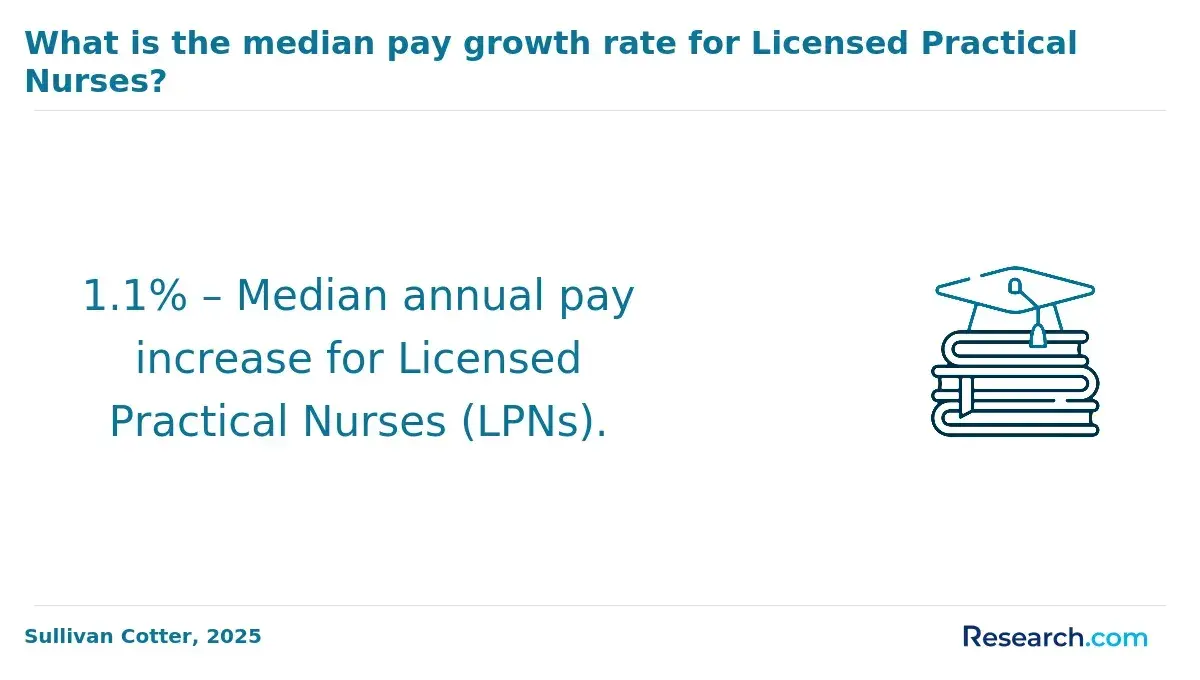
These figures are estimates, not guaranteed charges. Always request a full cost breakdown from each school, including tuition, mandatory fees, clinical compliance costs, technology charges, books, uniforms, exam preparation, and travel to clinical sites. The University of Wyoming nursing school, for example, lists scholarships and loan opportunities for nursing students, including options for incoming pre-nursing freshmen and research-focused students with master’s degrees in nursing.
Working nurses should also ask employers about tuition reimbursement, clinical ladder incentives, paid release time, and loan repayment programs. Students comparing bridge programs can review some of the cheapest RN to BSN programs, but affordability should be balanced with accreditation, licensure fit, transfer rules, and student support.
Wyoming Schools Offering Nursing Programs for 2027
The following Wyoming nursing schools were reviewed by Research.com using factors such as faculty expertise, student outcomes, networking opportunities, and alumni feedback. Students should use this list as a starting point, then verify admission requirements, accreditation status, clinical placement procedures, NCLEX outcomes, and total cost directly with each institution. From January to December 2024, Wyoming as a whole has an NCLEX-RN pass rate of 96.5% and an NCLEX-PN pass rate of 98.4%.
1. University of Wyoming
The University of Wyoming’s Fay W. Whitney School of Nursing offers nursing pathways from undergraduate through graduate study. Its options include the Bachelor of Science in Nursing (BSN), Master of Science in Nursing (MSN), and Doctor of Nursing Practice (DNP). Available areas include family nurse practitioner, psychiatric-mental health nurse practitioner, and nurse educator preparation. The school’s nursing programs are accredited by the Commission on Collegiate Nursing Education (CCNE), which is a key consideration for licensure preparation, graduate study, and employer recognition.
2. Casper College
Casper College’s Department of Nursing offers an Associate Degree in Nursing (ADN) built around classroom instruction, laboratory learning, and clinical experience. This pathway is designed for students preparing for entry-level registered nursing practice. Its emphasis on patient-centered care and hands-on training may appeal to students seeking a community college route into RN licensure.
3. Sheridan College
Sheridan College provides an Associate Degree in Nursing (ADN) that combines didactic coursework with clinical rotations in healthcare settings. The program is intended to prepare graduates for the NCLEX-RN exam and entry into registered nursing roles. Students considering Sheridan should compare clinical placement locations, admission competitiveness, and support services with other ADN options in the state.
4. Laramie County Community College
Laramie County Community College offers an Associate Degree in Nursing (ADN) pathway focused on essential nursing concepts, clinical skill development, and preparation for entry-level RN roles. The program may be a practical option for students looking for a structured community college route supported by faculty guidance and clinical practice opportunities.
5. Central Wyoming College
Central Wyoming College offers an Associate of Applied Science (AAS) in Nursing. The program emphasizes clinical judgment, practical nursing skills, critical thinking, and patient-centered care. Students complete clinical rotations in healthcare settings and receive instruction from nursing faculty with field experience. Local students may find it especially relevant if they want to train close to home while preparing for registered nursing practice.
What to Look For in Nursing Program in Wyoming
The best nursing program is not automatically the most famous, cheapest, or closest. A strong choice is one that matches your license goal, learning needs, finances, schedule, and long-term career plan.
| Factor | Why it matters | Question to ask |
| Accreditation and approval | Licensure, transfer, graduate study, and employer recognition may depend on it | Is the program approved for Wyoming licensure and accredited by a recognized nursing accreditor? |
| NCLEX outcomes | Pass rates help indicate whether graduates are prepared for licensure exams | What are the most recent NCLEX-RN or NCLEX-PN results? |
| Clinical placements | Nursing cannot be learned fully online; supervised patient-care experience is essential | Where are clinical sites, and who arranges them? |
| Total cost | Tuition is only part of the financial picture | What is the full program cost, including fees, supplies, testing, and travel? |
| Student support | Advising, tutoring, simulation labs, and career services can affect completion | What support exists for students at risk of falling behind? |
| Program format | Online, hybrid, full-time, and part-time formats affect work-life balance | Can I complete coursework around work, family, or rural travel constraints? |
| Career alignment | Different programs support different roles | Does this pathway support my goal: LPN, RN, BSN, APRN, educator, or administrator? |
- Accreditation. Choose programs that meet recognized nursing education standards and are appropriate for Wyoming licensure preparation.
- Faculty Expertise. Look for instructors with relevant clinical, academic, and specialty experience who can mentor students through demanding coursework and clinical expectations.
- Clinical Experiences. Prioritize programs with varied clinical placements, simulation practice, and clear communication about where students train.
- Job Placement Support. Career advising, employer connections, alumni networks, and resume preparation can help graduates transition into the workforce.
- Program Length and Cost. Compare the total price and timeline against your career goal. If you are already an RN, RN to BSN online cheap options may be worth reviewing, but only after confirming accreditation and transfer policies.
- Specialization Options. If you plan to pursue family practice, mental health, education, rural care, informatics, or leadership, choose a program that supports that direction.
- Student Outcomes. Graduation rates, licensure exam pass rates, employment support, and student satisfaction can help you judge program effectiveness.
Wyoming nursing programs have shown strong licensure exam performance overall, but students should still evaluate each program individually. A strong statewide pass rate does not guarantee that every student will pass or that every program is the right match.
The Quality of Nursing Schools in Wyoming
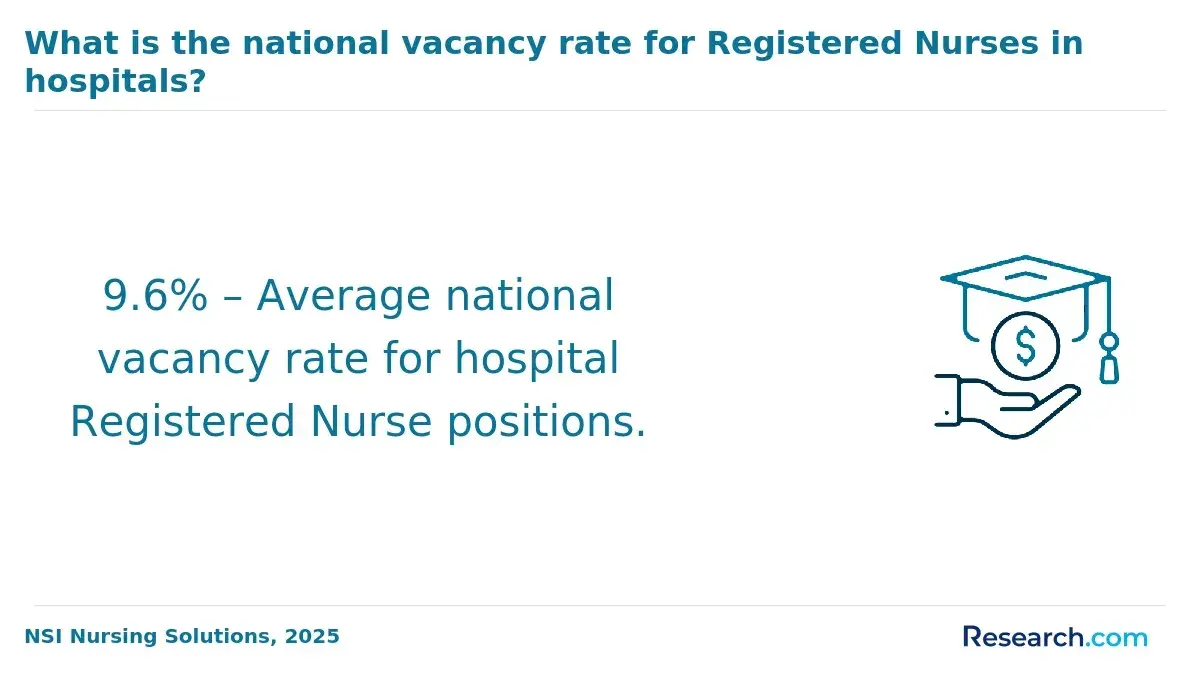
Recent NCLEX results suggest that Wyoming nursing programs can prepare students effectively for licensure. During the period from April to June 2026, numerous nursing programs in the state achieved perfect scores of 100% on both the NCLEX-RN and NCLEX-PN examinations. That result reflects strong preparation among the tested cohorts, although students should review multi-year trends rather than relying on a single testing window.
How Do Wyoming Nursing Programs Support Long-Term Career Success?
Good nursing programs do more than help students finish coursework. They build clinical confidence, professional judgment, exam readiness, and career direction. In Wyoming, this is especially important because nurses may work across rural clinics, hospitals, long-term care, community health programs, and specialty settings where staffing models can vary widely.
Look for programs that offer simulation labs, structured clinical feedback, faculty mentoring, alumni connections, employer partnerships, and continuing education guidance. RNs planning to expand their scope can also compare nurse practitioner programs in Wyoming to understand how graduate training can support advanced practice and leadership roles.
What Are the Benefits of Accelerated Nursing Programs in Wyoming?
Accelerated nursing programs can be useful for students who already hold a non-nursing bachelor’s degree and want to move into nursing faster than a traditional four-year BSN route. These programs compress nursing coursework and clinical preparation into an intensive schedule.
The benefit is speed. The risk is workload. Accelerated nursing programs are usually demanding because students must absorb core nursing knowledge, practice clinical skills, prepare for licensure, and complete clinical hours in a shorter period. This route tends to work best for academically strong students who can reduce work hours, manage stress, and commit to a highly structured schedule.
Wyoming students considering this path should compare prerequisites, admission standards, clinical placement expectations, cost, and NCLEX preparation. To understand how accelerated admissions vary, review the easiest accelerated nursing programs to get into, then verify whether any program you choose meets Wyoming licensure expectations.
How Does Wyoming’s Nursing Licensure Process Compare to Other States?
Wyoming’s licensure process follows the core pattern used in many states: complete an approved nursing program, pass the appropriate NCLEX exam, submit required documentation, and comply with state board rules. The details can differ, especially around endorsement, renewal, continuing education, background checks, and advanced practice requirements.
Nurses planning to move or practice across state lines should compare state-specific rules before accepting a job or enrolling in a program. For example, reviewing the process for a nursing license in Wisconsin can help nurses see how requirements may differ outside Wyoming. Always confirm current rules with the relevant board of nursing.
How Can Nursing Informatics Transform Nursing Careers in Wyoming?
Nursing informatics combines clinical nursing knowledge with data, electronic health records, decision-support tools, workflow design, and healthcare technology. For Wyoming nurses, informatics can be especially relevant because rural care often depends on coordination, telehealth, efficient documentation, and timely data sharing.
This specialization may suit nurses who enjoy problem-solving, technology, quality improvement, and systems thinking. It can support roles in clinical documentation improvement, EHR training, quality analytics, population health, and nursing leadership. Nurses exploring this direction can review the list of most affordable online nursing informatics degree programs while confirming program accreditation and employer relevance.
Is It Beneficial for Wyoming Nurses to Pursue Cross-Disciplinary Healthcare Certifications?
Additional healthcare credentials can strengthen a nursing career when they align with a clear role. For example, nurses may benefit from training in care coordination, public health, informatics, leadership, billing, coding, telehealth, or quality improvement. The best certifications are those that solve a real career problem, such as moving into administration, supporting rural care delivery, or qualifying for a specialty unit.
Cross-disciplinary training should not replace required nursing licensure, but it can broaden a nurse’s usefulness on interprofessional teams. Nurses interested in understanding another regulated healthcare pathway can review how to how to be a pharmacist in Wyoming, which illustrates how healthcare education, credentialing, and state requirements vary by profession.
What Are the Specific LPN Licensing Requirements in Wyoming?
Prospective LPNs in Wyoming must complete an approved practical nursing program, meet Wyoming State Board of Nursing requirements, and pass the NCLEX-PN. Additional requirements may include application documentation, background checks, and ongoing compliance with renewal and continuing education rules.
Because requirements can change, applicants should not rely only on school marketing pages. Review the board’s instructions, confirm that the program is approved for Wyoming licensure, and keep records of clinical training and education. For a focused walkthrough, see LPN requirements in Wyoming.
Flexible Online Learning Opportunities for Wyoming Nurses
Online nursing education can help Wyoming students and working nurses manage distance, shifts, family responsibilities, and rural travel barriers. However, “online” does not mean entirely remote for every nursing credential. Pre-licensure programs usually require in-person labs, simulations, and clinical placements, while RN-to-BSN and some graduate programs may offer more online coursework.
RN-to-BSN programs are often a practical next step for licensed RNs who want a bachelor’s degree without starting over. Some options are designed for working nurses and may not include traditional clinical components. Students can compare online RN to BSN programs without clinical requirements if they need a more flexible completion pathway.
Online study can also support advancement into leadership, community health, rural health, informatics, or graduate nursing. Before enrolling, ask who arranges clinical placements, whether Wyoming students are accepted, whether the program meets state licensure or certification requirements, and what technology or campus visits are required.
For Wyoming nurses, the right online program can reduce disruption while supporting career growth. The wrong one can create licensure problems or unexpected travel demands. Verification matters.
What Are the Benefits of Pursuing LPN Roles Through Online Programs in Wyoming?
Online or hybrid LPN education can appeal to students who need scheduling flexibility, but practical nursing requires hands-on training. Any credible LPN pathway should include supervised clinical experiences and skills practice, even if some coursework is delivered online.
This route may work for students who cannot relocate, need to keep working, or live far from campus. Before applying, confirm that the program is approved for Wyoming LPN licensure, ask where clinicals take place, and review student support for online learners. Students comparing options can start with the best online LPN programs in Wyoming.
Can Nursing Professionals Benefit from Expanding into Healthcare Administration?
Yes, administrative skills can help nurses move into roles that combine clinical knowledge with operations, compliance, billing, care coordination, quality improvement, or department leadership. This can be especially useful for nurses who want career growth but do not necessarily want to remain in direct bedside care full time.
Healthcare administration training can also help nurses understand budgets, documentation, reimbursement, staffing, coding, and workflow design. Those interested in a non-bedside healthcare path can review how to become a medical biller and coder in Wyoming to see how administrative healthcare roles are structured in the state.
What are the nurse midwife education requirements in Wyoming?
Nurse midwifery is an advanced nursing specialization that can be relevant in rural states where maternal health access is a concern. A typical pathway begins with RN preparation, followed by graduate-level midwifery education that includes advanced coursework and supervised clinical experience in women’s health, obstetrics, and newborn care.
Students interested in this field should verify graduate program accreditation, national certification requirements, and Wyoming-specific practice rules before enrolling. For a detailed pathway, review the guide to nurse midwife education requirements in Wyoming.
Key Specializations for Nurses in Wyoming
Specialization can help Wyoming nurses align their skills with local needs and long-term career goals. The right specialty depends on your preferred patient population, work setting, tolerance for stress, education level, and interest in direct care versus leadership or systems work.
- Family Nurse Practitioner (FNP): FNPs provide primary care across the lifespan and can be especially valuable in rural communities with limited provider access.
- Pediatric Nursing: Pediatric nurses care for infants, children, and adolescents, requiring knowledge of development, family communication, and child-specific health needs.
- Geriatric Nursing: Geriatric nurses support older adults, including patients with chronic conditions, mobility concerns, cognitive changes, and long-term care needs.
- Emergency Room (ER) Nursing: ER nurses work in urgent, high-pressure environments where rapid assessment, triage, teamwork, and crisis response are essential.
- Mental Health Nursing: Mental health nurses care for patients with psychiatric and behavioral health needs, an important area in communities where access to specialized care may be limited.
Benefits of Pursuing Advanced Nursing Degrees in Wyoming
Advanced nursing degrees can open roles in advanced practice, nursing education, healthcare leadership, specialty care, and systems improvement. For Wyoming, these roles may help address rural access gaps and expand services in communities with limited provider availability.
- Career Advancement and Higher Salaries. An MSN or DNP can qualify nurses for roles with greater responsibility and autonomy. For instance, nurse practitioners in Wyoming earn considerably more than that of registered nurses, though individual earnings depend on role, employer, experience, location, and specialty.
- Addressing Healthcare Gaps in Wyoming. Advanced practice nurses can support primary care, mental health, chronic disease management, and specialty access in rural or underserved areas.
- Affordable Educational Options. Working nurses should compare online, hybrid, and employer-supported options. Some programs are listed among the cheapest online nursing master's programs, but students should evaluate accreditation, clinical placement, certification alignment, and total cost before enrolling.
An advanced degree is most valuable when it is tied to a specific career target. Do not pursue graduate school only because it sounds prestigious; pursue it because it leads to a role you actually want and can qualify for.
Career Pathways and Demand for Nurses in Wyoming
Wyoming nurses can work in hospitals, rural clinics, long-term care facilities, public health agencies, behavioral health settings, schools, home health, emergency departments, and specialty practices. The state’s geography can shape nursing work: some communities need generalist nurses who can manage a wide range of responsibilities, while larger facilities may offer more specialized units.
Common career routes include LPN-to-RN, ADN-to-BSN, RN-to-MSN, RN-to-DNP, and specialty certification pathways. Nurses may also move into education, case management, informatics, quality improvement, public health, or administration. The best path depends on whether you want faster entry, higher clinical autonomy, leadership, teaching, research, or a less physically demanding role over time.
Students starting from scratch can follow a structured plan from education to licensure by reviewing how to become an RN in Wyoming. Planning early can help you avoid unnecessary credits, missed prerequisites, or a program that does not match your intended license.
Technology is also changing nursing work. Electronic health records, telehealth, remote monitoring, data dashboards, and clinical decision-support tools are now part of many care environments. Nurses who are comfortable with technology and patient communication may be better positioned for evolving roles in rural care coordination and digital health.
How Can Nurses Transition into Advanced Practice Roles in Wyoming?
Transitioning into advanced practice requires more than years of experience. Nurses need the right graduate degree, specialty coursework, clinical hours, national certification, and Wyoming authorization. The process should begin with a clear role target, such as family nurse practitioner, psychiatric-mental health nurse practitioner, nurse educator, or another APRN path.
Before enrolling, compare program accreditation, clinical placement support, certification exam alignment, and whether the program accepts Wyoming students. For a detailed roadmap, review how to become a nurse practitioner in Wyoming.
What Are the Options for Online Nursing Education in Wyoming?
Wyoming students can use online nursing education in several ways: completing RN-to-BSN coursework, pursuing graduate nursing degrees, earning specialty certificates, or taking continuing education. Pre-licensure nursing programs may offer online coursework, but students should expect in-person clinical and skills requirements.
When comparing online nursing programs in Wyoming, confirm state authorization, accreditation, clinical placement policies, exam preparation, and whether the program meets Wyoming licensure or certification requirements. This is especially important for students enrolling in out-of-state online programs.
Common Mistakes to Avoid When Choosing a Wyoming Nursing School
| Mistake | Why it can hurt you | Better approach |
| Choosing based only on tuition | Low tuition may be offset by fees, travel, supplies, or weak support | Compare full cost of attendance and completion support |
| Ignoring accreditation or approval | You may face licensure, transfer, or employment problems | Verify approval with the Wyoming State Board of Nursing and check nursing accreditation |
| Assuming online means no in-person requirements | Clinical and lab expectations may require travel or local placement | Ask exactly where and how clinical requirements are completed |
| Relying only on rankings | A highly ranked program may not fit your schedule, budget, or goals | Use rankings as one input, not the final decision |
| Not checking NCLEX trends | A single strong year may not reflect consistent preparation | Review recent pass rates and ask how the school supports students who struggle |
| Overlooking transfer credit rules | You may lose time and money if credits do not transfer | Request a written transfer evaluation before enrolling |
| Assuming salary outcomes are guaranteed | Pay varies by employer, role, specialty, experience, and location | Research local employers and compare role-specific expectations |
How to Get the Most Out of Nursing Schools in Wyoming
A Wyoming nursing degree can lead to meaningful work, but students should enter with realistic expectations. Nursing is physically and emotionally demanding, and workforce shortages can create both opportunity and strain. The students who benefit most are those who choose carefully, prepare for licensure early, and keep building skills after graduation.
Start by identifying your target role. If you want the fastest entry point, an LPN program may make sense. If you want RN practice at a lower initial cost, an ADN may be practical. If you want stronger long-term mobility, a BSN or RN-to-BSN may be worth considering. If you want advanced practice, education, or leadership, plan for graduate study and specialty certification.
Wyoming’s local nursing school options are valuable, but working professionals may also need distance-learning flexibility. Online programs can support RN-to-BSN, MSN, DNP, informatics, leadership, and nurse practitioner goals. For advanced clinical pathways, compare the best online NP programs while verifying clinical placement, certification preparation, and state authorization.
Before committing to any program, speak with admissions, financial aid, nursing faculty, current students, recent graduates, and the Wyoming State Board of Nursing if licensure questions remain. A good nursing school should be able to explain its outcomes, clinical model, accreditation, costs, student support, and licensure alignment clearly.
Key Insights
- Nursing can be a strong career path in Wyoming, but it is not easy work. Shortages may create opportunity, yet they can also increase workload, stress, and burnout risk.
- Your credential determines your pathway. LPN, ADN, BSN, MSN, DNP, CRNA, and Ph.D. routes serve different career goals and timelines.
- Accreditation and state approval should be nonnegotiable. Always confirm that a program supports Wyoming licensure and your intended career path.
- Cost comparisons must include more than tuition. Fees, supplies, testing, travel, background checks, and clinical expenses can materially change the real price.
- Wyoming nursing programs show strong NCLEX performance. From January to December 2024, Wyoming recorded a 96.5% NCLEX-RN pass rate and a 98.4% NCLEX-PN pass rate.
- Online nursing education can help working and rural students, but clinical rules matter. Confirm whether in-person labs, campus visits, or local clinical placements are required.
- The best school is the one that fits your license goal, budget, schedule, and support needs. Rankings are useful, but your final decision should be based on outcomes, accreditation, clinical access, and long-term career fit.
Related Articles for Nearby States
- 2027 Best Nursing Schools in Montana – Accredited ADN, BSN, MSN Programs
- 2027 Best Nursing Schools in South Dakota – Accredited ADN, BSN, MSN Programs
- 2027 Best Nursing Schools in Nebraska – Accredited ADN, BSN, MSN Programs
- 2027 Best Nursing Schools in Colorado – Accredited ADN, BSN, MSN Programs
- 2027 Best Nursing Schools in Idaho – Accredited ADN, BSN, MSN Programs
- 2027 Best Nursing Schools in Utah – Accredited ADN, BSN & MSN Programs
- 2027 Best Nursing Schools in North Dakota – Accredited ADN, BSN, MSN Programs
- 2027 Best Nursing Schools in Kansas – Accredited ADN, BSN, MSN Programs
- 2027 Best Nursing Schools in Iowa – Accredited ADN, BSN & MSN Programs
- 2027 Best Nursing Schools in Nevada – Accredited ADN, BSN, MSN Programs
References:
- AACN. (2025). 2024-2025 Enrollment and Graduations in Baccalaureate and Graduate Programs in Nursing. https://www.aacnnursing.org/news-data/all-news/schools-of-nursing-enrollment-increases
- National Council of State Boards of Nursing. (2026). *NCLEX Pass Rates*. Retrieved from https://www.ncsbn.org/nclex-pass-rates.htm
- Nightingale College. (2024). Nursing Shortage: 2026 US Statistics. https://nightingale.edu/blog/nursing-shortage-by-state.html
- NSI Nursing Solutions. (2025). 2025 NSI National Health Care Retention Report. https://nsi.com
- Nurse.org. (2025). New 2025 Report Shows Where Nurse Pay Is Growing Fastest. https://nurse.org
- U.S. Bureau of Labor Statistics. (2025). Occupational Outlook Handbook: Registered Nurses. https://www.bls.gov/ooh/healthcare/registered-nurses.htm
- Wyoming Department of Workforce Services. (2024). 2024 Wyoming healthcare workforce report. https://doe.state.wy.us/workforce-data/docs/2024_Wyoming_Healthcare_Workforce_Report.pdf
- Wyoming Department of Workforce Services. (2025). *Wyoming Nursing Workforce Report*. https://www.wyomingworkforce.org/data/nursing-report
- Wyoming State Board of Nursing. (2025). *2024 NCLEX Pass Rates for Wyoming Registered Nurse Programs*. Retrieved from https://nursing.wyo.gov/wp-content/uploads/2025/01/2024-NCLEX-Pass-Rates-Wyoming-Registered-Nurse-Programs.pdf
Other Things You Should Know About the Best Nursing Schools in Wyoming – Accredited ADN, BSN, MSN Programs
In 2027, Wyoming nursing schools offer diverse instructional approaches, including innovative simulation labs, hands-on clinical experiences, and interprofessional education opportunities. These methods are designed to enhance practical skills and prepare students for real-world healthcare scenarios, making graduates more competent in patient care.
Schools integrate test preparation strategies throughout the curriculum, including practice exams, review sessions, and targeted coursework. This continuous exposure helps students build confidence and familiarity with licensure exam content. Strong preparedness is reflected in the state’s high pass rates.
In 2027, the University of Wyoming and Laramie County Community College are noteworthy for their nursing programs. The University offers a robust BSN and MSN program, while LCCC provides a strong ADN program. Both institutions are accredited and known for their comprehensive approach to nursing education.


