
2027 Most Valuable Online Early Childhood Education Degree Programs Ranking in the West

Co-Founder and Chief Data Scientist
Choosing the right early childhood education degree is an important step for your future. This article presents the 2027 Most Valuable Online Early Childhood Education Degree Programs Ranking in the West, developed by the Research.com team of data scientists. It aims to guide you toward programs that offer the best value and opportunities.
By exploring this ranking, you'll gain insight into quality programs that can help you build a rewarding career in early childhood education. Earning this degree opens doors to making a meaningful impact on children's lives and your own professional growth.
Key benefits of getting online early childhood education degree in the West
- Early childhood education graduates in the West often find rewarding careers with average salaries around $30,000 to $40,000 annually, which provide financial stability while making a positive impact on young learners.
- Graduates from universities like the University of Washington have diverse career options, including preschool teaching, childcare coordination, and early intervention specialist roles, opening many doors for meaningful work with children.
- Online degrees from institutions such as Oregon State University offer flexibility and allow students to balance studies with personal life, making education more accessible and convenient without sacrificing quality.
What can I expect from online early childhood education degree in the West?
The average cost of an online early childhood education degree in the Western United States varies widely, but many students find community colleges to be an affordable starting point. For example, graduates from programs at colleges like Santa Monica College or Portland Community College often share how an associate degree can cost between $3,000 and $6,000 per year. This affordability makes it easier to begin your journey without overwhelming financial pressure.
When moving on to bachelor's programs at institutions such as California State University or Western Washington University, tuition typically ranges from $7,000 to $15,000 annually, depending on whether the school is public or private. Many students appreciate how these programs balance rigorous coursework with flexibility, allowing them to maintain jobs or family commitments while studying.
One graduate recalled feeling empowered enrolling in a program offering both asynchronous classes and local practicum placements, which made their learning experience practical and deeply engaging. These costs, balanced with strong regional demand for qualified educators, highlight a promising pathway that is both financially manageable and professionally rewarding.
Where can I work with online early childhood education degree in the West?
Graduates with an online early childhood education degree in the West often find meaningful work in vibrant preschools and childcare centers across California, Oregon, Washington, and Nevada. Many alumni from well-regarded programs at state universities embrace roles in both public and private settings, where they apply their skills to nurture young minds while meeting strict state licensing standards.
Beyond classrooms, degree holders frequently step into Head Start programs, especially in areas with diverse communities needing strong early education support. They take pride in helping children from low-income families thrive, a rewarding experience shared by many graduates in the region. Others pursue careers as curriculum specialists or education coordinators, developing innovative teaching programs that impact entire school districts or nonprofits.
Healthcare settings also welcome these professionals as child development consultants, where they combine education and wellness to support families, a growing field in the West's holistic approach to child development. Graduates appreciate how continuing education mandates in Washington and Oregon keep them sharp and expanding their career options.
How much can I make with online early childhood education degree in the West?
Graduates with an online early childhood education degree in the Western United States often discover rewarding salary paths that reflect their dedication and regional demand. Many find entry-level positions paying between $35,000 and $40,000, especially those who completed their degrees through well-regarded institutions in California or Washington. These figures align with the realities of living in these states, where the cost of living and educational funding support better wages compared to other regions.
With experience, and by pursuing additional certifications, early childhood educators in the West commonly see their salaries rise to a range of $45,000 to $55,000. Graduates from popular programs report that this growth supports their financial stability and professional satisfaction, enabling them to deepen their impact within communities.
For those aiming at specialized or leadership roles, such as program directors or curriculum coordinators, annual salaries often exceed $60,000, with some climbing as high as $75,000. Graduates pursuing these positions emphasize the importance of ongoing education and relatable experience, which local employers value highly.
Studying online at respected Western universities gives graduates the flexibility to balance work and education while securing credentials recognized across the region-paving the way toward sustained career growth in early childhood education.
- Key benefits of getting online early childhood education degree in the West
- What can I expect from online early childhood education degree in the West?
- Where can I work with online early childhood education degree in the West?
- How much can I make with online early childhood education degree in the West?
- How do we rank schools?
- 2027 Most Valuable Online Early Childhood Education Degree Programs Ranking in the West
- What online early childhood education degree graduates have to say
- Key Findings
- How long does it take to complete online early childhood education degree in the West?
- What's the difference between online and on-campus early childhood education degree?
- What is the average cost of online early childhood education degree in the West?
- What financial aid is available to online early childhood education degree students in the West?
- What are the prerequisites for enrolling in online early childhood education degree program in the West?
- What courses are typically in online early childhood education degree programs in the West?
- What types of specializations are available in online early childhood education degree programs in the West?
- How do you choose the best online early childhood education degree in the West?
- What career paths are available for online early childhood education degree students in the West?
- What is the job market for online early childhood education degree in the West?
- Frequently Asked Questions About early childhood education
- Top Trending Early Childhood Education Rankings
How do we rank schools?
Investing in your education is a significant decision that can shape your future, and the Research.com team understands the importance of making informed choices. To assist prospective students, we have meticulously crafted the "2027 Most Valuable Online Early Childhood Education Degree Programs Ranking in the West." Our commitment to quality, credibility, and accuracy is reflected in the extensive research and analysis conducted to compile this ranking.
We utilized the following reputable data sources to ensure a comprehensive evaluation of early childhood education programs:
By exploring this ranking, readers will gain valuable insights into the most valuable online early childhood education degree programs in the Western region, enabling informed decisions about their educational investments. For more details on our methodology, please visit our Research.com methodology page.
2027 Most Valuable Online Early Childhood Education Degree Programs Ranking in the West
# 1 position
National University
Master
The National University offers a master's program focusing on Early Childhood Education and Education. It features a graduation rate of 43% and has a high level of financial aid, with 84% of students receiving support. The average total cost for the program is $19,890. There are 20,886 online students enrolled, highlighting the program's strong online presence.
# 2 position
Eastern Oregon University
Bachelor
Eastern Oregon University offers a bachelor's degree focused on Early Childhood Education and Education. The program has an open admission policy, accepting 98% of applicants, making it accessible to most students. The average total cost is $45,360, with 98% of students receiving high levels of financial aid. The university supports a substantial online community, with 2,078 students enrolled in online courses. The graduation rate stands at 43%.
# 3 position
Colorado Christian University
Bachelor
Colorado Christian University offers a Bachelor's degree focused on Early Childhood Education and Education. The program has a graduation rate of 64%, indicating a solid completion record. With 100% of students receiving financial aid, this program provides high levels of support to help manage costs. The average total cost for the degree is $56,280. Additionally, 4,527 students are enrolled in online studies, reflecting a strong online presence.
# 4 position
University of Massachusetts Global
Bachelor
University of Massachusetts Global offers a Bachelor's degree focused on Early Childhood Education and Education. The program has a graduation rate of 43% and an average total cost of $60,000. Approximately 59% of students benefit from mid-level financial aid, making this program more accessible to many who seek education careers.
# 5 position
Chaminade University of Honolulu
Bachelor
Chaminade University of Honolulu offers a Bachelor's degree focused on Early Childhood Education and Education. The program has an open admission policy with a 91% acceptance rate, making it accessible to many applicants. The average total cost is $70,200, and all students benefit from high financial aid availability. Additionally, the program has a graduation rate of 55%, and 1,210 students are enrolled in online courses.
What online early childhood education degree graduates have to say
- Jessica: Studying my early childhood education degree online at the University of California, Irvine was a remarkable balance of flexibility and quality. The well-structured coursework and supportive faculty allowed me to learn at my own pace while gaining practical skills that I now confidently apply in my classroom.
- Mark: Earning my online degree from Portland State University was a game-changer. The interactive virtual environment connected me with passionate peers and knowledgeable professors. I felt motivated every day, knowing I was building a strong foundation for a fulfilling career in early childhood education right from my home.
- Elena: The personalized approach at Western Washington University made my online early childhood education studies truly impactful. The real-life case studies and hands-on assignments gave me invaluable experience, and the encouragement from the staff boosted my confidence. This program empowered me to make a difference in children's lives.
Key Findings
- Online early childhood education degrees in the West cover topics like child psychology, curriculum design, and family engagement.
- Bachelor's degree tuition costs range from $8,000 to $15,000 at public universities, while private institutions can exceed $25,000.
- Starting salaries for graduates average between $35,000 and $40,000 annually, with potential to rise above $50,000 with experience and certification.
- Employment in preschool and child care teaching roles is projected to grow 8% to 10% over the next decade in Western states.
- Most Western states require licensure or certification for early childhood educators, which often involves an accredited degree and exams.
- Accreditation from agencies like CAEP or regional accreditors is important for ensuring educational quality and licensure eligibility.
How long does it take to complete online early childhood education degree in the West?
Completing an online early childhood education degree in the West can feel both exciting and manageable when you understand the usual timelines. For full-time learners pursuing an Associate degree-like those offered by community colleges in California or Oregon-expect about two years to earn your credentials. Many graduates share how balancing work and family with part-time study stretched their journey to three or four years, but the flexibility made success possible.
Bachelor's degrees typically require around four years, yet online programs at institutions such as California State University or the University of Washington often provide accelerated routes. Graduates often describe the boost they get from credits earned through prior experience, helping them finish in as little as three years-turning their dreams into reality faster than expected.
Master's degree programs, like those at the University of Southern California or Portland State University, range from 1.5 to 3 years depending on your pace. Many find part-time study suits their busy lives, enabling them to grow professionally while learning. These real-world options make advancing your career in early childhood education feel within reach.
What's the difference between online and on-campus early childhood education degree?
Choosing between an online or on-campus early childhood education degree in the West often comes down to your lifestyle and learning preferences. Graduates from well-known Western institutions like the University of Washington share how online programs gave them the flexibility to balance family and part-time jobs while completing coursework at their own pace through digital platforms.
On the other hand, students attending campuses such as California State University, Long Beach, highlight the energizing experience of face-to-face interactions with professors and peers, plus direct access to hands-on practicum opportunities in nearby preschools. This in-person connection can build confidence through immediate feedback and immersive learning.
While tuition rates at Western public universities generally range from $6,000 to $9,000 annually, online learners appreciate savings on commuting and housing, making education more accessible.
Practica are essential in both paths-online students often seek advice to secure local placements independently, cultivating valuable problem-solving skills, while on-campus students benefit from university-established partnerships to ease that process.
What is the average cost of online early childhood education degree in the West?
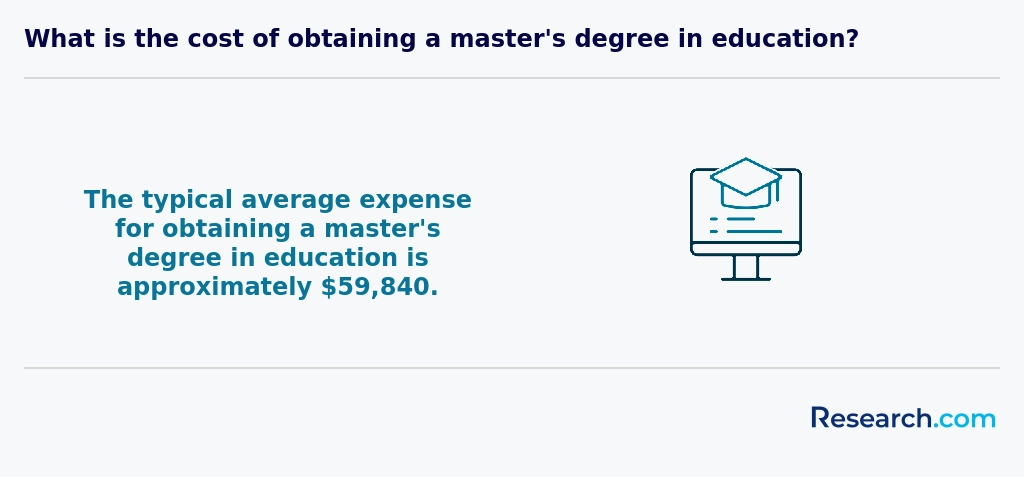
The average cost of an online early childhood education degree in the West can vary significantly, but most students find that the total expense for completing their degree hovers around $58,000. Graduates from well-known universities in the region often share how balancing in-state tuition benefits with online flexibility helped them manage costs effectively. Those who live out-of-state might face higher fees, which can increase the total cost up to about $101,000, so exploring residency options or programs participating in regional tuition exchange programs can make a big difference.
If you are searching for affordable online early childhood education programs Western US, it's important to remember that some public universities offer more competitive tuition than private colleges, where fees can be two or three times higher. From personal accounts, students at universities popular for education degrees often highlight saving money by enrolling in fully online courses, which reduce campus-related fees and allow them to maintain jobs or family commitments simultaneously.
Keep in mind, additional expenses like textbooks, certification fees, and technology supplies may add $1,000 to $2,000 annually. For those considering advancing further, many students have found inspiration and practical pathways by exploring options like the masters child and adolescent mental health programs after completing their undergraduate degree. Overall, understanding these costs helps organize your journey with clarity and confidence.
What financial aid is available to online early childhood education degree students in the West?
When pursuing an online early childhood education degree in the West, financial aid can be a true game-changer. Many graduates from institutions like the University of Washington or California State University share how federal aid, especially the Pell Grant, significantly eased their financial burden-offering up to $7,395 that didn't need repayment.
Filling out the FAFSA unlocks access to these grants, loans, and work-study opportunities. Imagine balancing a flexible part-time job through a work-study program tied to your studies, just like students at Oregon State University who used these jobs to sharpen their skills while covering costs.
State programs also play a vital role. For example, California's Early Childhood Educator Stipend Program supports students actively working in childcare, helping you manage both work and study efficiently. Similarly, Washington's T.E.A.C.H. Early Childhood® Project provides a financial boost that can make schooling feel less overwhelming.
Private scholarships from organizations such as NAEYC and employer tuition assistance further lighten the financial load, inspiring commitment and confidence in your career path. Start early, explore every option, and connect with your school's financial aid advisor to tailor your support-this is your journey, and help is available every step of the way.
What are the prerequisites for enrolling in online early childhood education degree program in the West?
To enroll in an online early childhood education degree in the West, you'll first need a high school diploma or equivalent like a GED-this is the foundation that opens the door to your journey. Graduates from well-known institutions in California and Oregon often share how this basic step gave them confidence to tackle more advanced coursework.
Many programs ask for evidence of your readiness for online learning. Imagine juggling assignments and discussions on platforms used by universities such as the University of Washington or Arizona State University; reliable internet and comfort with digital tools are essential. Some schools may still request SAT or ACT scores, but many have eased this to welcome more passionate learners like you.
Specific prerequisites can include introductory child development courses and background checks, especially if your program involves hands-on practicum work. Letters of recommendation or heartfelt personal statements demonstrate your dedication and help admissions see your true potential. These requirements align with state regulations across the West, ensuring your path leads to successful certification and a meaningful career.

What courses are typically in online early childhood education degree programs in the West?
Online early childhood education programs in the West often begin with courses on child growth and development, helping you understand the fascinating stages children go through from birth to third grade. Imagine learning how young minds think and communicate-just as many graduates from Western universities experienced-giving you the empathy and insight to support every child's unique journey.
Next, you'll dive into curriculum design tailored for young learners, mastering how to craft engaging, age-appropriate lessons. Graduates frequently share how play-based and inclusive strategies from their courses made teaching both joyful and effective, especially in diverse classrooms common across the Western states.
Courses in classroom management and family engagement equip you with practical tools to build strong connections with children and their families. This resonates deeply for students from popular Western colleges, who embrace the challenge of nurturing trust in multicultural communities.
You'll also explore health, safety, and nutrition fundamentals, ensuring the well-being of little learners. Many graduates found these courses invaluable when creating safe, welcoming environments that encourage healthy habits.
Finally, expect to engage with topics like education laws, ethics, technology integration, and assessment methods, often paired with hands-on practicum experiences. This blend prepares you to step confidently into professional roles across the West's regulated and evolving education landscape.
What types of specializations are available in online early childhood education degree programs in the West?
Online early childhood education degrees in the West offer specializations tailored to the region's dynamic educational landscape. Graduates from well-known universities in California and Washington often choose Early Childhood Special Education, enabling them to support children with developmental challenges using inclusive teaching methods. This specialization is especially rewarding in communities that prioritize accessibility and diversity.
Another path many students follow is Family and Community Engagement. This area empowers educators to build strong partnerships with families from culturally diverse backgrounds, reflecting the rich demographics of Western states. Students passionate about developmental milestones often gravitate towards Child Development and Psychology, preparing for roles in program administration or curriculum design, fields that thrive at colleges throughout the West.
Many aspiring leaders pursue Administration and Leadership, aiming for managerial or policy-making positions, confident in the solid salary prospects within regional early childhood centers. If affordability is a concern, exploring options that link to the cheapest online school psychology programs can be a strategic move when considering West region early childhood education degree options.
How do you choose the best online early childhood education degree in the West?
When choosing the best online early childhood education degree in the West, focus first on accreditation and local relevance. Graduates from well-known universities and colleges in California, Washington, and Oregon often praise programs that offer regional accreditation through WASC and national certifying bodies, ensuring their credentials are respected and transferable.
Cost should not deter you. Many affordable online early childhood education degrees Western states offer range between $12,000 and $25,000, but the true value lies in programs that include financial aid or scholarships. Flexibility is key-graduates highlight that asynchronous courses helped them juggle work, family, and study effectively without feeling overwhelmed.
Look for programs that integrate state-specific curriculum aligned with licensing requirements across the West. This alignment means you are not only prepared academically but ready to meet professional standards after graduation. Some even have partnerships with local childcare centers, giving students hands-on experience right where they live.
Hearing success stories, many alumni found employment quickly in their communities, inspired by strong job placement rates highlighted by regional data. To find a program that balances these priorities and fast tracks your path, explore options like the online EdD, which blends efficiency with quality.
What career paths are available for online early childhood education degree students in the West?
Graduates with an online early childhood education degree in the West often find rewarding career paths that directly impact young learners' lives. Many step into preschool or kindergarten teaching roles, shaping children's growth in vibrant classrooms across states like California and Washington. These jobs offer the joy of witnessing early development firsthand, a deeply satisfying experience shared by those who studied at universities like California State University.
Others pursue leadership roles as childcare center directors or program administrators, managing operations and mentoring staff while ensuring quality programs. Graduates from the University of Washington have noted how their training prepared them for these roles, balancing curriculum development with community needs. For those drawn to specialized fields, becoming early intervention specialists or education consultants provides a chance to support children with developmental challenges, applying knowledge gained from online early childhood education careers West programs.
Finally, some graduates dedicate themselves to family support coordination or child welfare advocacy, helping families access vital resources to foster positive environments. Exploring paths such as EdD degrees can further enhance these opportunities and career growth.
What is the job market for online early childhood education degree in the West?
The job market for graduates with an online early childhood education degree in the West is encouraging, marked by steady opportunities and competitive wages. Many students from universities in California and Washington find that their degrees open doors to roles like preschool teaching, childcare center leadership, or educational coordination-careers that truly impact young learners' lives. This positive outlook reflects the increasing enrollment in preschool programs and a deep state commitment to early education in the region.
If you're considering your path, know that many early childhood education graduates balance working while studying online, which makes completing their degree more feasible and rewarding. Schools like those popular in the West offer options that emphasize hands-on experience combined with virtual learning. This practical blend boosts your chances in the job market by meeting licensing requirements and employer expectations for experienced educators. For some, exploring career shifts through resources like teacher to speech pathologist paths also enriches professional options.
Job outlook for early childhood education degree in the West relies heavily on the region's focus on quality education and diverse communities. Graduates who complement their online degrees with local internships frequently find themselves in fulfilling positions, helping build the foundation for children's growth while enjoying rewarding compensation tailored to the West's living costs.
Frequently Asked Questions About early childhood education
Students pursuing online early childhood education degrees in the West can maximize their learning by actively engaging with virtual course materials and participating in discussion forums. Research from the National Association for the Education of Young Children (NAEYC) emphasizes the importance of practical application, encouraging students to seek local field experiences or internships to complement their studies.
Time management is essential; using digital calendars to schedule study sessions, assignments, and synchronous class meetings helps maintain consistency. According to the Western Interstate Commission for Higher Education, states in the region report higher success rates among online learners who regularly connect with instructors and peers.
Utilizing regional resources like state education departments and professional early childhood networks can broaden understanding of Western educational standards and policies.
Emerging niches within the early childhood education field in the Western US are becoming more specialized, responding to evolving societal and developmental needs. One notable area is trauma-informed education, which trains educators to support children facing adverse experiences. According to the California Department of Education, programs emphasizing mental health have grown by 20% over the past five years.
Additionally, bilingual early education is expanding, reflecting diverse populations in states like Washington and Oregon. This niche prepares teachers to foster language development in dual-language learners.
Another growing focus is on technology integration, where educators use digital tools to enhance learning, vital as remote schooling gains ground.
Preparing for the job market after completing an online early childhood education degree in the Western US involves several key steps. Graduates should first ensure they meet state-specific licensing or certification requirements, as these vary across Western states like California, Oregon, and Washington. According to the National Association for the Education of Young Children (NAEYC), holding a recognized credential boosts employability in early childhood settings.
Networking through internships and local education agencies also plays a crucial role. Many online programs offer virtual career services and connections to employers in the West, where demand for qualified educators is growing by 8% annually per the Bureau of Labor Statistics.
Finally, staying updated on the latest teaching practices and earning continuing education credits can greatly enhance job prospects in this competitive field.
Employers in the Western United States prioritize several key skills in graduates of online early childhood education degree programs. Strong communication abilities rank highly, as educators must effectively engage with young children and their families. Additionally, proficiency in developmental assessment and curriculum planning is essential, ensuring age-appropriate learning experiences.
Knowledge of state-specific regulations and health and safety standards is critical, given that Western states enforce varied licensing requirements. A 2023 report from Child Care Aware highlights that 68% of employers seek candidates with expertise in inclusive education and cultural competence to support diverse communities.
Finally, adaptability and technology integration skills are increasingly important as digital tools become a standard in early childhood classrooms across the West.
Finding internships in the Western United States for early childhood education students involves strategic research and networking. Many online degree programs partner with local childcare centers and schools to offer practical experience opportunities.
Students should start by contacting their university's career services, which often maintain lists of approved internship sites. Websites like the California Early Childhood Educator Registry provide additional leads on licensed programs needing interns.
Local Early Childhood Education associations in states like Oregon and Washington also offer internship boards and events to connect students with employers.
Since California alone employs over 350,000 early childhood educators, according to the Bureau of Labor Statistics, there is a strong demand for quality interns in this region, improving your chances of placement in reputable centers.
Registering with online internship platforms focused on education can complement these efforts, ensuring you find diverse options suited to your schedule and educational goals.
An online early childhood education degree can significantly enhance career mobility and advancement opportunities in the Western United States. Many states in this region, such as California and Washington, require specific credentials for higher-level positions in early childhood education. Earning a degree online provides flexibility, allowing professionals to balance work and study while meeting these certification requirements.
According to the California Commission on Teacher Credentialing, candidates with a bachelor's or higher degree earn 15-20% more on average than those without. Additionally, the Bureau of Labor Statistics projects a 6% growth in preschool teacher jobs in the Western states through 2031, indicating rising demand for qualified educators. This degree often opens doors to leadership roles, curriculum development positions, and specialized education services.
Studying for an online early childhood education degree in the Western U.S. equips students with skills applicable across multiple disciplines, including psychology, social work, and health care. Programs often integrate coursework in child development, family dynamics, and educational policy, fostering a broad understanding of young children's needs in diverse environments.
The Western states emphasize interdisciplinary training; for example, California's Commission on Teacher Credentialing supports curricula blending education with mental health and special services to prepare graduates for collaborative roles.
According to the Western Interstate Commission for Higher Education, nearly 40% of programs include practicum experiences that partner with social services or healthcare providers, increasing graduates' employability in interdisciplinary teams focused on holistic child development.
Choosing between a thesis and a non-thesis early childhood education degree program in the West largely depends on your career goals and learning preferences. Thesis programs typically suit students interested in research, academia, or advanced positions. These programs require a significant research project and offer deep specialization.
Non-thesis programs focus more on practical skills and coursework, making them ideal for professionals aiming to advance in teaching or administrative roles. According to the Western Regional Education Board, over 60% of students in the West prefer non-thesis programs for their flexibility and quicker completion time.
Consider program requirements, faculty expertise, and whether you seek hands-on experience or research. Accredited online degrees in the West often provide detailed guidance on what fits your objectives best.
Students based in the Western United States seeking to study early childhood education abroad through online programs have several options. Many US universities in the West offer accredited online degrees tailored for early childhood education, allowing students to study remotely while meeting regional licensing requirements. According to the National Center for Education Statistics, these programs often include courses on child development, curriculum planning, and family engagement.
Some institutions partner with international organizations to provide global perspectives on early childhood education, enriching student experiences. Additionally, Western students may explore programs registered with the Council for Professional Recognition or aligned with the WestEd organization's standards, ensuring quality education.
Online formats also offer flexibility for working professionals aiming to advance their credentials without relocating.
Part-time jobs that complement an online early childhood education degree in the Western US include roles such as teacher's aide, childcare assistant, and after-school program staff. These positions offer hands-on experience working with young children while allowing flexible hours suitable for students. According to the Bureau of Labor Statistics, the demand for childcare workers in California, Oregon, and Washington is expected to grow by over 10% through 2030, reflecting strong job prospects.
Working in these roles helps students apply theoretical knowledge in real-world settings and build essential communication skills. Community centers and nonprofit organizations often seek part-time educators, providing networking opportunities and valuable professional development.
Online early childhood education students in the Western United States have access to a variety of networking opportunities. Many regional universities offer virtual events and online forums where students connect with peers and faculty. According to the National Association for the Education of Young Children (NAEYC), students in the West benefit from local chapters that often host online workshops and community discussions, fostering professional relationships.
Additionally, students can join statewide education networks like California's Early Childhood Educator Network or Washington's Early Learning Advisory Council. Participation in these groups can lead to internship opportunities and job placements. Research shows that 68% of online ECE students in the West report significant networking gains through these platforms (Western Higher Education Consortium, 2023).
Alumni networks offer significant advantages to online early childhood education degree students in the Western United States. These networks create professional connections that can lead to mentorship, job opportunities, and community support. According to the California Department of Education, nearly 30% of early childhood educators find their initial roles through professional networking.
In online programs, alumni groups help bridge the physical distance by providing virtual meetings and job boards tailored to the regional job market. This is crucial in states like Washington and Oregon, where early childhood education employment is growing by about 7% annually.
Furthermore, active alumni networks increase access to continuing education resources, workshops, and conferences, helping graduates stay informed of evolving teaching standards and state regulations.
In the Western United States, customizing an online early childhood education degree program begins with selecting electives that align with your career goals, such as special education, curriculum development, or administration. Many accredited universities in the West offer flexible course options and certificate add-ons, allowing students to tailor their studies.
Field experience and practicum placements are often adaptable, enabling work in early learning centers near you. According to the California Department of Education, more than 60% of online program graduates integrate local internships, enhancing job readiness.
Additionally, some programs offer tracks focused on leadership or bilingual education, reflecting regional workforce needs in states like Washington and Oregon.
Online early childhood education students in the Western US often face challenges related to balancing coursework with personal and professional responsibilities. Many learners are working adults who must manage job demands alongside studies, which can impact their time management and focus. Access to reliable technology and high-speed internet remains a barrier in some rural areas of the West, limiting students' ability to participate fully in online classes.
Additionally, online students may experience less direct interaction with instructors and peers compared to traditional programs. This can affect networking opportunities and practical learning experiences, which are essential in early childhood education. According to the Western Interstate Commission for Higher Education (WICHE), these factors contribute to higher attrition rates in online degree programs in the region.
Finally, meeting state-specific licensing requirements through online programs can be complex. Students often need to verify that their chosen program aligns with Western states' standards for early childhood educators, which vary widely.
With an online early childhood education degree in the Western United States, you can pursue several professional certifications that enhance career opportunities. Common certifications include the Child Development Associate (CDA) credential, recognized nationwide and often required for teaching roles in preschools and childcare centers.
Many states in the West also offer Early Childhood Education Teacher Credentials or Certificates specific to their licensing boards. For example, California's Child Development Permit and Oregon's Early Childhood Education Certificate are crucial for employment in public early education programs.
Additionally, certification in Specialized Instruction, such as those focusing on special needs or bilingual education, can be pursued to increase job prospects. These certifications often require a combination of coursework, supervised experience, and passing state exams.
Crafting a strong application for an online early childhood education program in the Western US requires clarity and focus. Start by highlighting your passion for early childhood development, backed by any relevant experience or volunteer work. Admissions committees value applicants who demonstrate dedication to working with young children.
Include clear explanations of your career goals, showing how the program aligns with your aspirations. Many Western universities, such as those in California and Washington, emphasize community engagement, so mention any local involvement.
Be sure to meet all academic requirements, including transcripts and standardized test scores if required. According to the Western Interstate Commission for Higher Education, nearly 40% of institutions offer tailored online support for educators pursuing early childhood degrees.
Early childhood education (ECE) careers hold strong global importance, with the US playing a leading role in research and practice. According to the National Association for the Education of Young Children (NAEYC), demand for qualified educators in this field is growing steadily, driven by increasing recognition of early years' impact on lifelong learning.
Internationally, many countries look to US standards and curricula for guidance, reflecting the high regard for Western ECE degree programs. The Bureau of Labor Statistics (BLS) projects 8% job growth for preschool teachers in the US from 2022 to 2032, faster than average for all occupations.
This global respect highlights an opportunity for Western students pursuing online degrees, as their education positions them competitively in an expanding, interconnected professional landscape.
Gaining practical experience while studying for an online early childhood education degree in the West is essential for skill development and meeting state licensure requirements. Many accredited programs incorporate practicum or internship components, allowing students to work directly with children in licensed preschools or childcare centers near their homes.
Students can seek partnerships between their universities and local educational facilities, providing supervised hands-on learning. According to the California Department of Education, nearly 70% of early childhood education programs in the state require at least 120 hours of fieldwork.
Virtual simulations and remote observation opportunities are increasing, particularly after 2020, but in-person experiences remain critical for employment eligibility in many Western states.
Choosing the right concentration within an online early childhood education degree in the Western US requires careful consideration of your career goals and regional job market needs. Concentrations often include specializations such as developmental psychology, curriculum design, or bilingual education.
According to the National Center for Education Statistics, states like California and Washington emphasize programs with dual language immersion and inclusive teaching strategies due to diverse populations. Meanwhile, Oregon reports growth in demand for early intervention specialists working with children with disabilities.
Review program accreditation and alignment with state teacher certification requirements, as they vary across Western states. Also, consider whether the concentration offers practical experience opportunities, like virtual internships, which enhance job readiness.
Top Trending Early Childhood Education Rankings
References
- Early Childhood Education Internships in Spain https://www.internhq.com/destinations/spain/early-childhood-education-in-seville/
- Everything You Need to Know About Earning a Degree in Early Childhood Education https://mybrightwheel.com/blog/degree-in-early-childhood-education
- Networking Resources for Early Childhood Educators in New York - post https://www.childcareed.com/a/networking-resources-for-early-childhood-educators-in-new-york.html
- How to choose a bachelor's in early childhood education | edX https://www.edx.org/resources/how-to-choose-a-bachelors-in-early-childhood-education
- List of alumni working in Early Childhood Education - COMFSM Alumni Network https://alumni.comfsm.edu.fm/dir/company/Early-Childhood-Education.dz
- BA Early Childhood Education and Care - Dual Bachelor program https://www.hcw.ac.at/en/studies/study-programs/early-childhood-education-and-care-bachelor
- 2025 Most Affordable Early Childhood Education Degrees Online https://www.onlineu.com/most-affordable-colleges/early-childhood-education-degrees
- Transform Your Life with a Two-Year Early Education Degree https://www.athenacareers.edu/a-two-year-early-childhood-education-degree-can-change-your-life/
- Top Early Childhood Education Skills in Demand | FE https://www.foundationeducation.edu.au/articles/early-childhood-education-skills-demand
- Can you get an Early Childhood Education degree online? https://wcc.ca/blog/can-you-get-an-early-childhood-education-degree-online/


