2027 Cheapest Way to Get a Teaching Credential in Illinois: Requirements & Certification

Co-Founder and Chief Data Scientist
The cheapest way to get a teaching credential in Illinois depends on what you already have: no degree, a bachelor’s degree in another field, an out-of-state license, or teaching experience from another country. The right path can save you thousands of dollars, but the wrong path can add extra tuition, testing costs, delays, and coursework you may not need.
This guide explains the lowest-cost routes to Illinois teacher licensure, including community college transfer plans, licensure-only programs, alternative pathways, online options, out-of-state reciprocity, and financial aid. It is designed for future teachers, career changers, international educators, and current educators who want to meet Illinois requirements without overspending. Illinois reported almost 4,000 unfilled teaching positions in 2024, according to the Illinois State Board of Education, so there is clear demand—but candidates still need to choose their preparation route carefully.
Quick Answer: What Is the Cheapest Way to Get a Teaching Credential in Illinois?
For most candidates, the lowest-cost route is to use the education and experience they already have, then choose the shortest state-approved pathway that leads to the Illinois Professional Educator License. If you do not yet have a degree, starting at a community college and transferring into an accredited educator preparation program is often the most affordable option. If you already have a bachelor’s degree, a licensure-only or alternative licensure pathway may cost less than earning a second degree.
- If you have no bachelor’s degree: Start with lower-cost general education credits, then transfer into a state-approved teacher preparation program.
- If you already have a bachelor’s degree: Compare licensure-only and alternative educator preparation programs before enrolling in another full degree.
- If you are licensed in another state: Use Illinois’ out-of-state credential review process instead of repeating an entire preparation program.
- If you trained outside the United States: Budget for credential evaluation, possible testing, and English proficiency documentation if required.
- If you need flexibility: Online coursework can reduce commuting and housing costs, but the program must still meet Illinois licensure rules and include required field experiences.
Key Things You Should Know About the Cheapest Way to Get a Teaching Credential in Illinois
- Alternative licensure can be a lower-cost and faster option for candidates who already hold a bachelor’s degree or have relevant professional experience.
- Programs that combine a bachelor’s degree with licensure may save time because candidates complete degree, pedagogy, and student-teaching requirements together.
- Licensure-only programs can be cost-effective for degree holders who need teacher preparation but do not need another full academic credential.
- Scholarships, grants, loan forgiveness programs, and educator-specific aid can reduce the out-of-pocket cost of becoming a teacher.
- Certification costs are not limited to tuition. Candidates should also budget for testing, the licensure application, fingerprinting, background checks, materials, transportation, and possible unpaid student-teaching time.
- How much does it cost to become a teacher in Illinois?
- Can a foreigner get an Illinois teaching license?
- Can I get my teaching credential online in Illinois?
- Can I teach in Illinois with an out of state credential?
- How many years do you have to teach in Illinois to retire?
- What happens if my Illinois teaching credential expires?
- How many units is an Illinois teaching credential?
- How much do teachers in Illinois make?
- What is the job outlook of teachers in Illinois?
- What is the career path of a teacher in Illinois?
- What scholarships and financial aid options are available for aspiring teachers in Illinois?
- Which affordable online bachelor’s degrees are best for aspiring teachers in Illinois?
- What are the best strategies for preparing for Illinois teacher certification exams?
- How to maintain your teaching credential in Illinois?
- What are the unique music teacher education requirements in Illinois?
- What are the common challenges in obtaining an Illinois teaching credential and how can they be addressed?
- How can subject specialization boost my teaching career in Illinois?
- How Can I Access Mentorship and Professional Support Networks in Illinois?
- What are the specific certification steps for middle school math teachers in Illinois?
- What recent policy changes influence teacher certification standards in Illinois?
- What other education careers are available in Illinois besides teaching?
- What are the differences between public and private school teacher credentials in Illinois?
- How Can I Evaluate Accredited Online Teacher Certification Programs?
- Can my teaching credential help me transition to higher education?
How much does it cost to become a teacher in Illinois?
The total cost of becoming a teacher in Illinois usually comes from four categories: college tuition, educator preparation fees, licensure testing, and state application or compliance costs. The cheapest route is not always the shortest route; it is the route that avoids unnecessary credits while still meeting Illinois State Board of Education requirements.
A bachelor’s degree is the baseline academic requirement for licensure. Costs vary widely by institution type, residency status, and whether you already have transferable credits.
- Public universities: Annual tuition can range from $10,000 to $20,000, depending partly on whether the student pays in-state or out-of-state rates.
- Community colleges: Tuition is often below $5,000 per year, making this a practical way to complete lower-division coursework before transferring to a four-year institution.
Most candidates must also complete a state-approved educator preparation program. These programs typically include pedagogy courses, fieldwork, and student teaching. Some are embedded in a bachelor’s degree, while others are designed for career changers who already completed college.
Testing and application costs should be included in your budget from the beginning. Candidates may need exams such as edTPA and content-area assessments, and these can cost around $300 depending on the subject area. After completing education and testing requirements, candidates apply through the Educator Licensure Information System; the certification application costs $150. For a broader overview of the state pathway, see this guide to becoming a teacher in Illinois.
| Candidate situation | Likely low-cost route | Why it may save money |
| No bachelor’s degree | Community college credits plus transfer to an approved educator preparation program | Lower early tuition costs and fewer duplicated credits if transfer planning is done correctly |
| Bachelor’s degree in a non-education field | Licensure-only or alternative licensure program | Avoids paying for a second full bachelor’s degree |
| Out-of-state licensed teacher | Illinois reciprocity or credential review through ISBE | May reduce repeated coursework if prior license and preparation meet Illinois standards |
| Internationally trained educator | Credential evaluation followed by targeted Illinois requirements | Uses prior education where accepted instead of restarting an entire degree |
| Working adult | Online or hybrid state-approved program with local field placement | Can reduce commuting costs and allow continued employment during coursework |
Living expenses can also affect the real cost. A candidate studying near Chicago may face higher rent, transportation, and daily expenses than a candidate completing coursework in a lower-cost region or online. Student teaching may also reduce income if it is unpaid or limits work hours.
To reduce costs, compare programs by total completion cost, not just advertised tuition. Ask each school about transfer credits, clinical placement requirements, testing support, aid for education majors, and whether the program leads directly to the correct Illinois endorsement. Students interested in leadership or education-adjacent work may also want to compare classroom teaching with educational leadership career paths.
The chart below shows the certification types of public school teachers, as reported by the NCES in 2023.
Can a foreigner get an Illinois teaching license?
Yes. A foreign-trained educator can pursue an Illinois teaching license, but the process usually begins with a formal evaluation of international academic records. The Illinois State Board of Education uses this review to determine how the candidate’s degree, coursework, and preparation compare with Illinois licensure standards.
The first cost to plan for is credential evaluation. Candidates should use an approved evaluation agency and request the evaluation type required for educator licensure. Choosing the wrong evaluation can cause delays and additional fees.
After the academic review, an international candidate may need to complete Illinois-specific exams, document English proficiency if required, and enroll in additional coursework or a preparation program if the evaluation identifies gaps. The cheapest strategy is to identify only the missing requirements rather than assuming a full U.S. degree is necessary.
- Use low-cost exam preparation first: Free or inexpensive study guides, content outlines, and peer study groups can reduce the need for paid prep courses.
- Confirm language requirements early: If English proficiency documentation is required, plan for test registration, preparation, and reporting timelines.
- Compare targeted coursework options: Community colleges and public institutions may offer lower-cost courses that satisfy specific deficiencies.
- Ask about educator scholarships: Some aid opportunities are designed for future teachers and may be available to eligible international candidates.
- Build a local support network: Regional offices, school districts, and professional associations can help candidates understand Illinois classroom expectations and documentation steps.
The most important cost-saving step is documentation accuracy. Missing transcripts, untranslated records, or incomplete institutional forms can create avoidable delays. Foreign-trained teachers should keep copies of all evaluations, transcripts, licenses, syllabi, and proof of classroom experience.
Can I get my teaching credential online in Illinois?
Yes, parts of an Illinois teaching credential can often be completed online, but a legitimate online pathway still must satisfy Illinois licensure requirements. That usually means the program must include approved coursework, supervised field experiences, and student teaching or a comparable clinical component. Online does not mean “no classroom practice.”
Online programs are especially useful for career changers, rural students, parents, and working adults. They may reduce commuting and relocation costs, but candidates should verify that the program is authorized to prepare Illinois teachers before enrolling.
- Check your eligibility: Most licensure routes require a bachelor’s degree from an accredited institution. If you do not have one, choose a degree program that aligns with Illinois educator preparation standards.
- Confirm Illinois approval: The program should clearly state whether it prepares students for Illinois licensure and which endorsement areas it covers.
- Ask about field placements: A strong online program should explain how student teaching or clinical practice is arranged in Illinois schools.
- Plan for ILTS exams: Candidates generally need content-specific assessments through the Illinois Licensure Testing System or other required assessments based on their licensure area.
- Use reciprocity if applicable: Teachers already licensed elsewhere may be able to apply through Illinois’ out-of-state process rather than completing a full online preparation program.
| Online program question | Why it matters |
| Is the program approved for Illinois licensure? | Accreditation alone is not enough if the program does not lead to the credential you need. |
| Which grade levels and subjects does it prepare me to teach? | Endorsements determine where and what you can teach. |
| How are student-teaching placements arranged? | You need practical classroom experience that meets state expectations. |
| What is the total cost, including fees and exams? | Low tuition can be offset by high technology, placement, or assessment fees. |
| Will my credits transfer if I switch schools? | Poor transfer policies can force students to repeat courses and pay twice. |
Students comparing online teacher preparation may find it helpful to review online teaching degree options. Candidates interested in roles outside K-12 classrooms can also explore careers in higher education administration.
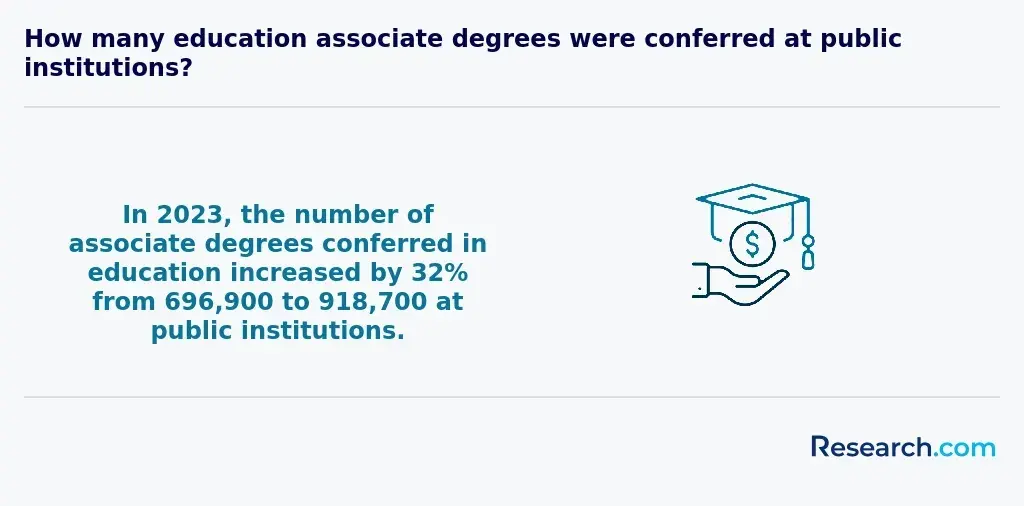
Can I teach in Illinois with an out of state credential?
Yes, teachers licensed in another state may be able to pursue an Illinois Professional Educator License through the state’s review process. This can be one of the most cost-effective routes because it may recognize prior preparation, experience, and licensure instead of requiring a candidate to start over.
- Create an ELIS account: The Educator Licensure Information System is where candidates manage application materials, fees, and license status.
- Submit official transcripts: Illinois generally requires proof of a bachelor’s degree or higher from an accredited institution. Some endorsements or school support roles may require graduate-level preparation.
- Provide your active out-of-state license: A valid license helps ISBE evaluate whether your credential is comparable to Illinois requirements.
- Respond quickly to documentation requests: ISBE may ask for forms from your college, verification of program completion, or additional records.
Before enrolling in additional coursework, wait for a clear determination of what Illinois requires. Some candidates spend money unnecessarily because they take classes before knowing whether those credits are needed. If you are still building your academic foundation, compare programs carefully; the best online teaching degree programs can help you understand common degree formats and licensure considerations.
Out-of-state applicants should also check endorsement alignment. A license that allows one subject or grade band in another state may not automatically match the same Illinois endorsement.
How many years do you have to teach in Illinois to retire?
Illinois teachers participate in the state’s Teacher Retirement System. As stated, teachers must teach for 20 years to be eligible for retirement benefits through TRS, while full benefits are typically available after 35 years of service. Teachers who retire after 20 years may receive reduced benefits, while waiting until 35 years can increase the benefit level.
Retirement should be part of the long-term financial decision when comparing teaching with other careers. A lower-cost credential route can reduce student debt at the beginning of a career, while salary growth, benefits, and pension rules influence the long-term return.
- Degree planning matters: An affordable online bachelor’s in education or a transfer-friendly state university path can reduce debt before entering the classroom.
- Testing should be scheduled strategically: Candidates should prepare for the required Illinois assessments before paying for retakes.
- Teacher preparation should align with your intended role: Choose a state-approved program that leads to the grade level and subject endorsement you actually want.
The chart below illustrates the number of TPP enrollments by year, according 2023 data from the NCTQ.
What happens if my Illinois teaching credential expires?
If an Illinois teaching credential expires, the educator generally must complete reinstatement requirements before returning to active teaching status. The process is handled through ELIS and may involve professional development documentation, fees, coursework, or other state-required steps.
Educators should first check whether all professional development activities have been entered and accepted in ELIS. If the reinstatement option does not appear, it may mean that required professional development information is missing or incomplete.
- Coursework option: One reinstatement route requires nine semester hours in relevant areas such as English, math, or special education within the last five fiscal years.
- Penalty fee option: Another route allows reinstatement by paying a $50 penalty fee instead of completing the coursework requirement.
After reinstatement, educators must also pay any outstanding registration fees. The cheapest prevention strategy is simple: track renewal deadlines, upload professional development promptly, and review ELIS before the license nears expiration.
| Common renewal mistake | Better approach |
| Waiting until the license expires to check requirements | Review ELIS at least once each year and keep a personal renewal calendar. |
| Assuming all workshops count | Use approved professional development providers and keep completion records. |
| Losing documentation | Save certificates, agendas, transcripts, and confirmation emails in one folder. |
| Ignoring registration fees | Confirm that both renewal and registration obligations are complete. |
How many units is an Illinois teaching credential?
Illinois does not use one single “unit” count for every teaching credential. Requirements depend on whether the candidate is completing an associate pathway, bachelor’s degree, licensure-only program, endorsement, or specialized school support credential.
- Bachelor’s degree route: A standard teacher preparation pathway commonly requires around 120 semester hours, including general education, major coursework, education courses, fieldwork, and student teaching. Annual tuition for these programs can range from $10,000 to $30,000 depending on whether the institution is public or private.
- Associate’s degree pathway: An associate’s degree usually requires about 60 semester hours and can help reduce the cost of the first two years. Total costs can range from $3,000 to $15,000.
- Specialized credentials: Some credentials, including the Type 73 certificate for speech-language pathologists, can require an additional 30 to 60 semester hours through a master’s program.
Illinois educators also have ongoing professional learning obligations after licensure. Some credential references cite 80 Continuing Professional Development Units every five years, while other renewal guidance identifies 120 hours of professional development every five years. Because requirements can vary by license type and policy updates, educators should confirm their exact renewal obligation in ELIS and with ISBE before paying for coursework.
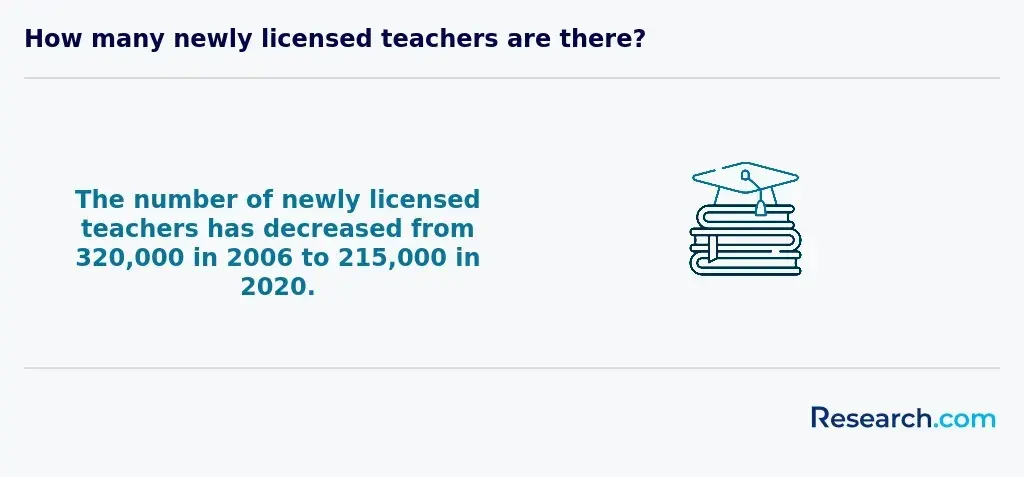
How much do teachers in Illinois make?
Teacher pay in Illinois depends on district, years of experience, education level, endorsement area, and collective bargaining agreements. The minimum salary for the 2024-2025 school year is set at $42,411. New teachers may start near the minimum in some districts, while teachers in higher-paying districts or specialized roles may earn more.
On average, teachers in Illinois earn closer to $70,000 per year, though salaries differ by region and district. Large urban districts and high-demand subject areas may offer stronger compensation than smaller districts with tighter budgets. Teachers with advanced degrees, additional endorsements, or leadership responsibilities may also increase their earnings over time.
Salary should be evaluated against program cost. A low-cost credential pathway can improve return on investment because a teacher begins earning with less student debt. Candidates should compare expected starting pay in their target district with tuition, fees, testing costs, and any income lost during student teaching.
What is the job outlook of teachers in Illinois?
The teacher labor market in Illinois is uneven. Statewide demand exists, but opportunities vary by region, subject area, and district budget. Candidates who are flexible about location or who pursue shortage-area endorsements may have stronger prospects than candidates limited to one highly competitive area.
- Employment base: Illinois has approximately 42,200 high school teachers.
- Projected growth: High school teacher employment is expected to grow 3%, which is below the state’s overall job growth rate of 8.2%.
- Regional variation: Du Page County and Will County show stronger growth rates of 11.7% and 14.9%, while the Champaign region shows a decline of -3.8%.
- Retirement-related openings: New teachers may find opportunities as experienced educators leave the workforce, especially in high-need subjects.
- District finances: Budget cuts can slow hiring even when student needs remain high.
For job-seeking strategy, candidates should research district vacancy postings before choosing an endorsement. Math, science, special education, bilingual education, and other high-need areas may provide more options, but candidates should confirm local demand rather than relying on statewide averages alone.
The chart below lists the states with the highest number of unfilled positions for teachers, according to a report published in 2024.
What is the career path of a teacher in Illinois?
A teaching credential can lead to more than one career track. Many educators begin as classroom teachers, then move into grade-level leadership, curriculum work, instructional coaching, administration, district leadership, or education policy. The best path depends on whether the teacher prefers daily classroom instruction, mentoring adults, designing curriculum, or managing school systems.
| Career stage | Typical focus | Possible next step |
| Pre-service teacher | Coursework, fieldwork, exams, and student teaching | Apply for licensure and entry-level teaching roles |
| Early-career teacher | Classroom management, lesson planning, assessment, and family communication | Build strong evaluations and add endorsements if useful |
| Experienced teacher | Mentoring, curriculum development, team leadership, and specialized instruction | Become a lead teacher, department chair, or instructional coach |
| Advanced educator | School improvement, professional development, administration, or policy | Move into principal, district, or education leadership roles |
How does Illinois support teachers' professional growth and mentorship?
Professional support can reduce burnout and help new teachers become effective faster. Illinois teachers may access support through district induction programs, mentoring by experienced educators, professional associations, continuing education, and school-based professional learning communities.
- Mentorship programs: New teachers often benefit from structured coaching on classroom routines, curriculum pacing, and student behavior support.
- Continuing education: Workshops, online courses, seminars, and graduate coursework can help teachers update instructional strategies and maintain credentials.
- Professional development grants: Districts and schools may use grant funding to support educator learning tied to student achievement and instructional improvement.
How real teachers think about affordable credential routes
Teachers who choose lower-cost pathways often point to three benefits: less debt, more flexibility, and earlier entry into the classroom. A private school teacher may value the ability to complete a credential without taking on heavy loans. A working adult may prefer online courses that allow part-time employment. A candidate in a community-based program may benefit from mentorship and hands-on experience while keeping tuition manageable.
The lesson is practical: affordability is not only about the cheapest listed tuition. It is about choosing a route that fits your schedule, reduces repeated coursework, provides real classroom experience, and leads to the correct license.
Key Findings
- An accredited bachelor’s degree is the starting point for most Illinois teacher licensure routes, but the degree does not always have to be in education.
- A state-approved educator preparation program is usually required and should include supervised teaching experience.
- Recent legislative changes may allow student teachers to earn up to $10,000 per semester, which can reduce financial pressure during training.
- Certification exams such as edTPA may be part of the process, but a year of teaching experience can waive some exam requirements.
- The certification application fee is $150, and candidates should also budget for testing, fingerprinting, background checks, and registration-related costs.
- The least expensive route is usually the one that recognizes existing credits, degrees, licenses, or experience instead of requiring unnecessary additional coursework.
What scholarships and financial aid options are available for aspiring teachers in Illinois?
Aspiring teachers should look beyond general financial aid and search specifically for educator-focused support. Scholarships, grants, tuition assistance programs, loan forgiveness opportunities, and school-based aid may reduce the net cost of teacher preparation. Eligibility can depend on financial need, academic performance, endorsement area, commitment to high-need schools, or Illinois residency.
Candidates should verify deadlines, service obligations, renewal rules, and whether aid applies to licensure-only programs or only degree programs. Students interested in early childhood education can also review how to become a preschool teacher in Illinois for role-specific pathway information.
Which affordable online bachelor’s degrees are best for aspiring teachers in Illinois?
The best affordable online bachelor’s degree for an aspiring Illinois teacher is one that is accredited, transfer-friendly, aligned with Illinois licensure requirements, and connected to a supervised classroom placement. A cheap degree that does not lead to the right endorsement can become expensive if the student must later complete another program.
- Choose accredited online programs: A bachelor of education online degree should prepare students in pedagogy, curriculum planning, assessment, classroom management, and field-based practice.
- Use community college credits wisely: Completing transferable credits at a lower-cost community college can reduce the total price of a bachelor’s degree.
- Check educator scholarships: Awards such as the Monahan Foundation Scholarship or Illinois Future Educators Scholarship may help reduce tuition for eligible students.
- Look for Illinois-specific programs: The Golden Apple Scholars Program provides tuition assistance in exchange for committing to teach in high-need areas.
- Consider dual degree-and-licensure options: Some programs allow students to complete the bachelor’s degree and licensure preparation at the same time.
- Prioritize flexibility if you work: Part-time or asynchronous online formats may help career changers keep earning income while completing requirements.
Before enrolling, ask whether the program has a clear Illinois licensure map, published placement procedures, transparent fees, and advising support for testing and endorsement selection.
What are the best strategies for preparing for Illinois teacher certification exams?
Certification exam costs can rise quickly if candidates need multiple retakes. The best way to save money is to prepare with the official test structure, diagnose weak areas early, and practice under timed conditions before registering.
- Review the content outline for each required exam before buying study materials.
- Create a study calendar that gives more time to weaker subject areas.
- Use practice questions to identify recurring mistakes.
- Join study groups with candidates preparing for the same endorsement.
- Ask your preparation program whether exam support is included in tuition.
- Schedule the exam only after practice scores suggest readiness.
Candidates considering subject-specific pathways can compare requirements with guides such as how to become a history teacher in Illinois.
How to maintain your teaching credential in Illinois?
Getting licensed is only the beginning. Illinois teachers must maintain their credentials through renewal, professional development, and accurate recordkeeping. Missing a renewal deadline can lead to extra costs and interruption of employment eligibility.
1. Professional Development Requirements
As of 2024, teachers are required to complete 120 hours of professional development every five years. Professional development may include workshops, courses, seminars, online training, subject-specific instruction, classroom management, or other approved educator learning activities.
- Approved PD sources: Teachers should confirm that professional development providers and activities meet ISBE expectations before counting them toward renewal.
- Renewal cycle: Illinois teaching credentials are typically valid for five years, and educators must submit documentation during renewal.
2. License Renewal Application
Renewal is completed through the ISBE online portal. Teachers should document all required professional development before applying and should plan for the renewal fee, which is usually around $50.
- Fee waivers: Some educators may qualify for fee waivers or reductions based on circumstances such as working in underserved areas or low-income schools.
3. Additional Requirements for Specific Roles
Some roles, including special education and bilingual education, may require additional endorsements, professional learning, or documentation. Teachers should monitor updates that affect their license area.
4. Advanced Certification Options
Teachers who want to move into higher-paying or leadership-oriented roles may consider National Board Certification or Master Teacher certification. These options can require additional coursework, assessment, and fees, so candidates should compare the cost with potential district salary incentives.
5. License Expiration and Inactive Status
If renewal requirements are not completed on time, a license may expire or become inactive. Returning to active status can require fees, professional development documentation, and reinstatement steps.
Cost Considerations for Ongoing Maintenance
Professional development can create ongoing costs, but districts, associations, and education organizations may offer free training, reimbursements, or subsidized courses. Teachers seeking flexible education options can compare the most affordable online education degrees for relevant coursework that may support long-term career development.
What are the unique music teacher education requirements in Illinois?
Music teachers must meet both general educator standards and specialized music preparation requirements. A strong music education program should include music theory, performance, conducting, methods courses, pedagogy, classroom management, and supervised teaching experiences in music classrooms.
Unlike some general education pathways, music candidates may need to demonstrate applied performance ability and instructional competence through portfolios, assessments, or ensemble-related experiences. For a more detailed pathway, see the guide to music teacher education requirements in Illinois.
What are the common challenges in obtaining an Illinois teaching credential and how can they be addressed?
The Illinois licensure process can become expensive when candidates miss deadlines, choose the wrong program, submit incomplete records, or misunderstand endorsement requirements. Most problems can be reduced with early verification and careful documentation.
| Challenge | How to reduce the risk |
| Unclear program approval | Confirm that the program is state-approved for the Illinois license and endorsement you want. |
| Transfer credit problems | Get a written transfer evaluation before enrolling. |
| Delayed credential evaluation | Request transcripts, translations, and evaluations early. |
| Testing delays | Build exam preparation into your program timeline. |
| Unexpected student-teaching costs | Ask whether placements are full-time, unpaid, local, or tied to transportation requirements. |
Requirements can also differ by grade level. Candidates focused on early childhood classrooms may benefit from reviewing how to become a kindergarten teacher in Illinois.
How can subject specialization boost my teaching career in Illinois?
Subject specialization can improve employability when it aligns with district needs. Endorsements in high-demand areas may help teachers qualify for more openings, move into specialized instructional roles, or strengthen salary prospects over time. However, candidates should not add endorsements casually; each one can require coursework, testing, and fees.
A good specialization decision starts with local labor-market research. Review vacancy postings in your target districts, talk with school administrators, and compare endorsement costs with likely job benefits. Teachers interested in history can explore how to become a high school history teacher in Illinois for subject-focused preparation details.
How Can I Access Mentorship and Professional Support Networks in Illinois?
Mentorship can make the transition into teaching smoother and can reduce costly early-career mistakes. New educators should look for programs that provide coaching on lesson planning, classroom management, family communication, assessment, and district procedures.
- Ask preparation programs whether mentor support is included during fieldwork and student teaching.
- Look for district induction programs when applying for jobs.
- Join local or statewide professional associations for subject-area support and policy updates.
- Use peer networks to share lesson resources, exam preparation strategies, and renewal reminders.
Online candidates should pay special attention to mentorship because remote coursework can feel isolating. For a pathway overview, see how to become a teacher in Illinois through online options.
What are the specific certification steps for middle school math teachers in Illinois?
Middle school math teachers need both mathematical content preparation and training in adolescent learning. Candidates generally complete a bachelor’s degree in education with a mathematics concentration or a closely related academic background, complete a state-approved educator preparation program, pass content-specific exams, and finish required clinical teaching experiences.
The cheapest route depends on prior coursework. A candidate with strong college math credits may need fewer additional content courses than a candidate starting from scratch. Before enrolling, ask the program to evaluate your transcript against middle school math endorsement requirements. For details, review the middle school math teacher requirements in Illinois.
What recent policy changes influence teacher certification standards in Illinois?
Teacher certification standards can change as Illinois updates licensure rules, testing expectations, curriculum requirements, student-teaching policies, and professional development mandates. Candidates should not rely only on old program brochures or unofficial advice. Before paying for a program, verify current requirements through ISBE, the educator preparation provider, and your ELIS account if you already have one.
For a broader summary of credential types and requirements, review Illinois teacher certification requirements.
What other education careers are available in Illinois besides teaching?
Not every education career requires becoming a classroom teacher. Illinois schools and education organizations also employ counselors, instructional designers, education administrators, paraprofessionals, speech-language pathologists, training specialists, and student support professionals.
One important school-based option is speech-language pathology. SLPs assess and treat communication and swallowing disorders and often work with students who need specialized support. Candidates interested in this route should review the process for earning an SLP license in Illinois.
What are the differences between public and private school teacher credentials in Illinois?
Public and private schools may use different hiring requirements. Illinois public school teachers generally need a Professional Educator License. Private schools, including religious and independent schools, may have more flexibility and may prioritize subject expertise, classroom experience, mission fit, or school-specific qualifications.
Even when a private school does not require a PEL, holding one can improve competitiveness. It signals that the teacher completed recognized preparation and met state standards. Candidates should still ask each private school about contract terms, religious or mission expectations, curriculum approach, background checks, and professional development expectations.
| School type | Credential expectations | Decision point for candidates |
| Public school | Professional Educator License is generally required | Choose a state-approved pathway that leads directly to the correct endorsement. |
| Private school | Requirements vary by institution | Ask each school what credentials, degree background, and experience it expects. |
| Religious school | May include mission-based or faith-related expectations | Clarify both academic and institutional requirements before applying. |
For a deeper look at this path, review private school teacher requirements in Illinois.
How Can I Evaluate Accredited Online Teacher Certification Programs?
Accreditation is important, but it is not the only factor. An online teacher certification program should be accredited, aligned with Illinois licensure standards, transparent about costs, and able to place candidates in appropriate classroom settings.
- Verify accreditation and Illinois licensure alignment.
- Confirm the program leads to the endorsement you want.
- Ask how student teaching is arranged and supervised.
- Compare total program cost, including fees, assessments, and materials.
- Review faculty qualifications and student support services.
- Ask for completion, licensure, and placement information when available.
Independent comparisons of accredited online teacher certification programs can help candidates identify programs worth deeper review.
Can my teaching credential help me transition to higher education?
An Illinois teaching credential can support a move into higher education, but it is usually not enough by itself for college-level faculty roles. Colleges often expect graduate degrees, subject expertise, teaching experience, research activity, or professional accomplishments related to the field.
K-12 teaching experience can be valuable for roles in teacher education, academic advising, student support, curriculum design, and community college instruction when paired with the right graduate study. Candidates considering faculty roles should review academic degree expectations early. For a broader pathway, see how to become a college professor.
Common Mistakes to Avoid When Choosing a Low-Cost Illinois Teaching Credential Path
- Choosing the cheapest tuition without checking licensure approval: A low-cost program is not a bargain if it does not qualify you for an Illinois teaching license.
- Ignoring transfer policies: Always get written confirmation of which credits will transfer before changing schools.
- Assuming online programs are automatically accepted: Online coursework must still meet Illinois requirements and include approved field experiences.
- Waiting too long to plan for student teaching: Student teaching can affect work schedules, transportation, and income.
- Underestimating exam costs: Poor preparation can lead to retake fees and delayed licensure.
- Forgetting background checks and fingerprinting: These are required steps and can add costs.
- Relying only on rankings: Rankings can help narrow options, but licensure alignment, affordability, placement support, and completion timeline matter more.
Key Insights
- The cheapest path to an Illinois teaching credential is different for each candidate; prior credits, degrees, licenses, and experience determine the best route.
- Community college transfer pathways can lower costs for first-time college students, while licensure-only and alternative routes may be better for bachelor’s degree holders.
- Online programs can be affordable and flexible, but only if they are aligned with Illinois licensure rules and include required classroom practice.
- Out-of-state and international educators should complete credential reviews before paying for new coursework.
- Total cost includes tuition, exams, application fees, fingerprinting, background checks, transportation, materials, and possible income loss during student teaching.
- Before enrolling, ask one question: “Will this exact program lead to the Illinois license and endorsement I need, at the lowest total cost and without duplicated credits?”
Related Articles for Nearby States
- 2027 Cheapest Way to Get a Teaching Credential in Indiana: Requirements & Certification
- 2027 Cheapest Way to Get a Teaching Credential in Wisconsin: Requirements & Certification
- 2027 Cheapest Way to Get a Teaching Credential in Iowa: Requirements & Certification
- 2027 Cheapest Way to Get a Teaching Credential in Kentucky: Requirements & Certification
- 2027 Cheapest Way to Get a Teaching Credential in Michigan: Requirements & Certification
- 2027 Cheapest Way to Get a Teaching Credential in Minnesota: Requirements & Certification
- 2027 Cheapest Way to Get a Teaching Credential in Ohio: Requirements & Certification
- 2027 Cheapest Way to Get a Teaching Credential in Tennessee: Requirements & Certification
- 2027 Cheapest Way to Get a Teaching Credential in Arkansas: Requirements & Certification
- 2027 Cheapest Way to Get a Teaching Credential in Nebraska: Requirements & Certification
References:
- Braun, D. J. (2024). Minimum Teacher Salary 2025-2026. School Law Advisor. millertracy.
- Illinois Association of Regional School Superintendents (IARSS). (2024). Educator Shortage Report. IARSS.
- Illinois Education Association (IEA). (n.d.). How to Become a Teacher in Illinois. IEA.
- Illinois Speech-Language-Hearing Association (ISLHA). (2013). Illinois Teaching Certificates. ISLHA.
- Illinois State Board of Education (ISBE). (n.d.). Reinstatement. Professional Development & Current Educators. ISBE.
- Illinois WorkNet Center. (n.d.). Employment & Outlook. Educators. Illinois WorkNet Center.
- National Center for Education Statistics (NCES). (2023). Teacher qualifications. Fast Facts. NCES.
- National Council on Teacher Quality (NCTQ). (2023). Data Brief: How do trends in teacher preparation enrollment and completion vary by state?. NCTQ.
- NYC Public Schools. (n.d.). Out-of-State Certified Teachers. Getting Started. NYC Public Schools.
- Tan, T. S., Arellano, I., & Patrick, S. K. (2024). State Teacher Shortages 2024 Update. Learning Policy Institute.
- Teach.org. (n.d.). Find Your Teacher Career Path. Teach.org.
- Teachers' Retirement System of the State of Illinois (TRSIL). (n.d.). Tier 1. TRSIL.
Other Things You Need to Know About Getting a Teaching Credential in Illinois
The Illinois State Board of Education approves teacher preparation programs in Illinois. Candidates should complete an ISBE-approved program to meet licensure requirements, and the program must include the required coursework, clinical experience, and passing scores on Illinois certification exams.
In 2027, Illinois offers alternative routes such as the Alternative Teacher Certification program for candidates with a bachelor's degree and teaching experience. Candidates must complete coursework and a teaching internship through an approved institution to earn certification.