2027 Cheapest Accredited Online Cybercrime Degree Programs: Tuition, Fees, and Financial Aid

Co-Founder and Chief Data Scientist
Choosing an affordable online cybercrime degree is not just about finding the lowest tuition rate. Mandatory fees, transfer-credit rules, FAFSA eligibility, and scholarships can change the real price dramatically. Federal Student Aid lists the maximum Pell Grant for 2024-25 at $7,395, which can make a lower-cost accredited program far more affordable for eligible students. This guide is for students comparing online cybercrime, cybersecurity, digital forensics, and cyber investigation programs. You will learn how to identify credible low-cost options, estimate total cost, verify accreditation, and compare net price instead of relying on advertised tuition alone.
Key Things You Should Know
- The lowest published online tuition among commonly available accredited cybercrime-related bachelor's options is often around $199 per credit through some public eMajor-style programs, or about $23,880 in tuition for 120 credits before school-specific fees.
- The cheapest advertised tuition is not always the cheapest degree; mandatory online fees, technology fees, books, residency rules, transfer-credit limits, and repeated courses can raise the total cost.
- FAFSA-eligible students may reduce the net price through federal grants, state aid, scholarships, employer tuition assistance, and work-study, with the 2024-25 maximum Pell Grant listed at $7,395 for qualifying students.
What Are the Cheapest Accredited Online Cybercrime Degree Programs?
The cheapest accredited online cybercrime degree programs are usually found at public universities, regional online campuses, and schools that charge a flat online rate rather than a high out-of-state rate. Because "cybercrime" can appear under several degree names, the most relevant programs often include cybersecurity, digital forensics, cyber operations, cyber investigation, criminal justice with cybercrime coursework, or information technology with a cyber defense concentration.
The table below compares affordable accredited online options using published per-credit tuition as the main sorting factor. The estimated tuition-only total assumes 120 credits for a bachelor's degree and does not include books, mandatory fees, repeated courses, or lost transfer credits, so students should use it as a first-screening tool rather than a final bill.
| School | Online cybercrime-related program | Accreditation type to verify | Published tuition snapshot | Estimated tuition for 120 credits | Best fit |
| Kennesaw State University | Online B.S. in Cybersecurity | Institutional accreditation; program quality indicators such as NSA designation may also be relevant | About $199 per credit for eMajor coursework | About $23,880 before fees | Students seeking a low public-university tuition rate with broad cyber defense coursework |
| Columbus State University | Online cybersecurity-related bachelor's pathway | Institutional accreditation | About $199 per credit for eligible eMajor coursework | About $23,880 before fees | Students comparing low-cost Georgia public online cyber pathways |
| University of North Georgia | Online cybersecurity-related bachelor's pathway | Institutional accreditation | About $199 per credit for eligible eMajor coursework | About $23,880 before fees | Cost-focused students who want an online public-university route |
| Fort Hays State University | Online cybersecurity, informatics, or criminal justice-related pathways depending on catalog options | Institutional accreditation | Often published in the low-to-mid $200s per credit for online undergraduate tuition | Often around the high $20,000s to low $30,000s before fees | Students who want a public online university with historically competitive tuition |
| University of Maryland Global Campus | Online B.S. in Cybersecurity Technology or related cyber programs | Institutional accreditation | Lower in-state and military-connected rates; higher out-of-state rates | Varies widely by residency and military status | Working adults, military students, and transfer students comparing applied cyber programs |
| Southern New Hampshire University | Online B.S. in Cybersecurity | Institutional accreditation | About $330 per credit | About $39,600 before fees and aid | Students who want a private nonprofit online format with frequent start dates |
| Dakota State University | Online cyber operations or cyber-related bachelor's programs | Institutional accreditation; programmatic and NSA cyber designations may matter for some goals | Typically higher than the lowest public eMajor rates | Often above the lowest-cost public options before aid | Students willing to compare a higher price against specialized cyber reputation |
| Franklin University | Online B.S. in Cybersecurity | Institutional accreditation | Often published below many private online competitors but above the lowest public rates | Usually higher than $199-per-credit public options before aid | Adult learners with transfer credits who want a private nonprofit online pathway |
The strongest low-cost candidates are generally the programs charging around $199 per credit, but the best value depends on your transfer credits, aid eligibility, and career goal. A student entering with 60 accepted credits at a $330-per-credit school may pay less than a student starting from zero credits at a $199-per-credit school.
How Were the Cheapest Online Cybercrime Degree Programs Ranked?
The ranking should start with price, but it should not end there. For online cybercrime degrees, the most useful affordability ranking compares the full cost of a credential that employers and graduate schools are likely to recognize.
A practical ranking method weighs the following factors in order because each one can change the student's real cost or the degree's usefulness after graduation:
- Institutional accreditation from a recognized accreditor, because it affects credit transfer, graduate school recognition, and federal financial aid eligibility.
- Published online tuition per credit, separated from campus tuition and out-of-state rates when the school publishes different prices.
- Estimated tuition for the full degree, usually 120 credits for a bachelor's program or about 30 to 36 credits for a master's program.
- Mandatory fees, including online course fees, technology fees, graduation fees, proctoring fees, and student services fees.
- FAFSA and Title IV eligibility, because grants and federal loans can reduce out-of-pocket cost or replace higher-risk private borrowing.
- Transfer-credit generosity, including maximum transferable credits, residency requirements, credit for certifications, and prior learning assessment.
- Cybercrime relevance, including coursework in digital forensics, cyber law, incident response, network defense, malware, OSINT, fraud, and investigation procedures.
- Student outcomes and career fit, including completion support, internship access, career services, certification preparation, and employer recognition.
This approach avoids a common mistake: ranking schools only by tuition while ignoring whether students can actually finish affordably. A lower-priced program with weak transfer policies, limited course availability, or high repeated-course risk can become more expensive than a slightly higher-priced program that lets students finish faster.
How Can You Verify the Accreditation of an Online Cybercrime Degree Program?
Accreditation is the first affordability checkpoint because an unrecognized degree can limit federal aid, credit transfer, licensing recognition, and employer confidence. For online cybercrime programs, students should distinguish institutional accreditation from optional programmatic or industry designations.
Use this sequence before applying or paying an enrollment deposit:
- Search the school in the U.S. Department of Education's Database of Accredited Postsecondary Institutions and Programs to confirm institutional accreditation.
- Confirm the school participates in Title IV federal student aid if you plan to use FAFSA, Pell Grants, federal loans, or work-study.
- Check whether the online program is offered by the same accredited institution named on the transcript, not by an unrelated training vendor.
- Review program-level signals such as ABET accreditation, NSA Center of Academic Excellence designation, or recognized cyber labs when those matter for your career goal.
- Ask whether online and campus students receive the same degree title and transcript wording.
- Confirm state authorization if you live outside the school's home state, especially for programs involving internships or field placements.
Institutional accreditation is the minimum standard. Programmatic accreditation or cyber designations can add value, but they do not replace institutional accreditation or Title IV eligibility. Students comparing broader online school options can also review lists of the most reputable online universities to understand how accreditation, reputation, and online delivery quality intersect.
How Much Does an Accredited Online Cybercrime Degree Really Cost?
The real cost of an accredited online cybercrime degree includes more than tuition. Tuition is the price of instruction, mandatory fees are required charges added by the school, total program cost is the estimated full cost before aid, and net price is what a student may pay after grants, scholarships, tuition benefits, and other aid are applied.
The table below breaks down the major cost categories students should request from each school. This matters because two programs with the same per-credit tuition can have different final prices once required fees and course materials are included.
| Cost item | What it means | Why it changes affordability | What to ask the school |
| Tuition | The instructional charge per credit, term, subscription period, or full program | This is usually the largest cost, but it may exclude required fees | Is this rate guaranteed, and does it differ by residency or enrollment status? |
| Mandatory online fees | Required technology, distance learning, platform, or student service charges | These can make a low-tuition program less competitive | Are online fees charged per credit, per course, or per term? |
| Books and digital materials | Textbooks, access codes, lab software, and digital course packs | Cyber courses may require specialized platforms or virtual lab tools | Are materials included in tuition, and can students use lower-cost alternatives? |
| Lab and software costs | Virtual machines, cloud labs, forensic tools, cybersecurity ranges, or proctoring tools | Hands-on cybercrime coursework can carry costs not obvious on tuition pages | Which tools are required, and are licenses included? |
| Residency requirement | The number of credits that must be completed at the school granting the degree | A strict residency rule can limit transfer savings | How many credits must be completed at your institution? |
| Graduation and transcript fees | Administrative charges near completion | Usually smaller, but still part of the final cost | What required completion fees should I budget for? |
A simple cost formula is: total tuition equals required credits multiplied by tuition per credit, plus mandatory fees and required materials, minus grants, scholarships, tuition assistance, and accepted transfer-credit savings. The resulting figure is closer to the net price students should use for decision-making.
Which Tuition Models Make Online Cybercrime Degree Programs More Affordable?
Tuition models can make a major difference for online cybercrime students, especially working adults who may study part time or transfer previous credits. The best model depends on how many credits you need, how quickly you can complete courses, and whether the school charges separate online fees.
Students comparing online cybercrime degree costs should understand the following tuition structures before enrolling:
- Per-credit tuition: You pay for each credit attempted, which is transparent and easy to compare but can become expensive if you repeat courses or change majors.
- Flat-rate term tuition: You pay one rate for a credit range, which can reward full-time students who can handle a heavier course load without dropping classes.
- Subscription or competency-based tuition: You pay for a time period and complete as many competencies as allowed, which can reduce cost for highly prepared students.
- In-state online tuition: Public universities may charge residents less, but some online programs use one rate for all distance learners.
- Military or employer-discounted tuition: Some schools offer reduced rates for active-duty military, veterans, government employees, or partner employers.
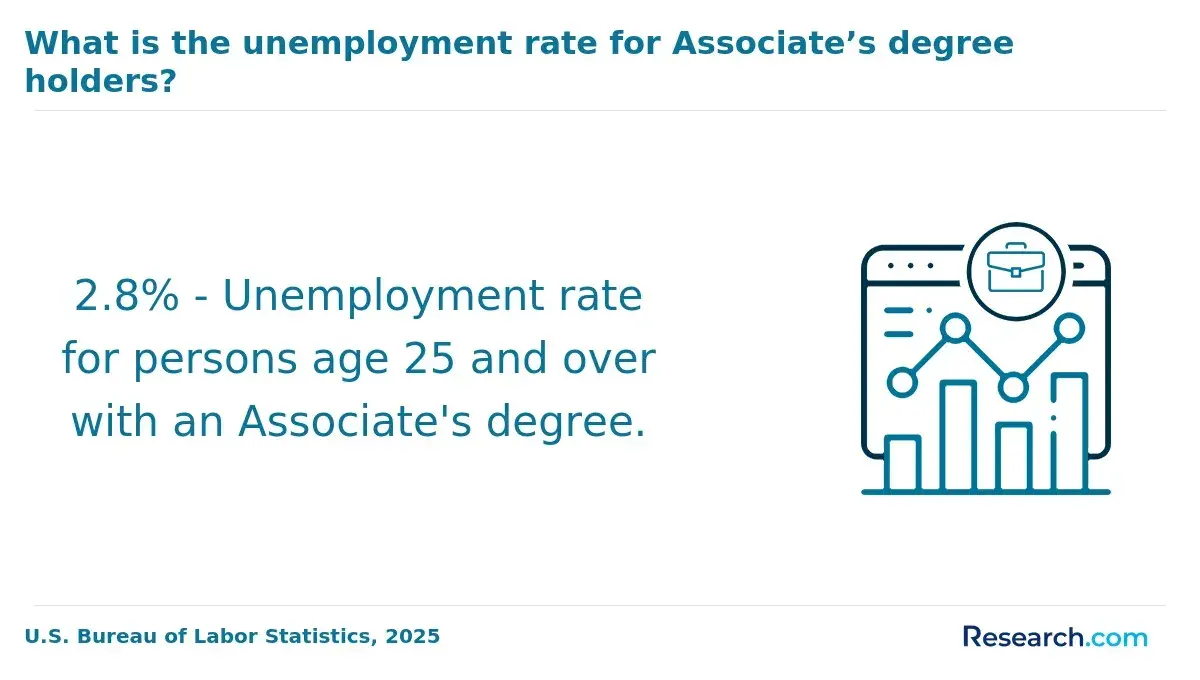
For students still testing whether online learning fits, short online classes or accelerated associate-level pathways can help build confidence before committing to a full bachelor's program. The important point is to compare the total number of credits you must pay for, not just the price per course.
What Fees and Hidden Costs Should Online Cybercrime Degree Students Expect?
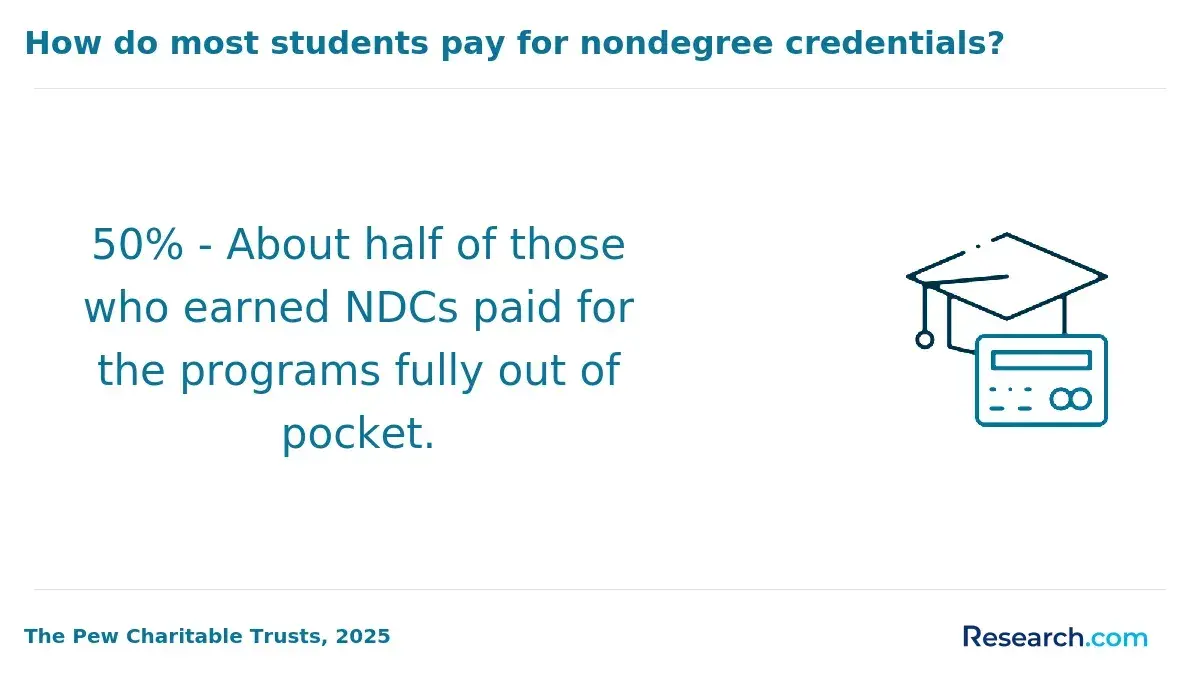
Online programs can be less expensive than campus programs because students may avoid housing, commuting, parking, and relocation costs. However, online cybercrime degrees can still include required charges that are easy to miss during the search process.
Before choosing a program, ask for a written cost sheet that includes these common hidden or semi-hidden costs:
- Online learning or distance education fees charged per credit, per course, or per term.
- Technology fees for learning platforms, identity verification, help desk support, or digital infrastructure.
- Proctoring fees for exams that require identity checks, lockdown browsers, or live remote monitoring.
- Virtual lab fees for cybersecurity ranges, cloud environments, digital forensics tools, or malware analysis platforms.
- Certification exam costs if the program recommends or requires exams such as Security+, Network+, CySA+, or related credentials.
- Hardware costs if the program requires a computer with more memory, processor speed, storage, or virtualization capability than a standard laptop.
- Graduation, transcript, portfolio review, or prior learning assessment fees.
- Course-repeat costs if cyber labs, math, programming, or networking courses are failed or withdrawn after the refund deadline.
A useful red flag is a school that promotes a low tuition rate but will not provide a program-level estimate of fees and required materials. Reputable schools should be able to explain the difference between tuition, mandatory charges, estimated indirect costs, and aid-adjusted net price.
How Does FAFSA and Federal Financial Aid Work for Online Cybercrime Degree Programs?
FAFSA is the main gateway to federal student aid for eligible U.S. students attending participating accredited institutions. Online students can qualify for many of the same federal aid programs as campus students, but only if the school and program meet federal eligibility rules.
Federal Student Aid lists the maximum Pell Grant for 2024-25 at $7,395. That figure matters because a student in a low-tuition online cybercrime program may cover a meaningful share of annual tuition with grants if they qualify, while a student in a higher-cost program may still face a larger remaining balance.
The basic FAFSA process for an online cybercrime degree works like this:
- Confirm the school is institutionally accredited and participates in federal Title IV aid programs.
- Submit the FAFSA for the correct aid year and list every school you are seriously considering.
- Review each financial aid offer separately because grants, institutional scholarships, loans, and work-study can differ by school.
- Separate free aid from borrowed aid by identifying grants and scholarships first, then federal loans, then any private loan options.
- Ask whether your enrollment status affects aid, because dropping below half time can change loan eligibility and some grants.
- Calculate your estimated net price after grants and scholarships before comparing monthly payment plans or loans.
One common mistake is assuming every accredited online program automatically qualifies for FAFSA. Accreditation is necessary for federal aid, but the institution must also participate in Title IV programs, and the specific program must be eligible under school and federal rules.
Which Scholarships, Grants, and Tuition Benefits Can Help Pay for an Online Cybercrime Degree?
Scholarships, grants, and tuition benefits can reduce the net price of an online cybercrime degree without increasing debt. Grants are usually need-based, scholarships may be need-based or merit-based, and employer tuition assistance is tied to workplace policies.
Students should compare funding sources by how reliable, renewable, and restrictive they are. The table below summarizes the main aid categories that can apply to accredited online cybercrime programs.
| Funding source | Typical basis | Can online students use it? | Key affordability question |
| Federal Pell Grant | Financial need and federal eligibility | Yes, if the student, school, and program qualify | How much grant aid remains after tuition and mandatory fees? |
| State grants | Residency, need, merit, or workforce priority | Sometimes, depending on state and school rules | Does the grant apply to fully online or out-of-state programs? |
| Institutional scholarships | Merit, need, transfer status, military status, or major | Often, but rules vary | Is the scholarship renewable, and what GPA is required? |
| Cybersecurity scholarships | Cyber talent, service commitment, academic performance, or workforce need | Often, if the program and student meet sponsor rules | Does the scholarship require government service or specific employment after graduation? |
| Employer tuition assistance | Employment status and company policy | Commonly, especially for online programs | Is payment upfront, reimbursed later, or limited to certain schools? |
| Veterans and military benefits | Military service or dependent status | Yes, if the school is approved and the student is eligible | How do benefits interact with military tuition discounts? |
Students interested in cybercrime investigation may also find adjacent scholarships in digital risk, online safety, communications, or fraud prevention. For example, learners comparing cybercrime with reputation management, OSINT, or platform safety careers may also research social media university courses to understand overlapping digital evidence and platform-governance skills.
Can Transfer Credits, Prior Learning, and Competency-Based Study Lower the Cost of an Online Cybercrime Degree?
Transfer credits are one of the fastest ways to lower the cost of an online cybercrime degree because they reduce the number of credits billed by the new school. Prior learning assessment, military credit, professional certifications, and competency-based study can also help, but only when the receiving institution accepts them toward degree requirements.
Ask these questions before assuming your previous experience will reduce the bill:
- What is the maximum number of transfer credits accepted toward this degree?
- How many major credits must be completed at your institution?
- Do older IT, criminal justice, math, or programming courses expire for transfer purposes?
- Can industry certifications count for credit, and if so, which certifications qualify?
- Is prior learning assessment charged by portfolio, course, assessment, or credit?
- Will transfer credits apply to major requirements, general education, electives, or only free electives?
- Can I receive an official transfer evaluation before committing to enrollment?
The biggest savings usually come from credits that apply directly to required courses, not from credits that sit unused as excess electives. The same cost logic applies across career-change programs: students evaluating an SLP bridge program online or an online cybercrime degree should verify exactly which prior courses shorten the path to graduation.
How Should Students Compare the Net Price, Quality, and Return on Investment of Online Cybercrime Degree Programs?
The best-value online cybercrime degree is the one that balances net price, accreditation, completion likelihood, and career relevance. A very cheap program may be a poor investment if students cannot get required courses, transfer credits do not apply, or the curriculum does not build the technical and investigative skills employers expect.
The U.S. Bureau of Labor Statistics reports a May 2024 median annual wage of $124,910 for information security analysts. That does not mean every cybercrime graduate will earn that amount, but it shows why students often compare cybercrime and cybersecurity programs against the cost of tuition, fees, certifications, and time to completion.
Use the following checklist when comparing final offers from schools:
- Calculate tuition-only cost using the exact number of credits you still need after transfer evaluation.
- Add mandatory online fees, technology fees, course materials, proctoring, labs, graduation fees, and certification costs.
- Subtract grants, scholarships, employer assistance, military benefits, and other non-loan aid first.
- Compare remaining out-of-pocket cost and federal loan borrowing, not just advertised tuition.
- Review whether the curriculum includes digital forensics, cyber law, incident response, secure networking, scripting, cloud security, and investigative documentation.
- Ask for course rotation information so you know whether required classes are available often enough to graduate on time.
- Check student support, tutoring, career services, internship access, cyber clubs, competition teams, and employer partnerships.
- Consider whether a slightly higher-cost program offers stronger transfer acceptance, better advising, or clearer pathways to certifications and entry-level cyber roles.
Students comparing cybercrime programs with other career-focused online options may also review fast online degrees that pay well to understand how cost, speed, and labor-market demand differ by field. The right decision is not automatically the lowest tuition; it is the lowest credible net price for a program you can complete and use.
Other Things You Should Know About Cybercrime
It can be, especially when the degree comes from an institutionally accredited school and includes hands-on coursework in cybersecurity, digital forensics, incident response, and cyber law. Employer expectations vary, so students should also look for labs, projects, internships, certifications, and career support.
No. Cybersecurity focuses broadly on protecting systems, networks, and data. Cybercrime focuses more on illegal online activity, digital evidence, fraud, investigation, and law enforcement or compliance contexts. Many online programs combine both areas through cybersecurity, digital forensics, or cyber investigation coursework.
Yes. Starting with an accredited associate degree can reduce the cost of a bachelor's program if credits transfer cleanly. Before enrolling, confirm articulation agreements, transfer limits, and whether courses will satisfy major requirements rather than only electives.
Certifications are not always required, but they can strengthen a resume for technical cyber roles. Common options include Security+, Network+, CySA+, and digital forensics credentials. Students should compare certification costs and ask whether exam preparation or vouchers are included in the program.
References
- Types of Financial Aid for Online Colleges https://www.umassglobal.edu/blog-news/types-financial-aid-online-colleges
- Best Master's in Computer Forensics Programs | CyberDegrees.org https://www.cyberdegrees.org/listings/best-computer-forensics-programs/
- 25 Best Online Cybersecurity Bachelor’s Degree Programs https://programs.com/programs/online-bs-cybersecurity/
- 2025 Most Affordable Online Cybersecurity Degrees https://www.onlineu.com/most-affordable-colleges/cybersecurity-degrees
- Most Affordable Online Cybersecurity Degrees - 2025 Guide https://www.mastersinai.org/degrees/affordable-online-cybersecurity-degrees/
- Top Online Cybersecurity Bachelor's Programs https://www.cybersecurityeducationguides.org/top-online-cybersecurity-bachelors-programs/
- Cybersecurity Bootcamp vs Degree: Complete Comparison 2026 https://unihackers.com/compare/bootcamp-vs-degree
- Can I get financial aid for an online degree? | edX https://www.edx.org/resources/can-i-get-financial-aid-for-an-online-degree
- Most Affordable Cybersecurity Programs Online: Find a Low-Cost School https://www.degreesforgood.org/online-degrees/cyber-security-programs/most-affordable/
- 5 Types of Cyber Crime: How Cybersecurity Professionals Prevent Attacks https://online.norwich.edu/online/about/resource-library/5-types-cyber-crime-how-cybersecurity-professionals-prevent-attacks