2027 Do Employers Pay for Clinical Mental Health Counseling Degrees: Tuition Reimbursement and Sponsorship Options

Co-Founder and Chief Data Scientist
Many working professionals interested in pursuing a clinical mental health counseling degree face the daunting challenge of financing their education. The average cost of such a graduate program in the U. S. can exceed $30, 000, contributing to the rising student debt crisis, which totals over $1. 7 trillion nationally. This financial burden often deters qualified individuals from advancing their careers. This article explores how employer tuition reimbursement and sponsorship options can alleviate these costs. It details eligibility criteria, typical coverage limits, and strategies to maximize employer assistance, helping prospective students navigate funding opportunities effectively and reduce their out-of-pocket expenses.
Key Benefits of Employers Paying for Clinical Mental Health Counseling Degrees
- Employers often offer tuition reimbursement programs covering up to 100% of clinical mental health counseling degree costs, significantly reducing average student debt, which exceeds $30,000 nationwide.
- Sponsorship options may include flexible work schedules and paid leave, allowing employees to balance studies with professional responsibilities without financial strain.
- Investing in employee education improves retention and skill development, benefiting both counselors and organizations by enhancing service quality and career advancement opportunities.
Do Employers Pay for Clinical Mental Health Counseling Degrees?
Many employers offer some form of tuition assistance, with a 2023 survey by the Society for Human Resource Management reporting that approximately 58% of companies provide tuition reimbursement or sponsorship programs. However, this support varies widely, especially regarding clinical mental health counseling degrees.
Companies that invest in employees pursuing clinical mental health counseling often do so because these degrees align with organizational needs, particularly in healthcare and social services sectors. Such sponsorship can improve employee skills, enhance client outcomes, and aid in retaining qualified professionals, making employer tuition reimbursement for clinical mental health counseling an important consideration for students seeking to manage education costs.
Employer payment trends depend heavily on factors such as industry sector, the relevance of an employee's role to patient or client care, and workforce demand for counseling professionals. For example, healthcare organizations and mental health agencies are more likely to support education in clinical mental health counseling due to shortages and growing service needs.
These dynamics influence how prospective students might evaluate their investment in a counseling degree, encouraging some to seek employment in fields known for strong financial support. Additionally, students might explore related fields or programs, such as artificial intelligence degrees online, to maximize career opportunities and return on investment.
What Types of Tuition Assistance Do Employers Offer for Clinical Mental Health Counseling Degrees?
Employer-provided tuition assistance is a valuable resource for professionals pursuing a clinical mental health counseling degree. These benefits help reduce out-of-pocket costs and financial risk, making advanced education more accessible while supporting career advancement in the counseling field. Utilizing employer tuition support can significantly ease the financial burden associated with graduate programs.
- Tuition reimbursement programs: These programs repay employees for courses completed as part of their degree. Typically, reimbursement covers a percentage of tuition costs with annual caps ranging between $5,000 and $10,000. They often apply specifically to coursework integral to clinical mental health counseling degree requirements, aiding in licensure and skill development.
- Upfront tuition assistance: Some employers directly pay educational institutions on behalf of employees. This form of assistance alleviates immediate financial pressure and ensures that tuition bills are settled promptly, which can streamline enrollment and continuation in clinical mental health counseling programs.
- Scholarships and grants through partnerships: Employers sometimes collaborate with educational institutions to offer scholarships or grants. These funds typically focus on fields like mental health counseling and help reduce the total cost of a degree, making employer tuition reimbursement for mental health counseling degrees more accessible.
For working professionals, such employer tuition support is especially beneficial as it encourages timely completion of clinical mental health counseling degrees with less financial strain. Those balancing work and study can also explore accelerated MSW programs as a complement to employer-sponsored educational benefits, further enhancing career prospects.
Who Is Eligible for Employer Tuition Reimbursement for Clinical Mental Health Counseling Degrees?
Knowing the eligibility criteria for employer tuition reimbursement for clinical mental health counseling degrees is essential when planning how to fund your education. These requirements influence when you can apply, which programs qualify, and ultimately affect the return on investment (ROI) of your degree. Careful consideration of these factors helps ensure you select an appropriate program and optimize financial benefits.
- Employment status: Most companies require that candidates be full-time employees or meet a minimum number of work hours weekly to qualify for tuition assistance.
- Tenure requirements: Employees often must have been with the employer for a certain length of time, such as six months to a year, before becoming eligible.
- Degree relevance: The clinical mental health counseling degree typically has to be related to your current or anticipated role within the organization to qualify for reimbursement.
- Academic performance: Maintaining a minimum GPA or satisfactory progress may be required to continue receiving funding throughout the program.
- Approval processes: Pre-approval of both the program and institution is commonly necessary to ensure eligibility for employer tuition assistance clinical mental health counseling degrees.
- Continued employment: Many employers require you to commit to staying with the company for a defined period after completing your degree to avoid repaying the funds.
Those exploring financial aid options should also review various providers of the cheapest online MFT programs, as this can complement employer tuition benefits. Awareness of who qualifies for employer tuition assistance clinical mental health counseling degrees is a key step toward maximizing educational funding and securing long-term career advantages.
For students pursuing a clinical mental health counseling degree while working, knowing how employer tuition reimbursement programs operate can significantly influence financial planning and career decisions. These programs help offset education costs but often come with specific steps and conditions. Below is an overview of how such programs typically work.
- Approval process: Employees generally must get prior authorization from their employer before enrolling. This involves submitting a formal request that explains how the degree relates to their current job or future role within the company.
- Payment and reimbursement timing: Most employees pay tuition upfront and seek reimbursement later. Some employers reimburse only after course completion, while others may provide partial payments during the semester.
- Documentation requirements: To receive reimbursement, employees usually need to submit official transcripts, payment receipts, and sometimes periodic proof of enrollment or progress reports.
- Reimbursement limits: Programs often impose caps such as a maximum annual dollar amount or a per-credit-hour limit. These help employers control budgets and define how much support they offer.
- Academic performance expectations: Maintaining a minimum grade, often a B or better, is commonly required to continue receiving benefits. This ensures employees meet educational standards while benefiting from the program.
Employer support for online clinical mental health counseling degrees has become more common as attitudes toward online education have shifted. Once met with skepticism, online degrees are now regarded by approximately 64% of employers as comparable in quality to traditional programs, especially when those programs hold proper accreditation and cater to relevant workforce skills. Despite this positive trend, actual sponsorship or tuition reimbursement remains inconsistent and often depends on company policies and individual circumstances.
When deciding whether to back an employee's online clinical mental health counseling program, employers typically evaluate factors such as accreditation status, the program's applicability to the employee's current or future role, academic rigor, and how the degree supports organizational objectives like skill development or expanding care services. These considerations help firms invest in education that benefits both the employee and the company.
A professional who completed an employee-sponsored online clinical mental health counseling degree shared that the process was "both challenging and rewarding." He explained that navigating submission requirements for proof of enrollment and grade maintenance was initially overwhelming, but "having employer backing made the financial burden manageable." Reflecting on the experience, he noted that clear communication with his HR department and demonstrating how his studies would enhance his clinical work were key to securing sponsorship. This insight highlights the importance of proactive engagement and understanding employer expectations throughout the sponsorship journey.
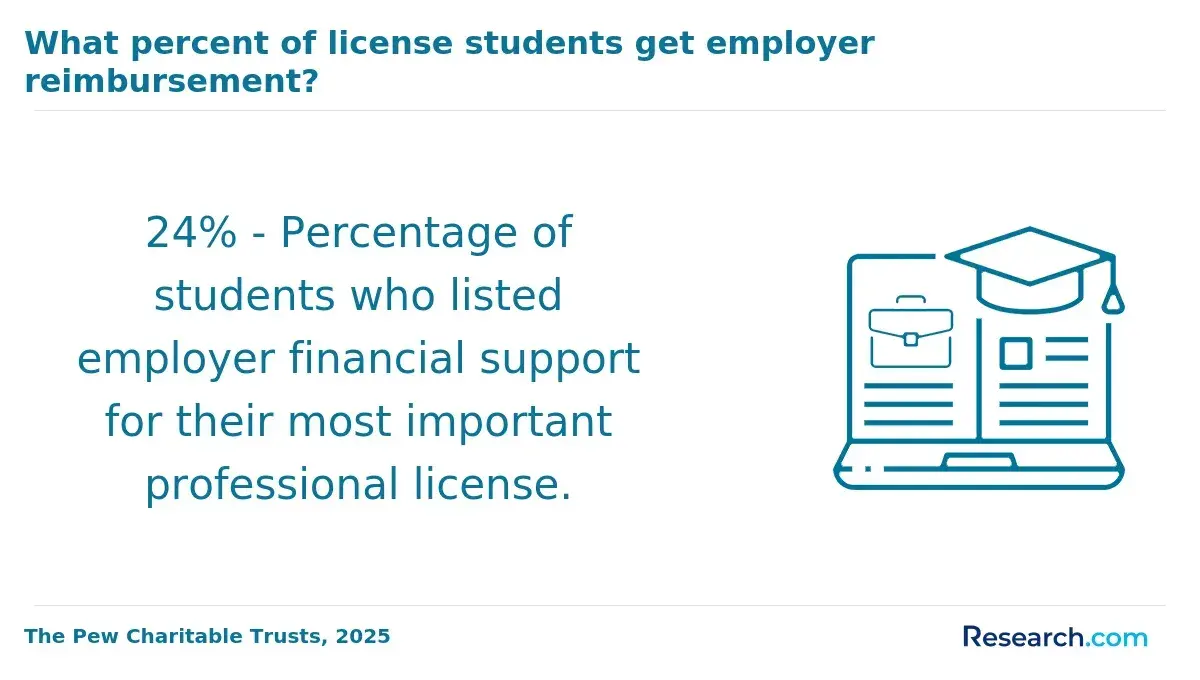
Tuition reimbursement limits play a key role in assessing the affordability and return on investment of a clinical mental health counseling degree. With about 51% of U.S. employers providing some form of tuition assistance, the amount reimbursed can significantly reduce out-of-pocket costs. These limits determine how much of the overall education expense is offset, impacting decisions on whether pursuing the degree is financially viable. High reimbursement allowances help make long-term educational investments more manageable for working professionals.
Most employers set annual reimbursement caps between $5,000 and $10,000, while lifetime maximums typically range from $25,000 to $50,000. The specific amounts offered often depend on factors such as the industry, company size, and the degree's relevance to the employee's position. Federal tax regulations allow up to $5,250 in tax-free tuition assistance per year, which influences employer offerings, though this should not be taken as legal advice. Understanding these financial boundaries is essential for realistically planning education funding through employer sponsorship.
Knowing the possible financial consequences of leaving an employer-sponsored clinical mental health counseling degree program early is crucial for anyone considering this route. About 60% of these programs include agreements that require repayment or other penalties if terms aren't met, highlighting the importance of understanding these commitments before enrolling. Here are some typical penalties associated with early program departure:
- Repayment of Tuition: Employees may be required to reimburse all or part of the tuition funds their employer covered if they leave before fulfilling agreed-upon conditions, such as completing the degree or staying with the company for a specified duration.
- Prorated Repayment Schedules: Many agreements base repayment amounts on the length of time the employee remains with the employer after finishing the program, reducing the obligation gradually over time.
- Early Termination Clauses: Contracts often include clauses that trigger financial penalties or require repayment if an employee voluntarily exits the program early or leaves the company prematurely.
- Impact on Future Benefits: Leaving the program or employer early can make an employee ineligible for future tuition assistance and may affect access to other company benefits.
The author spoke with a professional who completed her clinical mental health counseling degree through an employer tuition assistance program. She recalled navigating the contract carefully before committing, aware of the strict repayment and service period terms involved. Despite initial worries about balancing work, studies, and contract obligations, she found that staying with her employer throughout the required timeframe helped strengthen her career path and relationship with the company. Reflecting on her experience, she mentioned, "Knowing the penalties upfront gave me clarity and peace of mind. It motivated me to fulfill my commitment, making the whole process more rewarding." Her story underscores how understanding and respecting these agreements can lead to both educational advancement and professional growth.
Evaluating employer-sponsored education is essential for working professionals considering a clinical mental health counseling degree, as it can significantly influence long-term career earnings. Studies show professionals with a master's degree in counseling often see a 15% to 20% increase in median salary compared to those with only a bachelor's degree. Understanding these benefits helps in making informed decisions about investing time and resources into such degrees, especially when employer funding is involved. Key factors to consider include:
- Increased promotion opportunities: Employer-funded clinical mental health counseling degrees often lead to eligibility for advanced roles, making promotions more attainable within an organization.
- Faster career progression: Reducing financial barriers accelerates the timeline for earning advanced credentials, allowing professionals to climb the career ladder more quickly.
- Access to higher-paying roles: Specialized positions, such as clinical supervisors or program directors, typically require advanced degrees and provide better compensation.
- Enhanced skills and qualifications: A clinical mental health counseling degree improves practical skills and theoretical knowledge, boosting overall professional competence.
- Strong return on investment: Employer-sponsored education reduces the burden of student loans, improving lifetime earning potential and making the degree a financially sound choice.
Employer-paid clinical mental health counseling degrees are particularly valuable as they reduce the upfront cost, making it easier for working adults to pursue advanced education. This form of sponsorship can be a decisive factor in choosing to enhance qualifications without the heavy reliance on loans. For those seeking alternative starting points before graduate studies, programs such as an accelerated bachelors degree online may offer a complementary path to entering counseling fields with a competitive edge.
Overall, the combination of employer-funded education and the intrinsic benefits of a counseling degree work together to substantially improve long-term earning potential with counseling degrees, providing a solid foundation for career advancement in mental health professions.
Proactive communication and thorough preparation are key when requesting employer support for education, especially for a clinical mental health counseling degree. Nearly 60% of employers now offer some form of tuition assistance, reflecting a growing trend in funding employee education. Knowing how to approach this conversation can increase your chances of securing employer tuition reimbursement for clinical mental health counseling successfully.
- Research company tuition policies: Begin by understanding your company's formal or informal education benefits. Many organizations have specific tuition reimbursement guidelines, and identifying these allows you to tailor your request precisely.
- Prepare a strong business case: Connect your clinical mental health counseling degree to your current job responsibilities or future career path within the company. Emphasize the skills gained and how they will improve your contributions to highlight the return on investment for your employer.
- Schedule a formal meeting: Arrange a dedicated time with your manager or HR to discuss your request. A professional meeting demonstrates commitment and gives you an opportunity to address questions directly.
- Show program relevance: Clearly articulate how the degree complements your role or supports your professional growth. This alignment makes it easier for your employer to justify funding your education.
- Provide documentation and follow up: Present detailed program information such as curriculum, costs, and timelines during your meeting. Afterward, send a summary email and any requested paperwork to keep the process organized and show your dedication.
For students seeking affordable education options while preparing your request, consider exploring the cheapest online college choices that accept FAFSA. This can enhance your financial strategy alongside employer support. When mastering the steps to secure employer funding for counseling degree programs, thorough preparation and clear communication are your strongest assets.
Graduate tuition costs continue to rise, with the average debt for U.S. graduate students reaching nearly $71,000, making funding a clinical mental health counseling degree without employer support a significant challenge. Exploring alternative financial resources early can help manage these expenses and maintain steady progress toward your academic goals.
- Federal and state aid: Complete the FAFSA to qualify for federal grants, loans, and work-study programs designed specifically for graduate-level students, which can greatly reduce out-of-pocket costs.
- Scholarships and grants: Investigate funding opportunities tailored to counseling students, minority groups, or professional mental health organizations; these awards often do not require repayment and can provide valuable financial relief.
- Personal savings and loans: Consider using savings to cover tuition or carefully take out low-interest student loans, prioritizing responsible borrowing to avoid long-term financial strain.
- Income-share agreements (ISAs): Some institutions and private programs offer ISAs, where repayment depends on your future income rather than upfront payments, helping to reduce the financial burden during studies.
- Part-time and online programs: Pursuing your clinical mental health counseling degree through flexible formats allows you to continue working while studying, balancing income with education expenses and minimizing interruption.
Employing a combination of these approaches can make funding your degree more feasible, helping you stay on track without relying on employer sponsorship. Early planning and diversified financial strategies contribute greatly to achieving your professional goals in mental health counseling.
What Graduates Say About Employers Paying for Their Clinical Mental Health Counseling Degrees
- Willie: "Completing my clinical mental health counseling degree was a significant financial investment, with tuition costs averaging around $25,000. Thankfully, my employer's tuition assistance program covered most of these expenses, alleviating the financial strain. This support didn't just ease the cost-it also propelled my career forward, allowing me to specialize in trauma counseling with confidence."
- Pratt: "The cost of the clinical mental health counseling program was daunting at first, hovering near $20,000, but employer sponsorship made it manageable and stress-free. Reflecting on the journey, I realize that this opportunity expanded my skill set tremendously and opened doors to leadership roles in counseling services. It was an investment that truly paid off."
- Asha: "With tuition fees for clinical mental health counseling programs averaging between $18,000 and $27,000, I was grateful for my company's sponsorship which covered nearly 80% of my costs. This financial support was crucial in enabling me to complete my degree while continuing to work full-time. Since graduating, I've seen a measurable impact in my professional practice and client outcomes."
Other Things You Should Know About Clinical Mental Health Counseling Degrees
Eligibility criteria for employer tuition reimbursement in 2027 often include being a full-time employee, meeting a minimum tenure (usually 6-12 months), and choosing an accredited program. Check specific policies as employers may have additional requirements or exclusions.
In 2027, tuition reimbursement up to $5,250 is tax-free under U.S. law. Amounts exceeding this limit are considered taxable income. Employees must check IRS guidelines and consult with their firm’s HR department to ensure compliance with regulations and potential tax liabilities.
- Affordable Psychology Master's Programs Under $30K https://careersinpsychology.org/affordable-psychology-masters-programs/
- Fastest Online Master's In Counseling Programs https://www.psychology.org/counseling/fastest-online-degrees/
- MA in Professional Clinical Counseling https://www.umassglobal.edu/academic-programs/ma-professional-clinical-counseling
- Online Master's in Clinical Mental Health Counseling https://online.walsh.edu/programs/counseling/clinical-mental-health-counseling
- Statutes & Constitution :View Statutes https://www.leg.state.fl.us/statutes/index.cfm
- Online Masters in Clinical Mental Health Counseling https://online.aic.edu/programs/online-masters-clinical-mental-health-counseling
- ULM University of Louisiana at Monroe https://www.ulm.edu/onlinedegrees/ms_coun.html
- 5 High-Paying Jobs with a Master’s in Counseling| University of Bridgeport https://www.bridgeport.edu/news/high-paying-jobs-with-a-masters-in-counseling/
- Best Master's Programs In Counseling Online https://www.affordablecollegesonline.org/degrees/masters-programs/best-online-masters-in-counseling/
- 225 ILCS 107/ - Professional Counselor and Clinical Professional Counselor Licensing and Practice Act. :: 2024 Illinois Compiled Statutes :: U.S. Codes and Statutes :: U.S. Law :: Justia https://law.justia.com/codes/illinois/chapter-225/act-225-ilcs-107/