
2027 Clinical Mental Health Counseling Degrees Explained: Are They Classified as Professional Degrees?

Co-Founder and Chief Data Scientist
Many prospective students confuse clinical mental health counseling degrees with purely academic or non-professional programs, which can affect their career planning. This misconception leads to uncertainty about licensure eligibility and employment prospects.
According to the U. S. Bureau of Labor Statistics, employment for mental health counselors is projected to grow 23% from 2022 to 2032, much faster than average, highlighting strong demand for qualified professionals. This article clarifies whether clinical mental health counseling degrees are classified as professional degrees, addressing program structure, accreditation, cost, and career outcomes to guide informed educational decisions.
Key Benefits of Professional Clinical Mental Health Counseling Degrees
- Holders of clinical mental health counseling degrees often gain eligibility for leadership roles within healthcare settings, enhancing career advancement opportunities through specialized expertise.
- Graduates typically experience higher earning potential, with median salaries exceeding those of bachelor's-level counselors, reflecting a strong return on investment.
- These degrees qualify professionals for regulated positions requiring licensure, ensuring access to advanced roles in clinical practice and mental health policy development.
What Is Considered a Professional Clinical Mental Health Counseling Degree?
Choosing the right clinical mental health counseling degree is essential for students targeting licensure and professional growth. The definition of a professional clinical mental health counseling degree significantly impacts eligibility for licensure and readiness for career advancement.
The U.S. Bureau of Labor Statistics projects employment for mental health counselors to grow 22% from 2022 to 2032, indicating strong workforce demand. Below is a myth-versus-fact overview to clarify common misconceptions and provide insight into what defines a valid program.
Degree Focus
- Myth: Any mental health graduate degree qualifies as a professional clinical mental health counseling degree.
- Fact: A professional clinical mental health counseling degree specifically provides applied training aligned with licensure and industry standards, rather than solely theoretical or research-based study.
Licensure Preparation
- Myth: All mental health degrees prepare graduates equally for licensure exams.
- Fact: Professional clinical mental health counseling programs include supervised clinical experience and curriculum tailored to state licensure requirements, essential for exam eligibility.
Students evaluating types of clinical mental health counseling professional programs should also consider cost and accessibility. Many explore affordable options, including online degrees. For those seeking flexibility, the best mba programs online offer a model for combining quality and affordability in graduate education.
Understanding the professional clinical mental health counseling degree definition ensures candidates enroll in programs that truly prepare them for licensure and competitive employment in counseling professions.
Who Should Pursue a Professional Clinical Mental Health Counseling Degree?
Identifying the right candidates for professional clinical mental health counseling degrees is crucial for students seeking career-focused, practice-oriented education. These programs are structured to meet licensure requirements and help prepare students for real-world clinical roles. Enrollment in clinical mental health counseling programs has increased by over 15% in recent years, signifying growing interest among future counselors and therapists.
Below is a common myth-versus-fact framework clarifying who benefits most from these degrees.
Licensure Focus
- Myth: Clinical mental health counseling degrees are for anyone casually exploring counseling careers.
- Fact: These degrees primarily benefit students seeking state licensure to practice independently, as they fulfill professional clinical mental health counseling degree requirements including specific accreditation and supervised clinical experience.
Early Career
- Myth: The degree is not essential early in a counseling career.
- Fact: Early-career professionals committed to becoming licensed counselors or therapists gain the most from this training and credentialing path.
Specialized Roles
- Myth: The degree doesn't support specialization in clinical roles.
- Fact: Individuals pursuing specialized clinical roles, such as trauma counseling or substance abuse therapy, find this degree highly practical and aligned with career goals.
Career Transitions
- Myth: Career changers cannot benefit from clinical mental health counseling degrees.
- Fact: Professionals transitioning from other fields into mental health benefit from the structured education and supervised clinical hours offered by these programs.
Prospective students evaluating program structure, costs, and licensing often consider options like a fast track psychology degree to efficiently meet their career milestones and enhance earning potential.
What Are the Most Common Professional Clinical Mental Health Counseling Degree Programs?
Choosing the right professional clinical mental health counseling program is vital for aligning education with career objectives and licensure requirements. With employment in this field expected to grow by 22% from 2022 to 2032, selecting an accredited degree has never been more important.
Below are common clinical mental health counseling degree programs that serve different professional needs:
- Master of Arts (MA) in Counseling: Often emphasizes a "humanities" approach, focusing on theoretical foundations, counseling techniques, and the development of therapeutic relationships.
- Master of Science (MS) in Counseling: Generally takes a more "scientific" or analytical approach, with a heavier focus on research methods, psychological assessment, and evidence-based practices.
- Master of Education (M.Ed.) in Counseling: Frequently found in universities with strong education departments. While often associated with school counseling, many M.Ed. programs offer a clinical mental health track that satisfies state licensure for community practice.
Accreditation is a major concern for students considering professional clinical mental health counseling degree programs because it directly impacts eligibility for licensure, access to financial aid, and employer recognition. Nearly 75% of students enrolling in these programs choose tracks with recognized accreditation, reflecting the value placed on program legitimacy. This section addresses common misconceptions through a myth-versus-fact approach.
Accreditation Types
- Myth: All clinical mental health counseling programs have the same accreditation and recognition.
- Fact: Institutional accreditation applies to entire colleges or universities, while programmatic accreditation focuses on specific counseling programs. Programmatic accreditation is critical since many states require graduation from programs accredited by designated professional clinical mental health counseling program accrediting bodies for licensure eligibility.
Accreditation Impact
- Myth: Accreditation is optional and does not influence career outcomes.
- Fact: Accredited programs, especially those recognized by the Council for Accreditation of Counseling and Related Educational Programs (CACREP), ensure adherence to rigorous standards. Completing a CACREP-accredited program is often mandatory for licensure in numerous U.S. states, affects federal financial aid eligibility, and is highly regarded by employers.
Students should emphasize programs with proper programmatic accreditation when researching clinical mental health counseling degrees. Additionally, exploring related fields like executive mba programs online can provide broader perspectives on accredited education paths.
For further insight into accreditation organizations for clinical mental health counseling degrees, students are encouraged to review professional clinical mental health counseling program accrediting bodies to ensure their education aligns with licensure and career advancement goals.
Knowing admission requirements is vital for candidates considering professional clinical mental health counseling programs, as these criteria ensure applicants are equipped to meet academic and clinical demands. Competitive admission rates, with some programs accepting fewer than 40% of applicants, highlight the importance of a well-prepared application. The following outlines common prerequisites that help programs select committed and capable students.
- Bachelor's degree: Typically, applicants need an accredited undergraduate degree, often in psychology, social work, or related fields. This foundation provides essential knowledge supporting graduate-level coursework.
- Minimum GPA: Many programs require a GPA around 3.0 or higher to demonstrate academic readiness and the ability to succeed in challenging classes.
- Letters of recommendation: These letters give insight into an applicant's character, professionalism, and potential to thrive in counseling, often coming from professors or work supervisors familiar with the candidate's strengths.
- Personal statement or essay: Applicants must articulate their motivation for pursuing counseling, outlining career goals and commitment. This helps admissions committees assess fit with the profession's demands.
- Relevant experience: Practical exposure to mental health settings is preferred or required by some programs, providing insight into real-world counseling environments and confirming dedication.
- Standardized test scores: Although less common now, some programs may still ask for GRE scores to evaluate verbal reasoning and analytical skills.
When I spoke with a recent graduate of a professional clinical mental health counseling degree about their application journey, they described the process as intense but rewarding. "Balancing work, preparing my essays, and gathering recommendations felt overwhelming," they shared. They emphasized how the personal statement pushed them to deeply reflect on their passion for counseling and future aspirations, which ultimately strengthened their confidence entering the program. "It wasn't just about meeting requirements-it was about proving I was genuinely ready for the path ahead."
Choosing the right clinical mental health counseling program is essential for meeting licensure requirements and advancing your career. Knowing the curriculum and practical training components helps prospective students select accredited clinical mental health counseling training programs that provide comprehensive preparation. Below is an overview of typical courses and practicum demands.
The following elements are central to professional clinical mental health counseling education:
- Counseling theories and techniques: Courses focus on various counseling models and therapeutic approaches, equipping students with foundational knowledge to assess and treat diverse mental health issues.
- Human development and psychology: Students study developmental stages and psychological functioning, which enhances understanding of client behavior across the lifespan.
- Diagnosis and treatment of mental disorders: This coursework develops skills in identifying mental health conditions and creating appropriate intervention plans, crucial for clinical accuracy and effectiveness.
- Ethics and multicultural counseling: Emphasizing professional standards and cultural competence, these classes prepare counselors to work sensitively with diverse populations.
- Supervised internships and practicum experiences: Extensive hands-on training under the supervision of licensed professionals is required to develop practical counseling skills. These placements satisfy state-required direct client contact hours, a critical component for licensure and skill mastery.
- Communication and empathy development: Practical training enhances interpersonal skills essential for building rapport and conducting effective counseling sessions.
Many accredited clinical mental health counseling training programs closely align their curriculum and practicum to meet state licensure criteria, ensuring students graduate career-ready. Practical requirements, often known as clinical mental health counseling practicum requirements, can vary by state but generally include a minimum number of supervised client hours.
Prospective students seeking an affordable pathway should explore options like the cheapest online college bachelor degree programs, which may offer foundational coursework relevant to mental health counseling and support long-term educational goals.
Understanding the cost of professional clinical mental health counseling degrees is essential for prospective students as it greatly influences their education planning and financial outcomes. On average, total program costs can range from $20,000 to over $60,000 depending on various factors. This overview highlights key expenses to consider when evaluating clinical mental health counseling degree tuition fees.
Several factors contribute to the overall financial investment required. These include:
- Tuition and fees: The most significant expense, which varies widely between public and private institutions, as well as in-state versus out-of-state enrollment. This cost often determines the baseline affordability of a program.
- Books and materials: Essential educational resources can add to the expense, with costs fluctuating depending on the curriculum and whether courses are offered on-campus or online.
- Practicum and internship expenses: Some programs absorb these costs, but students may incur additional fees for travel, supervision, or placement in specialized settings.
- Licensure exam and application fees: Required after degree completion, these are important post-graduation costs that future counselors must budget for.
Financial considerations also involve the potential loss of income during full-time study. Notably, there is a growing availability of flexible and often more affordable online degree programs, which can help mitigate overall expenses. Being aware of these varied costs is crucial for students assessing the cost of professional clinical mental health counseling degrees and planning their educational journey accordingly.
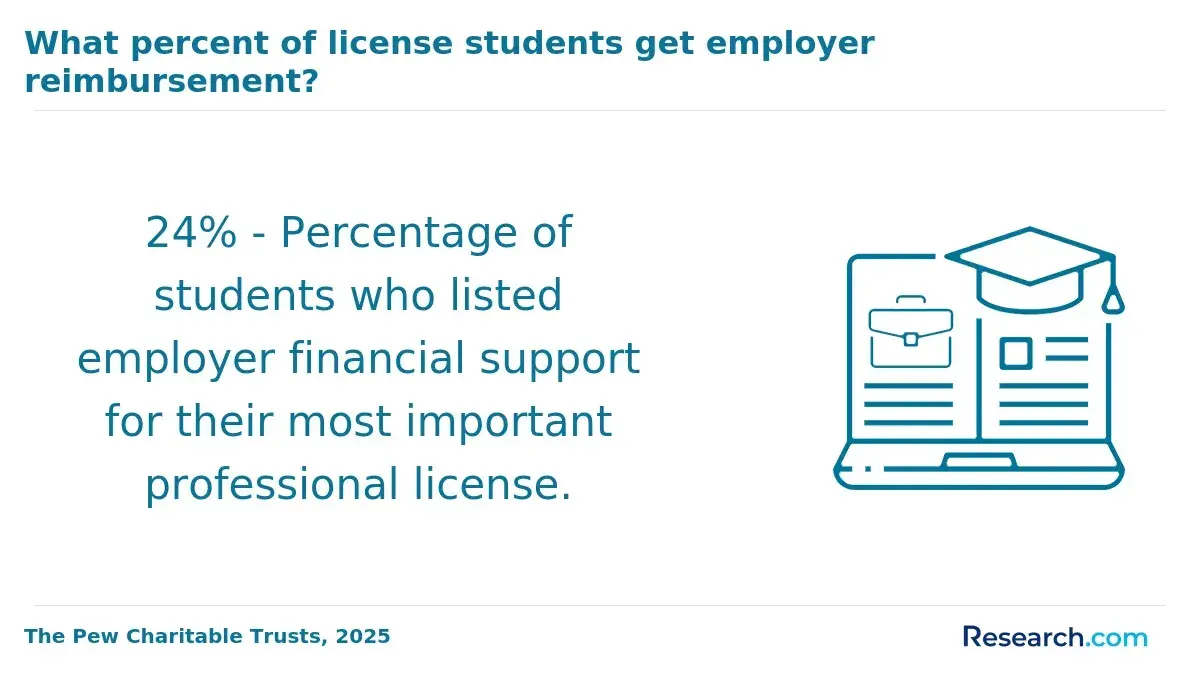
Affordability is a key concern for many considering clinical mental health counseling programs due to typically high tuition and lengthier degree timelines. Nearly 60% of graduate counseling students rely on federal financial aid to handle educational expenses.
Addressing common misconceptions can help clarify aid options.
Financial Aid Eligibility
- Myth: These degrees are too specialized to qualify for federal financial aid.
- Fact: Most accredited clinical mental health counseling programs meet eligibility criteria for federal loans and grants, including Direct Unsubsidized and PLUS loans.
Scholarship Availability
- Myth: Scholarships rarely exist specifically for counseling students.
- Fact: Numerous scholarships target mental health and counseling students, easing financial burdens.
Employer Assistance
- Myth: Employer tuition assistance is uncommon or unavailable for counseling studies.
- Fact: Many organizations offer tuition benefits that professionals can apply toward counseling degrees.
Loan Forgiveness
- Myth: Licensed counselors can't access public service loan forgiveness programs.
- Fact: Licensed clinical mental health counselors often qualify for loan forgiveness through public service initiatives.
When asked about financial aid, a recent graduate shared her journey: "I felt overwhelmed by the cost initially and worried about eligibility since the program was so focused on licensure. The process of applying for federal loans was straightforward once I learned the program was accredited. Scholarships specifically for mental health students were a huge help I hadn't expected. Balancing work and study, employer assistance made a real difference. Knowing public service loan forgiveness was an option after graduation kept me motivated. Overall, the financial resources available made pursuing my counseling degree feel achievable rather than daunting."
Knowing the specific degree requirements for different counseling careers helps students make informed decisions when choosing clinical mental health counseling programs. Demand for licensed mental health counselors is expected to grow by 23% from 2021 to 2031, reflecting the importance of meeting educational and licensure standards.
The following addresses common myths and facts about the necessity of professional clinical mental health counseling degrees in various career paths.
Degree Necessity
- Myth: All counseling careers require a professional clinical mental health counseling degree.
- Fact: Only licensed clinical roles generally mandate a master's degree accredited by CACREP or an equivalent body for licensure.
Licensure Requirements
- Myth: You can become a licensed professional counselor without a specialized counseling degree.
- Fact: State licensure boards require specific accredited degrees to ensure practitioners meet clinical competency standards.
Career Flexibility
- Myth: All jobs in counseling demand the same professional clinical mental health counseling degree.
- Fact: Some support or non-clinical roles, such as case management or school counseling, may accept related but different qualifications.
Impact on Eligibility
- Myth: Degree type does not influence eligibility for licensure exams or clinical practice.
- Fact: Holding a recognized professional degree is critical to qualifying for licensing exams and pursuing clinical counseling careers.
Investing time and money in a professional clinical mental health counseling degree requires a clear understanding of the potential financial returns. Knowing how these degrees impact salaries helps guide students and early-career professionals toward smarter educational choices.
Below are common misconceptions and realities about salary outcomes linked to these degrees.
Salary guarantees
- Myth: Obtaining a professional clinical mental health counseling degree guarantees a significantly higher salary.
- Fact: While advanced education can enhance earning possibilities, actual salary depends heavily on licensure status, work experience, and geographic location.
High-paying roles
- Myth: Only graduates with professional clinical mental health counseling degrees qualify for top-paying counseling positions.
- Fact: Many high-salary roles require licensure rather than a specific degree type; having an accredited counseling degree helps facilitate licensure but is not the sole requirement.
Career advancement
- Myth: Progressing in clinical mental health counseling careers is solely based on the degree you hold.
- Fact: Career growth depends on factors including specialization, practical experience, continuing education, and certifications in addition to the degree.
Long-term earnings
- Myth: Earning a professional clinical mental health counseling degree ensures better financial outcomes throughout one's career.
- Fact: Sustained career development, maintaining licensure, and adapting to job market demands are key drivers of long-term earnings, with the degree serving primarily as a foundation.
What Graduates Say About Their Professional Clinical Mental Health Counseling Degree
- Bryson: "The flexibility of the professional clinical mental health counseling program allowed me to balance work and study seamlessly. Considering the average cost of attendance was reasonable, it made my decision to enroll a smart investment in my future. Since graduating, I've seen a significant impact in my career growth, enabling me to connect better with clients and advance professionally. "
- Tripp: "Choosing to pursue a professional clinical mental health counseling degree was a reflective journey for me. The program's adaptability to my schedule meant I could continue supporting my family while studying, and the value far exceeded the average tuition costs. This degree has reshaped my approach to mental health, deepening my expertise and confidence in the field. "
- Joshua: "From a professional standpoint, enrolling in the professional clinical mental health counseling program was a calculated step informed by both cost and content quality. The program's flexible format accommodated my full-time job, making completion achievable. Today, the degree distinctly enhances my credentials and allows me to provide higher-level therapeutic services. "
Other Things You Should Know About Clinical Mental Health Counseling Degrees
In 2027, graduates must pass the National Counselor Examination (NCE) to become licensed counselors. The NCE assesses knowledge, skills, and abilities crucial for effective counseling and is a key requirement for obtaining licensure in most states.
In 2027, core curriculum requirements for a clinical mental health counseling degree typically include courses in counseling theory, psychopathology, assessment techniques, ethics, and cultural competency. Programs generally require a minimum of 60 credit hours, including practicum and internship experiences, to meet accreditation standards.
- What Is Clinical Mental Health Counseling and Why Is It Important? | Wake Forest University https://counseling.online.wfu.edu/blog/what-is-clinical-mental-health-counseling
- License Requirements for Mental Health Counselors https://www.op.nysed.gov/professions/mental-health-counselors/license-requirements
- Common Myths About Counseling Debunked https://online.sbu.edu/blog/common-myths-about-counseling
- Best Online Master's In Mental Health Counseling 2025 https://www.psychology.org/rankings/best-mental-health-counseling-programs/
- What I’ve learned as a new professional counselor https://www.counseling.org/publications/counseling-today-magazine/article-archive/article/legacy/what-ive-learned-as-a-new-professional-counselor
- Master of Science in Clinical Mental Health Counseling | NU https://www.nu.edu/degrees/jfk-social-sciences/programs/master-of-science-in-clinical-mental-health-counseling/
- Life Coach vs. Therapist: 8 Myths Debunked (Plus How to Choose) https://blog.opencounseling.com/life-coach-vs-therapist/
- Myths Vs. Facts About Mental Health Care - CW Psychological Services https://cwpsychologicalservices.com/myths-vs-facts-about-mental-health-care/
- Mental Health Counseling Master’s Program | WCU https://westcoastuniversity.edu/online-programs/master-of-clinical-mental-health-counseling
- Clinical Mental Health Counseling | Coppin State University https://www.coppin.edu/academics/clinical-mental-health-counseling


