2027 Fastest Online Fashion Design Degree Programs You Can Finish in Under 2 Years

Co-Founder and Chief Data Scientist
If you want to enter fashion design without spending four years in school, the key question is not simply which program is fastest. It is whether a short online program can give you the design skills, portfolio evidence, technical training, and credential value you need for the roles you want.
Accelerated online fashion design degrees can be a practical route for career changers, transfer students, working adults, and aspiring designers who already have some creative experience. According to the National Center for Education Statistics, nearly 30% of online students seeking design-related degrees prioritize accelerated programs to align with fast-changing industry demands. That interest reflects a real concern: fashion changes quickly, and a long academic timeline can delay portfolio building, internships, freelance work, and job applications.
This guide explains how the fastest online fashion design degree programs work, what makes them different from traditional programs, how transfer credits affect completion time, what technology you may need, how employers view accelerated online credentials, and what jobs may be available after graduation. The goal is to help you choose a program that is fast without being weak, affordable without being low-quality, and flexible without leaving you unsupported.
Key Benefits of Online Fashion Design Degree Programs You Can Finish in Under 2 Years
- Programs under 2 years enable quicker workforce entry, addressing the 15% projected job growth in fashion design by 2030, boosting earning potential sooner than traditional degrees.
- Accelerated online degrees often reduce tuition and ancillary costs by up to 30%, making fashion design education more affordable amid rising student debt concerns.
- Flexible online schedules support working adults, aligning with the 21% annual increase in demand for remote learning options among creative arts students.
What Features Make an Online Fashion Design Program Accelerated?
An online fashion design program is accelerated when it reduces the time to graduation through shorter terms, heavier course sequencing, flexible delivery, transfer-friendly policies, or a more focused curriculum. The best accelerated programs do not simply remove important coursework. They organize instruction so students can complete design, technical, and portfolio requirements in a shorter window.
Recent data shows a 15% increase in enrollment in accelerated online programs nationwide, highlighting the rising demand for speedier educational paths in creative fields. For fashion students, that speed can be useful, but only if the program still provides enough practice in sketching, garment construction concepts, textiles, digital design tools, trend analysis, and portfolio development.
- Compressed course terms: Instead of following a long semester format, accelerated programs often use shorter academic sessions. This lets students complete more courses in a calendar year, but it also means assignments, critiques, and projects arrive faster.
- Heavier course loads: Students may take more credits per term to reach graduation requirements sooner. This option works best for learners who can dedicate consistent weekly time to design work, software practice, readings, and revisions.
- Flexible scheduling: Many fast online programs use asynchronous classes, allowing students to watch lectures and complete assignments outside set meeting times. Flexibility helps working students, but it also requires strong self-management because deadlines can be frequent.
- Streamlined curriculum: Accelerated programs usually emphasize core fashion design competencies and reduce unnecessary electives. A strong streamlined curriculum should still include design process, textiles, visual communication, digital tools, production awareness, and portfolio preparation.
- Year-round study options: Programs that offer courses across more terms can reduce long breaks and help students keep momentum. This matters when certain courses are prerequisites for advanced design work.
- Transfer-credit acceptance: The fastest path is often available to students who already have college credits. Transfer policies can make the difference between finishing quickly and needing several additional terms.
Students comparing accelerated education in other fields may find that MSW online programs use similar ideas, such as condensed terms, structured progression, and flexible online coursework, though the curriculum and professional requirements differ substantially.
What Are the Online Fashion Design Degree Formats You Can Finish in Under 2 Years?
The online fashion design degree formats most likely to be completed in under 2 years are accelerated term-based programs, competency-based programs, full-time intensive tracks, and year-round enrollment models. Each format shortens the timeline in a different way, so the best choice depends on your background, schedule, transfer credits, and learning style.
- Accelerated term-based programs: These programs compress courses into shorter sessions so students can earn credits faster than they would in a traditional semester calendar. They are often a good fit for students who want a clear schedule and fixed deadlines.
- Competency-based education: In competency-based programs, students move forward by demonstrating mastery rather than waiting for a term to end. This can help experienced learners who already understand design concepts, software, or fashion production basics.
- Full-time intensive tracks: These tracks require a larger credit load and a serious time commitment. They may be the fastest option, but they can be difficult for students working full time or managing major personal responsibilities.
- Year-round enrollment models: Programs with continuous or frequent course starts reduce downtime between terms. This structure can help students avoid long academic breaks and complete sequences faster.
According to the National Center for Education Statistics, these accelerated formats have raised degree completion rates by over 20%, emphasizing their impact on learners aiming for swift graduation. Still, completion speed should not be the only measure of quality. A program that finishes quickly but leaves you without a strong portfolio, instructor feedback, or software experience may not serve your career goals well.
When comparing formats, ask three practical questions: Can you keep up with the weekly workload? Will the program let you build a portfolio that reflects your desired fashion niche? Does the school clearly explain how long completion takes for students with and without transfer credits?
Students also comparing affordability across online education can review cheapest business degree online programs to understand how tuition, transfer credits, and online delivery can affect total cost in other fields.
What Are the Admission Requirements for Accelerated Online Fashion Design Degrees?
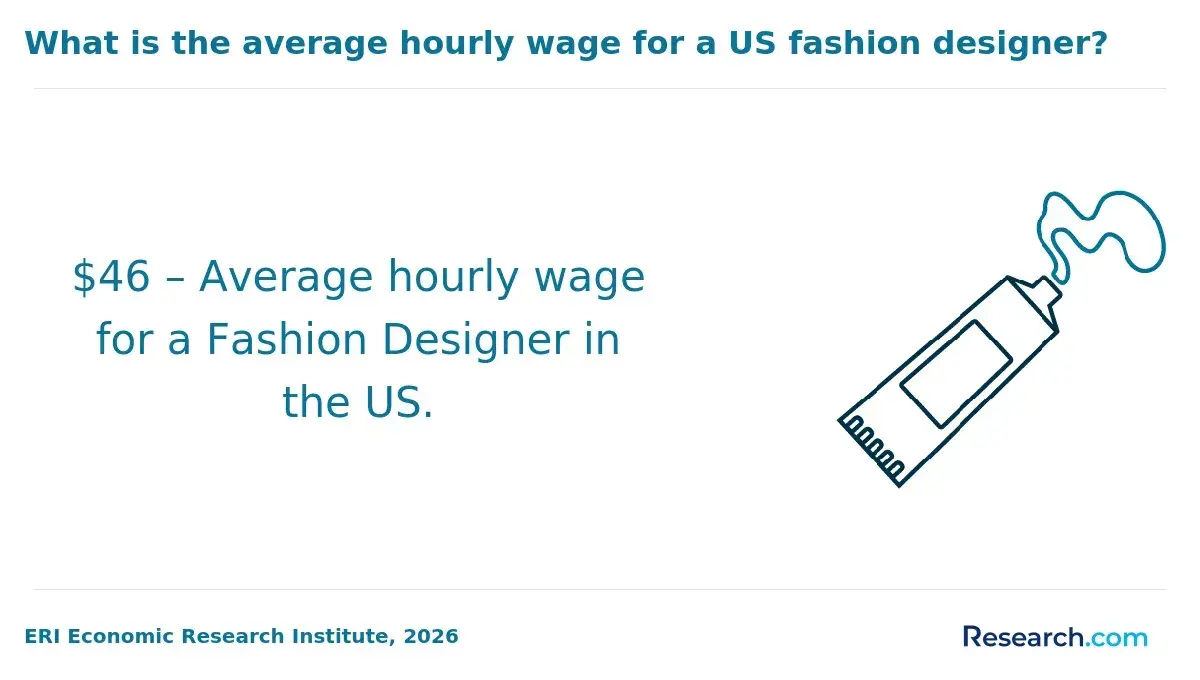
Admission requirements for accelerated online fashion design degrees are designed to show whether applicants can handle a condensed pace and produce creative work at a college level. Programs that can be completed in less than 2 years may expect stronger preparation than slower tracks because students have less time to adjust once classes begin.
- Minimum GPA: Programs often require a GPA between 2.5 and 3.0 on a 4.0 scale. A higher GPA may not guarantee admission, but it can show that the applicant is prepared for a demanding schedule.
- Prior coursework: Schools may look for completed courses in art, design, drawing, visual communication, computer applications, or related subjects. Prior coursework is especially important if the program has limited room for introductory classes.
- Creative portfolio: Many programs ask applicants to submit examples of drawings, garments, mood boards, digital designs, photography, styling projects, or other creative work. The portfolio helps admissions teams judge potential, originality, and technical readiness.
- Work experience: Experience in retail, styling, apparel production, costume work, merchandising, visual display, or another creative field can strengthen an application. It can also help students connect coursework to real industry problems.
- Placement tests or skills assessments: Some programs use assessments to place students into the correct course level. This can prevent students from entering advanced design or software courses before they are ready.
- Time management capabilities: Accelerated study requires reliable weekly availability. Schools may ask about work schedules, goals, or readiness for intensive online learning because poor time planning is one of the biggest risks in fast programs.
Applicants should also check whether the program accepts first-time college students, transfer students, or only students who already hold an associate degree or substantial credits. A program advertised as “under 2 years” may only be that fast for students entering with prior coursework.
Before applying, prepare official transcripts, portfolio files, a resume or experience summary, and any requested personal statement. If you are missing prerequisites, ask whether the school offers bridge courses or whether those courses must be completed elsewhere before admission.
Students considering related graduate or career paths can also explore fields such as online masters in psychology, especially if they are comparing online admissions requirements, affordability, or long-term professional options.
How Many Transfer Credits Do Fast Online Fashion Design Programs Accept?
Fast online fashion design programs commonly use transfer credits to shorten the time to graduation. About 64% of online degree students transfer credits from other institutions, making this one of the most important strategies for finishing sooner and reducing cost.
Most schools review transfer credits individually. They usually consider where the credits were earned, whether the institution was accredited, how closely the course content matches the fashion design curriculum, and whether the credits are recent enough to apply to technical or software-heavy requirements.
- Maximum transferable credits: Programs usually allow between 30% and 75% of total credits to transfer, with typical caps ranging from 30 to 90 credits depending on the degree level and total credits required.
- Evaluation criteria: Schools generally require official transcripts. For design, art, or technical courses, they may also request course descriptions, syllabi, portfolios, or project samples to confirm that prior learning matches program outcomes.
- Impact on program length: Transfer credits can make an under-two-year timeline realistic, especially for students who already completed general education or foundational design courses. However, most schools still require a minimum number of credits to be completed through their own program.
- Best credits to transfer: General education courses, introductory art classes, drawing, design fundamentals, computer applications, and approved electives may transfer more easily than advanced fashion studio courses.
- Credits that may not transfer: Highly specialized fashion courses, outdated software courses, non-accredited coursework, or classes with weak alignment to the program’s learning outcomes may be rejected or applied only as electives.
A graduate who finished an accelerated online fashion design program in less than two years described the transfer process as both helpful and time-consuming. He said, “Gathering all my transcripts and syllabi took longer than expected.” Once credits were accepted, the shortened timeline became more realistic. He also emphasized the value of advisor support: “Their guidance helped me understand which courses truly matched and where I'd need to fill gaps.”
The practical lesson is simple: request a transfer evaluation before committing to a program. Do not rely only on a general admissions estimate. Ask for a written credit review that shows which credits apply to degree requirements, which count as electives, and which do not transfer.
How Many Classes Do You Take at Once in a Fast Online Fashion Design Program?
In a fast online fashion design program, students may take several classes at once, especially if the goal is to finish in under 2 years. Nearly 40% of students in accelerated online programs enroll in over three classes per term, reflecting the intensity required for shorter completion timelines.
The right course load depends on more than ambition. Fashion design courses often involve critique cycles, visual research, digital files, drafting, concept development, and project revisions. A single design course can require more hands-on time than a lecture-based class, so students should evaluate workload carefully before enrolling in multiple studio-style courses at the same time.
- Term length: Condensed terms, such as 8 or 12 weeks, move quickly. Assignments that would normally unfold over a longer semester may be due within a much tighter period.
- Course sequencing: Some courses must be taken in order. For example, a student may need to complete design fundamentals before advanced portfolio development or digital fashion illustration.
- Pacing models: Self-paced or competency-based options may let students adjust the number of active courses based on availability. Fixed-term programs usually provide less flexibility once the term begins.
- Project intensity: Courses involving garment concepts, textile research, CAD tools, or portfolio pieces may require more weekly hours than general education courses.
- Work and family obligations: Students working full time should be cautious about taking the maximum course load unless they have a realistic weekly study plan.
A smart approach is to ask the program how many hours students typically spend each week per course. Also ask whether the school recommends a standard sequence for accelerated students. Taking too many courses can backfire if it weakens the quality of your portfolio or causes missed deadlines.
Do Employers Respect Accelerated Online Fashion Design Degrees?
Employers can respect accelerated online fashion design degrees when the program is accredited, the coursework is relevant, and the graduate can show strong design work. In fashion, the degree matters, but the portfolio, software skills, internships, freelance projects, and professional presentation often matter just as much.
Recent data shows that nearly 70% of hiring managers are open to applicants with online degrees, especially if the coursework is accredited and relevant to industry needs. For fashion design candidates, the biggest concern is usually not whether the degree was online or accelerated. It is whether the applicant can create compelling work, understand materials and markets, use modern design tools, accept critique, and meet deadlines.
- Accreditation: Employers are more likely to trust credentials from properly accredited institutions because accreditation signals that the school meets recognized academic standards.
- Skills relevance: Strong programs teach current design technologies, sustainable methods, trend research, portfolio development, and market-aware design thinking.
- Demonstrated experience: A polished portfolio, internship, freelance work, capstone project, or production experience can answer employer concerns more effectively than the program timeline alone.
- Program rigor: Accelerated does not automatically mean easier. Employers may respect fast programs when students complete demanding projects, critiques, and applied assignments.
- Professional readiness: Communication, deadline management, collaboration, and revision skills are especially important in fashion workplaces where timelines can be tight.
Students can improve employer perception by graduating with a focused portfolio rather than a broad but uneven collection of assignments. If you want to work in apparel design, textile design, accessories, costume, merchandising, or freelance fashion illustration, tailor your projects toward that goal before graduation.
When evaluating a program, ask whether students complete portfolio reviews, capstone work, internships, industry projects, or faculty critiques. Those experiences help translate an accelerated degree into evidence employers can evaluate.
How Much Does a Fast Online Fashion Design Degree Cost?
The cost of a fast online fashion design degree depends on tuition, credit requirements, fees, supplies, software, transfer credits, and financial aid. A shorter program can reduce total enrollment time, but it is not automatically cheaper. Students should calculate the full cost before enrolling.
- Per-credit tuition: Tuition is typically the largest expense, with rates fluctuating between $300 and $700 or more per credit. A lower per-credit rate can help, but total cost also depends on how many credits you must complete at that school.
- Total number of credits: Many fast-track fashion design degrees require between 30 and 60 credits, substantially less than standard programs. Students with accepted transfer credits may pay for fewer remaining credits.
- Additional fees: Students should budget for technology fees, application fees, course materials, textbooks, digital resources, portfolio costs, and possibly specialized design software or hardware.
- Supplies and tools: Even online fashion programs may require sketching materials, fabric samples, sewing or construction tools, printing, digital drawing equipment, or access to industry-standard software.
- Cost-saving opportunities: Transfer credits, scholarships, employer tuition assistance, payment plans, and financial aid can reduce out-of-pocket costs. Students should confirm eligibility directly with the school’s financial aid office.
One graduate from an accelerated online fashion design program said completing the degree in under two years helped her avoid substantial living expenses and the growing costs associated with longer study periods. She applied prior credits from a community college and looked for scholarships for creative arts students. “Balancing fast-paced coursework with work was challenging, but it felt rewarding knowing I was saving thousands compared to a traditional degree timeline,” she explained.
Before choosing a program, ask for an itemized estimate that includes tuition, fees, technology requirements, materials, and any expected software costs. Also ask whether the quoted cost assumes transfer credits. A program may look affordable only because it assumes students enter with credits already completed.
What Jobs Can You Get With a Fast Online Fashion Design Degree?
A fast online fashion design degree can prepare graduates for entry-level and early-career roles in design, textiles, production, styling, merchandising support, and freelance creative work. The specific jobs available depend on the strength of your portfolio, technical skills, experience, location, and professional network.
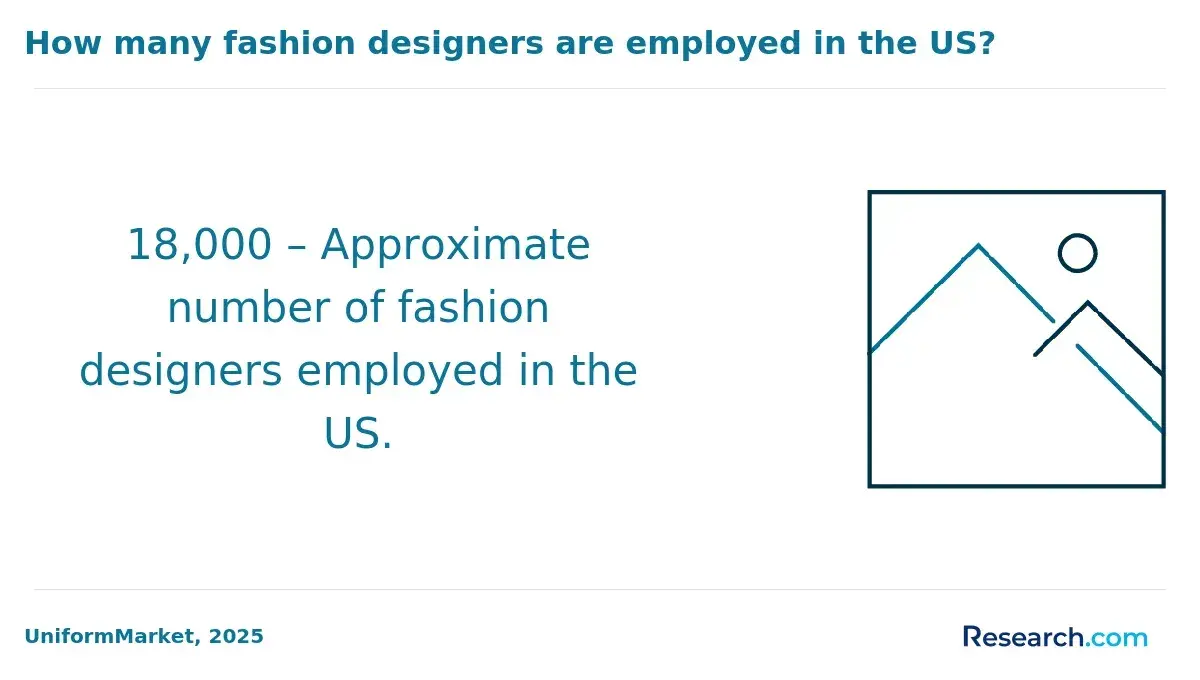
The fashion industry offers steady opportunities, with employment of fashion designers projected to grow 2% from 2024 to 2034, reflecting ongoing demand. Because this is a competitive field, students should use the degree program to build practical evidence of skill, not just complete courses quickly.
- Fashion Designer: Fashion designers create original clothing, accessories, or collections. They combine visual creativity with knowledge of fabrics, fit, construction concepts, consumer trends, and design software. Entry-level salaries average around $53,000 annually, with growth potential as experience develops.
- Textile Designer: Textile designers create patterns, prints, textures, and fabric concepts for apparel or related products. This role often requires strong color sense, repeat pattern knowledge, digital design skills, and an understanding of materials.
- Production Assistant: Production assistants support the operational side of fashion design. They may coordinate samples, track timelines, communicate with vendors, organize materials, and help teams meet deadlines.
- Fashion Illustrator or Digital Design Assistant: Graduates with strong drawing and software skills may assist with concept visuals, technical sketches, presentation boards, or digital assets for design teams.
- Styling or Merchandising Support: Students interested in the commercial side of fashion may pursue assistant-level roles involving product presentation, trend research, visual coordination, or collection support.
- Freelance Designer: Some graduates use their portfolios to begin freelance work in illustration, custom apparel concepts, pattern ideas, styling support, or small-brand design projects.
To improve job prospects, choose courses and projects that align with your target role. A student pursuing textile design should graduate with textile-focused samples and digital pattern work. A student pursuing apparel design should show collection development, sketches, material thinking, and finished portfolio presentations.
Students trying to manage education costs while preparing for fashion careers can also compare broader affordable options, including cheap online degrees, before committing to a specific program.
What Technology Is Required for Accelerated Online Fashion Design Programs?
Accelerated online fashion design programs require dependable technology because students complete design assignments, critiques, presentations, and software-based projects on tight timelines. Technical problems can quickly cause missed deadlines, so students should confirm hardware and software requirements before enrolling.
- Reliable high-speed internet: Students need stable internet for streaming lectures, uploading large design files, joining live critiques, downloading software, and communicating with instructors.
- Learning management systems (LMS): The LMS is where students access lectures, assignments, grades, discussion boards, and deadlines. In an accelerated program, checking the LMS frequently is essential.
- Video conferencing tools: Live critiques, group meetings, instructor feedback sessions, and presentations often use video platforms. Students should have a working camera, microphone, and quiet space when possible.
- Productivity software: Word processing, spreadsheets, slide presentations, file storage, and project planning tools help students organize research, schedules, budgets, and design presentations.
- Specialized design software: Fashion programs may require software for illustration, image editing, digital pattern work, technical flats, portfolio layouts, or garment visualization. Students should ask whether licenses are included in tuition or purchased separately.
- Advanced hardware devices: A computer with enough processing power, memory, and display quality is important for graphic-intensive work. Some students may also need a drawing tablet, scanner, printer, external storage, or color-accurate monitor.
Before enrollment, request the program’s technology checklist. Pay attention to operating system requirements, software version requirements, file format expectations, and whether coursework can be completed on a basic laptop. If the program requires advanced software but offers little technical support, that can slow progress in an accelerated schedule.
Students comparing fast academic paths in other areas may also find it helpful to review the easiest associate's degree to get, especially when weighing speed, workload, and technical demands.
How Do You Choose the Fastest Online Fashion Design Degree Program?
To choose the fastest online fashion design degree program, look beyond the advertised completion time. A good program should be fast, accredited, transparent about cost, realistic about workload, and strong enough to help you build a portfolio that supports your career goals.
- Program length: Confirm the actual duration in weeks or months. Ask whether the under-two-year timeline applies to all students or only those with transfer credits.
- Curriculum structure: Review the course sequence, term length, course availability, portfolio requirements, and whether classes are offered year-round. Make sure required courses will be available when you need them.
- Accreditation: Choose a school with recognized regional or national accreditation. Accreditation can affect credit transfer, financial aid eligibility, graduate study options, and employer confidence.
- Cost: Compare tuition, fees, technology expenses, materials, software, and financial aid. Ask for the total estimated cost, not just the per-credit rate.
- Career outcomes: Look for job placement information, alumni examples, portfolio outcomes, internship access, employer partnerships, or career services. Treat vague career claims cautiously.
- Transfer-credit policy: If you already have credits, request a formal transfer review before enrolling. Transfer acceptance can change both cost and completion time.
- Portfolio support: A fast program should still include critique, revision, and portfolio development. Without those elements, students may graduate quickly but struggle to compete for design roles.
- Student support: Accelerated students benefit from responsive advising, tutoring, technical support, library resources, and clear communication from instructors.
A practical way to compare programs is to create a shortlist and ask each school the same questions: How many credits must I complete? Which credits transfer? What is the total cost? What software is required? How many hours per week should I expect? What portfolio pieces will I graduate with? The strongest option is the one that gives clear answers and fits your available time, budget, and career target.
What Graduates Say About Their Fastest Online Fashion Design Degree Programs
- : "I chose the accelerated online fashion design program because it allowed me to complete my degree in less than two years without sacrificing quality. The total cost was remarkably affordable compared to traditional schools, around $15,000, which made it accessible for me. Since graduating, I've quickly landed a design role at a top apparel company, and I credit the program's fast pace for keeping me motivated and career-ready. — April"
- : "Enrolling in a fast online fashion design degree was a practical decision, especially since it cost far less than typical four-year programs-mine was about $18,000 in total. The intensity of completing the course in under two years gave me a real sense of discipline and focus. Reflecting on it now, that swift immersion truly accelerated my confidence and understanding as a professional designer. — Jewel"
- : "The accelerated fashion design online degree I completed in just 20 months cost approximately $16,000, which was a smart investment for me. The condensed timeline taught me to manage deadlines efficiently, a skill that's invaluable in the industry. Professionally, finishing fast gave me a competitive edge, allowing me to start freelance projects sooner and establish my brand early on. — Jackie"
Other Things You Should Know About Fashion Design Degrees
Admission requirements for fast-track online fashion design degree programs in 2027 typically include a high school diploma or GED, a personal statement, and a portfolio showcasing your design skills and creativity. Some programs may also require letters of recommendation or an interview.
Online fashion design classes in 2027 require a reliable computer, high-speed internet, and access to design software like Adobe Creative Cloud. Certain programs may also require a graphics tablet for digital sketching and a camera for portfolio creation, ensuring a comprehensive learning experience.
References
- Intensive Program in Fashion Design - ESMOD France https://www.esmod.com/en/programme/intensive-fashion-design-training/
- 100% Online MDes Design https://online.sunderland.ac.uk/online-course/mdes-design-with-fashion-design/
- Fashion Design & Development https://www.designschool.com/fashion-design/
- Online Fashion Design Degree | Rocky Mountain College of Art + Design https://www.rmcad.edu/academics/program/online/fashion-design/
- Fashion Design & Technology https://www.lst.ac/level-four-qualification/fashion-design-and-technology
- Mangalayatan University Jabalpur - Best University in Madhya Pradesh https://www.mangalayatan.ac.in/blog/top-10-benefits-of-pursuing-a-diploma-in-fashion-designing/
- The Fashion Design Institute https://www.thefashiondesigninstitute.com/au/en/blog-learning-benefits
- Part-Time Fashion Courses | Fashion Retail Academy https://www.fashionretailacademy.ac.uk/part-time-fashion-courses
- Benefits of Fashion Design Courses & Career Growth Insights https://www.itm.edu/blog/idm-benefits-of-fashion-design-courses-and-more/