2027 How to Become a Licensed Therapist (LPC) in Los Angeles, CA

Co-Founder and Chief Data Scientist
If you want to become a counselor in Los Angeles, the first thing to know is that California does not use “LPC” as the formal license title. The state license is the Licensed Professional Clinical Counselor, or LPCC. Many students and employers still use “LPC” informally, but your education, supervised hours, exams, renewal rules, and application paperwork are governed by California’s Board of Behavioral Sciences.
This guide explains how the Los Angeles counseling pathway works in practical terms: what degree you need, how the APCC-to-LPCC process works, where students can train, how much counselors may earn, which employers hire in LA, and what mistakes can delay licensure. It is designed for prospective graduate students, associate counselors, career changers, and licensed professionals comparing counseling opportunities in the Los Angeles area.
Quick Answer: Becoming an LPC or LPCC in Los Angeles, CA
To become a professional counselor in Los Angeles, you generally need a qualifying master’s degree, registration as an Associate Professional Clinical Counselor, at least 3,000 hours of supervised postgraduate counseling experience, required exams, fingerprinting, and approval from the California Board of Behavioral Sciences. Los Angeles can be a strong market because counselor employment is projected to grow 19% from 2023 to 2033, but the city is also competitive and expensive, so program choice, supervision quality, specialization, and employer fit matter.
- Los Angeles gives future counselors access to highly varied client populations, community agencies, hospitals, universities, substance use programs, and county mental health systems.
- LPCs in Los Angeles are often reported in the approximate $65,000 to $80,000 annual range, while salary can vary by license status, employer, specialization, and setting.
- Major employers and training sites include Cedars-Sinai Medical Center, UCLA Health, and the Los Angeles County Department of Mental Health, along with nonprofit, school, and private practice settings.
- What education do you need to become an LPC or LPCC in Los Angeles?
- How do you apply for counselor licensure in Los Angeles?
- Which Los Angeles-area schools offer counseling programs?
- Where can counseling students complete internships or practicums in Los Angeles?
- How much do LPCs make in Los Angeles?
- What supervision is required for LPC licensure in Los Angeles?
- Can LPCs specialize in substance abuse counseling in Los Angeles?
- What professional development options can expand an LPC career?
- Is Los Angeles a good place to work as an LPC?
- How competitive is the LPC job market in Los Angeles?
- How can advanced certifications broaden LPC opportunities?
- Are there counseling associations in Los Angeles?
- Which employers commonly hire LPCs in Los Angeles?
- Can LPCs move into education-related roles in Los Angeles?
- What renewal and continuing education rules apply to LPCs in Los Angeles?
What are the educational requirements to become an LPC in Los Angeles, CA?
The required academic path for counseling licensure in Los Angeles starts with graduate education. Because California’s official credential is the LPCC, applicants should choose a program that prepares them for California Board of Behavioral Sciences requirements rather than relying only on a school’s general counseling title.
- Complete a master’s degree in counseling, psychology, or a closely related field from a regionally accredited institution.
- Verify that the curriculum covers essential counseling areas, including counseling theories, human development, psychopathology, assessment, ethics, and professional practice.
- Confirm California Board of Behavioral Sciences alignment before enrolling, especially if the program is online, out of state, or advertised for multiple counseling licenses.
- Finish required practicum or clinical training within the graduate program so you gain supervised client-facing experience before postgraduate registration.
| Education Decision | Why It Matters for Los Angeles Licensure | What to Ask Before Enrolling |
| Regional accreditation | California expects applicants to complete graduate work from an acceptable accredited institution. | Is the university regionally accredited, and will the registrar provide official transcripts accepted by the BBS? |
| California-specific curriculum | A strong counseling program may still miss coursework required for California licensure. | Does the program publish a California LPCC licensure disclosure or advising checklist? |
| Practicum placement support | Los Angeles has many training sites, but placements can be competitive. | Does the school help students secure approved clinical sites, or must students find their own? |
| Modality: online, hybrid, or campus | Online study can improve flexibility, but licensure alignment must be verified carefully. | Are online students eligible for the same practicum support and licensure advising as campus students? |
Local and nearby institutions named for meeting relevant counseling preparation standards include the University of Southern California and California State University, Los Angeles. Other nearby options mentioned for LPC academic preparation include California State University, Long Beach and Pepperdine University in Malibu. When comparing programs, do not assume that a respected university automatically meets every LPCC requirement; request written confirmation from the program before committing.
How do you apply for licensure as a counselor in Los Angeles, CA?
The Los Angeles licensure process follows California state rules. In practical terms, you move from graduate education to associate registration, supervised experience, exams, background review, and final LPCC approval. The process is document-heavy, so keeping organized records from the beginning can prevent delays.
- Register as an Associate Professional Clinical Counselor, or APCC, after completing the required graduate education so you can begin counting supervised postgraduate hours.
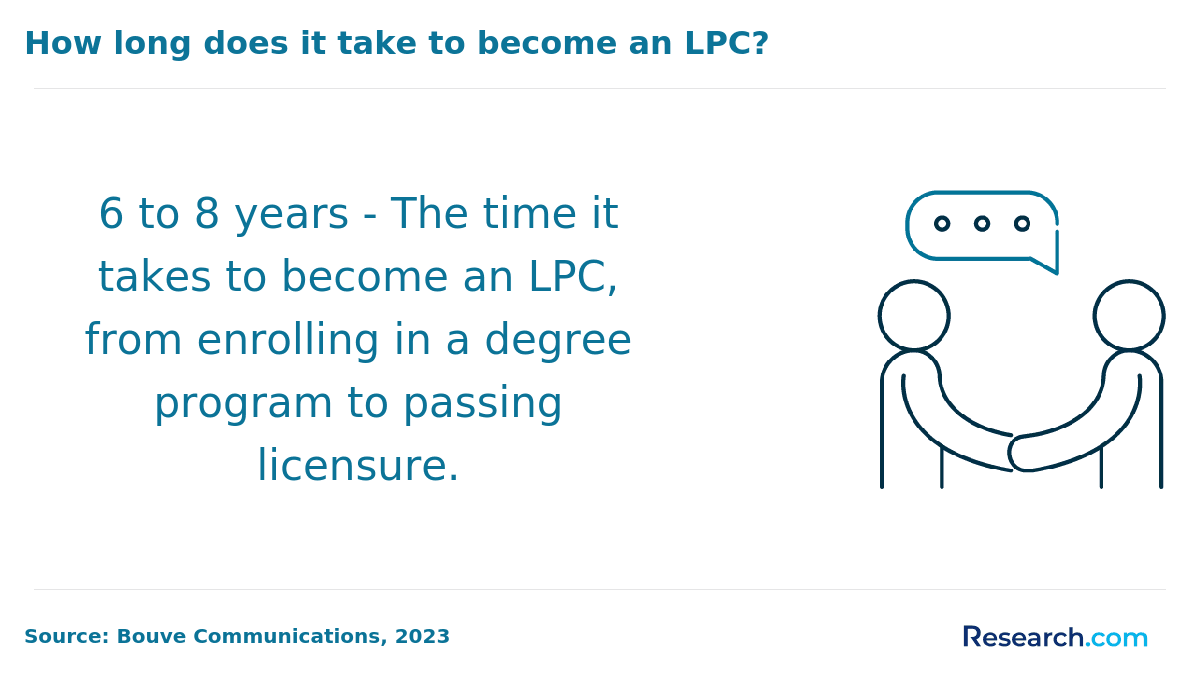
- Accumulate at least 3,000 hours of supervised postgraduate counseling experience over a minimum of two years, following California rules for supervision, client contact, and acceptable practice settings.
- Pass the California Law and Ethics Examination, which tests your knowledge of state-specific legal duties, ethical standards, confidentiality, mandated reporting, and professional conduct.
- Pass the National Clinical Mental Health Counseling Examination, or NCMHCE, or another national examination recognized by the BBS.
- Submit a complete application to the California BBS with official transcripts, supervised experience verification, examination documentation, and other required forms.
- Complete the required background check and fingerprinting as part of the state review process.
| Stage | Primary Goal | Common Delay to Avoid |
| Graduate degree | Meet California academic requirements. | Choosing a program without confirming LPCC coursework alignment. |
| APCC registration | Become eligible to earn supervised postgraduate hours. | Starting clinical work before registration or supervision rules are clear. |
| Supervised experience | Build clinical competence under a qualified supervisor. | Failing to track hours, supervision type, and supervisor signatures consistently. |
| Exams | Demonstrate legal, ethical, and clinical readiness. | Waiting too long to prepare for the California Law and Ethics Examination. |
| Final application | Receive approval to practice independently as an LPCC. | Submitting incomplete records or inconsistent employment documentation. |
Once licensed, counselors can work across a wide range of mental health and human services settings. If you are still comparing paths, reviewing careers in counseling and mental health services can help you see how LPCC roles differ from adjacent counseling, therapy, and social service careers.
Which schools in Los Angeles, CA offer programs for aspiring LPCs?
Los Angeles and the surrounding region have several graduate programs that can prepare students for counseling or therapy licensure. Your main task is not simply finding a counseling degree; it is finding a degree that fits your intended California license, preferred client population, schedule, budget, and practicum needs.
Programs and institutions commonly considered by aspiring LPCs or LPCCs include:
- The University of Southern California, which offers a Master of Education in Counseling and is described as CACREP-accredited, giving students a curriculum built around professional counseling standards.
- California State University, Los Angeles, which offers a Master of Science in Counseling with options such as Marriage and Family Therapy and an emphasis on applied skills and research relevant to California practice.
- Azusa Pacific University in Pasadena, which offers a Master of Arts in Clinical Psychology with a Marriage and Family Therapy emphasis and accreditation through WASC and programmatic bodies.
| School | Program Mentioned | Best Fit for Students Who Want | Important Follow-Up Question |
| University of Southern California | Master of Education in Counseling | A professional counseling curriculum connected to recognized standards. | How does the program map to California LPCC requirements? |
| California State University, Los Angeles | Master of Science in Counseling | Public-university training with specializations and practical preparation. | Which track best matches LPCC, MFT, school counseling, or another license goal? |
| Azusa Pacific University | Master of Arts in Clinical Psychology | Clinical psychology training with a Marriage and Family Therapy emphasis. | Which license does the curriculum primarily prepare graduates to pursue? |
Because counseling, clinical psychology, marriage and family therapy, and school counseling programs may lead to different credentials, ask each admissions office for a licensure disclosure in writing. Students who want a broader national comparison can also review Research.com’s guide to the best LMHC programs to compare mental health counseling graduate options beyond Los Angeles.
Are there internship or practicum opportunities for counseling students in Los Angeles, CA?
Yes. Los Angeles has many practicum and internship settings because of its large health care, university, nonprofit, county, and substance use treatment systems. These placements are not just resume builders; they are where students learn intake, assessment, documentation, treatment planning, crisis response, ethical decision-making, and culturally responsive care.
- Los Angeles County Department of Mental Health: students may gain exposure to community-based care, client assessment, treatment planning, group services, and coordinated support for residents with complex mental health needs.
- UCLA Counseling and Psychological Services: training roles may involve intake work, psychoeducational groups, collaboration with multidisciplinary teams, and services focused on student mental health.
- Tarzana Treatment Centers: placements can emphasize addiction, co-occurring disorders, case management, crisis response, and evidence-based treatment in outpatient or residential settings.
| Training Setting | Typical Learning Opportunities | Who It May Suit Best |
| County mental health | Severe mental health needs, case coordination, crisis work, public systems. | Students interested in community care, underserved populations, and public service. |
| University counseling center | Brief therapy, intake assessment, groups, prevention programming. | Students drawn to emerging adults, student wellness, and campus mental health. |
| Substance use treatment center | Addiction counseling, relapse prevention, co-occurring disorders, group therapy. | Students who want a substance abuse or integrated behavioral health focus. |
| Private practice or group practice | Outpatient therapy, documentation, client engagement, referral coordination. | Students considering long-term private practice or specialty outpatient work. |
Before accepting a placement, confirm that the site and supervisor meet your program’s requirements and California’s expectations. A placement can be clinically valuable but still fail to count properly if documentation, supervision, or role responsibilities do not align with licensure rules.
How much do LPCs make in Los Angeles, CA?
LPCs in Los Angeles are often reported as earning between $55,000 and $75,000 per year on average, with entry-level roles starting closer to $50,000. Experienced counselors, especially those working in specialized services or private practice, may earn more than $90,000. Another commonly cited local range places the average at approximately $65,000 to $80,000 annually.
Salary varies widely because “counselor” roles are not all structured the same way. A pre-licensed associate, a licensed clinician in a hospital system, a bilingual therapist at a community agency, and a private practice clinician can have very different pay, benefits, caseloads, supervision structures, and reimbursement options.
| Factor | How It Can Affect Earnings | What to Evaluate |
| License status | Fully licensed counselors usually have stronger job access and may qualify for roles involving independent practice or insurance reimbursement. | Does the employer hire APCCs, LPCCs, or both? |
| Employer type | Hospitals and large health systems may offer stronger salary and benefits than some small nonprofits or early private practice roles. | Compare health insurance, retirement, paid time off, supervision, and productivity requirements, not just salary. |
| Specialization | Skills in addiction, trauma, bilingual services, crisis care, or integrated behavioral health can improve marketability. | Which specialties are in demand among LA employers you want to target? |
| Private practice | Income can rise with experience and referrals, but expenses, marketing, insurance panels, and unpaid administrative time matter. | Can you sustain income during the early stages of building a caseload? |
Prospective counselors should treat salary ranges as planning estimates, not guarantees. For broader licensing context, Research.com’s guide to counseling certification requirements licensure by state can help you compare how requirements and career mobility differ across locations.
What are the supervision requirements for LPCs in Los Angeles, CA?
California requires applicants to complete at least 3,000 hours of supervised clinical work before independent licensure. In Los Angeles, those hours are usually earned in agencies, hospitals, schools, community mental health programs, substance use treatment centers, group practices, or other approved environments.
The supervised experience period commonly takes two to three years, depending on whether the associate works full time or part time and whether the position provides enough qualifying client contact and supervision. A qualified licensed mental health professional must provide supervision that follows California Board of Behavioral Sciences rules.
| Supervision Issue | Why It Matters | Smart Question to Ask |
| Supervisor qualification | Hours may be rejected if the supervisor does not meet California requirements. | Are you approved and eligible to supervise APCCs under BBS rules? |
| Hour tracking | Licensure depends on accurate documentation of qualifying experience. | What system will we use to track hours, client contact, and supervision? |
| Clinical variety | Exposure to different client needs strengthens competence and future employability. | Will I see individuals, groups, families, crisis cases, or specialized populations? |
| Workload and burnout | Associate roles can be demanding, especially in high-need agencies. | What is the expected caseload, and how are crises and documentation handled? |
Can LPCs Specialize in Substance Abuse Counseling in Los Angeles, CA?
Yes. Substance abuse counseling is one of the most practical specialization areas for LPCs and LPCCs in Los Angeles because the region has treatment centers, community clinics, residential programs, hospitals, and nonprofit providers serving clients with addiction and co-occurring mental health conditions.
Specializing in this area may involve additional coursework, continuing education, supervised experience with substance use populations, and credentials that strengthen your ability to assess addiction, support relapse prevention, coordinate care, and work with families. It can also make you more competitive for roles in rehabilitation centers, integrated behavioral health settings, and community-based programs.
If addiction counseling is your main goal, compare the LPCC route with specialized addiction counseling pathways. Research.com’s local guide on how to become a drug counselor in Los Angeles explains a more targeted route for professionals focused on substance abuse work.
What professional development opportunities can expand my LPC career in Los Angeles, CA?
Professional development matters in Los Angeles because employers and clients often look for counselors with more than a generalist background. Training in trauma-informed care, substance use treatment, crisis intervention, telehealth ethics, bilingual or culturally responsive counseling, group therapy, and evidence-based modalities can help counselors serve more specific populations.
Career growth can also come from adjacent credentials. For example, a counselor who wants to work more deeply with couples and families may compare LPCC practice with marriage and family therapy training. Research.com’s guide on how to become a marriage and family therapist in Los Angeles can help you understand how that license path differs and where it may overlap.
| Professional Development Option | Best For | Potential Career Benefit |
| Trauma-focused training | Counselors working with violence, grief, crisis, or complex trauma. | Improves fit for community agencies, private practice niches, and specialized programs. |
| Substance use training | Clinicians serving addiction or co-occurring disorders. | Expands opportunities in treatment centers and integrated care settings. |
| Telehealth and digital care training | Counselors offering remote or hybrid services. | Supports ethical, compliant, and accessible care delivery. |
| Supervision or leadership training | Experienced counselors moving into management, training, or clinical supervision. | Can support advancement into program director, supervisor, or consultant roles. |
Is Los Angeles, CA a good place to work as an LPC?
Los Angeles can be a strong place to build a counseling career, but it is not the easiest market for everyone. The city offers extraordinary clinical variety and demand for mental health services, while also bringing high living costs, competition, and complex public systems.
- Diverse client populations and broad clinical exposure: LA’s multicultural communities give counselors opportunities to develop cultural humility, language-specific services, and experience with many presenting concerns.
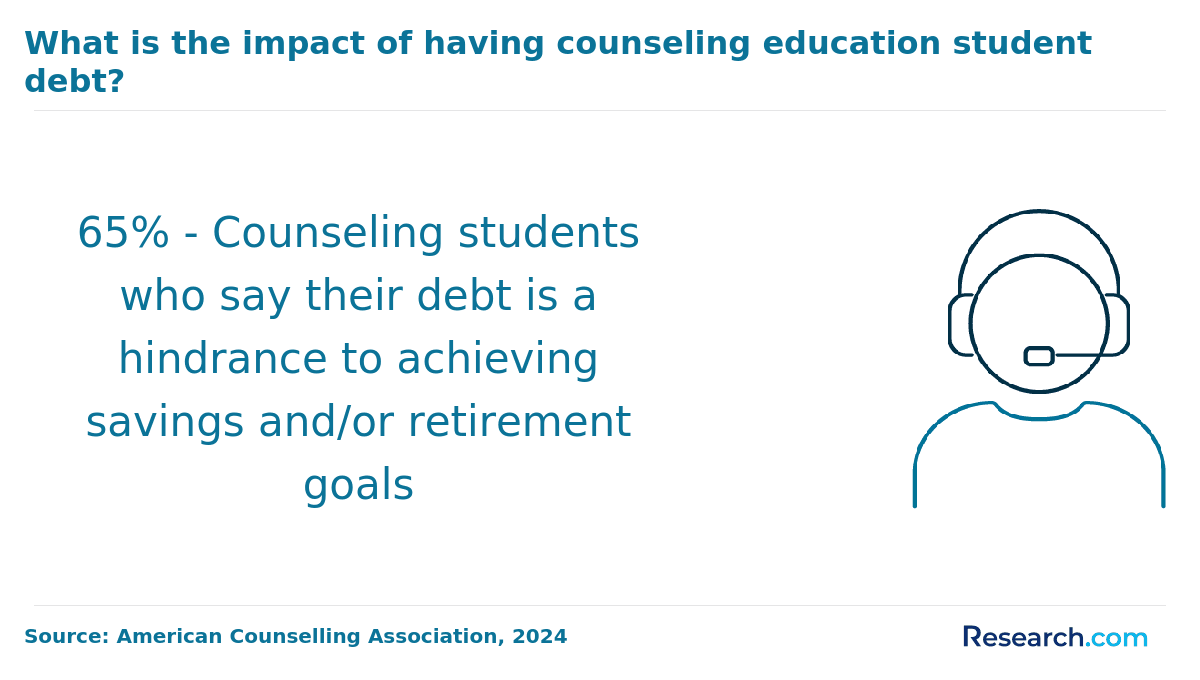
- High cost of living and competitive practice conditions: New counselors should calculate rent, commuting, student loan payments, and insurance costs before assuming a salary range will feel comfortable.
- Strong public mental health infrastructure with administrative demands: California’s mental health investment can create funded roles and outreach opportunities, but public systems may involve extensive documentation, shifting funding, and complex compliance rules.
- High need among underserved communities: Counselors committed to access and equity can find meaningful work, although reimbursement, caseload, and resource limitations can be challenging.
| Los Angeles Advantage | Trade-Off to Consider | Who May Thrive |
| Large and varied mental health market | More competition from graduates and licensed clinicians. | Counselors with clear specialties, strong networking, and solid supervision. |
| Many agencies, hospitals, and universities | Hiring processes can be slow and requirements can vary by employer. | Applicants who are organized and flexible about setting type. |
| Opportunities to serve underserved communities | Roles may carry high caseloads and emotional intensity. | Counselors with strong boundaries, resilience, and support systems. |
| Potential for private practice growth | Building referrals in a saturated market takes time. | Clinicians with business skills, a niche, and realistic financial planning. |
How competitive is the job market for LPCs in Los Angeles, CA?
The Los Angeles job market for LPCs and LPCCs is moderately competitive. Demand is supported by public awareness of mental health, access to care initiatives, and the size of the region’s population. At the same time, LA attracts many counseling graduates, associates, therapists, psychologists, social workers, and private practitioners, so applicants need more than a degree to stand out.
Licensure status is one of the biggest dividing lines. Pre-licensed professionals may find valuable associate roles, but fully licensed counselors generally have stronger access to independent clinical positions, insurance-related work, private practice opportunities, and higher-paying roles. Unlicensed therapists often face narrower job options and lower compensation.
- Employment settings include private practice, hospitals, schools, community agencies, county programs, and treatment centers.
- Competition is usually stronger than in smaller or less densely populated regions.
- Full licensure can improve credibility, pay potential, and access to clinical roles.
- Ongoing public health priorities and underserved community needs help sustain demand.
If flexibility and cost are priorities while preparing for licensure, compare campus programs with online mental health counseling programs that are CACREP accredited. Just make sure any online option meets California’s requirements before enrolling.
How can advanced certifications broaden LPC career opportunities in Los Angeles, CA?
Advanced certifications can help counselors build a clearer professional identity in a crowded Los Angeles market. They may also expand the types of clients, programs, and interdisciplinary teams a counselor can serve. Certifications are not a substitute for California licensure, but they can complement an LPCC credential when chosen strategically.
| Certification or Skill Area | How It Can Help | Decision Tip |
| Behavior analysis | May support work with developmental, behavioral, and family systems needs. | Confirm whether the credential fits your desired scope and client population. |
| Addiction counseling | Strengthens preparation for substance use and co-occurring disorder roles. | Choose training that aligns with employers in treatment centers and community clinics. |
| Trauma or crisis credentials | Can improve readiness for high-acuity settings and trauma-informed programs. | Prioritize evidence-based training with supervised application. |
| Clinical supervision training | Supports movement into supervisory, management, or training roles. | Make sure you meet experience and license requirements before supervising others. |
One example of an adjacent credential is behavior analysis. Counselors interested in that direction can review BCBA certification requirements in Los Angeles to see how behavior analysis training may intersect with counseling work.
Are there counseling associations in Los Angeles, CA?
Professional associations can help counselors keep up with law and ethics updates, continuing education, advocacy, referrals, and peer networking. They are especially useful in California because licensure rules, scope-of-practice questions, and policy developments can affect daily clinical work.
- California Association for Licensed Professional Clinical Counselors: CALPCC focuses on LPCCs in California, including professionals in Los Angeles. It provides legislative updates, professional education, and networking opportunities for counselors following California’s LPCC pathway.
- Los Angeles County Psychological Association: LACPA serves mental health professionals in Los Angeles County through networking, training, and advocacy related to local clinical practice and mental health policy.
- California Association of Marriage and Family Therapists: CAMFT supports marriage and family therapists throughout California and may be useful for LPCs or LPCCs who work with couples, families, relational issues, or interdisciplinary therapy teams.
Students who are still deciding between counseling, psychology, and therapy tracks can compare outcomes through Research.com’s guide to psychology counseling degree careers.
Which are the most popular employers of LPCs in Los Angeles, CA?
LPCs and LPCCs in Los Angeles work in public agencies, hospitals, nonprofits, substance use programs, community clinics, schools, universities, private practices, and telehealth organizations. The best employer depends on where you are in the licensure process and what client population you want to serve.
- Los Angeles County Department of Mental Health: LPCs may provide individual and group therapy, crisis support, treatment planning, case management, and coordination with other providers for clients with complex mental health needs.
- Tarzana Treatment Centers: Counselors often work with substance use, mental health, and co-occurring disorders through assessment, group counseling, outpatient care, residential treatment support, and relapse prevention services.
- El Proyecto del Barrio: LPCs may provide culturally responsive services for Latino communities, including bilingual counseling, trauma-informed care, family support, advocacy, and services for immigrant or underserved populations.
| Employer Type | Typical Counselor Role | Best Fit |
| County mental health agency | Therapy, case management, crisis support, treatment planning. | Counselors who want public service and high-need community work. |
| Hospital or health system | Behavioral health assessment, coordination with medical teams, brief intervention. | Counselors interested in integrated care and structured benefits. |
| Substance use treatment center | Addiction counseling, groups, relapse prevention, co-occurring disorder care. | Clinicians focused on recovery and behavioral health integration. |
| Private or group practice | Outpatient therapy, specialty practice, client retention, referral building. | Licensed clinicians with a niche and business readiness. |
Can LPCs Transition into Educational Roles in Los Angeles?
Yes, but the right pathway depends on the role. LPCs may be able to use their counseling, assessment, communication, and student support skills in academic advising, college mental health, student services, school-based programs, or training roles. However, school counseling or classroom teaching may require additional credentials beyond clinical counseling licensure.
If you are considering education-sector work, compare the credential requirements before investing in another program. Counselors exploring classroom or school-based pathways can start with Research.com’s guide to the cheapest way to become a teacher in Los Angeles to understand cost-conscious credential options.
Are there specific license renewal and continuing education requirements for LPCs in Los Angeles, CA?
Yes. LPCs or LPCCs in Los Angeles must follow California’s license renewal and continuing education rules. These requirements are meant to keep clinicians current on ethics, law, clinical methods, cultural competency, risk management, and changes in professional standards.
Because renewal rules can change, counselors should check the California Board of Behavioral Sciences directly for the current renewal cycle, required continuing education hours, approved providers, and any mandatory topic requirements. Do not rely only on employer reminders or old program handbooks.
| Renewal Task | Why It Matters | Common Mistake |
| Track continuing education | You may need proof that completed courses meet California requirements. | Taking interesting trainings without confirming they count for renewal. |
| Monitor deadlines | Late renewal can affect your ability to practice and bill for services. | Waiting until the final month to find required coursework. |
| Keep documentation | Records may be needed if selected for review or audit. | Failing to save certificates, provider details, and course descriptions. |
| Review law and ethics updates | California practice rules affect confidentiality, reporting, telehealth, and scope of practice. | Assuming rules learned in graduate school are still current. |
For a broader overview of local preparation and career steps, see Research.com’s guide on how to become a mental health counselor in Los Angeles.
Common Mistakes to Avoid When Pursuing LPC Licensure in Los Angeles
- Using “LPC” and “LPCC” interchangeably without checking California rules: California’s license title is LPCC, so applications, job postings, and degree planning should be reviewed through that lens.
- Choosing a graduate program based only on name recognition: A prestigious school is not enough if the coursework, practicum, or advising does not match your license goal.
- Ignoring practicum placement logistics: Los Angeles has many sites, but commuting, bilingual requirements, background checks, and availability can affect placement options.
- Tracking supervised hours casually: Incomplete or inconsistent documentation can delay final licensure even when the clinical work was legitimate.
- Comparing salaries without benefits and cost of living: A higher salary may not translate into better financial stability if the role has weak benefits, high productivity demands, or an expensive commute.
- Assuming online programs automatically qualify: Online study can work well, but California-specific licensure alignment should be verified before enrollment.
- Waiting until after licensure to specialize: Building a niche during practicum and associate years can improve employability in LA’s competitive market.
What LPCs in Los Angeles, CA Say About Their Careers
Working as an LPC in Los Angeles has given me the chance to serve communities with very different histories, needs, and strengths. My nonprofit role in South LA keeps me grounded, and the counseling preparation I received at UCLA helped me build the skills to support clients from many backgrounds. The work is demanding, but watching clients make progress keeps me committed. — Liane
Los Angeles has been an unusually rich place to grow professionally. I have found opportunities in private practice and in specialty areas such as trauma and art therapy. The pace of the city can make self-care difficult, but the access to training, consultation, and innovative clinical resources has pushed me to keep improving. — Rey
After more than 25 years practicing in downtown LA, I have seen how much the mental health field has changed. The LPC credential has provided stability and professional credibility in a competitive market. At this stage of my career, mentoring newer therapists and contributing to policy conversations has become especially meaningful. — Cassy
Related Articles for Nearby Cities
- 2027 How to Become a Licensed Therapist (LPC) in Long Beach CA: Counselor License Requirements
- 2027 How to Become a Licensed Therapist (LPC) in Anaheim, CA
- 2027 How to Become a Licensed Therapist (LPC) in Santa Ana, CA: Counselor License Requirements
- 2027 How to Become a Licensed Therapis (LPC) in Irvine, CA
- 2027 How to Become a Licensed Therapist (LPC) in Riverside, CA
- 2027 How to Become a Licensed Therapist (LPC) in Bakersfield, CA
- 2027 How to Become a Licensed Therapist (LPC) in San Diego, CA
- 2027 How to Become a Licensed Therapist (LPC) in Chula Vista, CA
- 2027 How to Become a Licensed Therapist (LPC) in Fresno, CA
- 2027 How to Become a Licensed Therapist (LPC) in Henderson, NV
References:
- American Counseling Association. (n.d.). Licensure requirements.
- Counseling Compact. (n.d.). Compact license application.
- Data USA. (2025). Counselors.
- Group Psychotherapy Association of Los Angeles. (n.d.). Therapist directory and therapist search.
- O*NET OnLine. (2025). Mental health counselors.
- Online Counseling Programs. (2025). Counseling licensure and certification.
- Stockton Information Directory. (n.d.). Mental health and counselling.
- U.S. Bureau of Labor Statistics. (2023). Occupational employment and wages, May 2023: 29-1129 therapists, all other.
- Zippia. (2025). Licensed professional counselor salary.
- ZipRecruiter. (2025). What is the average licensed professional counselor salary by state.
Key Insights
- California’s formal counseling license is the LPCC, even though many people search for “LPC” jobs and requirements in Los Angeles.
- The core pathway is graduate education, APCC registration, at least 3,000 supervised postgraduate hours, required exams, fingerprinting, and BBS approval.
- Los Angeles offers strong clinical variety through county agencies, hospitals, universities, nonprofits, substance use programs, and private practices, but competition and living costs are real planning factors.
- Reported LPC earnings in Los Angeles commonly fall around $55,000 to $75,000, with entry-level roles closer to $50,000 and some experienced or specialized counselors earning more than $90,000.
- The safest program choice is one that can clearly document California LPCC alignment, practicum support, regional accreditation, and transparent licensure advising.
- Specialization can matter in LA. Addiction counseling, trauma-informed care, bilingual services, crisis work, telehealth competence, and behavioral health integration can improve career options.
- The biggest avoidable risks are choosing the wrong degree track, failing to document supervised hours properly, assuming all online programs qualify, and comparing jobs by salary alone.
Other Things You Should Know About Becoming an LPC in Los Angeles, CA
The California Board of Behavioral Sciences (BBS) licenses Licensed Professional Clinical Counselors in Los Angeles. Applicants must complete a qualifying graduate degree, postdegree supervised experience, and pass the National Clinical Mental Health Counseling Examination (NCMHCE) before BBS grants licensure.
In 2027, aspiring LPCs in Los Angeles must complete 3,000 hours of supervised experience, including 1,750 hours in direct client contact. This experience must be under a qualified supervisor approved by the California Board of Behavioral Sciences.