
2027 How to Become a Substance Abuse Counselor in Wyoming

Co-Founder and Chief Data Scientist
If you want to become a substance abuse counselor in Wyoming, the biggest decision is not simply choosing a degree. You need to understand which credential fits your career goal, whether your program supports Wyoming’s requirements, how supervised clinical hours work, and what kind of jobs you can realistically pursue after graduation. This guide explains the education, certification, licensing, salary, job outlook, financial aid, telehealth trends, and practical program-selection steps that matter for aspiring addiction counselors in Wyoming.
Wyoming’s need for qualified substance abuse counselors is especially important because many communities face limited access to behavioral health care, particularly in rural areas. With over 10% of Wyoming residents reporting substance use disorders and a projected need for an additional 200 counselors by 2025, students who prepare carefully can enter a field where the work is demanding, personal, and community-focused.
Quick Answer: How do you become a substance abuse counselor in Wyoming?
To become a substance abuse counselor in Wyoming, you generally need addiction-focused education, supervised clinical experience, a background check, the required exam for your credential level, and approval through the Wyoming Mental Health Professions Licensing Board. The credential you pursue matters: CAPA can begin with an Associate’s degree and required addiction coursework, CAP generally requires a Bachelor’s degree, and LAT requires a Master’s degree plus post-master’s supervised clinical work.
Key Facts for Wyoming Substance Abuse Counseling Careers
- Wyoming is expected to need an additional 200 substance abuse counselors by 2025, with demand shaped by rising treatment needs and limited behavioral health access in rural communities.
- The average salary for substance abuse counselors in Wyoming is approximately $55,960 per year, compared with a national average of around $53,710. Pay can differ by credential, employer, experience, and location.
- Employment for substance abuse counselors in Wyoming is projected to grow 23.9% from 2022 to 2032.
- Wyoming’s cost of living index is around 95, where 100 represents the national average, which can improve the practical value of earnings in some communities.
- Education requirements vary by credential, but advanced roles commonly require a master’s degree, supervised clinical hours, and a licensing exam.
| Decision Point | What It Means in Wyoming | Why It Matters |
| Credential level | CAPA, CAP, and LAT have different education, exam, and practice requirements. | Your credential determines the scope of work you can pursue and how far you can advance clinically. |
| Degree choice | An Associate’s degree may support CAPA, a Bachelor’s degree is tied to CAP, and a Master’s degree is required for LAT. | Choosing too little education can limit your long-term career options. |
| Supervised experience | LAT requires 3,000 supervised clinical hours, including 1,200 direct face-to-face counseling hours after the master’s degree. | Clinical hours are often the longest step after graduation. |
| Program accreditation | Students should verify that their school is recognized by the Council for Higher Education Accreditation. | Unrecognized programs can create licensing delays or make you ineligible for some credentials. |
| Location | Cheyenne, Casper, Laramie, and rural communities may offer different salaries, caseloads, and employer types. | The best opportunity is not always the highest salary; access needs and supervision options also matter. |
- Steps to become a substance abuse counselor in Wyoming
- Minimum education requirements in Wyoming
- What substance abuse counselors do
- Certification and licensing process
- Legal and ethical responsibilities
- Salary expectations in Wyoming
- Job market and hiring outlook
- Financial aid options
- Substance abuse counseling vs. marriage counseling education
- Evidence-based practices in addiction counseling
- How forensic science can support counseling practice
- Interdisciplinary certifications to consider
- Career paths and advancement opportunities
- How to choose a substance abuse counseling program
- Using criminal psychology insights in counseling
- Continuing education and professional development
- Telehealth and addiction counseling in Wyoming
- Challenges to expect in this career
- How family therapy supports addiction treatment
- Educational partnerships and early intervention
How can you become a substance abuse counselor in Wyoming?
The route to substance abuse counseling in Wyoming depends on the credential you want and the level of responsibility you plan to hold. Entry-level support roles may be available with less education, but independent or advanced clinical work typically requires graduate training, supervised practice, and formal licensure.
- Choose the right credential goal. Wyoming recognizes multiple addiction counseling credentials, including Certified Addictions Practitioner Assistant (CAPA), Certified Addictions Practitioner (CAP), and Licensed Addictions Therapist (LAT). CAPA is more limited, CAP supports broader addiction practice, and LAT is the advanced clinical route.
- Complete the required education. CAPA generally begins with an Associate’s degree and addiction-specific coursework. CAP requires a Bachelor’s degree. LAT requires a Master’s degree in counseling, social work, or a related field.
- Build addiction-specific knowledge. Coursework should cover assessment, treatment planning, counseling methods, ethics, substance use disorders, relapse prevention, co-occurring conditions, and culturally responsive care.
- Complete supervised clinical training. Supervision is where classroom learning turns into client-facing competence. Candidates learn documentation, treatment planning, crisis response, and ethical decision-making under an approved professional.
- Pass the required exam. Depending on the credential, candidates may need to pass the NCAC Level I exam, NCAC Level II exam, or the IC&RC Alcohol and Other Drug Abuse Counselor exam.
- Submit the full application and background check. Applicants should prepare transcripts, professional references, disclosure materials, proof of legal status, fees, and fingerprinting documentation.
- Apply for jobs that match your credential. New professionals often start in treatment centers, behavioral health agencies, community programs, correctional settings, hospitals, or recovery-support organizations.
- Maintain your credential. Counselors must keep up with renewal requirements, including continuing education and ethics-related training.
Wyoming students often look first at in-state options such as the University of Wyoming and community colleges because local programs may better understand state expectations and practicum placement needs. If you are comparing counseling pathways across states, Research.com also provides related career resources such as the guide to becoming a licensed counselor in Georgia.
Which Wyoming addiction counseling credential should you pursue?
| Credential | Typical Education Level | Exam or Experience Detail Stated | Best Fit |
| Certified Addictions Practitioner Assistant (CAPA) | Associate’s degree plus addiction-related coursework | NCAC Level I exam | Students seeking supervised entry into addiction counseling support roles. |
| Certified Addictions Practitioner (CAP) | Bachelor’s degree | NCAC Level II exam or IC&RC Alcohol and Other Drug Abuse Counselor exam | Candidates who want a stronger practice credential without immediately pursuing the LAT path. |
| Licensed Addictions Therapist (LAT) | Master’s degree | 3,000 supervised clinical hours, including at least 1,200 direct face-to-face counseling hours after the master’s degree | Professionals seeking advanced clinical addiction counseling roles and long-term advancement. |
What is the minimum educational requirement to become a substance abuse counselor in Wyoming?
The minimum education requirement in Wyoming depends on the credential. An Associate’s degree can support the CAPA route when paired with required addiction coursework, while CAP requires a Bachelor’s degree. The LAT credential requires a Master’s degree, usually in counseling, social work, psychology, or another closely related behavioral health field.
- CAPA pathway: An Associate’s degree may be enough if the candidate also completes addiction-focused coursework required for the credential.
- CAP pathway: A Bachelor’s degree is the expected minimum, ideally with preparation in psychology, counseling, social work, human services, or substance abuse counseling.
- LAT pathway: A Master’s degree is required for advanced addiction therapy practice. Students commonly plan for about four years for a bachelor’s program and another two years for a master’s program, for a total educational timeline of about six years.
- Cost expectations: A Bachelor’s degree in Wyoming may cost between $20,000 and $40,000 depending on residency and institution. Graduate programs often exceed $30,000.
- Accreditation check: Students should confirm that their institution is recognized by the Council for Higher Education Accreditation before enrolling.
- Program examples: The University of Wyoming offers counseling and social work education that can align with addiction counseling preparation. Students comparing programs outside the state may also find Research.com’s Missouri counseling degree program guide useful for understanding how requirements vary by state.
Who should choose each education level?
| Education Level | When It Makes Sense | Possible Limitation |
| Associate’s degree | You want to enter the field sooner and pursue CAPA-level supervised work. | It may not support higher-level counseling roles without additional education. |
| Bachelor’s degree | You want a stronger foundation for CAP and more competitive entry-level behavioral health roles. | It may still limit advancement into advanced clinical positions. |
| Master’s degree | You want the LAT pathway, clinical leadership options, or long-term advancement. | It requires more time, tuition, and supervised post-graduate experience. |
What does a substance abuse counselor do?
Substance abuse counselors help people who are struggling with alcohol, drug, or other substance use disorders. Their work blends clinical assessment, counseling, education, recovery planning, relapse prevention, and coordination with other professionals. The role can be emotionally intense because clients may be facing trauma, unstable housing, legal issues, family conflict, medical needs, or co-occurring mental health conditions.
Common responsibilities
- Assess the severity of a client’s substance use and how it affects health, work, family, safety, and daily functioning.
- Create individualized treatment plans with realistic goals, interventions, and follow-up steps.
- Provide individual counseling, group counseling, and recovery education.
- Help clients identify triggers, build coping strategies, and develop relapse-prevention plans.
- Educate families about addiction, boundaries, support, and recovery expectations.
- Track progress, update treatment plans, and document care according to agency and legal standards.
- Coordinate with physicians, social workers, probation officers, mental health counselors, peer specialists, and community agencies when appropriate.
Skills that matter most
- Empathy without enabling: Counselors need compassion while still supporting accountability and safety.
- Active listening: Clients may reveal sensitive information slowly, especially if they fear judgment or legal consequences.
- Clear communication: Treatment plans, risks, confidentiality limits, and recovery steps must be explained in plain language.
- Clinical judgment: Counselors must recognize relapse risk, crisis indicators, trauma responses, and co-occurring disorders.
- Cultural competence: Effective care requires respect for rural communities, Indigenous communities, family structures, socioeconomic barriers, and local values.
- Resilience: Recovery can involve setbacks, and counselors must avoid measuring their effectiveness only by short-term outcomes.
-
: "
“I graduated from the University of Wyoming’s counseling program, and the training gave me practical tools for client care. The most meaningful moments are not dramatic; they are often small signs of progress, such as a client staying engaged, repairing a relationship, or celebrating a full year of sobriety.”
"
What is the certification and licensing process for a substance abuse counselor in Wyoming?
The Wyoming Mental Health Professions Licensing Board oversees addiction counseling credentials in the state. Applicants should review the board’s current requirements before applying because fees, forms, and documentation rules can change. The core process includes education, exam eligibility, supervised experience where required, fingerprinting, references, and a complete application packet.
| Requirement | CAPA | CAP | LAT |
| Education | Associate’s degree with addiction-related coursework | Bachelor’s degree | Master’s degree |
| Exam | NCAC Level I | NCAC Level II or IC&RC Alcohol and Other Drug Abuse Counselor exam | Required competency process tied to advanced licensure |
| Supervised experience | Supervised practice expectations apply | Supervised practice expectations apply | 3,000 hours, including at least 1,200 direct face-to-face counseling hours after the master’s degree |
| Application fee stated | $300 | $300 | $350 |
| Background check | Fingerprinting and criminal background check required | Fingerprinting and criminal background check required | Fingerprinting and criminal background check required |
Documents to prepare before applying
- Official transcripts from an accredited institution.
- Proof of citizenship or legal status.
- Professional disclosure statement.
- Three professional references.
- Exam documentation, if required at the application stage.
- Supervision records, if applying for a credential that requires clinical hours.
- Fingerprinting and background check materials.
- Payment for the applicable application fee.
One of the most avoidable licensing delays is submitting an incomplete packet. Before applying, compare every document against the current board checklist and ask your school or supervisor to verify that your coursework and clinical hours are recorded correctly. If you are evaluating counselor compensation in other states for comparison, Research.com’s licensed counselor salary guide for Vermont can provide broader context.
What legal and ethical considerations must a substance abuse counselor consider in Wyoming?
Substance abuse counselors handle highly sensitive information, and mistakes can harm clients, damage trust, or create legal exposure. In Wyoming, ethical practice requires knowing the limits of confidentiality, documenting carefully, practicing within your credential, and following state and federal rules that apply to behavioral health and substance use treatment.
Legal responsibilities
- Practice only within your credential. Counselors should not present themselves as licensed for services that exceed their training, certification, or supervision status.
- Follow mandatory reporting laws. Counselors must report suspected child abuse or neglect and situations involving serious threats of harm to self or others when required by Wyoming law.
- Protect client records. Client information must be handled according to HIPAA and other applicable confidentiality rules for substance use treatment.
- Explain confidentiality clearly. Clients should understand what remains private and what may need to be disclosed for safety or legal reasons.
Ethical issues counselors should expect
- Dual relationships: In small communities, a counselor may encounter clients outside the treatment setting. Boundaries must be handled carefully.
- Stigma and bias: Counselors must avoid assumptions about clients based on relapse history, criminal justice involvement, poverty, family background, or rural residence.
- Cultural responsiveness: Treatment should reflect the client’s community, beliefs, resources, and barriers rather than relying on a one-size-fits-all model.
- Coordination of care: Working with courts, schools, physicians, and family members requires clear consent and careful documentation.
Ethics is not only a licensing requirement; it is central to effective treatment. Clients are more likely to engage honestly when they understand their rights, trust the counselor’s boundaries, and believe they will be treated with dignity.
How much can you earn as a substance abuse counselor in Wyoming?
Salary estimates for Wyoming substance abuse counselors vary by source, job title, credential, and employer. Reported figures include an average salary of approximately $51,000 per year, a median salary around $48,000, and an average salary in Wyoming of $55,960. The national average is listed at about $53,710 to about $54,000 annually. These numbers should be treated as benchmarks, not guaranteed outcomes.
Salary overview
- Average Salary in Wyoming — $55,960
- Median Salary in Wyoming — $48,000
- National Average Salary — $53,710
Higher-paying career directions in Wyoming
- Clinical Director: Professionals who oversee treatment programs can earn upwards of $70,000 annually.
- Substance Abuse Program Manager: Leaders who manage treatment operations can earn around $65,000.
- Licensed Professional Counselor (LPC): With additional credentials, LPCs can earn between $60,000 and $75,000.
Locations with stronger salary potential
- Cheyenne: As the state capital, Cheyenne has multiple behavioral health employers, with salaries averaging around $55,000.
- Casper: Casper’s healthcare and treatment settings support salaries of approximately $52,000 for substance abuse counselors.
- Laramie: With the University of Wyoming nearby, Laramie offers competitive salaries averaging $50,000.
| Factor | How It Can Affect Pay |
| Credential level | LAT and LPC-related roles may qualify for more advanced clinical and leadership positions. |
| Experience | Supervisory, program management, and specialized treatment experience can increase earning potential. |
| Employer type | Hospitals, government agencies, treatment centers, nonprofit programs, and private practices may pay differently. |
| Location | Urban centers may have more employers, while rural areas may have stronger need but fewer openings. |
| Specialization | Training in trauma-informed care, co-occurring disorders, family therapy, or telehealth may improve competitiveness. |
What is the job market like for a substance abuse counselor in Wyoming?
The job market for substance abuse counselors in Wyoming is favorable, with projected employment growth of approximately 23.9% from 2022 to 2032. Demand is connected to increased awareness of mental health and addiction issues, expanded treatment programs, and gaps in access across rural communities.
- Rural demand is significant. Smaller communities may need counselors urgently but may also have fewer agencies, limited supervision options, and broader caseload expectations.
- Urban competition can be stronger. Cheyenne, Casper, and Laramie may offer more employers, but applicants may compete with graduates and experienced clinicians.
- Benefits matter. Compensation packages may include health insurance, retirement plans, paid time off, supervision support, and training reimbursement.
- Advancement depends on credentials. Higher-level credentials and graduate education can open doors to supervision, program leadership, and specialized clinical work.
- Cost of living affects real income. Wyoming’s cost of living index around 95 can make some salaries go further than they would in higher-cost states.
-
: "
“I chose this field because my community needed more treatment options. The salary was only one part of the decision. In smaller towns, the work can be demanding because resources are limited, but the impact is visible.”
"
What financial aid options are available for aspiring substance abuse counselors in Wyoming?
Students preparing for substance abuse counseling should build a funding plan before enrolling. Tuition, fees, books, commuting, practicum requirements, exam costs, and unpaid internship time can all affect affordability. Wyoming students may consider federal grants, state scholarships, institutional aid, employer tuition benefits, and local workforce programs connected to behavioral health service needs.
- Start with federal aid. Completing the FAFSA can help determine eligibility for federal grants, loans, and work-study programs.
- Ask schools about program-specific scholarships. Counseling, psychology, social work, and human services departments may know about awards tied to behavioral health careers.
- Look for employer support. Some treatment centers, community agencies, or healthcare employers may offer tuition reimbursement or paid training for employees moving into counseling roles.
- Consider service-based funding. Loan forgiveness or repayment options may be available in some settings for professionals who serve high-need communities.
- Compare total cost, not just tuition. Online fees, travel to practicum sites, supervision costs, and exam preparation can change the real price of a program.
Students who want a broader human-services foundation may also compare addiction counseling with a social work degree, which can support additional career routes and scholarship possibilities.
What are the key distinctions between substance abuse counseling and marriage counseling education in Wyoming?
Substance abuse counseling and marriage counseling overlap in communication skills, assessment, ethics, and client support, but they prepare students for different practice problems. Addiction counseling focuses on substance use disorders, recovery planning, relapse prevention, co-occurring conditions, and treatment coordination. Marriage and family therapy focuses more heavily on family systems, couples dynamics, relationship patterns, and conflict resolution.
| Path | Main Training Focus | Best Fit |
| Substance abuse counseling | Addiction assessment, substance use treatment, recovery planning, relapse prevention, and behavioral interventions. | Students who want to work in treatment centers, recovery programs, correctional settings, or behavioral health agencies. |
| Marriage and family therapy | Family systems, relationships, communication patterns, and couple or family conflict. | Students who want to treat relational and family concerns, including cases where addiction affects the household. |
If your long-term goal is family-centered clinical practice, review the marriage counselor education requirements in Wyoming before choosing a program.
What evidence-based practices are driving success in substance abuse counseling in Wyoming?
Effective substance abuse counseling relies on structured, evidence-based approaches rather than advice alone. Wyoming counselors may use methods such as cognitive-behavioral therapy, motivational interviewing, and relapse prevention to help clients understand behavior patterns, strengthen motivation, and prepare for high-risk situations.
- Cognitive-behavioral therapy: Helps clients identify thoughts, emotions, and behaviors that contribute to substance use.
- Motivational interviewing: Supports change by exploring ambivalence instead of forcing confrontation.
- Relapse prevention: Teaches clients to recognize triggers, plan coping strategies, and respond quickly to warning signs.
- Client-centered treatment planning: Aligns interventions with the client’s goals, readiness, culture, and practical resources.
- Integrated care: Coordinates substance use treatment with mental health, medical, family, legal, or social support services when needed.
Students who want a curriculum focused on addiction treatment can compare academic options through Research.com’s substance abuse counseling degree resource.
How can interdisciplinary expertise, including forensic science, enhance your counseling practice in Wyoming?
Some substance abuse counselors work with clients who have legal involvement, court-ordered treatment, probation requirements, custody disputes, or workplace compliance issues. In these cases, understanding forensic concepts can improve documentation, risk awareness, and coordination with justice-system professionals.
Forensic knowledge does not replace counseling training, but it can strengthen a counselor’s ability to evaluate case context, understand evidence-based reporting, and communicate more clearly with courts or investigative professionals. Counselors interested in this adjacent field can review Research.com’s guide on how to become a forensic scientist in Wyoming.
What interdisciplinary certifications can further strengthen your practice in Wyoming?
Additional credentials can help substance abuse counselors serve clients with more complex behavioral needs. For example, behavioral analysis training can support more precise behavior-change planning, especially when clients need structured skill-building, reinforcement strategies, or support around repeated high-risk behaviors.
Interdisciplinary credentials should be chosen carefully. A certification is most useful when it directly improves your client population, employer needs, or career path. Counselors interested in behavior-focused credentials can explore how to become a behavior analyst in Wyoming.
What career and advancement opportunities are available for a substance abuse counselor in Wyoming?
Wyoming substance abuse counselors can begin in support roles and move into clinical, supervisory, administrative, or specialized positions as they gain education, licensure, and experience. The state’s projected growth of 24% from 2022 to 2032 and around 80 new job openings each year point to steady need, but advancement still depends on credentials and local employer demand.
Entry-level roles
- Substance Abuse Counselor Aide: Supports licensed counselors with client services, groups, documentation, and program activities.
- Case Manager: Helps clients connect with housing, healthcare, employment, treatment, transportation, and community resources.
- Behavioral Health Technician: Assists with treatment plan implementation under supervision.
Mid-level roles
- Clinical Supervisor: Supports newer counselors, reviews documentation, monitors treatment quality, and helps maintain ethical standards.
- Program Coordinator: Oversees a specific addiction treatment program, tracks outcomes, and coordinates services.
Senior and related roles
- Director of Substance Abuse Services: Leads treatment strategy, staffing, compliance, and program development.
- Executive Director of a Counseling Center: Manages operations, budgeting, partnerships, and community outreach.
- Mental Health Counselor: Provides broader behavioral health treatment beyond substance use concerns.
- Rehabilitation Specialist: Helps clients rebuild daily functioning, employment readiness, and community participation after treatment.
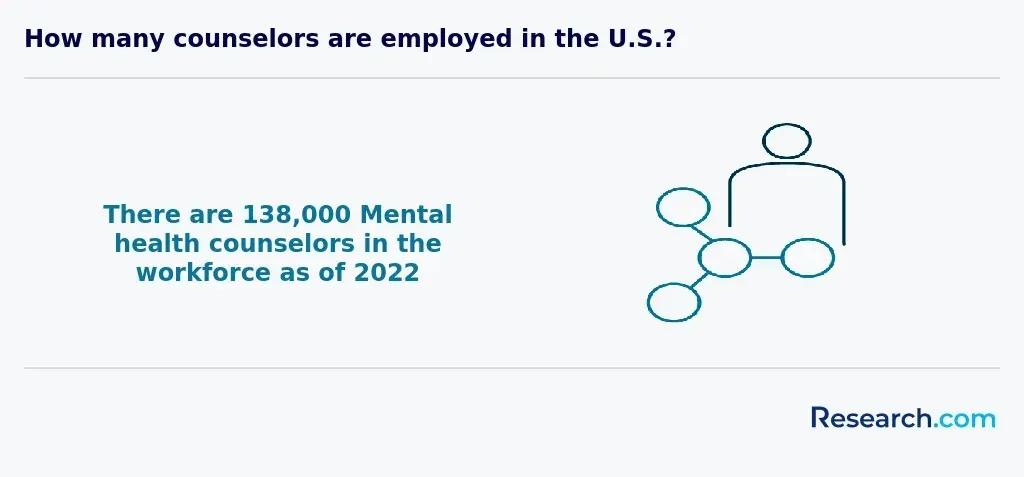
Wyoming has over 1,300 counseling professionals currently employed, and substance abuse treatment is one part of that broader workforce. Students comparing long-term counseling pathways may also find Research.com’s Wisconsin counseling degree program guide helpful for understanding how career options differ by state.
What factors should you consider when selecting a substance abuse counseling program in Wyoming?
The right program should do more than offer convenient classes. It should help you meet Wyoming credential requirements, complete relevant coursework, secure supervised experience, and prepare for the exam tied to your goal. Before enrolling, ask direct questions and request written answers when possible.
Program selection checklist
- Accreditation: Is the institution recognized by the Council for Higher Education Accreditation?
- Credential alignment: Does the curriculum support CAPA, CAP, LAT, or another counseling goal?
- Practicum support: Does the program help students find approved placements in Wyoming?
- Faculty expertise: Do instructors have experience in addiction counseling, co-occurring disorders, rural mental health, or clinical supervision?
- Exam preparation: Does coursework address content for the NCAC Level I, NCAC Level II, or IC&RC Alcohol and Other Drug Abuse Counselor exam?
- Format: Can you complete courses online, on campus, or in a hybrid model without delaying practicum requirements?
- Total cost: What are the full costs, including fees, books, travel, exam preparation, and supervision-related expenses?
- Student support: Does the school provide advising, career placement support, financial aid counseling, and licensing guidance?
| Question to Ask | Why It Matters |
| Which Wyoming addiction credential does this program prepare me for? | Programs may not meet every credential path, especially if you plan to pursue LAT. |
| Will my credits transfer if I later pursue a bachelor’s or master’s degree? | Transfer rules can affect cost and time to completion. |
| Are internships available near my community? | Rural students may need to plan early for approved placement sites. |
| How does the program document clinical hours? | Poor documentation can delay certification or licensure. |
| What percentage of students complete the program? | Completion support can matter as much as admission access. |
If your priority is finishing as efficiently as possible, compare program routes with Research.com’s resource on the quickest way to become a counselor in Wyoming.
How can criminal psychology insights bolster substance abuse counseling practices in Wyoming?
Criminal psychology can help addiction counselors better understand clients whose substance use intersects with impulsivity, antisocial behavior, probation requirements, court involvement, or repeated risky decision-making. These insights can improve risk assessment and make treatment planning more practical.
This does not mean addiction clients should be treated as criminal cases. Instead, counselors can use criminal psychology concepts to recognize behavioral patterns, collaborate appropriately with legal professionals, and design interventions that reduce harm. Students interested in this area can read more about how to become a criminal psychologist in Wyoming.
What professional development and continuing education opportunities are available for substance abuse counselors in Wyoming?
Continuing education keeps substance abuse counselors legally eligible to practice and clinically prepared for changing treatment needs. In Wyoming, substance abuse counselors are required to complete 40 hours of continuing education every two years to maintain licensure.
- State-approved providers: The Wyoming Department of Health provides approved continuing education options, including workshops, seminars, and online courses.
- Professional associations: The Wyoming Association of Alcoholism and Drug Abuse Counselors (WAADAC) offers conferences, networking, and professional training.
- National training resources: NAADAC offers webinars and online education that may help counselors earn continuing education credits.
- College and university workshops: Wyoming community colleges and universities may offer specialized training in addiction counseling topics.
- SAMHSA resources: The Substance Abuse and Mental Health Services Administration provides free materials and training resources on treatment practices and emerging issues.
- Peer consultation: Local and national professional groups can help counselors discuss difficult cases, avoid isolation, and stay informed about practice changes.
Continuing education topics worth prioritizing
- Ethics and confidentiality in substance use treatment.
- Co-occurring substance use and mental health disorders.
- Trauma-informed care.
- Motivational interviewing and relapse prevention.
- Telehealth standards and documentation.
- Cultural competence in rural and underserved communities.
- Suicide risk assessment and crisis response.
How is telehealth transforming substance abuse counseling in Wyoming?
Telehealth is especially relevant in Wyoming because geography can make behavioral health access difficult. Virtual counseling can help clients in remote areas connect with services sooner, continue care during transportation barriers, and access specialized providers who may not be available locally.
For counselors, telehealth can expand service reach and support flexible scheduling, but it also requires careful attention to privacy, consent, crisis planning, documentation, and technology access. Not every client has reliable internet or a private space for sessions, so telehealth should be used thoughtfully rather than treated as a universal solution.
Students considering broader behavioral health roles can compare this path with Research.com’s guide on how to become a mental health counselor in Wyoming.
What challenges should you consider as a substance abuse counselor in Wyoming?
Substance abuse counseling can be deeply meaningful, but it is not an easy career. Counselors in Wyoming may face high-need caseloads, rural resource gaps, relapse concerns, stigma, and complicated ethical situations. Understanding these realities before entering the field can help you prepare instead of burning out early.
- Client resistance: Some clients are not ready to acknowledge substance use or may attend treatment because of family, employment, or court pressure. Co-occurring mental health concerns can make engagement harder, and approximately 25% of adults with mental health disorders also face substance abuse challenges.
- Relapse risk: Relapse is a common part of many recovery journeys. Research indicates that over 85% of individuals relapse within a year following treatment, which means counselors need realistic treatment plans, ongoing support strategies, and careful follow-up.
- Stigma: Clients may fear being judged by family, employers, courts, or small communities. Counselors must maintain a nonjudgmental, clinically grounded approach.
- Limited resources: Wyoming’s rural areas may have fewer treatment programs, crisis services, transportation options, or specialized providers.
- Confidentiality complexity: Counselors must balance privacy with mandatory reporting, safety concerns, and coordinated care needs.
- Fragmented systems: Addiction treatment may involve healthcare, courts, schools, housing providers, employers, and family members, making coordination essential but difficult.
- Burnout risk: Exposure to trauma, relapse, crisis situations, and high caseloads can affect counselor well-being.
Common mistakes aspiring counselors should avoid
| Mistake | Better Approach |
| Choosing a program without checking accreditation. | Confirm recognition by the Council for Higher Education Accreditation before enrolling. |
| Assuming any counseling degree meets addiction credential requirements. | Match coursework to CAPA, CAP, or LAT expectations before committing. |
| Looking only at tuition. | Include fees, books, travel, exam costs, unpaid practicum time, and supervision needs. |
| Waiting too long to plan supervised hours. | Ask early how placements are arranged and documented. |
| Assuming online programs automatically meet Wyoming requirements. | Verify licensing alignment with the Wyoming board before enrolling. |
| Expecting salary outcomes to be guaranteed. | Use salary data as a benchmark and compare local employers, credentials, and benefits. |
Students seeking an affordable faith-based counseling route may also compare options such as low-cost Christian counseling degrees online, while still verifying whether any program supports Wyoming credential requirements.
How can family therapy complement substance abuse counseling in Wyoming?
Substance use disorders often affect the entire household. Family therapy can strengthen addiction treatment by addressing communication problems, enabling patterns, trust repair, boundaries, parenting concerns, and conflict that may contribute to relapse risk.
For Wyoming counselors, family-informed care can be especially useful in close-knit communities where family systems, work relationships, and social networks overlap. Addiction counselors do not need to become family therapists to use family-aware treatment planning, but collaboration with trained marriage and family therapy professionals can improve care. Professionals interested in this route can explore how to become an MFT in Wyoming.
How can educational partnerships boost early intervention efforts in Wyoming?
Schools can play an important role in early identification, prevention, and referral for youth at risk of substance use problems. Partnerships among counselors, school psychologists, teachers, families, and community agencies can help students receive support earlier, before problems become more severe.
Educational partnerships can improve screening, referral pathways, family communication, and prevention programming. Counselors who work with adolescents may benefit from understanding Wyoming school psychologist certification requirements because school-based assessment and intervention models often complement community addiction treatment.
What do substance abuse counselors say about their careers in Wyoming?
- Working in Wyoming has made counseling feel personal. In smaller communities, trust takes time, but once clients believe you are invested in them, the work can be powerful. Seeing someone maintain sobriety or rebuild a relationship reminds me why this career matters. Addison
- Many of my clients come from rural areas where help is hard to reach. That makes the job challenging, but it also makes it meaningful. When you can bring support to people who often feel forgotten, the work carries real purpose. Cheryl
- The professional community in Wyoming is one of the best parts of the job. Counselors share resources, attend trainings, and help each other stay current. That collaboration makes us better at serving clients and keeps the work from feeling isolated. Neil
Related Articles for Nearby States
- 2027 How to Become a Substance Abuse Counselor in Montana
- 2027 How to Become a Substance Abuse Counselor in South Dakota
- 2027 How to Become a Substance Abuse Counselor in Nebraska
- 2027 How to Become a Substance Abuse Counselor in Colorado
- 2027 How to Become a Substance Abuse Counselor in Idaho
- 2027 How to Become a Substance Abuse Counselor in Utah
- 2027 How to Become a Substance Abuse Counselor in North Dakota
- 2027 How to Become a Substance Abuse Counselor in Kansas
- 2027 How to Become a Substance Abuse Counselor in Iowa
- 2027 How to Become a Substance Abuse Counselor in Nevada
References:
- Center for Addiction and Research. (n.d.). Wyoming substance abuse certification. The Center for Addiction and Research. Retrieved November 23, 2024.
- Human Services. (n.d.). Wyoming substance abuse counselor certification to become a CAPA, CAP, or LAT in WY. Human Services Edu. Retrieved November 23, 2024.
- Salary.com. (2024, November 1). Substance abuse counselor salary in Wyoming (November, 2024). Salary.com. Retrieved November 23, 2024.
- U.S. BLS. (2024, August 29). Occupational outlook handbook: Substance abuse, behavioral disorder, and mental health counselors. U.S. Bureau of Labor Statistics. Retrieved November 23, 2024.
- WY Department of Workforce Services. (2024, November 21). Wyoming labor force trends. Wyoming Department of Workforce Services. Retrieved November 23, 2024,.
Key Insights
- Wyoming has a clear need for substance abuse counselors, with employment projected to grow 23.9% from 2022 to 2032 and an expected need for an additional 200 counselors by 2025.
- Your credential choice drives your education plan: CAPA can begin with an Associate’s degree, CAP requires a Bachelor’s degree, and LAT requires a Master’s degree plus supervised post-graduate clinical work.
- LAT candidates should plan for a longer timeline because the credential requires 3,000 supervised clinical hours, including at least 1,200 direct face-to-face counseling hours.
- Salary data varies by source, but Wyoming’s average salary is listed at $55,960, with higher-paying roles tied to leadership, advanced credentials, and specialized experience.
- Rural Wyoming communities may offer meaningful opportunities but can also bring resource limitations, broader caseloads, and telehealth challenges.
- The best program is not simply the cheapest or fastest one. It should be accredited, aligned with Wyoming credential requirements, strong in practicum placement, and transparent about total cost.
- Common errors include ignoring accreditation, assuming all online programs meet state requirements, waiting too long to plan supervised hours, and treating salary averages as guaranteed outcomes.
- To build a sustainable career, prioritize ethics, supervision, continuing education, evidence-based practice, and realistic self-care from the beginning.
Other Things You Should Know About Becoming a Substance Abuse Counselor in Wyoming
In 2027, aspiring substance abuse counselors in Wyoming typically need at least a bachelor's degree in counseling, addiction studies, or a related field. However, achieving higher levels of licensure may require a master's degree and completion of specific coursework and supervised clinical experience.
Becoming a substance abuse counselor in Wyoming typically requires a commitment of 2 to 5 years, depending on the educational path chosen. Here’s a breakdown of the estimated time involved in each step:
- Education (2-4 years): Most positions require at least a bachelor’s degree in psychology, social work, or a related field. A master’s degree, which can take an additional 2 years, is often preferred for advanced roles.
- Exam (1-3 months): After completing educational requirements, candidates must pass a relevant certification exam, such as the National Certified Addiction Counselor (NCAC) exam. Preparation time varies, but candidates typically spend 1 to 3 months studying.
- Licensing (1-2 months): Following the exam, applicants must apply for licensure through the Wyoming Department of Health. This process can take 1 to 2 months, depending on the completeness of the application.
- Certification (Varies): While not always mandatory, obtaining additional certifications can enhance job prospects and may require ongoing education and experience.
In total, aspiring counselors should anticipate a timeline of approximately 3 to 5 years to achieve full certification and licensure, positioning themselves for a rewarding career in substance abuse counseling.
To become licensed in Wyoming in 2027, earn a relevant bachelor's degree, complete supervised clinical hours, and pass the Wyoming licensure exam. Additionally, complying with continuing education requirements is necessary to maintain your license.


