2027 Entertainment Business ROI by Institution Type: Public vs Private vs Nonprofit Online Programs

Co-Founder and Chief Data Scientist
A prospective student compares three online entertainment business programs with similar curricula but vastly different tuition and graduation stats. One public university's program boasts a 68% graduation rate, while a private institution reports just 42%, and a nonprofit option sits near 55%. According to the National Student Clearinghouse Research Center (2024), public online graduates show higher loan repayment rates, suggesting less debt strain over time.
This reflects broader enrollment trends emphasizing cost-efficiency and outcomes-driven choices, but differences in institutional support and employer recognition complicate straightforward comparisons. Understanding these nuances is critical when weighing debt against career value.
This article analyzes entertainment business ROI across public, private, and nonprofit online programs, helping readers assess tuition costs, student debt, graduation success, and long-term career implications for informed decision-making.
Key Things to Know About Entertainment Business ROI by Institution Type
- Public online programs generally offer lower tuition and wider financial aid access, reducing student debt risk; however, they often require longer completion times, impacting workforce reentry speed and potential earnings delay.
- Private institutions tend to have stronger industry networks and employer recognition, enhancing job placement prospects but frequently involve higher costs, necessitating careful evaluation of debt versus career advancement value.
- Nonprofit online programs often balance flexible schedules suited for working adults with variable graduation rates; understanding this tradeoff helps learners prioritize timely completion against maintaining employment during study.
- What Does ROI Mean for a Entertainment Business Program and How Is It Measured? Understanding Entertainment Business Program ROI
- How Do Public, Private, and Nonprofit Online Entertainment Business Programs Differ in Overall Value? Value by Institution Type
- How Do Tuition Costs Affect the ROI of a Entertainment Business Program Across Institution Types? Tuition Costs and ROI
- How Do Graduation Rates Influence Entertainment Business Program ROI? Graduation Rates Impact ROI
- What Role Do Career Outcomes Play in the ROI of a Entertainment Business Degree? Career Outcomes and ROI
- How Does Student Debt Impact the Long-Term ROI of a Entertainment Business Program? Debt vs. Long-Term ROI
- How Do Flexibility and Adult Learner Support Affect Entertainment Business Program Value? Flexibility and Program Value
- How Do Accreditation and Institutional Reputation Influence Entertainment Business ROI? How Do Accreditation and Institutional Reputation Influence Entertainment Business ROI?
- How Does Time-to-Degree Affect the ROI of Public, Private, and Nonprofit Entertainment Business Programs? How Does Time-to-Degree Affect the ROI of Public, Private, and Nonprofit Entertainment Business Programs?
- How Can You Choose the Best Entertainment Business Program Based on Your ROI Goals? Choosing Programs by ROI
What Does ROI Mean for a Entertainment Business Program and How Is It Measured?
ROI for an entertainment business program is best understood as a multidimensional measure that goes beyond simple tuition costs or starting salaries. Prospective students must weigh total educational expenses, including average borrowing and debt-to-income ratios, alongside graduation rates and time-to-degree metrics to form a realistic picture of value.
For instance, public online programs often have lower tuition and faster average completion times-typically four to five years-resulting in less debt and earlier workforce entry, while private or nonprofit alternatives may charge more but offset this with stronger industry mentorships and alumni connections that can enhance career progression over time.
These tradeoffs highlight how a lower sticker price doesn't necessarily translate into stronger long-term ROI, especially when accounting for opportunity costs and network effects common in the entertainment sector.
A key consideration in measuring entertainment business program return on investment metrics is how student goals and personal circumstances shape outcomes. Working professionals balancing family commitments may prioritize programs with flexible pacing, even if that means a longer path to completion or higher tuition, as these factors influence not just financial cost but also time-to-employment and income stability.
A growing share of nonprofit online programs emphasize tailored career counseling, which can improve job placement but may not always justify the higher price when compared to cost-effective public options that yield comparable graduation rates.
As demonstrated by recent insights from the National Center for Education Statistics, such factors shape ROI in more nuanced ways than a simple salary comparison, underlining why prospective learners should engage in comprehensive assessments rather than rely on simplistic financial formulas.
Exploring programs across disciplines, including areas like AI degree programs, reveals similarly complex ROI calculations that reinforce the importance of evaluating educational and career tradeoffs holistically.
How Do Public, Private, and Nonprofit Online Entertainment Business Programs Differ in Overall Value?
Public, private, and nonprofit online entertainment business programs differ substantially in value when evaluated beyond tuition costs, with distinct tradeoffs affecting affordability, completion rates, and career outcomes. Public programs often offer lower tuition, reducing upfront financial strain, but may have larger class sizes and less personalized career support, which can slow degree completion and limit crucial industry networking in entertainment sectors.
Private institutions typically deliver more tailored student services and stronger alumni connections, enhancing job placement; however, these benefits come at a premium price, often increasing student debt, which can offset short-term return on investment for those without employer backing.
Nonprofit programs frequently strike a balance by providing reputable accreditation and solid advising while maintaining moderate costs, appealing to adult learners needing flexibility without sacrificing institutional recognition that employers value.
According to a 2024 report from the National Center for Education Statistics, graduation rates at public institutions tend to lag behind those at selective private schools, directly impacting overall cost-efficiency and labor market entry timing. For a working professional choosing among these options, the decision may hinge on whether minimizing debt or accessing specialized career services takes priority.
Many employers prioritize accreditation and institutional reputation over sector classification, so nonprofit programs' blend of cost control and quality support can represent a practical middle path. Ultimately, meaningful ROI depends on aligning program attributes with personal financial limits, expected debt burden, and the need for real-world career connections rather than focusing narrowly on sticker price or institutional prestige.
One recent graduate recalled hesitating between a low-cost public program with limited mentorship and an expensive private option promising strong entertainment industry internships. Concerned about accumulating unmanageable debt, they carefully evaluated a nonprofit online program that combined flexible scheduling with recognized accreditation and effective career advising.
This middle-ground choice offered reassurance through manageable costs and better graduation support, reflecting the tradeoffs many adult learners navigate when balancing financial pressures against long-term career ambitions in entertainment business fields.
How Do Tuition Costs Affect the ROI of a Entertainment Business Program Across Institution Types?
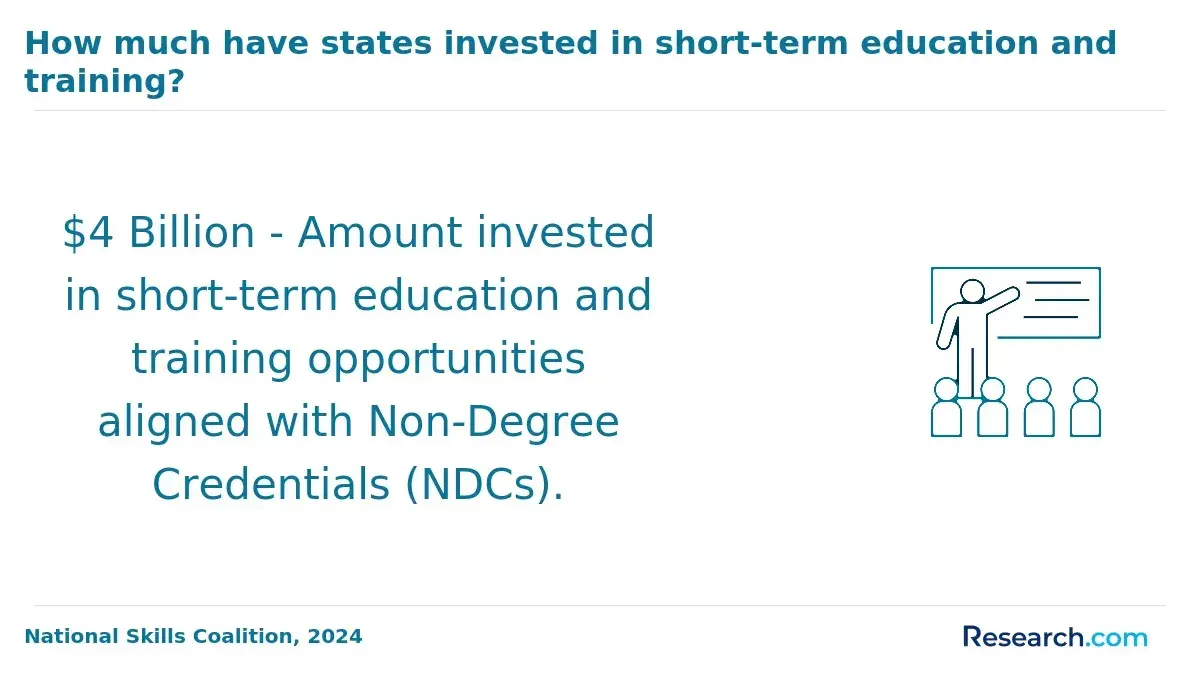
Tuition costs significantly influence the return on investment for entertainment business programs, but lower price tags do not guarantee better financial outcomes. Public institutions often provide more affordable options, with average in-state tuition for online programs around $7,000 annually according to 2024 National Center for Education Statistics data, which helps limit student debt-the primary drain on long-term ROI.
However, private nonprofit programs, despite their higher sticker prices often exceeding $25,000, may offer enhanced career services, stronger industry networks, and specialized curricula that improve employment prospects and graduation rates, potentially offsetting initial costs for certain students.
For example, graduates from public schools in this field typically carry 15-30% less student debt than their private nonprofit counterparts, according to the Institute for College Access and Success, accelerating their financial recovery post-graduation. Yet, if a student values immersive industry connections or a reputation recognized by key employers, the additional cost of a nonprofit program could translate into higher earnings or faster job placement, improving ROI in other ways.
Time-to-degree and the availability of learner supports further affect total educational costs and career readiness, underscoring that cost alone is an incomplete metric for assessing program value in entertainment business education.
How Do Graduation Rates Influence Entertainment Business Program ROI?
Graduation rates influence the return on investment for entertainment business program ROI by reflecting a program's ability to guide students to completion, but they must be weighed against factors like cost, time-to-degree, and debt burden. Public online programs serving diverse, often part-time learners may record lower graduation rates due to external pressures such as work and family responsibilities.
However, their affordability and flexible pacing can still yield competitive ROI for students prioritizing cost and balance. By contrast, private and nonprofit institutions often report graduation rates exceeding 60% within six years, boosted by robust academic support and career services, yet their higher tuition can diminish net financial gains if post-graduation earnings don't adequately offset debt.
According to the National Student Clearinghouse Research Center's 2024 data, students who finish degrees increase median earnings by about 30% within five years, underscoring how completion impacts long-term value.
A practical approach for students comparing entertainment business program ROI involves recognizing graduation rate differences by institution type alongside other critical metrics. For many adult learners and career changers, the decision hinges on balancing institutional support and program flexibility against financial limits and timing pressures.
Graduation rates offer a useful but imperfect institutional effectiveness indicator since they don't fully adjust for part-time enrollment or student profiles. Those interested in advanced leadership roles might also explore pathways such as a doctorate in leadership online to complement their educational trajectory and enhance career options.
What Role Do Career Outcomes Play in the ROI of a Entertainment Business Degree?
Career outcomes critically shape the ROI of online entertainment business degrees by influencing graduates' ability to secure relevant jobs and build sustainable careers, especially when balancing tuition and debt. Public programs often offer lower tuition, which reduces upfront costs but may provide fewer networking opportunities and industry connections compared to private schools, potentially slowing early-career progression.
Nonprofit institutions frequently emphasize practical skills and partnerships with employers, attracting students willing to invest more upfront for stronger career readiness and higher placement in specific entertainment sectors. According to the National Center for Education Statistics in 2024, roughly 72% of graduates from online entertainment business programs find employment in aligned fields within a year, though rates fluctuate by institution type and regional market dynamics.
Employer recognition and curriculum alignment with current digital media trends also affect how degrees translate into job mobility and salary growth. Programs providing internships or experiential learning can position graduates more favorably for roles requiring up-to-date industry knowledge and rights management expertise, which matter in entertainment's fast-evolving landscape.
Students must weigh these career advantages against program length and cost, as taking on significant debt from private or nonprofit options may only yield a positive ROI if it leads to faster promotions or access to exclusive opportunities beyond entry-level roles. For many, long-term career sustainability depends as much on professional networks and ongoing skill development support as on initial salary figures.
One graduate shared that prior to enrolling, they hesitated due to uncertain career returns and concerns about debt from a nonprofit online entertainment business program. After completing it, they found their employer valued the specialized skills gained and promoted them internally within 18 months, a shift that justified both the time commitment and expense.
This experience highlighted how career outcomes extend beyond immediate earnings and rely on how well a program's focus matches evolving job requirements and employer expectations in a competitive field.
How Does Student Debt Impact the Long-Term ROI of a Entertainment Business Program?
Debt levels critically shape the long-term ROI of an entertainment business program, especially as borrowing strategies differ widely across public, private, and nonprofit online institutions.
Private school students often face 50% higher debt burdens, which can extend repayment periods and increase financial strain despite potential earnings advantages from specialized curricula or stronger industry connections. For example, a graduate from a private program who borrows heavily may delay wealth building or even shift careers if loan repayments overwhelm entry-level salaries, demonstrating a practical tradeoff between educational quality and financial risk.
Public programs typically offer lower tuition rates and better access to state-funded aid, which reduces initial debt but might limit industry networking, thereby capping salary growth and slowing loan payoff.
Nonprofit online programs, balancing moderate costs with flexible scheduling, appeal to working adults or career changers, yet the interaction of student debt and graduation outcomes remains vital in assessing true net benefit over time. Prospective students should weigh how managing student loan repayment for entertainment business graduates to maximize financial outcomes requires careful scrutiny of debt relative to career advancement opportunities and program flexibility.
Given these variables, ROI calculations must integrate employment prospects, median incomes, and loan default risks, not just sticker prices. Programs minimizing loan reliance through grants or scholarships improve graduates' financial stability, which echoes findings mirroring patterns in other fields like an urban planning degree.
Understanding how student debt influences the long-term return on investment in entertainment business programs enables cost-conscious learners and career changers to make informed choices that balance affordability, educational quality, and practical career outcomes.
How Do Flexibility and Adult Learner Support Affect Entertainment Business Program Value?
Program flexibility and adult learner support critically shape the return on investment for online entertainment business degrees, especially when weighing time-to-degree, cost, and job market readiness. Public programs frequently offer asynchronous classes and extended part-time options that accommodate full-time employment but often lack robust personalized advising and career services tailored to entertainment industry demands.
For instance, a working parent pursuing a degree may benefit from flexible scheduling but face challenges navigating transfer credits or securing internships due to limited faculty availability and standard support, potentially prolonging graduation and increasing opportunity costs.
Private institutions often compensate with intensive faculty engagement and specialized career guidance, which can enhance employment prospects; however, this advantage comes with considerably higher tuition, raising debt levels that many adult learners must scrutinize relative to expected post-graduate income.
Nonprofit programs tend to provide a middle ground, delivering moderate tuition and targeted resources such as military accommodations and retention initiatives, though variability in institutional capacity means outcomes are inconsistent.
Data from the National Student Clearinghouse Research Center shows that students in flexible programs have a 15% higher chance of completing degrees within six years, emphasizing how scheduling and support systems intertwine with persistence and completion rates across institution types.
Choosing among public, private, and nonprofit online entertainment business programs requires examining how each institution balances flexibility, advising quality, and career connections in the context of one's own work and life demands. Effective transfer credit policies and technological infrastructure also influence total cost and student engagement, factors that directly affect long-term program value and employability in a competitive field.
Adult learners prioritizing affordability may lean toward public or nonprofit models, while those with strong external support and financial resources might find private programs' intensive services justify their premium, illustrating the complex trade-offs shaping ROI beyond mere tuition comparisons.
How Do Accreditation and Institutional Reputation Influence Entertainment Business ROI?
Accreditation and institutional reputation significantly shape the return on investment for students pursuing entertainment business degrees online, but their impact varies based on individual career goals and financial situations. Regional or programmatic accreditation affects eligibility for federal aid, credit transferability, and recognition by graduate programs, which can reduce debt burden and expand postgraduation opportunities.
For example, a student aiming for a specialized role in entertainment marketing may find a regionally accredited program with strong industry ties provides better networking and hiring prospects than a nonaccredited one, even if tuition costs are higher. A 2024 National Center for Education Statistics report shows graduates from accredited programs enjoy a 15% higher employment rate in their fields, underscoring the practical value of accreditation beyond mere credential verification.
Institutional reputation adds another layer of nuance, influencing employer perceptions and the availability of internships or job placements. Public online institutions often offer lower tuition and broad name recognition, but high-ranking private or nonprofit online providers with rigorous entertainment business curricula and programmatic accreditation can deliver comparable or superior outcomes.
However, reputation alone doesn't guarantee higher ROI if student support services or curriculum relevance lag behind industry demands. Career changers and working professionals should weigh these factors alongside cost and flexibility, as a lower-reputation institution with robust experiential learning or adaptable scheduling may better suit immediate career transitions than a more prestigious but rigid program.
How Does Time-to-Degree Affect the ROI of Public, Private, and Nonprofit Entertainment Business Programs?
Time-to-degree directly influences the financial and career outcomes of entertainment business programs across public, private, and nonprofit online institutions by determining exposure to tuition costs and opportunity costs associated with delayed workforce entry. Public programs, characterized by longer durations due to higher part-time enrollment, often increase total educational expenses despite offering greater schedule flexibility.
For example, a working professional balancing family obligations might choose a public program for its flexible pacing but face extended time-to-degree that slows career progression and potentially raises cumulative debt compared to more accelerated private options with higher upfront tuition.
Private online programs in entertainment business tend to promote faster completion, reducing opportunity costs but often at the expense of steeper tuition fees, which can amplify immediate debt burdens. Nonprofit programs typically aim to optimize completion timelines by leveraging transfer credits and structured retention strategies to balance affordability and speed.
Variations in graduation rates further complicate ROI, as programs with lower persistence diminish the likelihood of completing within published durations, thus extending both cost and career deferral. These dynamics underscore how duration of public private nonprofit entertainment business degrees should be carefully weighed alongside financial and personal circumstances.
Students weighing enrollment options must also consider how accelerated pathways and prior learning assessments might shorten time-to-degree without compromising skill acquisition or employability. The practical choice hinges on balancing affordability against the risk of skill obsolescence in the fast-evolving entertainment sector.
For those exploring related credentials, examining programs such as master's in clinical psychology online highlights how program design nuances influence ROI beyond surface cost comparisons.
How Can You Choose the Best Entertainment Business Program Based on Your ROI Goals?
The best ROI in entertainment business programs depends less on institution type and more on how well a program aligns with an individual's professional and financial priorities. Public online programs often offer lower tuition and significantly reduce debt-data from the 2024 National Center for Education Statistics shows average student loan debt of $21,000 for public graduates versus $34,000 for private.
However, private programs might provide stronger alumni networks and specialized coursework that could yield higher starting salaries, a tradeoff worth considering if time-to-degree and upfront costs fit a student's capacity.
Assessing ROI also requires scrutiny of financial aid availability, graduation rates, and program flexibility, especially for adult learners balancing work and family. Nonprofit programs frequently strike a middle ground, offering accreditation that employers value and sizable aid packages, though outcomes can vary widely.
Career placement rates and institutional reputation influence long-term earning potential, so students focused on best online entertainment business programs for career return must weigh these factors carefully against personal circumstances.
For adult professionals and career changers, understanding how program support and scheduling options affect completion time is critical, as extended degree timelines can erode earning power. Some students may also explore related fields like a library science degree for broader career flexibility. Ultimately, the highest ROI reflects a nuanced balance between debt load, credential value, and realistic career advancement opportunities within one's specific workforce context.
References
- The Economics of Accreditation: Costs, Benefits, ROI - Course Accreditation https://course-accreditation.com/blog/the-economics-of-accreditation-costs-benefits-roi/
- How to Calculate ROI on Marketing Campaigns | Abacum https://www.abacum.ai/blog/how-to-calculate-roi-on-marketing-campaigns
- How can you measure the ROI of your projects? https://www.eaebarcelona.com/en/blog/what-is-roi-and-how-to-calculate-it
- How Does Student Debt Affect the Economy? https://www.pgpf.org/article/how-does-student-debt-affect-the-economy/
- 2 ways to address adult learners’ concerns about program flexibility | EAB https://eab.com/resources/blog/adult-education-blog/address-adult-learners-concerns-about-program-flexibility/
- How to Measure Marketing ROI: The Ultimate Calculation Guide https://improvado.io/blog/the-ultimate-guide-to-measuring-marketing-roi
- How Student Loan Debt Impacts Your College ROI https://www.lendkey.com/blog/student-loans/how-student-loan-debt-impacts-your-college-roi/
- The Long-Term Effects of Student Loans | ACE Blog https://ace.edu/blog/the-long-term-effects-of-student-loans/
- Where to Spend Your Budget for the Best Digital Marketing ROI https://boldentity.com/best-digital-marketing-roi/
- How Online Learning Helps Adults Change or Advance Careers https://www.eucdl.com/post/how-online-learning-helps-adults-change-or-advance-careers
Other Things You Should Know About Entertainment Business
Private online programs often have smaller cohorts and more personalized attention, which can lead to stronger networking opportunities and mentorship in entertainment business. However, these benefits don't always translate into significantly better career outcomes compared to public or nonprofit options, especially when the cost differential is steep.
For cost-conscious learners prioritizing ROI, public or nonprofit programs may offer a better balance of quality and affordability unless access to elite industry contacts through a private institution is a clear, documented advantage.
Nonprofit programs often emphasize mission-driven education and may integrate a mix of theoretical frameworks and hands-on projects. This balance can appeal to students seeking depth without sacrificing applicability. However, practical industry engagement varies widely, so prospective students should assess how well the program facilitates real-world connections like internships or client-based projects, which directly impact employability and thus ROI.
Public programs typically offer flexible pacing, lower tuition, and curricula aligned with state workforce demands, making them attractive to working professionals managing time and finances. While nonprofit and private programs might claim stronger brand prestige, the practical difference in employer recognition in entertainment business is often marginal. Thus, for working adults focused on immediate career impact and minimal debt, public institutions generally provide a more efficient ROI.
Yes, the mode of delivery and program design influence how well students assimilate knowledge and build industry-relevant skills. Private programs may offer intensive synchronous sessions and exclusive workshops, which can be valuable but less flexible.
Public and nonprofit programs often provide asynchronous options conducive to self-directed learning but may lack immersive experiences. Deciding between these depends on a student's learning style and career timeline, as flexibility can mitigate opportunity costs, impacting ROI over time.