2027 Online vs On-Campus Early Childhood Education Degree Programs: Pros & Cons

Co-Founder and Chief Data Scientist
Choosing between an online and an on-campus early childhood education degree is not just a scheduling decision. It affects how you complete fieldwork, build relationships with faculty, manage costs, prepare for licensure, and explain your credential to future employers.
Interest in online early childhood education degrees has grown quickly, with recent data showing a 21% increase in enrollment across U.S. colleges from 2022 to 2023. That growth reflects a real need: many future preschool teachers, childcare administrators, paraprofessionals, and career changers need a pathway that fits around work, family, and local placement requirements.
This guide compares online and on-campus early childhood education programs across the factors that matter most: structure, admissions, academic support, completion time, cost, financial aid, credibility, employer perception, salary outcomes, and personal fit. The goal is to help you choose the format that supports your learning style, budget, and career plans without overlooking accreditation, practicum expectations, or state licensure rules.
Key Benefits of Online vs On-Campus Early Childhood Education Degrees
- Online early childhood education degree programs offer flexible scheduling, allowing students to balance work and family responsibilities, with 65% of online learners reporting improved time management skills.
- Students in online programs often save an average of 40% on commuting and housing costs compared to on-campus peers, making education more affordable and accessible.
- On-campus early childhood education programs provide hands-on learning through direct interaction with instructors and peers, which 78% of graduates say enhances their practical teaching skills and confidence in real-world settings.
Are Online vs. On-Campus Early Childhood Education Programs Structured the Same Way?
Online and on-campus early childhood education programs usually cover similar academic content, but they are not structured the same way in daily practice. The biggest differences involve how classes meet, how students interact, how field experiences are arranged, and how much independence the student must bring to the program.
In both formats, students commonly study child development, curriculum planning, assessment, family engagement, classroom management, diversity in early learning, and professional ethics. The delivery model changes how those topics are taught and how students demonstrate readiness for work with young children.
- Course delivery: Online programs may use asynchronous courses, synchronous live video meetings, or a combination of both. Asynchronous courses let students watch lectures and complete assignments on a more flexible schedule, while synchronous courses require attendance at set online meeting times. On-campus programs require students to attend classes in person at specific times and locations.
- Weekly schedule: Online programs are usually easier to fit around employment, parenting, or unpredictable work hours. On-campus programs provide a more fixed routine, which can be helpful for students who want external structure and regular face-to-face accountability.
- Faculty and peer interaction: On-campus students can speak with instructors before or after class, participate in live discussions, and build relationships through everyday campus contact. Online students often interact through discussion boards, email, video meetings, group projects, and virtual office hours. The quality of interaction depends heavily on how intentionally the program designs online engagement.
- Hands-on learning: Early childhood education is practice-based, so fieldwork matters in both formats. On-campus programs often have established relationships with nearby childcare centers, preschools, and schools. Online students may need to complete observations, practicums, or student teaching in their own communities, sometimes with more responsibility for confirming approved placement sites.
- Student independence: Online learning demands strong time management, written communication, and comfort with learning platforms. On-campus learning offers more built-in reminders, live class routines, and immediate access to campus-based services.
A useful way to compare the formats is to ask where you do your best work. If you need a predictable classroom routine and frequent in-person feedback, an on-campus program may be stronger. If you are disciplined, comfortable with technology, and need schedule flexibility, an online program can offer the same academic pathway with less disruption to daily life.
Are Admission Requirements the Same for Online vs On-Campus Early Childhood Education Degree Programs?
Admission standards are often similar for online and on-campus early childhood education degrees because colleges generally expect students in both formats to meet the same academic outcomes. The differences usually appear in process, documentation, technology readiness, and field-placement planning.
Applicants should not assume an online program is automatically easier to enter. Reputable online programs may be flexible in format, but they still review academic preparation, communication skills, professional goals, and readiness to work with children.
- Academic qualifications: Undergraduate applicants typically need a high school diploma or equivalent. Graduate applicants generally need a bachelor's degree. Minimum GPA expectations are often comparable across formats, although each institution sets its own thresholds.
- Standardized test scores: Some undergraduate programs request SAT or ACT scores, while many have adopted test-optional policies. Graduate programs may request GRE results, though some online programs waive them for applicants with relevant professional experience.
- Application materials: Personal statements, transcripts, and letters of recommendation are common in both formats. Online programs may place extra emphasis on written communication, independent learning, and the applicant's ability to manage coursework without frequent in-person reminders.
- Experience with children: Work, volunteer, or caregiving experience can strengthen an application in either format. It is especially useful for applicants who want to show commitment to early childhood settings, classroom support, childcare, or family services.
- Technology readiness: Online applicants may need reliable internet access, a suitable computer, webcam capability, and comfort using a learning management system. Some programs require a technology orientation before classes begin.
- Licensure and placement requirements: Both online and on-campus programs may offer licensure and non-licensure tracks. Students seeking licensure should confirm whether the program meets requirements in their state. Online licensure students may also need to arrange approved local practicum or student teaching placements, while on-campus programs often coordinate placements through established partner sites.
Before applying, compare the admissions page with the program handbook. The handbook often explains background checks, fingerprinting, health forms, fieldwork prerequisites, state approval, and student teaching rules more clearly than the general admissions page.
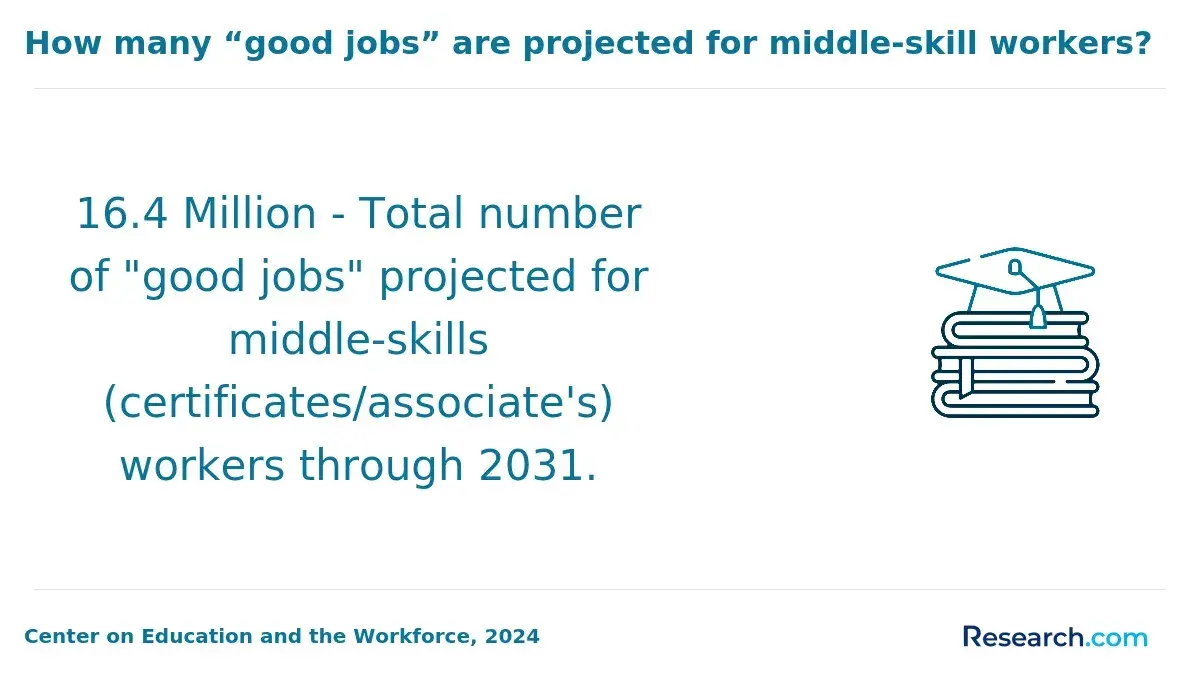
Students who are not ready to commit to a full degree may also compare shorter credentials, including 6 month certificate programs that pay well online, as a possible step toward career advancement or future degree planning.
Do Online Early Childhood Education Students Receive the Same Academic Support as On-Campus Students?
Online early childhood education students can receive academic support comparable to on-campus students, but the experience is different. On-campus support is often immediate and place-based. Online support depends on virtual access, response times, appointment availability, and how well the school designs services for remote learners.
When comparing programs, do not stop at the phrase “student support.” Ask how support is delivered, when it is available, and whether online students have access to the same offices, advisors, and career resources as campus students.
- Tutoring services: Online students commonly use video appointments, writing center portals, chat-based tutoring, and recorded academic workshops. On-campus students may attend in-person tutoring, study groups, or drop-in sessions. Both can be effective if the hours match the student's schedule.
- Academic advising: Advisors help students choose courses, understand prerequisites, stay on track for graduation, and prepare for fieldwork. Online students should check whether advising is available by phone or video and whether evening appointments are offered.
- Career counseling: Online learners may access digital job boards, resume reviews, interview preparation, and virtual career events. On-campus students can often meet career counselors in person and attend local networking events. Early childhood education students should look for career support tied to childcare centers, preschools, Head Start programs, school districts, and community organizations.
- Library access: Online students typically use databases, e-books, journals, citation tools, and librarian chat services. On-campus students can use those resources plus physical collections, study rooms, and in-person research help.
- Faculty interaction: Online faculty support usually happens through email, discussion boards, video conferences, and virtual office hours. On-campus students can use in-person office hours and informal class conversations. In either format, strong programs set clear expectations for response times and feedback.
- Technical and disability support: Online students need dependable technology support, accessible course materials, and accommodations that work in a digital environment. On-campus students may receive comparable help through disability services offices, assistive technology labs, and in-person support appointments.
The strongest online programs do more than post course materials. They build a support system around remote learners, including proactive advising, clear fieldwork guidance, responsive faculty, and accessible tutoring.
How Long Does It Take to Complete an Online vs an On-Campus Early Childhood Education Degree?
Completion time depends less on whether a program is online or on campus and more on degree level, transfer credits, enrollment status, course availability, and fieldwork requirements. Online programs can be more flexible, but they are not automatically faster. On-campus programs are more predictable, but they may be harder to fit around work or family responsibilities.
- Online early childhood education degree: Most online bachelor's programs can be completed in approximately two years if the student attends full time and transfers prior credits. Associate degrees likewise generally take two years, though some platforms allow accelerated options where semesters can range from four to ten months. Online formats may allow students to speed up or slow down based on workload, family responsibilities, and employment. Required in-person internships, practicums, or student teaching can still affect the graduation timeline.
- On-campus early childhood education degree: Traditional on-campus bachelor's programs usually require four years of full-time study, including general education and major-specific requirements. Associate degrees normally take two years. On-campus programs follow a set academic calendar, which can help students stay on pace but may leave less room for schedule changes. Part-time enrollment, limited course availability, or course retakes can extend completion time.
Both formats are widely accepted by employers when they are accredited and include required fieldwork or certification components. There are no significant differences in career outcomes or starting salaries based solely on whether the degree was completed online or on campus.
One professional who completed an online early childhood education degree described the timeline as demanding but workable. Because he entered with prior credits, he finished the bachelor's degree in just over two years. That pace required careful planning, especially while balancing full-time work and family responsibilities.
He noted that “it wasn't always easy to stay motivated while juggling those demands,” but the online format let him use heavier study periods when his schedule allowed and slow down when other responsibilities increased.
The in-person student teaching placements required advance coordination, but he viewed them as one of the most valuable parts of the degree. They gave him direct classroom experience and helped connect online coursework to real interactions with children and teachers.
Looking back, he said, “Finishing in a bit more than two years gave me a sense of accomplishment and showed me that with persistence and good time management, an online degree can fit into a busy life without unnecessary delay.” His experience shows why transfer credits, fieldwork scheduling, and personal discipline are often the real drivers of completion time.
Are Online Early Childhood Education Programs Cheaper Than On-Campus Ones?
Online early childhood education programs are often cheaper overall, but not always. The total cost depends on tuition, fees, residency rules, technology expenses, books, transportation, housing, fieldwork requirements, and how long it takes to finish.
Students should compare the full cost of attendance, not just the advertised tuition rate. A lower per-credit price may be offset by online learning fees, out-of-state tuition policies, unpaid fieldwork hours, or fewer scholarship options.
- Tuition and fees: Online early childhood education programs typically have lower tuition rates than on-campus programs. The average annual tuition for an online bachelor's degree in this field is about $9,594, compared to $14,226 for on-campus students. However, some public institutions may charge online learners rates similar to or higher than in-state on-campus tuition, so students should verify the exact rate before enrolling.
- Living expenses: Online students may save by avoiding campus housing, meal plans, relocation, and daily commuting. On-campus room and board can cost $744 more annually than average living expenses. Students who can live at home while studying online may see the largest savings.
- Technology costs: Online learners may need a reliable computer, internet service, webcam, software, and backup access in case of technical problems. These costs are usually smaller than housing and commuting costs, but they should still be included in the budget.
- Books and materials: Online programs may rely more heavily on digital textbooks and online resources, which can reduce costs in some cases. However, early childhood education students may still need curriculum materials, classroom supplies, background checks, testing fees, or travel to fieldwork sites.
- Financial aid availability: Students in both formats may be eligible for federal financial aid, scholarships, grants, and the TEACH Grant if they meet program and eligibility requirements. Some online programs report nearly 100% of students receive some aid. Students comparing affordable online early childhood education programs may also review related options such as easy degrees, while remembering that affordability should be weighed alongside accreditation, fieldwork quality, and career alignment.
The best value is not necessarily the cheapest program. For early childhood education, the stronger financial choice is usually an accredited program that meets your career or licensure goals, keeps debt manageable, and provides reliable placement and advising support.
What Are the Financial Aid Options for Online vs On-Campus Early Childhood Education Programs?
Online and on-campus early childhood education students may both qualify for financial aid, but eligibility depends on accreditation, enrollment status, degree level, school policies, state rules, and whether the program leads to an approved credential. Students should confirm aid eligibility before enrolling, especially in online, part-time, accelerated, or out-of-state programs.
- Federal aid: Students in accredited early childhood education programs can apply for federal aid by submitting the FAFSA. Online learners typically must be enrolled at least half-time to qualify for federal loans. Part-time students may receive prorated Pell Grants but might be ineligible for direct loans. The TEACH Grant, offering up to $4,000 annually, is available to both formats for education majors committed to teaching in high-need areas.
- State aid: Many states offer grants and scholarships to residents attending online or campus-based programs. However, some state awards limit eligibility to full-time students, in-state public institutions, or approved teacher preparation pathways. Online students should check whether their program's location affects eligibility.
- Institutional scholarships and grants: On-campus students often have broader access to campus-based scholarships, especially awards tied to full-time enrollment, residential status, or fall-term admission. Online learners may still qualify for institutional aid, but the available pool can be smaller depending on the college.
- Employer tuition reimbursement: Students already working in childcare, preschool, education support, or related human services roles may be able to use employer tuition benefits. Online programs can be especially practical for working adults because classes may fit around shifts and family responsibilities.
- Private student loans: Private loans are available to many students but usually carry higher interest rates and fewer protections than federal loans. Because early childhood education careers often have modest starting salaries, students should be cautious about taking on private debt.
Before choosing a program, ask the financial aid office four direct questions: whether the program is eligible for federal aid, whether online students qualify for institutional scholarships, whether part-time enrollment changes aid eligibility, and whether any grants require teaching service commitments after graduation.
Students considering graduate study can also compare a low cost online master's degree with campus-based alternatives to understand how tuition, employer reimbursement, and career goals affect the return on investment.
Are Online Early Childhood Education Programs as Credible as On-Campus Ones?
Online early childhood education programs can be as credible as on-campus programs when they meet the same academic, accreditation, faculty, and fieldwork standards. The format itself is less important than whether the institution is legitimate, the program is properly approved, and the curriculum prepares students for the roles they want.
Accreditation is the first credibility check. Students should look for institutional accreditation from an accreditor recognized by the U.S. Department of Education. If the goal is teacher licensure, students should also confirm whether the program meets state approval or educator preparation requirements in the state where they plan to work.
Credible online and on-campus programs should have comparable core coursework in areas such as child development, multicultural education, family engagement, assessment, curriculum design, and developmentally appropriate practice. Faculty teaching online courses should hold qualifications comparable to those teaching on campus.
Field experience is another major credibility factor. Because early childhood education requires direct work with young children, a strong online program should explain exactly how observations, practicums, student teaching, or internships are completed. Students should know who approves sites, who supervises placements, and whether placements can be completed near their home.
Employer and licensing body perceptions have improved as online learning has become more common. Many employers do not focus on whether a degree was earned online, especially because diplomas typically do not specify the delivery format. They are more likely to care about accreditation, institutional reputation, relevant experience, references, and the candidate's ability to work effectively with children, families, and colleagues.
Still, students should be cautious. A program that is inexpensive or convenient but lacks proper accreditation, clear placement support, or state licensure alignment can create problems after graduation. Before enrolling, verify the school, the program pathway, and any state-specific requirements in writing.
Do Employers Prefer Online vs On-Campus Early Childhood Education Degrees?
Most employers are less concerned with online versus on-campus format than with program quality, accreditation, experience, and readiness for the classroom. A degree from a reputable, accredited institution is usually more persuasive than the delivery method.
Employer attitudes toward online credentials have shifted as remote learning has become more common. Studies show that more than half of employers now regard online and traditional degree credentials as equally valuable, especially when the online program is from a well-known, accredited school. Research from organizations like the Graduate Management Admission Council and Northeastern University indicates that 83% of business leaders consider online degrees from reputable schools equivalent to on-campus degrees.
That does not mean every online degree is viewed the same way. Employers may be more skeptical of degrees from less established or for-profit institutions, especially if the program lacks clear accreditation, fieldwork, or state approval. In early childhood education, practical experience is particularly important because employers need staff who can manage classrooms, communicate with families, support child development, and meet safety and licensing expectations.
The growth of remote and hybrid work has also reduced the stigma around online learning. Over 70% of organizations have reported hiring candidates with online degrees within the past year. For many working adults, completing an online early childhood education degree while gaining childcare or classroom experience can be an advantage, not a weakness.
Graduates can strengthen their job applications by clearly presenting the following:
- the institution's accreditation and reputation;
- whether the program included supervised fieldwork, practicum, or student teaching;
- experience with specific age groups, such as infants, toddlers, preschoolers, or early elementary students;
- skills in lesson planning, observation, assessment, family communication, and classroom management;
- any state credential, certification, or licensure pathway completed through the program.
One graduate who completed her early childhood education degree online said employers focused more on her abilities than on the format of her degree. She explained that “demonstrating my practical skills and knowledge was key.” She initially worried about employer perceptions, but found that emphasizing accreditation, field experience, and concrete examples from her coursework helped her earn interviews and secure employment.
Do Online vs On-Campus Early Childhood Education Program Graduates Earn the Same Salaries?
Online and on-campus early childhood education graduates generally earn similar salaries when their degrees are accredited, comparable in level, and accepted by employers or licensing bodies. Salary differences are usually driven by location, role, experience, degree level, employer type, and specialization rather than by whether the student studied online or on campus.
- Employer perception and accreditation: Accreditation and institutional reputation strongly influence how employers evaluate a degree. Graduates from accredited online programs, such as those at Southern Oregon University, report median earnings comparable to campus-based counterparts, suggesting that delivery format alone is not the main salary factor.
- Geographic location and job market: Location can affect pay more than program format. For example, preschool teachers in New York earn about $22 per hour, while directors or specialists can make over $56,000 annually. Graduates working in the same region and role are unlikely to see major salary differences based only on online versus on-campus study.
- Degree level and specialization: Higher degrees and specialized preparation can support higher earnings. Master's degree holders may earn as much as $77,000-$82,000 annually. These ranges apply to online and on-campus graduates when the degrees are recognized and accredited.
- Program cost and return on investment: Online programs typically cost less, averaging $12,216 per year versus $18,981 for on-campus options. Because early childhood education salaries can be modest, reducing student debt can improve the financial return of the degree even if the salary outcome is similar.
- Experience and career path: Pay often rises with experience, leadership responsibilities, and movement into roles such as director, specialist, coordinator, or administrator. Years of service and employer type usually explain salary differences more clearly than the learning format.
For salary planning, students should compare expected earnings in their state and target role with the total program cost. An affordable accredited online degree may lead to the same employment opportunities as an on-campus degree while requiring less borrowing, but only if it meets the student's licensing and career requirements.
How Do You Decide Whether an Online vs On-Campus Early Childhood Education Program Is Right for You?
The right format depends on how you learn, how much flexibility you need, what you can afford, and whether the program meets your career or licensure goals. A strong online program is not automatically better because it is flexible, and a strong on-campus program is not automatically better because it is traditional. The best choice is the one you can complete successfully while meeting professional requirements.
- Choose online if you need flexibility: Online early childhood education programs can work well for working adults, parents, rural students, military-connected students, and students who cannot relocate. They are strongest for learners who are organized, self-directed, and comfortable communicating in writing and video-based environments.
- Choose on-campus if you want structure and in-person connection: On-campus programs may be better for students who learn best through live discussion, immediate feedback, hands-on workshops, and regular face-to-face contact with peers and faculty.
- Compare fieldwork requirements carefully: Early childhood education degrees often require observations, practicums, internships, or student teaching. Online students should confirm where these experiences take place, who approves them, and whether local placements are available.
- Check licensure alignment before enrolling: If your goal is a state license or credential, verify that the program meets requirements in the state where you plan to work. This is especially important for online programs offered by out-of-state institutions.
- Calculate the full cost: Online degrees often reduce commuting and housing expenses, but program costs vary. Some programs, such as the University of West Alabama, charge approximately $410 per credit online. Compare tuition, fees, materials, travel to field sites, financial aid, and the number of credits required.
- Evaluate networking opportunities: On-campus students may have easier access to local school partnerships, faculty referrals, and in-person networking. Online students can still build strong networks, but they may need to be more intentional through virtual events, local placements, professional associations, and instructor outreach.
- Review support services: Confirm that online students can access advising, tutoring, library services, disability accommodations, career counseling, and technical support. For on-campus programs, consider whether campus hours and location fit your schedule.
A simple decision rule can help: choose the program that is accredited, affordable, aligned with your state and career goals, realistic for your schedule, and strong in supervised field experience. If any of those pieces are missing, keep comparing options.
Students exploring flexible education pathways beyond early childhood education can also review programs from the top online school for trade skills.
Here's What Graduates of Online vs On-Campus Early Childhood Education Programs Have to Say About Their Degree
- Thea: "The hybrid early childhood education program gave me the balance I needed. I could complete part of the coursework online while still benefiting from face-to-face instruction and direct mentorship during campus sessions. The format pushed me to improve my time management and self-discipline, but it also gave me practical classroom experience and a professional network I still rely on. It prepared me to begin my career with both theory and hands-on confidence."
- Georgie: "My on-campus early childhood education program was immersive in a way that mattered to me. Being physically present helped me build close relationships with classmates and professors, and the hands-on workshops deepened my understanding of child development and teaching practice. The campus resources and local connections helped me secure a position at a respected local school, where I now work closely with children, families, and colleagues."
- Anna: "Earning my early childhood education degree online made it possible to balance work, family, and school without giving up the quality of my education. The platform was interactive, and my instructors were supportive even from a distance. Starting my career with an online degree also made me more comfortable using teaching technology and adapting to new classroom tools. The flexibility opened doors I did not think were possible."
Other Things You Should Know About Online & On-Campus Early Childhood Education Degree Programs
Most programs ask for a completed application, official high school or college transcripts, and a government-issued ID. Some universities also require a personal statement, two references, or proof of English proficiency, such as TOEFL or IELTS scores, before admission is finalized.
In 2027, online early childhood education programs often present a more affordable option due to reduced travel and accommodation expenses. On-campus programs generally incur higher costs with tuition, campus facilities, and housing fees contributing to the total expenditure, creating a financial burden for some students.
Online early childhood education programs in 2027 often provide virtual simulations, partnerships with local schools or daycare centers for practicums, and the use of interactive teaching platforms to offer hands-on experience. This ensures students can apply theoretical knowledge in real-world settings, similar to on-campus students.
References
- Learning and Teaching Online During Covid-19: Experiences of Student Teachers in an Early Childhood Education Practicum https://pmc.ncbi.nlm.nih.gov/articles/PMC7391473/
- Master of Science inEarly Childhood Education Online or On Campus https://www.albany.edu/education/programs/ms-early-childhood-education
- Online vs Traditional Degrees: Similarities and Differences https://www.aiu.edu/blog/online-vs-traditional-degrees/
- Online vs. In-Person Childcare Courses: Which One Suits You? https://enablecollege.edu.au/online-vs-in-person-childcare-courses-which-one-suits-you
- Online Vs In-Person Classes: Is One Better Than The Other? https://unity.edu/articles/online-vs-in-person-classes/
- B.A. in Early Childhood Education | Campus & Online Options https://www.pacificoaks.edu/academic-programs/ba-early-childhood-education/
- Online and on-campus colleges | University of Phoenix https://www.phoenix.edu/blog/cost-of-online-vs-traditional-college.html
- Cost of Online Education vs. Traditional Education [2025]: Comparison https://educationdata.org/cost-of-online-education-vs-traditional-education