2027 Best Early Childhood Education Degrees for Working Adults

Co-Founder and Chief Data Scientist
Balancing full-time work with pursuing an early childhood education degree presents a significant challenge for many adults. According to the U. S. Bureau of Labor Statistics, employment in childcare and early learning is projected to grow 13% through 2032, emphasizing increased demand for qualified professionals.
However, traditional degree programs often lack the flexibility needed for working students. This article explores accredited early childhood education degree options designed for adult learners, highlighting programs that accommodate busy schedules while supporting career advancement in this evolving field.
Key Things to Know About Early Childhood Education Degrees for Working Adults
- Flexible scheduling and online or hybrid formats enable working adults to balance coursework with professional and personal responsibilities effectively.
- Accelerated pacing options can shorten degree completion time by up to 25%, meeting urgent career advancement needs.
- Programs often align curricula with employer requirements, enhancing graduates' job readiness in early childhood education sectors projected to grow 8% through 2030.
What Are the Best Early Childhood Education Degrees for Working Adults?
The best early childhood education degrees for working adults depend on factors such as schedule flexibility, alignment with career goals, and potential return on investment. A notable trend is the rise of online programs designed to accommodate adult learners through part-time enrollment and hybrid course delivery, enabling students to balance full-time work and education effectively.
Below are several degree options well-suited for professionals seeking top accredited early childhood education programs for working professionals:
- Bachelor of Science in Early Childhood Education: This degree offers a comprehensive curriculum emphasizing teaching strategies and child development, often available in online or evening formats to provide the flexibility working adults need.
- Early Childhood Special Education: Designed for professionals looking to specialize, this program focuses on supporting children with diverse learning needs and responds to growing employer demand for such expertise.
- Early Childhood Administration and Leadership: Tailored for those aiming to advance into management roles, this degree features flexible schedules alongside practical leadership training, aligning with long-term career goals.
- Associate Degree in Early Childhood Education: A shorter, affordable option that supports part-time study and serves as a stepping stone toward bachelor's degrees for those balancing work and education.
- Certificate in Early Childhood Education: Ideal for career changers seeking foundational knowledge quickly through self-paced, fully online study.
Working adults researching the best online early childhood education degrees will find increasing options that integrate hands-on experience with digital coursework, matching employer requirements. For comparison with other fields or for professionals interested in technology degrees, exploring AI degrees can provide insight into flexible education models and affordability.
What Are the Admission Requirements for Working Adults in Early Childhood Education Degree Programs?
Admission requirements for working adults in early childhood education degree programs often differ from those for traditional students to better accommodate professional experience and scheduling needs. Recent data shows that around 40% of graduate students enroll part-time, highlighting the growing demand for flexible learning options tailored to adults balancing work and study.
These distinctions are particularly relevant when considering early childhood education degree admission criteria for professionals transitioning their careers or advancing within the field.
Key considerations for these programs typically include the following:
- Prior work experience: Relevant professional background in early childhood settings is highly valued and may sometimes replace prerequisite coursework, recognizing the skills gained on the job.
- GPA expectations: While some programs require competitive academic records, many accept lower minimum GPAs to reflect the diverse educational journeys of adult learners.
- Standardized test waivers: GRE or similar exam requirements are often waived for applicants with substantial professional experience or prior graduate coursework, reducing barriers to entry.
- Professional recommendations: Letters from supervisors or colleagues familiar with the candidate's work help assess readiness and commitment, providing a practical perspective beyond grades.
- Flexible scheduling: Part-time, evening, and online options are commonly available to support working adults managing full-time employment alongside their studies.
Those looking for accredited programs that align with a working adult's lifestyle may also consider researching online business degree programs accredited for a broader sense of flexibility and affordability. Incorporating these factors into admission decisions helps programs effectively support students meeting the evolving demands of early childhood education today.
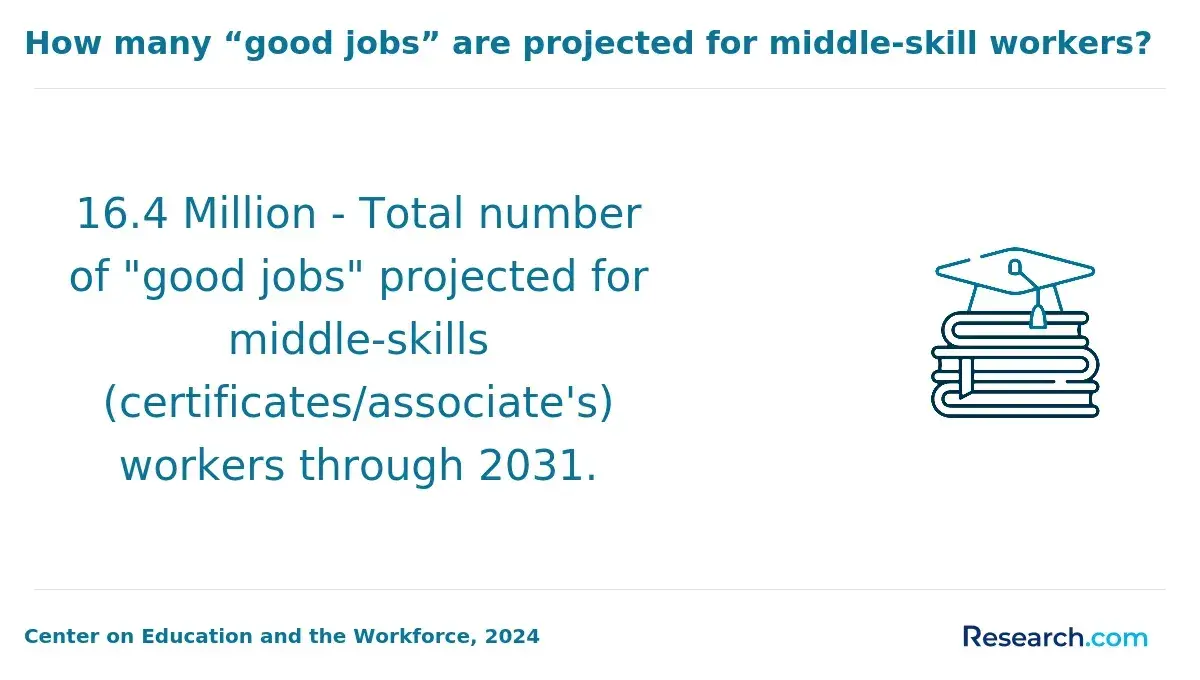
What Coursework Is Required in Early Childhood Education Degree Programs for Working Adults?
Early childhood education coursework for working adults is crafted to balance career relevance, practical skills, and flexible delivery formats that accommodate full-time employment. Nearly 60% of adult learners in these degree programs choose online or hybrid classes, reflecting the growing need for adaptable learning schedules.
This approach not only supports immediate application at work but also fosters professional growth over time.
Core study areas in early childhood education degree programs for working adults include:
- Child Development: Concentrates on the physical, cognitive, and emotional milestones of children. Understanding these fundamentals allows professionals to customize teaching methods to diverse developmental stages effectively.
- Curriculum Design: Focuses on creating age-appropriate learning activities that increase engagement and meet educational standards. This empowers educators to enhance classroom dynamics and foster better learning outcomes.
- Family and Community Engagement: Emphasizes building strong partnerships with families and local communities. These relationships are essential for sustaining supportive environments where children thrive.
- Assessment Techniques: Teaches how to observe and evaluate children's progress systematically. Professionals develop skills necessary for individualized instruction and accountability.
- Leadership and Ethics: Explores ethical practices and leadership roles within early childhood settings, preparing working adults to effectively navigate workplace challenges and advance into supervisory positions.
These foundational topics align closely with the required courses in early childhood degree programs designed for working adults, ensuring education remains practical and career-focused. For those interested in related fields, exploring a library degree can also be a valuable complement to an education career.
Completion time for working adults pursuing an early childhood education degree varies due to the need to balance professional and personal responsibilities with academic demands. On average, part-time students often spend three to six years earning their degree, while full-time students generally take two to four years.
This difference highlights the challenges of managing coursework alongside work and family life.
Several factors can influence how long it takes to finish an early childhood education degree while working, including:
- Program Format: Online and evening classes offer greater flexibility, allowing students to fit studies around their schedules and potentially finish sooner.
- Course Load: Taking fewer classes per term extends the program length but can reduce stress and make balancing obligations easier.
- Prior Credits: Transferring credits from earlier college work may shorten time spent in the program, helping students progress faster.
- Work Schedule: Full-time or irregular working hours limit the available study time, often requiring a slower pace to complete coursework.
- Accelerated Options: Some programs include intensive courses designed to help students complete degrees more quickly by focusing on condensed learning periods.
When asked about his experience earning an early childhood education degree online while working full time, a professional shared that balancing job demands and coursework was challenging but rewarding. "It felt overwhelming at times, especially juggling evening classes with unpredictable work shifts," he said.
He emphasized that building a consistent study routine and using the program's flexible scheduling were crucial. "There were moments when I questioned if I could keep up, but breaking down assignments into smaller tasks made it manageable."
He also mentioned that staying motivated by focusing on career goals helped him persevere through the longer timeline.
Cost plays a crucial role for employed students pursuing an early childhood education degree, especially since part-time learners typically pay between $200 and $600 per credit hour. Given the wide variability in tuition and fees, understanding key cost components can help manage expenses effectively.
Several elements affect the overall price for working adults enrolling in these programs:
- Tuition per credit: Part-time and online students often face higher tuition rates than full-time counterparts, reflecting different delivery methods and institutional policies.
- Program length: The total credits required and the pace of study influence overall costs. Accelerated programs can shorten duration and reduce expenses, while longer or more comprehensive curricula increase financial commitments.
- Additional fees: Beyond tuition, students must budget for mandatory charges such as technology, lab, and registration fees that can add substantially to total costs.
- Textbooks and materials: Required learning resources vary in price, although opting for digital textbooks and supplies may help decrease this portion of spending.
- Cost-saving strategies: Many working students benefit from employer tuition assistance, scholarships, and available tax credits, which can substantially lower out-of-pocket costs.
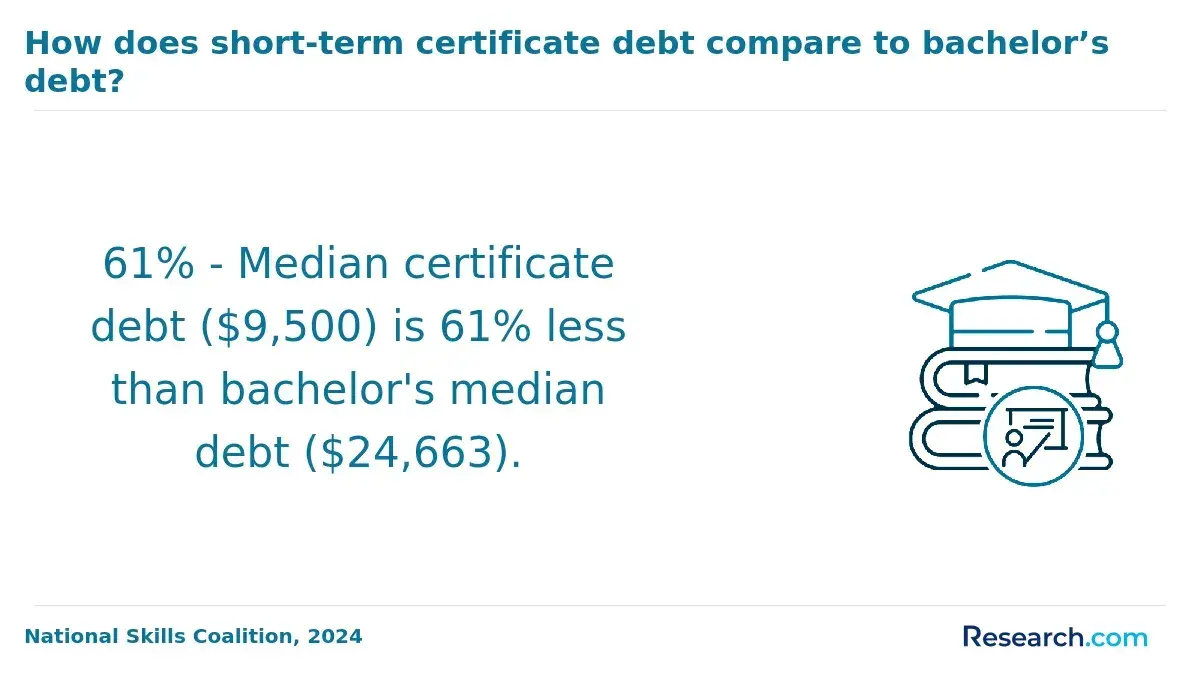
Balancing work, school, and personal commitments can create significant financial pressure for adults pursuing an Early Childhood Education degree. Access to financial aid helps alleviate this burden, making it possible to focus on academic and career goals without overwhelming financial stress.
Below are some common forms of financial support available to working adult learners.
- Federal Financial Aid: This includes programs such as Pell Grants and subsidized student loans designed to assist students based on financial need. These aid options typically feature lower interest rates and flexible repayment schedules, and eligibility often depends on income level and enrollment status.
- Employer Tuition Assistance: Some employers offer tuition reimbursement or assistance programs that cover part or all of the costs for relevant educational programs. This benefit supports employees' professional growth while they maintain job stability.
- Scholarships for Adult Learners: Various foundations and organizations provide scholarships tailored specifically for adults returning to school. These awards help reduce tuition expenses and may have criteria related to work experience or program focus.
- Grants: Grants from government sources or nonprofit groups offer funds without requiring repayment. These can be either need-based or tied to specific education initiatives, providing critical financial relief.
- Payment Plans: Many institutions allow students to divide tuition costs into manageable installments throughout the semester or year. This approach eases cash flow challenges for those balancing income and expenses.
The author spoke with a professional who completed an Early Childhood Education degree while working full time. She recalled feeling overwhelmed by the prospect of juggling coursework and financial obligations simultaneously but emphasized that carefully researching aid options made a huge difference.
"The process was daunting at first, but securing a combination of employer assistance and smaller scholarships gave me confidence and motivation to keep going," she shared. Managing monthly payments by enrolling in a tuition plan was crucial in avoiding unexpected expenses.
She also highlighted the emotional relief that came with knowing she wasn't bearing the financial burden alone, which helped her maintain focus and persevere through difficult periods.
Breakdown of All 2-Year Online Title IV Institutions

Working adults enrolled in early childhood education programs often face the challenge of balancing coursework with full-time jobs and personal duties. Access to tailored institutional support services plays a vital role in helping them stay on track and successfully complete their degrees.
- Flexible Scheduling: Enables students to engage with classes and materials at times that work around their professional and personal commitments. This flexibility helps reduce stress and allows learners to maintain steady progress without sacrificing other responsibilities.
- Academic Advising: Offers individualized guidance on course selection and degree planning to ensure students meet program requirements efficiently. Advisors help adult learners navigate scheduling conflicts and plan for timely graduation.
- Online Learning Support: Provides technical assistance and resources that facilitate effective participation in remote or hybrid courses. This support ensures students can smoothly access coursework regardless of location or time constraints.
- Tutoring Services: Reinforces comprehension of challenging topics through personalized sessions, boosting students' confidence and academic performance. Tutors help learners stay engaged and overcome obstacles in their studies.
- Mental Health Resources: Addresses the emotional and psychological stresses that can accompany balancing education with other life demands. These services promote well-being, motivation, and sustained focus throughout the program.
Accreditation for early childhood education programs signifies that an independent body has reviewed and approved the curriculum, faculty credentials, and student services, ensuring they meet established quality standards. For working adults, this validation guarantees that their degree holds value among employers and licensing authorities.
Accredited programs typically offer current, rigorous coursework that aligns with industry needs. Additionally, degrees from accredited schools make students eligible for financial aid options, a critical factor for many adult learners balancing education with other responsibilities.
Recent data shows that more than 40% of graduate students are aged 30 and above, underlining the necessity for accessible, high-quality education tailored to adults.
The long-term benefits of earning an accredited early childhood education degree are significant for career-focused adults. Accreditation facilitates credit transfers if a student needs to pause their studies, maintaining educational continuity.
Moreover, many state licensure and certification requirements mandate degrees from accredited institutions, which is essential for advancing in early childhood education careers. This recognition enhances not only the credibility of the degree but also expands professional opportunities for adult learners aiming to progress within the field.
Salary growth is a major motivating factor for working adults pursuing an Early Childhood Education degree, with annual salaries typically ranging from $30,000 to $55,000 depending on factors like experience and location. Many professionals seek this degree to qualify for better-paying roles and increase their earning potential within educational settings.
- Industry Demand: The growing need for qualified early childhood educators has increased opportunities for salary enhancements. As the demand rises, employers often adjust compensation to attract and retain skilled professionals.
- Role Advancement: Earning an Early Childhood Education degree can open doors to higher-level positions such as lead teacher or program coordinator. These roles involve greater responsibility and typically command improved salaries.
- Employer Policies: Some organizations provide salary increments specifically tied to educational credentials. This creates a structured pathway for professionals to gain raises aligned with their academic achievements.
- Experience Factor: Years of experience combined with a degree compound salary growth, with veteran educators generally earning more due to their expertise and longevity in the field.
- Specialization: Focusing on areas like special education or curriculum development may lead to premium wages, as specialized skills address critical needs within early childhood education programs.
Working adults who balance their careers and studies often look for flexible programs. Pursuing an affordable online bachelor's degree in Early Childhood Education can provide the necessary credentials while accommodating full-time employment and career advancement goals.
For those interested in salary growth with Early Childhood Education degree for working adults, these factors are essential to consider when assessing the return on investment.
An early childhood education degree enables working adults to qualify for higher-level, more specialized, or leadership-oriented roles rather than entry-level teaching positions. This credential highlights an individual's expertise in child development, curriculum design, and educational best practices, supporting career advancement in the field.
Here are some common upward-mobility roles for experienced professionals with an Early Childhood Education degree:
- Curriculum Coordinator: Oversees development and implementation of educational programs, ensuring alignment with developmental standards. This role typically includes training teachers and coordinating learning objectives across classrooms.
- Program Director: Manages early childhood centers or preschools, focusing on staff supervision, budgeting, and regulatory compliance. The degree equips professionals with leadership and administrative skills essential for this position.
- Special Education Specialist: Supports children needing additional educational assistance by customizing instructional methods. The degree provides foundational knowledge on child psychology and adaptive teaching strategies.
- Child Development Consultant: Advises organizations on evidence-based practices for early childhood programs, leveraging research and practical expertise enhanced by the degree.
- Early Childhood Education Teacher Trainer: Prepares educators through workshops and courses, using a deep understanding of pedagogy and early learning principles gained from the degree.
Many working adults seeking to enhance their qualifications consider flexible, accredited programs like an associate's degree in early childhood education, which can open doors to these job opportunities with early childhood degree for adults. Such programs accommodate full-time work while fostering professional growth.
Overall, early childhood education careers for working adults offer pathways to roles with greater responsibility, influence, and impact within educational settings.
What Graduates Say About Their Early Childhood Education Degrees for Working Adults
- Charlene: "Deciding to pursue an early childhood education degree online while working full-time was daunting, but the flexibility made it manageable. Knowing that the average cost hovers around $15,000 for working adults helped me budget carefully without feeling overwhelmed. Completing the program has not only increased my confidence but also opened up leadership opportunities at my childcare center."
- Emmanuelle: "I chose a part-time early childhood education degree to balance work and family life without sacrificing my career growth. Although the tuition fees were a concern, typically ranging from $12,000 to $18,000-I found the investment worthwhile when I secured a promotion due to my enhanced qualifications. This journey taught me discipline and the true value of continuing education."
- Nellie: "Going back to school for my early childhood education degree while working part-time was a strategic decision driven by my passion to improve young lives. The cost, averaging about $14,000 for working students, was affordable compared to full-time programs and was offset by financial aid. Graduating empowered me professionally, allowing me to implement new teaching strategies and advocate for better educational standards."
Other Things You Should Know About Early Childhood Education Degrees
In 2027, top online Early Childhood Education programs for working adults include Walden University, University of Phoenix, and Southern New Hampshire University. These programs offer flexible schedules, allowing working adults to balance their job and studies effectively, while providing comprehensive coursework tailored for early childhood education professionals.
Most online Early Childhood Education programs require students to have access to a reliable computer and internet connection. In addition, students should be comfortable using learning management systems, video conferencing software, and basic digital tools for assignments and communication. Programs typically provide technical support but expect a certain level of digital literacy.
Many programs offer flexible scheduling options such as evening or weekend classes and asynchronous online courses. Some also provide accelerated formats or part-time study paths to accommodate the work-life balance needs of adult learners.
- What Are the Requirements for Early Childhood Education? - Online Schools Report https://www.onlineschoolsreport.com/what-are-the-requirements-for-early-childhood-education/
- Questions & Answers: Master's in Early Childhood Education Online https://online.ewu.edu/degrees/education/med/early-childhood-education/questions-answers-masters-in-early-childhood-education-online/
- Program Details https://www.eastern.edu/academics/adult-undergraduate-programs/bs-early-childhood-education-online
- Early Childhood Education Degree Guide: Types, Jobs, and More https://www.coursera.org/articles/early-childhood-education-degree
- Early Learning Resources https://www.lacoe.edu/education/ece-adult-education/resources
- List of Careers in Early Childhood Education 2025 https://mets.edu.au/list-of-careers-in-early-childhood-education/
- Early Childhood Education Certificate Program | Stenberg College https://stenbergcollege.com/program/early-childhood-education/
- Top Early Childhood Education Degrees in 2025 https://bold.org/blog/early-childhood-education/
- Student Support Services - Frequently Asked Questions - Education and Early Childhood Development https://www.gov.nl.ca/education/faq/studentsupportservices/
- ECE Jobs: Different Child Care Environments https://www.pacificoaks.edu/voices/blog/early-childhood-education-work-environments/