2027 Online Legal Studies Degrees With the Best Financial Aid Guidance

Co-Founder and Chief Data Scientist
Balancing work, family, and advancing a career in legal studies creates a squeeze where timing and financial clarity become hurdles. With over 40% of U. S. undergraduates now enrolled part-time or online according to the National Center for Education Statistics, flexible access to relevant programs is reshaping how students approach legal careers.
However, the complexity of financial aid options often obscures real affordability, risking stalled progress or excessive debt. For those pivoting into legal studies or seeking upward mobility, understanding which online degrees deliver cost-effective value is essential. This article identifies top online legal studies degrees paired with expert financial aid guidance to clarify viable pathways and optimize investment decisions.
Key Things You Should Know
- Federal aid limits often force students to prioritize cost over program depth; the 35% average tuition inflation since 2020 reduces real financial aid value, constraining access to comprehensive legal studies curricula.
- Employers report 42% preference for candidates with practical legal tech skills embedded in coursework, pressuring programs to balance financial aid allocation against specialized training investments.
- Accelerated online tracks reduce time-to-employment by 20% but commonly align with lowered grant support, requiring students to weigh faster entry against increased loan burdens.
What is an online legal studies degree and how does it prepare you for law-related careers?
Online legal studies degrees equip students with applied skills relevant to roles that support legal operations but do not confer eligibility to practice law. Unlike a Juris Doctor, this pathway emphasizes expertise in legal research, case law interpretation, and regulatory frameworks, which are essential for paralegals, compliance analysts, and court administrators. This education prepares students practically, reflecting how employers value candidates who can translate theory into effective document management and procedural compliance.
A practical example is a healthcare compliance analyst using legal studies knowledge to navigate HIPAA regulations and prevent costly violations, demonstrating how this degree intersects with real-world employer needs. Meanwhile, court clerks' responsibilities require mastery of precise procedural standards taught in such programs.
Given the cost range from $179 to $500 per credit hour, and total tuition between $21,500 and $60,000 for a typical 120-credit curriculum, financial considerations heavily influence student decisions. Students need to assess accreditation, alignment with career targets, and available financial aid to avoid disproportionate debt without commensurate salary gains.
Shifting toward legal studies for career advancement involves weighing potential roles-such as regulatory compliance or contract management-that offer divergent wage trajectories. For focused guidance on program selection, exploring the best online paralegal programs can clarify fit and outcomes. Employers prioritize candidates who demonstrate applied competency, making an online legal studies degree benefits for career advancement best realized when coupled with real-world experience and strategic career planning.
How can you find accredited online legal studies programs that qualify for federal financial aid?
Choosing accredited online legal studies programs eligible for federal financial aid is a decision that directly affects both affordability and post-completion opportunities. Without U.S. Department of Education-recognized regional or national accreditation, students forfeit access to Pell Grants, federal loans, and work-study, dramatically altering financing options and increasing debt reliance. Confirming federal aid eligibility through tools like the Federal School Code Search is imperative when evaluating online legal studies degrees with federal financial aid options.
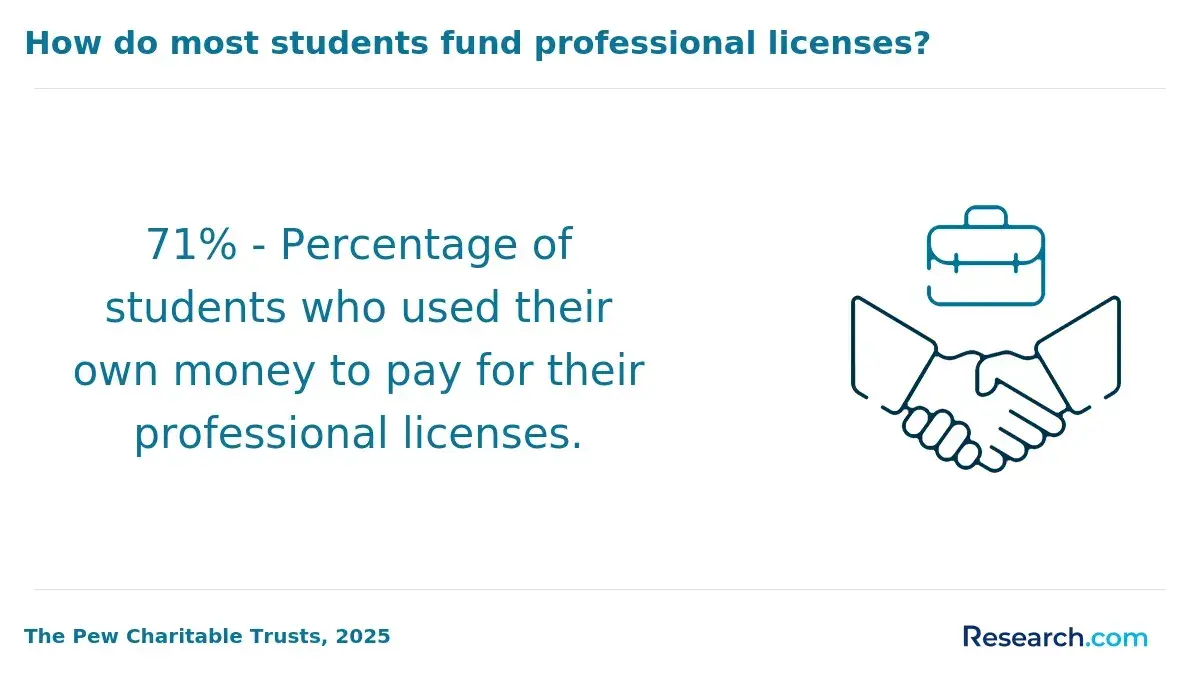
Transparent disclosure of aid availability and cost is a practical necessity rather than a luxury. Roughly 90% of students at certain leading online institutions qualify for some form of financial aid, but these figures require nuanced interpretation relative to program expenses and realistic legal job market outcomes. Students should actively request FAFSA codes and clarify financial aid office policies, especially since some certificate tracks may not be covered, potentially limiting funding for career pivots.
Real-world scenarios illustrate varied financing strategies. For instance, a paralegal switching careers might combine subsidized loans with employer tuition reimbursement, balancing debt load with income. First-time undergraduates usually depend more heavily on direct federal grants and work-study placements.
These differences emphasize that beyond accreditation and aid eligibility, program value depends on aligning education with realistic workforce expectations and measured returns on investment. Understanding these tradeoffs is critical, especially when considering paths related to legal fields where salary dynamics, such as a criminal profiler salary, vary widely and impact long-term financial planning.
Which online legal studies degrees offer the most robust financial aid and advising support?
Choosing between public and private online legal studies programs hinges on the interplay of cost, financial aid access, and advising quality. Public institutions typically offer robust financial aid packages, combining federal Pell Grants and subsidized loans with state scholarships that cater to nontraditional and working students. For instance, the University of Illinois Springfield charges roughly $366 per credit for its online master's, making the degree accessible through need- and merit-based aid. This structure aligns advising with realistic debt projections, crucial for students prioritizing affordability and timely completion.
By contrast, private universities such as the University of Southern California, with tuition rates near $3,000 per credit, rely heavily on merit scholarships for top-tier applicants. Their advising often emphasizes career placement over comprehensive financial counseling, which can restrict effective budgeting and loan management for most students. This disparity affects post-graduation financial stability and total debt load in measurable ways.
Working professionals aiming for compliance or paralegal roles will find that the best online legal studies degrees with financial aid support from public programs reduce financial stress and default risk while maintaining practical career relevance. Meanwhile, students targeting elite law firms or federal roles might justify higher private costs if paired with aggressive merit aid and specialized advising, although such support remains inconsistent.
Prioritize programs with dedicated aid offices offering budgeting, loan counseling, and employer tuition partnerships. For comparative context on affordable degree pathways, consider this online bachelor's degree in forensic science analysis. Selecting programs with integrated financial advising aligned to realistic outcomes is a critical, often overlooked factor in top online legal studies programs financial aid advising.
What types of online legal studies degrees exist, and which pathway fits different career goals?
Online legal studies degree options for career goals pivot around three main pathways: certificates, associate degrees, and bachelor's degrees, each aligned to different workforce roles and expectations. Certificates generally suit working adults targeting rapid qualification as paralegals or legal assistants, offering focused exposure to legal terminology and software skills in under a year. Associate degrees expand foundational knowledge, adding credibility and credits transferable toward bachelor's degrees, thereby improving employability in roles like legal secretaries. Bachelor's degrees combine legal theory with critical analysis, facilitating entry into regulation, compliance, or preparatory tracks for law school.
This tiered structure reflects a tradeoff between time investment and long-term outcomes. For example, a professional with limited availability might prioritize a certificate pathway to meet immediate job requirements. In contrast, those seeking better prospects or aiming for roles that require analytical rigor will find bachelor's degree programs more suitable. Notably, financial aid accessibility varies: bachelor's programs often have stronger scholarship pipelines, increasing chances of debt-free graduation, while certificate and associate tracks typically offer fewer aid opportunities despite their lower upfront costs.
Employer demand for graduates with measurable competencies in legal workflow and critical communication shapes these pathways. Assessing program length, cost, and aid availability is essential for effective career planning. For insights on comparable accelerated programs in related fields, consider how long does it take to study architecture. This perspective sharpens decisions about balancing duration, cost, and outcome in online legal studies degree options for career goals.
How do online legal studies programs compare with on-campus options for cost, quality, and support?
Choosing an online legal studies program lowers direct costs by removing expenses like commuting, housing, and campus fees, yet this financial advantage carries tradeoffs in practical skill acquisition and institutional support. Although top-tier online curricula meet accreditation standards comparable to on-campus programs, virtual formats limit hands-on experiences such as courtroom simulations and immediate networking opportunities critical for legal careers.
Employers increasingly evaluate candidates based on both degree quality and relevant experience. Graduates from reputable online programs often achieve similar job placement and salaries when they supplement academics with internships or part-time legal roles. However, lack of proactive advising and career services in some online programs can hinder navigation of licensure processes and labor market entry, diminishing return on investment despite lower tuition.
For working professionals targeting roles like compliance officers, online legal studies combined with employer tuition support and virtual mentoring can allow career pivoting without income interruption. This approach demands strong self-discipline and strategic networking to compensate for limited face-to-face interaction.
Data from the U.S. Bureau of Labor Statistics confirms a median annual wage of $108,080 for legal occupations, substantially above the national average. Prospective students should carefully align program costs, the quality of experiential learning, and support services with their long-term employment goals.
What does the typical online legal studies curriculum include, and how flexible are course formats?
Choosing an online legal studies program requires balancing its practical rigor against real-world employment demands and cost constraints. Programs typically cover core areas like constitutional law, criminal justice, contract law, legal research, and ethics, supplemented by applied courses in litigation support, paralegal work, and dispute resolution. These components build analytical competencies employers seek, especially in roles navigating corporate compliance or public-sector legal tasks.
The format flexibility offered by most online legal studies degrees is critical for working adults or career changers. Asynchronous coursework supports scheduling autonomy, though limited synchronous elements may exist for interactive workshops. This format suits professionals managing jobs and families, but fewer networking opportunities are a tradeoff compared to on-campus studies-something that affects connections valued by many legal employers.
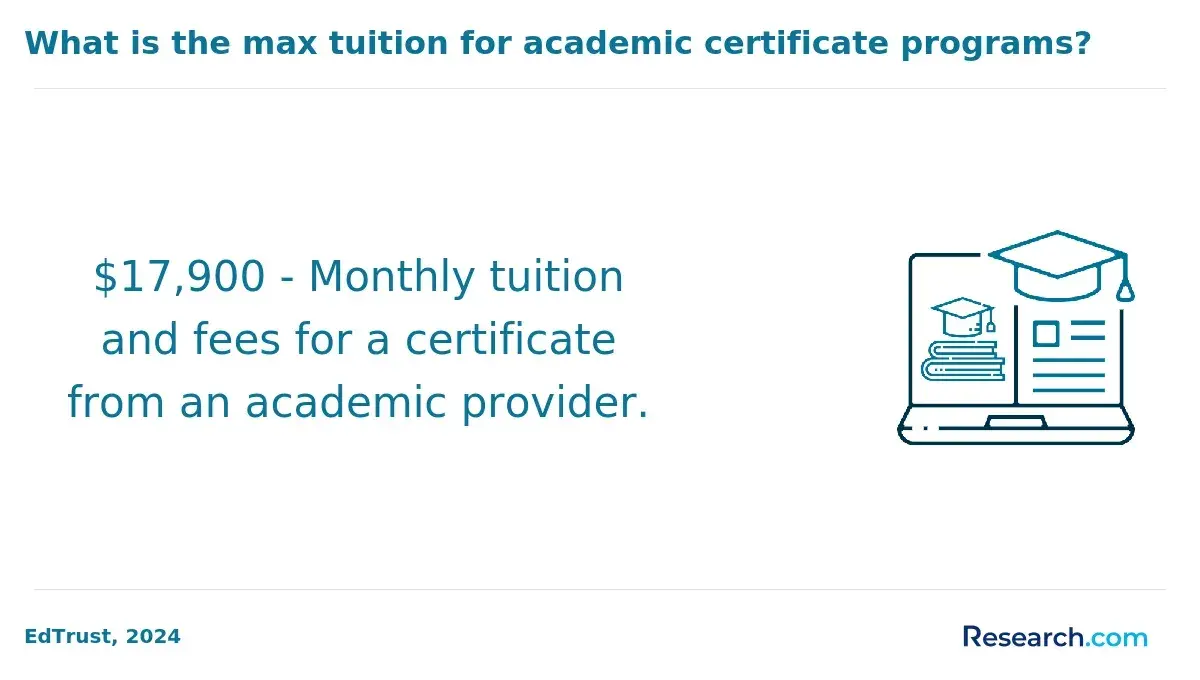
From a financial standpoint, tuition for online legal studies bachelor's programs averaged $6,315 with a net price around $3,206, considerably lower than traditional options. This affordability reduces debt but may coincide with less institutional prestige or reputation, factors some employers weigh heavily. Graduates aiming for paralegal or regulatory compliance roles should prioritize accredited programs offering experiential training-such as legal technology applications and e-discovery tools-to boost workplace readiness.
Students must weigh these realities: lower costs and flexible schedules versus diminished networking and selective employer preference for certain program formats. The choice fundamentally shapes long-term employability and operational effectiveness in legal-adjacent careers.
What are the usual admission requirements, program length, and total costs for online legal studies?
The decision to pursue online legal studies demands careful consideration of how program structure aligns with workplace realities and long-term career goals. While admission typically requires a high school diploma or equivalent, most programs avoid entrance exams, focusing instead on transcripts and personal statements. This lowers upfront barriers but also means candidates must self-assess readiness for sustained academic effort.
Programs range from accelerated associate degrees of about 18 months to bachelor's degrees approaching four years, accommodating students balancing employment or family commitments. However, faster completion may not always translate into better employment outcomes, as some employers prioritize demonstrated experience over credentials earned rapidly.
Cost remains a substantial factor, with total tuition frequently between $10,000 and $40,000 depending on institution type and residency status. Beyond federal loans, prospective students should explore targeted scholarship opportunities-one program lists roughly 100 distinct scholarships for legal studies-which can reduce dependency on high-interest debt. Interest-free monthly payment plans are another practical way to manage cash flow.
Evaluating return on investment requires more than tuition estimates; additional fees and required materials impact total expenses. For example, a paralegal seeking specialization must weigh whether the program's credential and timeframe align with regional labor market expectations, since wage growth in legal support roles can be modest and non-linear.
What legal and law-adjacent careers can you pursue with an online legal studies degree?
An online legal studies degree offers pathways into roles that require applied legal knowledge without conferring attorney status. Positions such as paralegal, compliance officer, legal analyst, and court clerk rely on skills in research, document preparation, and regulatory understanding rather than courtroom litigation. For example, compliance officers in financial services use their grasp of evolving regulations to enforce organizational adherence, a capability grounded in legal studies programs.
These roles prioritize implementation and analysis over representation, which presents tradeoffs: while they avoid the rigorous licensing process for attorneys, salary growth and lateral mobility are often constrained by the lack of licensure. Employers typically seek candidates with demonstrable legal knowledge, communication ability, and often professional certifications (e.g., Certified Paralegal) to bridge these limitations.
Federal financial aid can offset the cost of education, with graduate borrowers eligible for up to $20,500 per year in Direct Unsubsidized Loans, supplemented by Grad PLUS Loans for full attendance costs. Strategic use of these loan options supports longer-term training or advanced credentials that can enhance job prospects.
Students should align their legal studies focus with sectors such as healthcare compliance or intellectual property, where such degrees carry practical value despite not qualifying graduates as Licensed Legal Professionals. The decision involves assessing job market contexts, certification opportunities, and long-term return on investment documented in labor market reports.
What salary ranges and job outlook can graduates of online legal studies programs expect?
Graduates of online legal studies programs face a nuanced salary and employment landscape shaped by sector, location, and skill set. Entry-level salaries range from $40,000 to $55,000 annually, with mid-career wages typically between $60,000 and $75,000. For roles like paralegals and legal assistants, the U.S. Bureau of Labor Statistics reports a median wage of $51,740 in 2024, with projected 7% job growth through 2034, outpacing average occupational increases. However, regional and industry factors considerably affect these figures.
For example, corporate legal departments often provide higher salaries but expect candidates to demonstrate proficiency with specialized legal software and strong research capabilities. Government positions prioritize compliance experience but generally offer lower pay. Students must balance full-time work against further specialization or study commitments, particularly in programs incorporating up to 20 hours per week of work-study, which can alleviate financial pressures while fostering practical experience.
Regional market saturation and licensing limitations further complicate the landscape. Metropolitan graduates encounter more competition but benefit from superior salary potential, whereas rural candidates face fewer opportunities and slower career advancement. Financial aid packages that blend tuition assistance with paid work can offer strategic leverage, enabling students to build relevant skills and networks without excessive debt accumulation.
How should prospective students evaluate and compare online legal studies programs before enrolling?
Choosing an online legal studies program requires careful evaluation of cost, curriculum relevance, and post-degree employment potential to avoid financial strain and misaligned career outcomes. Programs range widely in price, typically from $13,000 to $67,000, so prospective students must obtain detailed tuition and fee breakdowns-including technology and materials costs-early in their decision process.
Employment prospects depend heavily on accreditation and program reputation, as these impact employer recognition and eligibility for certifications, which vary regionally and by role. Students targeting compliance or corporate legal support roles should prioritize programs featuring practical courses such as case analysis, legal writing, and sector-specific regulatory frameworks. Those seeking broader career shifts may benefit more from curricula emphasizing critical thinking and research skills.
Working professionals balancing full-time jobs often require flexible pacing with asynchronous class formats and verified career services, while newcomers to the field should seek programs offering internships and proactive alumni networks to aid in workforce entry. Graduate employment statistics, when sourced rigorously, expose meaningful differences in program quality beyond promotional marketing.
Financial planning must incorporate repayment scenarios and long-term salary impact to ensure sustainable investment. For example, a compliance analyst expanding credentials through part-time study should weigh potential salary uplifts against incurred debt and household budget constraints.
Other Things You Should Know About Legal Studies
Yes. Students at Title IV-eligible online legal studies programs can use federal Direct Loans by completing the FAFSA. For 2027, eligibility depends on enrollment in an accredited program, satisfactory academic progress, and annual loan limits set by the U.S. Department of Education.
To be eligible for financial aid in 2027 online legal studies programs, students typically need to complete the FAFSA form, demonstrate financial need, and be enrolled at least half-time in an accredited program. Some scholarships may require a minimum GPA or particular field of interest.
In 2027, students pursuing online legal studies degrees can access federal grants, low-interest student loans, scholarships specifically for law students, and financial aid packages from their chosen institution. Eligibility often requires maintaining satisfactory academic progress and enrolling in an accredited program.
References
- Is Online Law School Worth It for Your Career Goals? https://online.law.tulane.edu/blog/why-online-law-school
- Online Master of Legal Studies Programs in West Virginia https://onlinemasteroflegalstudies.com/schools-by-state/online-master-of-legal-studies-programs-in-west-virginia/
- Sponsored Content: Understanding the Different Degree Paths in Legal Education https://blog.texasbar.com/2026/04/articles/sponsored-content/sponsored-content-understanding-the-different-degree-paths-in-legal-education/
- Online Legal Studies Degrees https://www.affordablecollegesonline.org/degrees/best-online-bachelors-in-legal-studies-programs/
- Legal studies course payment options https://www.legalstudies.com/about-cls/payment-options-2/
- Best Online Master of Studies in Law Programs for 2025 https://www.princetonreview.com/law-school-rankings/best-online-master-studies-in-law-programs
- 10 jobs you can do with a law degree https://www.lawsociety.com.au/resources/resources/career-hub/10-jobs-you-can-do-law-degree
- Your Guide to Law-Related Careers https://www.isba.org/public/guide/lawrelatedcareers
- Types of Law - 21 Fields of Law Explained | Different Areas of Law https://www.collegesoflaw.edu/blog/2018/11/06/different-fields-of-law-explained/
- Title IV Federal Financial Aid - Online Paralegal School https://www.nationalparalegal.edu/financialaid.aspx