2027 Best Online Legal Studies Degrees for Employment Law Support Careers

Co-Founder and Chief Data Scientist
Juggling full-time employment with advancing a legal career poses a persistent challenge, especially for those targeting roles in employment law support where timely expertise is crucial. Recent data from the National Center for Education Statistics reveals a 22% surge in adult learner enrollment in online degree programs since 2022, signaling a shift toward flexible education models that accommodate complex professional schedules. However, not all online legal studies degrees equally address employer expectations or provide practical training aligned with the nuances of employment law frameworks.
Identifying programs that blend accessibility with robust experiential components can directly influence career trajectory and job readiness. This article examines top online legal studies degrees tailored for employment law support careers, emphasizing program structures, outcomes, and their capacity to reconcile educational demands with workforce realities.
Key Things You Should Know
- Legal studies degrees emphasizing employment law support show a 15% wage premium where programs integrate experiential internships, but these extend completion time by an average of 6 months, impacting opportunity cost.
- Employers increasingly demand paralegal certification alongside degrees; graduates lacking credentials face a 25% lower hiring rate in 2024 recruitment data from the National Federation of Paralegal Associations.
- The rising complexity of labor regulations since 2023 mandates program curricular updates every 2 years, limiting the value of older, static online legal studies credentials in fast-evolving employment law sectors.
What is an online legal studies degree focused on employment law support?
An online legal studies degree for employment law support is best viewed through the lens of workforce applicability rather than academic breadth. The degree cultivates specialized skills in labor regulations, workplace compliance, and dispute resolution that are directly actionable for roles such as compliance specialists or paralegals within HR legal units. For example, a paralegal working in corporate HR must interpret laws like the Fair Labor Standards Act and manage Equal Employment Opportunity Commission claim responses, underscoring the necessity for practical, job-ready proficiencies over theoretical legal knowledge.
This employment law support career legal studies program demands rigorous self-directed learning and tech fluency, as instruction and peer interaction happen virtually. This format can challenge access to hands-on mentorship but offers needed flexibility for professionals aiming for a career pivot or advancement. Students should critically assess whether a program incorporates internships or practicums focused on employment law to acquire direct workplace experience, a decisive factor given the median paralegal wage rose from $59,200 in 2022 to $61,010 as of May 2024, according to the U.S. Bureau of Labor Statistics.
Program selection should also consider industry-specific compliance variances-such as between healthcare and manufacturing-to ensure long-term employability. Customizable electives or specializations align curriculum with evolving legal landscapes, helping graduates avoid retraining costs. Accreditation quality and alignment with employer expectations remain non-negotiable elements for sustainable career outcomes.
For those weighing these tradeoffs and targeting realistic career outcomes, exploring the best online paralegal programs can provide further clarity on accelerated pathways that balance practical skill acquisition with workforce demands.
How do online legal studies programs prepare students for employment law support roles?
Online legal studies programs for employment law support careers emphasize concrete skills that align closely with employer needs in fast-evolving legal environments. Training centers on labor law fundamentals, case management software, and e-discovery tools essential for handling workplace disputes, contract reviews, and regulatory compliance with precision and confidentiality.
The skills developed through online legal studies for employment law roles include practical tasks such as drafting employment contracts, managing wrongful termination claims, and preparing for depositions. Graduates are prepared to navigate varied legal contexts, from union negotiations in manufacturing to compliance monitoring in tech companies. This complexity requires not only legal knowledge but also the ability to adapt to diverse workplace regulations while meeting strict procedural deadlines.
Given a projected 4% growth in paralegal and legal assistant positions by the U.S. Bureau of Labor Statistics-adding approximately 3,700 jobs annually-programs also address the realities faced by working adults through asynchronous formats and flexible pacing. This accommodates students balancing employment while developing competencies like client interviewing and compliance tracking that directly influence employability and career trajectory.
Prospective students should compare these offerings with related fields such as an online associate degree in criminal justice, evaluating the market demand and practical outcomes tied to employment law support roles specifically.
What careers can you pursue with a legal studies degree in employment law support?
Employment law support careers demand clear legal expertise combined with practical workforce management skills. A legal studies degree in employment law positions graduates for roles such as human resources specialists, compliance officers, labor relations advisors, and employment law paralegals. For instance, human resources specialists apply nuanced knowledge of workplace regulations to manage employee relations and guide policy adherence; U.S. Bureau of Labor Statistics data shows these specialists earned a median annual wage of $69,610 in May 2024, with the top 10% surpassing $120,000. These figures reflect tangible job market value for candidates with specific labor law competencies.
Career paths with a legal studies degree in employment law often involve tradeoffs. Corporate HR roles provide steadier hours and salary trajectories but require ongoing adaptation to evolving labor laws and workforce diversity issues. Conversely, employment law paralegals enjoy more specialized legal engagement but face deadline-driven, sometimes variable workloads, typically in law firms or corporate legal departments.
Compliance officers, leveraging a legal studies foundation, play a critical role auditing organizational practices to mitigate legal risks and regulatory penalties. The responsibilities across these roles underscore necessary continuous education to stay aligned with labor regulations and equal employment opportunity standards.
Graduates considering these career paths should assess how legal studies equip them to interpret and navigate complex employment regulations, a skill essential for minimizing organizational risk and optimizing workforce management. For related insights on professional transitions, see what can I do with a masters in forensic psychology.
How do online legal studies degrees compare to campus programs for employment law?
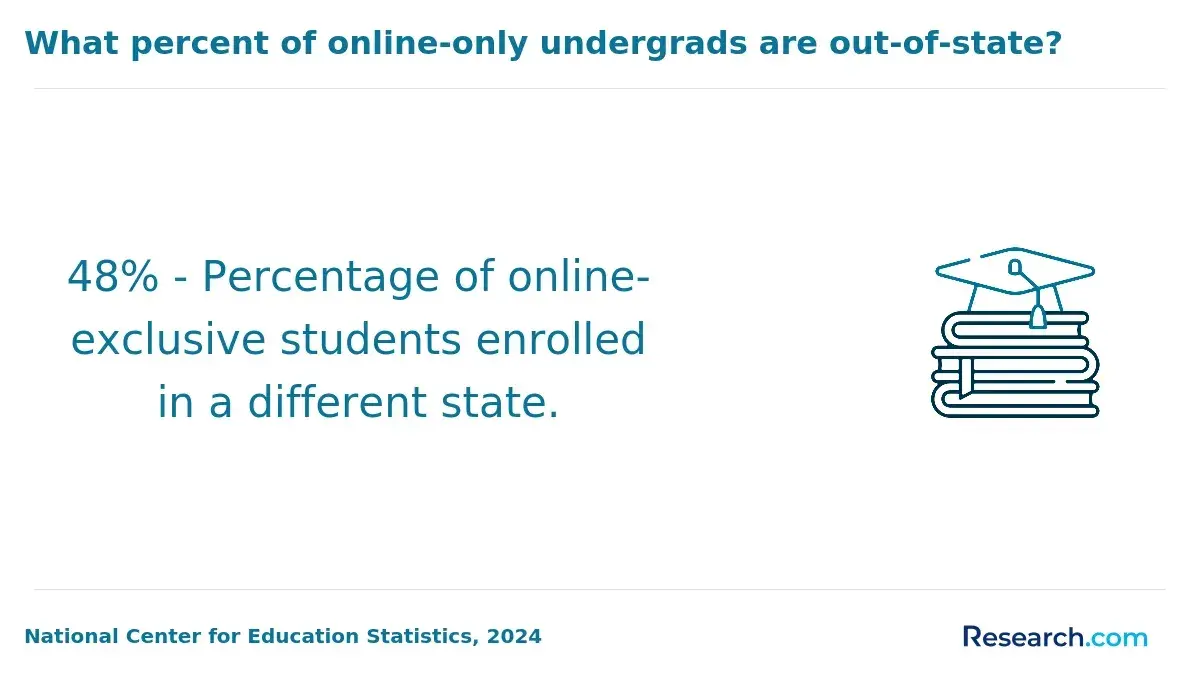
Online legal studies degrees versus campus programs employment law presents a nuanced choice shaped by accessibility, employer recognition, and hands-on experience. Tuition varies dramatically, from approximately $19,800 for some affordable online options to $65,000 for campus-based programs in California. This cost range reflects a tradeoff between flexibility and immersive, localized training.
Campus programs offer direct networking within legal communities, which is critical for candidates targeting specific employment law niches like labor relations in metropolitan areas. However, these programs usually require full-time enrollment and higher tuition, creating barriers for working professionals or out-of-state students. In contrast, online legal studies degrees provide asynchronous coursework that fits around professional schedules, making them well-suited for career pivots such as moving from human resources to employment law support.
Employers increasingly accept accredited online credentials, especially when candidates supplement them with practical experience such as internships or remote externships. Still, online learners should anticipate fewer networking opportunities and may need to engage proactively with legal associations or online platforms for job placement.
Key considerations include:
- Cost savings and scheduling flexibility versus limited access to in-person career services
- Employer preferences for state-specific bar knowledge often absent in online curriculums
- The value of local legal community connections for targeted employment law roles
For working professionals evaluating educational pathways, balancing these factors is essential. Some might also explore short Spanish degrees online programs to complement legal skills with bilingual capabilities relevant in numerous labor law contexts.
What accreditation and institutional quality standards should legal studies programs meet?
Regional institutional accreditation recognized by the U.S. Department of Education or CHEA remains the essential benchmark for legal studies programs aiming to prepare students for employment law support roles. Employers and licensing bodies generally require this as a minimum standard, directly influencing credit transferability and labor market acceptance. Graduates from non-accredited programs often face diminished mobility and limited hiring prospects.
Specialized programmatic accreditation or alignment with legal education bodies can increase practical value but is not universally mandatory, particularly since employment law support roles rarely demand ABA-accredited degrees. Programs offering internships with labor law firms or compliance offices, especially in competitive regions like California or New York, tend to yield stronger employment outcomes.
When evaluating programs, check for updated curricula reflecting current employment regulations and incorporation of relevant legal technology. As noted by Educations.com, the rise to 11 available online employment law degrees in 2025 offers options but varies widely in quality. Assess program delivery carefully: synchronous formats may create scheduling conflicts for working students, while asynchronous models offer flexibility but require self-motivation and robust instructional design.
Transparency in graduate outcomes-including employment rates and time to placement-is a critical differentiator. Without clear data, applicants risk investing in degrees that fail to align with market demands. Additionally, verify any state-specific certification or licensing requirements tied to paralegal or legal assistant career paths early in the decision process to avoid post-completion barriers.
What courses and skills are included in legal studies programs emphasizing employment law?
Programs in legal studies with an emphasis on employment law provide critical skills for navigating increasingly complex labor regulations and operational realities. Graduates must juggle federal statutes like the Fair Labor Standards Act and Family and Medical Leave Act (FMLA) with the distinct workforce compositions of industries such as retail versus manufacturing, affecting how legal mandates are applied in practice.
Key competencies include interpreting EEOC claim processes, drafting employee handbooks compliant with evolving labor standards, and managing collective bargaining agreements within unionized contexts. These capabilities are essential for minimizing litigation risks and maintaining labor stability. Risk assessment in HR also demands nuanced understanding of how regulatory requirements impact operational decisions differently across sectors.
Training often involves practical elements like case law analysis, compliance auditing, and simulation-based negotiation exercises. Employers increasingly expect familiarity with digital compliance tracking tools and case management systems, reflecting the integration of technology in workplace legal oversight.
Mid-career professionals enhance value by blending operational HR experience with legal expertise, addressing employer preferences for personnel skilled in both legal frameworks and human capital strategy. This hybrid skill set is particularly relevant for sectors grappling with emerging challenges such as gig economy labor rights and DEI legal frameworks.
- Core coursework includes labor law, discrimination law, workplace compliance, and collective bargaining.
- Specialized instruction targets sector-specific issues in healthcare, tech, and manufacturing.
- Graduates develop skills in dispute resolution, grievance mediation, and risk mitigation aligned with regulatory complexity.
What are typical admission requirements for online legal studies degrees?
Online legal studies degree programs typically require applicants to hold a bachelor's degree from an accredited institution, ensuring students can engage with advanced legal content without needing foundational coursework. Some programs add a minimum GPA requirement, generally between 2.5 and 3.0, signaling adequate academic readiness. While relevant work experience-such as paralegal work or law enforcement-is recommended, it's not universally mandatory, distinguishing these pathways from traditional law schools that rely on LSAT scores and more rigorous legal academic records.
This setup offers advantages for professionals seeking a faster, more cost-effective route into legal support roles, often completing their degree in 12 to 24 months versus three years at a typical law school cost exceeding $50,000 annually, according to California Degrees' 2026 guide. However, the absence of a uniform entrance exam introduces variability in program selectivity and rigor across providers.
Applicants usually must supply a personal statement that clarifies career objectives and motivation, which helps programs evaluate candidate fit. Letters of recommendation appear more commonly when accelerated or cohort-based formats emphasize collaboration and discipline.
Deciding on an online legal studies program requires careful research into how well the curriculum and admissions criteria align with employer expectations, especially for roles demanding practical knowledge rather than traditional legal qualifications.
How long do legal studies programs take, and what do they cost online?
Employment law legal studies programs typically force candidates to weigh time-to-completion against curriculum depth and workforce relevance. Full-time tracks last 1 to 2 years, while part-time options-common among working professionals-extend up to 3 or 4 years with evening or asynchronous classes. Choosing an accelerated program under 18 months can limit exposure to emerging legal issues, which is a strategic disadvantage in fields subject to rapid regulatory change like technology or healthcare.
Tuition costs vary sharply by credential level and location. Such increases require prospective students to carefully evaluate financing strategies and anticipated salary uplift in their target sectors.
Financial aid is seldom comprehensive for these specialized legal studies, pushing many toward employer tuition assistance or federal loans-both of which demand early planning to avoid interruptions in course progress. Employers generally expect candidates to demonstrate a balance of timely program completion and robust, current legal expertise, making the choice of program format and length a critical decision influencing job market competitiveness and career trajectory.
What is the job outlook and salary range for employment law support professionals?
Employment law support professionals face increasingly complex regulatory demands, driving steady job growth and competitive salaries. Roles often extend beyond basic compliance to managing multilayered regulations across federal, state, and international jurisdictions-requiring both precise legal knowledge and adaptability. For example, a compliance specialist in a multinational corporation must continuously interpret diverse labor laws in healthcare or manufacturing sectors, making proficiency in specialized legal studies essential.
This specialization typically involves skills in legal research, document management, and HR policy application, all critical when assisting counsel in litigation or audits. Candidates who select programs emphasizing employment law, regulatory compliance, or employee relations are better positioned to navigate these practical challenges and secure roles with median wages above $60,000, according to Florida National University referencing U.S. Bureau of Labor Statistics figures.
However, program selection requires careful evaluation beyond tuition and credentials. Prospective students should assess curriculum relevance to emerging industry needs such as data privacy laws and diversity compliance, along with instruction on remote compliance frameworks that reflect current workforce decentralization.
Salary typically ranges from $50,000 entry-level to more than $75,000 for professionals with experience or certifications in highly regulated industries. The integration of focused legal studies with applied skills and sector-specific insight determines long-term career flexibility and compensation potential.
How do licensing, certifications, and professional ethics apply to employment law support roles?
Employment law support roles rarely mandate formal licensing, yet certifications like those from NALA or NALS remain critical markers of competence and ethical commitment. Employers often require these credentials as proof of proficiency in navigating complex federal statutes such as the Fair Labor Standards Act (FLSA) and EEOC regulations. Without such certification, candidates risk being sidelined, especially when competing in sectors where precision in discrimination or wage dispute matters is non-negotiable.
Ethical adherence extends beyond general confidentiality; in regulated industries like healthcare and finance, compliance with HIPAA or Sarbanes-Oxley frameworks intensifies scrutiny on legal support roles. This necessitates ongoing ethics education to avoid conflicts of interest and maintain accurate documentation, which directly impacts organizations' legal risk management during audits or lawsuits.
The practical challenge for students and professionals pursuing legal studies lies in balancing certification maintenance through continuing legal education (CLE) alongside understanding jurisdiction-specific constraints, such as limited paralegal task authorizations in certain states. Non-compliance not only curtails job mobility but also burdens employers with additional compliance costs.
Data indicates that graduates from accredited online legal studies programs with rigorous ethics and certification preparation components-such as Drexel University's Master of Legal Studies, ranked #9 out of 26 by Intelligent.com in 2025-tend to experience improved employability outcomes. These programs address the dual demands of technical knowledge and ethical accountability, increasing practical workplace readiness in employment law support fields.
- Certification verifies expertise in federal employment statutes and procedural accuracy.
- Ethical compliance is heightened in sectors subject to HIPAA and financial regulations.
- Maintaining CLE credits and jurisdictional knowledge is essential for sustained employability.
Other Things You Should Know About Legal Studies
Recognition of online legal studies degrees depends heavily on program accreditation and institutional reputation. Employers in the legal field prioritize candidates from regionally accredited schools with curriculum aligned to real-world employment law issues. Programs that incorporate practical training, internships, or experiential learning carry greater weight than purely theoretical degrees. Prospective students should verify if the program has established employer connections or career services that facilitate placement in employment law support roles.
Working professionals should consider the self-paced options and part-time schedules offered by online legal studies programs. These programs are designed to be flexible, allowing for balance with personal and professional commitments. However, time management skills are crucial to handling the workload effectively.
Choosing a specialized employment law track is advantageous if your goal is a focused career in employment law support, as it provides targeted knowledge and skills that employers seek. Broader legal studies programs offer versatility but may dilute depth in employment law, requiring additional self-study or training. For students certain about employment law support, prioritizing specialized curricula improves employability and readiness for role-specific challenges, such as labor disputes and compliance issues.
Many online legal studies programs require 120 to 180 hours of supervised internship or externship work, often completed with a law firm, HR department, or compliance office. Some schools allow the placement to be local and require a faculty-approved site, evaluation forms, and a final reflection report.
References
- [PDF] Law-School Accreditation from the Perspective of Higher Education https://jle.aals.org/cgi/viewcontent.cgi
- Online Schools with High Job Placement Rates in Legal Services https://lakewood.edu/online-schools-with-high-job-placement-rates-in-legal-services/
- Career Path - Career Resources https://www.legalstudies.com/career-paths/career-resources/
- The Importance of Accreditation https://paralegal.edu/blog/the-importance-of-accreditation/
- Upcoming events https://www.lawcareers.net/
- Online Bachelor in Legal Studies (BSLS) Degree https://www.southuniversity.edu/online/degrees-programs/criminal-justice-and-legal-studies/legal-studies-bs
- Pros and Cons of Getting a Legal Degree Online https://onlinemasteroflegalstudies.com/mls-degrees/pros-and-cons-of-online-legal-degrees/
- Job Outlook for Lawyers in the Current Market https://nbi-sems.com/blogs/news/job-outlook-for-lawyers
- Legal Support Staff Training: What the Pros Say https://www.paralegalinst.com/legal-support-staff-training
- Online Legal Studies Degrees https://www.affordablecollegesonline.org/degrees/best-online-bachelors-in-legal-studies-programs/