2027 How to Become an Elementary School Teacher in Illinois: Requirements & Certification

Co-Founder and Chief Data Scientist
Becoming an elementary school teacher in Illinois requires more than earning a degree and applying for jobs. You must complete an approved educator preparation route, meet Illinois State Board of Education requirements, pass the required assessments, apply for the Professional Educator License, and keep that license active through renewal and professional development. For career changers, online learners, transfer students, and recent high school graduates, the best route can look different.
This guide explains how Illinois elementary teacher licensure works, what education and testing steps to expect, how traditional and alternative certification options compare, what costs to plan for, and how to choose a program that supports your long-term teaching goals. It also covers online program acceptance, specializations, career paths, job market factors, policy trends, and practical mistakes to avoid before you commit to a program.
Quick Answer: How do you become an elementary school teacher in Illinois?
To become an elementary school teacher in Illinois, you generally need a bachelor’s degree, completion of an Illinois State Board of Education-approved educator preparation program, student teaching or supervised field experience, required Illinois licensure assessments, and an application for a Professional Educator License through the state’s licensure system. Teachers must also renew their licenses every five years by completing at least 120 professional development hours.
Key Things You Should Know About Becoming an Elementary School Teacher in Illinois
- The licensure process for an elementary teacher in Illinois commonly takes about 1-2 years, depending on a candidate’s prior education, preparation program structure, testing timeline, and whether they are entering through a traditional or alternative route.
- As of 2023, the Illinois State Board of Education reported that more than 20,000 elementary education teaching licenses had been issued, showing continued need for qualified elementary educators in the state.
- The initial Illinois teaching license application fee is $100. Renewal fees are typically around $50, and required exams may add $30 to $150 per assessment depending on the test.
- Elementary licensure candidates must usually complete a bachelor’s degree in education or a related area and finish a state-approved teacher preparation program that includes supervised teaching practice.
- Illinois teaching licenses must be renewed every five years, and renewal requires at least 120 professional development hours to help teachers stay aligned with current instructional standards and classroom practices.
- Educational requirements for elementary teachers in Illinois
- Illinois licensure application and renewal process
- Traditional vs. alternative teacher certification in Illinois
- How long the Illinois elementary teaching path takes
- Online education programs and Illinois licensure
- Online vs. campus elementary education programs
- Average cost of elementary education programs in Illinois
- How to choose the right elementary education program
- Challenges Illinois elementary teachers should expect
- Other teaching opportunities in Illinois
- Special education certification pathways
- Advanced degrees and career growth
- Education policy changes affecting teachers
- Moving from elementary to secondary teaching
- Speech therapy certification as a related path
- Expanding into preschool education
- Work-life balance strategies for teachers
- Affordable paths to an Illinois teaching credential
- Mentoring and networking opportunities
- Detailed Illinois teaching certificate requirements
- Future trends in Illinois elementary education
- Elementary education specializations
- Career paths for Illinois elementary teachers
- Illinois elementary teacher job market
What are the educational requirements for elementary school teachers in Illinois?
Illinois elementary school teachers need both academic preparation and supervised classroom practice. The state does not treat a degree alone as sufficient; candidates must complete an approved educator preparation pathway that connects child development, instructional planning, classroom management, assessment, and student teaching.
| Requirement | What it means for candidates | Why it matters |
| Bachelor’s degree | You generally need a bachelor’s degree in elementary education or a related field. | The degree provides the academic foundation for teaching young learners. |
| Approved educator preparation program | Your program must meet Illinois State Board of Education expectations for teacher preparation. | Graduating from an approved route is essential for licensure eligibility. |
| Student teaching or field experience | You complete supervised classroom practice with guidance from experienced educators. | Fieldwork helps you learn how to manage real classrooms, adapt lessons, and respond to student needs. |
| Required assessments | You must pass state-required exams, including applicable Illinois Licensure Testing System assessments. | Testing verifies content knowledge, teaching readiness, and professional competency. |
| Licensure application | After meeting education and testing requirements, you apply for the Professional Educator License through Illinois. | The license is the credential that allows you to teach in Illinois public schools. |
Coursework in elementary education programs typically covers child development, teaching methods, literacy instruction, math instruction, classroom assessment, behavior management, and inclusive teaching. Candidates who want stronger employment options may also pursue endorsements in areas such as special education, bilingual education, reading, or English learner instruction.
The strongest programs do more than prepare you to pass exams. They give you repeated practice designing lessons, working with diverse learners, using assessment data, communicating with families, and collaborating with other educators.
What is the licensure application and renewal process for elementary school teachers in Illinois?
The Professional Educator License, often called the PEL, is the main credential for Illinois teachers. To qualify, candidates usually complete an approved preparation program, satisfy testing requirements, document field experience, and submit their application through the Illinois educator licensure system.
Basic application steps
- Finish your degree and approved preparation program. Confirm that your program is recognized for Illinois licensure before enrolling or graduating.
- Complete required field experience. Student teaching is a core part of preparation because it shows you can apply theory in a real classroom.
- Pass required assessments. Illinois candidates must complete the required exams for their licensure area and endorsement.
- Apply through the state licensure system. Submit documentation, pay the required fee, and monitor your application status.
- Register and maintain the license. Once issued, your license must remain active and in good standing.
Renewal requirements
Illinois teachers must renew their licenses every five years. Renewal requires at least 120 professional development hours. These hours may come from approved workshops, district training, conferences, graduate coursework, professional learning communities, or other qualifying activities.
Do not wait until the end of the renewal cycle to track professional development. Teachers should keep records of completed hours, certificates, dates, and providers throughout the five-year period. Missing documentation can create avoidable renewal problems.
If you are comparing flexible preparation options, online teaching degree programs can be worth exploring, but only if the program is properly approved for Illinois licensure and includes the required supervised fieldwork.
What is the difference between traditional and alternative teacher certification programs in Illinois?
Illinois offers more than one route into the classroom. The right option depends on your education level, career history, timeline, budget, and whether you already hold a bachelor’s degree.
| Pathway | Best for | Typical structure | Key trade-off |
| Traditional teacher preparation | First-time college students and undergraduates who know they want to teach | Bachelor’s degree, education coursework, field experiences, student teaching, and state assessments | More structured and comprehensive, but usually takes longer for those who already have a degree |
| Alternative certification | Career changers or degree holders from non-education fields | Accelerated coursework combined with supervised teaching or school-based experience | Can be faster, but often requires strong time management and quick adjustment to classroom expectations |
| Graduate-level preparation | Degree holders who want licensure plus advanced study | Master’s-level coursework, licensure requirements, clinical practice, and assessments | May cost more, but can support future specialization or leadership opportunities |
Traditional teacher certification programs
Traditional programs are usually embedded in undergraduate education degrees. Students complete general education courses, elementary education coursework, field placements, and student teaching. These programs are often a strong fit for students who want a step-by-step path from college admission to licensure.
- Education requirements: Candidates typically earn a bachelor’s degree in education or a related field while studying child development, instructional design, pedagogy, assessment, and classroom management.
- Student teaching: Candidates complete supervised teaching practice with mentor teachers who provide feedback and evaluation.
- Certification exams: Candidates complete the required Illinois Licensure Testing System assessments, including applicable content-area tests.
- Program examples: Institutions such as the University of Illinois at Urbana-Champaign and Illinois State University offer traditional preparation routes for future teachers.
Alternative teacher certification programs
Alternative programs are designed for people who already earned a bachelor’s degree and want to move into teaching without completing a second full undergraduate degree. These routes can be attractive for paraprofessionals, substitute teachers, professionals from other industries, and recent graduates who discovered teaching later.
- Flexibility: Alternative routes may allow candidates with non-education degrees to begin licensure preparation more efficiently.
- Accelerated timelines: Some programs may be completed in a year or less, depending on the provider, candidate background, and program requirements.
- Program examples: The Illinois Alternative Teacher Certification Program (ACT) and Teach for America are examples of pathways used by some career changers and recent graduates.
Before choosing an alternative route, ask whether the program leads to the exact Illinois license and endorsement you need for elementary education. A fast program is not useful if it does not qualify you for the classroom role you want.
How long does it take to become an elementary school teacher in Illinois?
The full timeline depends on where you are starting. A first-time undergraduate student will usually take longer than a career changer who already has a bachelor’s degree. The process can also be delayed by testing schedules, transcript reviews, student teaching placement availability, and application processing.
| Stage | Typical time frame | What to do during this stage |
| Bachelor’s degree | 4 years | Complete a degree, ideally through a program that includes Illinois educator preparation requirements. |
| Teacher preparation program | 1 year | Complete required coursework and supervised clinical experiences if not already built into the degree. |
| Licensure exams | Several months | Study for and complete the required assessments, including applicable performance and content tests. |
| Licensure application | Varies | Submit the application through the Educator Licensure Information System and respond quickly to any missing-document requests. |
For traditional students, teacher preparation is often built into the four-year degree plan. For candidates who already hold a degree, the route may be shorter, but it still requires an approved preparation program, student teaching or comparable supervised experience, and testing.
Illinois accepts degrees in any field in some circumstances, but candidates still need to complete an educator preparation program with required coursework, including preparation related to exceptional children and English learners. Understanding Illinois teaching license requirements early can prevent wasted credits or program changes later.
If you are comparing state pathways outside Illinois, this guide to Oklahoma teacher certification classes shows how requirements can differ by state.
Are online education programs accepted for teacher licensure in Illinois?
Online education programs can be accepted for Illinois teacher licensure when they meet the state’s approval, accreditation, field experience, and testing requirements. The format of the coursework is less important than whether the program is recognized for the license you plan to earn.
What to verify before enrolling in an online program
- Program approval: Confirm that the program is accepted for Illinois elementary teacher licensure, not just that it offers education courses.
- Accreditation: Check whether the institution and educator preparation program meet recognized standards, including approval relevant to Illinois licensure.
- Student teaching placement: Ask how the program arranges supervised teaching in Illinois schools or in an approved local placement.
- Exam preparation: Make sure the curriculum prepares you for the Illinois Licensure Testing System requirements and any required content exams.
- Licensure support: Look for advising that helps with forms, deadlines, testing, background checks, and transcript documentation.
Online programs are not automatically interchangeable
A common mistake is assuming that any online elementary education degree will qualify a graduate for Illinois licensure. Some online programs are designed for another state’s requirements, some are non-licensure degrees, and some may require in-person placements that are difficult to arrange. Before paying tuition, ask the school to confirm in writing whether the program leads to Illinois elementary licensure.
- Growth of online programs: According to the Illinois Board of Higher Education, the number of accredited online teacher preparation programs has increased by over 30% in recent years.
- Job market: The Illinois Department of Employment Security projects steady demand for elementary school teachers, with a 6% growth rate expected through 2026.
How does an online elementary education program in Illinois compare to an on-campus program?
Both online and campus-based elementary education programs can prepare students for Illinois licensure if they meet state requirements. The better choice depends on your schedule, learning style, access to transportation, need for local networking, and ability to complete field experiences.
| Factor | Online program | On-campus program |
| Schedule | Often more flexible for working adults and caregivers | Usually follows set class times and campus schedules |
| Location | Can reduce commuting and expand access for students outside major college towns | May be easier for students who want in-person access to faculty, peers, and campus resources |
| Field experience | Requires careful planning to secure approved local placements | May have established relationships with nearby schools |
| Peer interaction | Often uses discussion boards, video meetings, and virtual collaboration | Provides more regular face-to-face interaction |
| Technology expectations | Requires reliable internet, comfort with learning platforms, and digital communication skills | May still use digital tools but depends less on remote learning systems |
| Cost comparison | Online programs in Illinois can average around $15,000, though technology and placement fees may apply | Traditional programs may average around $20,000, though total cost varies by institution |
When an online program may make sense
- You need to keep working while completing licensure requirements.
- You live far from a campus with an approved elementary education program.
- You are comfortable managing deadlines without daily in-person structure.
- You can confirm that student teaching can be completed in an approved local setting.
When an on-campus program may be better
- You learn best through in-person discussion, coaching, and classroom modeling.
- You want stronger local school district connections through campus partnerships.
- You need more structured support with study habits, advising, or licensure steps.
- You value immediate access to faculty, tutoring, libraries, and peer networks.
For either format, the most important question is not “online or campus?” It is “Will this program qualify me for the Illinois elementary teaching license I need, and will it help me become effective in a real classroom?”
What is the average cost of elementary education programs in Illinois?
The cost of becoming an elementary teacher in Illinois depends on institution type, residency status, online or campus format, transfer credits, living arrangements, books, testing, and licensure fees. Tuition is only one part of the total cost.
| Cost category | Estimated amount stated | What to consider |
| Tuition | Average annual tuition at four-year nonprofit institutions is around $36,703 | Costs vary by school, enrollment status, and residency classification. |
| Room and board | Students may need to budget approximately $12,000 to $15,000 per year | Living at home, commuting, or choosing online coursework may reduce this expense. |
| Textbooks and materials | Students may spend between $1,000 and $1,500 annually | Used books, rentals, digital resources, and library access can lower costs. |
| Credentialing costs | Application, background check, and exam costs can total around $500 to $1,000 | Budget for fees before student teaching and licensure deadlines arrive. |
Total annual costs can exceed $50,000 when tuition, housing, meals, books, and credentialing expenses are combined. Students should compare net price rather than sticker price, because scholarships, grants, transfer credits, employer benefits, and financial aid can change the real cost substantially.
If you plan to continue into graduate study after earning your license, compare flexible options such as affordable online master's in education programs, especially if you want to specialize while continuing to teach.
How to choose the best elementary education program in Illinois?
The best elementary education program is not always the most famous or the cheapest. It is the program that is approved for Illinois licensure, fits your schedule and budget, provides strong clinical preparation, and supports your preferred career direction.
Questions to ask before enrolling
| Question | Why it matters |
| Is the program approved for Illinois elementary licensure? | Without approval, you may graduate without eligibility for the license you need. |
| How are student teaching placements arranged? | You need a realistic plan for completing supervised classroom practice. |
| What endorsements can I add? | Endorsements in areas such as special education or bilingual education can broaden job options. |
| What is the program’s licensure exam support? | Test preparation, tutoring, and advising can reduce delays. |
| What is the full cost after aid? | Tuition alone does not show the actual price of attendance. |
| How does the program support career placement? | School partnerships, job fairs, and alumni networks can help with first teaching jobs. |
| Can transfer credits reduce my time and cost? | Prior coursework may shorten the path if the school accepts it toward requirements. |
Key selection factors
- Accreditation and state approval: Confirm licensure alignment before comparing rankings, tuition, or delivery format.
- Curriculum depth: Look for preparation in literacy, math instruction, classroom management, child development, inclusive teaching, and assessment.
- Field experience quality: Strong programs provide multiple school-based experiences before full student teaching.
- Faculty experience: Instructors with elementary classroom experience can connect theory to practical classroom realities.
- Community context: Urban, suburban, and rural placements prepare teachers for different student needs and district expectations.
- Support services: Advising, testing support, career counseling, and mentoring can make the licensure process easier to navigate.
- Employment connections: Programs with strong district relationships may offer better access to practicum placements and job leads.
Illinois has a large elementary education workforce, and approximately 90% of teachers are employed in elementary education. Because the field is broad, your program choice should support not only initial licensure but also the type of school community and specialization you hope to pursue.
What are the key challenges faced by elementary school teachers in Illinois?
Elementary teaching in Illinois can be meaningful, but it is demanding work. New teachers should understand the pressures of the profession before entering the classroom so they can choose strong preparation programs, seek mentoring, and build sustainable routines early.
Common classroom and workplace challenges
- Diverse student needs: Teachers may serve students with different academic levels, home resources, language backgrounds, disability needs, and social-emotional challenges in the same classroom.
- Special education responsibilities: Inclusive classrooms require teachers to collaborate with specialists, follow individualized plans, and adapt instruction while supporting the whole class.
- Assessment pressure: Standardized testing and benchmark assessments can affect pacing, lesson planning, and teacher stress.
- Limited resources: Some schools face budget constraints that affect classroom materials, technology, and support services.
- Large workloads: Lesson planning, grading, family communication, data tracking, meetings, and professional development can extend well beyond the school day.
- Burnout risk: Emotional labor, student needs, administrative responsibilities, and resource gaps can make work-life boundaries difficult.
Preparation matters. Candidates should look for programs that include classroom management, trauma-informed practices, family engagement, special education collaboration, and realistic student teaching placements. Teachers who want a broader overview of state pathways can review this guide on how to become a teacher in Illinois.
What other teaching opportunities are available in Illinois beyond elementary education?
Elementary education is only one teaching pathway in Illinois. Some educators later move into middle school, secondary education, special education, early childhood, private schools, art education, math instruction, or specialist roles. These moves usually require additional endorsements, subject preparation, or separate licensure steps.
If you are interested in older students and subject-specific teaching, review the requirements for how to become a middle school math teacher in Illinois. Comparing roles before choosing a program can help you avoid earning a credential that does not match your preferred age group or subject area.
What are the pathways to special education certification in Illinois?
Special education is a common and valuable extension for elementary educators. The pathway typically involves specialized coursework, supervised experience with students with disabilities, and state requirements tied to special education endorsements or licensure areas.
Training may cover learning disabilities, behavior supports, inclusive teaching, individualized education plans, collaboration with families, and evidence-based interventions. Candidates who want a dedicated special education route should review how to become a special education teacher in Illinois before selecting a program.
How can advanced degrees impact my career trajectory in Illinois elementary education?
An advanced degree can help elementary teachers move into specialized instructional roles, curriculum design, teacher leadership, administration, research, or advanced classroom practice. Graduate study may also deepen expertise in literacy, STEM instruction, special education, bilingual education, assessment, or curriculum and instruction.
Advanced degrees are not automatically necessary for every teacher, so consider your goal before enrolling. If you want to remain a classroom teacher, a targeted master’s program may be more useful than a broad graduate degree. If you want leadership or research roles, doctoral or specialist-level study may eventually make sense. Some educators also explore interdisciplinary fields, and resources such as genetic counseling programs can help illustrate how graduate pathways differ across professional fields.
How are recent education policy changes impacting elementary school teaching in Illinois?
Illinois elementary teachers work in a policy environment shaped by accountability expectations, curriculum standards, student support needs, technology integration, and educator evaluation systems. Policy changes can affect how teachers document student growth, use assessment data, adapt curriculum, and participate in professional learning.
Teachers should expect ongoing changes in instructional tools, reporting requirements, school improvement initiatives, and support for diverse learners. Those who want to expand into creative or subject-specific teaching roles can also research pathways such as how to become an art teacher in Illinois.
Can elementary school teachers transition to secondary education roles in Illinois?
Elementary teachers can move toward secondary education, but the transition is not automatic. Secondary teaching usually requires subject-specific preparation, additional endorsements, and evidence that the teacher meets Illinois requirements for the grade level and content area.
This transition may make sense for teachers who discover a strong interest in a subject such as math, science, English, social studies, or world languages. Teachers balancing work and additional study may compare flexible programs, including What are the best online secondary education programs?.
Can expanding into speech therapy certification enhance my career trajectory in Illinois?
Speech-language pathology is a separate professional pathway from classroom teaching, but elementary educators who are interested in language development, communication disorders, and student support services may find it relevant. Moving into speech therapy usually requires specialized graduate preparation and meeting professional licensure requirements.
Teachers who want to understand this route can review how to be a speech therapist in Illinois. This path may appeal to educators who want to work more directly with communication development and intervention services.
Can elementary educators expand their expertise to preschool education in Illinois?
Elementary teachers may also become interested in early childhood education. Preschool teaching requires a different understanding of early development, play-based learning, family engagement, and readiness skills. Elementary classroom experience can help, but it does not replace early childhood preparation requirements.
If you are considering younger learners, compare the requirements in How to become a preschool teacher in Illinois? before selecting additional coursework or endorsements.
What are some effective work-life balance strategies for elementary school teachers in Illinois?
Work-life balance is not a luxury for teachers; it is a retention strategy. Elementary educators often manage planning, grading, parent communication, meetings, classroom organization, and student support responsibilities. Without boundaries, the workload can expand into evenings and weekends.
- Batch similar tasks: Group grading, copying, parent emails, and planning into set blocks instead of reacting all day.
- Use reusable systems: Create templates for newsletters, lesson plans, rubrics, and classroom routines.
- Set communication windows: Respond to families professionally, but avoid making yourself available at all hours.
- Collaborate with grade-level teams: Shared planning can reduce isolation and improve instructional consistency.
- Ask for support early: New teachers should seek mentor feedback before problems become overwhelming.
- Consider different school settings: Some educators compare public, private, charter, or specialized environments; this guide to how to become a private school teacher in Illinois may help with that comparison.
Is there an affordable pathway to my teaching credential in Illinois?
There is no single cheapest route for every candidate, but you can reduce costs by choosing an approved program carefully, maximizing transfer credits, comparing net price, using financial aid, and avoiding programs that do not lead directly to Illinois licensure.
Ways to control costs
- Complete transferable general education credits before entering a higher-cost program.
- Compare public, private nonprofit, online, and alternative certification options.
- Ask whether prior coursework or professional experience can shorten your route.
- Budget for exams, background checks, application fees, transportation, and student teaching expenses.
- Apply for grants, scholarships, loan forgiveness options, and service-based aid when eligible.
For a focused discussion of lower-cost options, review the cheapest way to get a teaching credential in Illinois.
What mentoring and networking opportunities are available for elementary school teachers in Illinois?
Mentoring can make the first years of teaching more manageable. New teachers benefit from guidance on lesson pacing, classroom management, family communication, assessment, professional expectations, and district culture.
- District mentoring: Many districts pair new teachers with experienced educators for coaching and support.
- Professional associations: Educator groups can provide conferences, training, advocacy updates, and peer networks.
- Grade-level teams: Collaboration with colleagues teaching the same grade can improve planning and reduce workload.
- University alumni networks: Teacher preparation programs may connect graduates with school partners and job leads.
- Cross-level collaboration: Learning from educators in other grade bands, such as those pursuing high school math teacher qualifications in Illinois, can broaden instructional perspective.
What are the detailed teaching certificate requirements in Illinois?
Illinois teaching certificate requirements include approved education, content preparation, testing, background processes, licensure application steps, endorsements, and renewal obligations. Requirements can differ depending on whether you are pursuing elementary, secondary, special education, early childhood, or another endorsement area.
Because small differences matter, candidates should verify the exact license, endorsement, grade range, and program approval status before enrolling. For a broader breakdown, see teaching certificate requirements in Illinois.
What future trends are shaping elementary education in Illinois?
Several trends are shaping what Illinois elementary teachers need to know. Digital learning tools are now part of everyday classroom work. Data-driven instruction continues to influence planning and intervention. Schools are also placing more emphasis on inclusive classrooms, social-emotional support, family engagement, and personalized learning.
AI and education technology may help teachers with planning, feedback, translation support, differentiation, and administrative tasks, but they do not replace professional judgment. Teachers still need to evaluate tools for accuracy, privacy, accessibility, bias, and alignment with student needs.
Future teachers should choose programs that prepare them for both classroom fundamentals and changing expectations. If you are still mapping the overall timeline, compare requirements in how long does it take to become a teacher in Illinois.
What types of specializations are available within elementary education in Illinois?
Specializations can help elementary teachers serve specific student needs and build a more flexible career. Some specializations require endorsements, added coursework, or graduate study, so confirm requirements before assuming a short certificate will be enough.
- Special education: This area prepares teachers to support students with disabilities and collaborate on individualized services. Illinois mandates that about 13% of students receive special education services.
- Bilingual education: This specialization supports instruction for English Language Learners and students in multilingual communities.
- STEM education: STEM-focused preparation helps teachers build early skills in science, technology, engineering, and mathematics.
- Reading specialist: Literacy-focused teachers support reading development, intervention, assessment, and evidence-based instruction.
- Art and music education: Arts specializations support creative development and can lead to subject-specific roles with additional requirements.
- Physical education: This pathway focuses on movement, wellness, and healthy habits for young learners.
- Curriculum and instruction: Teachers in this area focus on lesson design, standards alignment, instructional improvement, and learning outcomes.
Choose a specialization based on student needs, job demand in your target districts, and your long-term career interests. An endorsement can improve flexibility, but only if it matches roles schools are hiring for.
What career paths are available for elementary school teachers in Illinois?
An elementary teaching license can lead to classroom roles, specialist positions, leadership opportunities, and related education careers. Some roles require additional credentials, graduate study, or administrative licensure.
| Career path | What the role may involve | Additional preparation to consider |
| Elementary classroom teacher | Teaching multiple subjects to young learners and managing a full classroom community | Elementary licensure and strong student teaching experience |
| Special education teacher | Supporting students with disabilities through individualized instruction and services | Special education endorsement or certification route |
| Reading or literacy specialist | Providing reading intervention, assessment, and literacy coaching | Graduate coursework or reading-focused endorsement |
| Curriculum specialist | Designing instructional materials and supporting standards-aligned teaching | Advanced study in curriculum and instruction |
| Instructional coach | Helping teachers improve lesson design, assessment use, and classroom strategies | Teaching experience and leadership training |
| School administrator | Leading school operations, staff development, and instructional improvement | Graduate study and administrative credentials |
Many teachers begin in traditional teacher preparation programs and later add endorsements or graduate credentials. Career changers may use alternative certification routes, while experienced educators may explore master’s or doctoral options. For educators interested in deeper curriculum expertise, top online education doctoral programs may be relevant later in their careers.
What is the job market for elementary school teachers in Illinois?
The Illinois job market for elementary school teachers includes steady demand, regional differences, retirement-related openings, and stronger opportunities for candidates with high-need endorsements or bilingual skills. Hiring conditions can vary by district, budget, location, and specialization.
Job market factors to understand
- Demand stability: Elementary schools continue to need qualified teachers to serve young students across the state.
- Retirement openings: Vacancies can occur when experienced teachers retire or move into other roles.
- Regional variation: Employment growth can differ substantially by county and district.
- Bilingual skills: Teachers with bilingual education preparation may have stronger options in diverse communities.
- Special education preparation: Schools often need educators who can support inclusive classrooms and specialized services.
Employment growth and regional differences
- Statewide employment: Illinois has approximately 54,467 elementary school teachers, with a projected growth rate of 2.7%.
- County-level variation: Du Page County shows a projected growth rate of 11.4%, while Cook County shows 0.8%.
Salary considerations
Salary can vary by district, years of experience, education level, collective bargaining agreements, cost of living, and added responsibilities. The average salary for elementary teachers in Illinois is described as competitive, and areas such as Cook County and Du Page County are among the higher-paying regions for elementary educators.
Do not choose a program based only on average salary claims. Ask programs what districts hire their graduates, whether alumni work in your target region, and what endorsements improve placement. If you are considering additional study outside teaching, compare whether options such as affordable online MFA programs actually support your career goals before enrolling.
How does Illinois support professional development for elementary school teachers?
Professional development is required for license renewal and important for classroom effectiveness. Illinois teachers must complete at least 120 professional development hours during each five-year renewal cycle, but the most useful professional learning is strategic rather than random.
- Workshops and seminars: Teachers may attend sessions on instruction, classroom management, assessment, technology, inclusion, and student support.
- Graduate courses and certificates: Educators may deepen expertise in literacy, STEM, bilingual education, special education, or leadership.
- Mentorship programs: New teachers can receive guidance from experienced colleagues during early career years.
- Online learning resources: Digital professional development can help teachers meet renewal needs while managing busy schedules.
Teachers should align professional development with their actual classroom challenges, endorsement goals, and long-term plans. Random hours may satisfy a requirement, but targeted learning can improve practice and open career options.
Common mistakes to avoid when pursuing Illinois elementary teacher licensure
| Mistake | Why it causes problems | Better approach |
| Choosing a program without confirming Illinois approval | You may complete coursework that does not lead to the required license. | Ask the program to verify Illinois elementary licensure eligibility before enrolling. |
| Focusing only on tuition | Fees, books, exams, transportation, and student teaching costs can change the total price. | Compare full cost of attendance and net price after aid. |
| Assuming online programs are automatically accepted | Some online degrees are non-licensure or aligned to another state. | Confirm approval, field placement rules, and licensure outcomes in writing. |
| Waiting too long to prepare for exams | Failed or delayed tests can postpone licensure and job applications. | Build exam preparation into your program timeline early. |
| Ignoring endorsement options | You may miss chances to strengthen employability in high-need areas. | Ask about endorsements such as bilingual education, special education, or reading. |
| Not tracking professional development | Missing records can complicate license renewal. | Maintain organized documentation throughout the five-year cycle. |
How can I finance my teacher education in Illinois?
Financing a teaching degree requires planning before enrollment, not after the first bill arrives. Candidates should compare institutional aid, state and federal aid, scholarships for future teachers, loans, transfer credits, and lower-cost program formats.
- FAFSA: Complete the Free Application for Federal Student Aid to determine eligibility for federal grants, loans, and work-study. For the 2023-2024 academic year, Pell Grants can provide up to $7,395 for eligible students.
- Direct Subsidized and Unsubsidized Loans: Federal loans may offer lower interest rates and more flexible repayment options than some private loans. Subsidized loans are especially helpful because the government pays interest while eligible students are in school.
- Private lenders: Private loans can fill funding gaps, but compare interest rates, repayment terms, cosigner requirements, and borrower protections carefully.
- Illinois Teacher Loan Forgiveness Program: This option may support teachers who serve in high-need areas.
- Golden Apple Foundation: This scholarship offers up to $23,000 for aspiring teachers who commit to teaching in Illinois for five years after graduation.
- Local scholarships: Community foundations, school districts, civic groups, and educator associations may offer awards for future teachers.
What is the fastest way to become a teacher in Illinois?
The fastest realistic route depends on whether you already have a bachelor’s degree. Candidates who hold a degree may be able to use an accelerated or alternative route, while first-time college students typically need to complete a bachelor’s degree and an approved preparation program.
- Earn or apply your bachelor’s degree: A traditional bachelor’s route usually takes 4 years, but candidates who already hold a degree may qualify for accelerated programs that can be completed in 18-24 months.
- Complete an approved educator preparation program: Make sure the program includes the fieldwork and coursework Illinois requires.
- Pass required exams: Candidates should plan 1-3 months or more for focused preparation, depending on their background and test readiness.
- Apply for the Professional Educator License: The application process may take about 1 month if documentation is complete, though timelines can vary.
- Gain classroom experience while waiting: Substitute teaching, paraprofessional work, tutoring, or volunteering can strengthen readiness and confirm that elementary teaching is the right fit.
Speed should not come at the expense of quality. A shorter program is only a good choice if it is approved, affordable, well-supported, and realistic for your schedule.
What is the job satisfaction rate among elementary school teachers in Illinois?
Elementary teaching can offer strong personal meaning, but satisfaction varies by school conditions, compensation, workload, leadership, resources, and student support systems. Recent surveys report that approximately 70% of teachers in Illinois feel satisfied with their careers, while high turnover rates hover around 15% annually.
Teachers often describe the rewarding parts of the job as student growth, classroom relationships, family connections, and the chance to build foundational academic and social skills. At the same time, dissatisfaction can stem from administrative workload, inadequate resources, standardized testing pressure, pay concerns, and emotional strain.
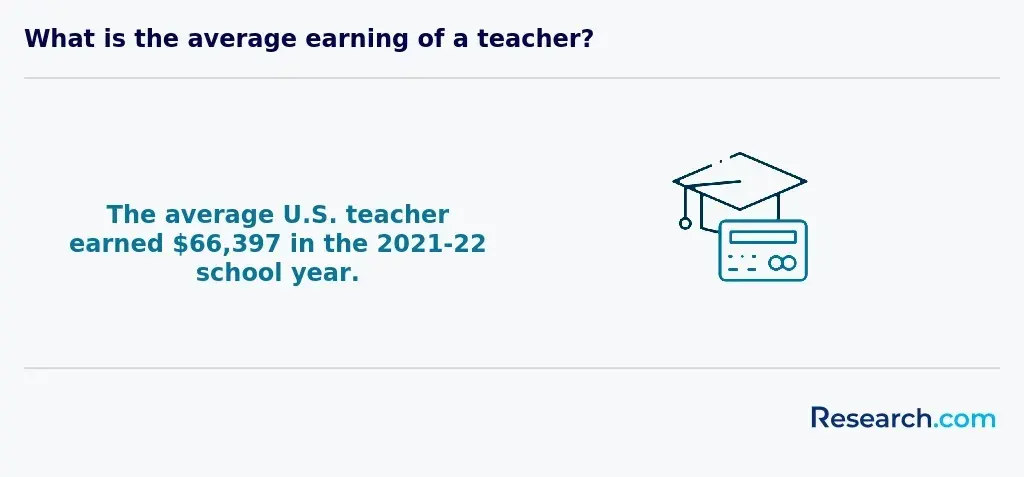
The Illinois State Board of Education reports that the average salary for elementary teachers is around $65,000. While that figure is competitive in some contexts, teachers still need to consider cost of living, district salary schedules, benefits, commute, and workload before evaluating career sustainability.
Related Articles for Nearby States
- 2027 How to Become an Elementary School Teacher in Indiana: Requirements & Certification
- 2027 How to Become an Elementary School Teacher in Wisconsin: Requirements & Certification
- 2027 How to Become an Elementary School Teacher in Iowa: Requirements & Certification
- 2027 How to Become an Elementary School Teacher in Missouri: Requirements & Certification
- 2027 How to Become an Elementary School Teacher in Kentucky: Requirements & Certification
- 2027 How to Become an Elementary School Teacher in Michigan: Requirements & Certification
- 2027 How to Become an Elementary School Teacher in Minnesota: Requirements & Certification
- 2027 How to Become an Elementary School Teacher in Ohio: Requirements & Certification
- 2027 How to Become an Elementary School Teacher in Tennessee: Requirements & Certification
- 2027 How to Become an Elementary School Teacher in Arkansas: Requirements & Certifications
References:
- isbe.net (n.d.). Become a Teacher. Illinois State Board of Education
- franklin.edu (n.d.). 2024 Best Elementary Education & Teaching Degrees & Colleges in Illinois. Franklin University
- BLS (2024, April 17). Kindergarten and Elementary School Teachers. BLS
Key Insights
- Illinois elementary teachers generally need a bachelor’s degree, an approved educator preparation program, supervised teaching experience, required exams, and a Professional Educator License.
- The best program is the one that is approved for Illinois licensure, fits your budget and schedule, provides strong field placements, and supports your preferred endorsements.
- Online programs can work for Illinois licensure, but only when they meet state approval requirements and include approved student teaching or field experience.
- Traditional programs are often best for first-time undergraduates, while alternative routes may fit career changers who already have a bachelor’s degree.
- Total cost includes more than tuition. Budget for housing, books, testing, background checks, application fees, transportation, and student teaching expenses.
- Illinois teachers must renew their licenses every five years and complete at least 120 professional development hours, so recordkeeping matters from the start.
- Specializations such as special education, bilingual education, reading, and STEM can improve flexibility, but requirements should be verified before enrolling.
- Do not rely only on rankings, average salary claims, or program marketing. Confirm licensure outcomes, field placement support, exam preparation, and graduate hiring connections before committing.
Other Things You Should Know about Becoming an Elementary School Teacher in Illinois
Illinois elementary teacher candidates must complete a supervised student-teaching placement in an approved setting before licensure. The experience is usually at least 12 weeks long and is part of a state-approved teacher preparation program, with evaluation by the college or university and the cooperating teacher.
In 2027, Illinois provides alternate routes to teacher certification, such as the Alternative Licensure Program. This pathway typically requires a bachelor's degree, completion of an approved teaching program, and some classroom experience, offering a flexible entry for those transitioning from other fields.