2027 Online vs Campus Finance Outcomes Report: Graduation Rates, Cost, and Career Trade-Offs

Co-Founder and Chief Data Scientist
This article analyzes graduation rates, total costs, and career trade-offs for online versus campus finance degrees, helping readers navigate these critical decisions grounded in real outcomes and workforce realities.
Key Things to Know About Online vs Campus Finance Outcomes
- Campus-based finance programs show a 12% higher graduation rate than online equivalents in 2024, reflecting in-person engagement's role in navigating complex quantitative coursework effectively.
- Employer surveys from 2024 reveal a growing acceptance of online finance degrees, yet 38% of recruiters emphasize on-campus alumni's advantage in soft skills and professional networking, impacting early career placement.
- Online finance students often face 20-30% lower total program costs, an accessibility trade-off that can shorten time-to-degree but may require proactive effort to offset reduced institutional resources.
- Key Things to Know About Online vs Campus Finance Outcomes Key Things to Know About Online vs Campus Finance Outcomes
- What Are the Biggest Differences Between Online and Campus Finance Program Outcomes? Online vs Campus Outcomes
- How Do Graduation Rates Compare Between Online and Campus Finance Programs? Comparing Graduation Rates
- Why Do Online and Campus Finance Students Have Different Completion Rates? Why Completion Rates Differ
- How Do Online and Campus Finance Programs Compare on Total Cost? Total Cost Comparison
- What Hidden Costs Should Students Expect in Online vs Campus Finance Programs? Hidden Program Costs
- How Does Financial Aid Affect the Cost of Online and Campus Finance Programs? Financial Aid Impact
- Do Online and Campus Finance Graduates Have Different Career Outcomes? Comparing Career Outcomes
- How Do Employers View Online vs Campus Finance Degrees? How Do Employers View Online vs Campus Finance Degrees?
- Which Finance Degree Format Offers Better Flexibility for Working Adults? Which Finance Degree Format Offers Better Flexibility for Working Adults?
- How Should Students Choose Between an Online and Campus Finance Program? Choosing Your Program Format
What Are the Biggest Differences Between Online and Campus Finance Program Outcomes?
Graduation rates reveal a pronounced divergence between online and campus finance programs, with campus students completing their degrees at significantly higher rates—approximately 60% compared to 45% for online learners, according to the National Center for Education Statistics. This disparity often stems from the greater prevalence of part-time enrollment among online students, who must juggle academic demands alongside full-time employment or caregiving responsibilities.
Conversely, online programs, despite growing accreditation and virtual advising enhancements, may struggle to offer equivalent networking or hands-on practicum opportunities, potentially dampening early career mobility and signaling in competitive job markets. Students focused on geographic flexibility and immediate workforce entry must weigh these factors carefully against a structured campus environment that fosters timely degree completion and peer connections crucial for securing internships and positions in finance roles that align with degrees that make the most money.
How Do Graduation Rates Compare Between Online and Campus Finance Programs?
Raw graduation statistics thus require careful interpretation, as online finance programs often serve a more diverse, non-traditional student population, including transfer and returning students whose academic backgrounds increase variability in completion timelines. Differences in advising availability, course pacing flexibility, and cohort cohesion further shape progress, making straightforward comparisons between formats misleading. For prospective students, understanding these nuances is vital: those prioritizing steady, supported progression might prefer campus or hybrid pathways, while learners needing schedule flexibility must weigh potential delays and lower immediate graduation likelihood against broader life circumstances and employment commitments.
One finance student considered both formats while managing a full-time job and two young children. Initially attracted to an online program's convenience, they hesitated after discovering lower average completion rates and fewer opportunities for direct faculty interaction. Concerned about staying motivated without structured campus support, the student spent several weeks consulting academic advisors and peers before deciding on a hybrid option. This choice balanced flexible, remote coursework with periodic in-person sessions, which helped maintain accountability and allowed leveraging transfer credits efficiently. The student later reflected that weighing these factors was crucial to avoid underestimating the challenges of completing a finance degree online while managing external responsibilities.
Why Do Online and Campus Finance Students Have Different Completion Rates?
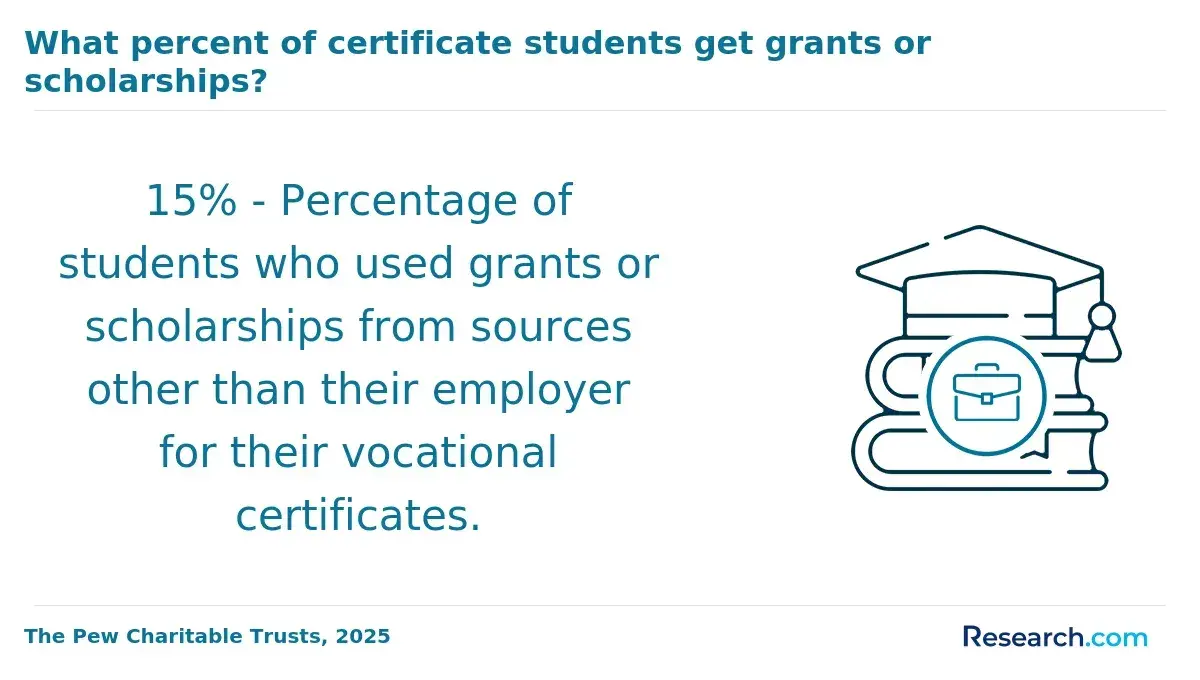
Differences in graduation rates between online and campus Finance students often trace back to distinct enrollment patterns and institutional support structures rather than academic rigor alone. For example, nearly 60% of online Finance students enroll part-time while balancing employment and family duties, which can delay progress and increase stop-out risk compared to predominantly full-time campus peers. Campus programs typically benefit from cohort models and in-person advising that facilitate sustained engagement and help students navigate course sequencing efficiently-advantages harder to replicate in asynchronous online settings without structured interaction.
Financial and administrative factors also shape completion outcomes. Campus learners usually have better access to comprehensive financial aid and on-site support services, whereas online students encounter ongoing opportunity costs tied to employment and often limited credit transfer policies that can prolong degree completion. These differences reflect underlying student demographics and institutional designs, highlighting that a 62% six-year graduation rate on campus versus 40% online, as reported by the National Center for Education Statistics in 2024, cannot be interpreted solely as a quality gap.
Prospective finance students should therefore weigh their personal capacity for consistent engagement, support needs, and program flexibility against these real-world trade-offs to set achievable completion expectations.
How Do Online and Campus Finance Programs Compare on Total Cost?
Cost comparisons between online and campus finance programs reveal that upfront tuition discounts for online options often narrow once total expenses are calculated. Public four-year institutions report in-state tuition for campus finance degrees averaging approximately $10,900 annually, with online equivalents priced 15% to 25% lower; however, campus students face additional mandatory fees and living costs—housing, meals, and commuting—that can surpass $12,000 each year.
In contrast, online learners typically avoid these costs but may incur technology fees and fewer institutional scholarships, especially at private nonprofit or for-profit schools, which influence the total cost and financial aid profiles. This dynamic highlights the necessity of considering all expense categories in any total cost comparison of online versus campus finance programs.
Deciding between program formats also impacts student timelines and debt burdens. Online students frequently enroll part-time, potentially extending their degree completion timeframe and increasing cumulative costs and debt loads, as reported by the U.S. Department of Education in 2024.
Meanwhile, campus students often benefit from greater access to institutional grants and scholarships but must balance rigors like relocation or commuting expenses. Working adults leveraging employer tuition assistance may find online programs align better with maintaining income streams while financing their education. Such trade-offs emphasize how cost considerations intersect with personal circumstances and career plans.
Evaluating these financial and practical dimensions equips prospective students to select the format that best aligns with their goals and resources. For those comparing costs alongside practical constraints, it may prove useful to review relevant pathways such as cyber security degrees, which similarly illustrate cost and accessibility trade-offs in online and campus learning environments. Integrating this approach supports a comprehensive understanding of the total cost comparison of online versus campus finance programs.
What Hidden Costs Should Students Expect in Online vs Campus Finance Programs?
Tuition often obscures the full financial impact when choosing between online and campus finance programs, as hidden costs can shift overall affordability significantly. For example, many online students face technology fees ranging from $200 to $600 per semester, reflecting charges for proctoring services and specialized finance software not covered by tuition, according to a 2024 IPEDS report.
Campus-based learners, conversely, must account for substantial housing expenses that commonly exceed $10,000 annually, alongside commuting costs and parking fees, which can add over $1,500 per year. These non-tuition expenses influence scheduling flexibility and work commitments, with campus students often sacrificing part-time hours due to fixed class locations and timings, while online formats can mitigate lost income but may demand additional investment in reliable technology infrastructure.
Textbook and material expenses also diverge by format, as campus finance programs frequently require printed materials, whereas online courses tend to leverage digital or open educational resources-though some online courses mandate costly subscription software, adding to student budgets.
Financial aid disparities further complicate cost comparisons; campus students typically access broader aid packages including housing allowances, while online students often depend heavily on federal loans with fewer institutional grants, potentially increasing debt levels despite lower sticker tuition. These layered costs affect not only immediate affordability but completion timelines and postgraduation financial stability, emphasizing the need for prospective students to evaluate indirect expenses alongside academic offerings.
One finance graduate recalled initially being drawn to an online program's lower tuition but becoming uncertain after discovering mandatory software subscriptions and a proctoring fee that collectively matched campus housing costs she'd avoided. After calculating potential lost wages from on-campus class schedules and commute times, she hesitated before ultimately choosing campus enrollment due to more comprehensive financial aid and in-person networking opportunities, acknowledging the total cost picture was more complex than advertised rates suggested.
How Does Financial Aid Affect the Cost of Online and Campus Finance Programs?
Financial aid availability significantly shapes the comparative costs of online versus campus finance programs, often in counterintuitive ways that affect enrollment planning. For example, while online programs might offer lower base tuition, these cost savings can be offset by additional technology fees and the ineligibility for many campus-exclusive scholarships and assistantships, which provide both income and professional experience.
Students relying heavily on institutional aid should weigh whether on-campus access to teaching or research roles outweighs online scheduling flexibility, as these forms of aid not only reduce net costs but also impact borrowing needs and program pacing. This dynamic means that despite higher nominal expenses, campus students may end up with a lower net price after aid, illustrating that cost comparisons require detailed scrutiny beyond sticker price.
Employer tuition reimbursement programs increasingly influence affordability calculations, especially for working adults pursuing finance degrees online, where about 40% leverage such benefits to manage expenses. Federal aid like Pell Grants and military benefits tend to be equally accessible across modalities, but online students often face technology surcharges excluded from aid packages, subtly pushing up out-of-pocket costs.
Additionally, part-time online enrollment may prolong time to degree, increasing total loan amounts despite spreading out immediate expenses. Those comparing financial aid availability for campus and online finance students must also consider how living costs factor into net affordability—campus learners often incur higher housing expenses that institutional aid may partially offset. Prospective students exploring cost-effective options may also review resources such as this online urban planning degree guide for examples of affordability strategies applicable across fields.
Do Online and Campus Finance Graduates Have Different Career Outcomes?
Differences in career outcomes between online and campus finance graduates often hinge less on the education format itself and more on the ancillary resources tied to each pathway. While campus graduates typically benefit from embedded internship programs, in-person networking, and direct access to regional finance employers, online students may face challenges establishing similar local connections despite gaining flexibility to pursue work in diverse markets.
For example, graduates holding online degrees might find broader geographic options but encounter lingering employer skepticism in firms that prioritize traditional campus alumni networks or face-to-face mentorship, which can impact early career mobility and job placement.
Data from the National Center for Education Statistics in 2024 shows that about 82% of campus-based finance graduates secure full-time employment within six months compared to roughly 75% for online counterparts, reflecting not pure academic quality but often the strength of professional networks and internship access.
Licensing exam pass rates and credential readiness, such as CFA or CFP preparation, generally align across formats if programs maintain rigorous standards, though campus programs occasionally supplement online instruction with structured review sessions and peer study groups that enhance practical readiness. Online learners, meanwhile, must weigh trade-offs between longer program durations and balancing external commitments against the chance to build experience in varied labor markets.
How Do Employers View Online vs Campus Finance Degrees?
Hiring managers increasingly evaluate finance degrees through the lens of accreditation, institutional reputation, and tangible program outcomes rather than degree format alone. A finance graduate from a regionally accredited online program with integrated internships and practical software training may often be preferred over a less rigorous campus degree lacking experiential components. This reflects in real hiring scenarios where employers scrutinize transcripts and portfolios for evidence of applied skills and relevant financial modeling experience, especially in roles demanding immediate operational capability.
Employer acceptance of online versus campus finance degrees varies with industry norms and employer familiarity with remote education. According to a 2024 National Association of Colleges and Employers survey, 72% of employers reported treating accredited online and campus degrees equivalently when assessing finance candidates, yet many still factor in networking opportunities and mentorship access more prominently available on-campus. Candidates who can clearly demonstrate program accreditation, professional certifications, and practical experience tend to mitigate biases related to the degree's delivery mode, particularly in competitive sectors where demonstrated expertise outweighs mere credential format.
Trade-offs related to delivery format also influence long-term career progression. Online programs offer necessary flexibility for working adults but may limit organic networking and on-site recruitment chances. Employers often prioritize continuous skill development and relevant work history over degree modality, with 65% of HR managers emphasizing demonstrated abilities and ongoing learning per a 2024 Society for Human Resource Management report. Ultimately, the practical value of any finance degree hinges on its capacity to equip graduates with verifiable skills and connections aligned with employer expectations, regardless of whether the learning occurred online or on campus.
Which Finance Degree Format Offers Better Flexibility for Working Adults?
Greater flexibility for working adults in finance degree programs depends heavily on scheduling dynamics rather than format alone. Online finance degree flexibility for working adults often arises from asynchronous coursework and part-time pace options, which, according to 2024 NCES data, enable roughly 70% of online learners to better balance jobs and family duties. However, many online programs still require synchronous meetings, proctored exams, or brief campus residencies, narrowing flexibility. In contrast, campus programs generally demand fixed class times and mandatory attendance, complicating scheduling for shift workers or caregivers, with only about 35% of adult campus enrollees opting for part-time status as reported by IPEDS.
Working adults must weigh how these structural differences affect persistence, graduation timing, and cost exposure. More lenient transfer credit and leave-of-absence policies in online formats can sustain enrollment continuity amid work disruptions, while rigid campus scheduling risks prolonging time-to-degree and increasing expenses. The tradeoff includes in-person campus programs typically offering richer networking and immediate faculty access, which can enhance practical learning and employability. Those needing hands-on labs or cohort-driven collaboration may find campus attendance necessary despite time constraints. For learners evaluating options, consideration of hybrid and evening classes alongside campus and online programs is crucial.
Employer tuition support tends to favor online programs that minimize work-hour disruptions, reflecting workforce trends toward schedule adaptability. Still, adult learners comparing campus vs online finance programs for adult learners should assess real-world implications, including commute demands, course sequencing, and engagement opportunities. For a deeper understanding of degree flexibility across disciplines, including parallels to areas such as architecture, examining an architecture online degree program analysis can provide additional insights relevant to structuring adult education pathways.
How Should Students Choose Between an Online and Campus Finance Program?
Campus programs in finance typically show higher graduation rates, averaging around 62% per recent National Center for Education Statistics data, compared to roughly 45% for fully online formats. This difference often stems from structured access to faculty, peer interaction, and on-site resources that foster persistence and timely course sequencing. For example, a working adult balancing job and family might find the flexibility of an online program appealing but should weigh the trade-off of reduced direct networking and potentially less internship placement support, which can influence early career mobility and employer perceptions in certain finance sectors.
Cost considerations extend beyond tuition; online programs can lower indirect expenses such as commuting and housing by 15-30%, yet may charge similar or higher fees for technology and student services. Students should assess total cost of attendance carefully, including opportunity costs tied to time management and self-discipline demands for asynchronous learning. Many employers still value campus-based degrees for in-person networking, which emphasizes the need to align program format with career goals and local job market expectations, consistent with insights from comparing graduation rates and career outcomes for finance students.
Ultimately, how students evaluate the choice between an online versus campus finance program depends on realistic scheduling needs, motivation levels, and employer preferences specific to their target industry. Investigating graduation rates, support services, and licensure or accreditation requirements will help clarify which delivery model better fits individual circumstances. For those exploring alternatives, it can be helpful to study options like an animal science bachelor degree online to understand parallels in balancing cost, format, and career trade-offs across disciplines.
References
- How Employers View Online Degrees: Interviews with Nine Hiring Executives https://www.onlineeducation.com/features/how-employers-view-online-degrees
- How Online College Hurts More Than It Helps https://tcf.org/content/commentary/how-online-college-hurts-more-than-it-helps/
- Online vs in-person study: which one is right for you? https://www.ube.ac.uk/whats-happening/articles/online-vs-in-person-learning/
- What Degree Should I Get to Work in Finance? https://www.pointloma.edu/resources/undergraduate-studies/what-degree-should-i-get-work-finance
- Studying Online vs On-Campus: Which Is Better for You? | UNF https://www.unfc.ca/blog/studying-online-vs-on-campus-which-is-better-for-you
- What Global Employers Really Think About Online Degrees https://edutech.global/global-employer-view-on-online-degrees/
- Costs of Online and Campus Colleges | University of Phoenix https://www.phoenix.edu/blog/comparing-the-costs-of-online-and-campus-colleges.html
- The Cost of an Online College Degree | CollegiateParent https://collegiateparent.com/finances/cost-of-online-college-degree/
- Growing Demand For FFexible Finance Education Programs https://www.coherentmarketinsights.com/blog/education-and-training/growing-demand-for-flexible-finance-education-programs-3848
- One moment, please... https://www.business-money.com/announcements/how-finance-degrees-fit-todays-flexible-career-paths/
Other Things You Should Know About Finance
Online finance programs require a high degree of self-discipline and independent study, which can enhance time management and digital communication skills but may limit hands-on experiences like live trading simulations or in-person networking. Campus programs often provide more direct interaction with faculty and peers, giving students access to real-time discussions, mentoring, and extracurricular finance clubs that foster practical problem-solving. For students needing structured environments or immersive collaboration, campus settings offer clearer advantages that can translate into stronger applied skills valued by employers.
Online programs frequently offer more flexibility, allowing students to pace themselves, which can reduce burnout but may also risk inconsistent engagement with complex finance concepts. Campus courses tend to have a fixed schedule with more frequent deadlines, which can push students to stay rigorously on track but may increase stress. Those balancing work and study should prioritize programs with adaptable pacing to maintain steady progress without compromising mastery of critical finance topics.
For professionals, online programs minimize commute time and offer asynchronous classes, allowing study around fluctuating work hours, but they may lack direct networking opportunities that campus programs can provide. Campus programs can facilitate stronger local industry connections through events and internships but require fixed attendance that may conflict with job responsibilities. Prioritizing program format depends on whether immediate career networking or scheduling flexibility holds greater value for advancing one's finance career.
Campus finance programs often incorporate internships, group projects, and exposure to local markets, which support adaptability in dynamic job markets by building interpersonal skills and practical experience. Online programs may focus more on theoretical knowledge and independent work, potentially limiting real-time exposure to evolving financial tools and team-based problem-solving. Graduates aiming for roles requiring collaboration and a broad professional network should weigh the benefits of campus program structures more heavily in their decision.