2027 Finance Degree Growth by State: Where Interest Is Rising the Fastest

Co-Founder and Chief Data Scientist
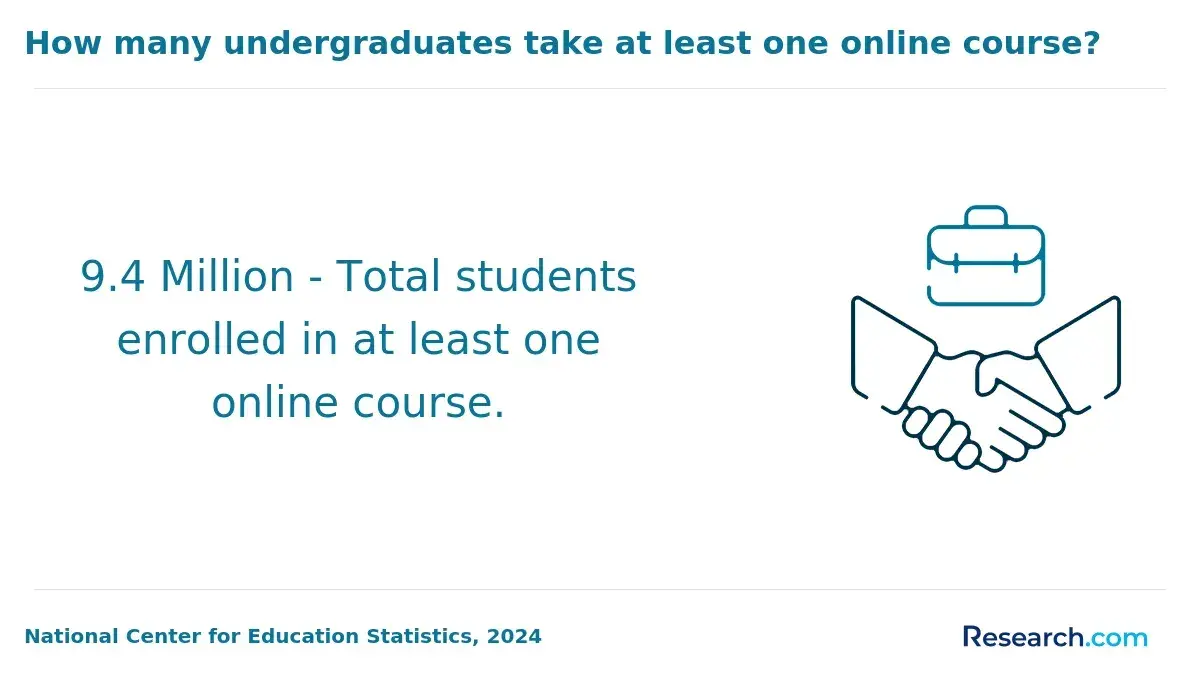
States with rapid finance degree enrollment growth reveal shifting economic and workforce patterns, prompting new educational demands. For example, regions experiencing surges in fintech hubs or regulatory changes often see corresponding spikes in program interest as professionals and career changers seek relevant credentials. According to the National Center for Education Statistics' 2024 data, flexible and online finance programs have increased enrollment among adult learners by over 25%, reflecting changes in workforce mobility and accessibility.
This trend highlights how timing and format impact education decisions. Understanding these state-specific dynamics is crucial for applicants aiming to align their studies with evolving market opportunities and licensure requirements.
Key Things to Know About the State Where Finance Degree Interest Is Rising the Fastest
- States like Texas show rapid finance degree enrollment growth fueled by expanding energy and tech sectors, yet regulatory licensure limits compel graduates to seek cross-state certification, affecting employer hiring flexibility.
- The surge in adult learners in Florida reflects broadening online education access, but extended program durations increase opportunity costs, challenging professionals balancing work and study.
- New York's increasing finance enrollments correspond with dense financial markets; however, heightened competition among graduates pressures them to pursue niche specializations, shaping workforce differentiation and advancement prospects.
- Which States Are Seeing the Fastest Growth in Finance Degree Enrollment? States Seeing the Fastest Growth in Enrollment
- What Does Enrollment Growth in Finance Programs Actually Tell Prospective Students? Interpreting Enrollment Growth
- How Do Regional Job Market Conditions Drive Finance Degree Demand by State? Role of Regional Job Market Conditions
- Which States Have Added the Most New Finance Degree Programs in the Last Five Years? States That Have Added the Most Programs
- How Has the Rise of Online Education Changed Which States Lead in Finance Program Interest? Role of Online Education in Increased Program Interest
- What Demographic Trends Are Fueling Finance Degree Growth in Specific States? Demographic Trends Fueling Growth
- How Do State Funding Levels for Finance Services Influence Degree Program Growth? Role of State Funding Levels
- Which States Are Emerging as Unexpected Leaders in Finance Degree Interest? States Emerging as Unexpected Leaders in Growth
- How Does State Population Size Affect the Interpretation of Finance Degree Growth Data? Role of State Population Size
- What Role Do State Licensing Requirements Play in Driving or Suppressing Finance Enrollment? Role of State Licensing Requirements
Which States Are Seeing the Fastest Growth in Finance Degree Enrollment?
Nationally, enrollment growth in finance degree programs reflects not just increased interest but also heightened demand for workforce-ready skills aligned with shifting economic patterns, regulatory changes, and technological adoption. This trend influences the regional landscape unevenly, with certain states emerging as focal points of rapid expansion, shaping the experiences and opportunities available to students considering graduate finance study. Identifying where the fastest growth occurs helps prospective students evaluate the relevancy of programs in relation to robust local economies and employer expectations.
For example, selecting a finance program in a state where fintech firms proliferate may offer distinct networking and job placement advantages compared to regions that rely more heavily on traditional banking sectors. This geographic variance underscores a pragmatic tradeoff: candidates must balance program availability, curriculum responsiveness, and real-world opportunity density when planning their educational trajectory.
- Texas: Leading the nation, Texas shows notable growth in finance enrollment, particularly at the graduate level, driven by its multifaceted economy. Cities such as Dallas and Houston serve as financial and energy sector hubs, demanding sophisticated expertise in asset management and regulatory compliance. The expanding graduate finance population here reflects employer preference for candidates combining technical acumen with local industry knowledge, pushing institutions to tailor courses that meet these needs.
- Florida: Florida's finance enrollment surge is closely linked to its service-oriented economy and multinational business environment. The state attracts mid-career professionals seeking flexible, often part-time graduate finance programs that accommodate work schedules in industries facing rapid regulatory evolution, such as real estate financing and insurance underwriting.
- Washington: The Pacific Northwest's tech-centric economy heavily influences finance program growth, where demand in financial risk modeling, digital currencies, and quantitative analytics is rising. Students here often face the advantage-and challenge-of programs integrating fintech trends with traditional finance disciplines, reflecting employer expectations for adaptability in a fast-evolving market.
- North Carolina: Anchored by the Research Triangle and Charlotte's status as a major banking center, North Carolina's finance enrollment uptick mirrors industry emphasis on applied financial skills. Graduates from these programs can expect deep engagement with sectors like corporate finance and credit analysis, which remain significant regional employment drivers despite national fintech shifts.
- Colorado: Colorado's growth highlights a broader movement in the Mountain West, energized by regional financial market developments and a rising population of younger professionals. The intersection of outdoor industry finance and emerging financial services creates a niche but growing demand for practitioners adept in both conventional and alternative finance topics.
These states with fastest finance degree enrollment growth exemplify how local economic ecosystems dictate educational demand and employer hiring patterns, requiring students to thoughtfully assess how geographic and sectoral factors influence long-term career trajectories.
Following sections will detail how demographic shifts, state-level regulatory environments, and evolving educational delivery modes impact these patterns. This analysis aims to equip students with nuanced perspectives on enrollment momentum and program alignment, essential for making informed decisions tailored to dynamic labor market realities.
Alongside finance-specific trends, it is important to recognize the broader competitive landscape for graduate study options, including those in fields like speech pathology. Candidates interested in flexible online study options might explore specialized online SLP programs that similarly navigate complex regional demands and workforce integration challenges, underscoring that geographic trends influence multiple professional education sectors concurrently.
What Does Enrollment Growth in Finance Programs Actually Tell Prospective Students?
Rising enrollment in finance programs often masks critical variations in program quality and graduate outcomes that directly affect career trajectories. Choosing a program based solely on growth figures risks overlooking factors such as student success metrics and labor market alignment that ultimately shape employability and long-term value.
Raw enrollment data provide a useful starting point but require deeper context to assess a program's real merit. Retention and graduation rates offer insight into institutional support and student satisfaction, while job placement statistics and licensure exam pass rates reveal how well programs prepare graduates for industry demands. Interpreting growth requires distinguishing between genuine expansion driven by academic strengths and workforce needs versus growth fueled primarily by aggressive recruitment or lowered admissions criteria, which can dilute educational rigor and job market competitiveness.
- Context: Enrollment increases alone do not convey student achievement or post-graduation success; complementary data such as retention, graduation, and employment outcomes are essential for a holistic evaluation.
- Quality Indicators: Meaningful growth aligns with strong exam pass rates, recognized faculty expertise, and solid employer relationships; unchecked expansion may signal compromised standards and weaker career returns.
- Market Demand: Regions with vibrant financial sectors and regulatory complexity tend to see authentic program growth responsive to labor needs, contrasting with areas focused on enrollment volume over quality.
- Critical Evaluation: Prospective students should treat enrollment growth as one factor among many and engage directly with alumni and current students to verify claims and gauge real-world experiences.
- Long-Term Perspective: Balancing growth trends against program reputation, faculty credentials, and local industry strength is vital to realistically forecast career prospects post-graduation.
How Do Regional Job Market Conditions Drive Finance Degree Demand by State?
Regional labor market dynamics critically influence demand for finance degree holders, shaping both program interest and graduate outcomes. States experiencing growth in healthcare systems, expanding public sectors, or bolstered school district budgets often see a proportional rise in finance-related roles, from financial analysts managing public funds to accountants specializing in healthcare finance. These sector-specific expansions create practical hiring pipelines that drive enrollment in state-based graduate programs, as candidates seek credentials aligned to local employer needs.
California: Robust healthcare expansion and public infrastructure projects are increasing demand for finance professionals skilled in managing complex budgets and compliance, translating into more openings and competitive practicum slots for students.
Texas: Accelerating energy sector shifts combined with growing local government employment demand finance graduates with expertise in regulatory and financial risk management, affecting enrollment trends toward specialized programs.
Florida: Public sector growth and expanding K-12 school districts require numerous finance professionals for budget planning and audit functions, reinforcing regional job market demand that encourages graduate finance degree uptake.
New York: The concentration of financial services and healthcare networks fuels persistent demand for finance credentials, influencing salary negotiation leverage and access to internships within competitive metropolitan settings.
Georgia: Regional employer incentives targeting financial operations experts supporting both public and private sector growth have led to measurable increases in finance graduate enrollment, informed by promising occupational projections.
Prospective students should systematically investigate their target state's workforce outlook using resources like Bureau of Labor Statistics data and state agency forecasts to understand how local economic sectors shape finance degree opportunities. A strong regional job market not only enhances postgraduation employment prospects but also improves practical learning experiences, such as access to relevant capstone projects or employer partnerships during graduate training. This tailored alignment between degree programs and demanding local industry conditions is crucial for navigating the varied landscape of eMBA programs and other finance-related options.
The evolving regional workforce demand for finance graduates underscores the importance of marrying program choice with real-world labor trends, avoiding generic pathway decisions in favor of nuanced, state-specific strategies that directly impact hiring potential and career trajectory.
Which States Have Added the Most New Finance Degree Programs in the Last Five Years?
Markets experiencing rapid financial sector growth often see corresponding expansion in accredited finance degree programs, reflecting shifting employer demands and institutional strategies. Over recent years, select states have notably increased their offerings either by launching new programs, adding online tracks, or scaling enrollment, directly influenced by economic conditions, workforce needs, and educational incentives.
- Texas: Driven by strong population growth and a robust financial services industry, Texas institutions are expanding finance education with new degree launches and online options aimed at diverse learners in urban centers such as Dallas and Houston. State workforce shortages have triggered incentives that encourage enlarging program capacity.
- Florida: Many Florida programs have focused on online accessibility, targeting working professionals seeking career shifts or enhancements. Competition among public universities coupled with strategic grant acquisition has facilitated program expansion while helping to moderate tuition growth.
- Washington: Reflecting its tech-centric economy, Washington's finance programs emphasize analytics and specialized finance fields, adapting curricula to meet accreditation benchmarks and employer needs, broadening appeal to analytic-minded applicants.
- Georgia: Expansion in Georgia centers around augmenting enrollment at established schools to meet Atlanta's demand for finance professionals. State grants and strong industry-education partnerships help align program content with local workforce priorities.
- Virginia: Collaborative efforts among universities in Virginia have yielded specialized finance tracks supported by competitive scholarships, responding to both academic peer dynamics and robust finance job outcomes tied to government and private sectors.
- Accreditation Incentives: Schools often expand programs to achieve or maintain accreditation, a factor correlated with market recognition but also typically leading to more selective admissions standards.
- Workforce Shortage Designations: Targeted funding for states with critical finance skill gaps influences program growth, though it can increase competition among applicants and students.
- Competitive Peer Pressure: Institutions grow or enhance finance offerings to sustain market relevance; this benefits students via program variety but may saturate regional markets.
- Implications for Students: States with rising program numbers tend to offer a broader spectrum of specialization and financial aid, but students must weigh tuition differences, format options, and graduate outcomes carefully.
- Program Choice and Financial Aid: Greater program density encourages tuition competition and more varied scholarship options, making it crucial for applicants to compare multiple institutions within the same state rather than defaulting to a single choice.
One recent graduate recalled navigating the rolling admissions cycle with some anxiety while applying across several states with newly expanded finance programs. Because some institutions announced acceptance decisions in stages, the candidate strategically submitted early applications to programs in Texas and Georgia, seeking financial aid leverage and alternative options.
The delay in certain scholarship notifications created a dilemma about commitment timing, prompting repeated follow-ups and careful scheduling of campus visits. Ultimately, the expanded options available allowed the graduate to select a program balancing affordability and specialization, but only after managing uncertainty created by staggered and competitive admissions in rapidly growing markets.
How Has the Rise of Online Education Changed Which States Lead in Finance Program Interest?
The expansion of fully online finance graduate programs has fundamentally altered which states dominate student interest by removing the traditional constraints of geography. Previously, proximity and relocation costs confined students to regional campuses, but now prestigious programs based in certain states attract nationwide enrollment. These states effectively become hubs for finance education, drawing learners primarily due to recognized program quality, reasonable tuition pricing, and robust accreditation. However, this shift comes with practical considerations for students and institutions alike.
- Geographic Decoupling: Online delivery unties enrollment from campus locations, enabling some states-typically those with well-established online infrastructures-to command a broad, national student base rather than just local or regional applicants.
- Increased Access: Students can pursue specialized or higher-tier finance curricula without relocating, reducing financial burden and expanding choices, particularly important for working professionals or those managing family responsibilities.
- Competitive Dynamics: States hosting reputable online programs benefit from increased institutional influence and market share, but this fosters competition among programs nationwide as students weigh cost, accreditation, and program outcomes.
- Licensure Constraints: Despite broader access, finance-related licensure remains tied to state-specific regulations, requiring students to ensure their chosen online program meets the credentialing requirements of their intended practice region to avoid barriers in employment.
- Employer Perception: Accredited online credentials from established state-based programs are gaining acceptance among hiring managers, but graduates must still demonstrate how the program's format and content align with real-world financial industry demands.
What Demographic Trends Are Fueling Finance Degree Growth in Specific States?
The growth in finance degree enrollment across specific U.S. states strongly correlates with distinct demographic shifts that shape regional workforce needs. Prospective students must weigh these localized patterns carefully, as demographic dynamics often signal more sustainable, long-term career prospects rather than short-term enrollment spikes tied to transient economic cycles.
For example, states experiencing rapid population aging may see greater demand for financial professionals skilled in retirement planning and healthcare finance-roles less vulnerable to economic downturns compared to volatile corporate finance jobs concentrated in other regions. Recognizing the interplay between these trends and labor market demand helps candidates prioritize programs aligned with stable employment trajectories.
- Population Aging: States like Florida and Arizona, where elderly populations are growing fastest, are driving demand for specialists in wealth management, regulatory compliance related to elder care, and healthcare finance, fostering increased enrollment in finance programs tailored to these niches.
- Immigration Patterns: Texas and California's significant immigrant influx expands markets for bilingual financial advising and cross-border financial expertise, creating unique opportunities and challenges reflected in rising finance degree interest catering to multicultural communities.
- Urbanization: Metropolitan growth in states such as Colorado and Georgia fosters corporate expansions and fintech startups requiring sophisticated finance skills, attracting students aiming for investment banking, corporate finance, or innovation-driven roles.
- K-12 Enrollment Growth: Rising K-12 populations in states like Utah and Idaho indicate expanding future workforces and economies, suggesting a gradual but sustained increase in finance-related service demand over time.
- Rising Mental Health Diagnoses: Increasing reporting of mental health conditions, especially in Midwest states, indirectly pressures healthcare finance sectors and insurance markets, driving specialized demand in finance subfields linked to benefits administration and healthcare system funding.
These demographic differentials emphasize the necessity of evaluating finance degree enrollment growth by state demographics rather than national aggregates. States with favorable combinations of these factors typically offer more resilient labor markets for finance graduates. For those considering a return to school or career change, understanding these nuanced trends can guide decisions toward geographic areas where finance education aligns with emerging or stable demand. Additionally, those exploring undergraduate or graduate finance pathways may benefit from supplementing their education with cross-disciplinary skills relevant to specific state markets.
For students evaluating online options to complement geographic flexibility, programs in reputable formats like the online degree business administration can provide foundational knowledge adaptable to diverse demographic-driven finance roles.
How Do State Funding Levels for Finance Services Influence Degree Program Growth?
State funding levels for publicly supported finance services are a critical driver behind the expansion or contraction of finance degree programs. States that commit substantial resources-through Medicaid reimbursements, block grants, and support for school-based and community health initiatives-build more robust ecosystems where demand for finance professionals remains steady.
This reliable demand encourages institutions to innovate curricula and expand enrollment to meet regional labor market needs. Conversely, states with erratic or insufficient funding struggle to sustain program growth, pushing graduates to seek employment in better-funded states, exacerbating talent outflow and limiting local economic development.
- Funding Stability: Steady investments create clear signals of workforce demand, prompting academic programs to scale thoughtfully and align training with emerging employer needs.
- Employment Pipeline: Well-funded public finance sectors foster localized job creation, which in turn retains graduates and supports healthier state economies.
- Graduate Retention: Limited financial backing often results in "brain drain," as graduates migrate toward states offering more career opportunities in finance roles.
- Program Development: Consistent funding enables schools to launch specialized tracks that adapt to evolving economic conditions and employer expectations.
- Legislative Monitoring: Evaluating recent state budgets and legislative actions related to finance funding is essential for predicting the sustainability of local job markets.
- Employment Outcomes: Prospective students should query programs about five-year alumni employment rates within the state to gauge real-world career viability.
One finance graduate recalled their application experience coinciding with a state legislative session fraught with budget uncertainty. The delayed approval of funding for public finance services caused their chosen program to postpone final admission decisions.
This gap introduced anxiety, as the graduate balanced reapplying elsewhere against the hope of accessing a program tied to promising local job prospects. When funding was finally confirmed weeks later, their enrollment was secured, underscoring how state funding timelines can directly influence individual educational paths and career timing.
Which States Are Emerging as Unexpected Leaders in Finance Degree Interest?
The fastest rising finance degree programs by state reveal a shift toward less traditional markets driven by distinct economic strategies and educational reforms rather than historic financial hubs. This emergence offers nuanced advantages such as more accessible admissions and lower costs, but these gains come with uncertainty tied to regional economic dependencies and policy durability.
For example, North Carolina's integration into interstate academic compacts accelerates out-of-state enrollment, a factor many employers consider when balancing local talent shortages and remote workforce flexibility. However, students weighing finance programs in emerging states should assess whether temporary legislative incentives will persist long enough to support stable career pathways.
- North Carolina: With its established banking sector in Charlotte, North Carolina's expansion of finance programs through public university funding and academic compacts reduces barriers for incoming students while aligning curriculum with growing financial service jobs. These structural supports suggest more sustainable growth beyond transient stimulus, benefiting graduates targeting regional employment.
- Idaho: Idaho's growth reflects targeted workforce development concentrating on fintech, supported by lower tuition and living costs. Despite limited historic finance infrastructure, recent legislative efforts create opportunities for tech-focused finance professionals. The challenge lies in retaining graduates locally amid a sparse traditional finance industry, casting uncertainty on long-term enrollment trends.
- Arkansas: Arkansas's surge corresponds with new accredited programs linked to its logistics and retail sectors, strengthened by public university investments and employer partnerships offering practical training. Initial enrollment bumps partially stemmed from pandemic-related educational grants, but ongoing private sector demand suggests promising if still conditional growth.
- West Virginia: Efforts to counter brain drain through scholarships and niche focuses such as risk management and financial compliance align with local energy and healthcare economies. Yet demographic decline and modest job markets limit the outlook for sustained expansion without continued targeted policy support.
Emerging markets can offer significant advantages, including lower competition for admissions and strong hiring incentives related to regional industries. However, informed decision-making requires evaluating if growth in these finance degree programs is viable beyond initial funding drives or workforce pilot projects.
Prospective students might also consider related economic factors such as tuition expenses compared with other disciplines; for example, comparing finance program costs alongside electrical engineering online tuition costs to gauge financial commitment against potential market demand and career resilience.
How Does State Population Size Affect the Interpretation of Finance Degree Growth Data?
Raw enrollment growth numbers for finance degrees can distort real market signals unless contextualized by state population size and the existing base of licensed professionals. For example, a large state adding 2,000 new finance graduates annually might seem dominant, but when weighed against tens of millions of residents, these gains may indicate slower proportional growth. Conversely, a smaller state adding 300 graduates could represent a much stronger per-capita increase, signaling faster market expansion and a potential surge in demand for graduates.
Understanding regional enrollment trends in finance degree programs requires distinguishing absolute growth from per-capita growth rates. Per-capita metrics more accurately reflect genuine demand by accounting for population differences, helping identify states where workforce supply is expanding relative to potential entrants. Moreover, states with lower ratios of licensed finance professionals to population usually indicate underserved markets where early-career hiring prospects are stronger due to less saturation.
Student decision-making benefits from focusing on states with below-average licensed professional density, as these areas often provide better opportunities despite smaller absolute enrollment numbers. A nuanced approach to finance degree growth interpretation recognizes that regulatory complexity in some states dampens enrollment trends and hiring demand, further influencing market attractiveness.
- Population Impact: Large states may show higher absolute growth that masks slower proportional gains.
- Per-Capita Metrics: Essential for assessing real market expansion and relative interest.
- Workforce Saturation: Lower ratios of licensed professionals to population indicate underserved areas.
- Regulatory Complexity: States with restrictive finance licensure requirements can dampen degree growth and hiring demand.
- Employment Outlook: Markets with rising per-capita enrollment but low professional density offer stronger career entry points.
For career changers and mobile students considering finance alongside related fields, analyzing degree growth alongside licensing and workforce dynamics assists in aligning educational investment with labor market realities.
What Role Do State Licensing Requirements Play in Driving or Suppressing Finance Enrollment?
The clarity and accessibility of state licensing requirements profoundly shape graduate finance enrollment patterns by signaling the practical ease or difficulty of entering the profession after graduation. States with transparent, stable licensure frameworks tend to draw more students because they reduce the risk and administrative burden associated with credentialing.
For example, a prospective student choosing between programs in a state where licensure involves a clear sequence of exams and supervised experience versus one with frequently changing, complex rules may prefer the former due to predictable timelines and costs. This predictability often aligns with employer hiring practices that prioritize candidates meeting established credential standards, thereby enhancing employability and potential salary outcomes in those markets.
Licensing boards exert an indirect but powerful influence on program demand by shaping employer expectations. In states where employers require or strongly prefer licensed candidates, finance programs that align their curricula to these regulatory standards experience increased enrollment, creating a reinforcing cycle. This dynamic encourages institutional support for licensure advocacy and regulatory enhancements, which in turn stabilizes and clarifies the pathway for future cohorts.
Recent labor reports indicate that licensed finance professionals in states with streamlined licensure systems often command salaries up to 15% higher than peers in more opaque jurisdictions, reflecting employer confidence in standardized qualifications. Prospective students should therefore evaluate the entire licensure journey-beyond academic prerequisites-to include exam difficulty, post-graduation supervised experience demands, renewal requirements, and related administrative costs, comparing these factors across possible states to make informed decisions aligned with their long-term career mobility and financial goals.
- Transparency: States with well-defined and publicly accessible licensing standards encourage higher finance enrollment by reducing uncertainty for students and employers alike.
- Employer Influence: Licensing frameworks shape local job markets, prompting employers to prioritize candidates who meet clear regulatory criteria, thereby driving program demand.
- Regulatory Stability: Frequent changes or confusing requirements can suppress enrollment by increasing perceived risk and complicating long-term career planning.
- Feedback Loop: Higher enrollment reinforces institutional support for licensure improvements, creating a cycle that further strengthens the regulatory environment.
- Comparative Evaluation: Prospective students should analyze licensure demands across multiple states to identify the most feasible and advantageous pathways for their career goals.
References
- Making the grade in financial literacy: More states require students to take a personal finance course https://www.cnbc.com/2023/12/05/more-states-require-students-to-take-personal-finance-course.html
- The Unexpected Winners of a Divided World | Morgan Stanley https://www.morganstanley.com/im/en-us/individual-investor/insights/tales-from-the-emerging-world/the-unexpected-winners-of-a-divided-world.html
- Do we need a finance driver’s license? https://www.ebf.eu/financial-education/do-we-need-a-finance-drivers-license/
- Boost Higher Education Student Enrollment in 4 Steps https://moderncampus.com/blog/student-enrollment.html
- Master Financial Licensing with Altenburg Law: Essential Strategies Unveiled https://altenburg.law/financial-license
- 9 Ways to Supercharge Your Student Enrollment https://www.amsive.com/insights/strategy/9-ways-to-supercharge-your-student-enrollment/
- How Online Learning Has Changed Education | ACE Blog https://ace.edu/blog/how-online-learning-has-changed-education/
- Making sure you're not a bot! https://www.econstor.eu/bitstream/10419/297976/1/1890811831.pdf
- California’s Higher Education Funding Landscape - Public Policy Institute of California https://www.ppic.org/publication/californias-higher-education-funding-landscape/
- Four New States Implement Personal Finance Courses as CEE’s Survey of the States Reveals Positive Momentum in Financial Literacy Education in America - Council for Economic Education https://www.councilforeconed.org/four-new-states-implement-personal-finance-courses-as-cees-survey-of-the-states-reveals-positive-momentum-in-financial-literacy-education-in-america/
Other Things You Should Know About Finance
Employers in states with rapid finance degree growth increasingly prioritize candidates with advanced analytical skills and practical experience in areas like fintech, risk management, and compliance. This demand reflects an evolving landscape where regulatory complexity and technology integration require graduates who can quickly adapt and contribute beyond traditional finance roles. Consequently, programs that integrate real-world projects, internships, and emerging technology training are more valued, which can influence job placement positively. Prospective students should seek programs aligned with these employer expectations to improve their employment outcomes in these competitive markets.
Enrollment surges in some states correlate strongly with relatively affordable tuition rates paired with moderate cost of living, making graduate programs financially accessible to a broader range of students. Conversely, high tuition and living expenses in certain economic hubs may depress enrollment growth despite strong job markets. This tension affects student decisions significantly, as higher debt can diminish post-graduation flexibility. For those weighing program options, prioritizing states where the total financial burden balances favorably with the strength of local finance career opportunities can optimize long-term return on investment.
State-level enrollment growth signals shifting regional demand and evolving opportunities, but it should not be the sole factor in selecting a program. Rapid increases may indicate emerging markets or expanded educational capacity, but these states can also present growing pains such as limited employer networks or immature job placement portals. Students should interpret enrollment growth alongside other indicators like employer engagement, alumni outcomes, and program quality. Prioritizing schools with clear pathways to employment and strong industry ties within growth states will mitigate risks associated with nascent or oversaturated markets.
Finance degree growth is poised to concentrate further in states with dynamic economies, a mix of traditional financial centers, and burgeoning fintech ecosystems. Simultaneously, some rural or historically underserved states are expanding programs to address workforce shortages, creating new regional pockets of opportunity. However, long-term growth will depend on how well these states align curricula with market demands and support practical learning experiences. Prospective students should monitor not only current growth trends but also the strategic efforts states are making to sustain and improve graduate employability.