2027 Finance Degree Program Availability Report: Which States and Schools Offer the Most Options

Co-Founder and Chief Data Scientist
The availability of finance degree programs highlights regional educational strategies and workforce realities shaping the field. States with greater concentrations of programs often align with dense financial sectors or emerging markets, reflecting a push to meet evolving employer demands. According to the U. S. Bureau of Labor Statistics 2024 data, financial analyst roles are growing 9% faster in metropolitan areas with diverse program options.
This suggests that program density can influence local labor market agility and career pathways. Examining which states and schools provide the widest range of finance degree options reveals how educational access and institutional focus connect to workforce development and long-term industry needs.
Key Benefits of States and Schools That Offer the Most Finance Degree Program Options
- States and schools with more finance degree options offer greater specialization breadth, but this can complicate credit transfer and extend time-to-degree for students shifting programs.
- Employers increasingly value candidates from diverse finance curricula, indicating these regions better prepare students for evolving sector demands and nuanced roles.
- Greater program variety correlates with increased competition among institutions, potentially moderating tuition inflation and improving access for cost-sensitive students.
- Key Benefits of States and Schools That Offer the Most Finance Degree Program Options Key Benefits of States and Schools That Offer the Most Finance Degree Program Options
- Which States Offer the Most Finance Degree Programs? Top States
- Why Do Some States Have More Finance Programs Than Others? Why Do Some States Have More Finance Programs Than Others?
- Which Colleges Offer the Largest Number of Finance Degree Options? Top Schools
- How Do Online Programs Improve Access in States With Limited Options? Online Program Access
- How Much Does Finance Program Tuition Vary by State? How Much Does Finance Program Tuition Vary by State?
- How Does Finance Program Demand Affect Admissions Decisions? Program Demand
- How Do Finance Specialization Options Vary by Region? Specialization Options
- How Does Regional Employer Demand Affect Career Outcomes? Employer Demand
- What Factors Matter Most When Comparing Finance Programs Across States? Key Comparison Factors
- Which Regions May See the Fastest Growth in Finance Education? Fastest Growing Region
Which States Offer the Most Finance Degree Programs?
The distribution of finance degree programs across U.S. states reflects a combination of population size, the density of higher education institutions, and the alignment of program offerings with local economic sectors. Regions hosting large financial and corporate hubs tend to foster extensive academic options to meet employer demands. This results in more specialized curricula and practical training opportunities that enhance graduate employability.
States with major metropolitan areas and sizable public and private university systems offer the broadest array of finance education pathways. These programs often integrate industry partnerships and applied research to address regional workforce needs, giving students access to internships and professional networks. Considering these factors clarifies which locations provide the most comprehensive academic environments for finance students.
- California: With a combination of extensive public university campuses and prestigious private institutions, California supports a wide range of finance degrees from bachelor's to niche master's programs. Economic centers like Silicon Valley and Los Angeles fuel demand for expertise in corporate finance, financial engineering, and investment management, resulting in programs that closely reflect industry requirements and offer abundant internship opportunities.
- New York: As a global financial nucleus, New York's universities tailor numerous finance programs toward banking, asset management, and fintech sectors. The concentration of financial firms in New York City drives specialized curricula that emphasize current market practices and regulatory knowledge, fulfilling employer expectations and attracting a large student population focused on careers in high-impact finance roles.
- Texas: The evolving financial services landscape in Texas, across cities such as Houston and Dallas, is complemented by a broad public university network offering interdisciplinary finance degrees. Programs frequently combine finance with business areas like energy economics and real estate finance, reflecting local industry trends. This integration gives students versatile skill sets aligned with regional employer needs and job market growth.
States including Florida, Illinois, and Massachusetts also maintain significant program availability due to robust urban centers and research universities, though rural states with smaller economies tend to have fewer options. Prospective students weighing the top states for finance degree program availability should consider how each state's academic infrastructure and local economic conditions jointly influence the depth and specialization of programs offered.
For students exploring diverse educational formats, increasing interest in certificate programs online offers additional pathways to finance career skills that complement traditional degrees.
Why Do Some States Have More Finance Programs Than Others?
Availability of finance degree programs across states is closely tied to variations in higher education infrastructure and regional labor market demands for finance professionals. States that house more extensive networks of colleges and universities tend to offer a wider range of program options, reflecting both institutional capacity and local employer needs. According to National Center for Education Statistics (NCES) 2024 data, states in the top quartile by population often have on average 3.5 times as many finance-related degree programs as those with smaller populations. This disparity highlights how scale economics in higher education and population density converge to shape regional finance program distribution.
Key drivers shaping these differences include state-level funding priorities, the research capacity of universities, and the presence of concentrated industry clusters demanding finance expertise. States investing substantially in public higher education and workforce development, like Texas, typically see expanded access to finance programs aligned with evolving employer requirements. Additionally, research universities with robust business schools attract industry partnerships and funding, enabling the creation of specialized finance tracks and advanced degrees that smaller institutions cannot support. Regional industry hubs such as financial districts or technology centers further stimulate program growth by maintaining strong talent pipelines tailored to sector needs.
These structural imbalances have broader implications for access to finance education, necessitating greater reliance on flexible formats such as the growing availability of online programs. Prospective students in states with fewer finance degrees must often consider distance learning alternatives, including options like an online PhD organizational leadership that extend educational opportunities beyond geographic constraints. Ultimately, the uneven distribution of finance programs underscores the critical role of regional economic strategies and institutional development in shaping career pathways and workforce readiness nationwide.
Which Colleges Offer the Largest Number of Finance Degree Options?
The breadth of finance degree options at a college largely hinges on institutional capacity rather than geographic location. Larger universities with robust academic infrastructures and strong research profiles typically offer more specialized concentrations and flexible delivery formats, such as online or hybrid models. These institutions often leverage interdisciplinary collaborations and industry partnerships to continually expand their curricula, meeting evolving market demands more effectively than smaller schools.
- Large Public Research Universities: Public flagship universities tend to lead in finance program variety due to their scale, funding, and mission to serve diverse student populations. Institutions within major state systems can provide multiple undergraduate and graduate degrees across finance subfields, including emerging areas like fintech and quantitative finance. The University of Michigan and University of California systems exemplify how resource availability supports numerous specialized tracks, interdisciplinary courses, and experiential learning opportunities.
- Private Research-Intensive Universities: While generally smaller in scale compared to public systems, competitive private research universities focus on specialized graduate and executive finance programs. Schools like those in the Ivy League often emphasize advanced financial engineering, risk management, or wealth management curricula tailored for career-driven professionals. Their ability to attract expert faculty and maintain close corporate ties enables rigorous, research-driven offerings that complement fewer but highly focused degree options.
- Comprehensive Universities with Business Focus: Mid-sized institutions that integrate business schools within broader university systems can expand finance degree availability by blending disciplines such as economics, data analytics, and business law. These universities often develop modular or certificate-based options allowing students to customize their pathways. They may also employ strategic online expansion to increase access and accommodate working learners.
- Technical and Specialized Institutes: Some technology-focused schools and public polytechnics offer finance degrees with strong emphasis on quantitative methods, financial technology, and regulatory analytics. These institutes often collaborate closely with industry stakeholders to ensure curricula align with practical skills in demand, though their offerings typically emphasize applied rather than theoretical finance topics.
Data from the 2024 National Center for Education Statistics highlights that public research universities provide 40% more finance-related degree programs on average than smaller institutions, underscoring how institutional resources and strategic academic planning drive program diversity. Employers increasingly expect graduates with versatile skills across finance, data analytics, and regulatory knowledge, pressuring institutions to develop interdisciplinary and customizable degree pathways. Consequently, colleges with the largest finance offerings are those leveraging both scale and robust academic networks to adapt curricula for complex, evolving financial sectors.
How Do Online Programs Improve Access in States With Limited Options?
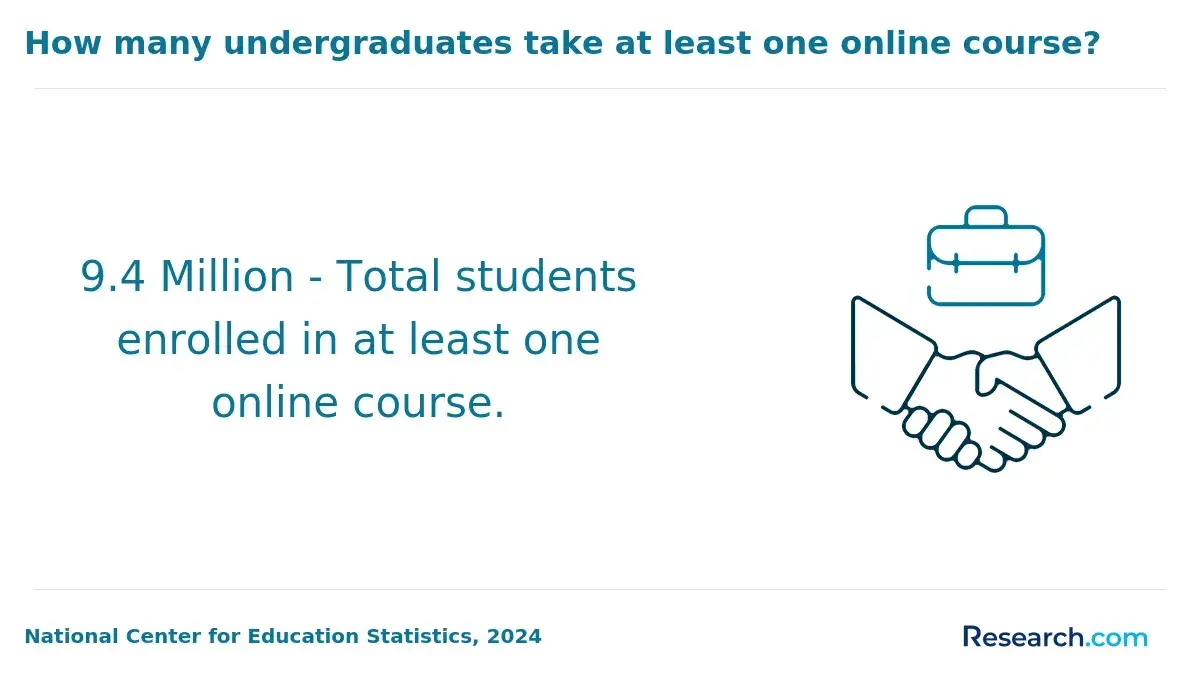
In states where traditional academic institutions offer limited or no in-person finance degree programs, online education platforms serve as vital channels to broaden student access. Recent data from the 2024 National Center for Education Statistics show that over 40% of undergraduates in business and finance disciplines enroll in at least one online course, highlighting how digital programs are filling geographic and institutional voids. These online offerings allow students to pursue specialized finance education without relocating, a significant benefit in rural and underserved regions where physical campuses are sparse or non-existent.
The expansion of access through online finance programs is driven by several structural mechanisms. Asynchronous course delivery provides flexibility for students balancing employment or family responsibilities, removing time-zone and scheduling conflicts that rigid on-campus classes impose. Moreover, institutions can scale offerings beyond local state boundaries, admitting students from multiple regions, which amplifies enrollment potential and diversifies program reach. This cross-state enrollment reduces dependence on a student's immediate geographic area for educational opportunities, effectively dissolving traditional constraints tied to proximity and transportation.
These dynamics have broader implications beyond individual access, influencing regional workforce development and competitive landscapes among higher education providers. Increased availability of finance degrees via online formats can bolster local economies by supplying skilled graduates without necessitating relocation, which is especially relevant in areas facing talent shortages. At the same time, institutions may compete more fiercely across state lines, driving innovation in program delivery and specialization, while potentially reshaping enrollment trends and academic resource allocation nationwide.
One finance graduate recalls applying during a rolling admissions cycle, feeling the pressure of delayed notifications amid uncertainty about program availability in their home state. Without an accessible in-person option nearby, the decision to commit to an online program hinged on navigating incomplete information and timing the application to optimize financial aid and course start dates. The student found relief when acceptance came just weeks before the term, underscoring how flexible admissions timelines and remote access collectively enabled continuation of their education despite regional limitations and personal scheduling constraints.
How Much Does Finance Program Tuition Vary by State?
Tuition for finance degree programs varies widely across U.S. states, primarily driven by differences in public funding allocations, institutional types, and residency-based pricing models. Public universities often charge significantly lower tuition for in-state students due to state subsidies, while out-of-state students face higher fees reflecting reduced or absent state support. Private institutions maintain more uniform tuition rates nationwide, though these are generally higher and less influenced by residency. This funding landscape means that tuition variation for finance programs is less about arbitrary pricing decisions and more a reflection of broader state-level higher education policies and institutional financing structures impacting affordability and access.
The average cost of finance programs across US states reveals that public universities typically charge between $7,000 and $15,000 annually for in-state students, with out-of-state tuition often doubling this range. Private universities, in contrast, generally set tuition between $30,000 and $60,000 per year regardless of residency, influenced by institutional prestige and available resources. These figures align with data from sources such as the U.S. Department of Education College Scorecard and state university system reports, illustrating how state appropriations and funding priorities directly shape the economic burden on students. For those considering different regions, these disparities factor heavily into decisions about program selection and potential student debt.
Such tuition variability affects student mobility and program accessibility, often prompting prospective students to weigh cost against program quality and regional employer demands. States like California, Texas, and Florida exemplify systems where higher public funding and larger university networks offer more affordable finance degrees and more extensive program choices. Meanwhile, states with limited higher education funding may see narrower options and less competitive tuition, influencing graduate supply in local finance job markets. Students evaluating pathways must also consider support mechanisms including scholarships and financial aid policies, which can alter the effective cost and influence enrollment trends. For individuals balancing educational investments with practical career outcomes, including non-traditional paths such as best online degrees for stay at home moms, understanding these cost structures is essential for informed decision-making.
How Does Finance Program Demand Affect Admissions Decisions?
Rising demand for finance programs has a direct and measurable impact on admissions selectivity, often intensifying competition as more applicants vie for limited seats. Schools facing increasing applicant volumes frequently tighten acceptance standards, placing greater emphasis on quantitative skills, relevant internships, and demonstrable commitment to financial careers. This shift is not simply a response to volume but reflects strategic enrollment management aimed at balancing program capacity with maintaining quality and alignment with employer expectations. Consequently, applicant pools in high-demand states or institutions experience sharper scrutiny, with more rigorous academic thresholds and holistic assessments emerging to differentiate candidates.
The underlying dynamics stem largely from finite program capacities, constrained faculty resources, and accreditation standards that limit rapid expansion despite growing interest. Institutions cannot immediately scale infrastructure or personnel to meet demand, which sustains pressures on acceptance rates and intensifies selective criteria. Labor market trends further influence admissions by driving programs to seek candidates with skills that map closely to workforce needs, privileging practical experience alongside academic performance. These pressures produce a feedback loop where increased demand elevates program prestige but also heightens barriers to entry, affecting both short-term access and the demographic diversity of admitted cohorts.
For prospective students, surging program demand necessitates more strategic preparation and timely application submission to navigate rolling or phased admissions effectively. The competitive environment amplifies the importance of demonstrating distinct qualifications early in the process, as delays can reduce chances of acceptance. Additionally, the reputational impact of high demand may raise a program's standing but can limit long-term accessibility, prompting some applicants to consider institutions with broader program offerings and less selective criteria as alternatives. This dynamic environments shape not only admissions outcomes but also career pathways through differing access to specialized finance curriculum and industry connections.
One finance graduate recalled applying during a particularly congested admission cycle when her preferred university delayed decisions due to overwhelming demand. She hesitated for weeks, weighing whether to commit to backup programs or await a response that arrived after crucial internship deadlines. Her experience underscored how unpredictable wait times and evolving criteria can complicate strategic planning, emphasizing that timing and early demonstration of fit can be as critical as academic credentials in navigating finance program admissions under high demand.
How Do Finance Specialization Options Vary by Region?
Finance specialization offerings across U.S. regions are closely linked to local economic structures and predominant industries, resulting in distinct curricular emphases that align with regional labor market needs. For instance, states with major metropolitan centers tend to provide a broad spectrum of specialized tracks reflecting their diverse financial services sectors, whereas regions anchored by specific industries tailor programs to support those sectors' workforce demands. This specialization shapes not only academic content but also the professional skills emphasized, reinforcing the relationship between local employer expectations and educational programming. Data from the National Center for Education Statistics in 2024 highlights that states such as California and Texas lead the nation in both the quantity and variety of Finance subfields, indicating that population size and economic diversity significantly influence curricular breadth.
Key factors driving the variation in Finance specializations include dominant regional industries, institutional research priorities, and formal partnerships between universities and local employers. In the Northeast, where major financial institutions and asset managers operate, programs frequently emphasize investment finance, risk management, and fintech applications aligned with these sectors. Conversely, Southern states often concentrate on energy finance, entrepreneurial ventures, and real estate to address the localized growth of energy markets and startup ecosystems. The Midwest's focus on industrial, agricultural, and public-sector financial management reflects the manufacturing and farm-based economy prevalent there, while the West Coast's emphasis on sustainable finance and global markets corresponds with its technology-driven, export-oriented landscape. These curricular decisions are shaped by ongoing consultation with regional employers and the assessment of workforce skill shortages.
The regional concentration of specialized Finance programs has implications for student mobility and career trajectories. Graduates trained in region-specific niches benefit from tightly knit industry networks and tailored internship opportunities but may face challenges if they seek employment beyond their home market, especially in fields less represented nationally. Such dynamics suggest that prospective students should weigh the tradeoff between accessing highly relevant local specializations and maintaining broader market flexibility. Recognizing these patterns enables more strategic selection of Finance programs depending on one's career goals and geographic preferences, with 2024 IPEDS data underscoring significant disparities in program diversity linked to regional economic complexity.
How Does Regional Employer Demand Affect Career Outcomes?
Regional employer demand plays a defining role in determining job availability and early career opportunities for graduates of a finance degree program. Locations with a high concentration of financial institutions and corporate headquarters, such as New York and San Francisco, offer more abundant entry-level roles, internships, and professional networking compared to less dense regions. These geographic differences shape not only hiring volume but also the diversity of roles accessible to recent graduates, influencing their initial foothold in the labor market and capacity to build relevant experience.
The mechanisms driving this relationship include strong industry clusters that foster competitive wage dynamics and specialized hiring ecosystems. In regions where financial sector activity is concentrated, employers often establish formal partnerships with universities, creating pipelines that facilitate recruitment and workforce alignment. According to the U.S. Bureau of Labor Statistics, finance professionals in major metropolitan areas earn 20-35% more than those in less active markets, reflecting how employer competition and local economic conditions affect salary levels. Recognizing regional employer demand for finance graduates is critical for understanding these disparities.
For students evaluating program availability, these regional dynamics also influence long-term career trajectories and geographic mobility. Graduates from areas with weaker financial sectors may need to relocate or supplement credentials to access comparable wages and advancement. The persistent variation in market demand underscores the importance of aligning educational investments with local and regional labor market realities. Factors such as remote work expansion also moderately affect these trends but have yet to equalize the deep-rooted benefits of proximity to financial industry hubs and their ecosystems. For those comparing costs alongside outcomes, understanding the average cost of MLIS degree us highlights how financial considerations intersect with location-driven demand in shaping education-to-workforce pathways.
What Factors Matter Most When Comparing Finance Programs Across States?
Comparing finance programs across states involves evaluating variables beyond mere program availability. State-level differences significantly shape educational access, tuition costs, specialization options, and post-graduation earning potential. These factors, cumulatively, influence not only affordability but also how well programs align with local and national industry demands, thereby affecting graduate employability.
- Program Availability and Specialization: States with a larger number of institutions often provide more diverse finance subfields such as investment analysis, risk management, and fintech, allowing students to tailor their education to market needs. This variety directly impacts graduate adaptability in an evolving sector.
- Tuition Costs Relative to Regional Earnings: The cost of attendance must be balanced against local starting salaries for finance graduates, which vary regionally according to the U.S. Bureau of Labor Statistics 2024 data. Higher tuition without commensurate salary prospects can diminish return on investment, making affordability a critical evaluation point.
- Employer Demand and Internship Opportunities: States with dense financial hubs often cultivate programs that offer practical learning experiences like internships and coop education. These connections significantly improve job placement rates by integrating students into the local employer network early.
- Accreditation and Educational Quality: Accreditation bodies like AACSB ensure program rigor and curriculum relevance. Employers frequently prefer graduates from accredited programs, as it signals comprehensive, industry-aligned training, which can vary significantly between states.
- Faculty Expertise and Alumni Networks: Programs situated in established financial centers leverage faculty with real-world experience and strong employer ties. Robust alumni networks can facilitate mentorship and job placement, translating program quality into tangible career pathways.
Students considering finance degrees should weigh these factors carefully, especially as tuition and specialization options in finance programs by state vary widely. Regional finance program availability and employer demand impact both the academic experience and long-term career outcomes. Those exploring options may also benefit from reviewing studies on the easiest bachelors degree pathways in related fields to understand broader accessibility trends.
Which Regions May See the Fastest Growth in Finance Education?
Growth in finance education is concentrated where employer demand, demographic shifts, and higher education investment intersect. This expansion typically reflects broader economic and workforce dynamics rather than isolated academic trends. Regions poised for the fastest growth often combine population increases, evolving industry sectors, and proactive university system development, aligning program offerings with labor market needs.
- Southeast: The Southeast leads with rapid population growth and expanding urban economies, notably in states like Florida and Georgia. The region's increasing presence of financial services, technology, and real estate industries drives demand for finance graduates, encouraging universities to broaden program availability and introduce practical specializations such as fintech and data analytics.
- Southwest: Including Texas and Arizona, the Southwest benefits from dynamic economic hubs with rising business activity in energy, technology, and finance. Large public university systems are investing in expanding finance curricula to meet regional employer demand, offering students greater access to applied learning and industry partnerships.
- Mountain West: This area is experiencing steady economic diversification and population growth, which underpins moderate increases in finance program offerings. While smaller than the South and Southwest, the Mountain West's focus on service industries and emerging tech sectors favors tailored finance education with local labor market relevance.
- Midwest: Traditional finance education centers in the Midwest show more stable growth tied to established financial and manufacturing sectors. Although population growth is slower, select universities innovate within finance programs to address evolving employer expectations, maintaining steady graduate supply.
- Northeast: Despite being a longstanding finance education hub, the Northeast sees modest expansion due to mature higher education markets and slower demographic growth. Institutions here increasingly emphasize specialization and experiential learning, balancing program breadth with the competitive job market in finance.
References
- Basics of In-State vs. Out-of-State Tuition – Nationwide https://www.nationwide.com/lc/resources/personal-finance/articles/in-state-out-state-tuition
- How many states have personal finance graduation requirements? https://www.ngpf.org/blog/advocacy/how-many-states-require-students-to-take-a-personal-finance-course-before-graduating-from-high-school-is-it-6-or-is-it-21/
- The Adequacy and Fairness of State School Finance Systems | Fifth Edition | School Finance Indicators Database https://www.schoolfinancedata.org/annual-reports/2023
- Four New States Implement Personal Finance Courses as CEE’s Survey of the States Reveals Positive Momentum in Financial Literacy Education in America - Council for Economic Education https://www.councilforeconed.org/four-new-states-implement-personal-finance-courses-as-cees-survey-of-the-states-reveals-positive-momentum-in-financial-literacy-education-in-america/
- Stay Informed with Our Newsletter https://mdmarketinsights.com/insights/specialization-vs-generalization-in-finance-careers
- Job Market’s Effect on the Economy | U.S. Bank https://www.usbank.com/investing/financial-perspectives/market-news/effect-of-job-market-on-the-economy.html
- Choosing the Right MBA Specialization for Global Business Success | Articles | News from ISM | News https://www.ism.edu/articles/choosing-the-right-mba-specialization-for-global-business-success.html
- Financial Education Platforms Market Research Report 2033 https://dataintelo.com/report/financial-education-platforms-market
- Key Factors for Choosing the Right Source of Business Finance • FSM.How (Facility & Services Management) https://fsm.how/entrepreneurship-small-medium-business/key-factors-choosing-business-finance/
- 10 Best Countries to Study Finance: Top Universities, Fees, & Starting Salaries https://www.instarem.com/blog/best-countries-to-study-finance/
Other Things You Should Know About Finance
States offering a wide variety of finance programs often provide students access to specialized courses and multiple pedagogical approaches, which enhance learning depth and adaptability. However, a larger number of programs does not automatically guarantee superior quality or industry alignment. Students should prioritize states where program diversity also aligns with strong industry partnerships and updated curricula rather than sheer quantity, as this combination better prepares graduates for competitive job markets.
Schools with extensive finance degree options can offer broad networking opportunities and customizable educational paths but may have less consistency in faculty expertise or cohesion across specializations. In contrast, focused programs tend to deliver more concentrated industry-relevant training and stronger faculty mentorship at the risk of narrower exposure. Students aiming for specialized career tracks should weigh whether increased program breadth outweighs the benefits of depth and focused instruction.
States vary in academic calendar models and program intensity, affecting students' time-to-completion and work-life balance. More finance programs often mean varied course structures, some emphasizing practical internships while others focus on theoretical coursework. Prospective students need to evaluate how these differences align with their professional goals and personal circumstances, prioritizing programs that balance rigorous finance training with manageable workload to sustain long-term academic success.
States with numerous finance programs offer diverse specializations and exposure to a range of financial topics. This can align with employer expectations for versatile skills and practical knowledge, potentially enhancing graduate readiness. However, individual school quality and program curriculums also significantly impact readiness beyond mere quantity.