2027 Finance Tuition Inflation Report: How Fast Are Program Costs Rising?

Co-Founder and Chief Data Scientist
Tuition inflation within finance programs reflects more than broad institutional cost rises; it aligns closely with specialized operational and educational demands unique to the field. Enhanced regulatory frameworks and evolving certification expectations compel programs to invest in advanced technology platforms for real-time data analysis and risk modeling. Faculty expertise scarcity in quantitative finance and financial engineering intensifies labor costs, while curriculum updates to mirror market complexity require ongoing resource allocations.
According to the National Center for Education Statistics in 2024, enrollment in finance degrees grew 5%, with a notable increase in part-time and nontraditional students, suggesting shifting workforce re-skilling needs. These patterns indicate a tuition trajectory shaped by finance's dynamic professional environment and tailored educational delivery rather than generic tuition inflation trends.
Key Things to Know About Finance Tuition Inflation
- The 7.2% annual rise in finance tuition outpaces general inflation, pressuring students to balance increased debt against uncertain ROI amid evolving employer valuation of credentials.
- Employers increasingly prioritize practical skills over pedigree, limiting the career leverage of rising tuition costs and necessitating strategic selection of finance programs with applied curricula.
- Steep tuition growth affects timing decisions, often delaying enrollment or reducing access for lower-income students, thereby exacerbating equity gaps within the finance talent pipeline.
- Key Things to Know About Finance Tuition Inflation Key Things to Know About Finance Tuition Inflation
- How Much Has Finance Tuition Increased Over the Past Decade? How Much Has Finance Tuition Increased Over the Past Decade?
- How Does Finance Tuition Inflation Compare to Overall Inflation? How Does Finance Tuition Inflation Compare to Overall Inflation?
- Which Types of Schools Have Experienced the Fastest Finance Tuition Growth? Tuition Growth by School Type
- What Factors Are Driving Rising Costs in Finance Degree Programs? Tuition Cost Drivers
- How Does Finance Tuition Growth Vary by State and Region? Tuition Growth by State
- Are Online Finance Programs Becoming More Affordable Than Campus-Based Programs? Online Program Affordability
- How Have Financial Aid and Scholarships Changed as Finance Tuition Has Increased? Impact on Financial Aid and Scholarships
- How Does Rising Finance Tuition Affect Student Debt After Graduation? Impact on Student Debt
- Do Higher-Cost Finance Programs Deliver Better Career Outcomes or Earnings? Impact on Career Outcomes
- What Do Current Tuition Trends Suggest About the Future Cost of a Finance Degree? What Do Current Tuition Trends Suggest About the Future Cost of a Finance Degree?
How Much Has Finance Tuition Increased Over the Past Decade?
Data from the National Center for Education Statistics and the U.S. Department of Education College Scorecard indicate that tuition for finance degree programs in the United States has increased by roughly 30% to 40% over the past decade when adjusted for inflation. This growth contrasts with more moderate hikes in other fields, highlighting a sharper rise within finance tuition costs that reflect broader higher education pricing trends. Public universities have experienced smaller increases, around 20% for in-state students, while private institutions have seen nearly double that rate, nearing 45%. These disparities contribute to a wider gap in affordability depending on the type of institution attended and the region of study, affecting the average cost growth of finance degree programs by region.
The accelerated tuition growth is driven by multiple factors, including diminished state funding for public colleges and more significant spending on technology and analytics integration in finance curricula. Institutions also invest heavily in career services and employer partnerships to enhance graduate outcomes, which adds operational expenses that tend to be passed onto students. Inflation and wage stagnation amplify affordability concerns, especially since increased costs often outpace family income growth. Additionally, the demand for specialized skills and certifications has encouraged programs to adapt their offerings, prioritizing experiential learning and employer-relevant competencies over merely traditional coursework.
These cost escalations have pronounced implications for students evaluating their return on investment. Rising tuition pressures may compel larger debt burdens or extended work commitments, potentially delaying employment or limiting job choice flexibility. For prospective finance students, aligning educational choices with measurable employability outcomes-such as earning recognized credentials or pursuing certificates online that enhance workforce readiness-can mitigate financial risk. Understanding these nuanced tuition trends helps clarify the practical challenges and strategic decisions facing learners considering finance education today.
How Does Finance Tuition Inflation Compare to Overall Inflation?
Recent data from the U.S. Bureau of Labor Statistics shows the Consumer Price Index, a key measure of overall inflation, has risen by roughly 3 to 4 percent annually, while tuition inflation rates for finance programs, as reported by the National Center for Education Statistics and the College Board, have consistently outpaced these figures, increasing around 6 to 8 percent each year. This gap between finance tuition inflation rates versus overall inflation in the United States reflects distinct dynamics in higher education costs that diverge from general economic trends. Such divergence signals that while consumer prices fluctuate broadly across housing, food, and energy, finance program cost increases are governed by sector-specific forces that shape program pricing beyond standard inflation factors.
Structural drivers behind this persistent gap include diminished public funding for higher education, which shifts more operational costs onto tuition, and increasing administrative overhead that often grows faster than inflation. Additionally, finance programs face pressures to invest heavily in technology infrastructure, updated curriculum delivery methods, and expanded student services to meet evolving employer expectations and competitive market demands. These institutional funding models and cost behaviors create a compound effect where expenses rise not only due to inflation but also because of the complexities and regulatory requirements unique to finance education, pushing tuition increases above general inflation and typical consumer price movements.
For students and families, this widening differential presents clear affordability challenges and often necessitates larger borrowing, impacting financial planning and long-term return on investment from finance degrees. Understanding how this inflation gap influences program cost trajectories is essential when evaluating options, especially given that rising tuition may not always correlate with proportional increases in employment wages. Prospective students should carefully consider these realities, including exploring multiple funding sources and cost-conscious alternatives like the cheapest executive MBA online, to better navigate the financial implications tied to finance program cost increases and general inflation trends.
Which Types of Schools Have Experienced the Fastest Finance Tuition Growth?
Tuition growth for finance degree programs varies widely across different institution types, shaped by their funding mechanisms, enrollment patterns, and program delivery formats. Private nonprofit universities frequently show sharper tuition increases, influenced by investment in specialized finance faculty and facilities. Public universities often experience more moderate growth due to state budget constraints and regulatory oversight, though pressures to compensate for reduced public funding can push tuition upward. Understanding these distinctions is vital for assessing the evolving affordability and comparative value of finance education.
- Private Nonprofit Universities: These institutions rely heavily on tuition and endowment income, enabling substantial investment in program expansion and faculty expertise. The resulting premium offerings in finance programs often lead to tuition growth exceeding 5% annually, driven by competition for high-caliber students and market-driven program enhancements.
- Public Universities: Funding reductions from state appropriations compel many public institutions to increase tuition to balance budgets. Although growth rates tend to be lower than private counterparts, averaging just over 3%, finance programs at flagship campuses may absorb additional costs related to compliance and experiential learning components.
- For-Profit Institutions: Often focused on flexible program delivery, these schools may have variable tuition trends influenced by enrollment volatility and regulatory scrutiny. While some for-profits leverage online formats to control costs, financial pressures can still produce irregular tuition adjustments.
- Research-Intensive Universities: With resource-intensive finance programs tied to cutting-edge analytics and experiential labs, these institutions face higher operational costs. These expenses contribute to tuition growth above the average, reflecting both academic prestige and specialized curriculum demands.
- Regional Colleges: Serving local populations with limited resources, these colleges typically maintain more stable and modest tuition increases. However, rising demand for practical finance skills and technology integration is gradually pushing prices upward.
- Online Universities: The relative cost-efficiency of digital program delivery can dampen tuition growth. Nonetheless, expanding course offerings and investment in user experience sometimes lead to moderate price increases, balancing affordability against market competitiveness.
What Factors Are Driving Rising Costs in Finance Degree Programs?
Rising costs in finance degree programs stem from a complex interplay of institutional financial pressures and evolving educational demands rather than a single, isolated factor. Instead of merely attributing tuition hikes to inflation or general market trends, it is essential to consider how universities reallocate resources amid shifting funding landscapes and growing expectations for curriculum relevance and student outcomes. These programs require continuous updates to align with real-world financial markets through technological enhancements and faculty expertise, factors that inherently raise operational expenses and ripple across the institution's overall budgeting priorities.
Among the most significant contributors to escalating costs are the steady decline in state support for public institutions paired with a heavier dependence on tuition revenues, which creates upward pressure on pricing. Faculty salaries, notably in finance departments, have increased faster than inflation, reflecting the sector's demand for professionals who combine academic rigor with applied market skills. Meanwhile, administrative overhead expands as universities bolster career services, compliance functions, and hybrid learning infrastructures to meet employer demands and accreditation standards. Investments in sophisticated digital tools and experiential learning platforms further elevate costs, reflecting a strategic shift toward practical experience but also amplifying financial burdens on students. Data from the National Center for Education Statistics in 2024 highlights that finance faculty salaries grew over 4.5% from the prior year, underscoring labor cost's pivotal role in these dynamics.
A recent finance graduate shared that navigating the rolling admissions process underscored many of these systemic shifts. They hesitated to submit their application early due to uncertainty about the financial aid package and the total cost after technology fees were factored in-details that were only disclosed late in the process. This delay was risky, as growing applicant pools meant admission offers could tighten. The graduate described feeling caught between carefully preparing for an expensive commitment and the urgency driven by rising tuition schedules and limited transparency on cost breakdowns, illustrating how institutional timing and rising expenses converge to shape important enrollment decisions.
How Does Finance Tuition Growth Vary by State and Region?
Finance tuition growth rates differ substantially across US states and regions, shaped by a complex intersection of funding structures, institutional types, and local economic conditions. Variations in state appropriations to public universities, alongside divergent public university system models, lead to uneven tuition pressure within finance degree programs. Regional cost-of-living differences and institutional pricing power, especially between research-intensive universities and smaller public colleges, further contribute to this uneven growth. Understanding these dynamics is critical for prospective students evaluating out-of-state versus in-state program options where finance tuition growth rates differ across US states.
Key drivers behind these disparities include state budget allocations that directly affect how much universities rely on tuition revenue to operate. States with declining or stagnant higher education funding often see faster tuition growth, as institutions compensate for shortfalls. Regional labor market demand also plays a substantial role: areas with expanding finance and business sectors tend to exhibit higher tuition hikes, reflecting both increased program demand and greater employer willingness to pay for advanced credentials. Additionally, private institutions and prominent research universities can command higher baseline tuition and more aggressive annual increases due to enhanced brand recognition and specialized program offerings. These factors interplay with cost-of-living variances, magnifying tuition growth in high-expense regions compared to more affordable areas.
These structural differences have broader implications for affordability, student mobility, and return on investment. Rising tuition in high-demand regions can benefit students through better employment prospects but also increases financial barriers for many. Conversely, slower tuition growth in regions with weak finance sector employment risks limiting program appeal despite better affordability. Such disparities influence complex decision-making around program selection, especially when balancing costs against local labor market opportunities. For some learners, pursuing flexible and affordable alternatives like a cheapest online MBA may offer a strategic path to gaining finance credentials without subjecting themselves to geographic tuition volatility.
Are Online Finance Programs Becoming More Affordable Than Campus-Based Programs?
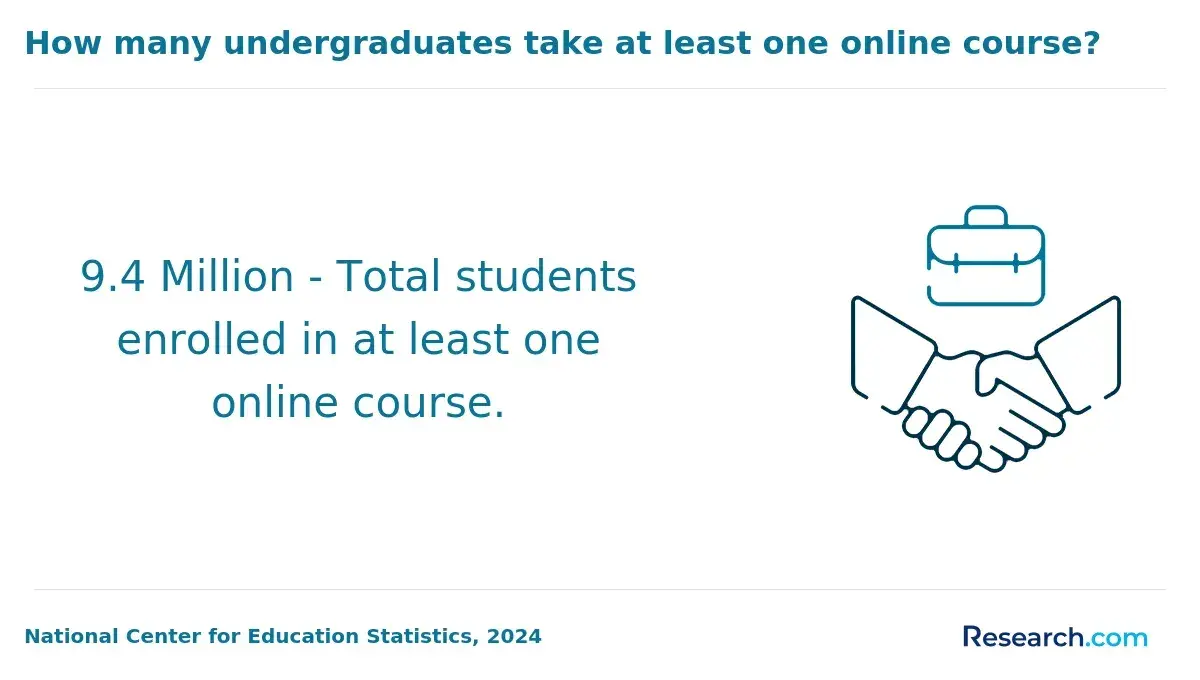
Recent trends indicate that online finance programs generally offer a more cost-effective path compared to traditional campus-based degrees, primarily due to differing institutional pricing strategies aligned with their delivery formats. While on-campus programs often maintain higher tuition to cover physical infrastructure and campus amenities, online providers leverage scalable digital platforms to serve a broader student body. Data from the National Center for Education Statistics in early 2024 shows that annual online finance degree tuition averages about 15-20% less than comparable on-campus programs. However, these figures represent sticker prices and do not fully capture total educational costs, which fluctuate based on student circumstances and program design.
The affordability gap stems from institutional cost structures that diverge significantly between modalities. Campus programs carry expenses tied to facility maintenance, classroom space, and on-site student services, pushing tuition upward. Conversely, online offerings incur substantial upfront investments in digital infrastructure, advanced learning management systems, and dedicated instructional design teams to optimize remote delivery. Faculty models may also differ, with some online courses adopting asynchronous or adjunct-heavy teaching staff, shifting cost dynamics. Additionally, sustained support services tailored for online learners-such as tech assistance and virtual advising-introduce ongoing operational costs. Thus, savings in physical overhead tend to be balanced against technology-driven expenditures and student engagement needs, making affordability differences partly structural and influenced by institutional strategic priorities.
One recent online finance graduate recalled the challenge of navigating admissions timing amid flexible but staggered enrollment cycles. Facing a rolling admissions process, they hesitated initially to apply due to uncertain application deadlines and concerns over preparatory readiness, reflecting the often less rigid but more opaque timelines characteristic of online programs. Ultimately, the agility to enroll without fixed campus term constraints proved advantageous, allowing them to align study start dates with personal and professional obligations, but the decision came with moments of stress waiting on confirmation. Their experience highlights that beyond tuition price points, factors like admissions processes and program pacing also influence perceptions of affordability and accessibility in online finance education.
How Have Financial Aid and Scholarships Changed as Finance Tuition Has Increased?
As tuition rates for finance programs continue to escalate, the evolution of financial aid and scholarships has not always matched these increases in ways that meaningfully improve affordability. Institutional aid budgets have expanded modestly but frequently lag behind the pace of tuition hikes, which often surpass general education inflation. Many colleges are shifting from need-based grants toward merit-based scholarships designed to attract academically strong or leadership-oriented applicants, creating a funding environment that favors higher-income students who already meet these criteria. This shift reduces the relative availability of aid for students facing the most acute financial barriers despite rising program costs.
Several factors drive these trends. Heightened competition among institutions to enroll top-performing candidates encourages expanded merit awarding as a recruitment tool rather than broad-based financial access initiatives. Federal and state financial aid programs have adjusted loan and grant limits incrementally, but these changes frequently fail to compensate for growing living and tuition expenses, leading to greater dependence on loans rather than grants. Tuition discounting strategies employed by institutions increasingly prioritize applicants likely to succeed and contribute to campus rankings, reinforcing disparities as need-based aid portfolios shrink comparatively. Employer-sponsored scholarships and tuition reimbursement programs add another layer of support but tend to serve a narrow segment of students with prior work experience or industry ties.
Consequently, the net price for many finance students remains high or rising despite nominal increases in aid, amplifying post-graduate debt burdens and potentially influencing enrollment choices. This dynamic forces students and families to weigh the practical return on investment amid escalating costs and constrained aid growth. The prevailing financial aid landscape shapes accessibility and affordability, with merit-driven models often limiting support for those most burdened by cost, thereby impacting diversity and socioeconomic representation within finance programs.
How Does Rising Finance Tuition Affect Student Debt After Graduation?
Rising finance tuition has a direct and measurable impact on student borrowing levels, with many programs outpacing inflation and forcing increased reliance on loans. As tuition has escalated, students are compelled to finance a larger share of their education through debt, which results in higher principal balances at graduation. This trend is especially pronounced in programs where financial aid has not kept pace with costs, compelling even those from middle-income families to resort to borrowing. These growing debt loads shape financial choices after graduation, influencing how graduates manage repayments amidst competing obligations.
Key factors driving this dynamic include widening gaps between tuition costs and available financial aid, especially at private institutions compared to public ones, where pricing structures and aid policies differ substantially. Interest accumulation during long degree programs further escalates debt, increasing the total repayment burden well beyond the initial amount borrowed. Post-graduation income variability across finance fields also plays a critical role; while some graduates secure positions with competitive salaries, others face earnings insufficient to comfortably manage loan repayments. These conditions crystallize the long-term effects outlined in studies examining how rising finance tuition impacts student loan debt in the United States.
Consequently, repayment stress has intensified, influencing career and education decisions. Rising debt encourages some students to seek programs with better return on investment or explore alternatives such as part-time options or employer-sponsored tuition assistance. Additionally, income-driven repayment plans and loan forgiveness programs have become pivotal in alleviating pressure, though eligibility and benefits vary. Prospective students must carefully weigh these factors when assessing a finance degree's true affordability and value, including how they align with their personal financial situations and career goals. For those evaluating degree options in related fields, exploring choices like a data scientist degree may offer comparative insights into cost and employability tradeoffs.
Do Higher-Cost Finance Programs Deliver Better Career Outcomes or Earnings?
Higher-cost finance programs do not inherently guarantee better career outcomes or higher earnings over the long term, despite a common perception that tuition levels correlate with graduate success. While data from the U.S. Department of Education's College Scorecard reveals that graduates from elite, expensive finance programs often command median early-career salaries roughly 15-20% above those from lower-cost institutions, this advantage tends to narrow after five years. Experience, specialized skills, and industry relevance often become more important than initial institutional prestige in influencing salary trajectories, complicating the narrative that price alone predicts career benefits.
Several factors beyond cost drive stronger career prospects and earnings potential. Institutional reputation and alumni networks can facilitate access to competitive job markets, but employers increasingly prioritize practical expertise gained through internships, certifications, and real-world experience. The availability of program specializations, regional industry connections, and established employer pipelines also significantly shape outcomes. For students evaluating return on investment for costly finance degrees in the United States, recognizing the variability within program tiers is essential, as some mid-range tuition programs may offer similar or superior outcomes compared to their higher-priced counterparts.
Given these complexities, students should adopt a strategic approach that weighs tuition inflation against expected career trajectories rather than assuming higher cost equates to proportional benefit. Evaluating program quality, affordability, and realistic employment opportunities, including alternative educational routes, supports better-informed decisions. Those with particular circumstances, such as military backgrounds, might consider a veteran friendly online electrical engineering degree or other specialized pathways to balance cost and career readiness effectively.
What Do Current Tuition Trends Suggest About the Future Cost of a Finance Degree?
Current tuition trends indicate that the cost of obtaining a finance degree is set on a trajectory exceeding general inflation, with public four-year institution fees rising at about 4.5% annually according to recent National Center for Education Statistics data. This persistent increase reflects a broader pattern of accelerating tuition growth that outpaces wage growth and price inflation, signaling that finance degree affordability may continue to erode over time unless significant systemic changes occur. Adjusting for inflation reveals that nominal tuition growth is not merely a function of broad economic pressures but is closely tied to changes in institutional cost structures and demand dynamics specific to finance-related programs.
Several interrelated factors shape this upward pressure on tuition. Public funding constraints prompt institutions to recover lost revenue by raising student fees, while increasing employer demand for finance competencies pushes universities to invest in advanced curricula, technology-enhanced delivery, and hybrid or accelerated tracks-often carrying premium price tags. The expansion of online and flexible learning models, appealing particularly to adult learners, tends to increase operational complexity and costs, thus sustaining or enhancing tuition levels. These drivers, combined with heightened expectations for experiential learning and career services, create a multi-faceted cost environment unlikely to simplify or decline in the near term.
Given these realities, prospective finance students should view tuition forecasts not as simple inflation-adjusted projections but as indicators of evolving institutional behaviors and market demands. Rising costs will likely amplify the importance of strategic program selection, balancing tuition expense with potential time-to-degree savings and employer tuition support programs. Anticipating these patterns can help students manage borrowing risks and prioritize education paths that align with their financial capacity and career goals.
References
- How Inflation Affects Your College Savings https://meetfabric.com/blog/how-inflation-affects-your-college-savings
- Do Student Loans Drive Up College Tuition? https://www.richmondfed.org/publications/research/economic_brief/2022/eb_22-32
- Report - SHEF https://shef.sheeo.org/report-2/
- How Rising Inflation Affects Student Loan Interest Rates | SoFi https://www.sofi.com/learn/content/inflation-and-student-loans/
- Why is the cost of college rising so fast? https://ssti.org/blog/why-cost-college-rising-so-fast
- Inflation and Its Impact on Education Loans in 2026 https://www.wemakescholars.com/blog/how-inflation-impacts-education-loan
- Inflation Has Yet to Affect Tuition, but Students Still Feel the Rising Costs | Insight Into Academia https://insightintoacademia.com/inflation-has-yet-to-affect-tuition-but-students-still-feel-the-pain-of-rising-costs/
- College Tuition Inflation: The Rising Price Of Education | Bankrate https://www.bankrate.com/loans/student-loans/college-tuition-inflation/
- Which Factors Affect Student Fees? https://robertkelchen.com/2016/06/14/which-factors-affect-student-fees/
- UNRAVELING THE TRUE DRIVERS OF RISING COLLEGE TUITION AND POLICY PATHWAYS https://ijeber.com/unraveling-the-true-drivers-of-rising-college-tuition-and-policy-pathways/
Other Things You Should Know About Finance
Higher tuition often corresponds with programs that demand greater time commitment, including rigorous coursework, projects, and internships. Students should consider their capacity to manage this workload because an intense program could limit time for paid work or other income-generating activities, offsetting the tuition investment. Choosing a balanced program that fits realistic workload expectations may improve academic performance and financial sustainability despite slower prestige growth.
In many cases, acquiring targeted certifications can yield quicker entry or advancement within finance roles at a fraction of degree program costs. For students constrained by finances, prioritizing certifications with strong market recognition may deliver better short-term ROI and relevance to employers. However, certifications typically lack the broad analytical and strategic training a full finance degree provides, making a degree preferable if longer-term career advancement or diversification is the goal.
Mid-career professionals face a critical decision as rising tuition can extend the breakeven point for new qualifications due to lost income during study and upfront expenses. It is essential to analyze whether the advanced finance program offers skills in high-demand specializations or leadership development that employers explicitly reward. If the program does not clearly enhance job stability or salary growth prospects, professionals should consider alternative learning methods or employer-sponsored training to reduce financial risk.