2027 Finance Degree Enrollment Trends by Age Group: Traditional Students vs Adult Learners

Co-Founder and Chief Data Scientist
The stark difference in enrollment between traditional students and adult learners in finance degree programs stems largely from licensing demands and industry-specific career pathways. Approximately 40% of finance graduates pursue certifications such as the CFA within five years of graduation, shaping the timing of entry into formal education. Traditional students often enroll immediately after secondary education, driven by employer preferences for fresh graduates with technical skills aligned to entry-level roles.
In contrast, adult learners typically return amid economic disruptions or career transitions, seeking to bridge credential gaps that impede advancement. These divergent enrollment patterns signal evolving workforce needs and a growing emphasis on flexible, competency-based learning in finance education.
Key Things to Know About Finance Degree Enrollment Trends by Age Group
- Enrollment among traditional-age finance students often reflects a preference for foundational theory over practical skills, creating a tradeoff that may delay workforce readiness despite quicker degree completion.
- Employers increasingly favor adult learners with finance degrees due to demonstrated real-world experience, highlighting a workforce trend valuing applied knowledge over solely academic credentials.
- Adult learners face higher direct and opportunity costs in finance programs, affecting access decisions and emphasizing the importance of flexible scheduling and employer tuition support to offset these barriers.
- Key Things to Know About Finance Degree Enrollment Trends by Age Group Key Things to Know About Finance Degree Enrollment Trends by Age Group
- Which Age Groups Represent the Largest Share of Finance Students? Students by Age Group
- Why Do Traditional Students Choose Finance Degree Programs? Traditional Students
- Why Do Adult Learners Return to School for a Finance Degree? Adult Learners
- How Do Academic Goals Vary Between Younger and Older Finance Students? Academic Goals by Age Group
- How Do Financial Concerns Differ Between Traditional Students and Adult Learners? Financial Concerns by Age Group
- What Challenges Do Adult Learners and Traditional Students Face While Earning a Finance Degree? Student Challenges by Age Group
- How Does Age Affect Finance Degree Student Retention? Age and Student Retention
- Which Finance Specializations Are Most Popular Among Adult Learners? Top Specializations for Adult Learners
- How Does Age Affect Job Opportunities for Finance Graduates? Impact of Age in Job Opportunities
- What Do Current Finance Enrollment Trends Reveal About Future Demand? What Do Current Finance Enrollment Trends Reveal About Future Demand?
Which Age Groups Represent the Largest Share of Finance Students?
Finance degree programs attract learners across different life stages, yet enrollment heavily concentrates within particular age ranges shaped by career timing, financial readiness, and the design of educational pathways. This distribution is less about academic preference and more reflective of broader labor market cycles and higher education system structures. Understanding these patterns provides insight into how demographic groups engage with finance education and the resulting implications for program accessibility and workforce integration.
- Ages 18-24: This traditional college-age group comprises the largest portion of finance degree enrollment. Most individuals in this bracket transition directly from high school into full-time study, leveraging relatively fewer outside commitments and stronger institutional support. Employers often prize recent graduates from this group for up-to-date theoretical knowledge and foundational credentials tailored to entry-level finance roles.
- Ages 25-34: Adult learners in this range represent a smaller yet expanding share driven by career shifts and the need for specialized skills. Their enrollment is frequently part-time or through flexible, often online programs that accommodate ongoing employment or family responsibilities. Financial considerations and time constraints significantly impact their pace and program choices.
- Ages 35-44: This segment generally has the lowest enrollment in finance programs due to increased professional and personal commitments. While some pursue finance education to pivot careers or enhance qualifications, time investment and opportunity costs curtail broader participation. Programs offering highly practical skills tied directly to advancement can improve engagement within this group.
The age distribution in finance degree enrollment mirrors systemic workforce and education dynamics rather than simple preference. Traditional students benefit from a structured timeline aligning with immediate workforce entry, whereas adult learners navigate a complex balance of economic tradeoffs, often opting for flexible study routes. As finance fields evolve with growing emphasis on continuous upskilling and credentialing, the gap between mainstream college-age students and older learners may narrow.
Insights from recent National Center for Education Statistics data confirm these trends, illustrating how life stage and career timing drive enrollment patterns. Prospective students evaluating options should consider how these demographic and structural factors influence program design and employability outcomes.
For those exploring flexible paths that accommodate balancing education with work or family, resources like affordable online MSW programs exemplify accessible models that can inform expectations around finance study options tailored for adult learners.
Why Do Traditional Students Choose Finance Degree Programs?
Traditional students often select finance degree programs driven by a blend of academic interest and strategic early career planning centered on industry alignment and credential signaling. Many perceive finance as a discipline that balances quantitative analysis with practical business applications, making it attractive for those aiming to enter sectors like banking, wealth management, or corporate finance. Approximately 42% of new finance program enrollments are motivated by anticipation of strong income potential and clear career pathways, reflecting the tangible return on investment these students seek. This group tends to prioritize structured curricula that offer internships and certifications, which facilitate smoother education-to-career transitions and solidify pathways into competitive job markets.
Deeper influences shaping these decisions include university recruitment methods emphasizing finance as a stable and prestigious field, alongside guidance counselors who often direct students toward business-related degrees based on labor market trends. Exposure to finance concepts during secondary education or introductory college courses also plays a critical role in informing early specialization choices. These factors collectively encourage students to view finance as a pragmatic option within the broader landscape of business disciplines, reinforcing their motivation beyond pure academic curiosity. For those balancing cost concerns with quality, exploring affordable online degree programs has become an integral part of the decision framework, reflecting a growing complexity in how traditional students assess program accessibility and value.
Why Do Adult Learners Return to School for a Finance Degree?
Adults returning for a finance degree often do so driven by the direct impact such credentials have on career progression, wage enhancement, or industry transitions. Unlike traditional students, these learners frequently seek to reposition themselves within evolving financial sectors-whether climbing into leadership roles, shifting toward emerging specialties like fintech, or addressing credential inflation that increasingly demands formal qualifications. Workforce data from the National Center for Education Statistics in 2024 highlights that nearly 40% of adult learners re-enroll specifically to facilitate job promotion or career shifts, reflecting a calculated investment aimed at tangible professional outcomes rather than exploratory education.
The decision to re-engage with higher education also aligns closely with practical accessibility considerations and shifting employer expectations. Employer tuition support programs and the proliferation of flexible online finance degree offerings enable adults to balance education with ongoing work and life commitments. Simultaneously, the finance industry's rapid incorporation of technologies such as data analytics and compliance automation compels many professionals to update their skill sets systematically. This reskilling imperative, coupled with heightened regulatory and technical demands, makes returning to school a strategic response to labor market dynamics rather than purely a personal or academic choice.
How Do Academic Goals Vary Between Younger and Older Finance Students?
Younger finance students typically enter programs with exploratory academic objectives geared toward establishing a broad foundation in financial principles and business fundamentals. They often prioritize developing versatile skill sets to support entry-level roles or further graduate study, focusing on internships and networking to bolster early-career prospects. This cohort generally values full-time, campus-based learning environments that facilitate exposure to diverse finance disciplines, aligning with a common goal of securing employment soon after graduation-68% of traditional finance students reported this aim in a 2024 National Center for Education Statistics study. Their academic goals reflect an awareness of long-term career options but emphasize immediate preparation and market entry at an early professional stage.
In contrast, adult learners in finance programs approach their education with precise career-related aims aligned with existing workforce experience and evolving professional responsibilities. Their focus is typically on targeted skill acquisition, such as compliance, risk analysis, or financial planning, designed to support job retention, upward mobility, or transitions into new roles within their organizations. Many adult students seek program flexibility to balance education with work and family obligations, prioritizing credentials and certifications that are directly relevant to employer expectations and measurable career outcomes. The same 2024 NCES data indicates that 74% of these learners pursue degrees primarily to enhance job skills or meet professional certification standards, signaling a pragmatic alignment between academic goals and immediate workplace impact.
An adult learner shared that after several years working in operations, they realized a finance degree was essential to access leadership roles in their company's financial division. During the rolling admissions period, uncertainty about completing prerequisite coursework delayed their application submission. They hesitated initially to apply without all requirements met but were advised to submit materials early to secure consideration for limited seats. This experience underscored the importance of strategic timing and careful preparation in navigating admissions while balancing full-time employment, highlighting how adult learners must often negotiate multiple constraints beyond purely academic concerns.
How Do Financial Concerns Differ Between Traditional Students and Adult Learners?
Traditional students pursuing a finance degree typically navigate financial concerns heavily influenced by tuition costs combined with limited personal income. They often rely on a combination of family support, scholarships, student loans, and government aid programs to cover expenses, with the National Center for Education Statistics reporting that about 60% receive financial aid and graduate with an average debt nearing $28,000. This cohort's financial behavior centers around debt tolerance and long-term career potential, balancing immediate educational costs against future earning capacity. Their decision-making reflects education financing strategies tuned to managing upfront costs and accepting student loan obligations as an investment in longer-term outcomes.
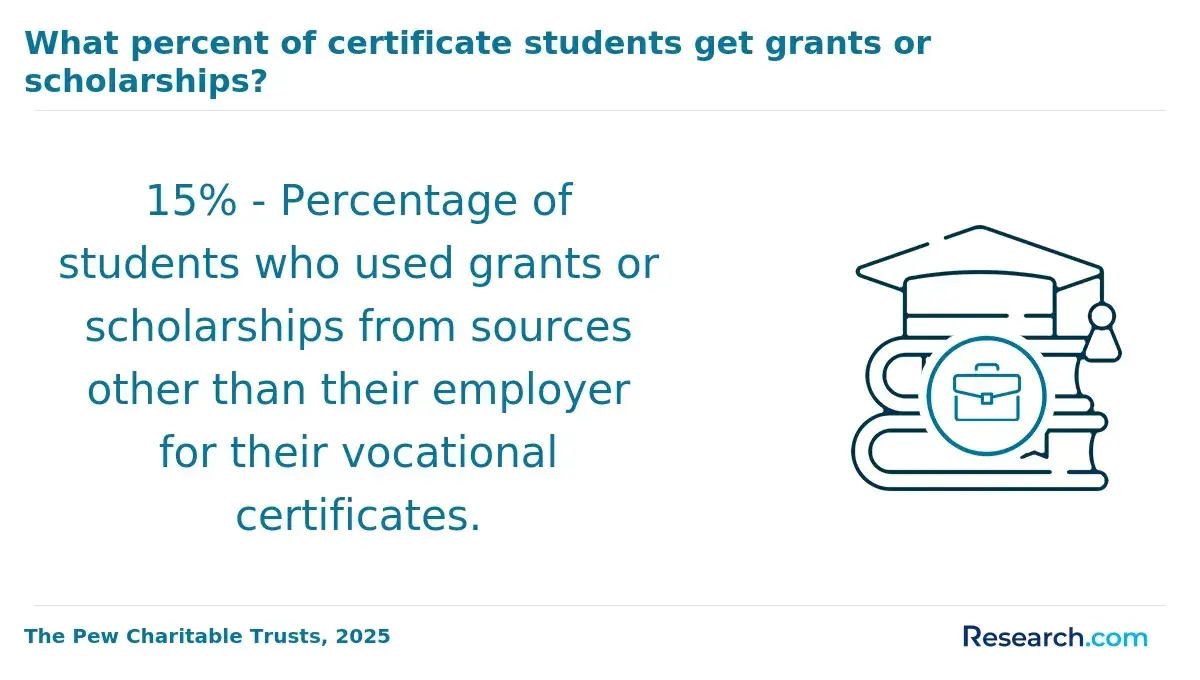
In contrast, adult learners face distinct challenges shaped by ongoing financial obligations such as mortgages, family care, and existing debts, which complicate their education financing strategies. Many of these students draw on personal savings or employer tuition reimbursement programs-Pew Research Center data indicates 72% utilize such resources-to offset direct costs. Beyond out-of-pocket expenses, adult learners also consider lost wages from reduced workforce participation due to studying, increasing the opportunity cost of enrollment. Their financial decisions are frequently framed by immediate workforce returns, favoring programs with practical applications and flexible formats, including part-time and online options, to align study with employment demands and family stability, often reflected in education paths like social media degree programs.
These financial dynamics distinctly influence enrollment patterns and program selection, as traditional students may prioritize full-time, on-campus and online colleges experience despite upfront debt, whereas adult learners predominantly seek flexible, outcome-oriented pathways that minimize workforce disruption. The calculus of return on investment extends beyond tuition fees to encompass opportunity costs and income security over the lifecycle. Understanding these divergent financial behaviors is essential for prospective finance students shaping realistic academic plans aligned with their unique financial obligations and career timelines.
What Challenges Do Adult Learners and Traditional Students Face While Earning a Finance Degree?
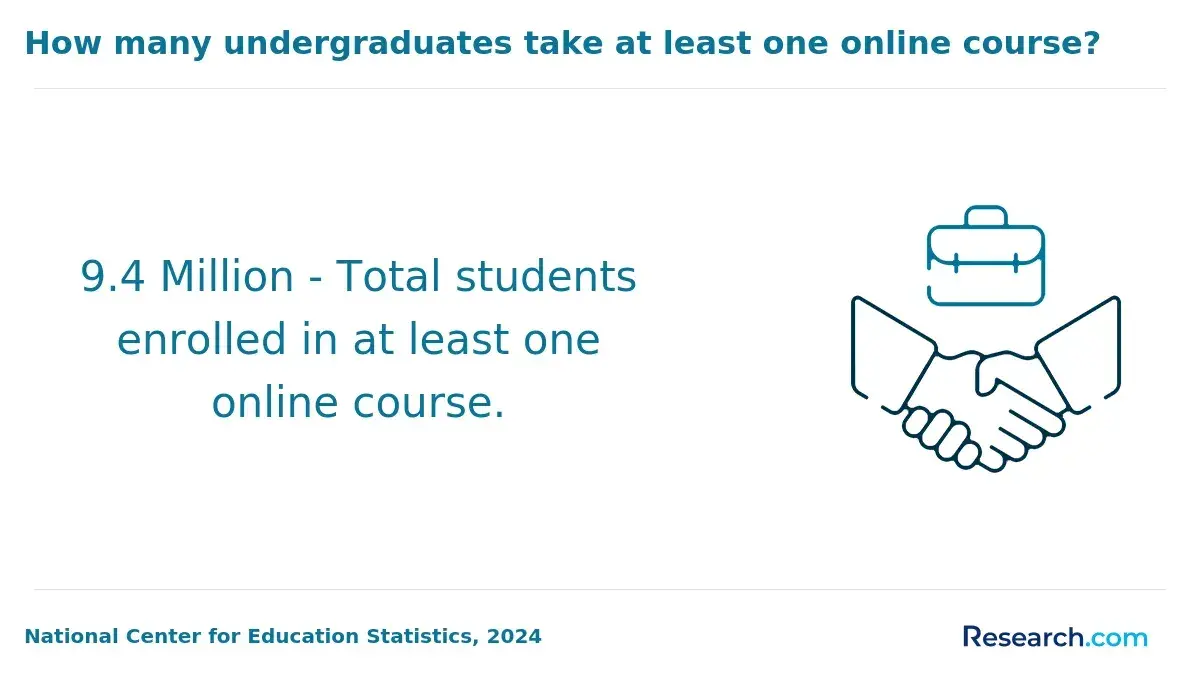
Traditional students pursuing a finance degree typically confront challenges tied closely to their transitional life stage and academic preparation. Many must rapidly adapt to demanding coursework while simultaneously building foundational knowledge in economics, accounting, and quantitative methods within a structured campus environment. Time management pressures compound as they juggle coursework with social integration and part-time work, often without extensive prior professional experience to draw upon. According to recent data from the National Center for Education Statistics, roughly 38% of finance students are over 25, underscoring the significant presence of older learners whose challenges differ markedly from this group.
For adult learners, the challenge of balancing full-time employment, familial obligations, and academic demands shapes their experience distinctly. Unlike traditional students, they often face compressed schedules and fatigue from managing competing priorities, which can delay or complicate degree completion. Additionally, returning to academia after time away raises issues including adjusting to new technology platforms and re-engaging with study habits, often with reduced access to traditional financial support mechanisms. This cohort's professional experience may provide practical insights but can also clash with academic expectations, requiring nuanced institutional support.
Institutions increasingly recognize these divergent needs by developing flexible scheduling, hybrid course models, and targeted advising to enhance accessibility and retention across populations. Support services focusing on financial aid navigation, time management strategies, and technology proficiency are critical in mediating these challenges. However, the effectiveness of such adaptations varies, and prospective finance students should carefully consider how program structures align with their life circumstances and capacity to meet employer-driven competency standards over time.
How Does Age Affect Finance Degree Student Retention?
Retention challenges for younger finance students often stem from adjusting to the academic rigor and expectations of higher education alongside navigating motivation during critical early semesters. Many in this group face a transition from structured high school environments to self-directed study, which can affect persistence. The overall retention rate for traditional students aged 18-24 in finance-related programs is about 72%, reflecting both the benefits of full-time immersion and peer support but also the pressure to maintain academic performance while integrating socially on campus. Early engagement strategies and academic advising geared toward this age group are crucial to bridging gaps between preparation and sustained enrollment.
In contrast, adult learners pursuing finance degrees encounter retention issues shaped more by external responsibilities than academic readiness. These students are frequently balancing work commitments, family care, and financial constraints, which can interrupt consistent study patterns despite often having clearer professional goals. Retention for finance students over age 25 tends to be lower, approximately 55%, illustrating the impact of competing demands rather than lower capability. Institutional flexibility such as night classes, credit for prior learning, and career-aligned curricula plays a significant role in supporting this cohort's persistence by acknowledging the practical limits on their time and resources.
One finance graduate recalled their own hesitation during the rolling admissions process, deliberating whether to apply immediately or wait until workplace obligations lightened. This individual noted that the uncertainty about balancing full-time studies with a demanding job caused delays in enrollment, and when the workload finally eased, they found relief but also pressure to catch up quickly. Their experience highlighted how timing and personal circumstances during application windows can affect adult learners' decisions long before coursework begins, shaping retention from the outset in ways that differ markedly from the typical college-age student.
Which Finance Specializations Are Most Popular Among Adult Learners?
Adult learners pursuing finance degrees often prioritize specializations that align directly with career mobility, salary growth, and practical skill enhancement over purely academic or theoretical focuses. Their enrollment tends to reflect immediate industry relevance and opportunities to leverage existing professional experience for leadership or transition purposes. This pragmatic approach means adult students typically select finance major options offering clear paths into advisory roles, managerial functions, or data-focused positions that support career reinvention or advancement.
These finance degree specializations favored by adult learners tend to:
- Financial Planning and Wealth Management: This specialization attracts adult learners balancing ongoing careers who want actionable knowledge for personal and client financial decision-making. It supports roles in retirement planning, insurance, and advisory services that match real-world financial challenges and offer tangible salary and advancement potential.
- Corporate Finance: Often chosen by those with some work experience aiming to progress into managerial or strategic leadership positions. The emphasis on budgeting, capital allocation, and financial analysis directly supplements practical skills needed for higher-level finance roles and organizational impact.
- Risk Management: Growing demand for risk assessment skills in banking, insurance, and compliance prompts adult learners to pursue this specialization to stay competitive. It is especially valuable for those seeking to transition into roles focused on regulatory environments or enterprise risk frameworks.
- Financial Analytics: Reflecting the rise of data-driven decision-making, this area appeals to adults upgrading technical capabilities in analysis and modeling, responding to evolving employer expectations in finance, investment, and fintech sectors.
A 2024 report from the National Center for Education Statistics highlights that about 42% of finance degree enrollees aged 25 and older select financial planning, corporate finance, or risk management specializations, demonstrating the sustained demand for these pragmatic options among adult learners.
This enrollment pattern illustrates the importance adult students place on finance degree specializations that bring immediate, applicable skills supporting salary advancement or workforce transitions rather than purely theoretical knowledge. Those evaluating educational paths should consider how each specialization harmonizes with their career history and future goals.
For those interested in career-aligned programs that maintain standards, examining asha accredited SLPa programs online offers a useful comparison in how accreditation and practical workforce relevance guide adult learner specialization choices across disciplines.
How Does Age Affect Job Opportunities for Finance Graduates?
Younger finance graduates typically benefit from more streamlined access to entry-level positions and internships, which are often designed to create structured career pathways. Many employers prioritize recent college graduates for rotational programs and foundational roles that facilitate broad skill development early in the employment lifecycle. According to data from the U.S. Bureau of Labor Statistics (2024), these graduates have a notably higher likelihood of securing formal training opportunities that align with traditional early-career trajectories. This pathway often reflects employer preferences linking age with adaptability and potential for long-term growth, factors that directly influence the finance graduate job market by age group.
Conversely, older finance graduates frequently encounter a different hiring dynamic shaped by their prior work experience and transferable skills. While they may be better positioned for mid-level or specialized roles, competition can be complicated by employer biases favoring younger candidates for entry-level roles, despite legal protections against age discrimination. Many adult learners pursue finance degrees later to pivot careers or enhance credentials, which influences how the impact of age on finance career opportunities manifests in practice.
However, advantages linked to professional maturity, established networks, and work-life stability occasionally counterbalance perceived limitations. Such nuanced tradeoffs suggest that education pathways and timing must be carefully weighed; resources like those for a Spanish degree online for veterans similarly highlight how program accessibility interplays with diverse student profiles and labor market expectations.
What Do Current Finance Enrollment Trends Reveal About Future Demand?
Shifting enrollment patterns in finance degree programs reveal nuanced changes in student priorities and perceived career trajectories. The notable 15% increase since 2019 in enrollment among adult learners over 25 highlights growing recognition of finance credentials as tools for career pivoting and skill enhancement beyond traditional college-age students. Meanwhile, sustained participation of younger students suggests that foundational finance education remains critical for entry-level hiring pipelines, especially in corporate finance and financial planning roles. These enrollment shifts indicate that both demographic groups view finance education as relevant, yet with distinct practical objectives influenced by life stage and career context.
These enrollment trends closely align with evolving labor market demands where employers increasingly value a blend of practical experience and specialized knowledge due to regulatory complexities and digital transformation. The adult learner surge corresponds with rising mid-career upskilling needs as industries adopt new technologies and face workforce shortages requiring adaptable financial expertise. Consequently, program expansion and curricular specialization-especially those integrating experiential learning and flexible formats-are likely responses to these market signals. This alignment suggests that finance degree growth will continue, driven by employer expectations and shifting workforce dynamics rather than transient academic interest alone, offering a vital barometer for future demand in finance roles.
References
- Going Back to College as an Adult: Costs, Benefits & More https://www.westernsouthern.com/investments/going-back-to-college-as-an-adult
- Careers | Department of Finance https://www.finance.gov.au/about-us/careers
- The Benefits of College for Adult Learners - ReUp Education https://reupeducation.com/blog/the-benefits-of-college-for-adult-learners/
- 10 Reasons To Study a Degree in Finance https://www.emeris.ac.za/blogs/10-reasons-to-study-a-degree-in-finance
- Finance Trends for 2026: Industry Outlook | Brightgrove https://www.brightgrove.com/blog/finance-trends-for-2026-industry-outlook
- Debt by Degrees: A Distinct Challenge for College Students https://www.nefe.org/news/nefe-digest/2019-spring/debt-by-degrees-challenge-for-college-students.aspx
- How Higher Education Institutions Can Address the Needs of Adult Learners https://www.higheredtoday.org/2022/04/18/how-higher-education-institutions-can-address-the-needs-of-adult-learners/
- Discover this month's must-read finance stories https://www.weforum.org/stories/2026/02/banking-enters-the-agentic-era-and-other-finance-news-to-know/
- Finance trends for 2026: how to prepare for a smarter, safer future https://www.rydoo.com/cfo-corner/finance-trends/
- The Future of Higher Education Enrollment in California - Public Policy Institute of California https://www.ppic.org/publication/the-future-of-higher-education-enrollment-in-california/
Other Things You Should Know About Finance
Adult learners often require more flexible program formats such as evening, weekend, or fully online courses to balance education with work and family responsibilities. This flexibility can affect the depth of peer interaction and networking opportunities traditionally more available to younger, on-campus students, potentially influencing experiential learning and employer connections. Therefore, adult learners should prioritize programs with robust virtual engagement and employer linkage to offset the reduced campus presence, while traditional students might benefit more from immersive in-person experiences that foster early career networking.
Programs designed for adult learners typically emphasize practical application and industry relevance, often compressed into accelerated formats with fewer theoretical electives. Traditional students opting for these programs might miss broader foundational finance concepts that support long-term adaptability in evolving financial sectors. Unless a traditional student has substantial work experience or a clear career focus, prioritizing programs with comprehensive theory and experiential learning can provide stronger groundwork for varied finance roles.
Traditional students frequently engage in full-time study with a steadier workload distributed across semesters, allowing for focused academic immersion. Adult learners often face condensed course schedules or accelerated timelines alongside external commitments, intensifying workload and time management challenges. Prospective students must weigh the capacity to maintain consistent academic performance and professional obligations, as accelerated or part-time models can affect depth of comprehension and stress management differently across age groups.