2027 Finance Degree Completion Rates by Format: Online, Hybrid, and Campus Programs Compared

Co-Founder and Chief Data Scientist
Choosing the right format to complete a finance degree can challenge many students. Some juggle work and family commitments, making traditional campus attendance difficult. Others seek the structure of in-person classes or the flexibility of online options. The decision often hinges on more than convenience, influencing time to degree and ultimate success.
Completion rates vary significantly between online, hybrid, and campus programs, reflecting factors like student engagement and institutional support. These differences affect employability and long-term career progression in finance fields. This article compares completion rates across formats, explores key influences on student outcomes, and offers insights to help prospective students select the format best aligned with their goals.
Key Things to Know About Finance Degree Completion Rates by Format
- Online finance degree programs show a 10% lower completion rate than campus formats, reflecting challenges in self-discipline and limited peer engagement critical for complex quantitative coursework.
- Hybrid programs blend online flexibility with face-to-face support, resulting in a 7% higher completion rate than purely online options, indicating enhanced student accountability and resource access.
- The 2024 NCES study highlights that campus-based students benefit from structured environments and immediate faculty interaction, which correlates with higher persistence and timely graduation in finance degrees.
- Key Things to Know About Finance Degree Completion Rates by Format Key Things to Know About Finance Degree Completion Rates by Format
- How Do Completion Rates Compare Across Online, Hybrid, and Campus Finance Programs? Completion Rate Comparison
- What Factors Have the Greatest Impact on Finance Degree Completion? Degree Completion Factors
- Which Finance Degree Format Is Hardest to Complete? Completion Difficulty
- How Does Each Finance Learning Format Affect Student Success? How Does Each Finance Learning Format Affect Student Success?
- How Does Enrollment Status Affect Finance Completion Rates? How Does Enrollment Status Affect Finance Completion Rates?
- Can Transfer Credits Improve Finance Degree Completion? Transfer Credits
- What Student Support Services Improve Finance Completion Rates? Student Support Services
- How Do Finance Completion Rates Affect Career Outcomes? Impact on Career Outcomes
- How Should Students Choose the Best Finance Learning Format? Choosing the Best Format
- What Are the Long-Term Pros and Cons of Each Finance Learning Format? Learning Format Pros & Cons
How Do Completion Rates Compare Across Online, Hybrid, and Campus Finance Programs?
Completion rates often serve as proxies for student outcomes in finance degree programs, yet they reveal more about the demographics and circumstances of enrolled students than the inherent quality of online, hybrid, or campus formats. For instance, campus students typically enroll full-time with fewer external commitments, which correlates with higher six-year graduation rates. These variations reflect distinct student profiles rather than direct program effectiveness, underscoring the need to interpret completion rates within a broader context of learner characteristics and environments.
Differences in finance degree completion rates by learning format frequently stem from factors like work obligations, enrollment intensity, and available support systems. Online programs usually attract individuals juggling full-time jobs or family duties, limiting their study time and sometimes leading to lower graduation percentages. Meanwhile, hybrid programs offer a middle ground with flexible schedules paired with some in-person engagement, which can enhance motivation and retention for students balancing multiple responsibilities. Ultimately, success relies heavily on the candidate's ability to manage their personal and academic demands alongside the chosen format's structure.
Prospective students comparing graduation rates for online hybrid and campus finance programs should weigh completion statistics alongside their own learning preferences, available study hours, and career objectives. For example, a working professional may prioritize the adaptability of an online master path despite its comparatively lower completion rates, whereas someone seeking consistent face-to-face interaction might favor on-campus options to maximize support and engagement. Considering these tradeoffs helps align format choice with individual goals, increasing the likelihood of degree completion and subsequent career progress.
What Factors Have the Greatest Impact on Finance Degree Completion?
Degree completion in Finance programs hinges on a complex interplay of personal circumstances, academic preparation, and institutional resources rather than on motivation alone. Students often misjudge the relative influence of program format versus these underlying factors when deciding between online, hybrid, or campus options. Real-world scenarios reveal that even highly motivated learners face setbacks if external demands or inadequate support persist. The following list highlights the most impactful factors affecting finance degree completion rates and what students can do to improve their chances.
- Student Engagement and Institutional Support: Active academic advising, tutoring, and career services are linked to up to 30% higher completion rates regardless of delivery mode, as noted by the National Center for Education Statistics. Students who proactively use these resources-especially those juggling multiple obligations-are better positioned to stay on track with course requirements and deadlines.
- Time Management Amid External Responsibilities: Many finance students balance work and family alongside their studies, particularly those in online or hybrid formats that offer flexibility but also demand self-discipline. Developing structured schedules and setting realistic weekly goals helps learners mitigate the risk of falling behind when juggling these competing priorities.
- Socioeconomic Status and Academic Preparation: Students with stable financial backgrounds and strong foundational skills in quantitative subjects tend to persist more successfully. Those entering finance programs with gaps in math or analytics benefit from supplemental coursework or tutoring to reduce attrition risks commonly observed in online learning environments.
- Career Clarity and Motivation: A clear understanding of career goals increases graduation rates by approximately 25%, according to longitudinal research from the Education Research Institute. Campus students often gain this clarity through internships and networking, while online learners should seek virtual mentorships to enhance focus and persistence.
- Learning Format Flexibility versus Structure: Hybrid and online options provide crucial flexibility for nontraditional students but can expose those lacking self-regulation to higher dropout risks. Identifying personal learning styles and utilizing structured checkpoints or cohort groups can help mitigate these challenges.
- Access to Practical Application Opportunities: Real-world finance experience through internships or project-based courses improves motivation and completion likelihood by connecting study to tangible career outcomes. Students should prioritize programs that integrate such experiences, whether on campus or via virtual arrangements.
- Alignment of Personal Circumstances with Program Demands: Successful completion requires balancing institutional expectations with individual life circumstances. Prospective students must rigorously assess how their work schedules, family commitments, and financial resources align with program requirements to choose the most feasible path.
Balancing these factors is key, and prospective finance students can also explore specialized options tailored to their needs by visiting a game development online degree program site for comparative insights on flexible education models and completion strategies.
Which Finance Degree Format Is Hardest to Complete?
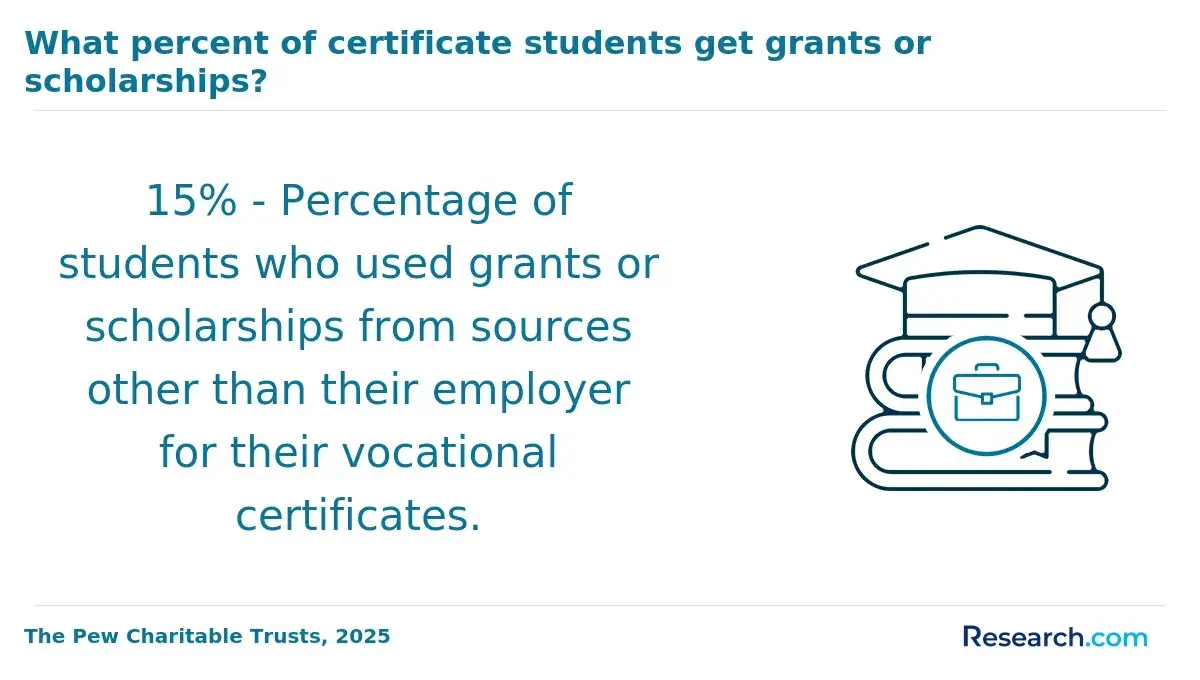
Completion rates for finance degrees vary notably by delivery format, with fully online programs showing rates between 40% and 55% according to the National Center for Education Statistics and recent Education Data Initiative research. This contrasts with hybrid and campus-based formats, which typically exceed 60% completion, reflecting how structure and support systems influence persistence. Students juggling full-time jobs and family commitments often struggle more in online settings due to fewer direct interactions and less built-in accountability, whereas campus programs offer immersive environments that can foster steady progress despite logistical challenges like commuting and rigid schedules.
Hybrid programs often strike a middle ground, blending flexibility with periodic in-person engagement that helps sustain motivation and access to resources. Workforce outcomes also differ; campus and hybrid graduates more frequently benefit from employer connections formed through face-to-face interactions, while online students must proactively pursue networking opportunities independently. This dynamic influences not only completion likelihood but also subsequent career development, emphasizing how format choice extends beyond academics into professional positioning.
Reflecting on these realities, a finance graduate who opted for a hybrid program recalls the tension of balancing late-night study sessions around a demanding work schedule. She often felt torn between immediate job pressures and academic requirements but found that scheduled campus visits and peer study groups anchored her commitment. The blend of flexible remote coursework with periodic on-campus accountability created a rhythm she couldn't achieve in prior fully online attempts, ultimately tipping the balance toward finishing her degree despite ongoing external stressors.
How Does Each Finance Learning Format Affect Student Success?
Student success in finance degree programs is closely tied to how well the chosen learning format suits a student's individual learning style, time availability, and personal responsibilities rather than the format by itself. For example, a working parent may thrive in a hybrid program that offers flexibility alongside periodic on-campus engagement, while a recent high school graduate might benefit more from the structured environment of full-time campus learning. Recognizing these nuanced tradeoffs helps prospective students select the environment that maximizes their likelihood of completion and skill mastery.
Below are key factors where online, hybrid, and campus formats distinctly impact student success in finance education:
- Engagement Opportunities: Campus programs naturally provide face-to-face interaction with professors and peers, which has been linked to higher persistence rates. Students who rely on real-time discussion and direct academic support often find better motivation and clearer comprehension through this immersive environment.
- Flexibility vs. Structure: Online and hybrid formats offer scheduling flexibility essential for those balancing jobs or family, but this often requires greater self-discipline. Students struggling with time management may face challenges in fully online courses where structured deadlines and campus accountability are weaker.
- Academic Support Accessibility: Hybrid models combine virtual resources with some in-person help, offering a middle ground. Online students report feeling isolated without sufficient advising or peer networks, underscoring the importance of intentional support services to foster success in remote finance degrees.
- Complex Concept Mastery: Finance curricula often demand collaborative problem-solving and timely feedback. Hybrid and campus settings facilitate this more effectively through group projects and office hours, whereas fully online programs must leverage innovative digital tools to replicate these interactions.
- Completion Rate Disparities: Data from the National Student Clearinghouse Research Center (2024) shows campus learners have noticeably higher degree completion rates compared to fully online students, with hybrid learners falling between these two. This gap reflects differences in engagement and structure rather than capability.
- Personal Learning Preferences: Introverted students or those preferring asynchronous study may excel in online formats, whereas extroverted or kinesthetic learners might benefit more from on-campus social and experiential learning, influencing both persistence and satisfaction.
- Technology Proficiency and Access: Online and hybrid students require reliable technology and digital literacy to navigate course platforms and virtual collaboration effectively. Lack of these resources can hinder progress and widen achievement gaps in finance programs.
How Does Enrollment Status Affect Finance Completion Rates?
Enrollment status is a critical factor influencing finance degree completion rates, yet its impact goes beyond simply counting courses. The decision to study full-time or part-time interacts with personal responsibilities, program format, and available support systems, shaping not only how quickly students finish but whether they finish at all. Recognizing these subtleties helps students prioritize a sustainable pace aligned with their unique situations, rather than defaulting to a one-size-fits-all approach. Below are key ways enrollment status affects finance completion outcomes.
- Academic Immersion and Engagement: Full-time students generally experience deeper academic immersion, which fosters stronger connections to advising, tutoring, and peer networks. This engagement is crucial for persistence, especially in campus and hybrid settings where in-person resources enhance motivation and accountability.
- Time and Financial Commitment: Full-time enrollment requires a significant investment of time and money, benefiting those who can dedicate themselves fully but posing challenges for students balancing work, family, or other obligations. Part-time options provide flexibility but can extend program duration and stall momentum.
- Program Format Compatibility: Delivery modes matter: part-time students in online programs face about a 20% lower completion rate than their full-time peers, reflecting challenges like limited interaction and competing priorities. Conversely, part-time learners on campus or hybrid formats often maintain better completion due to structured schedules.
- Academic Continuity and Momentum: Sustaining steady progress favors completion-full-time students benefit naturally, while part-time students risk extended gaps that weaken retention. Those working part-time must weigh whether their pacing supports regular coursework or leads to academic disconnection.
- Support Services Access: Full-time status typically affords better access to institutional resources critical for overcoming academic hurdles, particularly in campus-based programs. Part-time students might miss out on immediate interventions that promote timely completion.
- Work and Family Responsibilities: Part-time enrollment is often the only practical choice for students juggling employment and family, but this compromises completion rates in online programs where personal discipline and motivation are paramount. Understanding this tradeoff helps students choose formats and enrollment speeds that fit demands realistically.
- Graduation Outcome Expectations: Data from the Community College Research Center illustrates that full-time students across delivery modes outperform part-time peers in graduation rates, a difference especially pronounced in online finance degree pathways. Prospective students should integrate this insight with their circumstances to align enrollment status with achievable goals.
This nuanced view suggests that no single enrollment status guarantees success. Prospective students should consider how their external roles and program format influence completion and explore resources such as an online master degree that matches their pace and needs.
Can Transfer Credits Improve Finance Degree Completion?
Transfer credits have the potential to shorten the time required to complete a finance degree by reducing the need to retake courses covering similar material. Data from the National Student Clearinghouse Research Center (2024) shows that students who transfer eligible credits tend to graduate between 30% and 40% faster than those who start fresh. This advantage is often tied to foundational business courses that overlap across institutions, enabling smoother fulfillment of general education or prerequisite requirements.
Yet, the actual impact of transfer credits hinges on several key factors. Policies vary widely among schools, and not all credits necessarily apply toward finance majors or core program demands. For example, a student with prior college courses, military training, or professional certifications might bring a substantial number of transferable credits, but if those credits don't align tightly with major requirements, the acceleration effect diminishes. Additionally, campus-based programs sometimes impose stricter articulation agreements, causing delays if credits are contested. Online and hybrid programs generally adopt more flexible credit acceptance, reflecting their diverse student bodies and often enabling quicker degree progress.
Consider a working adult enrolling in an online finance program with previously earned general business credits. By transferring these credits, they can bypass introductory courses, focus on advanced finance topics, and potentially reduce time to graduation by several semesters. However, this same pathway might not be as effective for students whose credits fall outside the institution's transfer criteria or who need to fulfill specific major competencies in person.
Prospective finance students should carefully assess the likelihood that transfer credits will streamline their education before enrolling. Requesting an official credit evaluation from the intended program and comparing the remaining credit load against their planned course pace are critical steps. This evaluation helps clarify how many credits will truly count toward the degree and how much coursework remains, setting a realistic completion timeline.
While transfer credits can significantly influence degree completion rates by diminishing redundant coursework and accelerating progress, they represent only one variable within a larger matrix that includes academic advising, program structure, and student circumstances. Their effectiveness depends on credit relevance, institutional policies, and the specific requirements of the finance curriculum.
What Student Support Services Improve Finance Completion Rates?
Student support services can make a decisive difference in whether finance students complete their degrees, especially when they juggle demanding coursework and outside responsibilities. Completion rates improve notably when support is attuned to the unique challenges finance programs pose, whether delivered online, in hybrid models, or on campus. Key services not only help students manage academic demands but also reinforce motivation and connect studies to career outcomes.
Several specific support elements have been linked to better persistence and graduation metrics in recent education research. For example, a 2024 National Center for Education Statistics report found that tailored advising can raise completion rates by helping students create clear, navigable paths through complex finance curricula. Here are some of the most impactful support services:
- Personalized Academic Advising: Advising focused on finance helps students align course choices with career objectives and anticipated challenges. This reduces uncertainty and dropout risk, particularly in online programs where proactive outreach can substitute for in-person guidance.
- Subject-Specific Tutoring and Peer Support: Access to tutoring in statistics, accounting, or financial modeling instills confidence tackling tough material. Peer study groups encourage accountability and add social reinforcement, reducing isolation in virtual or hybrid settings.
- Finance-Centered Career Services: Internships and specialized job boards connect academic work to real-world roles, motivating students by clarifying the payoff of perseverance. Hybrid and campus students often experience smoother integration of these services, though virtual career counseling is improving.
- Mental Health and Well-being Resources: Financial programs demand resilience; counseling and stress management support help sustain engagement and prevent burnout, benefits observed across all program formats.
- Structured Course Sequencing Guidance: Clear roadmaps for progressing through required finance courses avert delays and detours that commonly deter students balancing part-time or work commitments.
- Responsive Faculty Mentorship: Faculty actively mentoring finance students provides personalized encouragement and academic insight, fostering stronger commitment and persistence.
One online finance graduate recalled hesitating after her first semester when a heavy workload and job pressures made dropping out seem like an option. Her advisor's early check-in and the availability of virtual tutoring for a difficult quantitative course convinced her to maintain momentum. She said, "Knowing I wasn't alone and having tangible academic and emotional support transformed what felt like an impossible balancing act into a manageable process." This highlights how integrated, accessible services can tip the balance toward completion in time-constrained online settings.
How Do Finance Completion Rates Affect Career Outcomes?
Completion rates in finance degree programs directly shape career trajectories, as finishing the degree is often a pivotal requirement for employment and advancement in the field. Research from 2024 underscores that students who complete their finance degrees have significantly better employment outcomes, including higher earnings and access to leadership roles. However, the format-online, hybrid, or campus-affects completion probabilities, which then influence these long-term benefits. The following points highlight how completing a finance program shapes professional opportunities and growth.
- Higher employability with degree completion boosts job market entry and reduces underemployment: Finance graduates with completed degrees are far more likely to secure relevant positions compared to students who leave programs unfinished. Completion signals technical competency and dedication, essential to employers, especially in competitive markets. This benefit primarily favors students who persist through program challenges and graduate on schedule.
- Expanded earnings and promotion potentials driven by formal credentials and applied skills: Completing a finance program not only grants the degree but typically ensures exposure to critical practical skills and professional networking. Graduates often see accelerated wage growth and more frequent raises or promotions, whereas non-completers risk stagnating in roles with limited advancement. This advantage is especially pronounced for campus-based learners, though hybrid and online students also benefit when finishing.
- Increased likelihood of pursuing graduate education and certifications, enhancing career prospects: Timely completion encourages enrollment in advanced studies such as the CFA charter or MBA programs, linked to higher leadership positions in finance. Those completing their degrees on time are 27% more likely to enroll in graduate programs according to 2024 employment data. Working adults balancing study may struggle with on-time completion, impacting this progression.
- Program format indirectly influences career outcomes via completion rates and support structures: Campus programs typically deliver higher completion rates thanks to structured settings and direct faculty support, providing a steady pathway to workforce readiness. In contrast, online and hybrid options offer flexibility for non-traditional students but often encounter lower completion rates due to factors like work-study balance and reduced social engagement, potentially delaying or limiting career entry.
Students weighing finance degree options should consider these real-world dynamics alongside their personal circumstances. For example, a working professional choosing online study for flexibility must proactively seek academic resources to offset lower built-in support, enhancing their chances to complete and capitalize on career benefits. For those interested in related fields, exploring accredited child psychology masters programs can further illustrate how degree completion works as a foundational element across disciplines.
How Should Students Choose the Best Finance Learning Format?
Choosing the best finance degree format for online and campus students impacts both completion rates and long-term employability. Students must weigh practical tradeoffs tied to their schedules, support needs, and career goals. Recent 2024 research from national education databases shows campus programs often yield higher completion rates due to structured environments and peer interaction, but they may not suit those with full-time jobs or family demands. Below are key factors students should consider when deciding how to choose finance program learning format.
- Time Management and Self-Motivation: Online programs demand strong discipline and autonomous study habits. Students who excel at organizing their schedules tend to thrive, while those needing external accountability may struggle, making campus or hybrid formats more suitable.
- Work and Family Commitments: Full-time campus attendance can be impractical for working adults or caregivers. Hybrid and online options offer the flexibility to balance employment and studies, which correlates with higher persistence among non-traditional students.
- Access to Campus Resources: Certain finance roles require extensive networking or hands-on experiences best facilitated on campus. Students prioritizing these should factor in the benefits of physical presence when selecting their format.
- Peer and Faculty Interaction: Campus settings promote direct engagement that fosters accountability and motivation. Hybrid programs provide a blend of this interaction with online convenience, appealing to students needing periodic in-person support.
- Career Timeline and Goals: Immediate workforce integration may favor flexible learning such as hybrid or online formats, allowing early application of skills while studying. Those targeting traditional finance careers with heavy networking might lean toward campus learning.
- Demographic Considerations: Studies show age and employment status influence format success. Younger students often benefit from campus immersion, while working adults excel in hybrid or online setups tailored to their schedules.
- Program Completion Statistics: According to the latest education reports, completion rates vary significantly by format and student profile. Students should honestly assess their persistence capacity and opt for the learning environment with the best personal fit to sustain progress.
Prospective finance students looking for flexible options might also explore specialized pathways like a masters degree in human resource management online to understand how rigor and scheduling interact in related fields.
What Are the Long-Term Pros and Cons of Each Finance Learning Format?
Long-term pros and cons of finance degree formats extend beyond initial graduation statistics, impacting career momentum and personal circumstances. Campus programs offer rich networking and mentorship opportunities but at higher costs and less flexibility. Online programs provide flexibility and improved digital engagement, yet can challenge motivation and limit face-to-face connections. Hybrid models blend these elements but require careful time and commute management.
Consider these key long-term factors when choosing a finance learning format:
- Networking and Career Connections: Campus formats typically foster stronger professional bonds through in-person events and faculty interaction, boosting job placement, while online students may face limited networking despite growing digital platforms; hybrid offers moderate networking with flexibility.
- Cost and Financial Burden: Online programs often reduce expenses related to commuting and housing, making them attractive for working adults, whereas campus options usually involve higher overall costs; hybrids fall in between.
- Flexibility and Life Balance: Online formats suit students balancing employment and family commitments, minimizing scheduling conflicts; campus programs require fixed attendance, and hybrid demands juggling multiple modalities.
- Motivation and Engagement Levels: Campus students often benefit from structured settings that enhance persistence; online learners need strong self-discipline, while hybrid students must manage transitions to stay engaged.
- Employer Perception and Credential Value: Although employer bias against online degrees is declining as of 2024 research, campus-based credentials are still more widely recognized, with hybrid proof of adaptability gaining traction.
- Skill Development and Adaptability: Hybrid programs foster versatile skills by merging digital and face-to-face learning, preparing graduates to navigate evolving finance sectors better than single-format programs.
- Resource Accessibility and Support: Campus students gain comprehensive access to career services and mentorship; online learners now benefit from improving virtual supports, but these may still lag behind hybrid and campus services.
References
- 3 Things Transfers Need for a Timely Graduation https://www.collegexpress.com/interests/transfer/articles/adjusting-new-campus/how-graduate-time-transfer-student/
- Is Finance a Hard Major to Pursue? Here's What You Need to Know https://zoetalentsolutions.com/is-finance-a-hard-major-to-pursue/
- Financial support (post-entry) - TASO https://taso.org.uk/intervention/financial-support-post-entry/
- How Does Increasing Financial Aid Promote Student Economic Success? https://www.ihep.org/press/how-does-increasing-financial-aid-promote-student-economic-success/
- Compare Different Finance Training Formats https://blog.nobledesktop.com/learn/finance/finance-training-format-comparison
- The ripple effect of financial education https://www.bruegel.org/analysis/ripple-effect-financial-education
- What works for supporting student access and success when there’s no money? https://wonkhe.com/blogs/what-works-for-supporting-student-access-and-success-when-theres-no-money/
- Choosing The Right Financial Training https://trainingthestreet.com/choosing-the-right-financial-training/
- Is finance a difficult field of study? https://www.edcparis.edu/en/faq/finance-difficult-field-study
- Login https://performancemanager.successfactors.eu/login
Other Things You Should Know About Finance
The format of a finance degree can influence the development of hands-on skills vital in real-world finance roles. Campus programs often provide more direct access to labs, simulations, and face-to-face networking that foster applied learning and immediate feedback. Online formats may require students to seek external internships or projects to gain comparable practical experience, which can extend time to completion if not carefully planned. For students prioritizing immediate skill application within the program, campus or hybrid options generally offer better-structured opportunities, making completion more aligned with career readiness.
Online finance programs typically demand high self-discipline since the asynchronous nature shifts full responsibility for pacing onto students, increasing dropout risk if time management falters. Hybrid formats mitigate this by combining scheduled in-person sessions with flexible online study, offering a balance that aids consistent progress without overwhelming students juggling work or family commitments. Campus programs provide a structured environment and clearer daily routines but may impose rigid schedules that conflict with non-traditional students' responsibilities. Prospective students should weigh their personal capacity to handle autonomous workload management against the structural support inherent in each format when assessing completion likelihood.
While employers increasingly accept online finance degrees, many still favor campus or hybrid graduates due to perceived rigor and networking benefits intrinsic to in-person engagement. This bias can affect graduates' motivation and prioritization of program completion, as perceived external value impacts persistence. For students aiming for competitive finance roles or firms with traditional hiring practices, completing campus or hybrid formats may yield better long-term returns despite potentially higher immediate effort. Those balancing urgent work needs or geographic limitations, however, may find online completion a pragmatic choice with growing acceptance but should proactively build experience outside the classroom.
Strong peer networks are critical in finance education, where collaboration and discussion deepen understanding of complex concepts. Campus programs naturally facilitate ongoing peer interaction, which supports persistence and problem-solving during challenging coursework. Hybrid models provide intermittent but meaningful connections that can sustain engagement while allowing some flexibility. Purely online programs risk isolation unless institutions intentionally foster interactive forums and group assignments. Students who struggle with motivation or prefer social learning may prioritize campus or hybrid formats to enhance completion chances through sustained peer engagement.