2027 Best Online Exercise Science Degrees for Fitness and Wellness Careers

Co-Founder and Chief Data Scientist
Clinicians, trainers, and researchers aiming to advance in exercise science careers face a distinct challenge: securing relevant credentials while balancing work, family, and financial constraints. The National Center for Education Statistics reports that over 40% of undergraduates enrolled in 2023 pursued at least some online courses, illustrating how flexible delivery adapts to adult learners' schedules and commitments.
Yet, this accessibility complicates choosing programs that offer rigor, accreditation, and employer recognition instead of convenience alone. This landscape demands a nuanced approach to selecting online exercise science degrees tailored to practical outcomes, career mobility, and authentic skill development.
This article assesses top online exercise science programs by their ability to meet these demands, guiding prospective students toward decisions that elevate career prospects rather than merely fulfilling educational prerequisites.
Key Things You Should Know
- Online exercise science degrees show a 15% higher dropout rate than campus programs, driven by limited hands-on lab access, forcing candidates to weigh accelerated credentialing against practical skill gaps.
- Employers increasingly prioritize internships and accredited certifications alongside degrees; 63% of fitness and wellness recruiters in 2024 value applied experience over GPA when hiring graduates.
- Tuition variance exceeds 200% nationwide, with cost-saving online options often lacking state licensure pathways, complicating access and delaying career entry in regulated exercise science roles.
What are the best online exercise science degrees?
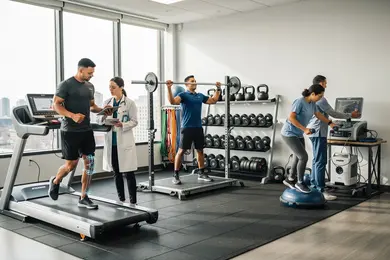
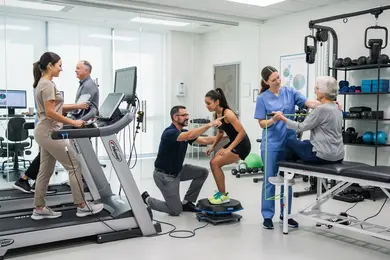
Employers in fitness and health sectors consistently seek candidates from rigorous, accredited programs that combine theory with supervised clinical experience. Without practicum components, graduates often face hurdles securing initial roles or must invest additional time and cost in certifications or local internships to bridge gaps in hands-on skills.
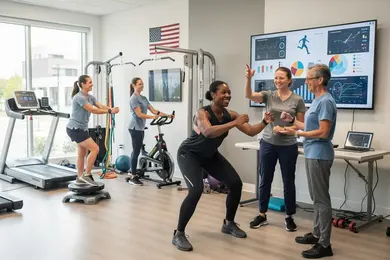
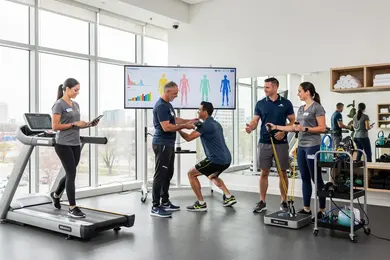
This practical demand is pronounced in settings like fitness centers, where exercise physiologists must not only design personalized regimens but also analyze diagnostic data, a capability some online degrees uniquely incorporate via virtual labs and partnerships.
Prospective students targeting career pivots or advancement should prioritize the best online exercise science degree programs in the United States that maintain CAATE or CAAHEP accreditation and offer substantial remote or local clinical hours. Curricula with specialized tracks in rehabilitation, occupational health, or sports science align closely with specific workforce needs, while programs integrating health promotion and business analytics support roles in wellness program management.
Graduates report a median annual salary of $50,705 against median tuition of $15,150, indicating a competitive salary-to-cost dynamic based on OnlineU data.
Effective programs also connect students to career services and alumni networks to improve job placement. Weighing tuition against post-graduate certification demands is essential for assessing long-term return on investment. For a comprehensive overview, explore the best online exercise science degree pathways crafted for fitness careers and workforce readiness.
How do online exercise science programs compare with campus programs?
Online exercise science degree advantages come with a distinct operational tradeoff: while asynchronous coursework can effectively cover physiology, biomechanics, and nutrition, the hands-on skill development integral to employer expectations often requires independently arranged practicum placements.
Unlike campus programs that provide immediate access to labs and local fitness facilities, remote students must proactively network to secure internships, potentially extending program duration if field opportunities are limited locally.
Employers in fitness and wellness increasingly demand certifications and documented applied experience alongside academic credentials, making supervised internships a critical differentiator. Graduates from online programs lacking adequate practicum exposure may encounter hiring challenges, especially for positions focused on client assessment and personalized program design.
However, the flexibility of online study suits working professionals balancing employment, supporting a strategic pivot or advancement within the field.
When you compare online and campus exercise science programs, consider that in-person options still offer immediate mentorship and equipment access, factors valuable for some learners. Prospective students should investigate whether online programs facilitate established partnerships to streamline internships and evaluate graduate employment success.
Given projections of 39% job growth for fitness trainers and instructors through 2030, well-executed programs align training with marketplace demand.
For those weighing career directions, this analysis complements insights on what can you get with an environmental science degree, highlighting the importance of experiential learning alongside academic credentials in applied sciences.
Is exercise science accreditation important for online degrees?
Accreditation status determines whether an online exercise science degree holds real-world value for licensure, employer acceptance, and professional credentials. For instance, individuals seeking to become certified exercise physiologists must graduate from programs accredited by agencies acknowledged by credentialing bodies such as the American College of Sports Medicine.
Without this, candidates face exclusion from required certification exams and limited job prospects, especially in clinical or rehabilitation settings that mandate recognized credentials.
Prospective students evaluating online exercise science programs accreditation standards should recognize that tuition cost variability-from $420 to $1,750 per credit-does not equate to accreditation quality or licensure eligibility. Choosing non-accredited degrees can nullify career goals regardless of program price, wasting time and finances. Verification of accreditation by bodies like the Council for Higher Education Accreditation is essential before enrollment.
Key practical steps include:
- Confirming institutional accreditation status upfront.
- Ensuring the program aligns with the credentialing requirements of the target career path.
- Assessing the impact of accreditation on employer recognition across clinical, corporate fitness, or wellness coaching sectors.
Ignoring these considerations restricts workforce integration and can trigger additional education or employment delays. Working professionals must view accreditation as a definitive employment gatekeeper rather than a mere academic formality in exercise science degree accreditation matters.
For comparison, those investigating options beyond exercise science might also review cost and accreditation factors in fields like computer science, for example through resources such as computer science bachelor degree online.
What coursework is included in an online exercise science degree?
Online exercise science coursework requirements heavily emphasize applied knowledge in anatomy, physiology, biomechanics, and kinesiology. These subjects create the foundation necessary for roles across fitness, rehabilitation, and wellness sectors, enabling graduates to assess physical performance and injury risk in environments ranging from sports training facilities to clinical rehabilitation centers.
Programs integrate exercise physiology with a focus on cardiovascular, muscular, and metabolic responses to training. This equips students to develop evidence-based fitness plans tailored to diverse populations, from healthy athletes to patients managing chronic conditions. Nutrition and behavioral health courses address dietary strategies and client motivation, key to improving adherence and outcomes in professional practice.
Applied training in exercise testing, prescription, and strength conditioning aligns with employer expectations, ensuring graduates possess practical skills for personal training or physical therapy assistance roles. However, students should weigh high tuition costs-such as a leading BS program charging $445 per credit totaling $55,180 for 124 credits-against financial aid access, which averages around 99% uptake, to realistically gauge net expenses.
Specialized electives like sports psychology enhance career focus but can dilute practical expertise if not carefully selected. For those considering affordable options or seeking comparative program data, resources such as the library degree rankings provide useful market insights.
What admission requirements do online exercise science programs need?
Admission criteria for online exercise science programs reflect the discipline's blend of academic rigor and practical competence, demanding more than mere baseline qualifications. Most applicants need a high school diploma with a minimum GPA near 2.5, but competitive programs often raise these thresholds and require official transcripts. Standardized tests like the SAT or ACT may be optional but are sometimes necessary for scholarship eligibility or selective cohorts.
Non-native English speakers must prove language proficiency through tests such as TOEFL or IELTS to handle technical coursework comfortably. Programs frequently request personal statements to evaluate a candidate's clarity about career objectives and suitability for the field.
Applicants benefit from prior coursework in biology, chemistry, or anatomy, which aligns with the subject's scientific demands. Letters of recommendation and relevant practical experience-from internships to volunteer roles in fitness or rehabilitation-enhance applications by demonstrating engagement with industry realities. Some programs require interviews or prerequisite assessments, underscoring the importance of self-discipline in accelerated or hybrid formats.
Critical decisions around program selection should consider transfer policies and background checks, given legal clearances often affect credential eligibility in clinical or wellness environments. From a workforce standpoint, the top 10% of fitness trainers earn over $75,940 annually, suggesting that admission into programs with higher entry standards correlates with stronger employability and income potential for exercise science graduates.
How long does an online exercise science degree take?
Choosing an online exercise science degree requires balancing educational depth with pragmatic career goals and life commitments. Associate degrees or certificates enable quicker entry into roles like fitness trainer, often within two years, but they may limit access to positions requiring deeper clinical expertise or internships typically tied to bachelor's programs.
Full-time bachelor's degrees take roughly four years and align with employer expectations for more comprehensive preparation, especially in clinical exercise physiology, where internships and certifications are prerequisites. Part-time or working students frequently extend this timeline, facing challenges in maintaining momentum amid competing responsibilities.
Accelerated programs offer shorter completion periods but demand an intense weekly workload, which can strain students juggling jobs or caregiving duties. Beyond coursework, certification exams add months to the pathway and necessitate programs that incorporate exam prep or affiliated externships to minimize delays entering the workforce.
Job growth projections reinforce these tradeoffs: exercise physiologists' employment is expected to grow by 13%, while fitness trainers and instructors could see growth near 39% through 2030, with employers valuing candidates who combine flexible learning with robust practical experience.
What do online exercise science degrees cost?
Tuition for online exercise science degrees in 2026 varies widely, with some public universities charging between $7,864 and $9,577 annually-significantly below the $15,000-plus national average for four-year programs. For students targeting entry-level roles with median salaries of $30,000 to $45,000, minimizing debt by choosing lower-cost programs is a strategic advantage, especially for careers like clinical support or community wellness where loan burdens directly impact financial stability.
However, higher-priced degrees may afford access to specialized certifications, advanced training, or industry connections that influence employability in competitive sectors such as sports science research or rehabilitation therapy. Beyond tuition, candidates must factor in materials, lab fees, and technology costs, which vary across programs and affect the total financial outlay.
Part-time students benefit from flexible payment plans and employer tuition assistance, crucial for balancing study with work. Accelerated programs may increase annual costs but shorten overall tuition payments, affecting total investment and time to workforce reentry.
Program length, credit load, and transparent public university pricing also shape affordability and predictability of expenses. Graduates pursuing professional licensure should anticipate additional fees, layering complexity onto cost-benefit decisions. Evaluating these variables with a nuanced understanding of program quality and career pathways is essential for an informed, financially sound commitment.
What careers can you get with an exercise science degree?
Choosing an exercise science degree demands clear recognition of the credentials versus career outcomes tradeoff. Clinical roles, such as a cardiac rehab exercise physiologist, require specialized skills to tailor programs to patient-specific limits, which a bachelor's alone rarely suffices to develop. Meanwhile, positions like fitness trainer or wellness coordinator may accept a bachelor's credential but often offer limited salary growth and fewer leadership prospects.
Employer expectations increasingly prioritize graduates with hands-on training in interdisciplinary collaboration and the integration of emerging technologies, such as wearable health devices and electronic health records. This emphasis means practical experience-via internships or clinical placements-can outweigh academic prestige in job readiness.
Data from OnlineU illustrates that advancing to an online master's in exercise science, with tuition averaging around $15,150 annually, aligns with a median graduate salary near $50,705. This return suggests that a master's can justify its cost through significantly improved earnings, especially since athletic training or physical therapy careers typically mandate postgraduate education and licensure.
Students should weigh these factors:
- Master's-level credentials often open doors to clinical and supervisory roles unavailable at the bachelor's level.
- Bachelor's graduates frequently face slower career progression and may require on-the-job skill acquisition to remain competitive.
- Emerging workforce demands require fluency with data-driven fitness programming and health technology integration.
Aligning program choices with these practical realities informs realistic career trajectories rather than relying on credential expectations alone.
What salaries do exercise science careers offer?
Salary outcomes in exercise science careers depend heavily on specialization and job setting, with average earnings near $71,000 for roles in strength and conditioning or performance coaching, according to Methodist University Online data. However, this figure conceals significant variation: clinical exercise physiologists often start closer to $50,000, while those employed by collegiate or professional sports teams can exceed the baseline substantially.
For example, a strength and conditioning coach working with a Division I college team may earn a premium reflecting both the competitive environment and the value placed on specialized certifications like the Certified Strength and Conditioning Specialist (CSCS). In contrast, a rehabilitation-focused exercise physiologist at a hospital faces a different earning trajectory, emphasizing job stability over rapid salary growth.
Key considerations include:
- Certification and advanced degrees directly influence upward mobility and salary tiers, especially in sports and research-focused roles.
- Employer expectations often extend beyond credentials to include hands-on experience and professional networking.
- Geographic factors matter: urban and sports-centric hubs offer higher pay but increased living expenses.
- Long-term wage growth typically requires ongoing credentialing and education investments.
Exercise science graduates targeting wellness and fitness jobs must strategically weigh these factors to align education and specialization with realistic salary prospects and career sustainability.
Which certifications matter after an exercise science degree?
Certification beyond an exercise science degree is often decisive in establishing credible competence and unlocking employer trust. The Certified Strength and Conditioning Specialist (CSCS) and Certified Exercise Physiologist (CEP) credentials serve distinct career functions: CSCS is prioritized in sports performance roles requiring bachelor-level education and applied knowledge, while CEP aligns with clinical and rehabilitation settings that demand medically supervised exercise expertise.
Entry-level positions commonly expect certifications from the American College of Sports Medicine (ACSM), such as ACSM-CPT or ACSM-EP, which facilitate initial workforce entry but entail ongoing renewal and education commitments. Military and government contracting jobs frequently demand certifications like Tactical Strength and Conditioning Facilitator (TSAC-F) to validate specialized operational skills.
The consequences of delaying or forgoing certification include capped salaries, limited mobility, and hindered advancement, particularly in competitive labor markets. Costs and preparation times are practical barriers; for instance, Concordia University-St. Paul Online's military-affiliated tuition rate of $250 per credit contrasts sharply with the standard $420 per credit, reflecting significant financial considerations alongside exam fees.
Employers typically expect certification completion within one to two years post-graduation, emphasizing early planning. Selecting certifications directly linked to a target work environment-clinical, corporate wellness, or athletic performance-shapes career trajectories, insurance reimbursement potential, and professional scope.
Other Things You Should Know About Exercise Science
Prerequisites typically include a high school diploma or GED, minimum GPA requirements (often 2.5 or above), and sometimes prior coursework in biology or chemistry. Some programs may also require SAT or ACT scores, but these vary by institution.
Leading online exercise science programs require a reliable computer, high-speed internet, and access to specific software like SPSS for data analysis. Some courses might also necessitate a webcam for virtual proctoring of exams and interactive sessions.
Yes. Many 2027 online exercise science programs require a supervised internship, practicum, or field experience, often totaling 100 to 300 hours. Schools usually place students at approved fitness centers, rehabilitation clinics, or wellness organizations and require site supervision plus faculty approval.
Accreditation signals consistent curriculum quality and increases employer confidence but often comes with stricter admission and tuition requirements. Non-accredited programs may offer lower costs or open enrollment but risk reduced recognition in competitive job markets. Students should prioritize accredited programs when seeking employer respect and smoother transition into certifications and graduate programs, even if it means accepting higher upfront investment or heavier academic demands.
References
- Exercise Sciences https://www.caahep.org/committees-on-accreditation/exercise-science
- Online Exercise Science Degrees: Top School Review https://www.edumed.org/online-schools/exercise-science-degrees/
- Exercise Science Degree Programs Lead to Rewarding Careers in Health and Fitness https://www.carrollcc.edu/articles/exercise-science-degree-programs-lead-to-rewarding-careers-in-health-and-fitness/
- Online Bachelor's in Exercise Science https://online.maryville.edu/online-bachelors-degrees/exercise-science/
- Exercise Science Degree Careers, Jobs and Salaries - Peak Physical Therapy and Sports Performance https://peaktherapy.com/blog/exercise-science-degree-careers-jobs-and-salaries/
- Exercise Science Careers: Paths with Degrees https://www.fitnessmentors.com/exercise-science-careers/
- 2026 Best Online Exercise Science Degrees https://www.onlineu.com/degrees/exercise-science
- Online Exercise Science Program https://stmary.edu/online-programs/exercise-science.html