2027 AI Degree vs Certificate Hiring Outcomes

Co-Founder and Chief Data Scientist
Many professionals with unrelated undergraduate degrees face uncertainty when choosing between an AI degree and a certificate program for career advancement. Employers often value formal education differently, creating confusion about which credential offers stronger hiring potential. With the rapid evolution in AI job markets, selecting the most effective path is critical to gaining relevant skills and opportunities.
This article explores recent hiring trends affected by AI degrees versus certificates, analyzing employer preferences and outcomes. It aims to guide prospective students in making informed decisions about which credential better supports their career pivot into artificial intelligence roles.
Key Things You Should Know
- In 2025, 65% of employers preferred candidates with an AI degree over certificates for advanced research roles, citing deeper foundational knowledge in math and algorithms.
- Certificates improve employability for entry-level AI jobs, increasing job placement rates by 20%, especially in applied machine learning and data preprocessing.
- Average starting salaries for AI degree holders were approximately 18% higher than those with certificates, reflecting the greater demand for comprehensive AI expertise in the U.S. job market.
How do AI degrees and AI certificates differ in employer hiring and promotion decisions?
Employer hiring decisions increasingly distinguish between AI degrees and AI certificates, reflecting different expectations for knowledge depth and practical skills. While 68% of employers value AI degrees for their comprehensive theoretical foundation and long-term commitment, 86% prefer certificates as proof of immediate, job-ready skills.
AI degrees cover multi-year curricula including foundational mathematics, algorithms, and system design, preparing candidates for complex roles and leadership. Certificates focus on specific competencies like machine learning implementation and AI tool proficiency, appealing to early-career professionals or those transitioning from other fields.
Promotion considerations highlight the AI degree hiring advantages vs certificate qualifications: degree holders often move into strategic, research, or managerial roles, while certificate holders tend to advance within specialized technical tracks through continued certification. Combining an AI degree with targeted certificates can enhance career competitiveness across diverse roles.
Practical candidate advice includes:
- For positions requiring leadership or advanced problem-solving, prioritize earning an AI degree.
- Certificates offer faster workforce entry or skill updates with measurable credentials.
- Blending both credentials optimizes hiring and promotion prospects.
For those exploring accelerated educational pathways, consider the fastest computer science degree options available online, which can provide strong AI foundations. These insights align with findings on the impact of AI degree and certificate on promotion decisions drawn from WGU's Workforce Decoded: AI, Skills and the Future of Hiring (2026), illustrating employer priorities shaping AI education value.
Which AI jobs typically require a degree, and which accept certificates instead?
AI jobs requiring a degree primarily include advanced research roles, AI engineering positions at leading tech firms, and specialized fields such as natural language processing or computer vision development. These positions often demand a master's or PhD due to the complex mathematical foundations and deep technical expertise involved. In contrast, certificate qualifications typically open doors to careers focused on AI implementation, data analysis, and machine learning operations, where practical skills and familiarity with AI tools are prioritized over extensive theoretical knowledge.
Only 23% of AI job postings require an advanced degree, a sharp decline from 67% six years earlier, according to Hakia's 2026 analysis cited by Acquism. This trend highlights increased employer trust in certificates and bootcamp credentials as valid proof of AI competency, particularly when combined with real-world project experience. Such shifts have expanded opportunities for those pursuing careers in artificial intelligence accepting certificates instead of degrees.
Employers looking for AI product managers or AI software developers often emphasize certificates alongside strong programming and domain expertise. Conversely, AI research scientist roles, involving original algorithm design and academic publishing, generally require graduate-level education. For those interested in a more traditional educational path, consider an online degree in mechanical engineering as a complementary or alternative option to AI-specific degrees.
Practical advice for job seekers:
- Target degree programs for careers focused on innovation, research, and algorithmic design roles.
- Consider AI certification programs when pursuing implementation, data pipeline jobs, or roles that demand immediate deployment skills.
- Supplement certificates with hands-on projects and internships to enhance employability in roles traditionally dominated by degree holders.
Do AI certificates from bootcamps or tech companies lead to competitive starting salaries?
AI certificates from bootcamps and tech companies can lead to competitive starting salaries, though outcomes differ based on several factors. PwC's analysis cited by Acquism reveals that roles requiring AI skills command a 56% wage premium over similar positions without these skills, illustrating the strong market demand for AI expertise. However, these certificates tend to be more valuable when combined with practical skills demonstrated through projects and internships.
Bootcamps focusing on hands-on training in machine learning, data science, or AI development help candidates build real-world experience, often accelerating access to well-paying roles. Still, certificates alone generally do not replace the value of advanced degrees, especially in fields where foundational knowledge and research experience are highly prized.
Industries like tech startups and software development typically accept AI certificates as credible proof of competence, particularly when earned from recognized providers such as Google or Microsoft. Conversely, sectors such as finance and healthcare frequently require advanced degrees due to the complexity and regulatory demands of their AI applications.
Practical advice for certificate seekers includes:
- Building a portfolio with real-world AI projects.
- Gaining internships or co-op experiences alongside certification.
- Targeting roles explicitly seeking bootcamp graduates, such as data analyst or AI implementation specialist positions.
For those considering long-term advancement, exploring data science degrees can provide deeper knowledge and broader career options beyond certificate programs. In summary, AI certificates from bootcamps and tech companies salary impact is significant when paired with demonstrable skills and experience, but comprehensive degrees often retain stronger influence in the U.S. job market.
How do accredited AI degree programs compare to non-degree certificates in credibility with employers?
Employers generally regard accredited AI degree programs as more credible than non-degree certificates due to the comprehensive curriculum and institutional oversight degrees require. These programs typically cover foundational theory, practical applications, and research components, all vital for complex roles in AI development and innovation. In contrast, certificates often focus on specific skills or tools and lack the depth that degree programs provide.
The perception of an accredited AI degree program employer perception varies by industry and job role. Entry-level or specialized technical positions, such as AI software implementation or data labeling, might accept certificates as sufficient evidence of competence. In these cases, certificates from reputable providers offering hands-on labs and projects can quickly enhance employability.
For mid- to senior-level roles demanding strategic understanding and problem-solving abilities, degrees are typically preferred. Accredited programs provide verified transcripts and recognized accreditation, which employers trust to validate expertise. Holding a degree also signals dedication and the ability to master complex material over time.
The AI degree versus certificate hiring preference is supported by LinkedIn's Workforce Report cited by SuperCareer, which highlights that professionals listing at least one verified AI credential receive 2.3× more recruiter outreach than those without. This emphasizes the value of formal AI certification regardless of format.
Prospective students should consider their career goals, timelines, and budgets carefully. While degrees are long-term assets suitable for comprehensive roles, certificates can fast-track entry or specialization. Combining both approaches-starting with certificates and then pursuing degrees, such as through a cyber security fast track program may maximize hiring prospects.
What AI roles, from data scientist to machine learning engineer, align best with each pathway?
Data scientist roles generally favor candidates with degrees due to the strong foundation required in statistics, programming, and domain expertise. Degree programs offer comprehensive training that covers both theory and practical applications, preparing graduates for complex problem-solving and custom tool development.
Machine learning engineer positions can benefit from either degrees or certificates, depending on job complexity and experience level. Entry-level roles often accept certificates that focus on practical skills such as Python coding and model deployment, especially when accompanied by relevant projects or internships. However, more advanced roles involving algorithm research or innovation typically require the depth of a degree curriculum.
Certificates are particularly valuable for roles centered on specific technical skills or tools, like AI specialists in natural language processing, computer vision, or AI integration into business workflows. According to WGU's Workforce Decoded: AI, Skills and the Future of Hiring (2026), 46% of employers plan to emphasize skills-based hiring more heavily in the near future. Certificates provide fast, targeted learning opportunities for such needs, enabling quick upskilling in specialized AI subfields.
Positions related to AI ethics, policy, or managerial oversight commonly require degrees because of their interdisciplinary and strategic nature. Overall, data-driven and research-intensive roles typically lean toward degrees, while applied, skill-specific positions often accept or prefer certificates if proficiency is demonstrated. This shift highlights the importance of aligning education choices with specific job requirements.
How do online AI degrees and certificates compare with campus programs in hiring outcomes?
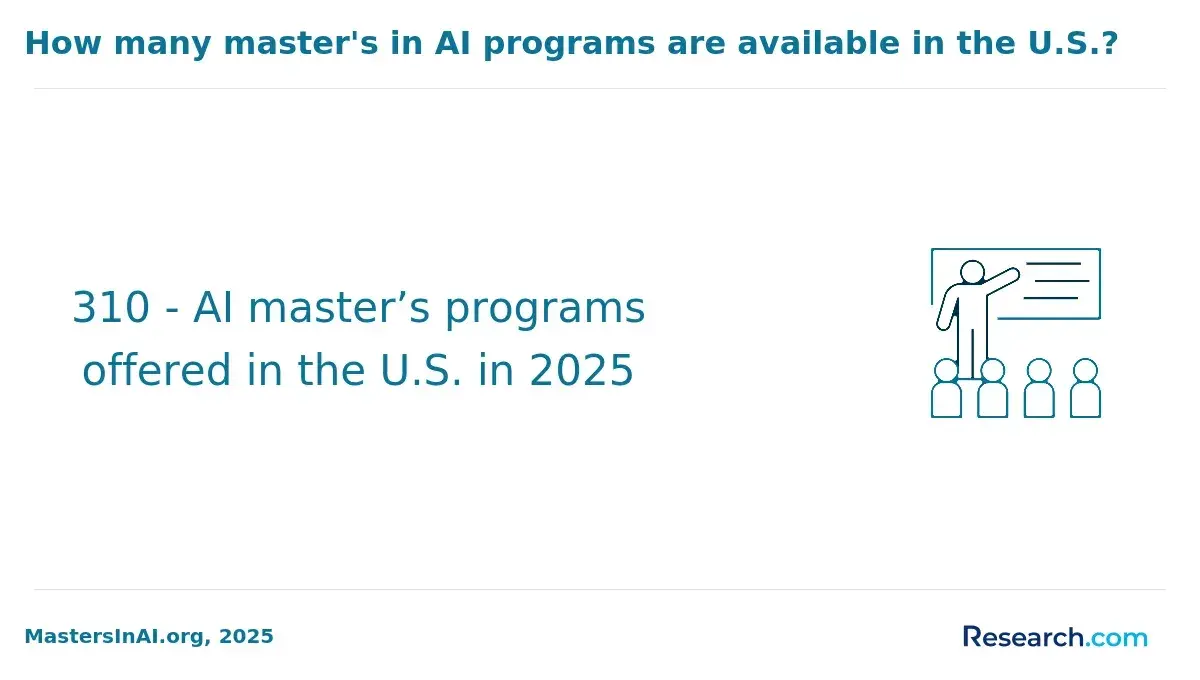
Online AI degrees and certificates have become competitive with traditional campus programs, especially in hiring outcomes. Employers prioritize program reputation, curriculum quality, and practical experience. Campus degrees often include in-person labs, research, and networking, which benefit candidates for advanced roles. However, many accredited online programs now offer capstone projects and industry collaboration, helping close this gap.
Certificates focus on specific skills and are suited for professionals aiming to specialize in areas like machine learning or natural language processing. Although less comprehensive than degrees, certificates can speed up hiring for roles needing targeted expertise. According to LinkedIn's 2024 Workforce Report, AI-related job postings increased 74% year over year, highlighting growing demand for varied educational paths.
For entry-level positions, campus programs may have an advantage via internships and employer connections. Yet online degrees backed by strong portfolios and relevant experience are gaining trust. Employers increasingly value proven skills over where education was completed.
Key factors to weigh when choosing between online and campus AI programs include:
- Curriculum alignment with career goals.
- Access to real-world projects or internships.
- Institutional reputation and alumni network.
- Flexibility to balance personal and professional commitments.
Working professionals generally prefer online certificates to upskill quickly without disrupting careers, while recent graduates may opt for degrees for comprehensive training and future opportunities. Hiring success depends on effectively leveraging educational credentials along with demonstrable AI skills.
What coursework and skills do AI bachelor's and master's programs teach versus short certificates?
Bachelor's and master's programs in artificial intelligence provide comprehensive coursework covering computer science fundamentals, mathematics, and specialized AI fields such as machine learning, natural language processing, computer vision, robotics, and AI ethics. Students gain proficiency in programming languages like Python, R, and Java and engage in hands-on data analysis, algorithm design, and model deployment. These degrees commonly require senior projects or theses that simulate real-world AI challenges, helping graduates create strong portfolios.
Short AI certificates offer focused skill development within compressed timeframes, prioritizing practical knowledge over theoretical depth. Typical topics include machine learning libraries like TensorFlow and PyTorch, data preprocessing, and basic model training. Certificates can take from a few weeks to several months, supporting quick entry into roles requiring specialized expertise without the need for a full degree.
Employers hiring degree holders expect deep understanding of AI algorithms, critical thinking, and adaptability across applications. Certificate holders are often recruited for roles needing immediate skills, such as data cleaning or implementing pretrained models, but may face limits when pursuing research or advanced development positions.
Bootcamp graduates from audited programs report in-field employment rates between 64% and 78% within 180 days, with median time to first job ranging from 3 to 6 months, according to Blockchain Council's 2024-2026 ROI summary. This data illustrates how accelerated certification routes enable quicker workforce entry, though continuous learning is essential to keep pace with evolving AI technologies.
Prospective students should align their education choice with career goals:
- Degree programs suit those seeking foundational mastery and long-term growth.
- Certificates benefit those needing rapid, targeted job readiness.
How long do typical AI degree and certificate programs take, and what do they cost?
Typical AI degree programs in the U.S. range from 2 to 6 years, depending on the level of study. Bachelor's degrees generally require 4 years, master's degrees take 1 to 2 years after completing a bachelor's, and doctoral programs often span 4 to 6 years. Tuition fees for full degree programs vary significantly, typically between $40,000 and $120,000, excluding living expenses. These estimates cover both public and private universities and can differ based on residency and school reputation, according to the Blockchain Council's 2024-2026 ROI summary.
Certificate programs offer a faster route to enhance specific AI skills, usually lasting between 3 months and 1 year. Costs vary widely, often falling between $1,000 and $15,000, influenced by program depth, type of institution, and delivery format such as online or in-person. For example, a 6-month machine learning certificate might cost $3,000, while elite certifications with university branding or instructor support can exceed $10,000.
Choosing between degree and certificate options depends on career goals, budget, and available time. Degree programs provide broad theoretical knowledge and credentials suited for research and technical roles. Certificates focus on targeted skills for working professionals aiming to quickly improve job prospects or switch fields.
How can students evaluate the quality and accreditation of AI programs and certificates?
When evaluating AI programs and certificates, accreditation by recognized agencies such as ABET or regional bodies is crucial. Accreditation ensures that the curriculum aligns with established academic and professional standards, which increases credibility with employers. Without it, degrees or certificates may hold less value in the job market.
It is important to examine the curriculum for coverage of core concepts like machine learning, neural networks, and data ethics, as well as practical applications. Programs linked to reputable universities or tech companies often provide both strong theoretical foundations and hands-on experience.
Employers prefer programs with proven outcomes, so prospective students should research graduate employment rates, internship opportunities, and partnerships with leading AI firms. Certificate programs typically focus on specialized skills in a shorter timeframe, while graduate degrees offer broader and deeper knowledge.
Cost is another significant consideration. According to InstitutePM's comparison of AI project management certification programs, even the most expensive certificates cost only 5% to 10% of a typical graduate degree, making certificates an affordable option for those seeking specialization. Additional questions for students to consider include:
- Is the faculty composed of recognized AI researchers or industry experts?
- Are updated resources, labs, and software tools available?
- Does the program include opportunities for applied projects or research?
Addressing these points helps distinguish credible programs from those with limited value, guiding informed decisions crucial for career advancement in AI.
What is the long-term job outlook for AI professionals with degrees versus certificates?
The job outlook for AI professionals increasingly favors practical skills and experience alongside formal education. While degrees offer deep theoretical knowledge and research abilities, most employers prioritize demonstrated skills. According to WGU's Workforce Decoded: AI, Skills and the Future of Hiring (2026), 78% of employers emphasize work experience, and nearly half are growing skills-based hiring.
Certificates usually focus on current tools and techniques and can be effective for quickly gaining relevant skills. However, they may restrict advancement in roles demanding advanced technical expertise often associated with bachelor's or graduate degrees.
Entry-level AI positions, such as machine learning engineer or data scientist, often accept certificates combined with internships or projects. Senior roles like AI research scientist or systems architect generally require degrees for their broader theoretical foundation.
Recommendations for job seekers include:
- Combining degrees with internships or projects to fulfill both academic and practical criteria.
- Using certificates to stay current with emerging AI technologies alongside formal education.
- Building a portfolio with measurable results, which impacts hiring decisions more than credentials alone.
Ultimately, degrees provide a strong foundation for career growth, whereas certificates offer targeted skills to adapt rapidly in the AI field.
Other Things You Should Know About Artificial Intelligence
In 2027, AI degree holders often have an edge due to their strong theoretical backgrounds, which appeal to research-focused roles. Certificate holders, however, are valued for their practical skills and experience, making them attractive for implementation-focused positions. Both pathways offer competitive opportunities, contingent on the role's requirements.
Employers often value formal education for roles requiring deep theoretical knowledge or research capabilities in AI. However, self-taught professionals who demonstrate strong portfolios, relevant project experience, and up-to-date skills can also be competitive candidates, particularly in applied or implementation roles. Practical experience and continuous learning through projects or open-source contributions often influence hiring decisions alongside formal credentials.
The technology sector remains the largest employer of AI talent, with companies focusing on software development, cloud computing, and consumer electronics leading hiring efforts. Other significant industries include finance, healthcare, automotive, and manufacturing, where AI powers applications like risk assessment, diagnostics, autonomous driving, and process automation. Demand for AI professionals is expanding as more sectors integrate AI solutions.
Internships and hands-on experience are crucial in the AI field, as they provide opportunities to apply theoretical knowledge to real-world problems and build a professional network. Employers often prioritize candidates with relevant project experience because it demonstrates practical skills and adaptability. Internships also expose students to current industry tools and workflows, which can improve job prospects after graduation or certification completion.
References
- Quality Assurance with AI and Automation: The Prospects for Educational Assessment https://www.ieac.org.uk/40-Quality-Assurance-with-AI-and-Automation-The-Prospects-for-Educational-Assessment-blog.php
- AI Degree vs. AI Graduate Certificate vs. AI Certifications https://aidegreeprograms.org/resources/ai-degrees-vs-certifications/
- Professional Certificate in Artificial Intelligence: Complete Guide https://www.teamland.com/post/ai-professional-certificate
- Are AI Certifications Worth It? What the Salary Data Shows | Revelio Labs https://www.reveliolabs.com/news/social/are-ai-certifications-worth-it/
- Best AI Courses in Germany 2026 – Bootcamps, Funding & Career Paths https://www.wbscodingschool.com/blog/blog-best-ai-courses/
- AI Careers: Roles, Salaries, and Certifications to Get You Hired - ONLC https://www.onlc.com/blog/ai-careers-roles-salaries-certifications/
- AI Certifications vs Traditional Education https://www.ekascloud.com/our-blog/ai-certifications-vs-traditional-education/3771
- University Degree vs AI Bootcamp: Which is Best Career Path? https://agilefever.com/university-degree-vs-ai-bootcamp-which-is-best/
- AI Certification vs. Traditional Degree: What Actually Gets You Hired in 2026? https://www.nplus.global/blogs/ai-certification-vs-traditional-degree/
- Online vs Campus Artificial Intelligence Degree Programs: Complete Comparison https://hakia.com/compare/artificial-intelligence-online-vs-campus/