2027 Best AI Degrees for Students Interested in Smart Cities

Co-Founder and Chief Data Scientist
Smart cities rely increasingly on advanced technologies to improve urban living, yet many professionals lack the specialized knowledge to drive these innovations. Without expertise in artificial intelligence, optimizing traffic flow, energy management, and public safety becomes a challenge. This skills gap hinders smart city development and creates barriers for career changers from unrelated fields.
Identifying the right degree can open pathways into this evolving sector while accommodating flexible learning needs. This article examines top AI degree programs tailored for students aiming to enter smart city industries, offering guidance on practical, accredited options for a successful transition into this dynamic field.
Key Things You Should Know
- Degree programs focusing on AI for smart cities integrate urban planning, data science, and machine learning, addressing challenges like traffic optimization and energy management.
- By 2025, AI-driven urban solutions are expected to reduce city emissions by up to 30%, increasing demand for specialists trained in sustainable smart city technologies.
- Graduates with AI expertise in smart cities can pursue careers in government, consulting, and tech sectors, with median salaries exceeding $90,000 annually as reported in recent labor data.
What are smart cities, and how is AI used to run them?
Smart cities use artificial intelligence technologies for urban management by integrating data analytics and advanced technology to enhance sustainability, improve public safety, and optimize resource use. AI processes data from various sources such as sensors, cameras, and IoT devices to enable real-time decision-making across crucial city systems.
Examples of AI applications in smart cities include:
- Traffic management systems using AI to optimize signal timings and reduce congestion.
- Predictive maintenance for public infrastructure, minimizing downtime and repair costs.
- Energy grids powered by AI to balance supply and demand efficiently, reducing waste.
- AI-driven public safety tools that analyze surveillance footage to detect crimes or emergencies early.
According to the IDC Worldwide Smart Cities Spending Guide, global technology spending on smart cities is expected to reach $220 billion, reflecting the growing importance of AI in solving complex urban challenges. For those pursuing careers in this field, gaining expertise in machine learning, data analytics, and urban planning is essential.
Prospective students interested in artificial intelligence applications should consider interdisciplinary programs that combine AI with civil engineering, environmental science, and public policy. Hands-on experience through smart city projects or internships with municipalities or tech firms can provide valuable practical skills. Learning how AI systems interact with human behavior and infrastructure prepares graduates to innovate in areas such as sustainability and mobility.
Those exploring career paths can discover opportunities in applied artificial intelligence by visiting applied artificial intelligence.
What are the best AI degrees for careers in smart cities?
Degrees that combine expertise in artificial intelligence with urban systems and data analytics best prepare students for careers in smart cities. Programs in artificial intelligence, data science, computer science with AI specialization, and urban informatics are especially relevant. These fields teach skills necessary to develop intelligent infrastructure, optimize traffic, enhance energy efficiency, and improve public safety.
Top AI degree programs for urban technology jobs often include training in machine learning, sensor networks, robotics, geospatial analysis, and Internet of Things (IoT) technologies. For instance, computer science degrees with a focus on machine learning enable students to create algorithms for predictive urban planning and real-time resource management.
Urban informatics programs emphasize integrating AI with urban planning and policy, enabling graduates to analyze city-wide data to guide transportation, environmental monitoring, and citizen engagement initiatives. Practical experience through internships or projects with smart city collaborations is crucial for applying AI solutions effectively in real environments.
According to the World Economic Forum's Future of Jobs Report, AI and machine learning specialists will remain among the fastest-growing roles through 2030. Choosing programs that blend AI fundamentals with urban ecosystem expertise equips graduates for roles like smart transportation developers, urban data analysts, and AI-driven infrastructure managers.
For those interested in diverse engineering options, exploring mechanical engineering online degrees can offer additional pathways that complement AI skills within urban technology contexts.
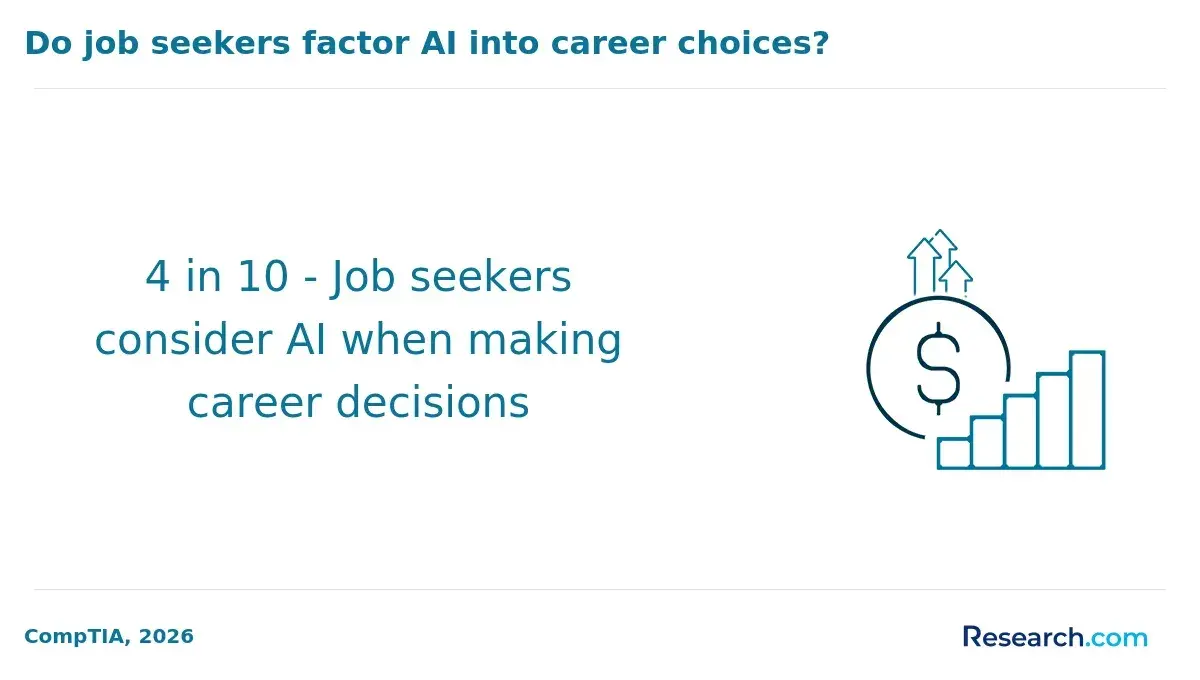
Which AI degree level fits smart-city goals: bachelor's, master's, or PhD?
Bachelor's, master's, and PhD degrees each offer unique pathways in AI degree options for smart city development. A bachelor's degree provides foundational knowledge in AI, data analysis, and urban systems, preparing graduates for entry-level positions such as data collection, AI implementation support, and system monitoring. This aligns well with the projected 36% employment growth for data scientists between 2023 and 2033, highlighting strong demand for broad technical skills in urban innovation.
Master's programs build on this foundation with deeper expertise in AI algorithms, machine learning, and big data technologies critical to designing intelligent infrastructure. Graduates frequently become AI project managers or smart-city system architects, using advanced skills to optimize traffic flow or develop predictive maintenance models. These roles require high-level problem-solving and integration capabilities relevant to smart-city challenges.
PhD degrees focus on innovation and research, targeting those who want to advance AI methodologies for complex urban problems or influence smart-city policies. PhD candidates often lead innovation labs or design novel AI frameworks for environmental monitoring and energy optimization, making these roles ideal for academic or research-oriented careers.
Students should assess their career goals carefully: bachelor's degrees provide accessibility and workforce entry, master's enhance technical leadership, and PhDs emphasize research and innovation. Employers increasingly seek advanced degrees for leadership positions, but bachelor's holders remain valuable for operational and technical support.
For those exploring related fields, consider pathways like game design online programs, which offer different technical skills that can complement AI expertise in urban innovation.
What should you look for in accreditation for AI and engineering programs?
ABET accreditation remains the leading standard when evaluating AI engineering program accreditation standards in North America. ABET accredits over 4,300 programs worldwide in applied science, computing, engineering, and engineering technology, ensuring education aligns with professional and industry requirements. Recognized accreditation agencies for AI and engineering degrees in the U.S. typically focus on disciplines like computer science, systems engineering, and data science, which cover essential skills such as programming, algorithms, machine learning, and system integration-critical for smart city applications.
Many universities offer hybrid or interdisciplinary degrees merging AI with urban planning or IoT engineering. Verifying that all relevant departments hold proper accreditation confirms students receive comprehensive, high-quality training rather than a fragmented educational experience.
Employers increasingly prioritize graduates from ABET-accredited programs due to their proven skill sets and adherence to industry standards. Conversely, non-accredited graduates may encounter difficulties obtaining professional certifications or licenses, affecting career advancement in emerging smart city roles.
When researching programs, consider asking:
- Is the program ABET accredited or accredited by a similarly recognized agency?
- Does the accreditation cover all relevant AI and engineering specialties involved?
- How frequently is the program reviewed and updated by the accrediting body?
- What percentage of graduates secure employment in smart city-related AI roles?
Prospective students may also want to explore the best data science master's programs to complement their AI education and improve career prospects in smart city development.
Which majors and specializations align best with smart-city AI work?
Majors that integrate technology, urban infrastructure, and data-driven decision-making are ideal for careers in smart-city AI applications. Computer science degrees emphasizing machine learning or data science provide a solid foundation in algorithms, data engineering, and AI model development, essential for optimizing urban traffic, energy use, and public safety.
Urban planning paired with AI specialization equips students to apply AI in zoning, environmental analysis, and resource allocation. Degrees in environmental engineering with AI components address smart energy management, responding to rising demands for energy efficiency. According to the International Energy Agency's report, electricity use by data centers is expected to more than double soon, highlighting the need for AI experts in energy systems.
Electrical engineering programs focusing on embedded AI systems support the creation of IoT devices and smart sensors that form city infrastructure. AI-focused cybersecurity studies are vital due to increasing cyber threats in interconnected smart city networks. Also, transportation engineering with AI expertise enables development of autonomous transit and optimized logistics.
An interdisciplinary approach combining AI, urban studies, and sustainability benefits students aiming for this evolving field. Gaining hands-on experience through internships in smart city projects or energy-related AI firms can enhance career readiness. Proficiency in programming languages like Python and familiarity with cloud computing platforms that enable AI deployments are crucial skills for emerging professionals.
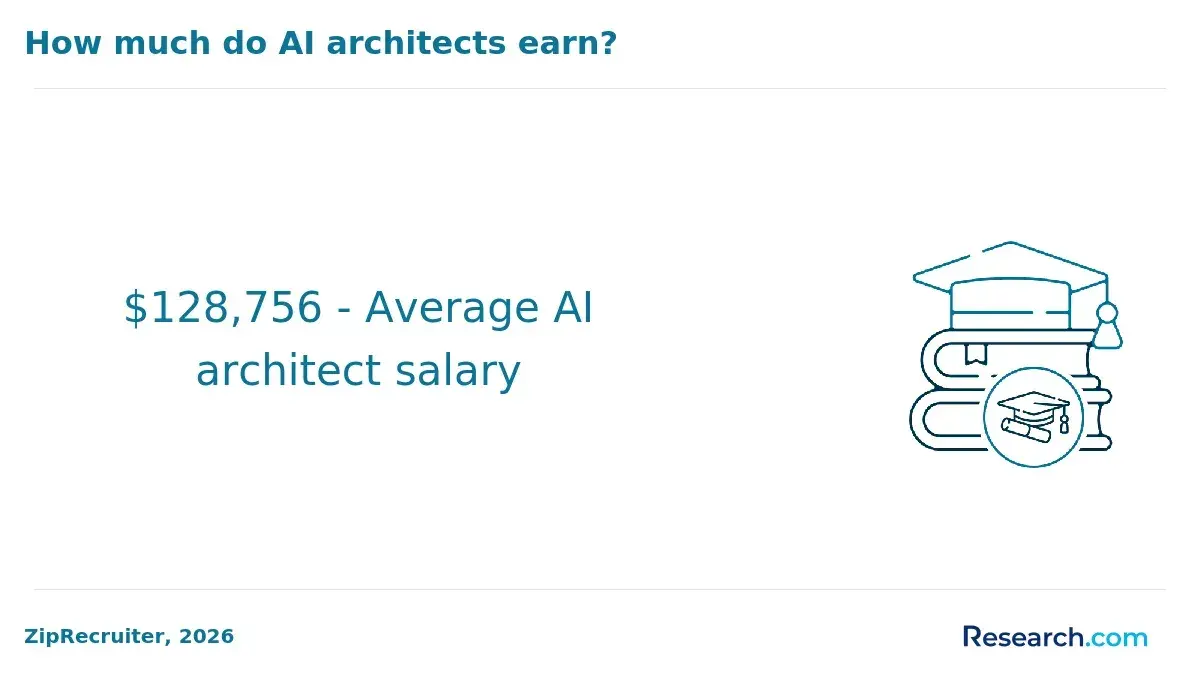
What core courses and labs prepare students for smart-city AI projects?
Smart-city AI projects demand a multidisciplinary education that blends foundational techniques with practical applications. Core subjects often include machine learning, data mining, and computer vision, which are vital for interpreting urban data from sources like sensors and traffic cameras. Courses in geographic information systems (GIS) and urban informatics teach how to manage spatial data, essential for city planning and real-time decision-making.
Governance and safety play a crucial role, with specialized instruction based on the National Institute of Standards and Technology's (NIST) AI Risk Management Framework (AI RMF 1.0), now widely recognized as a standard for AI governance. Developing competencies in AI risk, assurance, and privacy protection is especially relevant for smart-city infrastructure and citizen data.
Hands-on programming labs using Python, R, and cloud platforms train students to deploy scalable AI models for city-scale challenges. Simulation labs using digital twins and agent-based models enable safe testing of AI in areas like traffic control and emergency response. Internet of Things (IoT) integration covers working with interconnected sensors and real-time urban data streams.
Ethical AI and policy coursework prepare students to address regulatory and societal impacts of smart-city technologies. This comprehensive curriculum aligns with current industry demands, enabling graduates to contribute effectively to AI-driven urban innovation.
Key coursework for these projects include:
- Machine learning and data mining
- Geographic information systems (GIS) and urban informatics
- AI risk management based on NIST AI RMF 1.0
- Programming and cloud deployment labs
- Simulation & digital twin modeling
- IoT integration and sensors
- Ethics and AI policy courses
How do online AI degrees compare with on-campus programs for smart-city careers?
Online ai degrees designed for smart-city careers now rival the rigor and outcomes of traditional on-campus programs, thanks to advances in distance education technology and curriculum design. Data from the National Center for Education Statistics, Integrated Postsecondary Education Data System (2024), shows that over 10 million U.S. students enrolled in at least one distance-education course, reflecting widespread acceptance of online technical degrees in the job market. This provides prospective students with flexible learning schedules and often lower costs without compromising instructional quality.
Campus programs offer hands-on access to specialized labs, face-to-face faculty interaction, and networking opportunities, which benefit students working on urban planning, sensor integration, or real-time data modeling. Yet, many online degrees incorporate virtual labs, simulations, and collaborative projects that effectively mirror these experiences.
Choosing a program should focus on curriculum relevance, faculty expertise, and industry connections rather than delivery format. Some accredited universities offer hybrid models combining online coursework with local internships or occasional campus workshops, addressing experiential learning needs. Working professionals may find online degrees more feasible for balancing employment while developing skills in ai-driven urban analytics or autonomous transportation.
Key factors include:
- Access to updated smart-city technology platforms and datasets
- Opportunities for real-world project engagement or municipal partnerships
- Availability of career services focused on ai and urban infrastructure
What are typical admissions requirements for AI programs focused on smart cities?
Admissions for AI programs related to smart cities typically require a strong foundation in mathematics, programming, and relevant project experience. Many U.S. graduate STEM programs have recently made the GRE optional or removed it, increasing emphasis on undergraduate coursework and practical skills.
Common prerequisites include:
- A bachelor's degree in computer science, engineering, data science, urban planning, or related fields.
- Proficiency in programming languages such as Python, Java, or R demonstrated through coursework or projects.
- Solid understanding of linear algebra, calculus, statistics, and probability.
- Practical experience via internships, research projects, or contributions to smart city initiatives involving data analysis, machine learning, or IoT systems.
- Letters of recommendation that highlight analytical skills and technical competence relevant to AI and urban environments.
Applicants often submit a statement of purpose focusing on AI applications for urban challenges like sustainability and transportation. While GRE scores might be considered, schools prioritize hands-on experience and quantitative coursework.
International students usually need TOEFL or IELTS scores and may be required to show domain-specific knowledge such as geographic information systems (GIS) or urban data management. A portfolio of projects or publications enhances an application.
Reviewing individual program requirements carefully is crucial. Prioritize strong technical skills and real-world AI applications in urban settings to stand out amid growing competition.
How much do AI degrees cost, and how long do they take to finish?
AI degrees usually require four to six years to complete, depending on the level of study. Bachelor's degrees in AI or related fields like computer science typically involve four years of full-time education. Master's programs often add one to two years, especially for specialized AI disciplines. Doctoral studies generally take an additional three to five years, with a strong focus on research.
The cost of an AI degree varies significantly based on institution type and residency status. Public four-year colleges charge an average of about $11,000 per year in tuition and fees for in-state students, while out-of-state students pay closer to $30,000 annually. Private universities often exceed $50,000 per year but may offer financial aid options.
Students should plan for at least $44,000 in total tuition for a four-year bachelor's degree at an in-state public university, excluding living and material expenses. Out-of-state or private school attendance can lead to tuition costs above $120,000. Online AI degree programs may offer more flexible pacing and sometimes lower overall costs, although per-credit prices remain similar. Accelerated and part-time study routes might shorten or extend completion time but need careful consideration of workload versus budget.
What smart-city AI jobs can graduates get, and what salaries are typical?
Graduates with degrees focusing on artificial intelligence for smart cities have diverse career options, including data scientist, AI systems engineer, urban IoT analyst, and smart infrastructure developer. These roles often involve analyzing large urban datasets, designing real-time decision-making algorithms, integrating sensor data from connected devices, and developing AI-driven projects like adaptive street lighting and predictive maintenance systems.
Salary levels vary by role, experience, and location. Entry-level urban AI positions typically start between $75,000 and $85,000 annually, while experienced professionals or team leaders can earn upwards of $130,000. According to the U.S. Bureau of Labor Statistics, data scientists have a median annual wage of about $108,000. AI engineers working on smart grid technologies earn between $100,000 and $120,000, and transportation AI analysts focused on autonomous vehicles often make more than $115,000.
Key skills to improve employability include machine learning, big data analytics, IoT integration, and urban systems modeling. Experience with cloud computing and real-time data platforms is highly valued. Additionally, understanding regulatory and ethical considerations in smart-city AI deployments helps candidates stand out in a competitive job market.
Other Things You Should Know About Artificial Intelligence
Python is the most widely used programming language in AI due to its simplicity and extensive libraries for machine learning and data analysis. Other important languages include R for statistics, Java for large-scale applications, and SQL for database management. Mastery of these languages helps students handle data-driven smart city projects effectively.
Yes, AI ethics play a crucial role in smart city development. Ethical considerations ensure that AI systems respect privacy, avoid bias, and promote transparency in urban services. Understanding these principles helps students design AI solutions that are socially responsible and accepted by diverse city populations.
In 2027, crucial AI technologies for smart city development include edge computing for decentralized data processing, machine learning algorithms for efficient traffic management systems, and AI-powered IoT platforms for environmental monitoring and energy optimization. These technologies enable more efficient and responsive urban infrastructures.
Internships provide valuable industry exposure and networking in sectors like urban planning, transportation, and public safety where AI is applied. They help students apply academic knowledge, understand workplace dynamics, and often improve job prospects after graduation.
References
- AI Certifications: Accredited Programs, Vendor Credentials, and Emerging Standards - Total Seminars https://totalsem.com/ai-certifications-accredited-programs-vendor-credentials-and-emerging-standards/
- Courses in AI in Urban Planning and Smart Cities in Caracas, Venezuela https://ia.university/academic-programs/ai-urban-planning-smart-cities-caracas-ia-ai/
- 16 Artificial Intelligence Career Paths https://www.calmu.edu/news/artificial-intelligence-career-paths
- Smarter Cities with NVIDIA AI https://www.nvidia.com/en-us/industries/smart-cities-and-spaces/
- AI in Cities - Smart Cities | Axelera AI https://axelera.ai/use-cases/ai-in-smart-cities
- Course: Ai and Smart Cities Course https://maniatech-academy.co.uk/course/view.php
- Master of Technology in Artificial Intelligence in Smart Cities - Fees, Eligibility, Colleges, Career Options 2026 | CollegeManzil https://collegemanzil.com/courses/mtechaiaiisc
- Degrees That Transfer to Emerging AI Careers https://www.careergroupcompanies.com/blog/degrees-that-transfer-to-emerging-ai-careers
- How Much is an AI Course? https://www.nobledesktop.com/learn/ai/how-much-is-a-ai-course
- Course in Artificial Intelligence and Urban Planning: Modeling the Cities of the Future https://www.salleurl.edu/en/education/course-artificial-intelligence-and-urban-planning-modeling-cities-future