2027 Best Accredited AI Doctorate Degrees in America

Co-Founder and Chief Data Scientist
Many professionals with unrelated undergraduate degrees find it challenging to transition into the artificial intelligence field due to limited program options that balance flexibility, credibility, and accreditation. This gap often leads to extended career shifts or enrolling in costly programs without recognized value. Navigating accredited doctorate programs specifically designed for such learners can be overwhelming without clear guidance.
This article identifies the best accredited AI doctorate degrees available in America, emphasizing flexible paths suitable for working professionals seeking a credible and efficient route into AI careers.
Key Things You Should Know
- In 2026, the number of accredited AI doctorate programs in the U.S. has grown by over 25% since 2024, reflecting increased demand for advanced AI expertise in academia and industry.
- Top programs emphasize interdisciplinary research combining AI with data science, ethics, and robotics, preparing graduates for diverse roles in technology, healthcare, and policy.
- Graduates from these programs report a median starting salary exceeding $120,000, highlighting strong market demand and competitive funding opportunities for doctoral candidates.
What are the best accredited AI doctorate programs in the United States?
Top accredited AI doctorate programs in the United States are concentrated at premier research institutions with leading computer science departments. Carnegie Mellon, Stanford, MIT, UC Berkeley, and the University of Illinois Urbana-Champaign rank equally high according to U.S. News & World Report's 2025 Best Computer Science Graduate Schools, highlighting their prominence in AI research and doctoral education.
These top American PhD programs in artificial intelligence offer rigorous coursework, opportunities to engage in innovative research projects, and mentorship from renowned AI experts. Each program has distinct strengths: Carnegie Mellon excels in robotics and machine learning; MIT focuses on natural language processing and AI ethics; Stanford encourages interdisciplinary studies with business and medical schools; Berkeley is renowned for theoretical AI and algorithms; UIUC leads in data mining and scalable AI systems.
Prospective students should evaluate faculty specialization, lab resources, industry ties, and publication potential. Many programs fully fund PhD candidates via research assistantships or fellowships, enabling concentrated study and original research. Applicants typically need a strong computer science foundation, relevant AI experience, and clear research objectives. Preparing a portfolio with publications or significant projects enhances candidacy.
Given AI's depth and diversity, aligning with a program that matches specific research interests and career goals is crucial. Engaging with current students, faculty, and recent dissertations helps identify the best fit. Those exploring what is applied artificial intelligence will find that these carefully selected programs drive innovation both in academia and industry.
What accreditation should an AI doctoral program and university hold?
An AI doctoral program and its hosting university must be accredited by a recognized institutional accreditor to ensure educational quality and federal financial aid eligibility. In the United States, regional accreditation for AI doctoral degrees in America is often considered the gold standard. These accreditors, such as the Higher Learning Commission or the Middle States Commission on Higher Education, cover specific geographic areas and validate academic standards. National accreditors like the Distance Education Accrediting Commission (DEAC) focus more on career-oriented or online institutions but still offer recognized accreditation.
Programs with proper accreditation provide benefits including eligibility for federal Title IV financial aid, better research resources, qualified faculty, and broader professional networks. Accreditation also affects credit transferability, professional certification eligibility, and employer recognition. Without recognized accreditation, degrees may be undervalued or rejected by academic institutions and employers.
Discipline-specific accreditation for AI doctorate programs in the United States remains rare. However, programs within accredited universities are generally accepted in academia and industry. Prospective students should verify accreditation status using the U.S. Department of Education's database before applying and during admissions discussions.
For students interested in affordable education options, looking into the cheapest online master's mechanical engineering may provide insights into cost-effective pathways related to AI fields.
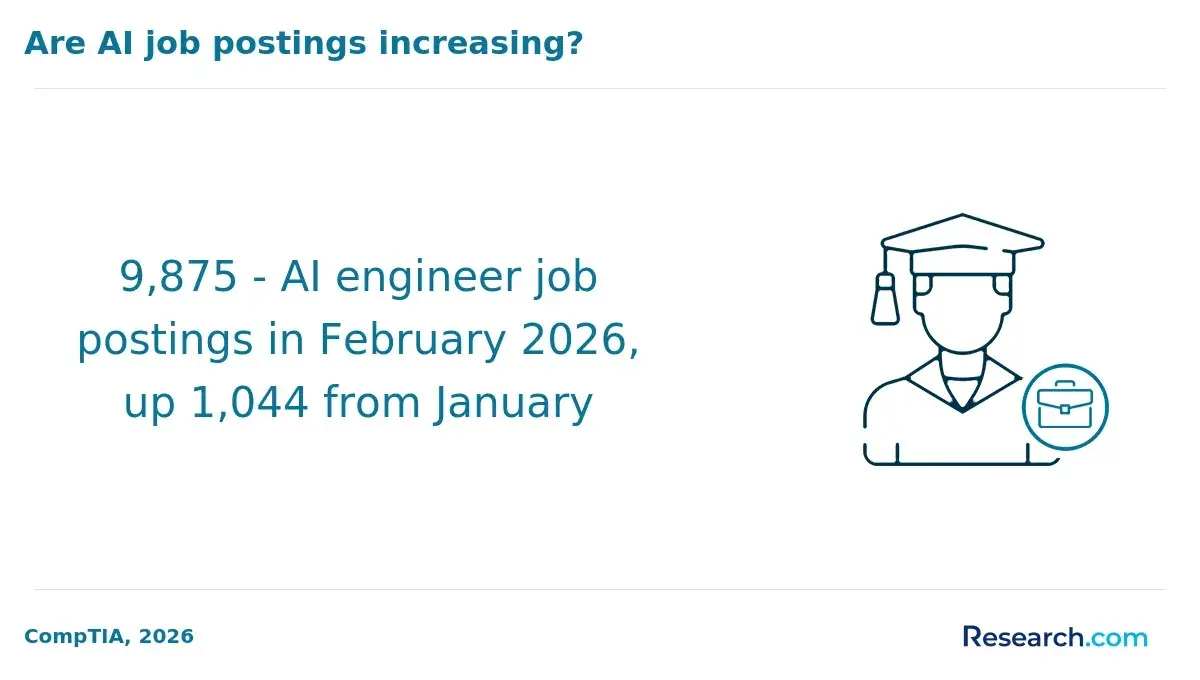
What can you do with a doctorate in artificial intelligence?
Holding a doctorate in artificial intelligence opens doors to advanced jobs with an AI doctorate degree in the United States across various sectors. In computer systems design firms, which employed 23.2% of U.S. computer and information research scientists, you might lead AI teams focused on machine learning algorithms, natural language processing, or AI applications for robotics and automation.
In scientific research and development services, where 20.4% of AI PhDs worked, the work involves contributing to academic research, developing new AI methodologies, securing funding, and collaborating across disciplines. Federal government positions, employing 17.1% of those with doctorates, offer opportunities in national security, AI ethics, and public policy related to emerging AI technologies through agencies like the Department of Defense and National Institutes of Health.
For those seeking education options, consider exploring the best online master's in artificial intelligence to advance your qualifications further in this evolving field of doctorate in artificial intelligence career opportunities in America.
Can you earn an accredited AI doctorate online, and how do formats compare?
You can earn an accredited AI doctorate online, though options remain more limited compared to traditional onsite programs. Select universities, such as Colorado Technical University and the University of Arizona, offer online PhD pathways with concentrations in AI or machine learning. These programs maintain regional or national accreditation, combining remote coursework with valuable research opportunities.
The comparison of online and traditional AI doctorate formats in the US highlights that online degrees provide essential flexibility for working professionals or those unable to relocate. However, limited face-to-face interaction can hinder collaborative research. Many programs require on-site residencies or hybrid formats to support networking and hands-on experience with AI tools and labs.
Traditional onsite AI doctorate programs often deliver richer resources like direct mentorship, specialized hardware, and dynamic academic discourse, accelerating innovation. According to the NCES Digest of Education Statistics, 53% of U.S. postsecondary students took at least one distance-education course recently, and 28% were enrolled exclusively online, demonstrating rising acceptance of distance learning modalities applicable to advanced AI studies.
For those exploring related graduate options, consider programs offering a cybersecurity masters online, which may complement AI career paths. Finding accredited AI doctorate programs in America online requires discerning these aspects carefully to align with personal and professional goals.
What courses and research areas are common in AI PhD and doctorate curricula?
PhD and doctorate programs in artificial intelligence blend foundational and advanced coursework to build research skills and technical expertise. Core subjects cover machine learning, data mining, natural language processing, computer vision, and robotics, combining theory with practical algorithm design, statistical modeling, and optimization techniques.
Research areas often focus on neural networks, deep learning architectures, reinforcement learning, and explainable AI. Working with large datasets is essential, with PostgreSQL and Python widely used for data management and experimentation, reflecting trends noted in the 2024 Stack Overflow Developer Survey.
Many programs emphasize ethical AI, bias mitigation, and human-AI interaction, preparing students to develop responsible technologies. Coursework frequently includes hands-on experience with Python libraries such as TensorFlow and PyTorch. Some curricula offer interdisciplinary options like computational neuroscience or AI in healthcare to align with specific career goals.
Doctoral candidates engage in original research, often publishing in peer-reviewed venues. Collaborative lab work and partnerships with industry provide exposure to real-world AI challenges. Experimental design and statistical validation are taught to rigorously evaluate algorithm performance, equipping graduates to advance both AI theory and applications effectively.
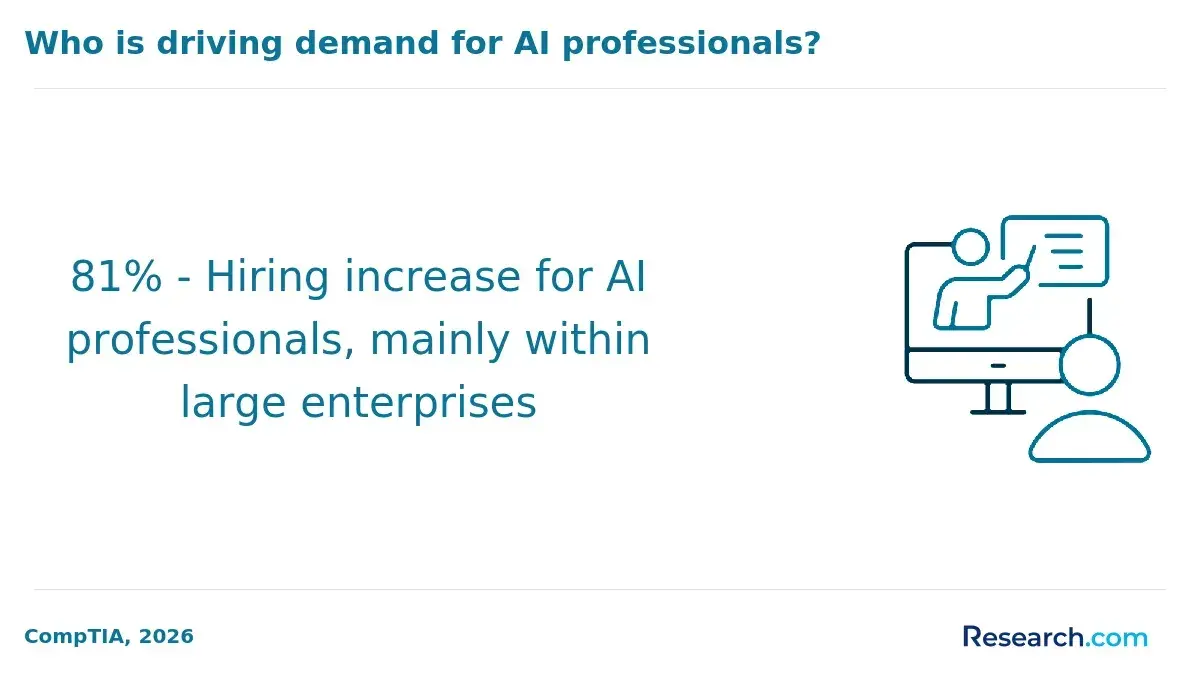
What are the admission requirements for AI doctoral programs?
Admission to AI doctoral programs typically requires a bachelor's or master's degree in computer science, engineering, mathematics, data science, or related fields, along with a strong GPA, often above 3.5 on a 4.0 scale. Candidates must submit transcripts, letters of recommendation, and a personal statement that outlines their research interests in artificial intelligence. Some programs also request a research proposal or evidence of prior research experience, such as published papers or completed projects.
While the GRE was once a common requirement, its significance has diminished considerably. Nearly half of U.S. doctoral programs no longer consider GRE scores, reflecting a growing emphasis on holistic evaluation methods that prioritize research potential and practical skills over standardized tests. Several AI doctoral programs additionally assess technical and problem-solving abilities through coding samples or technical interviews.
International applicants usually need to provide English proficiency test scores like the TOEFL or IELTS unless they qualify for an exemption based on prior education conducted in English. Prospective students are advised to review individual program requirements closely, as some may prefer work experience in AI-related roles or completion of prerequisite coursework in machine learning, statistics, or algorithms.
Early engagement with potential advisors can improve acceptance chances by ensuring alignment on research goals, which remains a key factor in successful admission to AI doctoral programs.
How long does an AI doctorate take, and what does it cost?
An AI doctorate typically takes 4 to 6 years of full-time study, depending on program structure, research progress, and whether it includes a master's degree. Accelerated tracks can reduce this to about 3.5 years, while interdisciplinary or research-intensive programs may extend beyond six years. Part-time and professional options are available, accommodating working professionals but generally lengthening completion time.
Tuition costs vary significantly. Data from the College Board show that average annual graduate tuition and fees at U.S. public universities are $12,596 for in-state and $29,662 for out-of-state students. AI doctoral programs usually follow similar pricing but may include extra costs for specialized labs, technology, and conference travel.
Over several years, total tuition at public institutions can range roughly from $50,000 to $180,000 based on residency and program length. Private universities often charge more than $40,000 annually. Funding through research assistantships, fellowships, and teaching positions can offset expenses while enhancing experience.
Students should evaluate program duration against career goals and financial resources. Exploring funding opportunities and employer tuition assistance is crucial for a well-informed commitment to earning an AI doctorate.
What funding options are available for AI doctoral students?
PhD students in artificial intelligence in the U.S. mainly receive funding through assistantships, fellowships, and external grants. About 83% of full-time doctoral students in computer and information sciences are supported by research or teaching assistantships, which typically cover tuition and provide a living stipend. This funding allows students to focus fully on their research without accruing significant debt.
University fellowships offer another source of support, often multi-year and without work obligations, enabling candidates to dedicate themselves solely to their dissertations. Some universities guarantee funding packages that combine tuition remission and stipends through a mix of assistantships and fellowships for AI doctoral candidates.
External grants from federal agencies such as the National Science Foundation (NSF) and Department of Defense (DoD) provide scholarships and awards specifically geared toward AI research. Partnerships with industry also create opportunities, especially in commercial AI areas like machine learning and natural language processing.
Additional funding sources include departmental scholarships targeted at AI research and limited part-time work options, although balancing these can be difficult. Loans remain available but are generally less recommended due to repayment and interest concerns.
Early applications for assistantships and fellowships are crucial, as securing these funds reduces financial strain and fosters research success while minimizing post-graduation debt burdens.
How much do AI PhD graduates earn in major career paths?
AI PhD graduates in the United States command competitive salaries across various sectors, driven by strong demand for specialized expertise. The U.S. Bureau of Labor Statistics Occupational Employment and Wage Statistics (OEWS) for May 2024 reports median annual wages of $145,080 for Computer and Information Research Scientists and $140,910 for Software Developers, providing salary benchmarks for AI doctorate holders entering industry research or development roles.
Positions in industry research, such as AI research scientists at technology companies or corporate labs, often offer salaries exceeding $150,000, particularly in tech hubs like California, New York, and Washington. Software engineering and machine learning engineering roles for graduates typically start near the Software Developer median wage and can increase rapidly with AI specialization and experience.
Academic and government research careers usually start with lower salaries-ranging from $90,000 to $130,000-but offer benefits such as job stability and research funding. University faculty roles reflect this pay range depending on location and institution.
Entrepreneurial paths, including founding AI startups, often feature variable initial income but have high earning potential dependent on business success.
What is the job outlook for AI PhD-level roles in the United States?
The employment outlook for AI PhD-level roles in the United States is exceptionally robust. The U.S. Bureau of Labor Statistics (BLS) projects a 23% growth in jobs for Computer and Information Research Scientists from 2022 to 2032, significantly outpacing the average for all occupations. This surge is driven by growing demand for advanced expertise in AI technologies across sectors like healthcare, finance, autonomous systems, and cybersecurity.
PhD graduates in artificial intelligence have diverse career opportunities including:
- Research and development roles
- Leading innovation teams
- Designing complex AI algorithms
- Positions in academia, government labs, and private sector think tanks
These roles often involve developing new machine learning models, optimizing neural networks, and applying AI to real-world challenges such as natural language processing and computer vision. Salary prospects improve substantially at the PhD level, with senior AI research scientists in tech companies frequently earning six-figure incomes. Leadership and specialized positions may command even higher pay.
The AI ecosystem continues to expand, creating roles not only in core technology development but also in interdisciplinary fields like robotics, data ethics, and AI policy. Success in this competitive environment requires continuous learning, interdisciplinary collaboration, and building experience with both theoretical and practical AI applications. Publishing research and networking are also crucial for securing leading roles in this dynamic field.
Other Things You Should Know About Artificial Intelligence
In 2027, the best AI doctorate degrees in America are distinguished by advanced research facilities, leading faculty in the field, strong industry partnerships, and comprehensive curricula that blend theoretical and practical AI knowledge. These programs also emphasize ethical considerations and interdisciplinarity in their research approaches.
AI doctoral students in 2027 can access various financial aid options, including fellowships, scholarships, and research assistantships. Federal student loans are also available. Many programs offer stipends and tuition waivers for students who qualify based on merit or need.
Most AI doctorate programs in 2027 require applicants to submit GRE scores. Some institutions might also require subject-specific tests, like the Graduate AI Aptitude Test. Always check specific program requirements as some schools waive test requirements under certain conditions.
Yes. Most accredited AI doctorate programs in America require a dissertation or doctoral project, usually completed after core coursework and comprehensive exams. Students typically defend an original research study, often focused on machine learning, AI ethics, or human-centered computing, before graduation.
Admission requirements typically include a strong academic background in computer science or a related field, demonstrated research proficiency, and recommendations. GRE scores might be optional. Some programs also prefer candidates with a master’s in responsible AI or similar qualifications.
References
- AI Engineer Job Outlook 2025: Trends, Salaries, and Skills – 365 Data Science https://365datascience.com/career-advice/career-guides/ai-engineer-job-outlook-2025/
- PhD In Artificial Intelligence - Admission Guide 2026 https://collegevidya.com/blog/phd-in-artificial-intelligence-eligibility-admission-career-guide/
- Who Accredits Artificial Intelligence (AI) Degree Programs? - AI Degrees Online https://aidegreesonline.com/accreditation/who-accredits-ai-degree-programs/
- Career Opportunities After A PhD in AI & Machine Learning https://learningsaint07.wixsite.com/learning-platforms/post/career-opportunities-after-a-phd-in-ai-machine-learning
- 2026's Best Online PhD in Artificial Intelligence Programs https://www.computerdegreesonline.org/online-phd-in-artificial-intelligence/
- How AI Experts Earn Honorary Doctorate Degrees | Eduminds Learning https://www.edumindslearning.com/blog/how-ai-expert-earn-honorary-doctorate-degree
- Amazon launches $68 million AI PhD Fellowship program https://www.amazon.science/news/amazon-launches-68-million-ai-phd-fellowship-program
- How to Get Into a Top AI PhD Program: Admission Requirements https://www.explica.co/how-to-get-into-a-top-ai-phd-program-admission-requirements/
- Online PhD in Artificial Intelligence | Signum Magnum College https://smceducation.com/online-doctoral-programs/phd-in-ai/
- AI Program Rankings on AIDegreePrograms.org https://aidegreeprograms.org/rankings/