2027 AI Bachelor's Degrees for Machine Learning Careers

Co-Founder and Chief Data Scientist
Professionals with unrelated undergraduate degrees often face challenges entering the machine learning field due to the lack of specialized education. Many struggle to find accredited, flexible programs that align with their career transition goals. As demand for AI skills grows rapidly, securing a relevant bachelor's degree becomes essential for competitiveness in the job market.
This article explores the best AI bachelor's degrees tailored for machine learning careers, focusing on programs that accommodate working adults and provide comprehensive, industry-aligned curricula. It aims to guide readers toward viable academic pathways that enable successful career pivots into machine learning roles.
Key Things You Should Know
- Over 70% of U.S. universities offer bachelor's degrees specializing in artificial intelligence with a focus on machine learning, reflecting growing industry demand.
- The average starting salary for graduates with AI bachelor's degrees in machine learning roles exceeds $85,000, driven by a 35% job growth forecast through 2030.
- Programs increasingly integrate interdisciplinary skills, combining computer science, statistics, and ethics to prepare students for responsible AI deployment and innovation.
What skills and knowledge do AI bachelor's degree programs teach for machine learning careers?
AI bachelor's degree programs for machine learning skills development emphasize a combination of programming, mathematical, and analytical expertise. Students gain proficiency in programming languages like Python, utilized by 57% of machine learning practitioners according to the 2024 Stack Overflow Developer Survey.
Coursework covers efficient coding, algorithm implementation, and tools such as TensorFlow and PyTorch, which are widely adopted frameworks for model building and deployment.
Core knowledge taught in AI degrees for machine learning careers includes essential mathematical foundations like linear algebra, calculus, statistics, and probability, which enable precise data analysis and predictive modeling. Understanding optimization methods and machine learning algorithms is crucial for designing effective solutions.
Students also master data handling skills, including cleaning, transforming, and visualizing large datasets, supported by database management and data structures courses.
Programs often delve into the theory and application of supervised, unsupervised, and reinforcement learning approaches. Ethics and AI fairness are increasingly emphasized to address bias, transparency, and societal impacts, ensuring graduates are prepared to evaluate model robustness and security.
Beyond technical skills, students develop critical thinking and problem-solving abilities necessary for adapting to evolving AI technologies. Many programs integrate real-world projects or internships to connect academic theory with career applications.
For those exploring career options, learning what is applied AI engineering can provide valuable insight into industry roles.
How long does it take to complete an AI bachelor's degree, and what is the typical cost?
Completing a bachelor's degree in artificial intelligence usually requires four years of full-time study, similar to standard computer science programs. The duration of AI bachelor's degree programs in the United States includes coursework in core areas such as mathematics, programming, statistics, and specialized AI subjects like machine learning, robotics, and natural language processing.
Some universities offer accelerated or part-time tracks, though most students follow the typical four-year plan to fulfill graduation requirements.
The average cost of an AI bachelor's degree for machine learning careers varies widely depending on the institution. Private universities often charge over $200,000 for a four-year computer science or artificial intelligence degree, according to the College Board's pricing report.
Public in-state programs typically cost between $80,000 and $100,000, including tuition and fees but excluding room and board. Understanding these costs helps students plan financing strategies such as scholarships, grants, or loans.
Many programs incorporate internships or cooperative education, which can extend the degree but provide valuable work experience and income. Some students explore dual-degree or combined bachelor's and master's paths, impacting both the duration and total cost of studies.
Comparing options can balance educational quality with affordability, aiding decision-making for AI career goals.
For those interested in related fields, exploring the cheapest master in data science may offer additional pathways for advanced education and career growth.
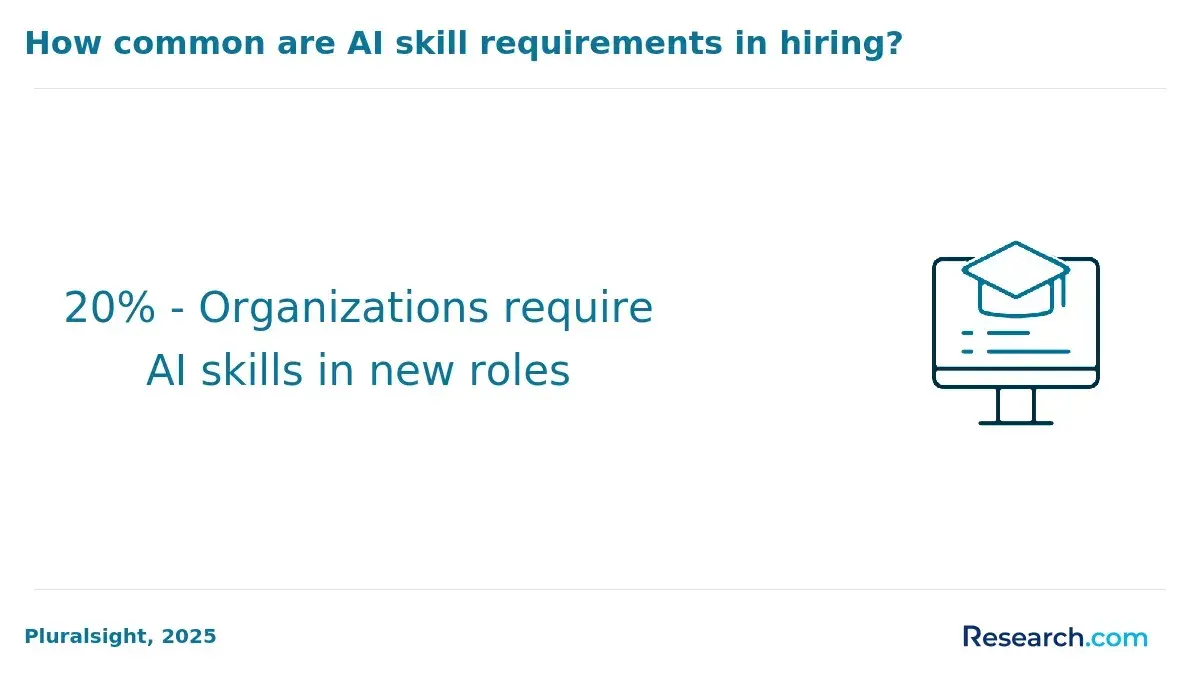
What are the job titles, salary ranges, and employment outlook for machine learning graduates?
Graduates holding a bachelor's degree in artificial intelligence and machine learning often pursue roles such as machine learning engineer, data scientist, AI research analyst, and AI software developer.
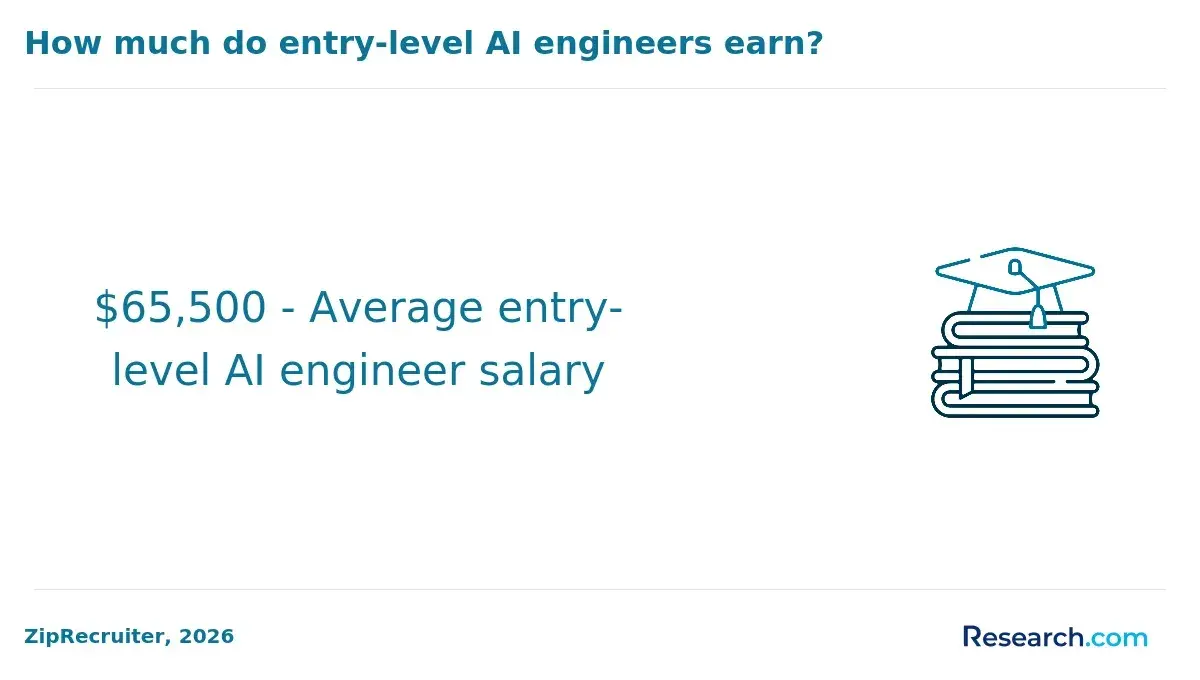
Among these, machine learning engineers earn some of the highest salaries, averaging $165,000 annually according to the U.S. Bureau of Labor Statistics (BLS). Entry-level positions in data analysis or junior AI engineering usually start between $75,000 and $100,000, with compensation rising quickly as experience and specialized skills develop.
This range of machine learning career job titles and salary ranges reflects diverse opportunities across the field.
The employment outlook for machine learning graduates in the United States is exceptionally strong. The BLS anticipates a 36% growth rate for machine learning engineers through 2032, far surpassing the 3.5% average growth for all occupations. This robust demand is fueled by the adoption of AI in industries such as healthcare, finance, automotive, and technology services.
Other roles include computer vision engineer, natural language processing (NLP) specialist, and AI product manager, typically offering salaries from $120,000 to $160,000. Compensation also varies by location, with tech hubs like San Francisco, Seattle, and New York offering higher pay. Professionals blending AI expertise with software engineering or cloud computing skills can expect premium salaries.
Graduates should focus on positions that match their skills and interests, building portfolios with machine learning projects and internships to improve employability. Staying updated with evolving algorithms and frameworks is vital for career growth.
For those seeking affordable educational options, exploring the cheapest engineering degree programs may be beneficial.
What are the admission requirements and prerequisites for accredited AI bachelor's programs?
Admission requirements for accredited AI bachelor's programs in the United States heavily emphasize a strong foundation in mathematics and programming. About 73% of programs require completion of calculus and linear algebra, highlighting their importance for complex AI coursework.
Additionally, 82% mandate prior programming experience, often in languages like Python, Java, or C++, reflecting the need for proficiency in software development environments common in AI applications. These prerequisites prepare students for algorithm design, data structures, and machine learning frameworks.
Other prerequisites may include discrete mathematics, statistics, or introductory computer science courses to build theoretical and applied AI knowledge. Some universities require an introductory programming course along with probability theory to understand stochastic models, essential for completing a machine learning bachelor's degree program effectively.
Applicants usually submit academic transcripts, standardized test scores, and sometimes letters of recommendation or personal statements highlighting their dedication to AI studies. Transfer students should confirm how previously earned credits align with core requirements, as some schools allow substitutions when course content matches.
Many prospective students face challenges meeting both math and programming criteria simultaneously. To ease this, institutions often offer bridge courses or summer boot camps to strengthen these skills before enrollment, helping to prevent delays in degree progress and improve learning outcomes.
Data from ABET-accredited programs reinforce these standards, which remain central to preparing candidates for AI bachelor's degree success and subsequent careers.
For those considering further education, exploring online data science programs can be a valuable next step.
How do online AI bachelor's degrees compare to campus-based programs for machine learning careers?
Online AI bachelor's degrees and on-campus programs deliver similar outcomes for careers in machine learning, with no notable differences in hiring trends. Research states that 64% of hiring managers view online computer science and AI degrees from accredited institutions as equally credible compared to traditional campus degrees.
Employers prioritize skills, practical experience, and project portfolios over the mode of education delivery. Online programs offer flexible schedules suited for working professionals and non-traditional students, enabling them to gain concurrent work experience—a competitive advantage in the machine learning job market.
Campus programs, by contrast, provide richer networking opportunities, access to laboratories, and face-to-face mentorship, which can enhance collaboration and deeper learning experiences.
Prospective students should choose accredited online AI degrees that emphasize hands-on projects involving tools like Python, TensorFlow, or PyTorch. Virtual internships, hackathons, and team projects offered by many programs help bridge theory with real-world application.
While campuses typically host strong career fairs and direct recruiter interactions, online students can also utilize digital networking platforms.
Showcasing skills through platforms like GitHub and Kaggle significantly impacts hiring decisions regardless of educational format. Evaluating personal learning preferences, time availability, and career goals is essential for selecting the AI education path that aligns best with one's professional ambitions.
Which accreditation bodies and quality standards should you verify when choosing an AI program?
Verifying accreditation is crucial when selecting an AI bachelor's program to ensure it meets rigorous quality standards. The Accreditation Board for Engineering and Technology (ABET) is the primary body accrediting computing, engineering, and technology programs.
ABET accreditation confirms that a program covers vital topics like algorithms, data structures, ethics, and practical skills essential for machine learning careers.
Notably, only 39% of U.S. computer science bachelor's programs have ABET accreditation, emphasizing the need to check your chosen program's credentials.
Regional accreditation recognized by the U.S. Department of Education signifies institutional quality but does not guarantee specialized focus in AI. Prospective students should also seek program-specific accreditation or certifications, particularly those highlighting machine learning and artificial intelligence specialties.
Evaluating curriculum relevance is important. Look for courses in neural networks, natural language processing, computer vision, and opportunities for hands-on projects or internships. Programs aligned with professional organizations like IEEE often maintain standards up to date with technology trends.
Inquire about skill development in AI tools, programming languages such as Python, and frameworks like TensorFlow or PyTorch. Transparency regarding faculty expertise, research opportunities, and industry partnerships reflects program quality. These factors help ensure alignment with evolving AI career demands.
What core coursework and specializations are included in machine learning-focused AI degrees?
Machine learning-focused AI bachelor's degrees cover essential topics such as algorithms, data structures, probability, statistics, linear algebra, and programming languages like Python or Java. These courses establish a solid foundation in the mathematical and computational principles critical to building AI models.
Beyond the basics, students study supervised and unsupervised learning, reinforcement learning, and natural language processing, gaining hands-on skills to develop functional AI systems.
Deep learning and neural networks have become pivotal, with about 78% of leading programs offering these courses compared to less than half a few years ago. This shift reflects growing industry demand for expertise in advanced AI technologies.
Additional specialization areas often include computer vision, robotics, and AI ethics, allowing students to focus on particular applications or the societal implications of AI.
Programs frequently integrate capstone projects or practical assignments where students apply algorithms to real-world data, blending theory with experience.
Electives may cover cloud computing, big data analytics, or human-computer interaction, expanding career pathways. Access to modern tools like TensorFlow, PyTorch, and GPU programming environments is important for market-ready skills.
Internships and research opportunities with industry partners enhance employability by providing valuable real-world exposure. Students choosing AI programs should prioritize these features to prepare effectively for the evolving technology landscape.
What professional certifications or credentials complement an AI bachelor's degree in machine learning?
Professional certifications greatly enhance the value of an AI bachelor's degree focused on machine learning by validating hands-on skills that employers demand. Well-known credentials like AWS Certified Machine Learning - Specialty and Google Cloud Professional Machine Learning Engineer certify expertise in deploying machine learning models on cloud platforms.
Additionally, the Microsoft Certified: Azure AI Engineer Associate and TensorFlow Developer Certificate demonstrate proficiency with specific tools and frameworks, bridging the gap between theory and practice.
According to Coursera's 2024 Skills Gap Report, professionals with both a bachelor's degree and relevant certifications earn 18-22% more than those with degrees alone. This shows a strong market preference for candidates who combine academic knowledge with applied experience.
Choosing certifications aligned with target industries matters; cloud-focused roles favor cloud provider certificates, while research or development careers benefit from deep learning and data science credentials.
Other important certifications include Certified Data Scientist (CDS) from the Data Science Council of America and Certified Analytics Professional (CAP), which showcase analytical expertise across machine learning projects. These certifications often require passing exams and documenting project experience, signaling commitment and updated skills to employers.
Integrating an AI bachelor's degree with recognized certifications helps candidates meet industry expectations, secure higher-paying roles, and advance in a competitive job market.
How do you evaluate and compare different universities offering AI bachelor's degrees?
When choosing universities offering AI bachelor's degrees, analyze the program curriculum for depth in machine learning, neural networks, data science, and ethical AI. Prioritize programs that include hands-on projects, internships, or industry collaborations, as these provide vital practical experience for future careers.
Faculty expertise is crucial. Look for professors actively publishing or contributing to AI research, especially those involved in leading machine learning conferences. Such faculty enhance academic mentorship and ensure access to cutting-edge knowledge.
University reputation matters. Data from the National Association of Colleges and Employers shows graduates from top-ranked AI and computer science programs secure machine learning roles 31% faster than peers at lower-ranked schools, highlighting the value of prestige for employability.
Graduate outcomes and career support services like detailed placement reports, career fairs, and networking events further improve job prospects in highly competitive markets.
Evaluate resources such as AI labs, GPU clusters, and software tools, which are essential for developing skills and conducting research. Also consider costs and financial aid to balance budget with educational quality, along with program flexibility including online or dual degree options.
Finally, connecting with alumni and mentorship programs offers valuable insights into career pathways and program strengths.
What entry-level machine learning positions can you pursue immediately after graduating with an AI bachelor's degree?
Graduating with an artificial intelligence bachelor's degree in 2026 opens immediate opportunities in entry-level machine learning roles. Key positions include junior machine learning engineer, data scientist I, and machine learning operations (MLOps) engineer. These roles represent 28% of all machine learning job openings, with median starting salaries ranging from $95,000 to $120,000.
Junior machine learning engineers focus on building, testing, and deploying models under senior guidance. They use programming skills in Python, TensorFlow, or PyTorch to develop algorithms and check outcomes. This position fits graduates with strong coding abilities and foundational data knowledge.
Data scientist I roles center on analyzing datasets to produce actionable insights. Responsibilities include data cleaning, exploratory analysis, and predictive modeling. Candidates need proficiency in statistics, SQL, and visualization tools to succeed.
The MLOps engineer role connects development and production, requiring expertise in deployment, monitoring, and automation using cloud platforms like AWS or Azure, alongside Docker and Kubernetes for containerization. This path suits those interested in infrastructure and continuous integration.
Additional job titles include AI model trainer, machine learning analyst, or data engineer assistant, depending on employer needs. Highlighting project experience, internships, or certifications in machine learning frameworks and cloud computing is vital to enhance employability.
Other Things You Should Know About Artificial Intelligence
A 2027 AI bachelor's degree typically covers core subjects such as linear algebra, probability and statistics, algorithms, data structures, and machine learning principles. Additionally, courses in neural networks, data mining, and ethical AI practices provide a comprehensive foundation for aspiring machine learning professionals.
Admissions requirements for 2027 AI bachelor's degrees in machine learning usually include a high school diploma with strong grades in mathematics and science, submission of standardized test scores like the SAT or ACT, and a personal statement. Some programs may also require letters of recommendation.
In 2027, AI bachelor's degrees emphasize practical experience through internships, lab work, and collaborations with industry partners. Students often engage in projects that involve actual AI applications, giving them a hands-on approach to machine learning and exposure to real-world challenges and technologies.
Look for regional accreditation from a recognized agency, plus programmatic accreditation when available, such as ABET for computing programs. Employers and graduate schools usually accept accredited degrees more readily, and many federal aid programs require enrollment at an accredited institution.
References
- Artificial Intelligence admission requirements in detail https://www.srh-university.de/en/master/bls/information-technology-artificial-intelligence/artificial-intelligence-admission-requirements-in-detail/
- Machine Learning Salaries and Job Market Analysis for 2024 and Beyond - MachineLearningMastery.com https://machinelearningmastery.com/machine-learning-salaries-job-market-analysis-2024-beyond/
- What Are the Career Paths After a Bachelor of Science in AI https://tetr.com/blog/what-are-the-career-paths-after-a-bachelor-of-science-in-ai
- Machine Learning Engineer Job Outlook 2025: Top Skills & Trends – 365 Data Science https://365datascience.com/career-advice/career-guides/machine-learning-engineer-job-outlook-2025/
- Artificial Intelligence Management Systems | ISO/IEC 42001 CBs | ANAB https://anab.ansi.org/accreditation/iso-iec-42001-artificial-intelligence-management-systems/
- ABET Accreditation and Artificial Intelligence - ABET https://www.abet.org/accreditation/ai-policy/
- International Board for AI Accreditation | Professional Accreditation Body https://www.aiaccreditationboard.org/
- Top College Degrees That Will Land You the Highest-Paying AI Jobs in 2026 https://www.investopedia.com/top-college-degrees-that-will-land-you-the-highest-paying-ai-careers-in-2026-11923863
- International Bachelor of Science in AI https://psl.eu/en/education/international-bachelor-science-ai
- 11 Best AI Certifications in 2025 to Deepen Your Technical Knowledge | DigitalOcean https://www.digitalocean.com/resources/articles/ai-certifications