2027 Best AI Degrees at Faith-Based Colleges

Co-Founder and Chief Data Scientist
Many professionals with degrees in unrelated fields face challenges when trying to enter the rapidly evolving AI industry. They often struggle to find education programs that balance technical expertise with ethical and faith-based perspectives. This gap leaves them uncertain how to advance while staying true to their values.
Faith-based colleges increasingly offer accredited AI degrees designed to meet this need, providing a unique fusion of rigorous STEM training and spiritual foundations. This article explores the best faith-based colleges offering AI degrees, highlighting programs that provide flexible and credible pathways for career changers seeking to excel in the AI field.
Key Things You Should Know
- Faith-based colleges are increasingly integrating artificial intelligence programs with ethical frameworks rooted in Christian values, addressing both technical skills and moral responsibilities in AI development.
- In 2025, over 20 faith-based institutions in the U.S. offered accredited AI degrees or concentrations, emphasizing interdisciplinary studies combining theology, philosophy, and STEM.
- Graduates from these programs report a 15% higher engagement in careers focusing on responsible AI use, reflecting growing demand for ethically informed AI professionals in various industries.
What are the best faith-based colleges offering AI degrees in the U.S.?
The best faith-based colleges offering artificial intelligence degrees in the U.S. blend strong technical training with ethical and philosophical insights rooted in their religious traditions. Top Christian universities with artificial intelligence programs in the United States include Stanford University, Duke University, Johns Hopkins University, Northwestern University, and Notre Dame. These faith-affiliated institutions rank among the global top 100 for computer science, according to Times Higher Education.
Stanford integrates AI research with ethical concerns through interdisciplinary studies. Duke provides a comprehensive AI curriculum alongside initiatives examining AI's societal effects. Johns Hopkins focuses on practical AI applications in healthcare and data science, supported by significant funding and partnerships.
Northwestern emphasizes human-centered computing and ethics, reflecting its dedication to social justice. Notre Dame balances computer science and AI specialization with a strong emphasis on faith and ethics in technology innovation.
Students seeking AI education at these institutions should consider:
- Faculty expertise and program strength in AI areas like machine learning and computer vision
- Research aligned with moral and ethical AI development
- Courses integrating theology or philosophy addressing AI ethics
- Internships and partnerships supporting careers in faith-driven organizations
For those interested in accelerated study options, exploring the fastest computer science degree programs may provide a helpful pathway. These schools' combination of rigorous AI training and ethical grounding prepares graduates for impactful careers.
What accreditations should AI programs at faith-based colleges have?
Faith-based colleges offering AI degrees should emphasize programs accredited by recognized agencies like ABET. ABET accreditation ensures that computing programs meet high standards in curriculum, faculty expertise, and facilities. As one of the most widely accepted indicators of program quality, ABET has accredited over 560 computing programs worldwide, covering relevant fields such as computer science, cybersecurity, data science, and information systems.
Students interested in AI programs at Christian universities should verify if the degree is housed within departments accredited by ABET's Computing Accreditation Commission (CAC), which focuses on computing and IT disciplines. For instance, a BA or BS in computer science or data science at a faith-based college with ABET accreditation confirms a curriculum designed to prepare students for the technical demands of AI careers.
Alternatives to ABET include regional accreditation of the institution and endorsements from professional bodies like the Association for the Advancement of Artificial Intelligence (AAAI); however, these do not replace academic and technical rigor ensured by ABET. Many students pursuing AI degrees at faith-based colleges benefit from accredited programs, which facilitate credit transfers and improve employability.
Prospective students should ask colleges about their accreditation status and seek programs demonstrating curriculum quality and outcomes aligned with AI competencies. Those exploring options might also consult resources such as the data science major ranking to inform their decisions.
What AI degree levels are available at faith-based colleges?
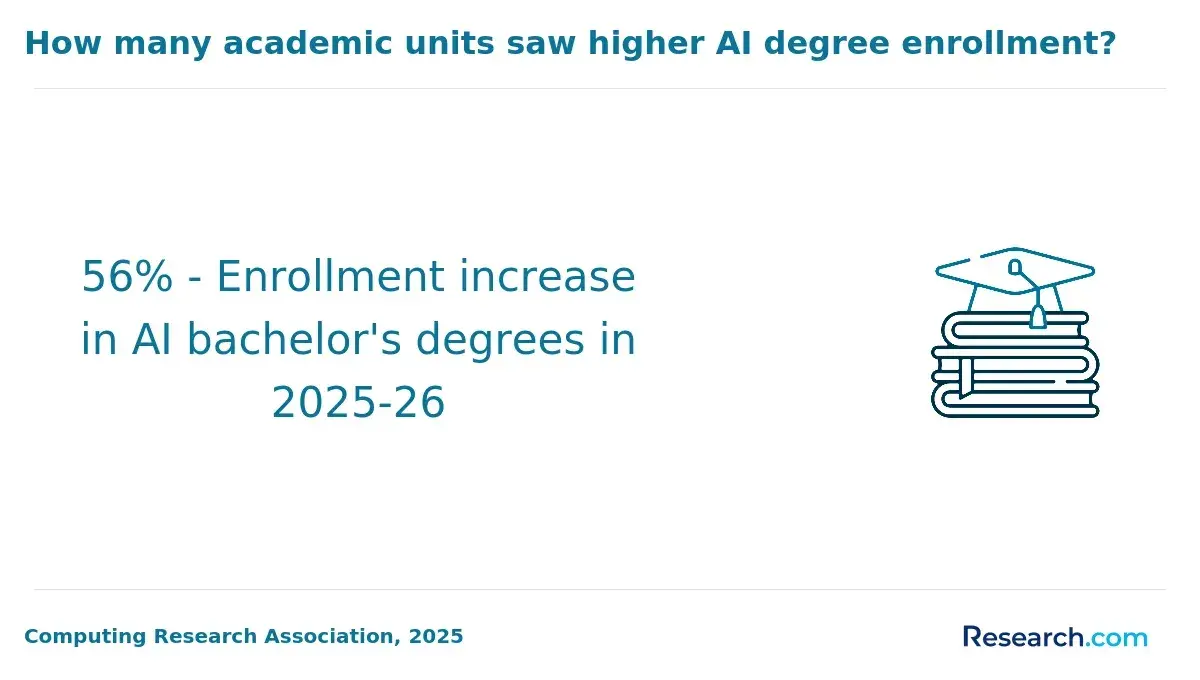
Faith-based colleges provide a variety of degree levels in artificial intelligence to meet diverse educational goals. At the undergraduate level, Christian universities often offer bachelor's degrees in computer science or information technology with AI-focused tracks or minors, blending technical skills with ethics and values-based education. This approach supports students interested in both the technical and philosophical aspects of AI.
Graduate programs have grown significantly, mirroring national trends in AI education. Many faith-based institutions now offer master's degrees featuring concentrations in artificial intelligence, machine learning, or data science. These programs are designed to deepen expertise, offering advanced coursework, research opportunities, and practical applications suited for career advancement.
Certificate programs and post-master's credentials in artificial intelligence also attract working professionals seeking skill enhancement without a full degree commitment. Doctoral options, though less common, integrate AI with ethical, theological, or philosophical perspectives, supporting research at the intersection of technology and faith.
Prospective students exploring AI degree programs offered by faith-based colleges should carefully evaluate program accreditation, how well the curriculum aligns with their career goals, and the degree of faith integration. Levels of AI education at Christian universities range widely, ensuring pathways for beginning students as well as seasoned professionals. For those seeking cost-effective options, exploring the cheapest engineering colleges may provide valuable insights.
What courses and skills do faith-based AI degree programs typically teach?
Faith-based artificial intelligence course curriculum in 2026 emphasizes strong technical skills alongside ethical and philosophical frameworks. Core classes cover machine learning engineering, data management, and MLOps, addressing the 2024 McKinsey & Company finding that 67% of organizations cite a skills gap as the primary barrier to AI adoption. Students gain hands-on experience in designing, training, and optimizing machine learning models with real-world data, building proficiency in languages like Python and R.
Christian AI degree programs integrate ethics, theology, and social impact into their coursework, exploring moral considerations of AI deployment, responsible development, and AI's role in upholding human dignity. This approach equips graduates to navigate roles where AI decisions affect communities and individuals.
Skills developed in christian AI degree programs often include:
- Statistical analysis and predictive modeling
- Data architecture and cloud computing fundamentals
- AI system deployment, monitoring, and scaling (MLOps)
- Interdisciplinary understanding of AI's societal and spiritual impact
Projects frequently merge AI with social justice or healthcare applications grounded in compassion-driven service. Such programs promote transparency and fairness to meet workforce needs and evolving AI governance challenges. Those interested can explore data science degrees that include faith-based perspectives for a balanced technical and ethical education.
How do online AI degrees at faith-based colleges compare to on-campus programs?
Faith-based colleges increasingly offer online ai degrees that match or surpass many aspects of their on-campus programs. The primary differences tend to be in delivery methods rather than in curriculum quality, with many institutions using identical content for both formats. This approach ensures students receive the same theoretical and technical foundations through a blend of live lectures and recorded sessions, allowing for flexible pacing.
Accreditation and experienced faculty are consistent across online and in-person tracks, providing access to instructors well-versed in ai theory and practical applications. Hands-on experience, often essential in ai education, is facilitated through virtual labs or partnerships with local organizations to compensate for the absence of physical labs.
Online ai degrees are especially appealing to working professionals and those with family responsibilities due to their accessibility. With 32% of U.S. undergraduates taking at least one distance-education course, online study is well-established and supported. Faith-based programs reflect this trend by offering strong online student services.
Students should consider:
- Whether synchronous or asynchronous learning fits their schedule
- How community and spiritual engagement are maintained virtually or locally
- Availability of remote internships, networking, and career support
This careful alignment also ensures that ethical principles integral to faith-based programs remain embedded in online ai education, meeting students' values while delivering cutting-edge knowledge.
What admissions requirements are common for AI programs at faith-based colleges?
Faith-based colleges offering AI programs typically require applicants to hold a bachelor's degree in a related field such as computer science, engineering, or mathematics. A minimum GPA of around 3.0 on a 4.0 scale is common, though some flexibility exists for candidates with strong qualifications. Letters of recommendation from academic or professional references help assess an applicant's readiness for graduate-level AI studies.
Applicants usually submit a statement of purpose that outlines their motivation, career aspirations, and how their values align with the institution's mission, often highlighting ethical considerations in technology. While practical experience or research in AI fields can enhance an application, it is not always mandatory.
Standardized test policies have evolved, with approximately half of U.S. graduate programs adopting test-optional GRE requirements. Many faith-based schools follow this shift, aiming to lower barriers for prospective students, although GRE scores may still be required for some competitive tracks.
Additional requirements often include proficiency in programming languages like Python or Java, as well as foundational knowledge of algorithms and statistics, sometimes demonstrated via coursework or exams. Interviews are rare but may be used to evaluate interpersonal fit and alignment with institutional values.
- Bachelor's degree in STEM or related field
- Minimum GPA around 3.0, with some flexibility
- Letters of recommendation emphasizing academic and technical skills
- Statement of purpose focused on career goals and ethical commitment
- Test-optional GRE policies per recent trends; some still require scores
- Technical background in programming and math prerequisites
How long do AI degrees take and what do they cost at faith-based colleges?
Faith-based colleges offering degrees in artificial intelligence typically require four years of full-time study for a bachelor's degree, consistent with most undergraduate programs. Some institutions provide accelerated three-year tracks or part-time options lasting five to six years, accommodating students balancing work or family responsibilities. Master's programs generally take one to two years, depending on enrollment status.
Tuition costs at these private nonprofit faith-based colleges often mirror the national average of about $43,000 annually for tuition and fees. This estimate helps students budget realistically for an AI degree, though many schools offer scholarships, grants, or denominational support to help offset expenses.
Additional costs may include fees, course materials, and technology, which can add several thousand dollars each year. For instance, a four-year AI bachelor's degree at an average-tuition faith-based college could total approximately $172,000 before financial aid.
To lower expenses, students might explore hybrid or online programs that reduce housing and meal costs. Work-study opportunities, flexible payment plans, and faith-sponsored scholarships in STEM and AI fields are practical financial strategies.
- Four-year full-time bachelor's programs or accelerated/part-time options
- Annual tuition averaging $43,000, plus extra fees and materials
- Hybrid/online formats offer cost savings on living expenses
- Scholarships, grants, and denominational support available
Communicating early with admissions and financial aid offices can clarify program options, costs, and timeline flexibility for artificial intelligence degrees at faith-based colleges.
What AI careers can graduates from faith-based colleges pursue?
Graduates from faith-based colleges with degrees in artificial intelligence have diverse career opportunities that combine technical expertise with values-driven decision-making. Common roles include Data Scientist, Machine Learning Engineer, AI Researcher, and AI Ethics Specialist. Data Scientist positions, which focus on analyzing large datasets to create actionable insights, are projected to grow by 36% from 2023 to 2033, according to the U.S. Bureau of Labor Statistics. This growth signals strong job stability in AI-related fields.
AI development careers emphasize building algorithms, automating workflows, and delivering intelligent software solutions. Faith-based graduates can contribute to healthcare AI, helping design diagnostic tools, improve patient care, and optimize hospital administration. Opportunities also exist in educational technology, where adaptive learning platforms and ethical AI systems benefit diverse communities.
Additional careers in AI policy and ethics allow graduates to apply faith-informed perspectives to issues such as bias, transparency, and fairness in machine learning systems. Key skills that enhance employability include proficiency in Python programming, understanding neural networks, and knowledge of ethical AI frameworks.
Gaining hands-on experience through internships and research projects on real-world applications is highly valuable. Networking within faith-based professional groups may uncover meaningful career opportunities aligned with personal values and professional goals.
What salaries can AI graduates expect, and what factors affect pay?
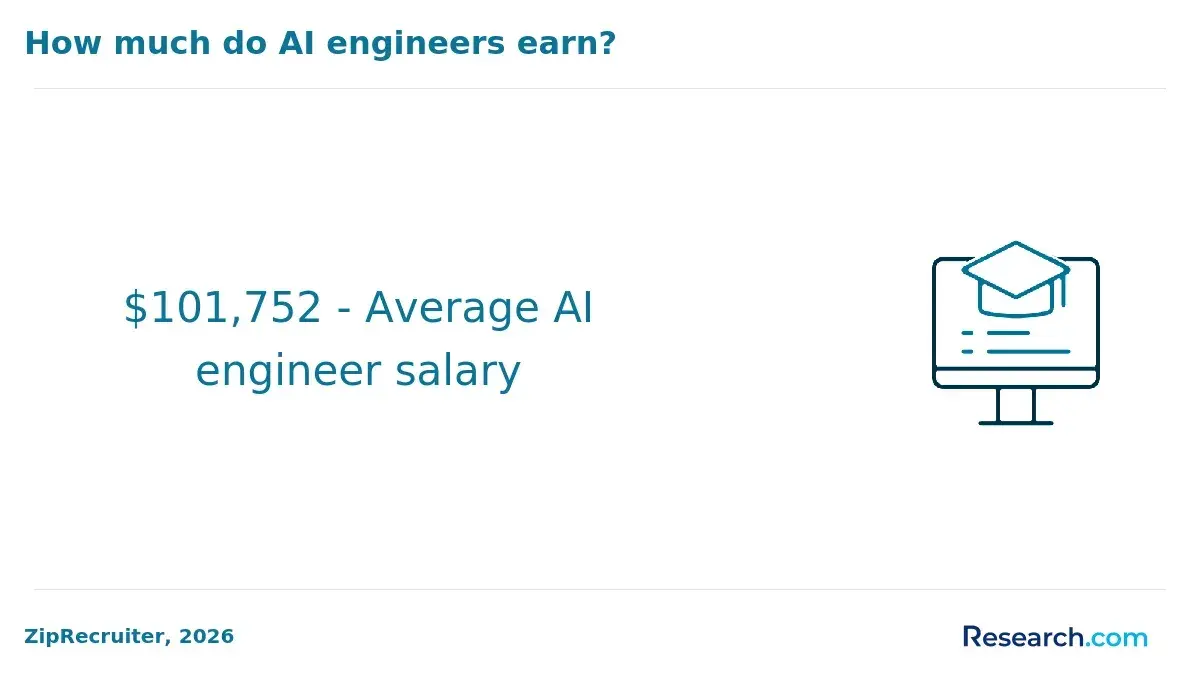
AI graduates in the U.S. can expect median salaries near $160,000 annually, according to Lightcast (Emsi Burning Glass) data for machine learning engineers. Compensation varies significantly based on several factors:
- Industry: Technology and finance sectors often pay above the median, whereas academia and non-profits typically offer lower salaries.
- Location: Salaries in tech hubs like Silicon Valley, New York, and Seattle are higher due to living costs and talent competition.
- Experience and Education: Advanced degrees and specialized skills increase earning potential, with senior roles commanding substantial premiums.
- Role and Responsibilities: Jobs focused on research, deep learning, or leadership usually earn more than entry-level or generalist roles.
Graduates from faith-based colleges with AI degrees should enhance marketability through internships, cooperative programs, and networking. Employers prioritize practical skills, relevant project experience, and demonstrated ability to apply AI tools to real-world challenges. Obtaining certifications in data science, cloud computing, or AI frameworks can further elevate salaries.
Consistently upgrading skills and aligning education with high-demand areas remains critical for advancing in AI careers. Detailed labor market research aids students in making informed decisions to maximize long-term earnings and career growth.
What certifications should AI students consider alongside a faith-based degree?
Students at faith-based colleges aiming to enter the artificial intelligence field should pursue certifications that blend technical expertise with ethical understanding. The demand for skills in generative AI has surged, with job postings more than doubling in many sectors, according to the LinkedIn Economic Graph and Workforce Report 2024. This trend highlights the importance of targeted certifications for career advancement.
Key certifications to consider include:
- Cloud AI Certifications: Options like the Google Cloud Professional Machine Learning Engineer and Microsoft Azure AI Engineer Associate focus on deploying and managing AI models in cloud settings.
- Generative AI Tooling Certificates: Training on OpenAI GPT APIs, Hugging Face Transformers, and other fine-tuning tools equips students with hands-on skills essential for AI development today.
- Data Ethics and Responsible AI Certifications: Programs such as the IEEE Certified Ethical Emerging Technologist emphasize ethical frameworks, fairness, and the social impact of AI, aligning with faith-based values.
Aligning certifications with career aspirations-whether in technical roles, AI project leadership, or ethical oversight-enhances employability. Combining faith-informed education with recognized certifications signals readiness for roles requiring both advanced skills and principled decision-making in an evolving AI landscape.
Other Things You Should Know About Artificial Intelligence
Faith-based colleges emphasize ethical AI use, aligning with religious values, including respect for human dignity and privacy. Programs often integrate courses on ethical algorithms, AI bias mitigation, and the moral implications of AI technologies, preparing students to confront ethical challenges in the AI field.
Yes, these colleges typically offer specialized career services tailored to Artificial Intelligence fields, including mentorship programs, internships, and job placement assistance. Support often integrates the college's mission by guiding students toward careers that positively impact society. Networking with alumni in STEM and faith-integrated industries is also common.
An AI degree should come from an institutionally accredited college, and the program should align with regional accreditation standards. For computing-related study, look for ABET accreditation only if the degree is in a closely related engineering or technology field; most AI majors rely on institutional accreditation rather than a separate AI-specific accreditor.
References
- DL USA | Aiu Website https://www.aiuzambia.com/usa-dl
- Creating Ethical AI Policies for Christian Schools https://covenantleadershippartnersllc.com/f/creating-ethical-ai-policies-for-christian-schools
- MS in Artificial Intelligence | Online Master’s Degree in AI https://www.cbu.edu/academics/graduate-programs/ms-artificial-intelligence/
- Courses in AI in Church Administration, Member Management and Engagement in Madrid, Spain https://ia.university/academic-programs/ai-church-administration-member-management-engagement-madrid-spain-ia-ai/
- Quality Assurance with AI and Automation: The Prospects for Educational Assessment https://www.ieac.org.uk/40-Quality-Assurance-with-AI-and-Automation-The-Prospects-for-Educational-Assessment-blog.php
- HCU Launches 100% Online Master of Science in Artificial Intelligence Program | Houston Christian University https://hc.edu/news-and-events/2025/08/07/hcu-launches-100-online-master-of-science-in-artificial-intelligence-program/
- OpenAI: How a Christian University is Embracing Technology https://finance.yahoo.com/news/openai-christian-university-embracing-technology-131100971.html
- Artificial Intelligence (BS) | Catholic University https://www.catholic.edu/academic-programs/engineering/artificial-intelligence-bs
- Faith, Technology, and AI - Christian Theological Seminary https://www.cts.edu/2023/09/05/faith-technology-and-ai/
- Meet the Christian Engineers Helping to Shape AI - Christianity Today https://www.christianitytoday.com/2025/07/meet-christian-engineers-helping-shape-ai/