2027 AI Careers Most Likely to Require a Degree

Co-Founder and Chief Data Scientist
Many professionals with unrelated undergraduate degrees hope to enter the field of artificial intelligence but face uncertainty about educational requirements. Employers often prioritize candidates with advanced degrees, especially for roles involving complex algorithms, research, or systems development. Without clear guidance, individuals risk investing in unsuitable programs or credentials.
This article outlines the AI careers most likely to require a degree, helping prospective students and career changers identify which paths necessitate further academic qualifications and how to navigate these demands effectively.
Key Things You Should Know
- Over 75% of AI-related roles in 2026, including machine learning engineering and data science, require at least a bachelor's degree, emphasizing the importance of formal education in foundational skills.
- Advanced degrees, such as a master's or PhD, increasingly differentiate candidates for research scientist and AI ethics specialist roles, reflecting demand for specialized knowledge and innovation.
- Practical experience combined with formal degrees enhances employability; employers prioritize candidates with multidisciplinary coursework and internships, according to 2025 industry workforce reports.
What AI careers most often require a degree?
AI careers requiring formal education often include roles such as AI engineer, machine learning researcher, data scientist, and computer and information research scientist. Employers typically seek candidates with at least a bachelor's degree in computer science, engineering, mathematics, or related fields for these positions. More advanced roles, like senior AI engineers and research scientists, usually expect a master's or doctoral degree due to the complexity involved in designing algorithms and conducting original research.
Salaries for AI engineers highlight the strong demand, with average pay reaching $206,000 in 2026, marking a $50,000 increase in just one year. Related fields, including computer and information research scientists, are projected to grow 23% between 2023 and 2033, outpacing average occupational growth, according to 365 Data Science using U.S. Bureau of Labor Statistics data.
Most common degree requirements in AI jobs reflect the need for foundational knowledge in linear algebra, statistics, programming languages, and AI frameworks. Experience with Python, TensorFlow, and deep learning models is emphasized, usually gained through formal education. While certifications and bootcamps can supplement skills, they rarely replace a degree in these competitive roles.
Prospective students should consider programs offering comprehensive AI curricula with hands-on projects. Specializations in areas like natural language processing or computer vision often require graduate-level credentials. Reviewing a data science master degree ranking can help identify affordable and reputable paths to advance in AI careers.
Which AI jobs need a degree versus certification alone?
Most artificial intelligence careers in the US require formal education, particularly roles centered on machine learning engineering, data science, and AI research. These jobs demand a strong foundation in mathematics, computer science, and programming typically acquired through bachelor's or master's degrees.
For example, machine learning engineers, with job postings increasing to 628,000, generally require degrees in computer science, engineering, or related fields. The Federal Reserve Bank of Atlanta reports the share of U.S. job postings requiring at least one AI skill grew from 0.5% in 2010 to 1.7%, predominantly in occupations mandating formal education, reflecting the degree requirements for artificial intelligence careers in the US.
Conversely, certification alone often suffices for roles such as AI support specialists, AI product managers, or AI technicians, especially when combined with relevant work experience. These positions emphasize applied skills and domain knowledge over deep theoretical expertise. Certifications in machine learning frameworks, cloud AI tools, or data analytics can accelerate entry into these jobs without traditional degrees, illustrating the certification versus degree for artificial intelligence job eligibility dynamic.
Job seekers should critically assess requirements:
- Technical design and development roles usually require a bachelor's or higher in STEM disciplines.
- Implementation-focused or entry-level jobs may accept professional certification plus demonstrable skills.
- Advanced research roles demand at least a master's or PhD due to complex algorithmic knowledge.
Students and professionals eager for career growth should prioritize earning degrees in math and computer sciences. Certifications serve as valuable supplements but rarely replace degrees in highly technical AI paths. For insights into educational investment, consider the mechanical engineering degree online cost as a related reference point for affordable STEM education options.
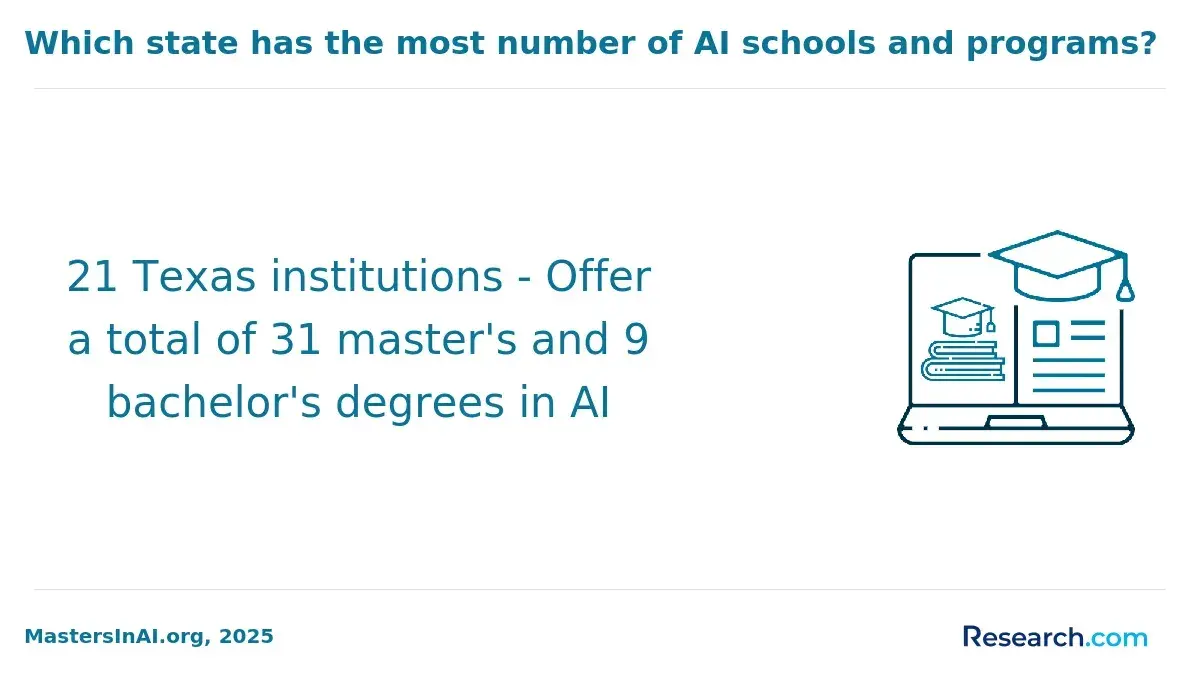
What degree paths lead to AI careers?
Degree programs for artificial intelligence careers typically include computer science, data science, statistics, and mathematics, which lay the groundwork for programming, algorithms, data analysis, and machine learning methods. Engineering disciplines like electrical engineering and robotics also contribute valuable technical expertise for AI development. Specialized roles in natural language processing may benefit from degrees in cognitive science or computational linguistics.
Practical training with machine learning frameworks and coding languages such as Python, R, and Java is often integrated into these programs, preparing graduates for AI roles. Additionally, business analytics and information technology degrees provide alternative pathways into AI-related fields, especially where AI powers enterprise data and decision-making. Prospective students seeking the best educational paths for AI professionals should consider a broad range of technical and quantitative coursework.
Data from the UK Department for Science, Innovation and Technology shows that 99% of AI expert roles-including Data Scientist and Machine Learning Engineer-require at least a bachelor's degree, while 37% request a PhD and 29% a master's or higher. This confirms the advantage of advanced degrees for career advancement in AI. Certifications and bootcamps can enhance skills but seldom replace formal degrees for expert roles.
Bachelor's degrees typically open entry-level opportunities, while master's and doctoral degrees improve specialization and research potential. Students may also explore fields related to AI, like becoming a video game designer, expanding their career possibilities in technology and innovation.
Do online AI degrees carry the same value as campus programs?
Online AI degree credibility compared to campus programs varies significantly, especially for research-focused careers. Many employers in advanced AI roles, such as AI Research Scientists and Computer Vision Engineers, prioritize candidates with strong academic credentials. According to the UK government's AI Skills for Life and Work vacancy analysis, 37% of these positions require a PhD-level education and 29% require at least a master's degree. This indicates that over two-thirds of research-intensive AI roles demand rigorous, advanced degrees typically obtained through traditional campus programs.
While some online programs offer master's and doctoral degrees, skepticism persists due to limited hands-on lab experience, fewer opportunities for collaborative research, and weaker alumni networks. Campus programs at leading universities often provide access to advanced labs, faculty mentorship, and industry partnerships crucial for competitive AI research careers.
For many professional artificial intelligence careers, such as AI engineering or data science, online degrees may hold value, particularly when supplemented by portfolio projects and internships. Yet, aspiring AI researchers should carefully assess whether online programs offer the research components and career support necessary to meet employer expectations.
Students considering online AI degrees should verify if their programs emphasize:
- Research components and thesis work
- Collaboration with faculty on current AI projects
- Strong career support and industry connections
Without these features, online degrees risk being viewed as less competitive for PhD-level AI research roles, where campus-based education credentials remain dominant. For those interested in roles like what does an AI trainer do, balancing education with practical experience is key.
What should an AI degree curriculum include?
An AI degree program should build a strong foundation in technical skills and interdisciplinary knowledge to prepare students for diverse career paths. Core topics typically include machine learning algorithms, neural networks, data structures, and programming languages like Python and R. A solid grasp of mathematics-especially linear algebra, calculus, probability, and statistics-is crucial for model development and analysis.
The curriculum also needs to address AI ethics, policy, and governance. By 2022, 10.4% of the U.S. workforce held AI-related positions, many in non-technical roles such as ethics and public policy, highlighting the importance of social sciences and law expertise.
Key coursework involves:
- Exploring algorithmic bias, privacy, and regulatory frameworks
- Understanding data rights, accountability, and societal impacts of AI
- Engaging with social science perspectives on AI's interaction with society
Practical experience through hands-on projects, teamwork, and internships with industry or government agencies enhances technical skills and communication abilities. Specialized tracks in natural language processing, computer vision, or robotics expand career opportunities.
Students interested in AI ethics or policy should complement their technical training with studies in philosophy, political science, or law to meet the multidisciplinary demands of emerging AI roles.
What admissions requirements do AI degree programs usually ask for?
Applicants to AI degree programs typically need a strong foundation in mathematics and computer science, including courses in calculus, linear algebra, probability, and programming languages like Python or Java. Most programs require a relevant undergraduate degree in computer science, engineering, mathematics, or a related STEM field. Graduate applications often call for GRE scores, recommendation letters, and a statement of purpose explaining the candidate's passion and experience in AI.
Hands-on experience in machine learning, data analysis, or software development is highly valued. This can come from internships, research, or professional work. Programs focused on AI product management may emphasize skills like prompt engineering and applied machine learning, reflecting the evolving job market. According to Index.dev's 2026 AI Job Growth Statistics, professionals blending AI knowledge with formal degrees in business and product roles enjoy a 56% wage premium, up from 25% previously.
Applicants should also be prepared for technical interviews assessing problem-solving and coding skills. International students may need to submit TOEFL or IELTS scores to demonstrate English proficiency.
Key admission expectations include:
- Strong math and programming background
- Relevant undergraduate degree or comparable experience
- Proof of practical AI or machine learning skills
- Standardized test scores, when required
- Clear motivation through statements and recommendations
How long does an AI degree take, and what does it cost?
A bachelor's degree in computer science, data science, or a specialized AI program is typically required for most AI roles, such as AI security or safety engineers. These careers demand strong skills in Python, data science, and machine learning, directly linked to coursework in degree programs. Completing a bachelor's degree usually takes four years, with master's programs requiring an additional one to two years. Accelerated or part-time study options combined with internships can speed entry into the workforce.
Costs vary by institution and location: public universities generally charge between $10,000 and $25,000 annually for in-state students, whereas private schools may exceed $40,000 per year. Online programs might offer more affordable alternatives but require careful review of curriculum quality and industry relevance.
- How soon can I start working? Full-time bachelor's degrees take about four years, but internships and flexible study plans can shorten this.
- What financial aid options exist? Scholarships, grants, and assistantships can reduce overall expenses for eligible students.
Data from the UK government's AI Skills for Life and Work job vacancy analysis show nearly all AI expert positions require degree-level education. Specifically, 68% of AI security and safety roles require Python, 64% require data science, and 63% require machine learning. For career changers, master's degrees or certificates can fill gaps in under two years, making advanced roles more accessible.
Which AI careers offer the strongest salary potential?
AI careers offering the highest salary potential often require at least an associate degree, with roles in AI operations and MLOps engineering becoming especially sought after. Job postings for AI positions demanding an associate degree or higher have more than tripled in recent years, reflecting expanded AI adoption and the need for skilled professionals in technical and operational capacities.
Key roles such as MLOps engineer, AI operations specialist, and data engineer are in demand due to their blend of software engineering, data infrastructure knowledge, and machine learning deployment expertise. These positions require proficiency in cloud computing, containerization, and automation tools. Senior MLOps engineers can earn over $150,000 annually, highlighting the value placed on these specialized skills by employers.
High-paying careers also include machine learning engineers and AI research scientists, which typically require bachelor's or advanced degrees. Although data scientists and AI product managers have strong salary prospects, MLOps roles are increasingly preferred in industries scaling AI applications. Prospective students should focus on education paths that emphasize practical AI implementation, cloud platforms, and automation technologies.
Certifications and associate degrees blending these areas prepare graduates for evolving demands and career growth in AI fields. For those seeking more insights into AI career potential and educational paths, reliable resources exist to guide decisions based on market trends and skill requirements.
What is the job outlook for degree-holding AI professionals?
The job outlook for degree-holding artificial intelligence professionals remains strong, especially in roles that blend technical expertise with strategic skills, such as AI consultants, strategy specialists, and professional service advisors. According to PwC's 2024 global AI Jobs Barometer, positions requiring high AI exposure and complementary skills experience faster employment growth and wage increases. These roles typically require tertiary-level education, emphasizing the importance of a university degree for advancement in AI-related fields.
Degree holders benefit from several advantages:
- Higher earning potential due to specialized AI knowledge combined with business and strategic insight.
- Access to leadership and consulting roles demanding both technical proficiency and organizational understanding.
- Increased job security and career mobility as AI integration expands across industries.
Employers prioritize formal education because it ensures familiarity with foundational AI theories, ethical considerations, and emerging trends. Without a degree, it can be challenging to enter competitive roles or achieve comparable wages. Prospective students should consider degrees in artificial intelligence, computer science, data science, or interdisciplinary programs incorporating business or management.
How do you choose an accredited AI program?
Accredited AI programs must be recognized by reputable educational authorities such as regional or national agencies endorsed by the U.S. Department of Education or the Council for Higher Education Accreditation. This ensures credit transferability and broad employer acceptance. Most technical AI roles in engineering, computer science, and business prefer graduates from accredited degree programs, according to the CSET U.S. AI Workforce Brief.
When choosing a program, verify that it offers specialized AI courses like machine learning, data science, or neural networks within technical majors. Consider your career goals, as interdisciplinary programs combining AI with management or instructional design benefit those pursuing AI education and training roles. Nontechnical positions may have fewer degree requirements, but often limit advancement opportunities.
Key factors include faculty expertise, research opportunities, and industry partnerships that support internships or projects. Program length varies: full-time four-year degrees are common, but accredited online or hybrid formats offer flexibility for working professionals. Pay attention to graduation rates and alumni employment outcomes to measure program success.
Prioritizing technically rigorous, accredited programs aligned with your AI career focus is essential. This approach reflects workforce data emphasizing degree holders from engineering, computer science, and business fields.
Other Things You Should Know About Artificial Intelligence
Alongside a formal degree, strong programming abilities in languages like Python, Java, or R are essential for AI careers. Skills in data analysis, machine learning frameworks, and statistics greatly enhance one's employability. Soft skills such as problem-solving, critical thinking, and communication also play significant roles in effectively working with interdisciplinary teams.
Yes, practical work experience is highly valued in AI careers that require a degree. Internships, research projects, or industry collaborations provide hands-on exposure and demonstrate capability beyond academic knowledge. Employers often prioritize candidates who have applied theoretical concepts to real-world problems in artificial intelligence.
Research scientist, machine learning engineer, and AI safety specialist roles often require a master’s degree. Employers usually look for graduate study in computer science, statistics, or data science, plus 1 to 3 years of applied project or research experience and strong programming skills in Python and TensorFlow.
In 2027, AI career paths such as AI Ethics Officer, Fairness Engineer, and AI Governance Specialist prioritize a degree in responsible AI practices. These roles require expertise in ethical frameworks and regulations, making formal education crucial for understanding and implementing responsible AI strategies.
References
- AI Is Creating Millions of High-Paying Jobs—No College Degree Required - American Edge Project https://americanedgeproject.org/ai-is-creating-millions-of-high-paying-jobs-no-college-degree-required/
- University Degree vs AI Bootcamp: Which is Best Career Path? https://agilefever.com/university-degree-vs-ai-bootcamp-which-is-best/
- AI Certification vs. Traditional Degree: What Actually Gets You Hired in 2026? https://www.nplus.global/blogs/ai-certification-vs-traditional-degree/
- How to Choose the Right AI Course? – AiXQP https://aixqp.com/how-to-choose-the-right-ai-course/
- How to Get a Job in AI Without a Degree or Experience - tripleten.com/blog https://tripleten.com/blog/posts/ai-jobs-no-experience
- Do you need a master’s or PhD for AI careers? | edX https://www.edx.org/resources/do-you-need-a-masters-or-phd-to-work-in-ai
- Best AI Certifications to Boost Your Career in 2026 – Dataquest https://www.dataquest.io/blog/best-ai-certifications/
- Here’s How an AI Degree Stacks Up Against Other Options https://www.aidegree.org/blog/comparison-table
- AI and Future Careers: The Most In-Demand Careers in the Age of AI https://www.ccsuniversitycdoe.com/blog/ai-and-future-careers.html
- AI Certifications: Accredited Programs, Vendor Credentials, and Emerging Standards - Total Seminars https://totalsem.com/ai-certifications-accredited-programs-vendor-credentials-and-emerging-standards/