2027 AI Bachelor's Degree Specializations Explained

Co-Founder and Chief Data Scientist
Many professionals with unrelated undergraduate degrees seek a career shift into artificial intelligence but face confusion over the multitude of bachelor's degree specializations available. Choosing a path that aligns with their background and career goals can be overwhelming amid evolving industry demands. Without clear guidance, students risk selecting programs that lack relevance or flexibility for working adults.
This article clarifies distinct AI bachelor's degree specializations, highlighting their focus areas and career applications. It aims to equip readers with the insights needed to make informed decisions about which specialization best supports a successful transition into the AI field.
Key Things You Should Know
- In 2026, AI bachelor's degrees often specialize in machine learning, robotics, or data science, reflecting industry demand for versatile skills in automation and predictive analytics.
- Curricula emphasize ethical AI development, with 78% of programs incorporating bias mitigation and transparency training to prepare responsible practitioners.
- Graduates see a 20% higher average starting salary than general computer science majors, driven by rapid AI adoption across healthcare, finance, and technology sectors.
What are the main AI bachelor's degree specializations and how do they differ?
AI bachelor's degree specializations explained primarily cover four areas: Machine Learning, Robotics, Data Science, and Natural Language Processing (NLP). Each path develops distinct skills and prepares students for different career outcomes.
Machine learning emphasizes algorithm development that allows software to improve from experience, which is essential for roles such as predictive analytics and automated decision-making. Robotics merges AI with mechanical engineering to create smart physical systems, suited for those interested in automation and sensor technologies.
Data Science focuses on handling large datasets to extract insights, teaching students statistical analysis, programming, and data visualization skills crucial for business intelligence and research analytics. NLP is centered on enabling computers to understand and produce human language, with applications including voice assistants, translators, and sentiment analysis tools.
Differences between AI bachelor's degree specializations lie in their unique methodologies and application scopes. Machine learning is mathematical and algorithm-based, often underpinning other AI fields. Robotics integrates hardware and software, requiring a multidisciplinary approach.
Data Science deals broadly with data interpretation and isn't solely AI, but uses many AI techniques. NLP targets linguistic data and demands an understanding of language structures.
Choosing a specialization depends on individual aptitudes and career goals: math and coding skills suit machine learning; mechanical interests fit robotics; data analysis aligns with data science; and language skills are best for NLP. According to the World Economic Forum, "AI and machine learning specialists" job postings increased 40% over five years, reflecting wide demand across these fields.
Students seeking more guidance on what can you do with an applied artificial intelligence degree can explore detailed career pathways, industry roles, and specialization options tailored to emerging technology fields. Reviewing resources can help learners better understand how their skills translate into real-world opportunities across sectors like healthcare, finance, and software development.
Which AI specialization fits careers like machine learning engineer, data scientist, or robotics?
The AI bachelor's degree specializations for machine learning engineer careers often focus on building algorithms and models that allow systems to learn and improve from data. These programs typically cover advanced mathematics, statistics, programming, and optimization techniques, preparing students for scalable AI model development.
Data scientist and robotics specialization options in AI degrees differ by emphasis. Data scientist tracks center on statistical modeling, data visualization, and interpreting large datasets, often integrating business intelligence.
Robotics specializations merge AI with mechanical and sensor systems, autonomous decision-making, and control technologies.
Median advertised salaries reflect these differences: about $165k for machine learning engineers and $140k for data scientists, indicating strong demand for specialized skills. Career goals play a key role in choosing between these paths:
- Machine learning engineer: algorithm design, software development, scalable AI solutions.
- Data scientist: statistical analysis, data visualization, business-focused applications.
- Robotics specialist: AI programming combined with hardware and sensor tech.
Prospective students should pursue programs offering hands-on projects, internships, and interdisciplinary studies, emphasizing skills in Python, TensorFlow, or ROS (Robot Operating System). Understanding real-world challenges and applying AI solutions remain essential.
For those interested in mechanical aspects, researching a mechanical engineering degree online can complement a robotics specialization, broadening practical expertise and career opportunities.
What jobs can you get with each AI specialization after graduation?
Graduates with an AI degree career opportunities in the United States often find roles such as machine learning engineer, data scientist, or research scientist. These positions focus on developing predictive models, optimizing algorithms, and analyzing large datasets to address industry-specific challenges, especially in technology, finance, and healthcare sectors.
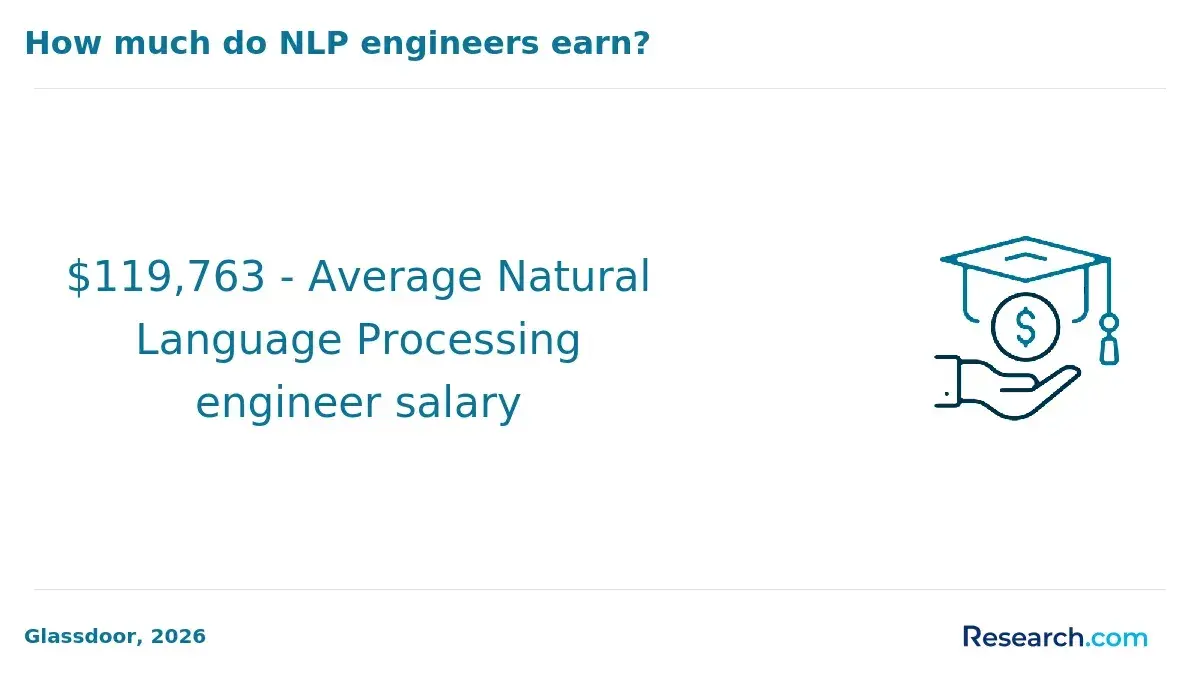
Job roles for AI specialization graduates also include NLP engineers, chatbot developers, and computational linguists. These professionals design language models and conversational AI, driven by growth in voice assistants and customer support automation. In computer vision, specialists work as computer vision engineers or autonomous systems developers, creating algorithms for applications like medical imaging and self-driving cars.
The demand for AI-driven visual analytics continues to rise.
The surge of generative AI skills opens new careers in content creation AI, synthetic data generation, and creative technology development. According to the LinkedIn Economic Graph, U.S. job postings requiring generative AI skills increased over 200% year-over-year, highlighting rapid market expansion.
Interdisciplinary roles in AI ethics consulting, product management, and policy advising address ethical risks and regulatory compliance.
Students seeking affordable options can explore AI degrees online to align their education with market demands, enhancing their opportunities for success.
How does ABET or institutional accreditation affect AI bachelor's program quality?
ABET accreditation impact on AI bachelor's degree quality is significant in ensuring that programs meet rigorous standards in curriculum, faculty, facilities, and student outcomes. Such accreditation guarantees that students gain a robust education aligned with technical and ethical standards vital for AI fields. ABET-accredited programs often include comprehensive coursework spanning mathematics, computer science, and engineering principles geared toward AI applications.
This accreditation not only benefits students with current knowledge and practical labs but also enhances their career prospects, as many employers recognize ABET accreditation as a quality mark. It is especially valuable for those aiming to pass the Fundamentals of Engineering (FE) exam, an important credential for AI engineers in engineering-focused roles. In fact, first-time pass rates on the FE exam are notably higher-74% among graduates from ABET-accredited programs compared to 36% from non-accredited ones.
Institutional accreditation importance for AI undergraduate programs should also be a consideration, as it assures a baseline commitment to education quality and institutional support. However, this broader accreditation does not replace discipline-specific validation like ABET, which is crucial for AI bachelor's programs emphasizing engineering content.
Prospective students should verify accreditation status carefully to avoid programs that might lack essential rigor and depth, limiting job and certification opportunities. For those interested in advancing their knowledge, exploring online data science masters programs can be a strategic next step.
What courses and skills are typical in each AI specialization curriculum?
AI bachelor's degree programs focus on core programming skills, with Python being the most prevalent language due to its wide-ranging applications. Approximately 25% of U.S. job postings highlight Python, especially for AI roles.
Foundational courses also cover algorithms, data structures, and software development principles that apply across specializations.
Machine learning tracks emphasize statistical modeling, supervised and unsupervised learning, and neural networks. Students learn to preprocess data, evaluate models, and use frameworks like TensorFlow and PyTorch. Handling large datasets is a key practical skill.
Natural language processing (NLP) specializations dive into linguistics, text mining, and semantic analysis. Coursework includes language models, tokenization, and syntactic parsing, preparing students to build tools for sentiment analysis and machine translation.
Robotics and computer vision combine AI with hardware aspects, including image processing, 3D modeling, object recognition, and control systems. Hands-on labs focus on simulating environments and applying AI in autonomous systems.
Ethical AI and policy courses cover fairness, privacy, governance, and bias mitigation, equipping students to tackle societal impacts and responsible AI deployment.
Capstone projects typically require integrating multiple AI disciplines, demonstrating skills in programming, data analysis, and system design. This comprehensive approach aligns with industry demand for versatile AI professionals.
What admission requirements and prerequisites do AI bachelor's programs commonly have?
Admission to AI bachelor's degree programs usually requires a strong background in mathematics and analytical skills. Most schools expect completion of high school coursework focused on calculus, algebra, and often statistics.
Physics and computer science classes can enhance an application but are not always mandatory.
Grades in relevant subjects are crucial, especially since about 49% of U.S. bachelor's-degree-granting institutions adopted test-optional policies recently. This shift means many programs prioritize academic rigor shown through transcripts over SAT or ACT scores.
Maintaining a high GPA in STEM courses is therefore very important.
Some programs may still consider test scores if provided, but applicants without them should demonstrate coursework depth or use advanced placement (AP) credits in math and science. Practical experience like coding projects or math competitions also strengthens applications.
Typical prerequisites include:
- Proficiency in calculus (AP Calculus AB/BC or equivalent)
- Basic programming skills in Python or Java
- Strong problem-solving ability through coursework or extracurricular activities
Applicants should check individual school requirements, as some may require discrete math or introductory AI courses. Community college credits or dual enrollment options in relevant subjects can further support an application.
Focusing on these elements aligns preparation with current admission trends emphasizing academic strength over standardized testing.
How do online AI bachelor's programs compare with on-campus programs for outcomes?
Online AI bachelor's programs often show lower completion rates compared to on-campus options. Data from the National Center for Education Statistics reveals a 44% six-year completion rate for primarily online institutions versus 66% for mostly in-person schools.
This difference reflects challenges common to online learning, such as less direct faculty interaction, fewer peer collaborations, and difficulties managing self-paced coursework. These elements can hinder student motivation and timely progression.
On-campus programs typically offer structured schedules, face-to-face mentorship, and access to labs where students gain hands-on experience and networking opportunities-critical for AI career readiness. Meanwhile, online formats provide notable flexibility for working professionals or those with geographic constraints.
Some universities address online limitations through hybrid or synchronous programs featuring virtual labs and live discussions to simulate on-campus engagement.
Prospective students should prioritize program accreditation, faculty expertise in AI research, and connections to industry internships, as these factors greatly influence career outcomes. Online programs lacking these may not offer the same long-term benefits despite their flexibility.
How long do AI bachelor's programs take, and what do they cost?
AI bachelor's degree programs typically require four years of full-time study, covering computer science fundamentals, mathematics, and core subjects like machine learning, robotics, and neural networks. Part-time pathways or cooperative education may extend completion to five or six years.
Accelerated options exist, but demand heavy course loads each term.
Tuition costs vary significantly. Public four-year universities generally charge around $11,610 annually for in-state students, while private nonprofit institutions average $43,350, based on the College Board's Trends in College Pricing. Additional expenses such as textbooks, technology fees, and living costs can add thousands of dollars per year.
Some programs impose extra tuition premiums of 10-20% for specialized AI tracks.
Prospective students should weigh these costs alongside factors like internships, industry ties, and job placement rates. Public universities often provide affordable credentials without compromising quality, whereas private schools may offer enhanced research opportunities and resources at a higher price.
Which certifications complement an AI bachelor's degree specialization for job readiness?
Certifications that complement an AI bachelor's degree specialization significantly boost job readiness by validating practical skills and industry knowledge. Among the most in-demand are the AWS Certified Machine Learning - Specialty and the Microsoft Azure AI Engineer Associate, both showing strong growth in employer demand.
These certifications emphasize cloud-based machine learning deployment and AI solution engineering, critical for applying AI models effectively in business settings.
Other respected certifications include:
- Certified Data Scientist (CDS) - demonstrating expertise in data analysis essential for AI projects.
- Google Professional Machine Learning Engineer - focusing on TensorFlow and cloud model optimization.
- Certified Artificial Intelligence Practitioner (CAIP) - covering the full AI lifecycle from research to production.
Beyond technical skills, project management certifications like Certified ScrumMaster (CSM) enhance team coordination capabilities in AI environments. Cybersecurity certifications are also increasingly valuable due to the need to protect AI systems from vulnerabilities.
Choosing the right certifications depends on career objectives. For AI model deployment and cloud infrastructure roles, AWS and Azure credentials are crucial. For research or algorithm development positions, specialized machine learning and data science certificates provide deeper validation of technical skills.
Employers now prioritize candidates who demonstrate applied expertise alongside academic qualifications, making these certifications an important strategic addition to an AI education.
What salary ranges and job outlooks align with different AI specializations?
Salary ranges for AI bachelor's degree graduates vary widely depending on specialization, reflecting the broad impact of artificial intelligence across industries. Machine learning engineers typically earn between $90,000 and $140,000 annually, with strong demand in technology, finance, and healthcare sectors.
Graduates focused on natural language processing or computer vision often start at $80,000 to $120,000, benefiting from roles in robotics and media.
Data science, closely aligned with AI, offers competitive salaries and growth. According to the U.S. Bureau of Labor Statistics, data scientists are expected to enjoy a 36% job growth rate from 2023 to 2033, far above the average for all occupations. This signals a robust demand for positions like AI analysts and data engineers.
Those studying AI ethics or policy usually see salaries of $70,000 to $110,000, often within government or regulatory organizations. Meanwhile, AI software developers and infrastructure engineers can earn from $95,000 to over $150,000, driven by the need for scalable AI solutions in cloud computing.
Success in the AI job market depends on continuously updating skills in programming languages like Python, frameworks such as TensorFlow, and working knowledge of emerging AI hardware. Practical experience with AI tools remains critical to securing higher-paying roles and leadership positions.
Other Things You Should Know About Artificial Intelligence
Most AI bachelor’s specialization tracks require 18 to 24 credit hours within a 120-credit degree. Universities usually place these courses in the junior and senior years, after foundational programming, mathematics, and introductory machine learning classes.
Practical experience is highly recommended as it bridges theoretical knowledge with real-world applications. Many programs encourage or require internships, co-op placements, or project-based learning to build hands-on skills. This experience can significantly improve employability and understanding of industry expectations.
Ethics is increasingly emphasized in AI curricula to address challenges related to bias, privacy, and responsible AI use. Courses often include discussions on the societal impacts of AI, fairness in algorithms, and legal considerations. This ensures graduates are prepared to develop AI technologies responsibly and ethically.
Yes, many programs offer opportunities to combine AI with fields like healthcare, finance, or cognitive science. Interdisciplinary tracks allow students to apply AI techniques to specific domains, broadening career options. This approach also helps students address complex problems that require knowledge from multiple fields.
References
- Bachelor in Management & Artificial Intelligence https://studyinpoland.pl/en/programme
- Student Outcome Assessment for ABET Accreditation in an Artificial Intelligence Undergraduate Program: Education Book Chapter | IGI Global Scientific Publishing https://www.igi-global.com/viewtitle.aspx
- Using explainable AI to align pre-university profiles with bachelor’s degree success - Scientific Reports https://www.nature.com/articles/s41598-025-28179-z
- Bachelor's In AI: Your Guide To Artificial Intelligence Degrees https://dev.dashboard.utalk.com/easy-stream/bachelors-in-ai-your-guide-to-artificial-intelligence-degrees-1764798191
- What Are the Career Paths After a Bachelor of Science in AI https://tetr.com/blog/what-are-the-career-paths-after-a-bachelor-of-science-in-ai
- Top AI job roles you can apply for after completing a course https://aiiteacademy.in/blogs/ai-job-roles-after-course-completion.php
- AI Engineering vs. Data Science: Which Career Path Fits Your Future? https://www.turingcollege.com/blog/ai-engineering-vs-data-science
- Top AI Certifications for 2026: A Guide to Advancing Your Tech Career | DataCamp https://www.datacamp.com/blog/top-ai-certifications
- AI career success in 2025: key learning paths and skills https://www.pluralsight.com/resources/blog/ai-and-data/2025-ai-career-skills
- Online vs On-Campus Artificial Intelligence Degrees: Which Is Better? https://hakia.com/degrees/artificial-intelligence/online-vs-campus/