2027 Best AI Degrees for Working Professionals

Co-Founder and Chief Data Scientist
Many working professionals with degrees in unrelated fields face challenges transitioning into AI careers due to demanding schedules and lack of accessible educational options. Traditional full-time programs often conflict with work commitments, delaying or preventing career growth in this rapidly evolving industry. Additionally, the complexity of AI disciplines can be overwhelming without tailored guidance.
This article examines the best AI degrees available in CURRENT__YEAR designed specifically for working professionals. It highlights flexible, accredited programs that accommodate busy lifestyles while providing robust training, enabling learners to successfully pivot into the artificial intelligence sector.
Key Things You Should Know
- Demand for degrees in artificial intelligence rose by over 40% between 2023 and 2025, reflecting rapid industry growth and increased employer preference for AI-literate professionals.
- Top programs offer flexible online and part-time options tailored for working professionals, combining practical skills in machine learning, data ethics, and AI application development.
- Graduates with AI degrees report median salary increases exceeding 20%, highlighting the financial benefits of upskilling in a competitive job market dominated by AI technologies.
What are the best AI degree programs for working professionals in 2027?
The best AI degree programs for working professionals in the US emphasize flexibility, practical skills, and a cutting-edge curriculum tailored to busy schedules. Many universities now offer online or hybrid MS degrees in artificial intelligence or machine learning, allowing professionals to advance their expertise without interrupting their careers. For instance, Carnegie Mellon University's Online Master of Science in Artificial Intelligence and MIT's MicroMasters program feature modular course designs that support self-paced learning. These programs incorporate real-world projects and collaboration tools crucial for immediate workplace application, appealing to those seeking top online artificial intelligence degrees for career advancement.
Options like the Professional Science Master's (PSM) in artificial intelligence from institutions such as Johns Hopkins University combine technical proficiency with business acumen, preparing professionals to lead AI initiatives. Additionally, certificates and graduate diplomas focusing on AI and data science provide more accessible pathways, often concentrating on areas like natural language processing or computer vision. These alternatives suit those looking for specialized knowledge with fewer credit requirements.
Enrollment in AI and machine learning degrees increased by 74% between 2022 and 2024, signaling rising employer demand for advanced AI skills. When selecting a program, choosing accredited schools with strong industry ties and project-driven learning options that fit nontraditional schedules is essential. For professionals interested in accelerating their education, programs like the fast track computer science degree provide valuable pathways to skill advancement and career growth.
What qualifications and prerequisites do you need to enroll in an AI degree program?
Applicants aiming to enroll in an AI degree program must hold a bachelor's degree, typically in computer science, engineering, mathematics, or related STEM fields. Degrees in statistics, physics, or economics may also be accepted if the candidate possesses strong quantitative skills. Programming proficiency is crucial; a 2024 Association for Computing Machinery (ACM) survey found that 75% of AI degree programs require demonstrated experience with at least one programming language, with Python mandatory in 89% of those programs. Familiarity with Python libraries such as TensorFlow or PyTorch and basic algorithm implementation is often expected.
Mathematical knowledge is essential, especially in linear algebra, calculus, probability, and statistics, which underpin machine learning and AI algorithms. Some programs may require passing foundational math courses or submitting standardized test scores to confirm proficiency. Work experience in technical roles like software development or data analysis is valued, particularly for master's programs tailored toward working professionals.
Statement of purpose essays and letters of recommendation from academic or professional supervisors are typically part of AI degree program admission requirements. For those without formal backgrounds, preparatory courses in programming and math help meet prerequisites. Flexible entry options are increasingly available through part-time and online programs, accommodating diverse student profiles. Prospective students interested in affordability comparisons may find the data science master rank useful when considering AI-related graduate education paths.
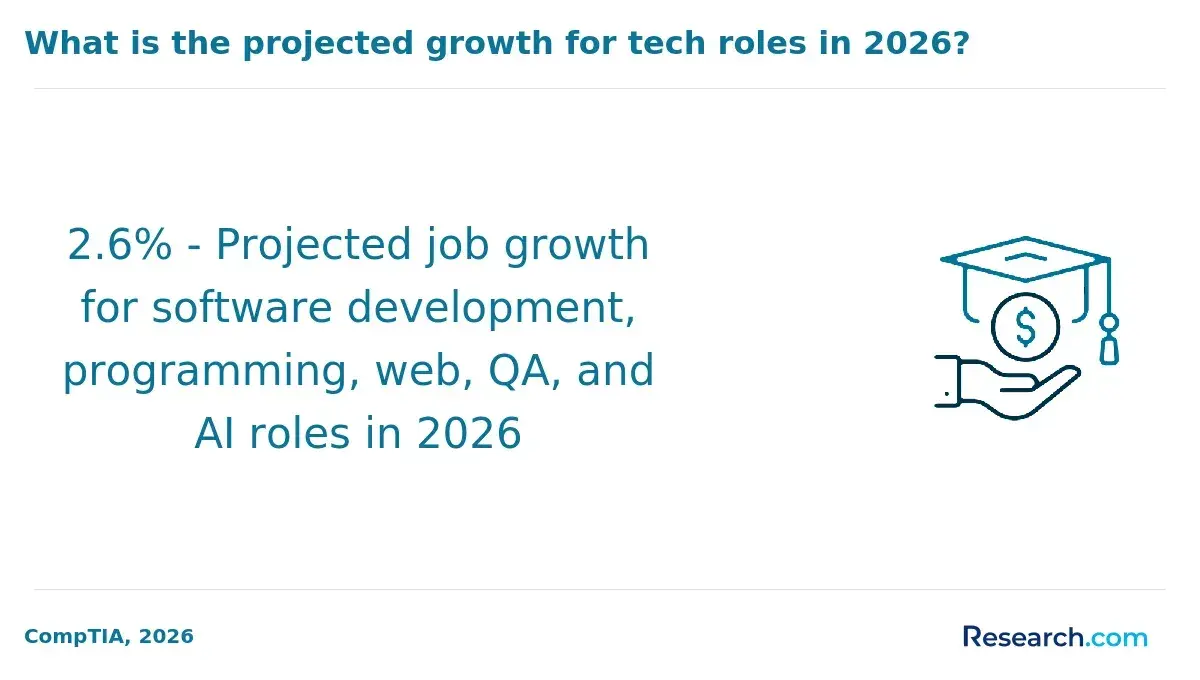
Should you choose an online or campus-based AI degree program as a working professional?
Working professionals often find that flexible artificial intelligence degree options for career advancement favor online programs due to their adaptability and growing availability. Between 2022 and 2024, online AI degrees increased 156% faster than campus-based ones. According to Coursera's 2024 Global Skills Report, 68% of working professionals now prefer online formats, highlighting their effectiveness in balancing work and study.
Online programs allow students to learn asynchronously, accessing lectures and assignments on their own schedules. A full-time software engineer, for example, can study AI topics like machine learning or natural language processing during evenings or weekends without relocating. Hybrid programs combine live virtual sessions and recorded materials, enhancing interaction without sacrificing convenience.
Campus-based programs may appeal to those valuing structured environments, face-to-face networking, and on-site research labs. However, commuting and fixed class times often conflict with professional responsibilities. Employer support for part-time campus enrollment requires advanced coordination and flexibility.
Financial benefits also favor online degrees, reducing expenses such as transportation and housing. Increased technical support and digital resources help bridge the gap between online and traditional campus experiences. Prospective students exploring online degrees might also consider related fields, such as the game design and development degree, which shares similar flexible learning models.
Ultimately, the choice between online vs campus-based artificial intelligence degree programs for working professionals depends on individual time constraints, learning preferences, and career goals.
What is the typical curriculum and coursework structure in accredited AI degree programs?
The typical curriculum in accredited artificial intelligence degree programs combines a solid foundation in computer science and mathematics with specialized AI coursework. Core subjects like machine learning and deep learning are included in 94% of programs, teaching algorithms for data-driven prediction, neural networks, and advanced pattern recognition. This ensures graduates can build and optimize AI models effectively.
Common coursework structure for artificial intelligence degrees for working professionals usually begins with essential courses in programming languages such as Python, along with linear algebra, calculus, probability, and statistics. Students then advance to specialized topics like natural language processing, computer vision, robotics, and reinforcement learning, depending on their program's electives and focus areas.
Only 42% of accredited programs require classes on AI ethics and responsible AI development. The limited ethical training leaves many professionals questioning their readiness to handle bias, privacy, and ethical issues in AI applications. Prospective students are advised to look for programs that incorporate ethics or to supplement their education with workshops or certifications in AI governance.
Hands-on projects and capstone courses simulate real-world industry scenarios, facilitating the transition from theory to practice. Many programs offer flexible formats such as online or part-time to accommodate working students. Those exploring related fields might also consider cyber security schools online for complementary skills.
Professionals should carefully evaluate the balance between technical depth and ethical training in curricula to align with their career goals across sectors like healthcare, finance, or autonomous systems.
How long does it take to complete an AI degree, and what are the typical costs?
Completing a master's degree in artificial intelligence usually takes between one and three years, depending on whether you study full-time or part-time and the delivery format. Most programs require 30 to 36 credit hours. Full-time students often finish in 12 to 18 months, while working professionals commonly spread their studies over two to three years with part-time or online options.
Tuition costs vary widely. According to the 2024 Chronicle of Higher Education survey, master's programs in AI can range from $30,000 to $120,000. Campus-based programs typically cost more, often including additional fees for facilities and campus resources. Online programs tend to be about 35% less expensive, offering greater affordability and flexibility, especially for professionals balancing work and study.
Indirect expenses such as commuting, time off work, and study materials should also be factored in when budgeting. Specialized executive or hybrid programs cater to working professionals with condensed schedules but usually come at a higher tuition rate.
Financial aid, scholarships, and employer tuition reimbursement can help manage costs but require early planning. Prospective students should carefully weigh program length, price, format, and flexibility against their career goals and personal situation to select the best path for their AI education journey.
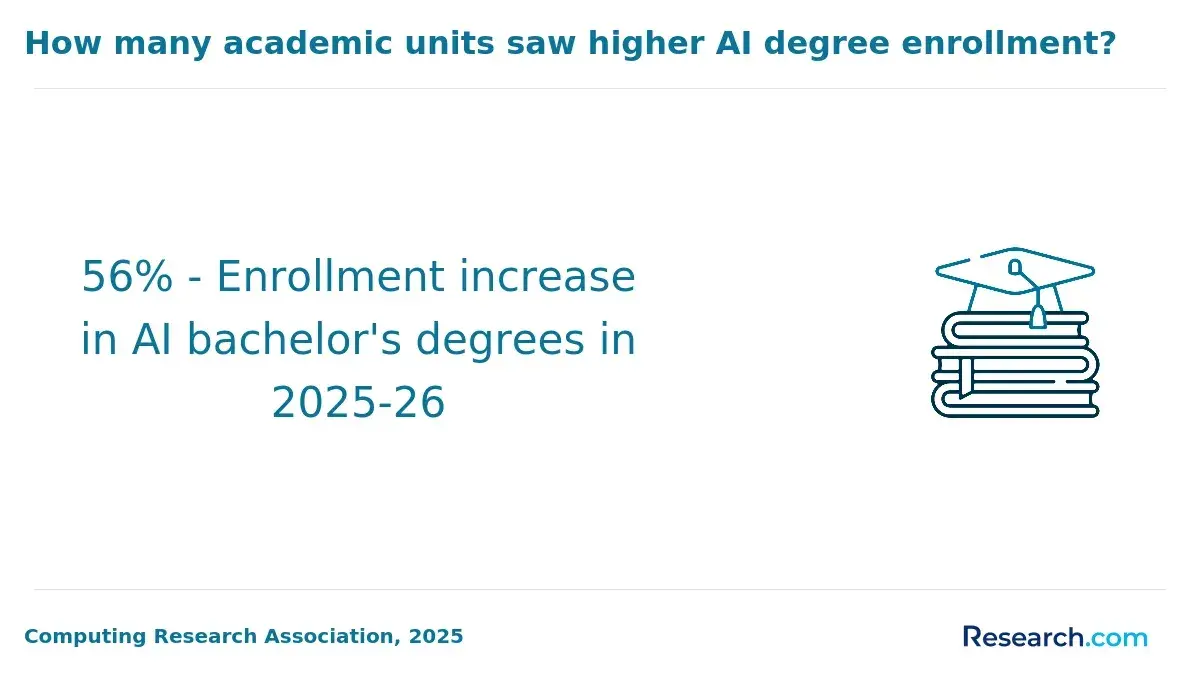
What are the job titles and career roles available to AI degree graduates?
Graduates with AI degrees can pursue various specialized roles across industries. High-demand positions include Machine Learning Engineer, Data Scientist, AI Researcher, and AI Software Developer. Machine Learning Engineers design and implement algorithms that enable machines to learn from data, with job postings increasing by 92% year-over-year according to LinkedIn's 2024 Jobs Report. Data Scientists analyze complex datasets to provide actionable insights, often collaborating with business leaders to inform decisions.
AI Researchers work on foundational theories and novel algorithms, usually in academic or corporate research labs. AI Software Developers focus on integrating ai into scalable applications and systems. Other roles include AI Product Manager overseeing project lifecycles, Robotics Engineer designing intelligent machines, and Natural Language Processing Specialists improving human-computer communication.
Career paths often require domain expertise in fields like healthcare, finance, or autonomous vehicles alongside technical skills. Hands-on experience with frameworks such as TensorFlow or PyTorch significantly boosts employability. Professionals transitioning from software engineering or statistics can align their background toward machine learning or data science roles. Certifications and strong project portfolios improve prospects, especially in technical and product management tracks.
Targeted education and skill-building are essential to succeed in this fast-evolving field where technical proficiency and domain knowledge drive career advancement.
What is the projected job outlook and salary potential for AI professionals through 2032?
The U.S. Bureau of Labor Statistics projects a 36% increase in job opportunities for AI and machine learning specialists through 2032, far exceeding the 5% average growth for all occupations. This surge reflects the growing demand for professionals with expertise in AI technologies across industries like healthcare, finance, automotive, and technology.
Salary potential remains strong, with median annual wages near $127,000. Specialized roles such as data scientists and AI research engineers often earn over $150,000, influenced by experience and location. Advanced degrees or certifications typically offer a competitive advantage, leading to higher salaries and leadership roles.
Key growth areas include natural language processing, computer vision, robotics, and ethical AI development. Employers value candidates who combine technical skills with domain expertise and problem-solving abilities. For working professionals, practical education focusing on real-world applications and courses covering machine learning frameworks and algorithms bridges essential knowledge gaps efficiently.
The outlook for AI professionals is promising, driven by rapid growth and enhanced salary prospects. Pursuing education and training aligned with industry trends maximizes career advancement potential. For more detailed insights, visit research.com.
What accreditation standards and professional certifications matter for AI degree programs?
ABET accreditation remains the most respected standard for AI and computing-related degrees, yet only 23% of AI master's programs currently hold this distinction. This is notable since 67% of Fortune 500 companies prioritize hiring candidates with ABET-accredited credentials, underscoring the value employers place on graduates from accredited programs. Selecting an ABET-accredited degree ensures a curriculum that covers core competencies such as AI fundamentals, data structures, algorithms, and ethical considerations, aligning education with current industry standards and best practices.
Regional accreditation by recognized U.S. bodies, while essential, is less specialized compared to ABET and may not suffice for professionals targeting competitive top-tier AI roles. Alongside degree accreditation, professional certifications like the Certified Artificial Intelligence Practitioner (CAIP) and vendor-specific credentials such as Microsoft Certified: Azure AI Fundamentals serve as important complements. They demonstrate validated skills and up-to-date knowledge of AI tools and frameworks, which working professionals often need to advance or pivot careers successfully.
Prospective students should carefully verify program accreditation and how related certifications match employer demands. Ignoring ABET accreditation or relevant professional certification pathways can restrict job options in a competitive market.
How do you evaluate and compare AI degree programs to find the right fit?
Choosing an AI degree program involves carefully evaluating curriculum relevance, faculty expertise, and graduate outcomes. Focus on programs that align their coursework with your career goals, whether that includes machine learning, natural language processing, or computer vision. Look for depth in courses and available specializations to ensure the program provides strong technical training and practical applicability.
Faculty qualifications and active research are crucial when assessing program quality. Select institutions with faculty members published in reputable AI journals and engaged in current projects relevant to your interests. Program flexibility is also important, especially for working professionals-consider online, part-time, or hybrid options but verify they uphold rigorous academic standards equivalent to full-time, on-campus programs.
Practical elements like internships, labs, and capstone projects enrich learning with real-world experience. Employment outcomes serve as a vital measure: graduates from AI degrees report a 94% employment rate within six months, with 73% securing roles directly related to their specialization, according to the National Association of Graduate-Professional Students.
Lastly, balance admission criteria competitiveness and tuition costs against expected return on investment. Competitive programs often provide stronger peer networks, while affordable options help manage debt. Request detailed program brochures and connect with current students or alumni to gain firsthand insights before committing.
What admission requirements and application materials do top AI programs require?
Admission to top AI graduate programs requires a strong academic background, particularly in STEM fields such as computer science, mathematics, and statistics. Applicants typically must submit transcripts demonstrating this expertise alongside a median GRE quantitative score of 167 out of 170, reflecting advanced quantitative skills according to U.S. News & World Report's latest rankings. Although most programs still require official GRE test results, some leading schools waive this for applicants with significant professional experience.
A well-crafted statement of purpose is essential, outlining professional experience, research interests, and clear career goals related to AI. Admissions committees look for evidence of both technical knowledge and alignment with the program's focus. Letters of recommendation are critical and should come from academic or workplace supervisors who can attest to the applicant's analytical abilities and leadership skills in technical environments.
Work experience in technology or related sectors is highly valued, with 82% of admitted candidates having prior professional backgrounds. Applicants may also be asked to provide a detailed resume or CV highlighting relevant projects, internships, and certifications in machine learning, data science, or software development. Interviews, when required, assess communication skills and depth of understanding of AI concepts, often involving discussion of past projects using algorithms or systems engineering.
Other Things You Should Know About Artificial Intelligence
No. Many 2027 AI degree programs accept applicants with no prior programming background, but they often require college-level math, such as calculus or linear algebra, and may ask for a short coding readiness assessment or prerequisite bridge course before enrollment.
In 2027, several AI degree programs offer evening or weekend classes tailored for working professionals. These include top institutions like Stanford and Carnegie Mellon, accommodating those who need flexible schedules to balance education with full-time employment.
To enroll in AI degree programs in 2027, professionals typically need a bachelor's degree in a related field such as computer science or mathematics. Some programs may require prior work experience in a tech sector or proficiency in programming languages like Python or R.
References
- By 2032, generative AI will significantly change half of all jobs, report says https://www.hrdive.com/news/generative-ai-will-significantly-change-jobs/704785/
- Complete Guide to AI Certifications: Choosing the Right Program for Yo https://hackskillboost.odoo.com/blog/our-blog-1/complete-guide-to-ai-certifications-choosing-the-right-program-for-your-career-34
- What Are the Requirements for an AI Certificate - IABAC https://iabac.org/blog/what-are-the-requirements-for-an-ai-certificate
- What Are the Prerequisites for AI Course? | H2K Infosys Blog https://www.h2kinfosys.com/blog/what-are-the-prerequisites-for-ai-course/
- Which jobs can remain secure until 2030 despite AI? - AEEN https://www.aeen.org/which-jobs-can-remain-secure-until-2030-despite-ai/
- Top Artificial Intelligence Courses: Fees and Duration https://collegevidya.com/blog/artificial-intelligence-course-fees-structure-duration/
- Best AI Courses for Working Professionals to Advance in 2026 https://amityonline.com/blog/ai-courses-for-working-professionals
- ARTiBA Accreditation Program | Elevate Your AI Education Standards https://www.artiba.org/artiba-accreditation-program
- Ultimate Guide: How to Choose the Right AI Training Course to Boost Your Career - ONLC https://www.onlc.com/blog/how-to-choose-ai-training-courses/
- 5 Benefits of an Online AI MS Degree | University of Bridgeport https://www.bridgeport.edu/news/benefits-of-online-ms-ai-degree/