2027 Where AI Degree Graduates Are Earning the Highest Salaries

Co-Founder and Chief Data Scientist
Many professionals with unrelated undergraduate degrees consider shifting into the artificial intelligence field but struggle to identify which regions offer the best salary prospects for AI degree graduates. This uncertainty can lead to inefficient job searches or missed opportunities in high-paying markets. Understanding where demand intersects with compensation is crucial for making informed decisions about relocation or further education investments.
This article analyzes salary trends across the U.S. to highlight locations where AI degree holders earn the most. It aims to guide readers seeking flexible, accredited paths to transition successfully into the artificial intelligence industry with maximized financial returns.
Key Things You Should Know
- In 2026, AI degree graduates in the U.S. earn an average starting salary of $100,000, with tech hubs like Silicon Valley and Seattle offering the highest packages.
- Majors focusing on machine learning and data science report up to 15% higher salaries than broader AI programs, reflecting industry demand for specialized skills.
- Graduates employed in finance and healthcare sectors experience salary premiums due to increased AI adoption, making these fields lucrative for AI degree holders.
Where do AI degree graduates earn the highest salaries in the U.S.?
In the U.S., top U.S. cities for artificial intelligence graduate salaries are led by San Francisco, where AI degree graduates earn an average total compensation of around $205,000. This figure includes base salary, bonuses, and equity and reflects the city's status as a hub for major tech companies and innovative startups investing heavily in AI research.
Other best-paying states for artificial intelligence degree holders include Washington (Seattle), New York, and Massachusetts (Boston), where salaries typically range from $140,000 to $180,000 annually. While these markets offer competitive pay, graduates should consider the cost of living, as higher salaries in cities like San Francisco may be offset by greater expenses.
Specialized sectors such as autonomous vehicles, healthcare AI, and finance-driven AI often offer premium compensation for skills in machine learning, natural language processing, and computer vision. Targeting roles in these industries within top markets can further enhance earnings.
Graduates exploring career options can also benefit from enrolling in the best online computer science degree programs to boost their qualifications and boost prospects.
Awareness of salary differences by region, industry demand, and cost of living will empower artificial intelligence graduates to make informed financial and career decisions.
What salary can you expect with an AI degree by role and experience?
Salaries for graduates with an AI degree vary widely depending on role and experience level in the United States. Entry-level machine learning engineers with less than one year typically start around $126,000, rising to about $170,000 for those with seven to nine years of experience. This steady increase underscores the industry's value on expertise and experience.
The average salary for artificial intelligence graduates by experience level also depends on the specific career path pursued. Data scientists with 0-2 years of experience generally make between $95,000 and $120,000 annually, with mid-career salaries exceeding $140,000. AI research scientists begin near $110,000 and can surpass $160,000 after five years. AI product managers, blending technical and leadership skills, often command $130,000 to $180,000 depending on tenure.
- Experience heavily influences salary growth across these roles.
- Bonuses and stock options often supplement base pay.
- Specializing in fields like natural language processing or computer vision can provide salary premiums.
Geographic factors also matter. Tech hubs such as San Francisco, Seattle, and New York tend to offer salaries 15-30% above the national average, reflecting regional cost-of-living and demand. New graduates should prioritize internships and real projects to build AI skills and accelerate career growth. LinkedIn data confirms employers favor candidates with applied experience, reinforcing the progression from entry to mid-career levels.
For prospective students seeking further guidance, the data science master US ranking offers a detailed resource to evaluate programs combining affordability and quality.
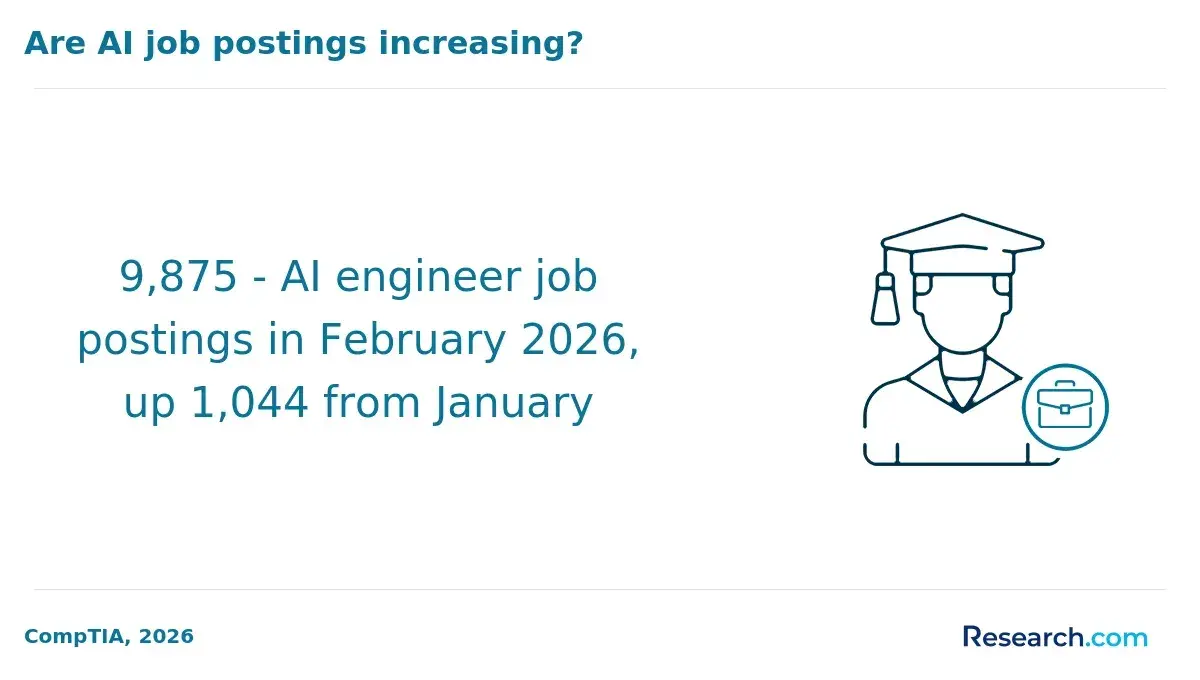
Which industries pay AI graduates the most after college?
Industries with highest salaries for AI degree graduates are led by software publishing, where annual wages can reach $232,010. The U.S. Bureau of Labor Statistics reports that the median wage for computer and information research scientists is $145,080, but those in software publishing earn substantially more. This sector includes companies that create operating systems, applications, and AI-driven software solutions.
Other top paying sectors for artificial intelligence graduates in the US include:
- Technology and software development firms specializing in machine learning and data analytics
- Financial services focused on quantitative analysis and algorithmic trading
- Healthcare technology companies developing AI for diagnostics and personalized medicine
- Government agencies and defense contractors working on AI-driven security and intelligence systems
AI graduates targeting these industries benefit from strong demand for skills in AI models, programming, and data science. Entry-level roles in software publishing not only offer high starting salaries but also fast career growth due to ongoing industry investment. Conversely, academia and non-profit sectors may provide lower pay but alternative advantages.
Specializing in areas like natural language processing, computer vision, or reinforcement learning can boost earning potential. Early career professionals should also pursue internships and certifications to gain relevant experience in high-paying fields. Exploring options for an online engineering degree cost can be a smart approach toward entering these competitive sectors.
What degrees and majors lead to the best-paying AI careers?
The degrees and majors leading to the highest salaries in AI careers focus mainly on strong foundations in computer science, data science, and engineering. According to NACE's Winter 2025 Salary Survey, computer science bachelor's graduates earn some of the best starting salaries, averaging around $76,000 (National Association of Colleges and Employers, 2025). This reflects the strong demand for skills in algorithm design, coding, and managing computing systems critical for AI development.
Key degrees for top-paying AI roles include:
- Computer Science: Covers programming, machine learning, and software engineering, preparing graduates for roles like software developer and machine learning engineer.
- Data Science and Analytics: Emphasizes statistical analysis, big data management, and predictive modeling-vital for training AI models used in business and research.
- Electrical and Computer Engineering: Focuses on hardware design, robotics, and embedded AI systems, which are essential for AI-driven devices and IoT applications.
- Mathematics and Statistics: Provides skills in mathematical modeling, probability, and optimization that underpin AI algorithms.
Interdisciplinary majors, including AI-specific programs and computational neuroscience, are increasingly valuable as industry needs shift. Practical experience through internships, research, or certifications in machine learning frameworks like TensorFlow or PyTorch also boosts earning potential. Students aiming for the top degrees for highest AI salaries in the US should prioritize technical depth and applied skills within their majors.
Prospective students seeking flexible pathways can explore reputable data science degrees to build competitive expertise in AI. Focusing on the best majors for AI career earnings helps align education with the demands and rewards of the AI job market.
What accreditation should AI programs have to be reputable and employer-recognized?
ABET accreditation remains a key indicator of quality for AI programs in computing and engineering fields. With over 4,300 programs accredited worldwide, ABET ensures that curricula meet rigorous standards in faculty expertise, curriculum design, and student outcomes. This accreditation signals to employers that graduates have strong technical foundations and problem-solving skills essential for AI roles.
AI degrees offered within departments like computer science, software engineering, or electrical engineering benefit especially from ABET accreditation. Without it, programs may face skepticism from hiring managers and industry partners who seek consistency and proven educational quality.
Some AI programs include ABET-accredited tracks or concentrations specifically tailored to AI or machine learning as part of broader engineering or computing degrees. Others may have regional or specialized accreditations, but these generally carry less recognition in the STEM job market compared to ABET.
Prospective students should verify accreditation status carefully, considering ABET or equally recognized bodies to enhance their employment prospects. Evaluating alternative certifications or industry partnerships is also advisable when programs lack ABET accreditation.
- ABET accreditation confirms rigorous curriculum and faculty standards
- It is highly respected by employers in technical fields including AI
- ABET-accredited AI tracks exist within broader engineering or computing programs
- Regional or specialized accreditations may not hold the same industry weight
- Students should prioritize accredited programs for better job market alignment
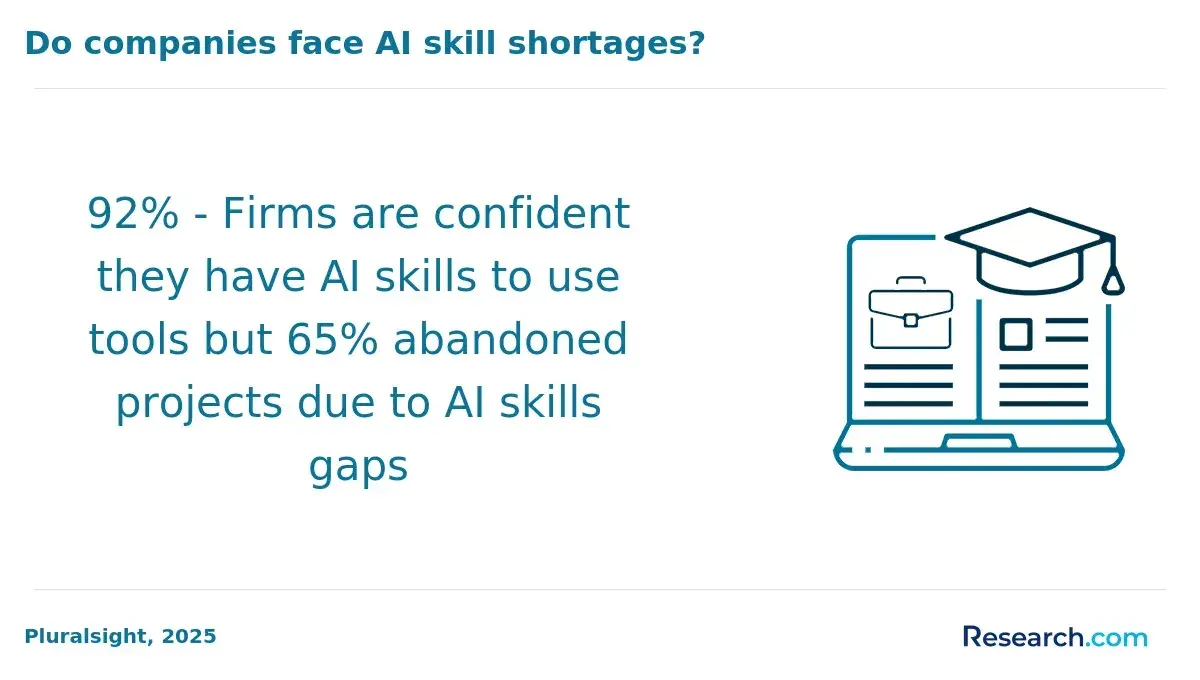
What coursework and skills in AI programs align with higher-paying jobs?
Programs that focus on advanced skills in artificial intelligence often emphasize areas like machine learning, deep learning, natural language processing (NLP), and computer vision. Lightcast's 2024 job-posting analytics highlight generative AI as a rapidly growing skill commanding a wage premium over roles without this expertise.
Deep technical knowledge in generative adversarial networks (GANs), transformer architectures, and reinforcement learning forms the core foundation for high-paying positions. Equally important are practical skills, including proficiency in Python, TensorFlow, PyTorch, and cloud-based AI deployment tools. Competence in data engineering, feature engineering, and model evaluation further boosts employability.
Employers look for candidates who can:
- Develop scalable AI models using real-world data
- Implement end-to-end AI pipelines in production environments
- Demonstrate awareness of AI ethics and bias mitigation
- Integrate AI with software engineering best practices
Combining AI expertise with domain knowledge in healthcare, finance, or autonomous systems often leads to higher salaries. Projects or internships applying generative AI to practical business challenges distinguish candidates in competitive markets. Staying current with emerging topics such as large language models and multi-modal AI is essential for securing top-tier roles.
How do online AI degrees compare to campus programs for hiring and pay?
Employers show equal hiring interest in graduates of online and campus artificial intelligence degree programs, reflecting a shift in recruitment priorities. According to NACE's 2024 Job Outlook, skills and experience now outweigh the mode of program delivery when considering candidates. This change means that online degrees no longer carry disadvantages in job prospects or starting salaries compared to traditional, in-person education.
Starting salaries for AI graduates typically range between $80,000 and $110,000 annually, influenced more by institution reputation, hands-on skills, and internship experience than by whether the degree was earned remotely or on campus. Graduates with strong project portfolios from accredited programs are equally competitive in the job market.
Key points for prospective students include:
- Accreditation: Ensure programs are regionally accredited to meet employer expectations.
- Practical skills: Gain experience with AI tools, frameworks, and real-world data sets.
- Networking and internships: Actively seek opportunities online to build connections and mentorships.
- Curriculum quality: Choose programs emphasizing capstone projects and collaborative problem-solving.
While campuses provide face-to-face networking, many online programs offer virtual career fairs and alumni networks. Leveraging these resources helps online students match the engagement of on-campus peers.
Ultimately, employers prioritize proven competencies and measurable impact over degree delivery format. Artificial intelligence degrees earned online open competitive career pathways when combined with strategic preparation.
What admissions requirements and prerequisites do AI degree programs typically require?
Admission to AI degree programs demands a solid foundation in mathematics, programming, and computer science. Candidates typically need skills in calculus, linear algebra, probability, and statistics, often demonstrated through undergraduate coursework or equivalent experience. Proficiency in programming languages such as Python, Java, or C++ is frequently required, alongside knowledge of data structures and algorithms.
Standardized tests, especially the GRE quantitative section, play a significant role in admissions for AI-related fields. High GRE quantitative scores highlight analytical and problem-solving abilities crucial for AI studies, according to recent ETS data.
Additional requirements often include:
- Letters of recommendation showcasing technical skills and collaboration
- A statement of purpose detailing AI interests and career goals
- Research experience or completed projects in machine learning or data science
- For international applicants, proof of English proficiency via TOEFL or IELTS
Some programs also require prerequisite courses such as discrete mathematics, computer architecture, or introductory artificial intelligence. Applicants without formal AI backgrounds might need to take foundational or bridge courses before full admission. Aligning your academic profile with these expectations strengthens your application in this competitive field.
How long does it take and what does an AI degree cost?
Completing a degree in artificial intelligence usually takes between four and six years, depending on the program and institution. A bachelor's degree typically requires four years of full-time study, a master's degree adds one to two years, and doctoral studies may take an additional three to five years. Program duration can vary with part-time enrollment or accelerated options.
Costs differ widely based on institution type. Public four-year colleges average about $11,610 per year for in-state tuition, while private nonprofit institutions can cost around $43,350 annually. These amounts exclude expenses like housing, textbooks, and supplies, which can increase overall costs significantly.
Graduate education often costs more. For instance, a master's at a private school may exceed $50,000 for the full program. Financial aid, scholarships, and employer tuition assistance may help offset expenses but vary by student and school.
Practical tips for prospective students include:
- Choosing in-state public universities to minimize tuition fees.
- Exploring online or hybrid degree programs for greater flexibility and cost savings.
- Considering the total length of the program and potential income loss during full-time study.
- Seeking scholarships targeted at STEM and AI fields.
Which certifications can boost pay for AI graduates after earning a degree?
Certifications in cloud computing and data domains significantly increase pay for AI degree graduates, as these areas are essential for developing and scaling AI solutions. According to Global Knowledge's 2024 IT Skills & Salary Report, cloud certifications strongly correlate with higher salaries. The AWS Certified Solutions Architect - Professional credential stands out as one of the highest-paying certifications, especially for roles involving cloud-based AI applications.
Additional certifications that enhance compensation include:
- Google Cloud Professional Data Engineer, ideal for those working on machine learning pipelines and big data integration.
- Microsoft Certified: Azure AI Engineer Associate, useful for deploying intelligent solutions on Azure in enterprise environments.
- Certified TensorFlow Developer, which validates expertise in deep learning frameworks vital for AI development.
- Certified Data Scientist (DASCA or equivalent), demonstrating advanced analytics and modeling skills supporting AI projects.
Graduates with these certifications often command salaries 10% to 25% higher than those holding only degrees. Combining certifications, such as AWS Solutions Architect and TensorFlow Developer, can further amplify earning potential. Prior experience with programming languages like Python and tools such as Kubernetes or Docker also enhances job prospects and salary.
Focusing on certifications recognized by leading providers ensures relevance and validates skills aligned with market expectations, helping graduates stand out in AI-related career paths.
Other Things You Should Know About Artificial Intelligence
Technical skills such as programming languages like Python, knowledge of machine learning algorithms, data analysis, and familiarity with neural networks are essential. Additionally, problem-solving abilities, strong mathematical foundations, and experience with big data tools significantly enhance job performance. Soft skills like communication and teamwork are also valuable for collaborating on complex AI projects.
Yes, internships and hands-on experience are critical for most AI roles. Employers highly value real-world projects that demonstrate the ability to apply theoretical knowledge to practical problems. Completing internships or research projects can lead to stronger job offers and higher starting salaries.
The demand for AI professionals varies by region but tends to be highest in technology hubs like Silicon Valley, Seattle, and New York City. However, growing sectors in cities such as Austin and Boston are also increasing their AI talent needs. Regions with strong tech ecosystems and investment in AI research typically offer more job opportunities and higher salaries.
In 2027, AI degree graduates are earning the highest salaries in industries such as finance, healthcare, and technology. These sectors value AI for tasks like data analysis and automating processes. Pursuing a master’s in AI without a computer science background can also enhance career opportunities across these industries.
References
- Online vs On-Campus Artificial Intelligence Degrees: Which Is Better? https://hakia.com/degrees/artificial-intelligence/online-vs-campus/
- AI Careers - Top AI Jobs with Education Requirements and Pay https://aidegreeprograms.org/ai-careers/
- 16 Artificial Intelligence Career Paths https://www.calmu.edu/news/artificial-intelligence-career-paths
- How Much is an AI Course? https://www.nobledesktop.com/learn/ai/how-much-is-a-ai-course
- AI Training & Certification for Employees: How HR Should Evaluate Providers | Sprad Blog https://sprad.io/blog/ai-training-certification-for-employees-how-hr-should-evaluate-providers
- The degrees that earn the best salaries — and protect you from AI https://www.thetimes.com/money/family-finances/article/degrees-best-salaries-ai-proof-l8chbxqdg
- ABET Accreditation and Artificial Intelligence - ABET https://www.abet.org/accreditation/ai-policy/
- AI Courses That Lead to High Paying Jobs in 2026 | Salary & ROI Guide https://logicmojo.com/ai-courses-high-paying-jobs/
- The Prerequisites for Artificial Intelligence- IABAC - IABAC https://iabac.org/blog/what-are-the-prerequisites-for-artificial-intelligence-a-modern-approach