2027 Research Proposal Tips for AI Doctorate Applicants

Co-Founder and Chief Data Scientist
Applicants often struggle to craft research proposals that clearly demonstrate their readiness for doctorate programs in artificial intelligence, especially when shifting from unrelated fields. This gap hampers their ability to secure admissions or funding. A well-structured proposal must blend technical understanding with a compelling research question that reflects current trends and challenges in the field.
Without guidance, candidates risk submitting generic or unfocused documents that fail to capture evaluators' attention. This article will explore essential strategies for developing focused, innovative research proposals that meet academic standards and effectively communicate the candidate's potential contributions to advancing artificial intelligence.
Key Things You Should Know
- Focus on originality and clear research objectives, as 72% of AI doctorate proposals in 2025 emphasized novel problem-solving aligned with current AI ethics and interpretability challenges.
- Integrating interdisciplinary methods boosts acceptance chances; recent studies show 65% of funded proposals combined AI with neuroscience, social sciences, or human-computer interaction.
- Strong preliminary data and defined methodologies are crucial; proposals with pilot results had a 40% higher likelihood of receiving funding in 2024 and 2025.
What is an AI doctorate research proposal, and why is it required for admission?
An AI doctorate research proposal is a detailed document outlining the intended research project within artificial intelligence. It defines the problem, methods, and expected outcomes, serving as a crucial tool for admission committees to assess readiness for doctoral-level research. Strong proposals demonstrate an applicant's ability to contribute original knowledge and show deep understanding of current AI challenges.
Programs require applicants to submit such proposals to evaluate not only theoretical knowledge but also practical research skills. For example, one might focus on enhancing natural language understanding or creating novel machine learning algorithms. These specifics help faculty assess alignment with their expertise and resources. Crafting a proposal that follows the appropriate AI doctorate research proposal format and requirements is essential.
Because the AI field evolves rapidly, proposals must identify relevant research gaps and propose innovative yet feasible approaches, often involving methods like deep learning, reinforcement learning, or data-driven modeling. Admission panels look for clear objectives, hypotheses, and balanced ambition. Labor market data emphasize the importance of rigorous screening: Computer and Information Research Scientists are projected to experience a 36% job growth from 2023 to 2033, far exceeding average rates.
Applicants should address the novelty, potential impact, and resource needs of their work. Drafting early versions and seeking faculty feedback strengthens the proposal's clarity and effectiveness, improving admission chances. Exploring careers in applied artificial intelligence highlights the growing demand for qualified researchers in this dynamic field.
What should an AI PhD research proposal include to meet U.S. standards?
A successful AI PhD research proposal for U.S. universities must precisely outline the research problem, objectives, and methodology. It requires a comprehensive literature review that highlights current challenges and gaps in artificial intelligence. Central to the proposal is a clear statement of the AI system's intended use, following the 2024 U.S. National Institute of Standards and Technology (NIST) AI Risk Management Framework (AI RMF 1.0). This framework stresses three primary components: documentation of intended use, evaluation strategies, and risk controls, aligning the work with national ethics and safety expectations.
Key components of a U.S. artificial intelligence doctoral research proposal include:
- Intended use: Define the application domain, target users, and system scope with explicit boundaries.
- Evaluation metrics and methods: Present both quantitative and qualitative criteria such as performance, fairness, robustness, or interpretability.
- Risk identification and mitigation: Describe anticipated biases, security risks, and controls.
- Feasibility and timeline: Detail phases, resources, and milestones achievable within the project scope.
- Contribution to the field: Emphasize the novelty and significance within the AI research landscape.
Applicants must also address data sources, privacy issues, and regulatory compliance. NIST's AI RMF 1.0 serves as a growing benchmark in U.S. proposals, so explicit adherence enhances credibility. Students exploring related education paths may consider mechanical engineering online degrees as an option that integrates well with AI research frameworks.
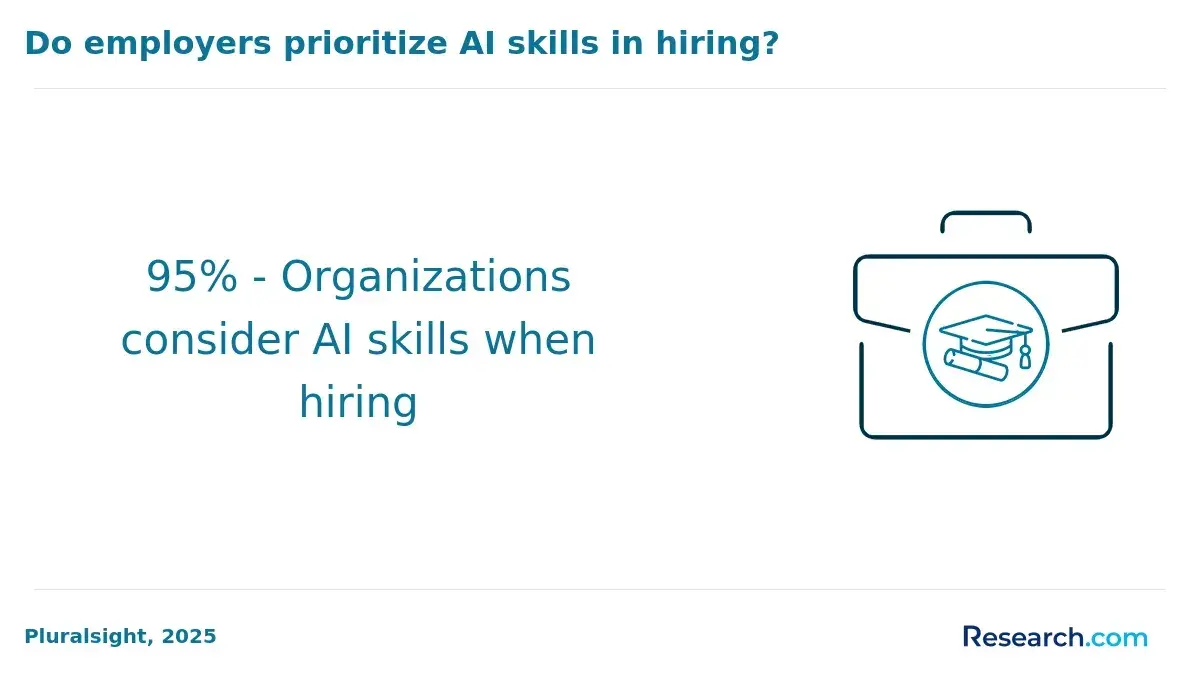
How do you choose a strong AI dissertation topic and research question?
Choosing compelling AI dissertation topics for doctorate research involves focusing on emerging areas with strong demand and feasible scope. Generative AI, for instance, leads private AI investment globally, reflecting intense competition and the need for sharply defined questions. Analyze recent funding trends and research publications to identify gaps or underexplored challenges. Align your dissertation with practical problems, such as bias reduction, model interpretability, or applications in finance and medicine.
Formulating effective research questions in AI doctoral proposals requires specificity and measurability. For example, ask: "How can transformer architectures improve anomaly detection accuracy in real-time healthcare data?" instead of broad questions on "improving AI." Incorporating interdisciplinary perspectives-linking AI with ethics, law, or social impact-adds originality. Working professionals may consider leveraging industry data to address real-world challenges.
- Ensure your question is innovative yet grounded in existing literature for feasibility.
- Focus on projects that can yield measurable results within your program timeline.
- Target questions relevant to current AI deployment challenges and private sector priorities.
Finally, early consultation with faculty expertise helps refine the scope and methodology, avoiding overly broad or data-poor topics. Prospective students aiming to pursue doctoral research can also explore online degrees in AI to prepare themselves with the latest skills and knowledge by visiting online degrees in AI.
How do you align your proposal with a faculty advisor and research lab?
Aligning your research proposal with a faculty advisor and their lab involves demonstrating compatibility between your research goals and the advisor's expertise. Start by reviewing their recent publications and projects to identify key themes or technologies. Tailor your proposal to complement or expand these areas, such as framing novel algorithms within reinforcement learning for robotics if that matches the advisor's focus. This approach reflects effective collaborating with research labs for successful doctorate proposals.
Discuss infrastructure needs early in the process. The National Science Foundation's 2024 NAIRR Pilot program highlights how access to shared AI compute and data resources can be critical for feasibility. Confirm whether the advisor's lab has the necessary infrastructure or plan to leverage NAIRR's offerings to meet computational requirements.
Contact your advisor before submission to clarify expectations, scope, lab priorities, funding availability, and collaboration opportunities. Clear communication helps avoid misalignment and strengthens the proposal.
Address practical concerns such as:
- How your project fits within the lab's timeline and resources
- Expected milestones and deliverables
- Alignment of your methodology with the advisor's preferred approaches
- Potential for interdisciplinary collaboration at the lab or institution
Adapting your proposal to these specifics shows diligence and gives funding committees confidence in your project's success. Beyond topic alignment, strong proposals match methodology, infrastructure capacity, and collaborative potential.
If you seek a cybersecurity degree online to further complement your expertise during this process, consider options that support your research ambitions while allowing flexibility in advanced studies.
What methods and evaluation metrics should AI proposals specify for credible results?
AI research proposals need to clearly define robust evaluation methods and metrics to ensure reliable and reproducible outcomes. Beyond standard accuracy or loss scores, proposals should include multiple performance measures. These encompass stress tests that assess model behavior under data distribution shifts, adversarial attacks, or noisy inputs. Fairness metrics-such as demographic parity difference, equalized odds difference, and intersectional subgroup analysis-are crucial to detect and reduce bias in AI outputs.
Key robustness metrics to report include out-of-distribution (OOD) accuracy, calibration error, and adversarial robustness scores. Incorporating these metrics signals readiness for real-world deployment challenges. The 2024 HELM report from the Stanford Center for Research on Foundation Models revealed notable performance drops in robustness and bias-related evaluations compared to standard benchmarks, underscoring the importance of pre-specifying stress tests and fairness audits.
Evaluation datasets tailored to these assessments-like corrupted or perturbed test sets for robustness and demographically diverse sets for fairness-strengthen proposals. Including ablation studies clarifies which model parts enhance robustness and fairness.
Suggested evaluation components include:
- Standard benchmark performance (e.g., GLUE for NLP)
- Stress tests using synthetic noise, adversarial samples, or domain shifts
- Fairness audits across demographic subgroups relevant to the application domain
- Robustness metrics such as Expected Calibration Error (ECE) and OOD detection accuracy
- Model interpretability metrics where applicable for transparency
- Clear, quantifiable robustness and fairness metrics elevate scientific rigor and ethical integrity. Applicants should justify their choice of metrics with references to recent literature and benchmarks for credibility.
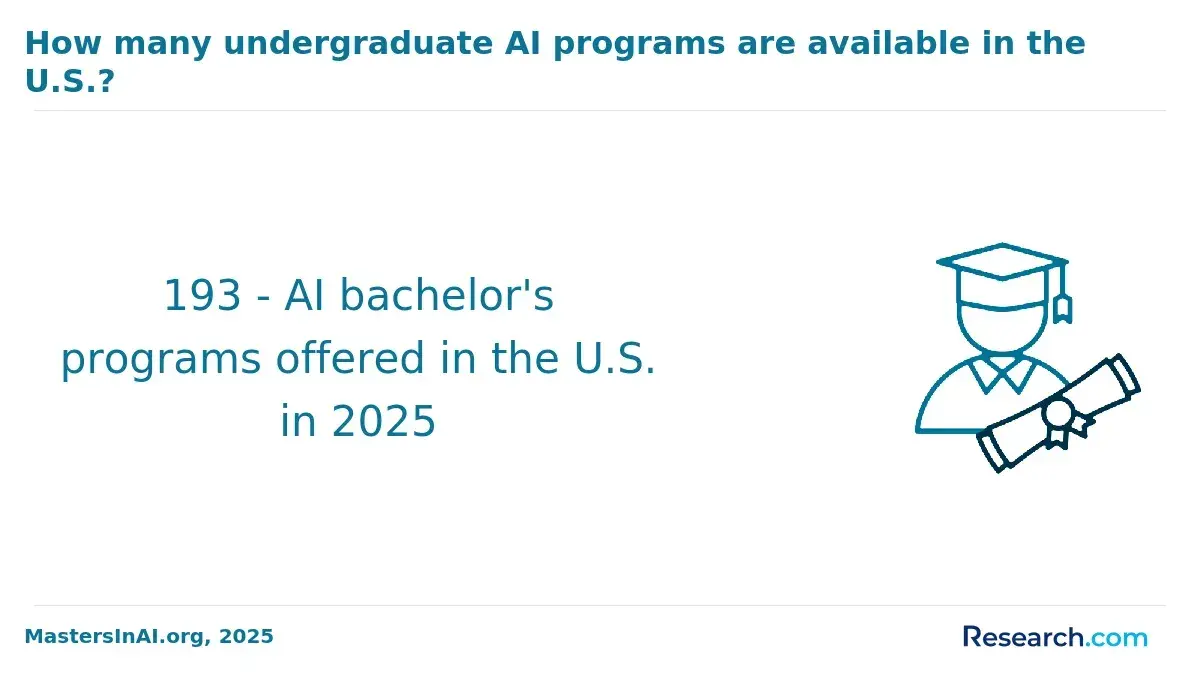
How do you present a literature review that demonstrates a clear research gap?
Organizing AI literature by themes or methods, rather than merely by date, uncovers trends and highlights persistent research gaps. Frameworks like PRISMA or systematic mapping are valuable for navigating the rapidly expanding body of AI studies, as noted in the Stanford HAI AI Index Report 2024. This organized approach reveals contradictions, overlooked variables, or neglected populations, such as the lack of focus on interpretability in medical diagnostics despite numerous works on neural networks for image recognition.
Quantitative support-using metrics like the volume of studies on subtopics-helps demonstrate where research is sparse. Clearly framing the research gap as a question or problem your proposal addresses increases clarity and highlights its significance, especially when linked to broader societal challenges or industry demands.
Incorporating critical review techniques like meta-analysis or thematic synthesis strengthens your argument by analyzing methodological flaws and inconsistencies rather than simply summarizing prior work. This approach adds analytical depth, showing why the gap matters scientifically and practically.
Such precise gap articulation aligns closely with modern AI research expectations and enhances the justification of proposals aimed at advancing the field.
What data, compute resources, and ethical approvals should your proposal address?
Research proposals for AI doctorate candidates must define the type, source, volume, and quality of data clearly. It is important to specify whether datasets are proprietary, open source, or collected through user interaction, including any preprocessing methods applied. Explicit data governance plans should outline how bias will be managed and how privacy is safeguarded. Compute resource needs should be detailed, providing specific measures such as GPU hours, CPU cores, or cloud service costs for training and experimentation-for example, a requirement of 500 GPU hours on NVIDIA A100 cards strengthens feasibility assessment.
Ethical approvals are required when research involves human data, interventions, or synthetic data resembling real persons. Proposals must include Institutional Review Board (IRB) approval or exemption statements. For projects involving EU data or AI deployment in the EU, compliance with the 2024 EU AI Act is essential. This legislation demands comprehensive dataset documentation, governance, and risk mitigation protocols, even for U.S.-based projects targeting EU markets (European Union, EU AI Act adoption, 2024).
Proposals should also address data security measures like encryption and access control, along with contingency plans for breaches. Monitoring model fairness and potential harms during development is critical. Ethical discussions must reflect awareness of domain-specific risks and the regulatory environment to avoid funding delays or rejection.
How should you write a realistic timeline and milestones for an AI PhD proposal?
Creating a practical timeline for your AI PhD proposal involves breaking down the project into well-defined milestones linked to tangible outputs. Start by specifying tasks such as literature review, data collection, model development, experiments, and results analysis. Each milestone should have realistic durations based on available computational and human resources. For instance, plan 3-4 months for large-scale model training phases, consistent with NVIDIA's 2024 report, which highlights that state-of-the-art AI training requires multi-month schedules and access to extensive GPU clusters.
When planning, consider these key points:
- Identify critical computational resources and confirm their availability to prevent bottlenecks.
- Include buffer times, typically 15-20% of compute time, for unforeseen technical issues.
- Set intermediate benchmarks like prototype evaluations or preliminary experiments to track progress.
- Allocate time for writing, revisions, and peer reviews.
Define milestones precisely with clear deadlines and deliverables, such as "Complete data preprocessing and baseline model training by Month 6." Avoid vague objectives without specific timelines. Adapt your schedule based on whether your research leans more toward theoretical development or experimental work, adjusting compute and development times accordingly.
Align your timeline with funding and supervisory expectations, demonstrating a compute-aware plan supported by recent industry research to enhance your proposal's credibility to selection committees.
How do funding, assistantships, and grant expectations affect proposal requirements?
Funding priorities, assistantships, and grant expectations play critical roles in shaping research proposals for AI doctorate applicants. Funding agencies like the National Science Foundation (NSF) emphasize aligning proposals with broader impacts, data management, and reproducibility. In recent NSF funding solicitations, including those for National AI Research Institutes, applicants must present explicit strategies addressing these areas upfront rather than as afterthoughts.
Assistantships, whether teaching or research-based, affect both project scope and timeline. Applicants should clearly explain how their assistantship duties complement their research goals. Demonstrating a realistic workload balance reassures funders about timely delivery and project feasibility.
Grant proposals require detailed project management plans, including clear hypotheses, milestones, and deliverables tailored to funding requirements. For instance, data management plans must cover data storage, sharing, and ethical considerations. Highlighting reproducibility practices, such as sharing code and datasets, enhances proposal competitiveness.
Practical preparation steps include:
- Reviewing the latest NSF guidelines for AI funding calls.
- Crafting broader impact statements linked to societal benefits.
- Outlining protocols for data sharing and reproducibility.
- Ensuring research scope reflects assistantship commitments.
How do you evaluate program quality, accreditation, and online versus campus PhD formats?
Accreditation from agencies recognized by the U.S. Department of Education or the Council for Higher Education Accreditation is essential when evaluating AI doctorate programs. It ensures the institution meets high academic standards and that degrees are respected by employers and other universities. The program's reputation also matters, measured by faculty research output, industry partnerships, and graduate placement rates.
Choosing between online, hybrid, and campus PhD formats depends on your learning style, access to resources, and career objectives. The U.S. continues to see growth in students taking online courses, but the quality and faculty interaction in online AI programs vary widely. Hybrid programs offer a mix of online learning and campus residencies, supporting better research collaboration and networking opportunities.
Key factors to consider include:
- Access to AI labs, computing resources, and research centers
- Availability of one-on-one faculty mentorship
- Support services such as career counseling and technical assistance
- Flexibility for professionals balancing research with work
- Networking opportunities with AI industry and academic leaders
Campus programs typically provide direct access to cutting-edge labs and conferences. Online options may offer needed flexibility but require scrutiny of faculty accessibility and research integration. Confirm your program has strong dissertation support and chances to engage with AI research communities. Accreditation alone is not enough-review program-specific resources and outcomes aligned with your research goals.
Other Things You Should Know About Artificial Intelligence
Current challenges in AI research include issues such as explainability, bias, and robustness of models. Researchers are also focusing on overcoming data scarcity for specialized tasks and developing AI systems that can generalize across domains. Applicants should recognize that addressing these challenges often requires interdisciplinary approaches combining computer science, ethics, and domain knowledge.
Interdisciplinary knowledge is critically important in AI doctorate programs. AI research often intersects with fields like neuroscience, statistics, linguistics, and ethics. Understanding these areas can enhance the design of algorithms and improve the relevance and impact of the research.
Ethical considerations are essential in AI research, particularly concerning fairness, privacy, and societal impact. PhD applicants must clearly address how their work will avoid harmful bias, ensure data privacy, and consider potential misuse of AI technologies. Transparency about these factors is increasingly expected by both academic committees and funding bodies.
A standout AI research proposal for 2027 should include a clear research problem, innovative methodologies, potential societal impact, and a solid interdisciplinary approach. Consider exploring applications in new fields, like a master’s in financial artificial intelligence, to broaden perspectives and opportunities.
References
- Understanding Academic Accreditation for Online Universities https://www.qahe.org/article/understanding-academic-accreditation-for-online-universities/
- How to Write a Research Proposal with AI - Gobu â AI Research Agent for Smart and Ethical Academic Work https://gobu.ai/blog/how-to-write-a-research-proposal-with-ai
- LLM Evaluation Metrics: The Ultimate LLM Evaluation Guide - Confident AI https://www.confident-ai.com/blog/llm-evaluation-metrics-everything-you-need-for-llm-evaluation
- My Journey to PhD Admission in Artificial Intelligence | Towards Data Science https://towardsdatascience.com/my-journey-to-phd-admission-in-artificial-intelligence-35593adb923f/
- How to Choose a Dissertation Topic | Paperpal https://paperpal.com/blog/academic-writing-guides/how-to-choose-a-dissertation-topic
- How to Choose AI Evaluation Metrics for Accuracy and Speed | Label Studio https://labelstud.io/learningcenter/how-to-choose-evaluation-metrics-for-accuracy-and-speed/
- How to Identify Gaps in Literature During a Review? - Enago Read - Literature Review and Analysis tool for Researchers https://www.read.enago.com/blog/how-to-identify-gaps-in-literature-during-a-review/
- PhD In Artificial Intelligence - Admission Guide 2026 https://collegevidya.com/blog/phd-in-artificial-intelligence-eligibility-admission-career-guide/
- Please wait https://www2.fundsforngos.org/articles/how-to-ensure-your-grant-project-meets-expectations/
- Artificial Intelligence Research Proposal (Paper Writing Guidance) https://www.phddirection.com/artificial-intelligence-research-proposal/