2027 Career Paths After an AI Master's Degree

Co-Founder and Chief Data Scientist
Many professionals with unrelated undergraduate degrees face uncertainty about how to transition into the growing field of artificial intelligence. Without clear guidance, they struggle to identify viable career paths that align with their skills and interests after completing a master's degree. This challenge is especially pressing as industries increasingly demand AI expertise. Understanding where an AI master's degree can lead is essential for making informed decisions about education and employment.
This article explores the most promising career options in 2027 for graduates, offering insights to help readers plan successful transitions into artificial intelligence roles.
Key Things You Should Know
- The demand for master's graduates in artificial intelligence is projected to grow 38% by 2030, driven by industries like healthcare, finance, and autonomous systems.
- Popular career paths include AI research scientist, machine learning engineer, and AI product manager, with median salaries exceeding $120,000 annually in the U.S.
- Strong programming skills in Python and knowledge of ethical AI frameworks are increasingly critical to succeed in evolving roles across both private and public sectors.
What are the highest-paying career paths available after earning an AI master's degree?
Among the highest-paying careers with an AI master's degree are machine learning engineers, data scientists, AI research scientists, and AI product managers. Machine learning engineers earn a median salary of $165,000 in the U.S., designing and implementing algorithms that enable systems to learn from data, a key role in AI advancements. Top AI master's degree jobs in the United States include data scientists, who analyze complex data to support strategic decisions and earn salaries generally between $120,000 and over $160,000 depending on experience and industry.
AI research scientists develop new AI models and improve existing ones, often working in academia or private research labs. Their salaries can meet or exceed those of machine learning engineers, especially in specialized AI fields. AI product managers, combining technical and business skills, guide AI solution development and typically earn between $130,000 and $170,000, depending on location and company size. Emerging roles such as AI ethics specialists and AI consultants also offer competitive salaries as organizations address AI's ethical implications.
Graduates aiming to maximize earning potential should consider specialization areas aligned with industry demand. Those interested in accelerating their entry into tech might explore options like a 2 year computer science degree online, which can complement AI career goals effectively.
What is the current job outlook and demand for AI master's degree graduates in the U.S. job market?
The U.S. job market for AI master's degree graduates is projected to grow rapidly, with employment in computer and information research science expected to increase by 23% from 2023 to 2033. This robust growth outpaces the average for all occupations, underlining strong demand for technical skills in AI fields.
Individuals with an AI master's degree can pursue careers across sectors such as technology, healthcare, finance, and government. Typical roles include machine learning engineer, data scientist, AI researcher, and robotics specialist. Employers look for candidates skilled in algorithm development, AI model construction, and managing large data systems. Opportunities span from innovative startups to major corporations adopting automation and predictive analytics, reflecting the positive career outlook for artificial intelligence master's graduates in the United States.
Practical knowledge of technologies like natural language processing, computer vision, and neural networks significantly boosts employability. Graduates who blend technical expertise with domain experience-such as healthcare analytics or autonomous systems-are positioned for leadership and higher salaries. Challenges include keeping pace with evolving AI tools and competing with candidates with interdisciplinary skills; continuous learning and certifications help address these issues.
Networking in professional AI communities and contributing to open-source projects further enhance visibility. For those exploring related fields, an online degree in mechanical engineering can also complement AI skills and expand career options.
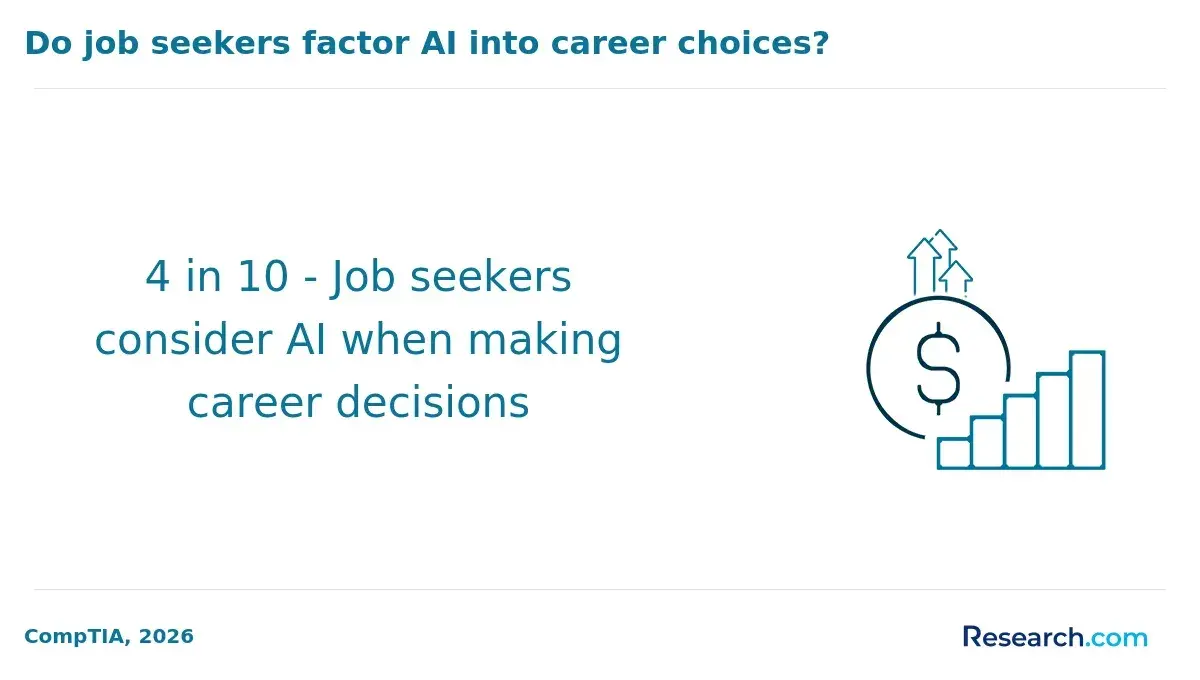
What are the most common career roles and job titles for AI master's degree holders?
The most common career roles after an AI master's degree include machine learning engineer, AI research scientist, and data scientist, which collectively represent 62% of job postings targeting graduates.
- Machine learning engineers develop algorithms that enable software to improve from data, frequently working in sectors like technology, finance, and healthcare.
- AI research scientists focus on advancing AI theories and applications, often based in research institutions or tech companies.
- Data scientists extract insights from complex data and build predictive models, applying AI to enhance business decision-making.
Other common job titles for AI master's degree graduates include:
- AI software engineer: Integrates AI into scalable products
- Robotics engineer: Develops autonomous systems using AI
- Natural language processing (NLP) specialist: Creates algorithms to understand and generate human language, vital for virtual assistants and chatbots
Job prospects vary with industry demand and skillsets. Machine learning engineers benefit from expertise in Python and frameworks like TensorFlow or PyTorch. AI research scientists often hold strong mathematical backgrounds and academic publications, while data scientists need skills in statistics and data visualization. Prospective students should also review programs like masters in game design to understand interdisciplinary applications of AI.
Recognizing these distinctions in common career roles after an AI master's degree helps graduates target appropriate positions and develop relevant skills aligned with their career goals.
What are the admission requirements and prerequisites for accredited AI master's programs?
Admission requirements for accredited AI master's programs often include:
- Bachelor's degree in computer science, engineering, mathematics, or related fields
- Minimum GPA around 3.0 on a 4.0 scale
- GRE scores (may be waived based on professional experience or academic background)
- Mathematical competency
- Programming skills
- Recommendation letters
- Work experience
- Proof of English proficiency (for international students)
These prerequisites reflect the essential qualifications needed for entering top AI master's degrees.
Mathematical competency is critical, with approximately 78% of leading programs requiring completed coursework in linear algebra and calculus. These topics underpin key machine learning algorithms, optimization, and neural network designs. Programming skills in languages like Python, Java, or C++ are similarly vital, as are foundations in data structures, algorithms, and statistics. Applicants lacking these may need preparatory work or to prove proficiency through assessments.
Alongside technical prerequisites, letters of recommendation, personal statements showcasing interest and background in AI, and relevant work or research experience are commonly requested. Some competitive programs require portfolios of AI-related projects or publications. International students must demonstrate English proficiency with exams such as TOEFL or IELTS.
Non-traditional candidates from physics, economics, or other quantitative fields can also qualify if they show strong math and programming skills. Prospective students should carefully review each program's admission criteria, as variations often occur, especially regarding math and work experience requirements.
For those balancing career and education, exploring cybersecurity masters online might also provide flexible pathways into advanced tech fields.
How do online AI master's programs compare to campus-based programs in terms of curriculum and outcomes?
Online AI master's programs often mirror campus-based curricula in rigor and content, covering key areas like machine learning, natural language processing, and ethical AI. Many online courses are taught by the same faculty who teach on campus, maintaining consistent academic quality. The main difference lies in delivery; online students enjoy flexibility but may encounter fewer hands-on lab opportunities or face-to-face collaboration compared to those on campus.
Employment outcomes show strong results for both formats. According to data from the National Association of Graduate Admissions Professionals, 91% of online AI master's graduates find jobs within six months, slightly higher than the 89% rate for campus graduates. This reflects growing employer acceptance of online degrees, especially when supplemented by capstone projects, internships, and robust portfolios that demonstrate practical skills.
Networking remains a consideration. Campus students benefit more from direct in-person interactions with peers and faculty, which can aid mentorship and job referrals. However, online programs have increasingly introduced virtual networking events and alumni communities to support connections.
Deciding between online or campus AI master's programs depends on balancing flexibility, hands-on learning, and networking preferences. Both routes lead to promising AI careers, where practical experience and industry engagement are often more critical than program format alone.
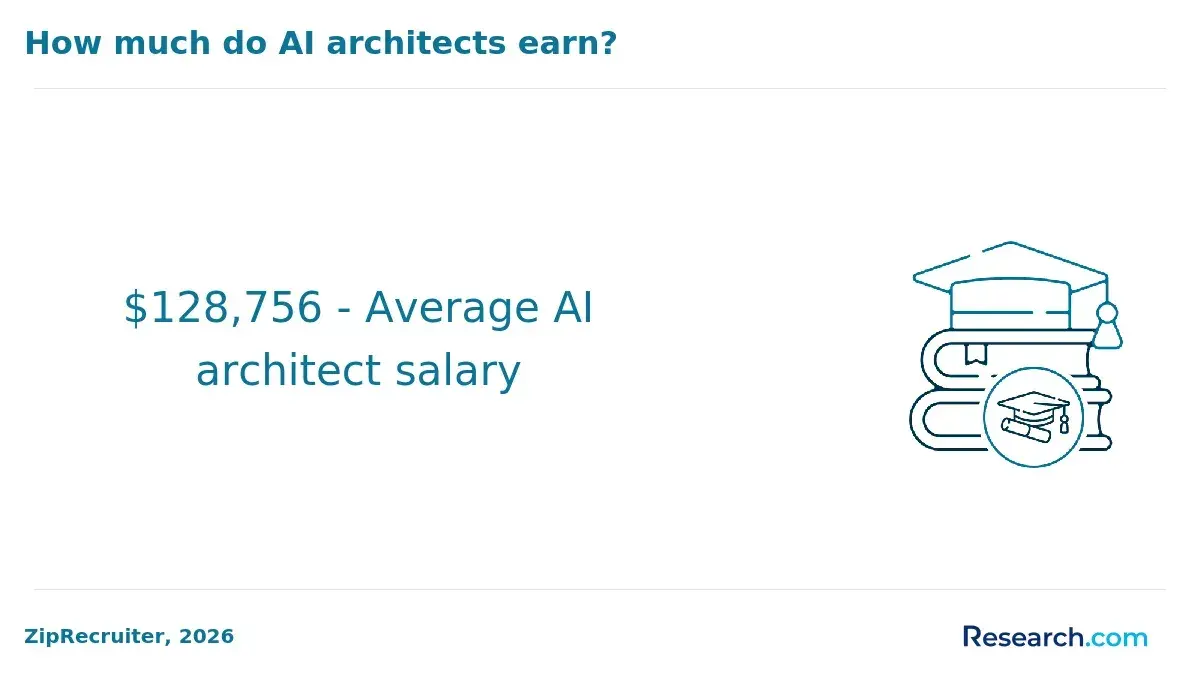
What is the typical cost and duration of an AI master's degree program in the United States?
The cost of a full-time AI master's degree in the United States ranges from around $60,000 at public universities to $120,000 or more at private institutions. These figures include tuition, fees, and necessary resources like software licenses and hardware access for practical coursework. Additional fees may apply for international students or specialized labs. Part-time and online programs can have different pricing structures but tend to be less costly overall.
Most AI master's programs take 18 to 24 months to complete. Some accelerated options may allow completion in 12 to 15 months but usually require more intensive study. Part-time tracks extend beyond two years to accommodate working professionals balancing education and employment. Prospective students should consider how program flexibility aligns with their career goals and personal schedules.
Financial aid, scholarships, and assistantships often help offset expenses. It's crucial to explore these funding opportunities early in the application process. Evaluating curriculum depth, specialization options, duration, and total costs will help applicants make an informed decision about pursuing an advanced degree in this rapidly growing field.
What core coursework and technical skills are covered in AI master's degree curricula?
Core coursework in AI master's programs covers deep learning, machine learning algorithms, and natural language processing, which 94% of accredited programs include according to the Computing Accreditation Commission (CAC). Mastering these areas helps students build models that recognize patterns, interpret human language, and automate decisions.
Programs also demand advanced studies in data structures, probability, statistics, and linear algebra, forming the mathematical backbone crucial for optimizing AI models. Programming skills, especially in Python, are emphasized due to its rich libraries like TensorFlow and PyTorch.
Hands-on projects using real datasets are central, fostering skills in neural network design, reinforcement learning, and natural language understanding tasks such as sentiment analysis or machine translation. Some electives focus on computer vision or robotics.
Students face coding assignments, research papers, and cross-disciplinary collaborations. Additional technical abilities in cloud computing and data ethics are taught to prepare graduates for scalable, responsible AI deployment and bias mitigation.
Those pursuing AI careers should ensure their programs include current coursework on emerging AI frameworks and tools, enabling readiness for roles in sectors like healthcare, finance, and autonomous systems.
What professional certifications or credentials complement an AI master's degree for career advancement?
Professional certifications that complement an AI master's degree can significantly enhance career growth and earning potential. Cloud certifications such as AWS Certified Solutions Architect, Google Cloud Professional Data Engineer, and Microsoft Certified: Azure AI Engineer Associate are especially valuable. Data from Coursera indicates that AI professionals holding both a master's degree and cloud certifications earn about 28% more than those with only a master's degree, highlighting the premium placed on cloud expertise alongside AI knowledge.
Certifications in data science, like the Certified Analytics Professional (CAP) and IBM Data Science Professional Certificate, improve skills essential for managing large datasets in AI applications. Machine learning platform certifications, including the TensorFlow Developer Certificate, provide hands-on experience relevant to AI development roles.
Security credentials such as Certified Information Systems Security Professional (CISSP) and Certified Cloud Security Professional (CCSP) are increasingly critical as AI systems require robust safeguards. For those aiming at leadership or strategic roles, project management certifications like PMP help manage complex AI projects and teams effectively.
In industry-specific contexts such as healthcare and finance, certifications like Certified Health Data Analyst or Financial Risk Manager offer vital domain expertise for compliant AI deployment. Selecting certifications aligned with career goals and market demand reflects a commitment to continual learning and bridges theory with real-world application.
How do employers evaluate AI master's degree graduates, and what skills are most in demand?
Employers hiring AI master's degree graduates prioritize strong technical skills, especially Python proficiency, which 87% of hiring managers deem essential. Python's prevalence in AI programming, data manipulation, and interfacing with machine learning libraries makes it a critical skill. Graduates are expected to write clean, efficient Python code ready for practical applications.
Deep learning frameworks like TensorFlow and PyTorch are next in demand, valued by 81% of employers. Candidates with hands-on experience building neural networks, managing large datasets, and optimizing model performance often stand out for roles such as machine learning engineer or research scientist.
Statistical analysis expertise is also crucial, recognized by 79% of hiring managers. Understanding concepts like hypothesis testing, regression, and probability allows graduates to interpret models accurately and design effective experiments. These skills are frequently evaluated during technical interviews focused on AI problem-solving.
Beyond core technical abilities, employers look for domain-specific knowledge and clear communication skills to explain complex AI concepts to non-technical teams. Experience combining AI with data engineering, cloud computing, or software development provides a competitive advantage across industries like finance and healthcare.
Building a portfolio of AI projects, contributing to open-source initiatives, or completing internships significantly enhances employability. Candidates should be ready for coding challenges and scenario-based questions that test real-world application of AI knowledge.
What factors should prospective students consider when selecting an accredited AI master's program?
Accreditation
Accreditation remains a central factor for prospective students selecting a master's program in artificial intelligence. Programs accredited by recognized agencies like ABET or regional bodies guarantee curriculum quality, faculty expertise, and alignment with industry standards. Graduates from AI master's programs ranked in the top 25 by U.S. News & World Report gain employment at FAANG companies at over three times the rate of those from unranked programs, underscoring the importance of program reputation.
Curriculum
The curriculum must strike a balance between theoretical foundations and practical skills, covering key areas such as machine learning, natural language processing, and computer vision. Students benefit from hands-on projects, research opportunities, and internships that provide vital real-world experience. Evaluating faculty research aligns with career aspirations, enhancing program value.
Other Factors
Location influences access to industry networks and job prospects; programs near tech hubs or with strong connections to leading AI companies offer better pathways for internships and employment. Flexibility through online or part-time options supports working professionals. Financial factors like tuition, scholarships, assistantships, and return on investment should be considered carefully, alongside alumni outcomes reachable via school career services or LinkedIn.
Program duration and workload must fit personal circumstances and career goals to ensure long-term success in the evolving AI field.
Other Things You Should Know About Artificial Intelligence
Artificial intelligence is rapidly transforming industries such as healthcare, finance, automotive, and retail. Healthcare uses AI for diagnostics and personalized medicine, finance applies AI for fraud detection and algorithmic trading, and automotive industries leverage AI in autonomous vehicles. Retail employs AI for inventory management and customer experience enhancement.
Ethical concerns in artificial intelligence include bias in algorithms, data privacy, accountability, and the potential for job displacement. Ensuring transparency and fairness in AI systems is critical, as biased data can lead to unfair outcomes. Additionally, managing privacy rights and defining responsibility for AI decisions remain ongoing challenges.
Artificial intelligence relies heavily on large datasets, which can include sensitive personal information. This raises concerns about how data is collected, stored, and used, potentially leading to breaches of privacy. Strong regulatory frameworks and responsible data management practices are necessary to protect individuals' privacy in AI applications.
In 2027, roles such as AI Ethics Officer, AI Product Manager, and AI Integration Specialist have gained prominence. These roles focus on ensuring ethical AI usage, shaping AI-driven products, and integrating AI solutions across industries, reflecting the evolving landscape of AI applications.
References
- 11 Best AI Certifications in 2025 to Deepen Your Technical Knowledge | DigitalOcean https://www.digitalocean.com/resources/articles/ai-certifications
- 59 AI Job Statistics: Future of U.S. Jobs | National University https://www.nu.edu/blog/ai-job-statistics/
- 4 tips for choosing the best master in Artificial Intelligence - Master in Artificial Intelligence and Deep Learning : University of Alcala - Madrid https://master-artificialintelligence.com/4-tips-best-master-in-artificial-intelligence-and-deep-learning/
- Best AI Masters Online & On-Campus - AIDegreePrograms.org https://aidegreeprograms.org/rankings/best-ai-masters-programs/
- What AI really means for graduate jobs - The Choice by ESCP https://escp.eu/thechoice/tomorrow-choices/what-ai-really-means-for-graduate-jobs/
- 23 Top AI Certifications to Know | Built In https://builtin.com/articles/ai-certification
- Best Career Paths After MSc Data Science and AI 2026 https://gtracademy.org/career-paths-after-msc-data-science-and-ai/
- Finding Your Dream Master's Program in AI | Towards Data Science https://towardsdatascience.com/finding-your-dream-masters-program-in-ai-17f525c89151/
- Application and admission - Master Artificial Intelligence https://www.uva.nl/shared-content/programmas/en/masters/artificial-intelligence/application-and-admission/international-prior-education/international-prior-education-foldout-menu.html
- Most Affordable Online Master's in AI for 2025 https://www.mastersinai.org/degrees/affordable-online-masters-in-ai/