2027 Most Affordable AI Doctoral Programs in the U.S.

Co-Founder and Chief Data Scientist
Many prospective graduate students face significant financial and scheduling challenges when pursuing a doctoral degree in artificial intelligence. Those with unrelated undergraduate backgrounds often struggle to find accredited programs that provide both affordability and flexibility. The high cost of education and the need to balance work or personal commitments can stall career pivots into this competitive field. Identifying programs that address these hurdles is essential for enabling access to advanced study.
This article reviews the most affordable AI doctoral programs in the U. S., highlighting options that combine cost-effectiveness, accreditation, and adaptable formats to support seamless transitions into the AI industry.
Key Things You Should Know
- The average tuition for affordable AI doctoral programs in the U.S. ranges between $12,000 and $25,000 annually, offering significant savings compared to top research institutions charging over $40,000.
- Many programs emphasize interdisciplinary research, combining AI with fields like engineering, computer science, and cognitive science to meet growing industry demand projected to increase by 35% through 2030.
- Federal and state funding support roughly 60% of enrolled students in these programs, reducing financial barriers and enhancing access to AI doctoral education nationwide as of 2025 data.
What are the most affordable AI doctoral programs in the U.S.?
The most affordable AI doctoral programs in the U.S. are typically found at public research universities with competitive in-state tuition rates. The University of Texas Rio Grande Valley offers Texas residents a graduate tuition rate of $4,840 per year, making it one of the best value AI PhD programs in the United States. Non-residents pay $13,680 annually, which remains competitive among public universities.
Other low-cost AI doctoral options often come from state universities in areas with subsidized education, such as California State University systems, Illinois public universities, and some SUNY schools. However, availability of AI-focused programs and costs can vary widely.
Students pursuing the most affordable AI doctoral programs in the U.S. should consider factors beyond tuition, including program duration, fees, and the availability of funding like research assistantships or fellowships, which can significantly reduce expenses.
Research alignment is crucial. Prospective candidates must ensure the program's curriculum covers key AI subfields like machine learning, natural language processing, or robotics and aligns with faculty expertise. Prioritizing program quality is important alongside affordability.
For those exploring career paths post-graduation, learning about applied artificial intelligence jobs can provide valuable insights for informed decisions.
How much does an AI PhD cost, including tuition, fees, and funding?
The cost of AI doctoral programs in the U.S. varies significantly depending on the university, residency status, and funding availability. Tuition fees for non-residents can range from $15,000 to over $50,000 annually, while in-state tuition is generally lower. Many programs provide multi-year funding packages that cover tuition and offer stipends, reducing the financial burden on students.
Funding and tuition fees for AI PhD programs in the United States typically include full or partial tuition waivers combined with assistantships or fellowships. The median annual stipend for computer science PhD students hovers around $38,000, which usually supports living expenses while tuition is waived.
Prospective students should seek programs with guaranteed funding to avoid high out-of-pocket costs, which can exceed $50,000 annually without support. Securing research or teaching assistantships is crucial, as these typically fund the full duration of study. For those exploring alternative pathways, programs akin to an online mechanical engineering bachelor degree may offer more affordable options or stepping stones before pursuing advanced AI studies.
Which accreditations should an AI doctoral program and university have?
Regional accreditation is the primary quality marker for AI doctoral universities, ensuring institutional standards and eligibility for federal financial aid. For program-level assurance, ABET accreditation is highly regarded, especially within computing disciplines closely related to AI such as computer science, information systems, information technology, and cybersecurity. With over 400 accredited computing programs nationwide, ABET remains a key indicator of academic rigor. However, not every AI doctoral program holds ABET accreditation, so verifying both university and program recognition is essential.
Doctoral candidates benefit significantly when their curriculum is accredited by respected bodies like the Computing Accreditation Commission of ABET, as this validation supports the program's reputation, research prospects, and employer confidence in graduate capabilities. Some interdisciplinary AI pathways may also gain accreditation from specialized organizations such as the Association to Advance Collegiate Schools of Business (AACSB), especially when AI blends with business analytics.
When considering accreditations for AI doctoral programs in the U.S., be sure the program's curriculum is either ABET accredited or recognized by equivalent computing or engineering accreditors. Additionally, confirm university accreditation by one of the six regional accreditors recognized by the U.S. Department of Education. This combined validation helps maintain the balance between academic quality and domain-specific rigor.
Programs lacking visible accreditation may pose risks related to federal grants eligibility, credit transfer, and academic or industry recognition. Although some innovative programs exist outside traditional ABET frameworks, prospective students should consult advisors and use accreditation search tools to confirm standing. Those interested in related fields may explore options like an online game development degree for adjacent technical skills.
Can you earn an AI doctorate online, and how do formats compare?
You can earn a doctorate in artificial intelligence online, but program formats vary widely across institutions. Fully online AI doctoral programs are still relatively rare because of the field's demanding technical and research requirements. Most universities offer hybrid formats that blend remote coursework with mandatory on-campus residencies, labs, or research seminars. Some programs require intensive in-person summer sessions for hands-on projects, while coursework is completed asynchronously or via live virtual classes.
Distance education uses advanced learning management systems and virtual collaboration tools to facilitate interaction with faculty and peers. According to NCES/IPEDS Distance Education data, millions of U.S. students enroll in distance courses, which has normalized online study and encouraged schools to improve online course quality. When exploring online AI doctoral programs in the U.S., students should expect a mix of synchronous and asynchronous learning, regular faculty guidance, and virtual research support.
Online or hybrid formats offer working professionals geographic flexibility and continued employment while pursuing advanced AI degrees. Prospective students may also consider an accelerated cyber security program as a complementary educational path depending on their career goals.
What admissions requirements are common for AI doctoral programs?
Admissions for AI doctoral programs in the U.S. prioritize academic excellence, research potential, and relevant experience. Applicants typically need a bachelor's or master's degree in computer science, engineering, mathematics, or a related field. Strong transcripts in courses like algorithms, machine learning, data structures, linear algebra, and statistics are essential.
Research background plays a crucial role. Candidates benefit from highlighting published papers, conference talks, or independent AI projects. Personal statements and letters of recommendation commonly evaluate motivation, research aptitude, and alignment with faculty interests.
Standardized tests such as the GRE are becoming less important; many programs waive or make them optional, focusing more on academic and research credentials. About 69% of U.S. graduate programs do not require GRE scores, especially relevant for AI doctoral applicants.
International applicants usually need TOEFL or IELTS scores to demonstrate English proficiency. Strong communication skills are vital due to the collaborative and interdisciplinary nature of AI research.
What coursework and research areas are typical in AI doctoral curricula?
AI doctoral programs emphasize advanced coursework and research in areas such as machine learning, deep learning, natural language processing, robotics, and computer vision. Core classes cover statistical methods, optimization, probabilistic graphical models, and deep neural networks. Students gain practical experience with algorithms and data structures designed for AI applications.
Research focuses on developing new models for large datasets, improving algorithmic efficiency, and addressing challenges like explainability and fairness. Topics may include reinforcement learning for autonomous systems or generative adversarial networks in image synthesis. Interdisciplinary studies explore AI ethics and human-computer interaction.
Typical program requirements include qualifying exams, comprehensive literature reviews, and original dissertation work. Collaborative projects and seminars build skills in scientific communication and critical analysis. Internships or lab rotations often provide valuable real-world experience.
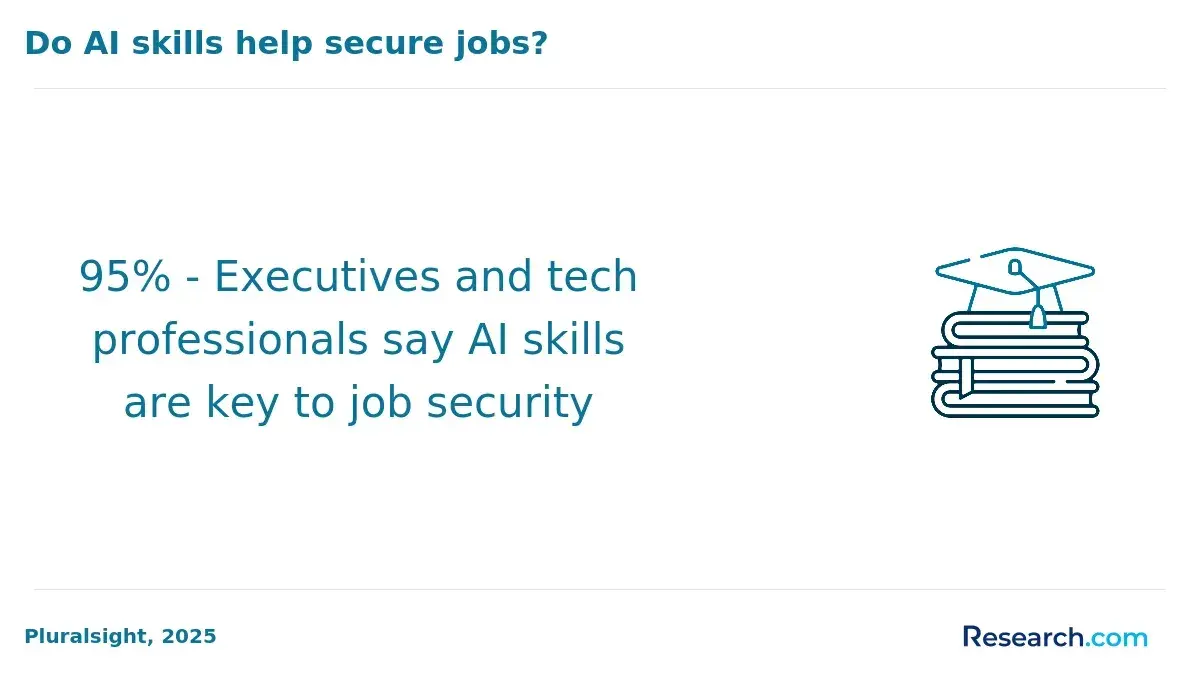
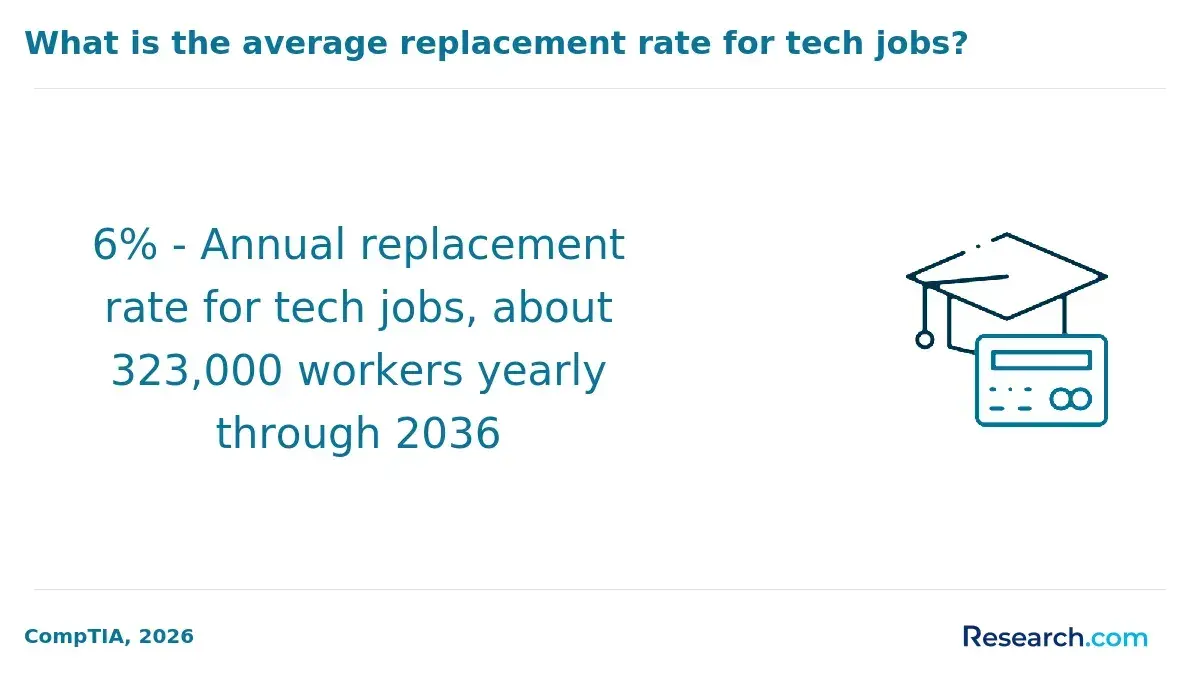
Given industry demands, machine learning and AI remain among the fastest-growing skill categories in U.S. job markets, highlighting the importance of these topics in doctoral curricula. Success in these programs requires a strong foundation in programming languages like Python, proficiency in TensorFlow or PyTorch, and a solid grasp of linear algebra and calculus.
Prospective students should be prepared for rigorous training balancing theoretical foundations with applied methods to excel in both academic research and practical AI careers.
How long does an AI doctorate usually take to complete?
The typical time to complete a doctorate in artificial intelligence in the U.S. is about six years. This is consistent with national data showing engineering Ph.D. recipients take a median of 5.9 years to graduate (NSF NCSES, Survey of Earned Doctorates, 2024). Since many AI programs are part of computer science or engineering departments, this timeline is a reliable reference.
Completion times can vary based on program structure, research complexity, and personal progress. For instance, students working on highly experimental AI projects or interdisciplinary research might need around seven years. Those focusing on more defined theoretical or applied machine learning fields may finish in five years or less.
Prospective students should ask about average completion times and available support for timely graduation. Programs offering structured milestones and strong faculty mentorship often help candidates progress more efficiently. Planning for at least six years is practical for most pursuing an AI doctoral degree in the U.S.
What scholarships, fellowships, and assistantships reduce AI PhD costs?
Scholarships, fellowships, and assistantships play a crucial role in easing the cost of pursuing a PhD in artificial intelligence in the U.S. The National Science Foundation Graduate Research Fellowship Program (NSF GRFP) stands out by offering a $37,000 annual stipend and a $16,000 cost-of-education allowance to institutions for each fellow. This funding directly offsets tuition and living expenses.
Graduate teaching assistantships (TAs) and research assistantships (RAs) significantly reduce financial burdens by covering full tuition and providing stipends ranging from $20,000 to $35,000 annually. Students typically commit 10-20 hours weekly to these roles, gaining valuable teaching or research experience.
Many universities offer scholarships aimed specifically at AI and STEM fields, including merit-based and diversity-focused fellowships supporting underrepresented groups. Some schools provide multi-year funding packages that guarantee financial support through degree completion, helping students plan their finances more effectively.
External fellowships from technology companies and professional organizations also supplement funding. These often combine financial support with internship opportunities, facilitating industry connections alongside academic progress.
Prospective students should start looking for assistantship and fellowship opportunities early and apply broadly to national programs like NSF GRFP as well as university-specific awards to increase chances of securing essential funding.
What careers can you pursue with an AI doctorate in the U.S.?
With a doctorate in artificial intelligence from the U.S., professionals have access to a wide array of impactful career paths in academia, industry, and government. Academic roles include university professor or research scientist positions focused on developing new AI theories, algorithms, and applications. Success in these roles often requires securing grants and publishing influential research.
In the private sector, AI PhDs work as machine learning engineers, data scientists, or AI research scientists within major tech companies, startups, and consulting firms. These experts design systems for natural language processing, computer vision, and autonomous vehicles, leading teams that innovate products transforming industries like healthcare, finance, and manufacturing.
Government roles involve work in defense, cybersecurity, and public policy, addressing national security concerns and shaping AI regulatory frameworks. Other specialized careers include AI ethics specialists who assess the societal impact of AI and product managers who guide AI-driven product strategies.
The World Economic Forum's 2024 Future of Jobs Report highlights "AI and Machine Learning Specialists" as among the fastest-growing job roles worldwide through 2030, underscoring the strong demand for AI doctoral expertise.
Combining AI knowledge with domain skills such as healthcare or finance opens niche roles like biomedical AI researcher or quantitative analyst. Continuous learning and interdisciplinary collaboration remain essential to thrive in this evolving job market.
What salaries and job outlook can AI doctoral graduates expect?
Doctoral graduates specializing in artificial intelligence in the U.S. benefit from strong earning potential and optimistic job prospects. The median annual wage for Computer and Information Research Scientists-closely related to AI doctoral roles-was $145,080 as reported by the U.S. Bureau of Labor Statistics. This reflects the lucrative nature of careers in AI research and development.
Demand for AI expertise is rising across sectors such as healthcare, finance, automotive, and cybersecurity. Experts in machine learning and natural language processing often secure positions in technology firms, research institutions, or government agencies.
Specializing in areas such as healthcare AI applications opens further opportunities, especially in medical technology companies. Combining AI research skills with software development and data engineering enhances employability within industry roles.
Graduates should evaluate market demand, geographic factors, and sector trends to align their careers with long-term growth and salary goals.
Other Things You Should Know About Artificial Intelligence
Affordable AI doctoral programs in 2027 usually cover machine learning, deep learning, natural language processing, robotics, and data science. Many also require doctoral seminars, dissertation research, and a minimum of 60 to 90 graduate credits, with a final defense approved by the university’s graduate school.
Affordable AI doctoral programs in 2027 typically require a bachelor's or master's degree in a related field, a satisfactory GRE score, and letters of recommendation. Some programs may also require a minimum GPA or prior research experience in AI or related disciplines.
In 2027, affordable AI doctoral programs often offer scholarships, fellowships, and grants. Students can apply for federal financial aid via the FAFSA form, potentially receiving support like Pell Grants or Stafford Loans. Institutional-specific awards might also be available based on academic merit.
References
- Funding and scholarships in AI and Data Science - MSc/PhD Advice 19419 https://www.postgraduatestudentships.co.uk/advice/funding-and-scholarships-in-ai-and-data-science/19419
- Seeking Advice on a PHD Research Path https://community.deeplearning.ai/t/seeking-advice-on-a-phd-research-path/873463
- How AI Experts Earn Honorary Doctorate Degrees | Eduminds Learning https://www.edumindslearning.com/blog/how-ai-expert-earn-honorary-doctorate-degree
- Top 5 Affordable Online Doctorates in Technology Mgmt https://www.online-phd-programs.org/top-affordable-online-doctorates-in-technology-mgmt/
- AI/ML Scholarships 2026 — 20+ Verified Fellowships, Grants, and Travel Awards (Sorted by Deadline) - ScholarshipsandGrants.us https://scholarshipsandgrants.us/major/ai-ml/
- Most Affordable Online Computer Science PhDs (Doctorates) 2026 | Academic Influence https://academicinfluence.com/rankings/online-degree/most-affordable-computer-science-phd
- Landing Your Dream Job: Career Paths for AI & ML Doctorate Graduates https://snatika.com/single-blog/landing-your-dream-job%3A-career-paths-for-ai-%26-ml-doctorate-graduates
- Most Affordable Online Doctoral Degrees https://www.onlineu.com/most-affordable-colleges/doctoral-degrees
- Who Accredits Artificial Intelligence (AI) Degree Programs? - AI Degrees Online https://aidegreesonline.com/accreditation/who-accredits-ai-degree-programs/
- AIDA AI PhD Curriculum - AIDA - AI Doctoral Academy https://www.i-aida.org/phd-curriculum/