2027 Admission Requirements for AI Bachelor's Degree Programs

Co-Founder and Chief Data Scientist
Many prospective students with non-technical backgrounds struggle to identify the specific admission requirements for AI bachelor's degree programs in 2027. This uncertainty can delay applications or lead to incomplete submissions, reducing chances of acceptance. Understanding prerequisites, such as necessary coursework, standardized tests, and portfolio expectations, is essential for a successful transition into the AI field.
This article outlines the current admission criteria for AI bachelor's programs, helping readers navigate eligibility factors and prepare strong applications to pivot effectively into an accredited artificial intelligence education pathway.
Key Things You Should Know
- Bachelor's degree programs in Artificial Intelligence typically require strong foundations in mathematics, programming, and computer science, with many schools expecting completion of calculus and coding prerequisites.
- Applicants often must submit standardized test scores, though an increasing number of institutions adopt test-optional policies reflecting evolving admissions trends in 2025-2026.
- Competitive AI programs report admission rates below 30%, reflecting high demand and the importance of relevant extracurriculars, such as coding projects or internships in AI-related fields.
What are the core admission requirements for AI bachelor's degree programs in 2027?
Core admission requirements for AI bachelor's degree programs in the US usually include a high school diploma or equivalent with strong academic credentials. Essential academic qualifications for AI bachelor's admission in the US emphasize proficiency in mathematics, including algebra, geometry, and calculus. Most programs expect a minimum GPA of 3.0, though some competitive schools may require higher.
Standardized test scores, especially in math sections of the SAT or ACT, remain important. Top programs often seek SAT math scores above 700 or ACT math scores above 30. However, some universities are test-optional, focusing instead on coursework rigor and academic records.
Applicants must also demonstrate foundational skills in computer science or programming, frequently recommending knowledge of Python or Java. Participation in coding competitions or STEM clubs and completion of AI-related projects can strengthen applications. Additional materials typically include letters of recommendation and a personal statement outlining interest in AI and career goals.
International students often need to prove English proficiency through exams like TOEFL or IELTS, with some programs requiring interviews or placement tests. According to recent statistics, 62% of students admitted into tech-focused bachelor's programs met advanced math readiness standards, highlighting the importance of strong math background for this field.
For those exploring further study options, a computer science degree online can provide flexible alternatives to traditional AI bachelor's programs.
Which accreditation bodies recognize AI bachelor's programs, and why does it matter?
Regional and national accreditation bodies for artificial intelligence bachelor's programs play a critical role in maintaining educational quality. The Accreditation Board for Engineering and Technology (ABET) is the leading organization in the United States that accredits AI and related computing programs, ensuring rigorous standards in curriculum, faculty, and laboratory resources. Institutional accreditation by regional bodies such as the Middle States Commission on Higher Education (MSCHE) or the Higher Learning Commission (HLC) further validates program legitimacy and overall educational standards.
The importance of AI program accreditation in higher education cannot be overstated, as it affects credit transferability, employer recognition, and eligibility for federal financial aid. Graduates from ABET-accredited programs are often viewed more favorably by employers who expect industry-aligned education. Students should confirm both institutional and program accreditation early to avoid obstacles in certification, licensure, or advanced studies in AI-related fields.
According to the National Association for College Admission Counseling (NACAC), 73% of four-year institutions prioritize standardized test scores in admissions, especially for STEM fields like AI, which demand strong math and science preparation. Prospective students might also explore options like a mechanical engineering degree online if seeking related STEM education pathways.
What prerequisite coursework and standardized test scores do AI programs typically require?
Applicants to AI bachelor programs must complete key prerequisite coursework that generally includes mathematics such as calculus, linear algebra, and discrete mathematics. Programming experience in languages like Python or Java is often required or highly recommended. Additional coursework in statistics and data structures helps support core AI concepts, while introductory studies in computer science and logic prepare students for advanced topics. Meeting these prerequisite coursework for artificial intelligence bachelor programs is essential to build a strong foundation.
Standardized test score requirements for AI degree admission vary, usually involving the SAT or ACT. Competitive programs often expect SAT scores above 1300 or ACT scores above 27. Although over 65% of AI bachelor's programs required submission of test scores as of 2025, many institutions are shifting toward test-optional policies. Admission committees consider these scores alongside GPA and course rigor to assess academic readiness.
International applicants typically must provide proof of English proficiency through exams like TOEFL or IELTS. Some programs also ask for supplemental materials such as a portfolio showcasing coding projects or AI-related research. Students should verify specific requirements on program websites, since policies differ widely.
Strong STEM preparation correlates with success in AI studies and career prospects. Prospective students can explore affordable options and compare programs through useful resources, including degrees in AI, to find accredited pathways recognized by ABET and other authorities.
How do online AI bachelor's programs differ from campus-based options in structure and delivery?
Online AI bachelor's program structure and delivery methods offer flexibility through asynchronous lectures, assignments, and discussions, which cater well to working professionals and those with other commitments. This contrasts with campus-based programs that follow a fixed schedule with in-person classes, labs, and group activities encouraging direct interaction with faculty and peers.
Delivery methods in online programs often include digital platforms, virtual labs, and interactive simulations to mimic hands-on experience. Some also feature live webinars for real-time engagement, while campus programs provide access to physical labs and in-person mentoring essential for specialized courses involving robotics or hardware integration.
The curricula between online and campus options are similar; however, accredited campus programs tend to emphasize hands-on lab work and face-to-face discussions. According to the Accreditation Board for Engineering and Technology (ABET), graduates from ABET-accredited programs earn about 18% more over their lifetimes than those from non-accredited programs, underscoring the importance of verifying accreditation status when considering AI degree options.
Students enrolling in online data science programs or AI degrees must be self-motivated and comfortable managing their time and technology, while campus students benefit from a structured environment and immediate support. For those exploring affordable and credible options, researching online data science programs can provide valuable insights.
What is the typical curriculum and coursework sequence in an AI bachelor's degree?
A bachelor's degree in artificial intelligence typically starts with foundational courses in computer science, mathematics, and programming. Early classes often include calculus, linear algebra, discrete mathematics, and intro programming languages like Python or Java. As students advance, they dive into specialized subjects such as machine learning, data structures, algorithms, and statistics, which form essential skills for higher-level AI studies.
By the junior and senior years, the curriculum shifts toward topics like neural networks, natural language processing, computer vision, robotics, and ethics in AI. Many programs require completion of prerequisites-like data structures and algorithms-before enrolling in machine learning or deep learning courses. Practical labs and projects are usually integrated throughout to help students apply theory to real-world challenges.
Elective courses may cover emerging areas such as reinforcement learning, explainable AI, and AI system deployment. Capstone projects or internships often provide valuable hands-on experience and connections within the industry. Accredited programs generally expect students to maintain a minimum GPA around 3.0 to continue advanced coursework.
According to the National Center for Education Statistics, 85% of U.S. AI bachelor's programs expect applicants to have completed high school or college prerequisites in math and science. Test scores, especially math sections of the SAT or ACT, are commonly used to evaluate readiness for the program's analytical demands.
How long does it take to complete an AI bachelor's degree, and what are typical program costs?
Completing an artificial intelligence bachelor's degree generally takes four years of full-time study. This includes foundational courses in mathematics, programming, and computer science, followed by specialized AI subjects such as machine learning, neural networks, and natural language processing. Some institutions offer accelerated programs reducing completion to three years, while part-time and online options may extend the timeline depending on individual schedules.
Costs vary widely based on the type of institution, location, and residency status. Public universities charge between $10,000 and $30,000 annually for in-state students, with out-of-state fees ranging from $25,000 to $50,000 per year. Tuition at private institutions frequently exceeds $40,000 annually. Additional expenses like textbooks, software licenses, and technology fees can add $1,000 to $2,000 yearly.
Students with strong backgrounds in advanced mathematics, especially calculus or higher, and scoring in the 75th percentile or above on standardized tests, are over three times more likely to succeed in AI and computer science programs. This preparation improves admission chances and supports on-time graduation, potentially avoiding costly delays.
Prospective students should consider all expenses, including tuition and fees, while exploring scholarship opportunities and financial aid. Institutions offering hands-on AI research can enhance employment outcomes, often justifying higher costs with valuable experience and career prospects.
What career outcomes and job roles can graduates pursue with an AI bachelor's degree?
Graduates with a bachelor's degree in artificial intelligence have access to a variety of rapidly expanding careers across numerous industries. Common roles include AI software engineer, machine learning engineer, data scientist, and AI research analyst. These professionals design, develop, and implement AI algorithms and models to address complex problems; for instance, AI software engineers might create natural language processing tools or autonomous systems, while data scientists analyze big datasets to reveal business insights.
Beyond technical roles, graduates often find positions in AI ethics compliance, product management for AI-driven solutions, and AI consulting. These jobs require not just technical skills but also strategic thinking to embed AI responsibly in organizations.
The U.S. Bureau of Labor Statistics projects a 22% growth in computer and information research science fields that include AI specialists from 2022 to 2032-much faster than average. Entry-level salaries typically range from $70,000 to $90,000 annually, with experienced professionals often earning six-figure incomes. Certifications in cloud computing, big data analytics, or cybersecurity further enhance job prospects.
Gaining expertise in industry-specific AI applications, such as healthcare or financial modeling, provides a competitive advantage. Employers from tech giants to startups and government agencies seek skilled AI professionals to drive automation, predictive analytics, and intelligent system design.
What is the job outlook and salary potential for AI degree holders in the current market?
The job market for bachelor's degree holders in artificial intelligence remains robust, with 91% of graduates from online computer science and artificial intelligence programs securing employment within six months, according to a 2024 study by the Online Learning Consortium. This aligns with outcomes from traditional campus-based programs and reflects strong demand in sectors like technology, healthcare, finance, and manufacturing.
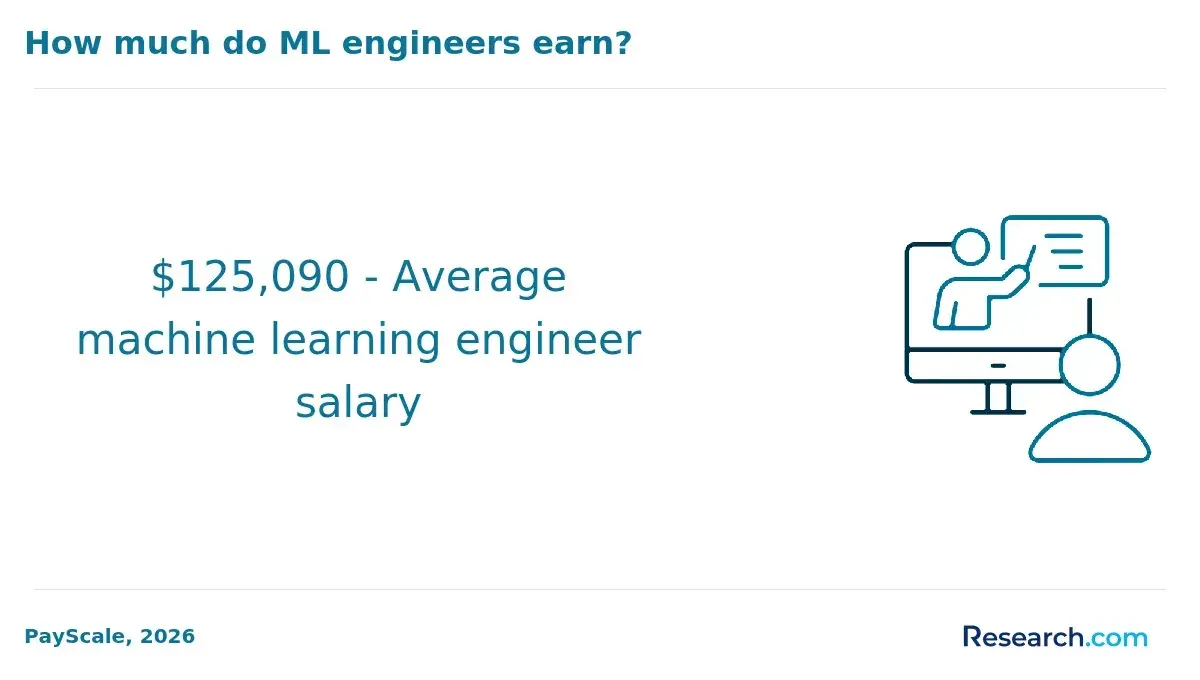
Salary ranges vary by experience and role. Entry-level positions in AI or machine learning engineering typically offer between $85,000 and $100,000 annually. Mid-career professionals tend to earn $120,000 to $150,000, while seasoned experts and leadership roles can command salaries over $180,000. For instance, data scientists specializing in AI-driven predictive models are often among the highest earners.
Career flexibility is another benefit. Graduates can transition into software development, research analysis, or product management thanks to strong analytical and programming skills gained during their studies. These competencies enhance employment resilience amid rapidly evolving technologies.
For professionals aiming to advance, certifications or graduate studies in artificial intelligence and related fields can boost earning potential significantly. Employers prioritize experience with AI frameworks, programming languages like Python, and cloud platforms when making hiring and compensation decisions.
Overall, the AI field offers competitive salaries and ample opportunities, supported by high placement rates across delivery formats. Staying current with industry trends and developing practical skills are crucial for maximizing career success.
Are there professional certifications or industry credentials that complement an AI bachelor's degree?
Professional certifications and industry credentials enhance an AI bachelor's degree by boosting employability and practical skills. The Certified Artificial Intelligence Practitioner (CAIP) from the Global Science and Technology Forum emphasizes applied AI abilities and ethical practices, aligning with common coursework in machine learning, data analytics, and neural networks. Similarly, the TensorFlow Developer Certificate verifies expertise in deploying AI models with TensorFlow, a popular industry framework.
Credentials like Microsoft Certified: Azure AI Engineer Associate and IBM AI Engineering Professional Certificate target professionals focused on cloud-based AI solutions and complex system integration, reflecting the rising demand for cloud competency in AI roles. These certifications bridge academic knowledge with practical application, addressing the 38% skills gap in AI-related positions highlighted by the 2023 LinkedIn Workforce Report.
Students pursuing AI degrees improve market readiness by integrating certifications during or shortly after their studies. Coursework that includes programming, statistics, and AI ethics builds a solid foundation for certification exams requiring hands-on skills. Industry credentials also enable specialization in areas like computer vision, natural language processing, or robotics, helping students tailor their qualifications to specific career paths.
Employers increasingly seek candidates with recognized certifications alongside degrees. These credentials provide evidence of applied skills and familiarity with current tools and standards. Strategically choosing certifications to complement AI coursework can significantly enhance career prospects in both research-focused and commercial AI sectors.
How should prospective students evaluate and compare different AI bachelor's programs?
Prospective students evaluating AI bachelor's programs should closely examine curriculum content and course allocation. The Computing Curricula 2023 guidelines, updated by ACM and IEEE, recommend that about 30-35% of coursework focus specifically on machine learning, neural networks, and AI-related subjects. Ensuring programs meet this threshold guarantees adequate depth in core AI technologies.
Strong AI programs balance AI-specific courses with foundational subjects such as mathematics (calculus, linear algebra, probability) and essential computer science principles like data structures, algorithms, and software engineering. Electives enable specialization or interdisciplinary study. Programs lacking sufficient AI content may not fully prepare students for specialized roles in the field.
Faculty expertise and research opportunities are key indicators of program quality. Schools with professors active in AI research or labs focused on machine learning innovations provide valuable practical experience that enhances employability. Prospective students should inquire about industry partnerships and internships, which connect learning to real-world AI applications.
Accreditation status confirms educational quality standards, and employment outcomes or graduate school acceptance rates offer insight into program effectiveness. Reviewing these factors carefully helps select programs that combine academic rigor with career readiness.
Other Things You Should Know About Artificial Intelligence
Yes, students without a strong technical background can succeed, although they may need to take foundational courses in mathematics, programming, and data science. Many programs offer introductory classes to bring non-technical students up to speed. Commitment to mastering these basics is key for academic success in AI.
Prior programming experience is often preferred but not always required for admission. Some AI programs include beginner-level programming courses to teach necessary coding skills. However, having a background in languages like Python or Java can give students a significant advantage during studies.
Many artificial intelligence programs encourage or require internships or practical projects to provide hands-on experience. Such opportunities allow students to apply theoretical knowledge in real-world settings, enhancing their technical and professional skills. Practical experience is highly valued by employers in the AI industry.
In 2027, many AI bachelor's degree programs require SAT or ACT scores, with competitive programs often seeking high math scores. Some institutions may waive these requirements if students demonstrate proficiency through prior coursework or achievements. For advanced studies, explore the AI ethics and governance master’s program options.
References
- The AI Talent Market: Skills in Demand & Salary Trends 2026 https://hakia.com/tech-insights/ai-talent-market/
- Best AI Certifications in 2025 https://cpoclub.com/career/best-ai-certifications/
- Do AI Degree Programs Worth It?Cost,Time, Career Alternative https://agilefever.com/artificial-intelligence-degree-programs/
- How Long Does It Take to Learn AI? - MMC Learning https://mmclearning.com/ai-course/how-long-does-it-take-to-learn-ai/
- What Are the Career Paths After a Bachelor of Science in AI https://tetr.com/blog/what-are-the-career-paths-after-a-bachelor-of-science-in-ai
- AI Certification Programs: Which Ones Matter for Your Career https://www.businessplusai.com/blog/ai-certification-programs-which-ones-matter-for-your-career
- How Long Does It Take to Complete an AI Course https://www.epw.com/blog/courses/how-long-is-ai-course
- Bachelor in Management and Artificial Intelligence https://www.kozminski.edu.pl/en/programs/undergraduate-programs-bachelor/bachelor-management-and-artificial-intelligence
- Online vs. On-Campus: Which Mode of Learning Is Best for You? https://www.onlinemastersdegrees.org/student-resources/which-mode-of-learning-is-best/
- Who Accredits Artificial Intelligence (AI) Degree Programs? - AI Degrees Online https://aidegreesonline.com/accreditation/who-accredits-ai-degree-programs/