2027 AI Master's Degrees That Include AI Security Coursework

Co-Founder and Chief Data Scientist
Professionals from unrelated fields often struggle to find graduate programs that integrate both artificial intelligence and AI security, critical as cyber threats grow more complex. Securing AI systems demands specialized knowledge beyond general AI concepts, creating a gap for those aiming to pivot careers.
Many programs lack dedicated coursework in AI security, leaving graduates less prepared for emerging cybersecurity challenges. This article outlines master's degree options that include AI security training, guiding prospective students toward flexible, accredited paths to build expertise and enter the AI industry with confidence in addressing both development and security aspects.
Key Things You Should Know
- In 2026, over 60% of AI master's programs in the U.S. include dedicated AI security coursework, reflecting growing industry demand for experts in safeguarding intelligent systems.
- Courses typically cover adversarial machine learning, ethical hacking, and data privacy, preparing students for evolving cyber threats linked to AI technologies.
- Graduates with AI security specialization see a 20% higher starting salary on average, highlighting robust employer interest in candidates equipped with security-focused AI skills.
What are AI master's degrees with integrated AI security coursework?
AI master's degrees with integrated ai security modules provide specialized training that combines core artificial intelligence principles with the skills needed to protect AI systems against threats like data leakage, prompt injection, and model inversion.
These programs often include dedicated courses such as AI Security and Privacy, Adversarial Machine Learning, and Secure AI Systems Engineering, or integrate security topics into regular AI curricula to prepare students for real-world challenges.
Master's programs combining ai and cybersecurity coursework focus on adversarial machine learning, secure model deployment, and compliance with evolving AI regulations.
Hands-on labs, case studies involving attack simulations, and collaboration with cybersecurity experts help build practical skills. Students benefit from schools offering strong cybersecurity research and exposure to industry standards, with foundational modules often available for those without prior security experience.
According to Stanford HAI's 2025 AI Index report, 61% of organizations surveyed experienced AI-related security incidents within a year, highlighting the urgent need for professionals fluent in both AI development and its security aspects.
Graduates from such programs are equipped to design resilient AI systems and address emerging threats across sectors like finance, healthcare, and government.
Prospective students looking for flexible options may consider a 2 year bachelor degree computer science as a foundation before pursuing advanced study.
Which accredited universities offer AI master's programs with AI security courses?
Several of the best accredited universities for AI master's with security courses in the United States integrate specialized AI security coursework within their graduate programs.
Carnegie Mellon University, for example, offers AI security modules focusing on adversarial machine learning and secure deployment within its Master of Science in Artificial Intelligence and Innovation.
Stanford University's AI master's program features dedicated courses on AI risk assessment and cybersecurity for intelligent systems. Meanwhile, Massachusetts Institute of Technology (MIT) embeds AI security topics into its electrical engineering and computer science curriculum, emphasizing robust model development against threats.
These top universities offering AI master's programs including AI security respond to growing industry needs prompted by regulatory frameworks like the European Commission's 2025 AI Act.
They incorporate compliance, risk management, and ethical AI use classes to prepare graduates for expanding AI security markets.
Other notable programs include University of California, Berkeley's Master of Information and Data Science, which offers electives on privacy-preserving AI techniques, and Georgia Tech's Master of Science in Computer Science with a focus on AI security, featuring penetration testing for AI systems.
Prospective students should carefully review course catalogs and faculty expertise to ensure program alignment with career goals, especially those requiring hands-on labs, industry partnerships, and AI governance research.
Those seeking interdisciplinary options may explore mechanical engineering programs online that offer complementary skills in AI implementation and security, providing broader career opportunities.
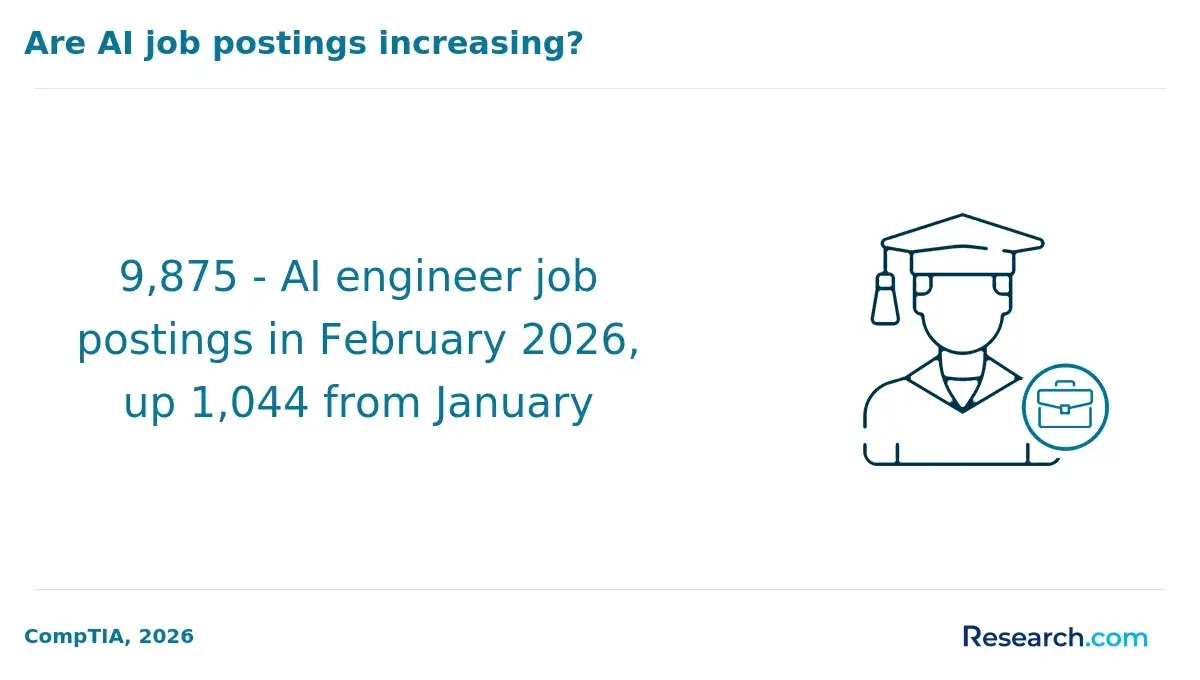
How do AI security-focused AI master's programs compare to cybersecurity master's degrees?
AI security master's programs focus on protecting AI models, data integrity, and adversarial machine learning, making them distinct from broader cybersecurity degrees.
The latter address foundational skills in network defense, risk management, and incident response, reflecting a global shortage of 4.0 million cybersecurity professionals according to (ISC)²'s Cybersecurity Workforce Study. The differences between ai-focused security degrees and cybersecurity master's programs become clear in their curriculum and career paths.
Cybersecurity master's degrees offer training in handling traditional threats like malware, phishing, and infrastructure attacks, applicable across industries such as government, finance, and healthcare.
Meanwhile, AI security master's programs dive into specialized threats to AI systems, including poisoning attacks, model inversion, and secure federated learning. Students looking for hands-on experience with adversarial AI and data privacy often benefit from these focused courses.
Career opportunities vary: AI security graduates may become AI model auditors or secure AI developers, while cybersecurity graduates often pursue roles like security analyst or penetration tester.
Students evaluating these options should consider their goals carefully. Those seeking a broader cybersecurity role may find traditional degrees more practical, whereas working directly with AI-driven technologies favors AI security master's programs.
Students interested in related fields might also explore game design degrees, which often intersect with AI skills. Given the relative novelty of AI security education, prospective students should prioritize programs offering hands-on projects involving adversarial AI to gain practical expertise.
What AI security topics and courses are typically included in these programs?
AI security course topics in master's programs commonly cover adversarial machine learning, secure system design, ethics, and governance. These programs teach students how to detect, defend against, and remediate threats such as data poisoning, evasion attacks, and model inversion. Practical training includes hands-on techniques to evaluate model robustness against real-world threat scenarios.
A typical curriculum for AI security degrees often includes:
- Adversarial ML methods: crafting and defending against adversarial inputs to test resilience.
- Red-teaming: simulating attacks to identify AI vulnerabilities before exploitation.
- Secure deployment: integrating AI with secure software engineering and cloud infrastructure.
- Data provenance and integrity: verifying data origin and quality to prevent manipulation.
- Ethics and regulatory compliance: aligning with standards like NIST's AI Risk Management Framework (AI RMF).
NIST's recent GenAI public drafts introduced new AI-specific risk controls, such as defenses against prompt injection and improved data provenance tracking. These updates are reflected in coursework emphasizing generative AI security challenges.
Programs also include exercises in secure AI pipeline design and threat modeling tailored to AI applications.
Students explore security in automated decision-making and privacy-preserving machine learning, aligning with industry demands. Graduates gain skills to ensure model confidentiality, prevent unauthorized data extraction, and maintain compliance with evolving AI regulations, preparing for careers in AI governance, cybersecurity, and policy development.
For those seeking affordable options, exploring the cheapest online data science masters may provide opportunities to specialize in this expanding field.
Are these AI master's programs available online, on campus, or hybrid?
Master's programs in Artificial Intelligence with a focus on AI security offer flexible delivery formats tailored to diverse student needs. Many universities, such as Georgia Tech and Northeastern University, provide fully online degrees featuring specialized security tracks.
These online options benefit working professionals and remote learners by allowing access without relocation while maintaining high academic standards.
Traditional campus-based programs continue to attract students who prefer in-person instruction and hands-on experiences. Institutions like Carnegie Mellon University emphasize face-to-face learning to leverage strong research facilities and faculty expertise in AI security, fostering collaboration and practical lab work.
Hybrid or HyFlex models, combining online and on-campus components, have become a common approach. The EDUCAUSE Horizon Report highlights hybrid delivery as a strategic choice for advanced computing fields. This model enables students to attend core seminars on campus while completing programming and coursework asynchronously online, providing a balanced learning experience.
- Online formats support those balancing full-time employment.
- Campus programs suit individuals seeking immersive networking and direct research access.
- Hybrid options offer personalized scheduling and interactive opportunities.
Prospective students should carefully review program delivery methods and support services to align their choice with career objectives, time availability, and preferred learning styles for successful admission decisions.
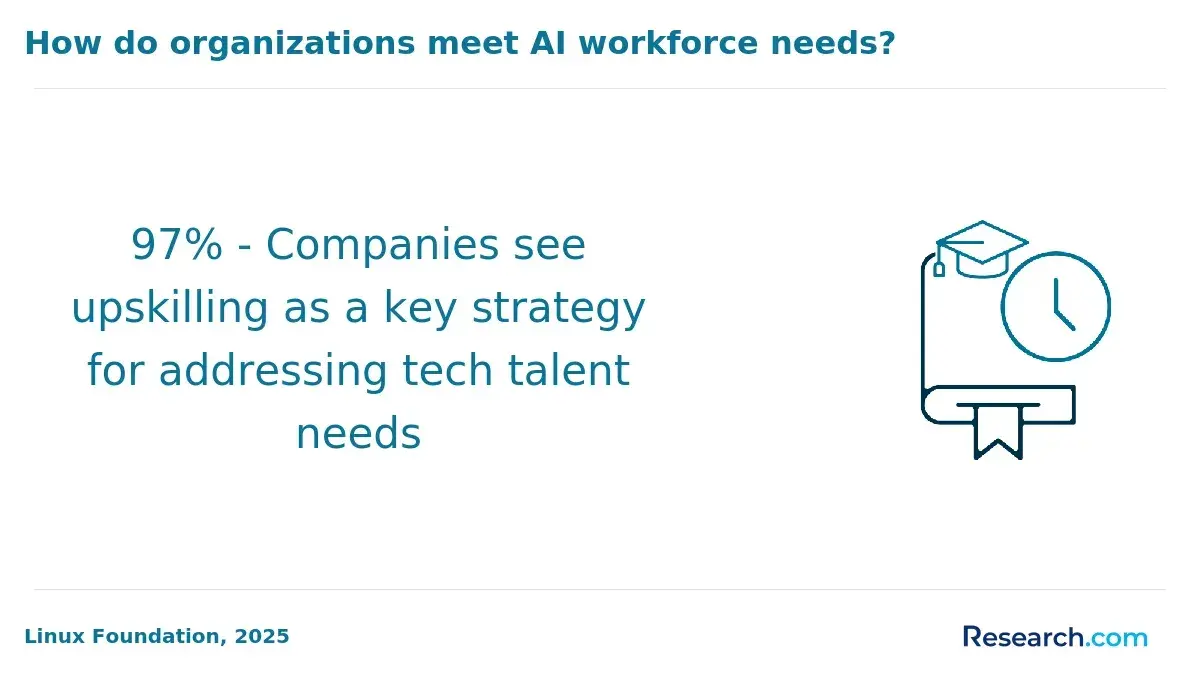
What admissions requirements apply for AI master's programs with AI security content?
Master's programs focusing on artificial intelligence with AI security coursework increasingly emphasize demonstrated quantitative skills and relevant project experience over reliance on standardized tests.
Many universities have adopted a GRE-optional policy, but strong STEM transcripts in areas like computer science, mathematics, and statistics remain critical. Applicants generally need a minimum GPA of 3.0 on a 4.0 scale, with competitive programs often seeking 3.5 or higher.
Successful candidates submit detailed resumes or portfolios highlighting hands-on experience in cybersecurity, machine learning, or software development. Letters of recommendation should confirm technical expertise and problem-solving abilities.
Some programs specifically look for proficiency in cryptography or network security to match AI security requirements.
According to ETS findings for the GRE General Test, the applicant pool has shifted toward STEM fields even as GRE use declines, underscoring the importance of academic performance and project portfolios over test scores alone.
Prospective students without GRE scores must therefore showcase strong coursework and substantial project work in quantitative and technical domains.
International applicants have additional requirements, such as English proficiency demonstrated by TOEFL (minimum 90 iBT) or IELTS (minimum 7.0) scores. Prerequisite coursework in algorithms, data structures, and cybersecurity fundamentals may also be required before admission.
How long do these programs take, and what do they cost?
Master's degree programs integrating ai with security coursework typically require 1.5 to 2 years of full-time study, while part-time options extend to 3 or more years to accommodate working professionals. Coursework balances core ai topics with specialized classes such as threat detection, cryptography, and secure machine learning.
Tuition and fees vary significantly based on institution and residency: public universities often charge $15,000 to $30,000 per year for in-state students, while out-of-state or private schools may exceed $40,000 annually. Living expenses and additional fees are not included in these figures and should be considered when budgeting.
Examples include public universities offering 18-month programs with in-state tuition around $20,000 per year. Private universities with strong ai security faculties typically have two-year programs costing between $45,000 and $60,000 annually.
Online master's programs provide more flexibility and sometimes lower tuition, though often still in the $30,000 to $40,000 range yearly.
Prospective students should evaluate financial aid and employer tuition assistance options carefully. Comparing factors like program length, specialization, and total cost can help ensure alignment with both career objectives and financial limits.
- Full-time duration: 1.5 to 2 years
- Part-time options: 3+ years
- In-state public tuition: $15,000-$30,000/year
- Private institution tuition: $45,000-$60,000/year
- Online program tuition: $30,000-$40,000/year
What careers can this degree lead to in AI security and trustworthy AI?
Graduates with a master's degree focused on AI security are prepared for specialized careers that protect and verify AI systems. Key roles include AI security engineers who build defenses against attacks targeting machine learning models and data pipelines, and AI assurance specialists who ensure systems comply with ethical standards and regulatory requirements.
Professionals in trustworthy AI governance develop policies to address bias, transparency, and accountability, often intersecting with cybersecurity and data governance. These roles require skills in threat modeling, risk assessment, and responsible AI deployment.
Careers in AI security operations centers (AI-SOC) focus on continuously monitoring AI systems to detect anomalies or adversarial behavior. Risk analysts and compliance officers in AI also rely on AI security expertise to identify vulnerabilities and recommend mitigation strategies.
The World Economic Forum's Future of Jobs Report 2025 ranks AI and big data specialists among the fastest-growing roles globally while highlighting increasing demand for cybersecurity and governance skills. This trend supports growth in AI assurance, AI security engineering, and trustworthy AI governance roles.
Employers often seek candidates experienced in secure coding, cryptography, adversarial machine learning, and ethical AI frameworks. These skills are critical across finance, healthcare, defense, and technology sectors where AI systems require robust protection.
What salaries can graduates expect in AI security and related roles?
Graduates holding master's degrees with AI security coursework have promising salary prospects in AI security and related fields. According to Burtch Works' 2025 salary report, experienced machine learning engineers and applied scientists earn median U.S. salaries well into six figures.
The demand for security-specialized machine learning talent often translates to higher compensation due to their scarce skill set.
Salary ranges typically include:
- Entry-level AI security engineers earning between $90,000 and $120,000 annually
- Mid-career professionals making from $130,000 to $170,000
- Senior or specialized AI security experts exceeding $180,000, particularly in tech hubs like San Francisco and New York City
Combining AI security with cybersecurity and machine learning skills broadens job opportunities and commands pay premiums. Roles such as AI security engineer, security-focused data scientist, or research scientist in robust AI systems are common career paths.
Advanced certifications and expertise in security protocols embedded in AI frameworks enhance earning potential.
With organizations increasingly focused on securing AI infrastructures, the demand for AI security professionals continues to rise. Master's programs emphasizing practical AI security projects and industry collaboration help graduates enter these high-paying roles well prepared.
Which certifications complement an AI master's degree with AI security coursework?
Certifications that enhance an AI master's degree with AI security coursework build essential expertise in governance and technical security. Key certifications include ISACA's CISM (Certified Information Security Manager) and CRISC (Certified in Risk and Information Systems Control), which align with the growing focus on AI governance, risk management, and compliance.
Enrollment data from ISACA's Certification Program Statistics 2024-2025 shows strong growth in these credentials, reflecting employer demand for professionals skilled in managing AI-related risks alongside technical defenses.
Technical certifications such as CompTIA Security+ and (ISC)²'s CISSP (Certified Information Systems Security Professional) support roles requiring hands-on cybersecurity skills.
These credentials offer a foundation in cybersecurity best practices that complements advanced AI security coursework focused on threat detection and mitigation within AI systems.
Those interested in AI governance or legal compliance may pursue the Certified in the Governance of Enterprise IT (CGEIT) and Certified Ethical Hacker (CEH) certifications. CGEIT provides knowledge of IT governance frameworks relevant to AI, while CEH covers offensive security tactics targeting AI vulnerabilities.
A well-rounded profile for AI security roles emerges from combining risk-focused certifications like CISM or CRISC with technical credentials such as CISSP or Security+. This blend addresses practical risk assessment and regulatory compliance gaps often absent from university programs.
Other Things You Should Know About Artificial Intelligence
Graduates of AI master's programs with a focus on AI security in 2027 can expect career prospects in cybersecurity firms, tech companies, and research institutions. Roles may include AI Security Analyst, Cybersecurity Engineer, and Research Scientist, with opportunities to enhance AI systems' resilience against threats.
Yes, many AI master's programs with AI security coursework encourage interdisciplinary study by combining elements of computer science, data science, ethics, and cybersecurity. Some programs offer elective courses or joint projects that explore legal implications and privacy concerns related to AI security. This interdisciplinary approach prepares graduates to handle the broader impact of AI technologies in various sectors.
AI ethics is a critical component often integrated with AI security to ensure responsible development and deployment of AI systems. Ethical considerations include fairness, transparency, accountability, and mitigating biases in AI algorithms.
AI security coursework teaches students how to design systems that not only defend against attacks but also uphold ethical standards in their operation.
Many master's programs incorporate practical projects, internships, or research opportunities focused on AI security challenges. These experiences often involve analyzing vulnerabilities in AI models, developing secure AI applications, or participating in competitions that simulate real-world cyber threats. Such hands-on learning equips students to transition effectively into professional roles after graduation.
References
- AI security fundamentals - Training https://learn.microsoft.com/en-us/training/paths/ai-security-fundamentals/
- Master of AI Security (MAIS) from Tonex, Inc. | NICCS https://niccs.cisa.gov/training/catalog/tonex/master-ai-security-mais
- Building a Career in AI Security - Practical DevSecOps https://www.practical-devsecops.com/building-a-career-in-ai-security/
- QA.com | Top 10 Must Have AI Certifications in 2026 https://www.qa.com/browse/certifications/ai-certifications/
- Who Earns More? AI or Cyber Security Professionals? https://cyberskillscentre.com/who-earns-more-ai-or-cyber-security-professionals/
- Cyber Security Career Path with AI Skills: Opportunities, Certifications & the Future of Work https://alnafi.com/blog/cyber-security-career-path-with-ai-skills
- Advanced AI & LLM Security Training | ModernSecurity.io https://www.modernsecurity.io/pages/blog
- How Many Years is a Bachelor's Degree? https://www.snhu.edu/about-us/newsroom/education/how-long-does-it-take-to-get-a-bachelors-degree
- Cyber Security and Artificial Intelligence MSc at De Montfort University London https://www.dmu.ac.uk/london/study/courses/cyber-security-artificial-intelligence.aspx
- AI Security Career Roadmap: Tutorial, Projects, Concepts for Future Tech Leaders https://www.digicrome.com/blog/ai-security-career-roadmap-tutorial-projects-concepts-future-tech-leaders