2027 Machine Learning Engineer vs AI Engineer: Career Comparison

Co-Founder and Chief Data Scientist
Professionals aiming to transition into the artificial intelligence sector often face uncertainty about whether to pursue a career as a machine learning engineer or an AI engineer. Both roles share overlapping skills yet differ in focus, industry applications, and required expertise. Choosing the wrong path can lead to misaligned education and slower career growth. This article clarifies the distinctions between these professions in 2026, outlining key responsibilities, skill sets, and industry expectations. It helps readers make informed decisions by comparing career trajectories and educational requirements to facilitate a strategic and flexible pivot into the artificial intelligence industry.
Key Things You Should Know
- Machine learning engineers focus on designing algorithms and data models, while AI engineers integrate these models into scalable systems for broader AI applications.
- Job growth for AI engineers is projected at 34% through 2032, slightly outpacing the 31% growth rate for machine learning engineers, reflecting rising industry demand.
- Machine learning roles emphasize statistical modeling and data preprocessing; AI engineers require broader software development skills and system architecture knowledge.
What is the core difference between a machine learning engineer and an AI engineer?
The core difference between a machine learning engineer and an AI engineer lies in their scope and focus. A machine learning engineer primarily designs, builds, and optimizes algorithms and models for specific tasks like prediction, classification, or recommendation within defined domains. Their expertise centers on statistical methods, data preprocessing, and model deployment. For example, they might develop a fraud detection model for financial transactions or a recommendation engine for e-commerce.
In contrast, an AI engineer covers a broader spectrum, including machine learning and other subfields like natural language processing, robotics, computer vision, and knowledge representation. AI engineers integrate diverse AI components into complex systems simulating intelligent behavior. For instance, they may work on autonomous vehicles combining sensors, decision-making algorithms, and real-time learning. These distinctions reflect differences in the machine learning engineer vs AI engineer roles and their key responsibilities.
According to LinkedIn's Jobs Report, AI engineer positions grew 74% year-over-year, while machine learning engineer roles increased by 33%. This disparity shows stronger demand for AI engineers skilled in holistic AI system knowledge, alongside continuing need for specialists in machine learning techniques. Both roles require strong programming and statistics skills, but AI engineers also must master AI frameworks, system integration, and cross-disciplinary research challenges.
Students and professionals weighing their career path should consider their preference for deep algorithm expertise or versatile AI application development. For those exploring options, an applied AI degree jobs offer diverse opportunities across this evolving landscape.
What degree programs and educational pathways lead to careers as machine learning engineers or AI engineers?
The primary educational pathways for AI engineer careers typically start with a bachelor's degree in computer science, mathematics, or engineering. According to the U.S. Bureau of Labor Statistics, 68% of machine learning and AI professionals hold at least a bachelor's degree, with computer science as the leading major, followed by mathematics and engineering. These degree programs emphasize essential courses such as data structures, algorithms, linear algebra, calculus, probability, and statistics.
Specializations or electives in machine learning, deep learning, natural language processing, or robotics provide focused expertise within these programs. Graduate degrees like a master's or PhD in artificial intelligence or machine learning are often necessary for advanced roles, research positions, or highly specialized engineering tasks. These advanced studies cover topics such as neural networks, reinforcement learning, and large-scale data analytics, requiring strong programming and mathematical skills.
Professional certifications and bootcamps can supplement formal education, especially for working professionals transitioning into machine learning engineer degree programs. However, they tend to be less comprehensive and usually assume prior technical knowledge.
Evaluating programs for curriculum quality, faculty expertise, and research opportunities is important. Hands-on projects, internships, and contributions to open-source AI projects help bridge academic learning with industry demands. Those seeking affordable options can explore recognized data science programs that align with their career goals.
What are the typical salary expectations and job outlook for machine learning engineers versus AI engineers in 2027?
Machine learning and AI engineers have distinct but related roles, reflected in their typical salary ranges. According to Glassdoor's 2024 data, AI engineers earn an average base salary of $164,769, while machine learning engineers average $156,234. This difference stems from AI engineers' broader responsibilities, which include system design, integration, and deployment beyond just model development.
The job outlook and career growth for machine learning versus AI engineers also diverge. AI engineers are expected to see a 35% job growth through 2026, driven by expanding markets such as healthcare, autonomous vehicles, and natural language processing. Machine learning engineers will experience growth focused on algorithm development and optimizing data models, usually within more specialized roles.
Salary prospects depend heavily on industry, location, and experience level. Entry-level AI engineers in tech hubs like Silicon Valley can start near $140,000, rising past $180,000 with experience in finance or healthcare. Machine learning engineers typically advance their earnings by gaining expertise in deep learning frameworks and deployment skills, often working in data-centric firms.
Employers vary in how they allocate these positions: startups may seek versatile AI engineers, while larger companies often separate tasks, employing machine learning engineers specifically for model-building. For those exploring education options, many consider the best online masters in artificial intelligence to tailor skills toward their desired career path in this evolving landscape.
What specific technical skills and programming languages do employers require for each role?
Employers place strong emphasis on Python programming skills for both machine learning engineer technical skills required and AI engineer programming languages demanded. Python appears in 78% of machine learning engineer job listings and 82% of AI engineer postings, largely because of its powerful libraries like TensorFlow, PyTorch, and scikit-learn that support algorithm and model development.
SQL proficiency is more common for machine learning engineer technical skills required, showing up in 65% of roles compared to 58% in AI engineering. This distinction reflects the data-focused responsibilities of machine learning engineers, who rely heavily on relational databases and query optimization to prepare datasets for training.
Machine learning engineers often use R and Java for statistical analysis or enterprise systems, whereas AI engineers might prefer C++ or JavaScript when real-time performance or client-side deployment is critical. Both roles require solid software engineering practices, including version control, containerization with Docker, and experience with cloud platforms like AWS or Google Cloud for scalable model deployment.
In addition to programming, candidates should develop a strong foundation in mathematics such as linear algebra, calculus, and probability. Those seeking advanced education in this field may explore the cheapest masters in data science to build relevant expertise and boost career readiness in these demanding technical roles.
How do online versus campus-based AI and machine learning degree programs compare in quality and outcomes?
Online and campus-based degree programs in artificial intelligence and machine learning deliver comparable career outcomes, supported by a 2024 study from the National Bureau of Economic Research. Employment rates within six months of graduation were 89% for online graduates versus 91% for campus graduates, with starting salaries also showing minimal differences. This suggests accredited online programs provide practical skills and knowledge on par with traditional in-person education.
While campus programs offer more direct access to labs, in-person collaboration, and mentorship, many online programs now include interactive projects and virtual labs, such as GPU cloud platforms that enable learners to work with neural networks and large datasets remotely. This helps replicate valuable hands-on experiences beyond campus settings.
Online degrees offer flexibility for working professionals and those balancing study with employment, while campus programs sometimes carry stronger brand recognition influencing initial hiring impressions. However, employers increasingly prioritize demonstrable skills and project portfolios over the program's delivery mode.
Students should confirm program accreditation and ensure curricula align with industry standards. Gaining practical experience through internships or capstone projects is critical. Selecting programs offering career services and employer engagement can improve workforce readiness regardless of modality.
What are the admission requirements and prerequisites for accredited machine learning and AI engineering programs?
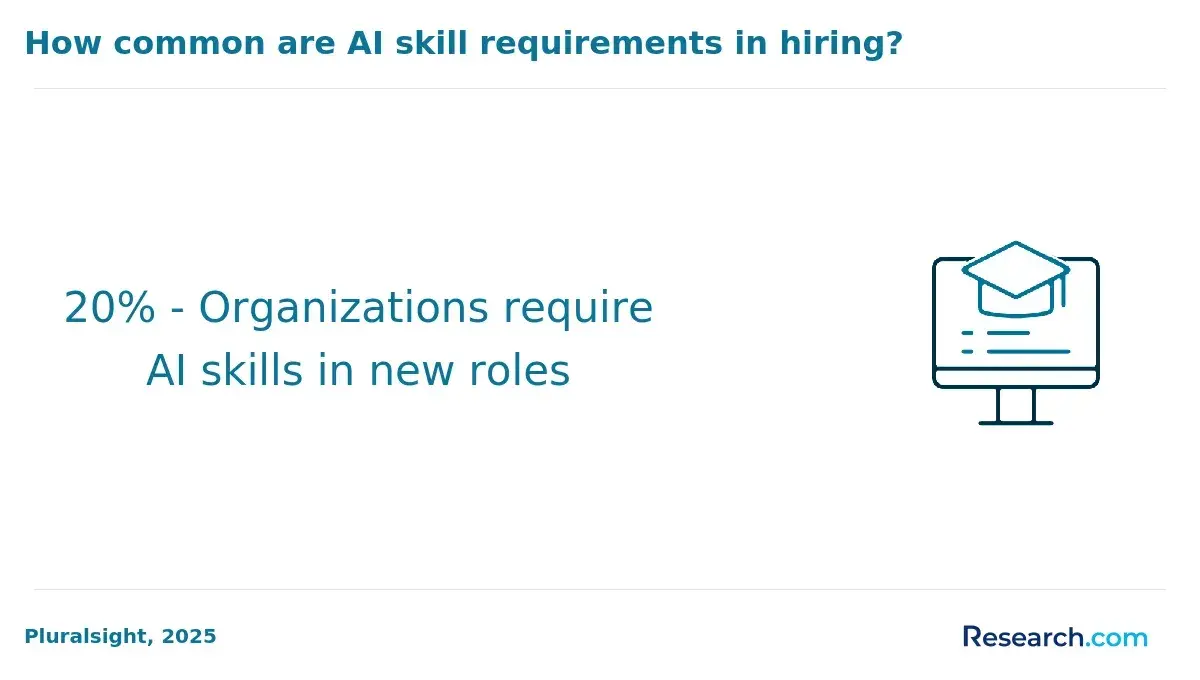
Admission to accredited machine learning and AI engineering programs typically demands strong quantitative skills and standardized test scores. About 73% of these programs require GRE scores, with median accepted scores around 160 for quantitative and 155 for verbal sections, highlighting the competitive entry standards. Candidates usually hold a bachelor's degree in computer science, engineering, mathematics, or related fields. Those from other disciplines may need prerequisite courses in calculus, linear algebra, probability, statistics, and programming to handle the technical workload.
While work experience is not always mandatory, it can enhance applications, especially for professional or part-time study tracks. Letters of recommendation and statements of purpose are critical in conveying motivation and fit. Some programs also ask for coding samples or completed projects to confirm practical skills. Variations exist; certain top-tier schools may waive GRE requirements during special admission cycles or extraordinary circumstances but maintain strict score minimums to evaluate quantitative aptitude effectively.
International students must submit TOEFL or IELTS scores unless they have studied extensively in English. Accreditation bodies oversee these admission standards to ensure quality education and graduate competence. Preparation to meet or exceed these benchmarks is essential for applicants aiming for competitive programs in fields involving machine learning and AI.
What professional certifications or credentials are most valuable for machine learning and AI engineers?
Professional certifications are essential for machine learning and AI engineers seeking to advance their careers. Cloud platform certifications from AWS, Google Cloud, and Microsoft Azure are especially valuable, with Coursera's 2024 Global Skills Report showing certified professionals earn 18-22% higher salaries than those without these credentials. These certifications confirm expertise in deploying scalable AI solutions on major cloud platforms, a critical skill as many AI systems run in the cloud.
Prominent certifications include AWS Certified Machine Learning - Specialty, Google Professional Machine Learning Engineer, and Microsoft Certified: Azure AI Engineer Associate. Beyond these, certificates like the TensorFlow Developer Certificate and specialized machine learning courses from platforms like Coursera and edX enhance both technical skills and employability.
For those in research or specialized fields, vendor-neutral certifications such as the Certified Artificial Intelligence Practitioner (CAIP) or credentials from IEEE and the Association for Computing Machinery highlight advanced knowledge and practical competence. While degrees in computer science, data science, or AI remain important, certifications offer precise, up-to-date validation of relevant skills.
Combining practical experience with targeted certifications is key to meeting employer demands for operationalizing AI models in production environments. Prospective candidates should focus on certifications that align with their career trajectories and industry expectations to maximize job prospects and salary potential.
How long do machine learning and AI engineering degree programs typically take, and what is the average cost?
Degree programs in machine learning and ai engineering typically span two years at the master's level, though accelerated options may be completed in 12 to 18 months. Undergraduate degrees generally take four years, focusing on foundational knowledge but with less specialization. Tuition for master's programs ranges broadly from $60,000 to $120,000, influenced by factors such as whether the institution is public or private and its prestige, according to The Chronicle of Higher Education's data.
Graduates with a master's degree often see a median salary increase of $35,000 to $50,000 annually, recouping tuition costs within roughly 2.3 years. This strong return on investment stems from high industry demand for skills in data science, modeling, and algorithm development relevant to machine learning engineer and ai engineer roles.
Alternatives such as professional certificates and bootcamps offer shorter, less costly training, typically lasting 3 to 6 months and costing between $5,000 and $15,000. However, these options usually provide smaller salary gains and fewer advancement opportunities compared to degree programs. Part-time and online degrees accommodate working professionals but may extend completion times beyond three years while allowing continued income.
Students should consider program length, total cost, and expected salary outcomes in relation to their career goals. Those aiming for leadership or research roles in AI or machine learning will benefit most from a full master's degree, while entry-level positions might be attainable with a bachelor's degree plus specialized certifications.
What coursework and curriculum topics distinguish machine learning engineering programs from broader AI engineering programs?
Machine learning engineering programs emphasize technical depth, dedicating significantly more credit hours to statistics, feature engineering, and model optimization than broader ai engineering curricula. Students typically invest extra time in mastering probability theory, regression analysis, Bayesian methods, and parameter tuning techniques, essential for creating efficient predictive models. Practical experience often involves hands-on projects focused on data preprocessing pipelines and advanced optimization algorithms to enhance model accuracy.
By contrast, AI engineering programs offer a broader curriculum with increased hours in specialized fields like natural language processing (NLP), computer vision, and ethics. These areas equip students with skills to interpret human language, process images and videos, and address ethical concerns associated with AI deployment. NLP coursework includes speech recognition, sentiment analysis, and transformer architectures, while computer vision covers image classification and object detection. Ethics training highlights bias mitigation, privacy, and societal impact, preparing graduates to build responsible ai solutions.
This curriculum distinction influences career paths. Students aiming to focus on algorithm development and core model refinement benefit from machine learning engineering's emphasis on mathematical rigor and optimization. Alternatively, those interested in application domains such as autonomous systems, human-computer interaction, or ai policy may prefer the broader ai engineering track, which fosters versatile practitioners with domain-specific and ethical expertise. Prospective students should carefully review program details to align their education with long-term goals.
Which accreditation bodies and quality standards should prospective students verify when choosing an AI or machine learning program?
Prospective students considering advanced education in artificial intelligence (AI) and machine learning (ML) must prioritize accreditation to ensure program quality. In the U.S., the Accreditation Board for Engineering and Technology (ABET) is the definitive authority for accrediting engineering and computer science programs. ABET accreditation signals that a program meets stringent standards covering curriculum content, faculty expertise, resources, and outcomes aligned with both industry expectations and academic rigor.
According to ABET's 2024 statistics, only 12% of standalone AI/ML master's programs have formal ABET accreditation, while 67% of computer science programs offering AI/ML specializations hold this credential. This discrepancy suggests that standalone AI degrees may pose a higher risk due to less established quality assurance processes.
Students should directly verify if the engineering or computer science department holds ABET accreditation under Computer Engineering or Computer Science standards. If a program falls outside ABET's scope, alternative validations like recognition by the Computing Accreditation Commission or endorsements from reputable professional organizations such as IEEE or ACM become important quality indicators.
Complementary quality measures include adherence to national or international standards like Quality Matters or ISO 21001, which focus on systematic quality management and continuous improvement in education. Additionally, strong industry partnerships, internships, and graduate placement records further demonstrate a program's relevance and effectiveness in preparing students for real-world careers.
Other Things You Should Know About Artificial Intelligence
Python is the core language for both roles in 2027. Machine learning engineers also use SQL and sometimes Scala or Java for data pipelines and production systems. AI engineers add more JavaScript, TypeScript, and C++ when building model-serving apps, APIs, and real-time AI products.
In 2027, machine learning engineers typically focus on developing and deploying machine learning models, while AI engineers handle a broader scope including integrating these models into larger AI systems and enhancing system architecture. Both roles entail collaboration for optimal AI utilization.
In 2027, machine learning engineers typically earn between $100,000 and $140,000 annually, depending on experience and location. AI engineers often earn slightly more, ranging from $110,000 to $150,000, reflecting the demand for specialized skills in AI systems development.
Machine learning engineers typically require a bachelor's degree in computer science or related fields, while AI engineers often need advanced degrees like a master's or Ph.D. Specific coursework in machine learning, deep learning, and neural networks is highly recommended for both roles in 2027.
References
- The AI compensation and talent trends shaping the job market in 2026 https://ravio.com/blog/ai-compensation-and-talent-trends
- AI Engineer vs ML Engineer: Demand, Salaries, and Career Growth https://vettio.com/blog/ai-engineer-vs-ml-engineer/
- Become an AI Engineer in 3 Months | Turing College https://www.turingcollege.com/ai-engineering
- AI engineer vs ML engineer | Understanding the difference between the roles | Mobilunity https://mobilunity.com/blog/ai-engineer-vs-ml-engineer/
- AI engineering vs ML engineering: Which career path fits your goals? https://swisscyberinstitute.com/blog/ai-engineering-vs-ml-engineering/
- Training for AI engineers | Microsoft Learn https://learn.microsoft.com/en-us/training/career-paths/ai-engineer
- Machine Learning Programs Abroad: Duration, Cost & Curriculum Explained https://www.gatewayabroadeducations.com/article/machine-learning-course
- Artificial Intelligence Course Duration Guide for 2025 Beginners | Your Blog https://mammothclub.com/blog/artificial-intelligence-course-duration
- Machine Learning vs AI Engineer: What Are the Differences? | Towards Data Science https://towardsdatascience.com/machine-learning-vs-ai-engineer-no-confusing-jargon/