2027 AI Bachelor's Degrees With Co-Op Opportunities

Co-Founder and Chief Data Scientist
Many aspiring professionals face challenges when trying to transition into the Artificial Intelligence field due to the lack of practical experience and academic credentials tailored to this fast-evolving industry. Balancing education with work obligations often limits opportunities for hands-on learning, which employers highly value. Bachelor's programs with co-op options offer a solution by integrating structured work experience directly into the curriculum. This article explores accredited AI bachelor's degrees that include cooperative education opportunities, helping readers identify programs that provide both foundational knowledge and real-world training essential for a successful career pivot.
Key Things You Should Know
- In 2027, over 60% of AI bachelor's degrees in the U.S. include co-op opportunities, enhancing practical skills and employability by integrating real-world work experience into academic programs.
- Programs increasingly emphasize ethical AI, with 45% of courses incorporating ethics modules alongside technical training to prepare students for responsible development and deployment.
- Median starting salaries for graduates from AI co-op programs rose to $85,000 in 2025, reflecting strong industry demand and the value of hands-on experience in competitive job markets.
What is an AI bachelor's degree with co-op opportunities?
An AI bachelor's degree with co-op programs combines core education in artificial intelligence with structured, paid work placements integrated into the curriculum. These programs alternate periods of academic study with full-time employment in relevant industries, allowing students to apply AI concepts such as machine learning, natural language processing, and computer vision in real-world settings. Co-op experiences are often longer, more structured, and mandatory compared to internships.
Benefits of cooperative education in AI degree programs include building technical skills, expanding professional networks, and strengthening resumes. Students may engage in roles such as software development for AI systems, data annotation projects, or AI research assistance across industries like technology, healthcare, finance, and research labs.
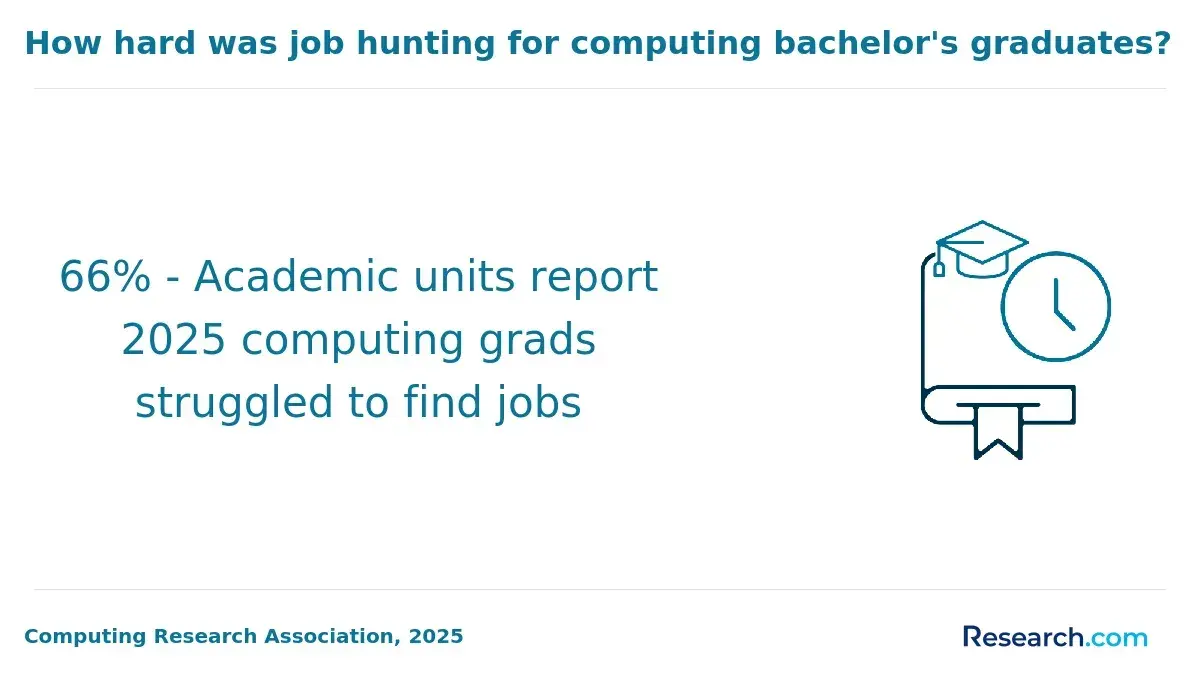
National data underscores the value of co-ops. According to the National Association of Colleges and Employers (NACE) 2024 report, 55.3% of bachelor's graduates with paid internships or co-op experience received at least one job offer versus 40.7% without such experience. This gap highlights improved employment prospects and the potential for higher starting salaries.
Students should assess program partnerships, co-op placement rates, and industry diversity when selecting AI bachelor's degrees with co-op programs. These programs may extend graduation timelines but greatly enhance employability. For those seeking accelerated pathways, exploring options like a 1 year computer science degree online can complement their AI education and future career plans.
Which colleges offer accredited AI bachelor's degrees with co-op programs?
Several accredited U.S. colleges now offer bachelor's degrees specifically in artificial intelligence (AI) with integrated co-op programs, providing practical work experience alongside academic study. ABET's 2024-2025 listings highlight AI as a distinct program area at the bachelor's level, separate from traditional computer science or software engineering accreditation (ABET, 2024-2025).
Key institutions offering ABET-accredited AI bachelor's degrees with co-op include Northeastern University, renowned for its cooperative education model that alternates semesters of study with full-time AI-related work. Rochester Institute of Technology (RIT) also provides a bachelor's in AI paired with a mandatory co-op, smoothing the transition into industry roles. Universities with cooperative education in artificial intelligence undergraduate programs ensure students gain essential real-world experience while completing their degrees.
These co-op opportunities typically consist of paid, full-time employment lasting 4 to 6 months, allowing students to apply theories in machine learning labs, autonomous systems, or natural language processing projects. This balance addresses concerns about managing rigorous academics alongside relevant work exposure. For students pursuing active career pathways, programs combining ABET accreditation and co-op options guarantee curriculum quality and enhance employment prospects.
Additionally, co-op participation often correlates with higher job placement rates and better starting salaries. Students seeking interdisciplinary paths can also explore related fields, such as a mechanical engineer degree, which frequently incorporates AI applications within its coursework.
How do AI co-op programs work, and what employers typically participate?
AI co-op programs integrate structured work terms within academic bachelor's degrees, allowing students practical, paid experience in AI-related roles while completing their studies. These programs typically alternate between academic semesters and full-time work placements lasting 4 to 8 months. Coordinated through university career offices or co-op departments, students apply for AI-focused positions to develop skills in machine learning, data analysis, and software engineering.
Top employers hiring AI co-op students in North America include large technology companies, consulting firms, and IT services organizations. According to Lightcast's analysis of AI job postings, big firms dominate the AI/ML hiring landscape by posting volume. Companies such as Microsoft, Google, IBM, and Accenture often offer structured internships for co-op students. Mid-sized firms and startups participate less frequently but provide specialized AI opportunities.
Recruitment typically involves technical interviews, coding challenges, and portfolio reviews. Co-op roles vary from machine learning model development to data preprocessing and AI infrastructure support. These placements help students build networks and enhance resumes with concrete AI experience, crucial for entry-level competitiveness.
Universities usually require formal agreements outlining co-op terms, evaluation criteria, and credit allocation. Some students complete multiple co-op cycles for broader exposure to employers and AI applications. Early searching and aligning co-op choices with career goals improve success. This approach accelerates skill acquisition and industry readiness, similar to pathways in other tech fields such as a game art degree online.
What coursework and skills are taught in AI bachelor's co-op programs?
AI bachelor's co-op programs teach key technical and practical skills critical for today's workforce. Core curriculum covers machine learning algorithms, deep learning, and data structures, providing a strong foundation for AI systems. Python is emphasized as the main programming language due to its powerful AI libraries and widespread use in data science. Students develop expertise in data analysis, including statistical methods, data cleaning, and visualization, which help extract meaningful insights from complex datasets.
Additional coursework often includes natural language processing, computer vision, and robotics, preparing students for specialized AI applications. Software engineering principles are integrated to help students build scalable, maintainable AI solutions. Ethical considerations and AI policy are increasingly important components, addressing responsible AI development.
Hands-on experience through co-op placements reinforces these skills by applying them to real-world problems. Internships typically require proficiency in tools like TensorFlow, PyTorch, SQL, and cloud platforms, reflecting industry demands. According to Stanford's 2025 AI Index, job postings are most concentrated around machine learning, Python, and data analysis skills, aligning with the essential competencies taught in these programs.
Students seeking a strong AI bachelor's degree curriculum and required skills in co-op programs should prioritize opportunities for hands-on projects, coding labs, and roles that challenge problem-solving and algorithmic thinking. Developing communication skills alongside technical depth is vital for translating AI solutions to diverse stakeholders.
For students interested in related fields, exploring cyber security degrees can complement AI expertise, enhancing career versatility and security.
What are the admission requirements for AI bachelor's co-op programs?
Admission to AI bachelor's co-op programs emphasizes strong academic preparation, with particular focus on mathematics. Applicants should have a high school diploma or equivalent and a minimum GPA, typically around 3.0 or higher. Advanced math courses such as precalculus, calculus, or statistics are often required. According to College Board's SAT Suite research update (2024), math scores strongly predict first-year STEM GPA, highlighting the importance of math readiness for AI and computer science-related programs.
Standardized test scores, including SAT or ACT, are commonly required, though some schools have adopted test-optional policies. When submitted, SAT math scores of 650 or higher improve admission chances. Some programs also request AP credits in calculus or computer science to better gauge academic preparation.
Co-op admissions usually involve additional requirements like a resume, personal statement, or interview to assess professional motivation and communication skills. Proof of eligibility for work placements, such as background checks or vaccinations, may also be necessary.
International students must demonstrate English proficiency with TOEFL (minimum score around 80) or IELTS (minimum 6.5). Successful candidates carefully document strong math achievement, test scores when required, and readiness for integrating professional experience. These elements align with best practices in Artificial Intelligence education for U.S. students pursuing co-op opportunities.
Can you complete an AI co-op bachelor's degree online or in a hybrid format?
Many universities offer AI co-op bachelor's degrees fully online or in a hybrid format, combining virtual coursework with local or remote work placements. This approach accommodates diverse lifestyles and geographies, reflecting trends reported by the U.S. Department of Education's NCES 2024 distance-education snapshot, which shows a majority of undergraduates taking at least one online course.
Hybrid programs typically let students complete theoretical AI courses online while arranging co-op experiences locally or remotely. These partnerships with industry enable students to gain practical skills in real-world AI projects without relocating. Fully online programs may require students to secure co-op placements independently, though institutions often provide career services to support remote internships in AI-focused companies.
Key factors to consider when choosing an online or hybrid AI bachelor's with co-op include:
- Does the program offer guidance or connections for co-op placements?
- Are remote internships available with AI companies?
- Can co-op hours be completed part-time alongside studies?
- Is there institutional support for international work authorization?
These elements vary widely across programs, making a careful review of co-op policies and employer networks essential for integrating practical experience effectively in AI education.
How long do AI bachelor's co-op programs take, and how are terms scheduled?
AI bachelor's co-op programs usually extend beyond the typical eight semesters, lasting four to five years to integrate full-time, paid work terms with academic studies. These co-op placements often span three to six months and are embedded as intensive work periods rather than brief, part-time roles, according to Northeastern University's co-op outcomes reporting.
There are several common co-op scheduling formats:
- Alternating semesters where students alternate between academic study and co-op work, extending the program to five years instead of four.
- Summer-only work terms, which keep the degree duration closer to four years but limit total co-op experience.
- Split co-op models combine shorter part-time work during semesters with longer full-time terms, providing flexibility.
Choosing a school with a robust co-op calendar and strong employer networks is key to securing valuable placements aligned with industry demand. The longer program duration balances completing technical course prerequisites with gaining meaningful work experience. Prospective students should consider the trade-off between extended time to graduate and the benefits of deeper, paid work immersion that enhances career readiness in the competitive AI field.
What does an AI bachelor's co-op program cost, and what aid is available?
The cost of an AI bachelor's co-op program varies significantly by institution, residency, and program design. At public four-year schools, average in-state tuition and fees reached about $10,600 for the 2024-2025 academic year, while out-of-state students generally pay two to three times that amount. Private colleges offering AI bachelor's degrees often charge between $40,000 and $60,000 annually. Co-op programs can help reduce these costs by providing paid work terms that offset tuition and living expenses.
Financial aid is key to affordability, with average grant aid per undergraduate increasing recently. Popular aid options include:
- Federal Pell Grants, offering up to $7,395 annually based on need.
- Institutional scholarships and grants focusing on STEM or AI students.
- Work-study programs, sometimes part of co-op arrangements.
- State-specific grants that further lower in-state tuition.
Students should also consider employer-sponsored tuition assistance available through co-op placements. Technology companies may provide tuition reimbursement or scholarships linked to employment. Filing the FAFSA early and researching institution-specific scholarships focused on AI can maximize aid opportunities. Combining co-op earnings and financial aid can substantially reduce the net cost of an AI bachelor's degree while gaining practical experience.
What jobs can you get with an AI bachelor's degree and co-op experience?
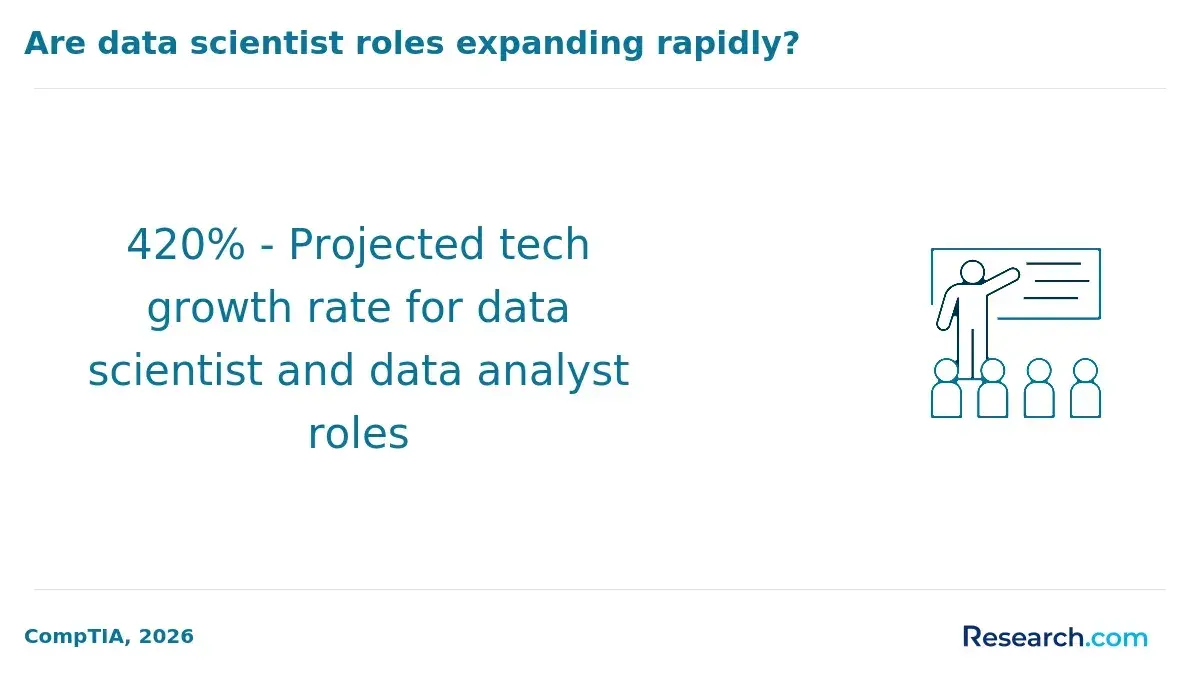
Graduates with a bachelor's degree in artificial intelligence combined with co-op experience have access to a broad array of roles across technology, data science, and software development. According to the CompTIA 2025 State of the Tech Workforce report, data- and AI-related jobs rank among the fastest-growing occupations, with strong demand extending beyond typical AI engineer positions.
Common roles include AI specialist, machine learning engineer, data scientist, and natural language processing (NLP) developer. These professionals design, train, and deploy AI models for applications such as recommendation systems, image recognition, and autonomous technologies. Co-op experience is valuable for gaining practical skills with real-world datasets and collaborative problem solving.
Additional roles available to graduates include:
- Data analyst - interpreting large datasets to deliver actionable insights using AI tools
- Business intelligence developer - building AI-powered dashboards and reports to guide decisions
- Robotics programmer - creating AI algorithms for automation in manufacturing and logistics
- AI product manager - leading AI product development efforts between technical and business teams
Strong co-op experience helps graduates qualify for entry- to mid-level roles, often starting above $70,000 annually depending on location and company. Employers prioritize candidates proficient in Python or R coding, familiar with cloud AI platforms, and experienced in practical AI projects. Co-ops also enhance teamwork and communication skills, essential for multidisciplinary AI initiatives.
What salary and job outlook can AI bachelor's degree graduates expect?
Graduates with a bachelor's degree in artificial intelligence enjoy promising salary prospects and rapid job growth. Employment for data scientists-an important role for AI graduates-is projected to grow 36% faster than the average for all occupations, reflecting strong demand for skills in machine learning, data analysis, and AI development.
Median pay for data scientists is around $110,000 annually, with entry-level salaries typically ranging from $70,000 to $85,000 depending on the employer and location. Mid-career professionals with co-op or internship experience often earn over $120,000. Roles such as machine learning engineer, AI software developer, and data analyst are in high demand.
Students gain a competitive advantage by securing co-op experience, which can lead to multiple job offers and quicker project readiness. Staying current is critical; careers in AI often require ongoing upskilling in programming languages like Python, cloud computing, and AI frameworks such as TensorFlow and PyTorch.
The sustained demand across technology, healthcare, finance, and government sectors supports stable career pathways with strong upward mobility. According to the U.S. Bureau of Labor Statistics, these trends highlight long-term opportunities for AI graduates seeking rewarding careers in innovative fields.
Other Things You Should Know About Artificial Intelligence
Students pursuing an artificial intelligence degree should focus on programming languages that support machine learning, data analysis, and algorithm development. Python is the most widely used language due to its extensive AI libraries and community support. Other important languages include Java, R, and C++, which are valuable for different AI subfields such as natural language processing and computer vision.
Yes, internships and co-op experiences are highly valuable in artificial intelligence as they provide practical skills and real-world problem-solving opportunities. They enable students to work with AI tools, understand industry workflows, and build professional networks. Employers often prioritize candidates with hands-on experience, making these work placements a key component of career development.
In 2027, an AI bachelor's degree with a co-op offers students practical experience, enhancing employability by bridging academic learning with hands-on industry experience. It allows students to build professional networks, gain real-world insights into AI applications, and often leads to full-time job offers post-graduation.
Artificial intelligence often intersects with fields like computer science, mathematics, statistics, and engineering. Concepts from linear algebra, calculus, and probability theory underpin AI algorithms, while engineering principles support hardware development for AI applications. This interdisciplinary approach enhances innovation and expands the possibilities of AI solutions across various industries.
References
- Online Bachelor of Science (BSc) in Artificial Intelligence - Swiss School of Business and Management Geneva https://www.ssbm.ch/online-bachelor-of-science-bsc-in-artificial-intelligence/
- MH Cognition https://mhcognition.com/blogs/core-ai-ml-subjects-bsc-cs
- Artificial Intelligence with a Year in Industry https://www.liverpool.ac.uk/courses/artificial-intelligence-with-a-year-in-industry-bsc
- Best Online AI Degrees: 2025 Rankings & Program Directory - MastersInAI.org https://www.mastersinai.org/degrees/online-artificial-intelligence-degrees/
- 40 Best Colleges in the U.S. for Artificial Intelligence (Undergraduate) https://www.greatvaluecolleges.net/artificial-intelligence-colleges/
- Artificial Intelligence and Machine Learning (Co-op) https://www.fanshawec.ca/programs/aim2-artificial-intelligence-and-machine-learning-co-op/international/fees/current
- These 14 colleges offer bachelor's degrees in AI—including one Ivy League school https://www.cnbc.com/2025/01/22/colleges-that-offer-bachelors-degrees-in-ai.html
- Artificial Intelligence - Vistula University https://vistula.edu.pl/en/major/artificial-intelligence
- AI in our recruitment process https://jobs.coop.co.uk/AI-in-our-recruitment-process
- 16 Artificial Intelligence Career Paths https://www.calmu.edu/news/artificial-intelligence-career-paths