2027 Associate vs Bachelor's vs Master's in AI: Which Degree Do You Need?

Co-Founder and Chief Data Scientist
Deciding between an associate, bachelor's, or master's degree in Artificial Intelligence can be confusing for those aiming to enter this rapidly evolving field. Many face uncertainty about which path offers the best job prospects, career growth, and skill relevance, especially when transitioning from unrelated undergraduate backgrounds. Choosing the wrong degree may lead to extended study time or limited employment opportunities. This article clarifies the differences among these degrees, evaluating their practical value, and guides prospective students and professionals in selecting the most suitable educational route to successfully pivot into Artificial Intelligence careers by 2026.
Key Things You Should Know
- Associate degrees in artificial intelligence typically take two years and prepare graduates for technical roles, but 68% of AI professionals hold at least a bachelor's degree as of 2025.
- Bachelor's degrees offer comprehensive AI foundations, with 57% of entry-level salaries averaging $85,000 annually, reflecting strong industry demand nationwide.
- Master's degrees provide advanced specialization, leading to leadership or research roles, with graduates earning up to 40% more than those with bachelor's credentials in 2026.
What is the difference between an associate, bachelor's, and master's degree in artificial intelligence?
An associate degree in artificial intelligence generally covers fundamental programming, data analysis, and introductory machine learning across two years. It emphasizes practical skills suitable for entry-level roles like AI technician or data analyst assistant. This degree is ideal for those seeking a faster, more affordable pathway into the AI field without deep specialization. When comparing the educational requirements for degrees in artificial intelligence, the bachelor's degree offers a more extensive curriculum lasting about four years. It blends AI principles with computer science, mathematics, and ethics, preparing graduates for positions such as AI developer, software engineer, or data scientist with significant technical responsibilities. This degree also lays the groundwork for advanced study or specialized certifications.
The master's degree in artificial intelligence is an advanced program, typically one to two years, concentrating on deep learning, natural language processing, robotics, and AI research methods. It suits professionals targeting leadership, research, or specialized roles like AI architect or research scientist. Completion often involves thesis work or industry projects and requires strong analytical skills. This degree level reflects the difference between associate, bachelor's, and master's degrees in artificial intelligence both in depth and career potential.
The U.S. Bureau of Labor Statistics projects a 15% growth in computer and information technology jobs from 2023 to 2033, with AI specialists among the fastest-growing occupations. This trend highlights the increasing importance of advanced education in AI for career advancement and job security. For those exploring options, detailed information on artificial intelligence degree jobs helps clarify career pathways in this dynamic field.
Which AI degree level do employers prefer for entry-level, mid-level, and senior positions?
Employers' preferences for AI degree levels vary by job seniority. For entry-level roles, most companies prioritize candidates with a bachelor's degree in AI or a related field. LinkedIn's 2024 Jobs on the Rise report highlights a 74% growth year-over-year in AI specialist roles requiring a bachelor's degree, reflecting robust demand at this level. Candidates with bachelor's degrees often fulfill roles involving AI implementation, data preprocessing, and initial model development, where practical skills and fundamental theory are essential. This demand aligns closely with trends noted in the AI degree preferences by employers for entry-level roles.
Mid-level AI positions typically require a master's degree or relevant work experience alongside a bachelor's degree. These roles involve complex tasks such as algorithm optimization, advanced machine learning development, and deployment strategies. According to the LinkedIn report, master's-level AI opportunities grew by 56%, indicating strong employer interest. Professionals at this stage are expected to manage projects independently, lead small teams, and contribute to research and development, reflecting the preferred AI educational qualifications for mid and senior positions.
Senior AI roles generally demand a master's degree, and sometimes a PhD, depending on the organization. Employers seek deep technical expertise, leadership capabilities, and innovation aptitude. Senior specialists and AI researchers design new AI methodologies, shape company AI strategies, and oversee multidisciplinary teams. Practical experience remains as crucial as formal education in these roles.
Those considering their education path should also explore options for an affordable education, such as a data science degree, which can complement AI career goals and provide practical skills valued by employers.
How do online AI programs compare to campus-based options in terms of curriculum and outcomes?
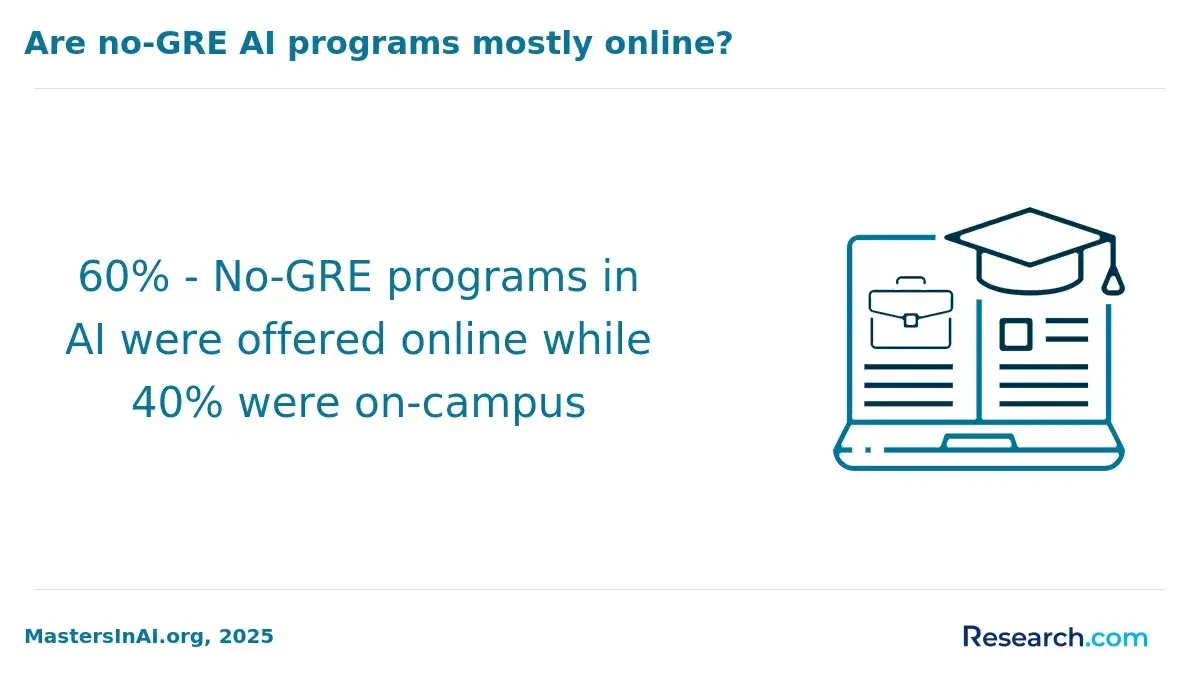
Online AI programs increasingly match campus-based curriculums in depth and relevance, covering core topics like machine learning, neural networks, and data science. Many online degrees use the same faculty and course materials as their campus counterparts, though campus programs often offer more hands-on labs, in-person collaboration, and networking opportunities. This comparison of online and campus-based artificial intelligence programs highlights that online learning suits self-motivated students balancing work or family, while campus learning benefits those seeking immersive environments and direct mentorship.
Career outcomes for online AI learners are strong; a 2024 Coursera report found 68% of individuals completing online AI and machine learning courses experienced promotions or salary increases within six months. Credentials earned online deliver tangible returns, especially when project-based or aligned with industry needs. However, campus degrees may hold more weight for roles focused on advanced research or leadership positions in AI development, reflecting curriculum differences and career outcomes of AI degrees.
Skill application varies by format as campus programs provide access to research labs, AI seminars, and internships promoting experiential learning. Online students should seek virtual internships and AI competitions to build comparable portfolios. Part-time or hybrid options merge online theory with occasional campus engagement, balancing flexibility and direct access. Prospective students must consider learning style, career goals, and time constraints carefully.
Cost considerations are important; online programs reduce commuting and relocation expenses but may charge similar tuition fees. For students interested in the most budget-friendly options, the cheapest engineering degree online choices can provide direction. Accreditation and reputation remain critical across both formats to ensure employer recognition and future academic opportunities.
What are the typical admission requirements for associate, bachelor's, and master's AI programs?
Admission criteria for AI degree programs in associate, bachelor's, and master's levels differ widely in their focus and rigor. Associate programs usually require a high school diploma or GED, emphasizing foundational math and computer skills. Some community colleges ask for standardized tests like the SAT or ACT, while others offer open enrollment. Completing algebra and introductory programming courses before applying increases competitiveness.
Bachelor's programs typically expect strong STEM backgrounds, especially in mathematics (algebra, geometry, calculus) and computer science, along with a high school diploma. Students must often submit SAT or ACT scores, letters of recommendation, and personal statements that showcase interest and experience in programming or data science. Earning AP credits or participating in dual enrollment can also strengthen applications. Such typical admission requirements for associate bachelor's and master's AI programs highlight the need for a solid academic foundation.
Master's programs generally require a bachelor's degree in computer science, engineering, mathematics, or related fields. Admissions look at undergraduate GPA-usually a minimum of 3.0-letters of recommendation, and a statement of purpose detailing research goals. The GRE is frequently required, with recent trends showing rising average GRE scores reflecting increased competitiveness. Prior experience with advanced programming, machine learning, or research can be advantageous. While professional tech experience is beneficial, it doesn't replace formal prerequisites.
Prospective students exploring options may also want to consider fields related to AI, such as cybersecurity degrees, which share overlapping skill sets and admission considerations.
How long does each AI degree take to complete, and what is the average cost?
An associate degree in Artificial Intelligence or a related field usually takes about two years at community colleges or technical schools. Tuition for these programs typically stays under $10,000, making them a cost-effective option for starting a career or transferring to a bachelor's program.
Bachelor's degrees with AI specializations generally require four years of full-time study. Public in-state tuition averages around $9,750 annually, resulting in a total cost between $39,000 and $45,000, excluding living expenses. These programs provide broad education in AI fundamentals, algorithms, and applications, preparing students for technical and research roles.
Master's degrees take one to two years after a bachelor's and cost between $40,000 and $80,000. Graduate programs emphasize advanced AI topics like deep learning, natural language processing, and robotics, often integrating research or practical projects. These degrees are ideal for professionals aiming for leadership or specialized technical positions.
For those balancing work and study, options like accelerated bachelor's programs and part-time or online master's degrees offer flexibility. However, evaluating program quality and tuition costs is crucial when considering these pathways. The cost and time investment across degree levels relate directly to the depth of specialization and career opportunities in Artificial Intelligence.
What core coursework and specializations are covered in each level of AI degree?
Associate degree programs in artificial intelligence emphasize foundational coursework, including programming fundamentals, linear algebra, calculus, introductory statistics, and basic database management. Students also learn machine learning concepts in a more general sense, with some exposure to applied AI tools relevant to industries like robotics and data analysis. This prepares learners for entry-level technical roles.
Bachelor's degrees provide more extensive study, with 92% of leading programs requiring machine learning and neural networks as core courses according to recent research. Key topics include algorithms, advanced statistics, probability, data structures, artificial neural networks, machine learning models, and natural language processing. Many bachelor's programs also offer specializations such as computer vision, reinforcement learning, and AI ethics to align with diverse career paths.
Master's degrees focus on specialization and research, building on prior knowledge with advanced subjects like deep learning architectures, explainable AI, robotics, and AI system design. Training often covers mathematical optimization, probabilistic graphical models, and large-scale data engineering, preparing graduates for technical leadership, data science, or doctoral study. Specializations may include autonomous systems, healthcare AI, or AI security.
Choosing between degree levels depends on your career goals: associate degrees suit entry-level technical jobs, bachelor's degrees are standard for developers and analysts, and master's degrees open doors to research and leadership positions.
What is the job outlook and salary potential for each AI degree level?
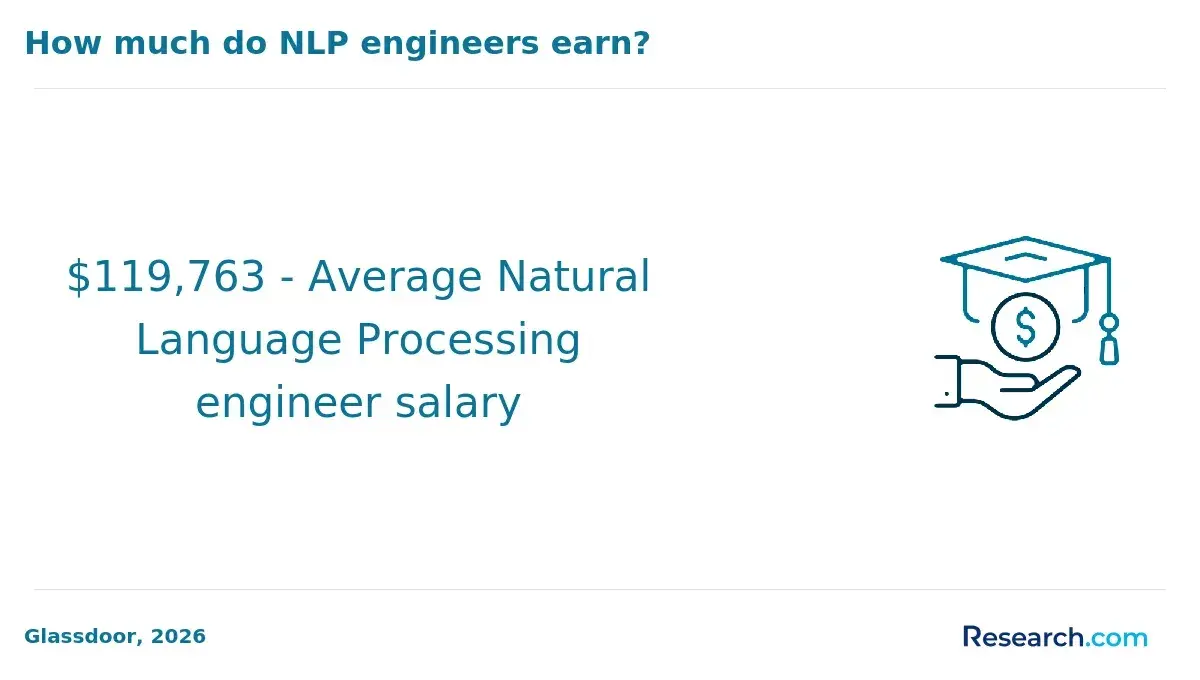
An associate degree or AI bootcamp prepares candidates for entry-level roles like AI technician or junior data analyst, with an average salary around $85,000 according to Glassdoor's 2024 Salary Report. These positions typically involve supporting AI projects, data preprocessing, and basic model implementation, providing a practical starting point for entering the field quickly and without extensive formal education.
Bachelor's degree holders in AI or related disciplines often secure mid-level jobs such as AI developer, machine learning engineer, or data scientist, earning approximately $135,000 annually. These roles demand managing complex algorithm development, system design, and data interpretation, and the degree unlocks opportunities within larger organizations and better career progression compared to an associate degree.
For those with a master's degree or advanced qualifications, senior roles pay over $180,000 on average. Positions like AI research scientist, senior machine learning engineer, and AI project lead require advanced expertise in algorithms, neural networks, and AI ethics. A master's degree is crucial for leadership, research-driven careers, or pioneering AI innovation.
The salary and responsibility increase notably from associate to master's degrees, reflecting higher technical skills and leadership potential. Prospective students should weigh their career ambitions and time commitments carefully when selecting an AI degree path.
What professional certifications or industry credentials complement each AI degree?
Professional certifications add significant value to every AI degree by validating practical skills and improving employability. For associate degree holders, credentials such as the Google IT Automation with Python and AWS Certified Machine Learning - Specialty provide foundational yet industry-relevant knowledge. These certifications help candidates overcome the common challenge of limited hands-on experience and secure entry-level roles in data analysis and AI support.
Bachelor's degree holders enhance their prospects with certifications like the IBM AI Engineering Professional Certificate and the Google Professional Data Engineer. These project-based programs complement academic theory with applied skills in machine learning, natural language processing, and AI system deployment-skills highly valued by employers. LinkedIn Learning's 2024 Skills Report notes candidates holding AI certifications from providers such as Google, AWS, and IBM are 34% more likely to be interviewed by hiring managers.
Master's graduates targeting leadership or research roles benefit from advanced certifications like the Certified Artificial Intelligence Practitioner (CAIP) or Stanford's AI Professional Program. These validate expertise in specialized areas such as deep learning, AI ethics, and large-scale AI system design and differentiate candidates within a competitive market focused on innovation and complex problem-solving.
All AI degree levels face common challenges: bridging theoretical knowledge with evolving technologies and demonstrating job-ready skills. Earning certifications recognized by top tech companies effectively addresses these issues, adding verifiable competence and aligning graduates with current industry standards.
Which accreditation bodies and standards should you verify when choosing an AI program?
Accreditation plays a crucial role in evaluating artificial intelligence programs for academic quality and industry relevance. The Accreditation Board for Engineering and Technology (ABET) is the primary accrediting body for AI and related disciplines, ensuring programs meet strict standards in curriculum, faculty, and resources focused on computing and engineering. Only about 23% of AI and machine learning bachelor's programs have formal ABET accreditation, making it a key factor when choosing a program.
In addition to ABET, students should verify regional accreditation of the institution, such as from the Middle States Commission on Higher Education or the WASC Senior College and University Commission. This regional accreditation confirms overall academic legitimacy, affecting eligibility for federal financial aid and credit transfers.
Master's and associate programs may also receive accreditation from ABET's Computing Accreditation Commission (CAC) or Engineering Accreditation Commission (EAC), which ensures curriculum rigor specific to computing or engineering fields. Partnerships with professional bodies like the IEEE Computer Society indicate industry alignment but do not substitute for formal accreditation.
Programs following standards such as the ACM/IEEE Computer Science Curriculum Guidelines help maintain consistency in essential knowledge and skills. Lack of accreditation or adherence to these standards should prompt caution about a program's ability to effectively prepare graduates for competitive roles or further graduate studies in artificial intelligence.
How should you evaluate and select a reputable AI program that fits your career goals?
Select an AI program that aligns with your career goals and emphasizes hands-on experience, such as project-based learning, internships, or real-world capstone projects. A recent Indeed survey shows that 71% of AI professionals hired had completed at least one practical experience, highlighting its importance for employability. For research roles, prioritize programs connected to academic labs and publishing opportunities. For industry roles, seek programs with strong partnerships offering internships or cooperative education.
Review the curriculum for comprehensive coverage of crucial AI topics like machine learning, neural networks, and data ethics. It should balance theory with applied skills, including proficiency in Python and familiarity with major AI frameworks. Also, verify faculty credentials, focusing on their active participation in AI research or industry projects to ensure current and relevant instruction.
Investigate graduate outcomes and the strength of the alumni network. Transparent job placement data and alumni career trajectories provide insight into program effectiveness. Access to specialized career services for AI roles further supports job market navigation and internship acquisition.
Finally, confirm that the program holds accreditation from reputable bodies or endorsements from recognized AI industry organizations. This demonstrates adherence to educational standards and responsiveness to changing AI demands, enhancing your competitive edge in the AI job market.
Other Things You Should Know About Artificial Intelligence
Yes, many AI programs accept students from non-technical backgrounds, especially at the associate and bachelor's levels. However, you may need to complete prerequisite courses in mathematics, programming, and basic computer science to build a foundation before diving deeper into AI concepts.
In 2027, an Associate degree may lead to junior tech roles, a Bachelor's can open doors to entry-level AI and data positions, while a Master's typically provides access to specialized roles like AI researcher or machine learning engineer. Degree levels align with job complexity and advancement opportunities.
Internships provide critical practical experience and exposure to real-world AI applications, making them highly valuable. Many AI degree programs encourage or require internships to help students apply theoretical knowledge, develop professional networks, and improve employability after graduation.
Participating in AI research projects allows students to deepen their understanding of emerging technologies and methodologies. It also enhances critical thinking and problem-solving skills, providing a competitive edge in both graduate studies and job markets.
In 2027, an associate degree in AI often leads to entry-level roles like data technician, while a bachelor's opens opportunities in machine learning or AI engineering. A master’s, such as the AI in medicine master’s degree, may lead to advanced positions in AI research or specialist roles in healthcare.
References
- AI Degree Specializations & Concentrations 2025 https://www.hakia.com/degrees/artificial-intelligence/specializations/
- Application and admission - Master Artificial Intelligence https://www.uva.nl/shared-content/programmas/en/masters/artificial-intelligence/application-and-admission/international-prior-education/international-prior-education-foldout-menu.html
- What Is The Best Degree for Artificial Intelligence? https://campus.edu/blog/artificial-intelligence/what-is-the-best-degree-for-artificial-intelligence
- Best AI Compliance Certification Guide 2025: Compare AICP, ISO, IAPP & ISACA https://www.exin.com/article/best-ai-certification-guide-2025/
- A practical guide to choosing the right AI standard | Vanta https://www.vanta.com/resources/choosing-an-ai-compliance-standard
- 7 Industry-Recognized AI Certifications and How to Make Them Count in Your Career | HackerNoon https://hackernoon.com/7-industry-recognized-ai-certifications-and-how-to-make-them-count-in-your-career
- How to Choose the Right Online AI Course for Your Career Goals https://futurereadyai.group/blog/how-to-choose-the-right-online-ai-course-for-your-career-goals
- AI Certification Programs: Which Ones Matter for Your Career https://www.businessplusai.com/blog/ai-certification-programs-which-ones-matter-for-your-career
- AI Priorities for Accredited Bodies https://aaa-accreditation.org/ai-priorities-for-accredited-bodies/
- Top 10 AI certifications and courses for 2025 https://www.techtarget.com/whatis/feature/10-top-artificial-intelligence-certifications-and-courses