2027 Do Employers Trust Online AI Degrees?

Co-Founder and Chief Data Scientist
Job seekers with online AI degrees often face skepticism from employers unsure about the credibility of virtual education. This doubt can delay career transitions or hinder hiring decisions despite candidates' relevant skills. The evolving nature of AI education contributes to these uncertainties, as traditional institutions and employers weigh online credentials differently. Understanding employer perceptions is critical for professionals aiming to pivot into AI roles through flexible, accredited online programs. This article examines current employer trust levels in online AI degrees and offers insights to help prospective students make informed decisions and enhance their employment prospects.
Key Things You Should Know
- About 65% of U.S. employers in 2025 express moderate to high trust in online AI degrees, especially from accredited institutions, reflecting growing acceptance but persistent scrutiny of credentials.
- Employers prioritize practical skills and verified project experience over degree format; 72% emphasize portfolios and internships alongside academic credentials in AI hiring.
- Top tech companies remain cautious, often preferring hybrid education models; however, mid-sized firms show increased openness to fully online AI degrees for entry- to mid-level roles.
Do employers trust online AI degrees?
Employers increasingly trust online artificial intelligence degrees, reflecting improvements in the quality and relevance of these programs. A 2025 survey by WGU Labs found that 88% of U.S. employers believe higher education effectively prepares graduates with necessary workplace skills. Moreover, 59% think online and hybrid programs equal or surpass traditional ones in readiness, illustrating a positive shift in employer perception of online artificial intelligence degrees.
This trustworthiness of online artificial intelligence education for hiring is boosted by enhanced program rigor, including project-based learning, real-world case studies, and partnerships with industry. Employers value curricula emphasizing practical skills like machine learning implementation, data analysis, and ethical AI applications.
Key factors that influence employer trust include
- Institution reputation: Accredited and respected universities provide more credible degrees.
- Program structure: Hands-on experience, internships, and capstone projects add value.
- Verification of skills: Certifications or demonstrable abilities alongside the degree are important.
- Alignment with industry needs: Curricula updated regularly to reflect AI's evolving landscape increase employer confidence.
Are online AI degrees accredited and recognized by employers?
Online AI degree accreditation by employers plays a critical role in how graduates are perceived in the job market. Degrees from regionally accredited institutions are widely recognized and trusted because they meet established academic standards, ensuring rigorous and relevant coursework. Employers especially value programs accredited by bodies recognized by the U.S. Department of Education or the Council for Higher Education Accreditation (CHEA).
However, employer recognition of online AI degrees can vary. Degrees from nationally accredited schools or unaccredited providers may not carry the same weight, making it essential for prospective students to verify accreditation status carefully. Specialized accreditation in AI or computer science further enhances a program's credibility. Certificate programs or boot camps usually lack formal accreditation but can still demonstrate practical skills to supplement a degree.
Employers prioritize relevant, demonstrable expertise, so graduates should back their education with portfolios, internships, or certifications in areas like machine learning and data analysis. The field's strong growth outlook emphasizes the importance of combining credible education with real-world skills. For those exploring options, affordable choices for technical education, including engineering degrees, can provide a solid foundation in AI-related disciplines.
Ultimately, accreditation and proven competence are key factors in gaining employer trust and successfully launching an AI career.
What jobs can an online AI degree qualify you for?
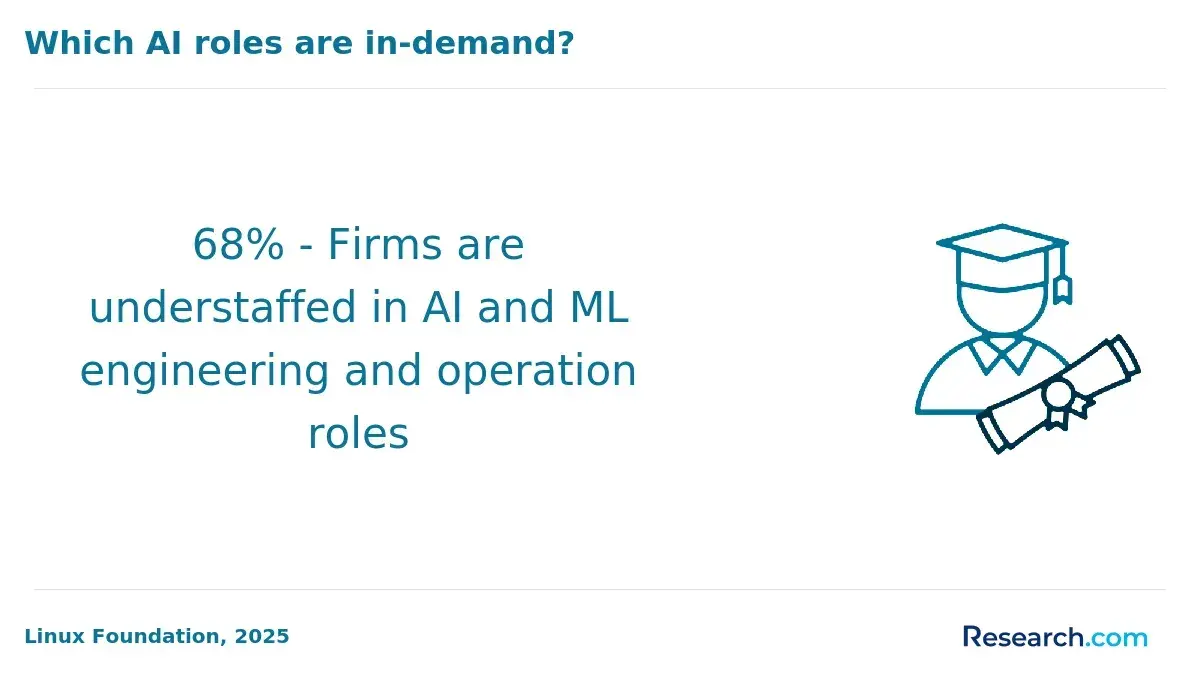
An online AI degree prepares graduates for diverse roles in technology, data science, and business sectors. Common positions include machine learning engineer, data analyst, AI research assistant, and software developer specializing in AI-driven applications. These roles often require expertise in programming languages like Python, data modeling, and algorithm design, all central to AI curricula.
Careers in AI also extend beyond technical expertise. Graduates can become AI ethics specialists, product managers overseeing AI solutions, or consultants who guide organizations in responsible AI integration. Employers increasingly seek candidates with practical knowledge of AI's applications across industries such as healthcare, finance, manufacturing, and marketing. This demand fuels the growth of online AI degree careers in the US.
A 2024 Lumina Foundation-Gallup survey of 2,000 U.S. employers found that 73% prefer candidates with associate or bachelor's degrees, even if the job does not formally require one. This statistic illustrates the value of degree credentials as signals of foundational knowledge and dedication. For many roles, practical experience like internships or open-source contributions supplements academic training, making candidates more competitive.
Prospective students should seek accredited programs combining theory with hands-on training to qualify for high-demand jobs for AI degree graduates. Those interested in interdisciplinary fields or specific applications might also explore related degrees, such as an online game development degree, which shares relevant technical skills.
How do online and campus AI degrees compare?
Online ai degree vs traditional campus degree programs differ mainly in their delivery, but employer trust in online ai degrees has grown significantly when key factors match. Accreditation remains a top priority, along with a curriculum that emphasizes practical skills such as machine learning, data science, and neural networks. According to the Federal Reserve Bank of Atlanta, job listings requiring AI capabilities have surged from 0.5% in 2010 to 1.7% in recent data, highlighting nearly 628,000 openings demanding these skills.
Campus degrees typically offer direct networking, internships, and hands-on lab experiences, appealing to employers who value real-world application. For instance, programs with strong industry connections can improve placement chances. Meanwhile, online programs provide flexible access to the latest AI coursework, often updated faster to reflect evolving technologies, which benefits professionals balancing work and study.
Employers judge AI degrees based on:
- Institutional accreditation and recognized AI program standards
- Curriculum focus on relevant AI techniques
- Hands-on projects or research experience
- Industry partnerships tied to the program
Students pursuing an AI education in the U.S. should carefully consider these elements and explore specialized offerings such as a data analytics masters to strengthen their skill set and career readiness.
What courses are included in an online AI degree?
Online AI degree programs combine foundational and advanced coursework to develop both theoretical understanding and practical skills. Core classes typically cover machine learning, algorithms, data structures, statistics, and programming languages like Python and R. These lay the groundwork for designing and optimizing AI models.
Specialized topics often include natural language processing, computer vision, robotics, and reinforcement learning, preparing students for real-world applications such as voice recognition and autonomous systems.
Programs increasingly emphasize ethics in AI, data privacy, and human-computer interaction to ensure graduates responsibly apply AI technologies. Hands-on projects, labs, and capstone experiences provide valuable practical exposure to AI frameworks and large datasets.
Electives may focus on cloud computing, big data analytics, or AI applications in healthcare and finance, allowing customization of studies based on career interests.
The evolving job market favors measurable AI skills over credentials alone. According to the Skills vs. Degrees report, skills-based hiring expands the candidate pool significantly-by 6.1 times overall and 8.2 times for AI roles. This trend highlights employers' prioritization of applied AI capabilities.
Prospective students should confirm their chosen programs align with industry-demanded skills, ethical considerations, and practical training to enhance employability in competitive AI careers.
What admission requirements do online AI programs have?
Admission to online artificial intelligence programs typically requires a bachelor's degree from an accredited institution, often in fields like computer science, engineering, or mathematics. Applicants with nontechnical backgrounds may be considered if they show proficiency in foundational subjects such as programming and calculus. Official transcripts are usually necessary to verify academic qualifications.
While standardized tests like the GRE are becoming optional, competitive programs may still request scores. Applicants often submit a statement of purpose or personal essay to illustrate their motivation and career objectives. Letters of recommendation provide valuable insight into a candidate's skills and potential from academic or professional perspectives.
Work experience in technology or related sectors can meet prerequisites, especially for master's level programs. Some programs require technical assessments or prerequisite coursework, such as completing online modules in programming languages like Python, to ensure adequate foundational knowledge.
International students must provide proof of English proficiency through exams like TOEFL or IELTS. A minimum GPA, often around 3.0 on a 4.0 scale, is commonly expected, though this varies by program.
Despite their accessibility, online artificial intelligence degrees maintain rigorous standards to ensure graduate readiness. According to a Lumina Foundation-Gallup survey, 69% of employers believe recent graduates need additional training before they are job-ready, emphasizing the importance of meeting both academic and practical admission criteria.
How long does an online AI degree take to finish?
An online AI degree usually takes between 1.5 and 4 years to finish, depending on the program type and student pace. Associate degrees typically require about 2 years, while bachelor's degrees often take around 3 to 4 years. Accelerated options can reduce this timeframe to 18 months or less for focused curricula. For example, a full-time bachelor's program demands completing roughly 120 credit hours covering foundational courses in computer science, machine learning, statistics, and specialized AI topics.
Part-time learners and working professionals may extend their studies beyond four years to balance education with other responsibilities. Many programs offer flexible scheduling and stackable credentials or certificate pathways that count toward a full degree, providing incremental milestones.
Program accreditation and curriculum rigor are crucial since they affect employer trust in online AI credentials. Research indicates 57% of hiring managers trust AI's work more than that of recent graduates, and 70% believe AI can handle intern-level tasks. This highlights the importance of skills and projects in demonstrating competence beyond degree speed.
Hands-on projects, internships, and industry collaboration significantly enhance credibility but may add time to programs. Considering these commitments helps students align their learning goals with evolving career paths in AI.
How much does an online AI degree cost?
The cost of an online artificial intelligence degree varies widely based on the institution and program length. Hakia's review lists 46 accredited AI programs in the U.S., highlighting a top public option with annual tuition around $11,524 and an impressive 97% graduation rate. This program offers a cost-effective choice for students prioritizing affordability and completion success.
Private schools generally charge significantly more, with tuition fees ranging from $20,000 to over $50,000 per year. In contrast, public universities often provide lower rates, especially for in-state students. Additional expenses, such as technology fees, materials, and proctoring, can add $1,000 to $2,000 annually to overall costs.
Financial aid and scholarships play a crucial role in reducing the net price. Many online AI programs qualify for federal aid, while some offer scholarships specifically for STEM and AI students. It is important to check financial support options early during the application process.
Program length influences total cost: bachelor's degrees usually take four years, whereas accelerated online master's programs may be completed in one to two years. Total tuition reflects yearly fees multiplied by the duration. Cost-effective programs with high graduation rates prove that quality online AI education is accessible and aligns with strong career outcomes in the field.
- Public AI program tuition: approximately $11,524 per year
- Private university tuition range: $20,000 to $50,000+
- Additional annual fees: $1,000 to $2,000
What salaries do AI degree graduates earn?
Graduates with AI degrees can expect starting salaries between $85,000 and $130,000 annually in the U.S., varying by specialization and industry. Entry-level roles in data science or machine learning often begin around $90,000. In contrast, positions in AI research, advanced robotics, or AI-driven software engineering may start closer to $120,000 or more. Mid-career professionals frequently see salaries rise to $150,000-$200,000, especially in high-demand fields such as finance, healthcare, and technology.
Recruiter confidence in AI-related business degrees remains high, with a 99% positive rating reported by the Graduate Management Admission Council's Corporate Recruiters Survey. This trust boosts salary prospects for graduates who combine technical skills with business acumen.
Several factors influence salaries, including the institution's prestige, geographic location, and prior experience. Graduates from top-tier programs with internships at recognized tech companies typically achieve higher salary ranges. Additionally, certifications in AI tools like Python and TensorFlow enhance earning potential.
Key salary insights:
- Starting salaries range from $85,000 to $130,000 depending on role
- Mid-career compensation can reach $150,000 to $200,000
- Business skills integrated with AI expertise increase recruiter confidence
- Prestigious programs and internships improve salary outcomes
- Certifications in specialized AI tools boost earning potential
AI degree holders who cultivate both technical and business skills are well positioned to secure competitive salaries with strong growth prospects.
How do you choose a reputable online AI program?
When selecting a reputable online artificial intelligence program, accreditation and institutional reputation are key. Regional accreditation by recognized U.S. agencies guarantees that the program adheres to rigorous academic standards, while affiliations with established universities or verified certificates enhance credibility with employers.
Curriculum relevance is essential. Look for programs that include current topics such as machine learning, neural networks, natural language processing, and data analytics. Practical components like hands-on projects and real-world case studies, especially those involving industry partnerships, prepare students for the challenges they will face in the workforce.
Faculty expertise is another important factor. Professors actively engaged in AI research or industrial innovation show the program's connection to emerging trends and technologies. This involvement often translates into a richer learning environment.
Graduate outcomes reflect employer trust. High job placement rates, internships, and collaborations with AI companies indicate strong market demand. According to the Federal Reserve Bank of Atlanta, job postings requiring artificial intelligence skills have more than tripled since 2010 for roles requiring at least an associate degree.
Practical considerations include balancing tuition costs, program length, and flexibility. Many prospective students benefit from part-time or self-paced options to maintain work-study balance.
- Confirm regional accreditation and institutional reputation.
- Ensure curriculum includes current AI technologies and practical experience.
- Review faculty qualifications and active involvement in AI industries.
- Assess graduate job placement success and partnerships with employers.
- Consider cost, duration, and program flexibility to suit your needs.
Other Things You Should Know About Artificial Intelligence
A master's degree is not always mandatory but is highly recommended for advanced roles in artificial intelligence. Many employers prefer candidates with graduate-level education because it often involves deeper study of machine learning, neural networks, and other specialized AI topics. However, some entry-level positions or roles focused on software development and data handling may accept a bachelor's degree combined with relevant experience.
Artificial intelligence is transforming industries such as healthcare, finance, automotive, and retail by automating processes, improving data-driven decision making, and enhancing customer experiences. In healthcare, AI assists in diagnostics and personalized treatment plans. In finance, it powers fraud detection and algorithmic trading. These impacts create new opportunities for AI professionals across diverse sectors.
Ethical concerns in artificial intelligence include data privacy, algorithmic bias, and transparency of AI decision-making. Ensuring AI systems do not discriminate or reinforce societal inequalities is a major focus. Many organizations now emphasize responsible AI development to avoid unintended consequences and maintain public trust in AI technologies.
In 2027, employer perception varies based on program credibility and practical experience offered. Online degrees with robust industry connections are often equally valued. Highlighted programs, like a master’s in AI in healthcare, are recognized for specialized knowledge, aligning with evolving industry needs.
References
- 16 Artificial Intelligence Career Paths https://www.calmu.edu/news/artificial-intelligence-career-paths
- Ultimate Guide: How to Choose the Right AI Training Course to Boost Your Career - ONLC https://www.onlc.com/blog/how-to-choose-ai-training-courses/
- Which Course do you recommend after AI For Everyone? https://community.deeplearning.ai/t/which-course-do-you-recommend-after-ai-for-everyone/834556
- AI careers: top jobs, salaries, and skills for 2025 | edX https://www.edx.org/become/ai-careers
- Best Online AI & ML Degrees 2025 https://hakia.com/degrees/artificial-intelligence/best-online-degrees/
- University Degree vs AI Bootcamp: Which is Best Career Path? https://agilefever.com/university-degree-vs-ai-bootcamp-which-is-best/
- Best Online AI Degrees: 2025 Rankings & Program Directory - MastersInAI.org https://www.mastersinai.org/degrees/online-artificial-intelligence-degrees/
- How long will the course take? https://www.elementsofai.com/faq/how-many-hours-will-the-course-take
- AI Certifications: Accredited Programs, Vendor Credentials, and Emerging Standards - Total Seminars https://totalsem.com/ai-certifications-accredited-programs-vendor-credentials-and-emerging-standards/
- Guide to Getting an Online Artificial Intelligence Degree | OnlineColleges.Net https://www.onlinecolleges.net/degrees/artificial-intelligence/