
2027 Occupational Therapy vs. Physical Therapy: What’s the Difference?

Co-Founder and Chief Data Scientist
Choosing between occupational therapy and physical therapy is not just a question of which healthcare career sounds more appealing. It is a decision about the kind of problems you want to solve, the patients you want to serve, the graduate training you are willing to complete, and the clinical settings where you can see yourself working long term. Both fields help people recover function and improve quality of life, but they do that work from different angles.
This guide explains the practical difference between occupational therapy and physical therapy, including education requirements, licensure, typical patients, work settings, salary considerations, job outlook, specializations, technology trends, and program selection factors. It is written for students comparing therapy careers, career changers exploring healthcare roles, and professionals weighing related paths such as public health majors and career outcomes.
Occupational Therapy vs. Physical Therapy Table of Contents
- What is Occupational Therapy? Role, Training Path, and Career Outlook
- What is Physical Therapy? Role, Training Path, and Career Outlook
- Occupational Therapy vs. Physical Therapy: Main Similarities and Differences
- Occupational Therapy vs. Physical Therapy: How to Choose the Better Fit
- What Opportunities Are Available for Therapy and Related Healthcare Careers?
- What are the educational requirements to become an occupational therapist?
- What are the regulatory and legal challenges affecting therapy practices?
- Emerging Fields and Specializations in Therapy
- Can Accelerated Healthcare Administration Degrees Elevate Therapy Careers?
- Navigating Therapy Leadership Roles and Their Impact on Healthcare
- Are the Financial Investments in Therapy Degrees Justified?
- Can supplementary certifications enhance therapy practice management?
- How Can Therapy Professionals Maintain Work-Life Balance and Prevent Burnout?
- How Can Advanced Interdisciplinary Programs Enhance Therapy Practice?
Quick Answer: Occupational Therapy vs. Physical Therapy
Occupational therapy helps people build or regain the ability to perform meaningful daily activities, such as dressing, eating, working, learning, managing home routines, or participating in school and community life. Physical therapy focuses more directly on movement, strength, mobility, pain reduction, injury recovery, and physical function.
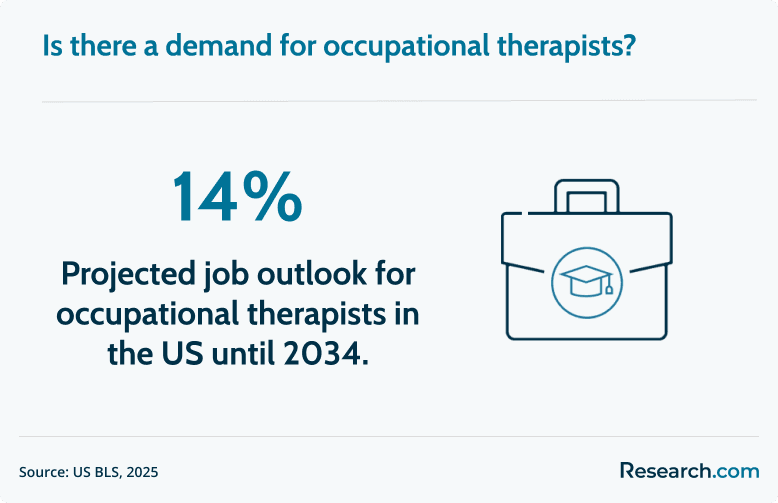
Both careers require graduate-level education, supervised clinical experience, national examinations, and state licensure. According to the Bureau of Labor Statistics, occupational therapists are projected to see 11% job growth until 2033, while physical therapists are projected to see 14% job growth during the same period (U.S. Bureau of Labor Statistics, 2024). The better choice depends on whether you are more interested in helping patients perform everyday life tasks or restoring movement and physical capacity.
| Question | Occupational Therapy | Physical Therapy |
| Primary focus | Daily activities, independence, adaptive strategies, routines, self-care, school, work, and participation | Movement, mobility, strength, balance, injury recovery, pain management, and physical performance |
| Typical degree path | Master’s degree in occupational therapy is typically the minimum educational requirement | Doctor of Physical Therapy (DPT) is the minimum educational requirement |
| Best fit for students who enjoy | Problem-solving around daily living, cognition, adaptive equipment, patient environments, and functional independence | Exercise science, anatomy, biomechanics, rehabilitation, sports medicine, and mobility improvement |
| Common settings | Hospitals, rehabilitation centers, schools, home healthcare, private practices, and community-based settings | Outpatient clinics, hospitals, private offices, patients’ homes, nursing homes, sports settings, and rehabilitation facilities |
| Career outlook cited in this guide | 11% projected job growth until 2033 | 14% projected job growth until 2033 |
What is Occupational Therapy? Role, Training Path, and Career Outlook for 2026
Occupational therapy is a healthcare profession centered on helping people participate in the activities that give structure and meaning to their lives. In this context, “occupation” does not only mean employment. It refers to everyday activities such as bathing, cooking, writing, using technology, playing, going to school, managing medication routines, working, and participating in family or community life.
The clearest distinction in the occupational therapy vs. physical therapy comparison is the scope of the goal. Occupational therapists often ask, “What does this person need to do in daily life, and what is preventing them from doing it?” The answer may involve physical limitations, cognitive changes, sensory processing needs, emotional barriers, home design, workplace layout, assistive technology, or lack of support.
Occupational therapists use evidence-based interventions, activity modification, therapeutic exercises, adaptive equipment, environmental changes, and patient education. For example, an occupational therapist may help a stroke survivor relearn dressing strategies, support a child with developmental delays in school tasks, teach energy conservation techniques to someone with chronic illness, or recommend home modifications for an older adult at risk of falls.
The Path to Becoming an Occupational Therapist
Students who want to become occupational therapists should plan for a graduate-level education, clinical fieldwork, national certification, and state licensure. Requirements can vary by state, so applicants should verify rules where they intend to practice before enrolling.
- Earn the required occupational therapy degree – A master's degree in occupational therapy is typically the minimum educational requirement for licensure as an occupational therapist in the United States. Students comparing flexible healthcare programs may also research online public health degrees and related online options, but occupational therapy programs must meet the standards required for licensure.
- Build a science foundation – Occupational therapy coursework commonly includes physiology, biology, anatomy, neuroscience, development, mental health, assistive technology, and clinical reasoning. These subjects help students understand how health conditions affect daily function.
- Complete supervised fieldwork – Occupational therapy programs require a minimum of 1,000 hours of supervised fieldwork experience. This is where students learn to translate classroom concepts into patient care under the supervision of experienced practitioners.
- Pass the NBCOT exam – Graduates of accredited occupational therapy programs must pass the National Board for Certification in Occupational Therapy (NBCOT) exam. Passing the exam leads to the Occupational Therapist Registered (OTR) credential, a nationally recognized certification (National Board for Certification in Occupational Therapy, n.d.).
- Apply for state licensure – Certification alone is not enough to practice. Occupational therapists must also obtain a license in the state where they work. State requirements may include an application, fees, proof of education, proof of certification, a state-specific exam, background checks, or other documentation. Practitioners who want advanced credentials can explore advanced certification through AOTA in areas such as gerontology and pediatrics.
- Maintain credentials through continuing education – Occupational therapists must complete continuing education units to keep their licensure and certification active. CEU rules vary by state and certification body, so professionals should track deadlines carefully.
The Career Outlook for Occupational Therapists
The occupational therapy field benefits from several long-term healthcare forces: an aging population, improved survival after illness and injury, broader awareness of rehabilitation services, assistive technology development, and the need for school-based and community-based support. Occupational therapists work in hospitals, rehabilitation centers, schools, home healthcare, skilled nursing settings, outpatient clinics, and private practices.
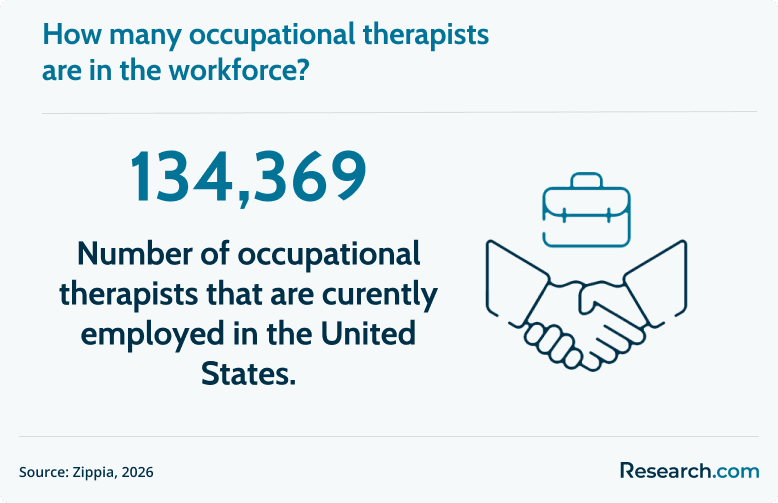
Occupational therapists in the United States earn an average salary of $75,707 per year, typically between $58,000 and $97,000 annually, which is slightly below registered nurse salary information by state (Zippia, 2026). Pay varies by location, experience, employer type, setting, and specialization. California, Alaska, Nevada, Hawaii, and Oregon tend to report higher average salaries for occupational therapists, often reflecting cost of living, labor market demand, and healthcare access needs.
Occupational therapy is also highly collaborative. OTs may coordinate care with physicians, nurses, speech-language pathologists, mental health professionals, educators, social workers, nutrition professionals, and graduates of online nutrition programs. This team-based work matters because patient independence is rarely affected by one factor alone.
| Occupational Therapy Career Factor | What Students Should Know |
| Patient focus | People who need support with daily activities, cognitive or physical adaptation, school participation, work tasks, self-care, or independent living |
| Work style | Hands-on, patient-centered, problem-solving oriented, and often family- or caregiver-inclusive |
| Strong interests | Human development, disability support, adaptive equipment, mental health, home and workplace function, pediatrics, aging, and rehabilitation |
| Potential challenge | Documentation, productivity expectations, emotional fatigue, physical demands, and navigating reimbursement rules |
| Best reason to choose OT | You want to help people function in real-life environments, not only improve a specific body movement or impairment |
Occupational Therapy Program Examples to Compare
The following occupational therapy programs are examples of pathways students may encounter when comparing degree formats, costs, accreditation, and timelines. Always confirm current tuition, accreditation status, admission requirements, fieldwork expectations, and licensure eligibility directly with the school before applying.
University of Southern California Bachelor’s to Doctorate (BS to OTD) in Occupational Therapy
The University of Southern California offers a Bachelor's to Doctorate (BS to OTD) pathway for students who want a streamlined route into occupational therapy. Students majoring in occupational therapy as undergraduates can move toward the doctoral degree in two additional years instead of following the traditional three-year post-baccalaureate route. The design may reduce total time in school and help graduates prepare earlier for the National Board for Certification in Occupational Therapy® examination.
- Program length: 2 years
- Tracks/concentration: Not specified
- Cost per credit: $63,468 each semester
- Required credits to graduate: 128 (BS program); fieldwork; doctoral capstone
- Accreditation: Accreditation Council for Occupational Therapy Education (ACOTE)
University of Pittsburgh Master of Science in Occupational Therapy
The University of Pittsburgh offers a Master of Science in Occupational Therapy program built around helping people with physical, cognitive, and psychosocial challenges across the lifespan. The curriculum combines academic preparation with practical training so students can develop clinical reasoning, functional assessment skills, and intervention planning abilities.
- Program length: 8 months
- Tracks/concentration: Not specified
- Cost per credit: around $24,000 and up per semester
- Required credits to graduate: 30
- Accreditation: Accreditation Council for Occupational Therapy Education (ACOTE)
Boston University Entry-Level Doctor of Occupational Therapy (OTD)
Boston University offers an Entry-Level Doctor of Occupational Therapy program for students with bachelor’s degrees in fields other than occupational therapy. The program is designed to develop entry-level occupational therapy competencies as well as leadership skills for advanced practice contexts.
- Program Length: 3 years
- Tracks/Concentration: Not specified
- Cost per Credit: $1,327
- Required Credits to Graduate: 112
- Accreditation: Accreditation Council for Occupational Therapy Education (ACOTE)
What is Physical Therapy? Role, Training Path, and Career Outlook
Physical therapy is a healthcare profession focused on restoring, improving, and maintaining movement and physical function. Physical therapists evaluate how muscles, joints, nerves, balance, posture, strength, pain, endurance, and mobility affect a person’s ability to move safely and effectively.
The most direct answer to “Is occupational therapy the same as physical therapy?” is no. Physical therapy usually concentrates more on the body’s movement systems, while occupational therapy concentrates more on how a person performs daily life tasks. A physical therapist may help a patient walk after surgery, regain strength after an injury, improve balance after a neurological condition, recover from a sports injury, or manage chronic pain with therapeutic exercise and movement strategies.
Physical therapists use interventions such as manual therapy, strengthening programs, gait training, balance exercises, mobility training, neuromuscular reeducation, pain management techniques, and patient education. They also teach patients how to reduce reinjury risk through proper body mechanics, posture, ergonomics, and home exercise routines.
Physical therapists frequently collaborate with other healthcare professionals, including physicians, nurses, athletic trainers, occupational therapists, and advanced practice providers. Students comparing rehabilitation and medical care roles may also review the benefits of being a family nurse practitioner or explore healthcare management salary and role information if they are interested in clinical leadership rather than direct rehabilitation care.
The Path to Becoming a Physical Therapist
Becoming a physical therapist requires a structured sequence of undergraduate preparation, doctoral-level education, clinical training, national examination, state licensure, and continuing education.
- Complete a bachelor's degree – Students usually begin with a bachelor's degree. Common undergraduate majors include kinesiology, exercise science, biology, health science, or another field that covers prerequisite science coursework. Some DPT programs accept applicants from a wide range of majors if prerequisites are completed.
- Earn a Doctor of Physical Therapy (DPT) degree – The Doctor of Physical Therapy degree is the minimum educational requirement to practice as a physical therapist. A DPT program typically takes around three years and includes classroom learning, laboratory work, and clinical rotations.
- Finish required clinical experiences – DPT students complete clinical hours in healthcare environments under licensed physical therapists. These placements allow students to apply assessment, treatment planning, documentation, communication, and patient safety skills.
- Pass the NPTE – Graduates must pass the National Physical Therapy Examination (NPTE), administered by the Federation of State Boards of Physical Therapy (FSBPT), to become eligible for state licensure.
- Meet state licensing requirements – Every state requires licensure to practice physical therapy. Requirements commonly include an application, fees, proof of education, exam results, background checks, and state-specific documentation.
- Complete continuing education – Licensed physical therapists must maintain current knowledge through continuing education activities such as workshops, conferences, online courses, and professional training.
- Consider specialty board certification – Physical therapists can pursue specialty recognition through the American Board of Physical Therapy Specialties. ABPTS recognizes 10 specialty areas: Cardiovascular and Pulmonary, Clinical Electrophysiology, Geriatrics, Neurology, Oncology, Orthopaedics, Pediatrics, Sports, Women's Health, and Wound Management. According to ABPTS statistics, Orthopaedics is the most popular PT specialty, with 42,962 individuals achieving board certification as of 2025.
Some students begin with assistant-level or support roles before committing to a DPT. If you want a lower-cost or earlier entry point into rehabilitation work, compare the top online programs in physical therapy assistance and review whether credits, clinical hours, and state requirements align with your long-term plan.
The Career Outlook for Physical Therapists
Physical therapists work in private offices, outpatient clinics, hospitals, patients’ homes, nursing homes, rehabilitation facilities, and other care settings. The field is projected to have an average of 14,000 job openings each year over a decade (U.S. Bureau of Labor Statistics, 2024). Many of those openings are expected to come from workers changing occupations or retiring.
Outpatient clinics are a common employment setting for physical therapists. In these environments, PTs may treat orthopedic injuries, neurological conditions, sports-related issues, sprains, strains, chronic pain, and post-surgical rehabilitation needs.
Sports medicine is another pathway for professionals who want to work with physically active patients and athletes. Physical therapists in this area may help patients recover from injuries, improve strength and conditioning, and reduce the likelihood of future injury. Related sports medicine roles are also growing: employment for athletic trainers is projected to increase 11% from 2024 to 2034. The median annual wage for athletic trainers was $60,250 as of May 2024 (U.S. Bureau of Labor Statistics).
Geriatric physical therapy is also important as more older adults seek to maintain mobility, independence, and quality of life. PTs in geriatrics may work with patients affected by arthritis, osteoporosis, Alzheimer's disease, balance disorders, weakness, and fall risk.
| Physical Therapy Career Factor | What Students Should Know |
| Patient focus | People recovering from injury, surgery, pain, neurological conditions, mobility problems, strength loss, or balance limitations |
| Work style | Movement-based, exercise-focused, hands-on, and often physically active |
| Strong interests | Anatomy, biomechanics, sports rehabilitation, orthopedics, neurology, cardiopulmonary function, and movement science |
| Potential challenge | Physical workload, insurance documentation, productivity expectations, patient motivation, and repetitive strain risk |
| Best reason to choose PT | You want to diagnose movement problems and help patients improve strength, mobility, balance, and physical performance |
Best Physical Therapy Programs in 2024
These program examples show how DPT options can vary by format, price, curriculum design, and accreditation. Before applying, confirm current costs, delivery format, clinical placement expectations, state licensure alignment, and accreditation directly with each institution.
University of Southern California Doctor of Physical Therapy (DPT) Program
The Doctor of Physical Therapy program at the University of Southern California uses a hybrid online/on-campus model. The DPT@USC curriculum follows a systems-based approach and includes clinically relevant foundational science as well as preparation to manage patients with musculoskeletal, cardiopulmonary, and neurologic conditions.
- Program length: 3 years
- Tracks/concentration: Physical therapy
- Cost per credit: $1,995
- Required credits to graduate: No information available
- Accreditation: Commission on Accreditation in Physical Therapy Education (CAPTE)
University of Pittsburgh Doctor of Physical Therapy (DPT) Residential and Hybrid Program
The University of Pittsburgh offers its Doctor of Physical Therapy curriculum in Residential and Hybrid formats. The program uses a 7-term structure, with the Hybrid option combining remote learning and on-campus experiences developed by faculty and instructional designers.
- Program length: 2.3 years
- Tracks/concentration: Physical therapy
- Cost per credit: $14,021 per term (in-state); $16,500 per term (out-of-state)
- Required credits to graduate: No information available
- Accreditation: Commission on Accreditation in Physical Therapy Education (CAPTE)
Washington University in St. Louis – Doctor of Physical Therapy (DPT)
Washington University in St. Louis offers a three-year Doctor of Physical Therapy program focused on scientific and clinical preparation for diagnosing and treating movement-related conditions. The curriculum integrates biomedical sciences, physical sciences, clinical education, behavioral sciences, social sciences, patient education, advocacy, and health promotion.
- Program length: 3 years
- Tracks/concentration: Physical therapy
- Cost per credit: $22,918 per academic semester
- Required credits to graduate: No information available
- Accreditation: Commission on Accreditation in Physical Therapy Education (CAPTE)
Occupational Therapy vs. Physical Therapy: Main Similarities and Differences
Where OT and PT Overlap
Occupational therapists and physical therapists both help patients improve function, recover from illness or injury, manage limitations, and participate more safely in daily life. Both professions use evidence-based treatment plans, document progress, educate patients and families, collaborate with care teams, and adjust interventions based on patient response.
The shared goal is functional improvement. A patient recovering from a stroke, for example, may work with a physical therapist on gait, balance, and strength while also working with an occupational therapist on dressing, meal preparation, bathroom safety, and returning to valued routines. The two professions often complement each other rather than compete.
Where OT and PT Differ
The difference is clearest when you look at the treatment lens. Physical therapy is more focused on movement impairment and physical performance. Occupational therapy is more focused on how health conditions affect practical participation in daily activities and environments.
| Comparison Point | Occupational Therapy | Physical Therapy |
| Main question | What does the patient need or want to do in daily life, and what barriers are getting in the way? | What movement, strength, mobility, pain, or physical function problem needs to improve? |
| Core treatment emphasis | Daily living skills, adaptive methods, assistive devices, cognitive strategies, sensory support, and environmental modifications | Therapeutic exercise, mobility training, strength, balance, gait, pain reduction, and movement retraining |
| Patient examples | A child struggling with school tasks, an older adult needing home safety support, a patient relearning self-care after injury | An athlete recovering from injury, a patient walking after surgery, an older adult improving balance and strength |
| Typical assessment lens | Function in context: home, work, school, self-care, community, cognition, routines, and supports | Body movement systems: joints, muscles, nerves, posture, gait, balance, endurance, and pain |
| Common misconception | OT is only about jobs or employment | PT is only exercise coaching |
Conditions and Injuries Treated
Both professions may treat some of the same diagnoses, but they often address different consequences of those diagnoses. The table below gives examples of conditions commonly associated with each discipline.
| Occupational Therapy | Physical Therapy |
| Developmental delays or disorders, such as autism or cerebral palsy | Injuries, such as sprains, strains, or fractures |
| Health conditions, such as arthritis, multiple sclerosis, or Parkinson's disease | Orthopedic conditions, such as osteoarthritis or rheumatoid arthritis |
| Injuries, such as traumatic brain injury or spinal cord injury | Neurological conditions, such as stroke or spinal cord injury |
| Mental health conditions, such as depression or anxiety | Sports-related injuries |
| Chronic pain | Chronic pain |
Occupational Therapy vs. Physical Therapy: How to Choose the Better Fit
The right choice depends on your interests, strengths, preferred patient interactions, tolerance for graduate school requirements, and long-term career goals. Use the following steps before committing to a program.
- Study the actual scope of each profession – Read job descriptions, licensure board information, program curricula, and professional association resources. Do not rely only on a short definition of OT or PT.
- Compare the patient problems you want to solve – Choose OT if you are drawn to independence, daily routines, adaptive tools, cognition, school participation, home safety, and meaningful activity. Choose PT if you are drawn to movement, mobility, exercise, injury recovery, pain, balance, and physical performance.
- Review education requirements honestly – Occupational therapists typically need a master's degree, while physical therapists need a Doctor of Physical Therapy degree. Compare prerequisites, length, tuition, clinical placement requirements, and licensure outcomes.
- Analyze local job markets – Demand, pay, and openings vary by state, city, employer, and specialty. Look at job postings in your target area to see which settings are hiring and what experience they request.
- Shadow both professions – Observing a school-based OT, an inpatient rehabilitation OT, an outpatient PT, and a hospital-based PT can be more useful than reading broad career summaries.
- Talk to students and working clinicians – Ask current OT and PT students about workload, fieldwork, clinical rotations, debt, stress, and faculty support. Ask practicing therapists what they enjoy and what they wish they had known before enrolling.
- Meet with admissions and academic advisors – Advisors can help you compare prerequisites, transfer credits, application competitiveness, fieldwork expectations, and whether your undergraduate coursework fits the path.
- Calculate total cost, not just tuition – Include fees, books, commuting, relocation, lost wages, clinical placement expenses, exam fees, licensure fees, and continuing education.
- Check accreditation before applying – Occupational therapy programs should align with ACOTE requirements, and physical therapy programs should align with CAPTE requirements. Accreditation affects licensure eligibility and should not be treated as optional.
- Consider your preferred work pace – Some therapy settings involve high patient volume and strict productivity metrics. Others involve longer sessions, team meetings, school calendars, travel, or home visits.
What Opportunities Are Available for Therapy and Related Healthcare Careers?
Students interested in therapy often discover related healthcare careers while comparing OT and PT. Some roles involve direct rehabilitation, while others focus on diagnosis, primary care, administration, health education, or clinical operations. If you are considering broader medical practice, researching easier PA schools to get into may help you understand physician assistant program expectations and how that path differs from therapy training.
| Path | When It May Make Sense | Important Caution |
| Occupational therapist | You want to help patients perform daily activities, adapt environments, and regain independence | Licensure depends on completing the proper OT education, fieldwork, certification, and state requirements |
| Physical therapist | You want to diagnose and treat movement, mobility, strength, balance, pain, and injury-related limitations | A DPT, clinical training, the NPTE, and state licensure are required |
| Physical therapist assistant | You want a faster support role in rehabilitation before committing to a doctoral path | Assistant roles have a different scope of practice and do not replace DPT preparation |
| Physician assistant | You want broader medical responsibilities, diagnosis, treatment planning, and prescriptive authority where permitted | PA programs have their own prerequisites, clinical experience expectations, and licensing exams |
| Healthcare administration | You want to lead clinics, manage operations, or move away from full-time direct patient care | Administrative roles may require business, finance, compliance, and leadership training |
What is the Role of Technology in Modern Therapy Practices?
Technology is reshaping how occupational therapists and physical therapists assess patients, deliver care, monitor progress, and support home programs. It does not replace clinical judgment, but it can expand access and make therapy more data-informed.
- Teletherapy and remote monitoring – Telehealth can help patients receive therapy support when distance, transportation, mobility, or rural access is a barrier. Therapists may use video visits, remote check-ins, and digital assessments when clinically appropriate and permitted by payer and state rules.
- Wearable technology and mobile apps – Wearables and apps can track exercise adherence, movement patterns, posture, step counts, or home program completion. These tools can help therapists adjust care plans using patient-generated data.
- Virtual reality for rehabilitation – VR may support balance, coordination, motor learning, simulated daily activities, and patient engagement. In physical therapy, it may support movement practice; in occupational therapy, it may simulate tasks patients need to perform safely.
- AI-assisted documentation and analytics – AI tools may help with administrative workflows, documentation support, patient engagement reminders, and pattern recognition. Therapists still need to verify accuracy, protect privacy, and avoid overreliance on automated recommendations.
The main decision point for students is not whether technology will matter. It will. The better question is whether a program teaches safe, ethical, evidence-based technology use alongside strong hands-on clinical skills.
What are the educational requirements to become an occupational therapist?
To become a licensed occupational therapist, students typically need to complete a master's degree in occupational therapy. Some bachelor's programs in occupational therapy-related areas may prepare students for assistant-level roles or graduate study, but they generally do not qualify graduates to practice independently as occupational therapists.
Master's degree programs in occupational therapy can often be completed in two to three years of full-time study, although accelerated formats may take less time. Working adults should compare format, fieldwork placement support, accreditation, state licensure alignment, and total cost before choosing an online or hybrid option. Students exploring healthcare graduate programs more broadly may also compare paths such as the shortest online MSN programs, but nursing and occupational therapy lead to different licenses and scopes of practice.
What are the regulatory and legal challenges affecting therapy practices?
Therapy professionals practice in a heavily regulated healthcare environment. Key issues include state licensure, documentation standards, patient privacy, reimbursement rules, supervision requirements, scope-of-practice boundaries, informed consent, fraud prevention, and ethical care delivery.
Because requirements differ by state and employer, therapists must stay current through continuing education and professional updates. Regulatory pressure is not unique to therapy; many allied health and clinical professions face similar compliance demands. Students comparing regulated healthcare careers can also review the education path for schooling to become a pharmacist to understand how licensure, exams, and professional accountability differ by field.
Emerging Fields and Specializations in Therapy
Occupational and physical therapy continue to evolve as healthcare systems place more emphasis on rehabilitation access, aging populations, chronic disease management, and outcomes-based care. Specialization can help therapists focus their expertise and compete for roles in targeted settings.
- Telehealth therapy – Remote therapy can support patients who have transportation, geographic, mobility, or scheduling barriers. Therapists must understand state rules, payer policies, privacy standards, and which interventions are appropriate for virtual delivery.
- Pediatric therapy – Pediatric occupational and physical therapists may work with children with developmental delays, disabilities, injuries, sensory needs, mobility concerns, or school participation challenges.
- Sports rehabilitation – Physical therapists in sports rehab often help athletes recover from injury, improve movement mechanics, and reduce future injury risk. Occupational therapists may support adaptation and return to daily roles after injury.
- Geriatrics – Therapists serving older adults may focus on fall prevention, mobility, home safety, joint protection, energy conservation, dementia support, and independence.
- Neurological rehabilitation – OT and PT practitioners may work with patients after stroke, spinal cord injury, traumatic brain injury, Parkinson's disease, multiple sclerosis, or other neurological conditions.
Professionals who want to broaden their clinical role beyond therapy may compare advanced healthcare programs such as physician assistant online programs. That path can expand patient care responsibilities, but it involves a different curriculum, licensure model, and scope of practice.
Can Accelerated Healthcare Administration Degrees Elevate Therapy Careers?
Therapists who want to move into management, clinic operations, compliance, quality improvement, or service-line leadership may benefit from healthcare administration education. Administrative training can strengthen skills in budgeting, staffing, payer policy, strategic planning, regulatory compliance, and team leadership.
An accelerated program may be useful for clinicians who want to transition more quickly into leadership while continuing to work. However, speed should not be the only criterion. Students should compare accreditation, transfer credit policies, faculty experience, cost, employer recognition, and career relevance. For those evaluating management-focused credentials, the fastest online bachelor's degree in healthcare administration can provide a starting point for comparing accelerated options.
Navigating Therapy Leadership Roles and Their Impact on Healthcare
Leadership roles allow occupational and physical therapists to influence care quality beyond one-on-one treatment sessions. Therapy leaders may supervise teams, design care pathways, manage clinics, evaluate outcomes, support compliance, mentor new clinicians, and advocate for better access to rehabilitation services.
Some clinicians move into leadership through experience and continuing education. Others pursue formal degrees in healthcare administration, public health, business, nursing, or related fields. Professionals interested in interdisciplinary clinical leadership may compare options such as ADN to NP programs online, while remembering that nursing, nurse practitioner, and therapy careers have distinct licensure requirements and scopes of practice.
Strong therapy leaders need more than clinical expertise. They must understand staffing, reimbursement, documentation standards, quality metrics, technology adoption, patient safety, and team culture. They also play a major role in preventing burnout by setting realistic workflows and supporting professional development.
Are the Financial Investments in Therapy Degrees Justified?
Therapy degrees can require substantial investment because students must account for tuition, fees, books, clinical placement costs, commuting or relocation, exam fees, licensure fees, and lost income while studying. Whether the investment is justified depends on total cost, debt level, local salaries, employer demand, work setting, specialization, and career goals.
Do not judge return on investment by salary alone. A lower-cost accredited program with strong licensure outcomes may be more financially sensible than a prestigious program that requires excessive borrowing. Students comparing healthcare doctorate costs may also review related guides such as online pharmacy school cost to understand how professional degree expenses can vary across fields.
| Cost Factor | Why It Matters | Question to Ask |
| Accreditation | Licensure eligibility can depend on graduating from the right accredited program | Is the program currently accredited by the appropriate accreditor? |
| Total tuition and fees | Published tuition may not include all required expenses | What is the full program cost from admission through graduation? |
| Clinical placement support | Poor placement support can delay graduation or add travel costs | Who arranges placements, and where are they typically located? |
| Licensure outcomes | Exam pass rates and licensure preparation affect career entry | What are recent exam pass rates and employment outcomes? |
| Debt burden | Loan payments can limit career flexibility after graduation | What monthly payment might I face after borrowing? |
Can supplementary certifications enhance therapy practice management?
Additional certifications can help therapists manage documentation, billing, reimbursement workflows, compliance, and practice operations more effectively. This is especially useful for clinicians who own practices, supervise staff, manage departments, or want to reduce administrative errors.
For example, training in coding and billing can help therapists understand claims submission, payer rules, documentation requirements, and revenue cycle processes. A low-cost medical coding and billing online program may be useful for professionals who want operational knowledge without committing to another clinical degree.
How Can Therapy Professionals Maintain Work-Life Balance and Prevent Burnout?
Therapy work can be physically and emotionally demanding. Clinicians may face high caseloads, productivity requirements, complex documentation, patient pain or trauma, family concerns, and physical strain from hands-on care. Burnout prevention should be treated as a career skill, not an afterthought.
- Set boundaries early – Protect documentation time, meal breaks, and personal time where possible.
- Use body mechanics consistently – Therapists who teach safe movement also need to protect their own bodies during transfers, demonstrations, and manual work.
- Seek supervision and peer support – Mentorship can reduce isolation and help newer clinicians manage difficult cases.
- Monitor workload patterns – A consistently unsustainable caseload may signal the need for a different setting, employer, specialty, or schedule.
- Explore adjacent roles when needed – Some professionals consider related healthcare roles or supplemental credentials to diversify their work. For example, researching the fastest way to become a medical assistant can help career changers understand shorter healthcare training pathways, although it does not replace OT or PT licensure.
How Can Advanced Interdisciplinary Programs Enhance Therapy Practice?
Interdisciplinary education can help therapists understand patient care beyond a single discipline. Training in public health, healthcare administration, pharmacy, data analytics, education, informatics, or leadership can support better care coordination and more effective service delivery.
For some professionals, interdisciplinary learning supports research, management, teaching, program development, or policy work. Others may use it to collaborate more effectively with pharmacists, nurses, physicians, social workers, and administrators. Therapists exploring broader clinical systems may compare options such as the fastest doctor of pharmacy degree, while recognizing that pharmacy and therapy are separate regulated professions with different training and licensure requirements.
Common Mistakes When Comparing Occupational Therapy and Physical Therapy
- Assuming OT and PT are interchangeable – They overlap in rehabilitation settings, but their core treatment focus and educational paths differ.
- Choosing based only on salary – Pay matters, but work setting, debt, burnout risk, patient population, and daily responsibilities matter just as much.
- Ignoring accreditation – Accreditation is central to licensure eligibility. Always verify ACOTE or CAPTE status directly.
- Looking only at tuition – Total cost includes fees, supplies, transportation, clinical placement expenses, exam costs, licensure, and lost wages.
- Skipping shadowing – Observing real clinicians can quickly reveal whether you prefer OT’s daily-life focus or PT’s movement-based approach.
- Assuming online or hybrid means easier – Healthcare programs with clinical requirements can be demanding regardless of delivery format.
- Overlooking state licensure rules – A program may be reputable but still require careful review if you plan to practice in a specific state.
- Relying only on rankings – Rankings can be useful, but they should not replace accreditation checks, cost analysis, clinical placement review, and licensure outcome data.
Questions to Ask Before Applying to an OT or PT Program
| Question | Why It Matters |
| Is the program accredited by the appropriate body? | Accreditation affects licensure eligibility and employer recognition. |
| What are the exam pass rates? | Pass rates can indicate how well the program prepares students for certification or licensure exams. |
| How are fieldwork or clinical placements arranged? | Placement support can affect cost, graduation timeline, and training quality. |
| What is the full cost of attendance? | Students need to estimate debt realistically before enrolling. |
| Can I work while enrolled? | Some programs are too intensive for full-time employment. |
| Where do graduates work? | Graduate outcomes can show whether the program aligns with your target setting or specialty. |
| Does the curriculum include technology, documentation, and interprofessional care? | Modern therapy practice requires more than hands-on treatment skills. |
| Will this program meet licensure requirements in my state? | State rules vary, especially for students completing online, hybrid, or out-of-state programs. |
The Bottom Line: OT and PT Are Different Paths to Functional Recovery
Occupational therapy and physical therapy are both essential rehabilitation professions, but they serve patients through different clinical lenses. OT focuses on participation in meaningful daily life activities, adaptive strategies, and independence in real-world environments. PT focuses on movement, strength, mobility, balance, pain reduction, and physical performance.
If you are still comparing healthcare careers, explore adjacent fields before committing to graduate school. For example, students interested in advanced nursing roles can review what you can do with a MSN degree. The best decision is the one that matches your strengths, financial situation, preferred patient population, and willingness to complete the required licensure path.
Key Insights
- Occupational therapy is about daily function – OT helps people perform meaningful activities such as self-care, school tasks, work routines, home management, and community participation.
- Physical therapy is about movement and mobility – PT helps people improve strength, balance, gait, range of motion, pain, endurance, and physical performance.
- Both careers have strong outlooks – The BLS projects 11% job growth for occupational therapists until 2033 and 14% job growth for physical therapists during the same period.
- Education requirements differ – Occupational therapists typically need a master’s degree, while physical therapists must earn a Doctor of Physical Therapy degree.
- Accreditation is nonnegotiable – OT applicants should verify ACOTE accreditation, and PT applicants should verify CAPTE accreditation before enrolling.
- Shadowing is one of the best decision tools – Observing both professions in multiple settings can clarify which daily work style fits you.
- ROI depends on more than salary – Compare total cost, debt, exam outcomes, licensure eligibility, clinical placement support, and local job demand.
- Technology is becoming part of therapy practice – Telehealth, wearables, mobile apps, VR, and AI-supported workflows are increasingly relevant, but clinical judgment remains central.
References:
- Massachusetts College of Pharmacy and Health Sciences. (n.d.). Occupational therapists and physical therapists both provide rehabilitative services. Explore the distinctly different purposes for the care they provide. MCPHS.
- National Board for Certification in Occupational Therapy. (n.d.). What is an OTR or COTA. NBCOT.
- U.S. Bureau of Labor Statistics. (2022a, September 8). Athletic trainers: Occupational outlook handbook: U.S. Bureau of Labor Statistics. BLS.
- U.S. Bureau of Labor Statistics. (2022b, September 8). Physical therapists occupational outlook handbook: U.S. Bureau of Labor Statistics. BLS.
- U.S. Bureau of Labor Statistics. (2025). Occupational therapists: Occupational outlook handbook: U.S. Bureau of Labor Statistics. BLS.
- Zippia. (2026). Occupational therapist salary. Zippia.
Other Things You Should Know About Occupational Therapy and Physical Therapy
To enter occupational therapy programs in 2027, a bachelor's degree in a relevant field is generally required, along with specific prerequisite courses like human anatomy and psychology. Accreditation by bodies such as ACOTE is essential for the program to be recognized.
Yes, educational requirements differ. Occupational therapy typically requires a master's degree and passing the NBCOT exam, while physical therapy usually requires a Doctor of Physical Therapy (DPT) degree and passing the NPTE. Each program has specific prerequisites and clinical practice requirements.
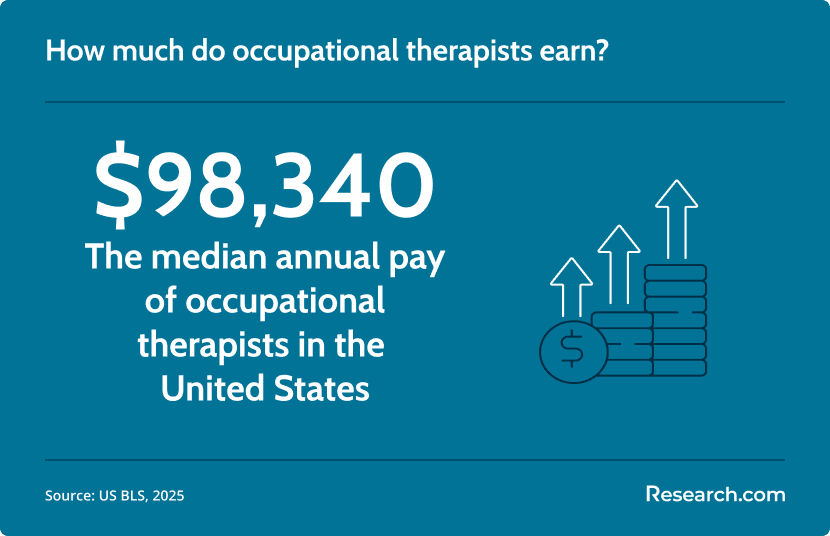
As of 2027, the median salary for occupational therapists in the U.S. is approximately $91,000 per year, while physical therapists earn about $95,000 annually. Salaries can vary by location, experience, and specialization. It's important to consider these factors when comparing earnings in these professions.
Both occupational and physical therapists collaborate with other healthcare providers, such as doctors, nurses, and speech therapists, to create comprehensive treatment plans for patients. This interdisciplinary approach ensures holistic care and optimal patient outcomes.
Occupational therapists in the United States take the NBCOT OTR exam, while physical therapists take the Federation’s NPTE. Passing scores are set by each testing body, and both exams are required for state licensure after graduation from an accredited program.


