2027 AI Skills Gap Report

Co-Founder and Chief Data Scientist
Many professionals with undergraduate degrees in unrelated fields face significant challenges when trying to pivot into the artificial intelligence industry. The gap between existing skills and those demanded by this rapidly evolving field often hinders career transitions and limits opportunities for advancement. Employers report difficulty finding candidates who combine foundational knowledge with practical expertise. This skills gap affects workforce readiness and slows innovation. This article examines current trends in artificial intelligence education and training, highlighting flexible and accredited pathways designed to help prospective students and working professionals bridge the divide and successfully enter the artificial intelligence workforce.
Key Things You Should Know
- By 2026, 78% of U.S. employers report difficulty finding candidates with adequate artificial intelligence skills, highlighting a widening gap despite growing educational programs.
- Demand for skills in machine learning and data analytics is projected to increase by 40% through 2027, driven by rapid AI adoption across industries.
- Only 23% of recent graduates possess strong artificial intelligence competencies, underscoring the need for enhanced curriculum alignment with industry requirements.
What is the AI skills gap and why does it matter for U.S. students and workers?
The AI skills gap in the U.S. workforce represents a critical challenge as demand for trained professionals who can design, develop, and manage artificial intelligence technologies far exceeds supply. IDC projects this shortage could cost the global economy up to $5.5 trillion in GDP by 2030 due to slower AI adoption, underscoring the urgency for U.S. students and workers to build these competencies.
The impact of artificial intelligence skills shortage on U.S. students is significant. Without AI education, career options in fast-growing fields like data science, machine learning, software engineering, and AI ethics are limited. For working professionals, maintaining and advancing AI expertise is vital to avoid job displacement and remain relevant across industries such as healthcare, finance, manufacturing, and retail.
Key challenges learners face include:
- Grasping fundamental AI topics like neural networks, natural language processing, and computer vision.
- Obtaining hands-on experience with AI programming languages such as Python and frameworks like TensorFlow or PyTorch.
- Integrating AI knowledge with domain expertise in sectors like business and healthcare.
Addressing this gap requires focused education investments, including formal degrees and continuous professional development. U.S. students are advised to explore applied AI degree jobs to ensure competitive positioning. Workers should pursue certifications and micro-credentials that validate and advance their AI skills. Without strategic efforts, the U.S. risks falling behind in AI-driven innovation and economic growth.
Which artificial intelligence skills are most in demand across today's U.S. job market?
The most in-demand artificial intelligence skills in the U.S. job market emphasize technical expertise for designing and deploying AI solutions. Key areas include data science, machine learning, and advanced Python programming, which are essential for developing predictive models. Proficiency with deep learning frameworks like TensorFlow and PyTorch is critical for tasks in computer vision and natural language processing.
Employers also prioritize skills in AI infrastructure and cloud computing platforms such as AWS, Azure, and Google Cloud. These capabilities support scalable AI operations and efficient management of large datasets. Knowledge of MLOps, which optimizes the deployment and monitoring of machine learning models, is increasingly valuable.
Data engineering skills, including data wrangling, ETL processes, and database management, enhance AI system reliability. Additionally, understanding AI ethics, fairness, and compliance is becoming important to ensure responsible AI use aligned with legal and societal standards. Individuals aiming to enter this field can benefit from well-rounded training that combines both theoretical knowledge and practical technology skills.
MetaIntro's 2026 Talent Shortage Survey shows that 62% of employers worldwide have difficulty finding candidates with the right AI capabilities, making it one of the hardest skill sets to fill. Prospective students and professionals targeting the top artificial intelligence skills employers seek in the United States should consider pursuing an online artificial intelligence degree to meet this high demand effectively.
How does the AI skills gap affect salaries, hiring, and long-term career growth?
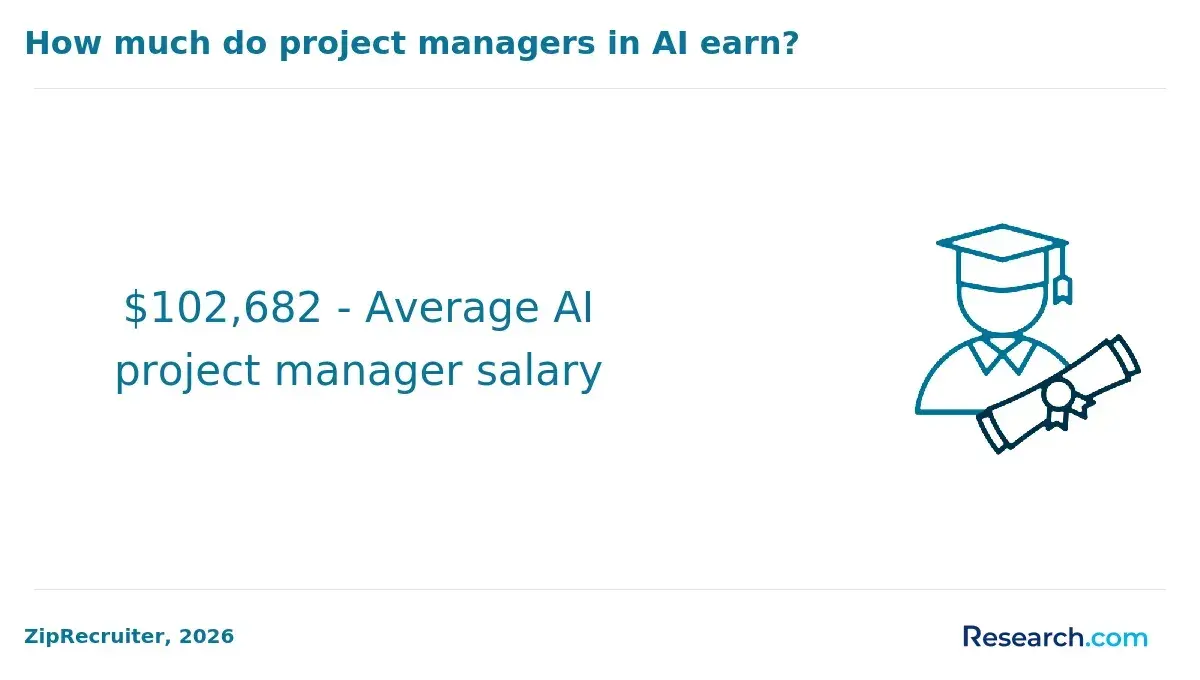
The ai talent shortage impact on salary and hiring is evident as demand far exceeds supply, with over 1.6 million open AI positions but fewer than 520,000 qualified candidates globally. This gap pushes salaries higher, especially for specialists in machine learning, natural language processing, and AI ethics, with entry-level roles typically paying between $90,000 and $120,000, and senior roles surpassing $200,000 annually.
Hiring challenges encourage employers to seek candidates who combine formal education credentials with hands-on AI project experience. Many companies have increased internships and internal training programs to address skill gaps internally, while contracts and freelance roles offer flexible access to expertise.
Long-term career growth in ai job market rewards those who continuously update skills, especially in emerging fields like explainable AI and AI security. Combining AI expertise with disciplines such as healthcare, finance, or robotics broadens opportunities. For students and graduates, combining degrees with practical experience and certifications is critical to staying competitive. Prospective learners can explore affordable educational paths, including game design online programs that often integrate AI fundamentals.
The evolving AI landscape demands proactive learning and adaptability to maintain job security and advance careers amid intense competition and rapid technological change.
What degrees, certificates, and bootcamps best prepare students for AI careers?
Degrees in computer science with a focus on machine learning, data science, or robotics offer the most robust foundation for careers in artificial intelligence. These programs often integrate mathematics, statistics, and programming languages such as Python or R. Engineering disciplines, notably electrical or software engineering with AI electives, provide valuable technical skills essential for AI development and deployment. Notably, prospective students may consider an online electrical engineering bachelor degree for veterans as an accessible pathway.
Top certifications and bootcamps for AI careers in North America are increasingly popular for professionals who want to sharpen specific skills without committing to a full degree. Certificates in areas like natural language processing, deep learning, and machine learning offer focused expertise from accredited institutions or platforms like Coursera and edX.
Bootcamps emphasize hands-on learning with tools such as TensorFlow, PyTorch, and scikit-learn. These intensive 3- to 6-month programs are especially effective for career changers or recent graduates aiming for quick entry into AI roles. The AI degree programs with highest job placement rates often combine theoretical knowledge with practical experience.
AI skills command a strong wage premium, with workers earning 56% more than those in non-AI roles and experiencing salary growth of 38% year-over-year across experience levels, according to SecondTalent and AI Statistics Center data. Choosing between degrees, certificates, and bootcamps depends on prior experience, career objectives, and available resources.
- Majors: computer science, software engineering, electrical engineering with AI focus
- Certificates: machine learning, deep learning, natural language processing
- Bootcamps: AI coding, applied machine learning, data science projects
Combining these educational pathways can maximize preparedness for AI employment opportunities and improve long-term career outcomes.
How do online AI programs compare with campus-based options for quality and outcomes?
Campus-based and online ai education programs serve different learner needs with distinct advantages. Campus options typically provide deeper theoretical knowledge, access to labs, and direct faculty mentorship, which foster critical thinking and research skills essential for careers in ai development or academia. Online programs focus on flexibility and practical skills like applied machine learning and data handling, aligning well with immediate job market demands.
Working professionals and students valuing schedule adaptability often prefer online courses, including bootcamps and certificate tracks centered on hands-on projects and real-world problem solving. However, these may lack the curricular depth and peer interactions found on campus. Hybrid models that combine both approaches show potential for balancing these gaps.
Deloitte's State of AI 2026 survey, involving 3,235 senior global leaders, identifies the ai skills gap as the top barrier to enterprise ai adoption, emphasizing the need for programs delivering job-ready competencies promptly and effectively.
Prospective students should weigh:
- Curriculum rigor
- Instructor expertise
- Mentorship access
- Certification recognition
Those aiming for research-intensive or leadership roles may benefit from campus programs with extensive engagement and networking, while those seeking rapid reskilling or entry-level employment might lean toward online options with up-to-date industry tools.
Bridging the ai skills gap demands deliberate educational choices suited to personal circumstances and labor market needs.
What coursework and technical foundations do strong AI and machine learning programs include?
Strong AI and machine learning programs combine foundational coursework with applied skills essential for expertise development. Core subjects include mathematics such as linear algebra, calculus, probability, and statistics, which support model creation and data analysis. Proficiency in programming languages, particularly Python along with libraries like TensorFlow and PyTorch, is vital for implementing algorithms and managing datasets. Understanding data structures and algorithms further enhances the ability to optimize solutions.
Applied courses emphasize supervised, unsupervised, and reinforcement learning, focusing on practical problem-solving with varied datasets. Specialized topics such as natural language processing, computer vision, and deep learning architectures align training with current industry demands. Skills in data engineering fundamentals, including database management and cloud platforms, prepare learners to navigate big data environments and AI deployment challenges.
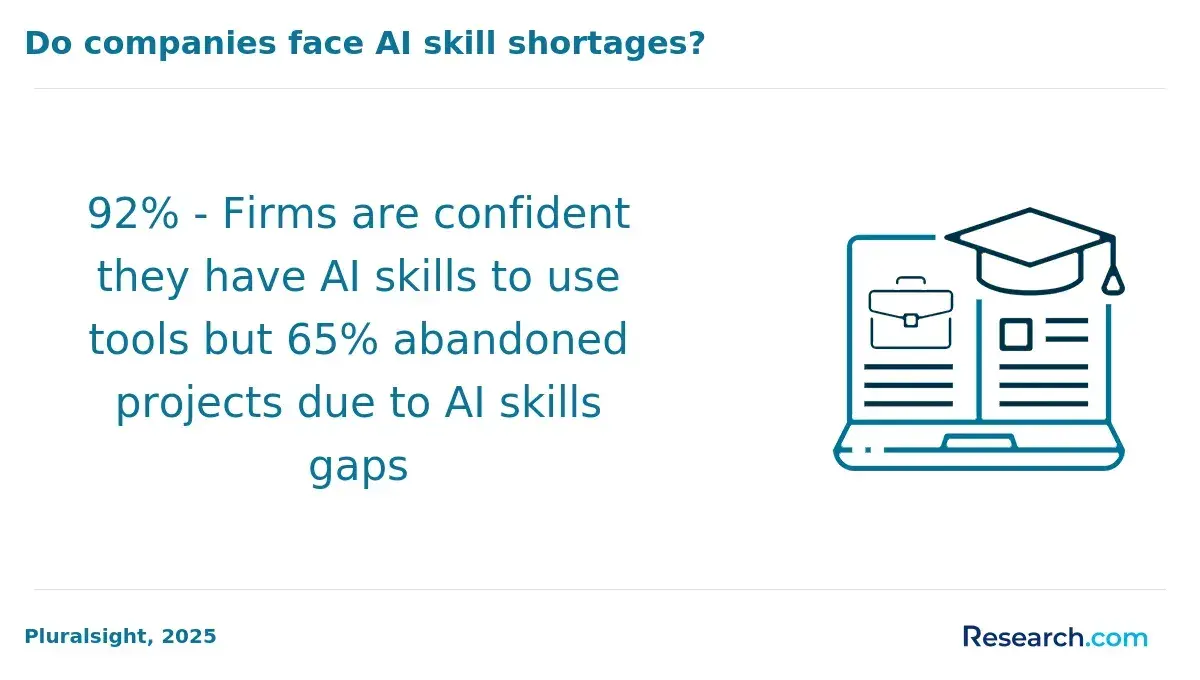
To address the talent shortage reported in CareerTrainer's 2026 AI Skills Gap report-where 70% of organizations note an AI skills shortage and 65% identify lack of AI talent as a key barrier-programs integrate critical problem-solving and research methodologies. Students develop expertise in evaluating model performance, mitigating bias, and improving interpretability.
Hands-on experience through projects, internships, or labs where students work with real datasets and simulate deployments is essential for career readiness in a rapidly evolving field. These opportunities foster collaboration across disciplines and ease organizational adoption challenges.
What accreditation and quality standards should U.S. AI programs meet?
U.S. ai programs should obtain accreditation from respected organizations like ABET or regional bodies to ensure rigorous curriculum standards, faculty expertise, and sufficient resources. These accreditations guarantee comprehensive training in core ai skills such as machine learning, algorithm design, data ethics, and ai implementation.
Programs must align with evolving industry frameworks and labor market demands, incorporating practical, hands-on learning with real-world datasets and tools. Interdisciplinary approaches blending computer science, statistics, and domain-specific knowledge are essential for preparing students for diverse roles in the ai field.
With an estimated 59% of the global workforce needing significant ai upskilling or reskilling by 2030 according to the Workforce Reskilling Imperative AI Statistics Center, accessible continuing education and certification options are critical. These modular credentials support working professionals aiming to update skills in a rapidly changing landscape.
Transparency is vital; programs should publish employment rates, skill achievement benchmarks, and employer satisfaction data. Partnerships with industry for internships and co-op placements enhance relevance and real-world experience. Moreover, embedding ethical ai standards, including bias mitigation and data privacy, prepares graduates to become responsible practitioners.
What are current AI career paths, job roles, and typical salary ranges?
AI career paths in the U.S. cover various specializations, each with unique duties and salary ranges. Key roles include machine learning engineer, data scientist, AI research scientist, AI software developer, and AI product manager. Machine learning engineers create algorithms that enable systems to learn from data, earning about $95,000 to $150,000 annually. Data scientists analyze vast datasets with statistical and AI tools, earning between $85,000 and $140,000. AI research scientists focus on developing new models, typically earning $100,000 to $160,000 in academic or corporate labs.
AI software developers integrate AI models into applications, with average salaries of $90,000 to $130,000. AI product managers manage AI projects and can earn $110,000 to $160,000 based on experience and location. Specialized roles like natural language processing engineers, computer vision engineers, and robotics engineers often command salaries equal to or exceeding these ranges due to their in-demand expertise.
Nearly 80% of UK AI employers faced recruiting difficulties, highlighting a global shortage of qualified talent. Demand for AI experts grows twice as fast as other tech fields, especially for skills in deep learning frameworks, cloud computing, and domain-specific AI applications.
Students and professionals benefit from targeting specific AI roles and gaining experience in specialized subfields through internships or projects, boosting competitiveness in this expanding market.
- Machine learning engineer: $95,000-$150,000
- Data scientist: $85,000-$140,000
- AI research scientist: $100,000-$160,000
- AI software developer: $90,000-$130,000
- AI product manager: $110,000-$160,000
What is the job outlook for AI and related tech roles over the next decade?
The job market for AI and related technology roles is expanding rapidly, driven by diverse industries such as healthcare, finance, manufacturing, and retail adopting AI solutions. This surge creates strong demand for professionals skilled in AI development, machine learning engineering, data science, and AI ethics compliance. According to Iternal's 2026 AI Skills Gap analysis, organizations offering hands-on AI training see 3-4 times greater adoption of AI tools, along with time savings of around 40% in critical positions. This highlights how mastering AI skills directly translates into improved productivity and valuable career opportunities.
Positions like AI engineers, data analysts, AI product managers, and system architects require a blend of programming, mathematics, and business insight. Familiarity with AI frameworks such as TensorFlow and PyTorch, along with expertise in data wrangling and cloud computing, boosts competitiveness. Continuous learning is essential due to rapid advancements in AI methods and tools. Professional certifications, bootcamps, and degree programs centered on practical AI applications help bridge the skills gap reported by many businesses.
Emerging fields like AI-driven automation, natural language processing, and robotics offer robust career paths with attractive salaries and stability. Students and graduates benefit from internships and project experience to accelerate their development. Roles emphasizing AI governance and ethics are also growing in importance, reflecting the increased focus on responsible AI practices.
How can prospective students choose a reputable, future-ready AI education program?
When selecting AI education programs, focus on curriculum relevance, faculty expertise, and industry alignment to maximize career opportunities. Priority should be given to programs offering comprehensive coverage of machine learning, natural language processing, computer vision, and data ethics. Accreditation by recognized educational bodies confirms quality and reliability. Partnerships with industry leaders are vital, as they often provide internships, real-world projects, and job placement to develop practical skills.
Faculty credentials and active research involvement enhance program depth, especially when instructors publish in top AI journals or participate in prominent conferences. Programs that integrate emerging trends such as AI fairness, explainability, and AI in healthcare indicate a commitment to evolving technologies.
Flexibility in delivery, including online, part-time, or hybrid formats, benefits working professionals. Certifications and micro-credentials add value by focusing on high-demand skills, enabling faster entry or advancement in the AI workforce.
With projections showing a significant gap between AI job demand and qualified professionals, candidates should prioritize hands-on learning and portfolio development. Requesting sample syllabi, alumni success stories, and placement rates allows for informed decisions aligned with industry needs.
- Confirm program accreditation and industry partnerships
- Evaluate faculty expertise and research activity
- Check if curricula cover current and emerging AI topics
- Consider flexible delivery modes and extra credentials
- Analyze graduate employment data and project relevance
Other Things You Should Know About Artificial Intelligence
Developing ethical artificial intelligence systems involves addressing bias, ensuring transparency, and protecting user privacy. AI models often reflect biases present in the training data, which can lead to unfair or discriminatory outcomes. Additionally, making AI decision processes explainable to users and regulators remains a central challenge in the field.
Artificial intelligence is transforming education through personalized learning systems that adapt to individual student needs. In workforce training, AI-powered platforms can identify skill gaps and provide targeted learning experiences. This integration supports continuous upskilling and reskilling in an increasingly AI-driven job market.
Soft skills such as critical thinking, communication, and collaboration are essential complements to technical AI knowledge. AI professionals often work in interdisciplinary teams and must explain complex concepts to non-specialists. Developing these skills enhances problem-solving abilities and supports better project outcomes.
Artificial intelligence systems require large datasets, raising significant data privacy issues. The collection, storage, and use of personal information must comply with legal frameworks like GDPR and CCPA. Ensuring data anonymization and securing consent are critical steps to mitigate privacy risks in AI applications.
The 2027 AI Skills Gap Report suggests targeted upskilling programs, collaboration with educational institutions, and increased investment in AI education and training to address major AI skills shortages in industries such as healthcare, financial services, and manufacturing. These initiatives aim to bridge the gap by equipping the workforce with necessary AI competencies.
References
- University Degree vs AI Bootcamp: Which is Best Career Path? https://agilefever.com/university-degree-vs-ai-bootcamp-which-is-best/
- Ultimate Guide: How to Choose the Right AI Training Course to Boost Your Career - ONLC https://www.onlc.com/blog/how-to-choose-ai-training-courses/
- Online vs Campus Artificial Intelligence Degree Programs: Complete Comparison https://hakia.com/compare/artificial-intelligence-online-vs-campus/
- AI Skills Opportunity Map https://www.digitaleducationcouncil.com/resource-library-items/ai-skills-opportunity-map
- DeepLearning.AI https://www.deeplearning.ai/courses
- Must-have AI skills for today’s job seekers | Altis Recruitment https://www.altis.com/learn/must-have-ai-skills-for-todays-job-seekers
- AI Skills Demand in the U.S. Job Market (2026) | Gloat https://gloat.com/blog/ai-skills-demand/
- 23 Top AI Certifications to Know | Built In https://builtin.com/articles/ai-certification
- How AI may reshape career pathways to better jobs | Brookings https://www.brookings.edu/articles/how-ai-may-reshape-career-pathways-to-better-jobs/
- New Use of Artificial Intelligence Accreditation Policy and Procedures - Middle States Commission on Higher Education https://www.msche.org/2025/07/02/new-use-of-artificial-intelligence-accreditation-policy-and-procedures/